Top 4 Castles in Dübener Heide
Castles in Dübener Heide offer a historical perspective within a region known for its natural landscapes. The area features a mix of historical sites, including water castles and former hunting lodges. These structures provide insight into the architectural and cultural heritage of the Dübener Heide. Visitors can explore various castles that have evolved through different eras, from Baroque designs to Neo-Renaissance transformations.
Best castles in Dübener Heide
- The most popular castles is Reinharz Moated Castle, a castle built between…
Last updated: August 11, 2026
Reinharz Moated Castle
Highlight • Castle
Heinrich von Löser, Electorate of Saxony's hereditary marshal, had a representative moated castle with a baroque park, castle pond and brewery pond built between 1690 …
Translated by Google •
Tip by

Burgkemnitz Castle
Highlight • Castle
construction time
18th century, 19th century,
1869
Architectural style
Baroque, historicism, neo-renaissance
Builder
Hans Bodo Baron von Bodenhausen (1869)
Builder/architect
–
Condition
The castle in Burgkemnitz is currently …
Translated by Google •
Tip by

Sign up now to discover places like this
Get recommendations on the best single tracks, peaks, & plenty of other exciting outdoor places.
Sign up for free
Gräfenhainichen Castle Ruins
Highlight • Castle
Translated by Google •
Tip by

Schloss Radis
Highlight • Castle
Translated by Google •
Tip by

Kapenschlösschen
Highlight • Monument
Translated by Google •
Tip by

Sign up for free to discover even more castles in Dübener Heide.
Sign up for free
Already have an account?
Start today with a free account
Your next adventure awaits.
Login or Signup
Popular around Dübener Heide
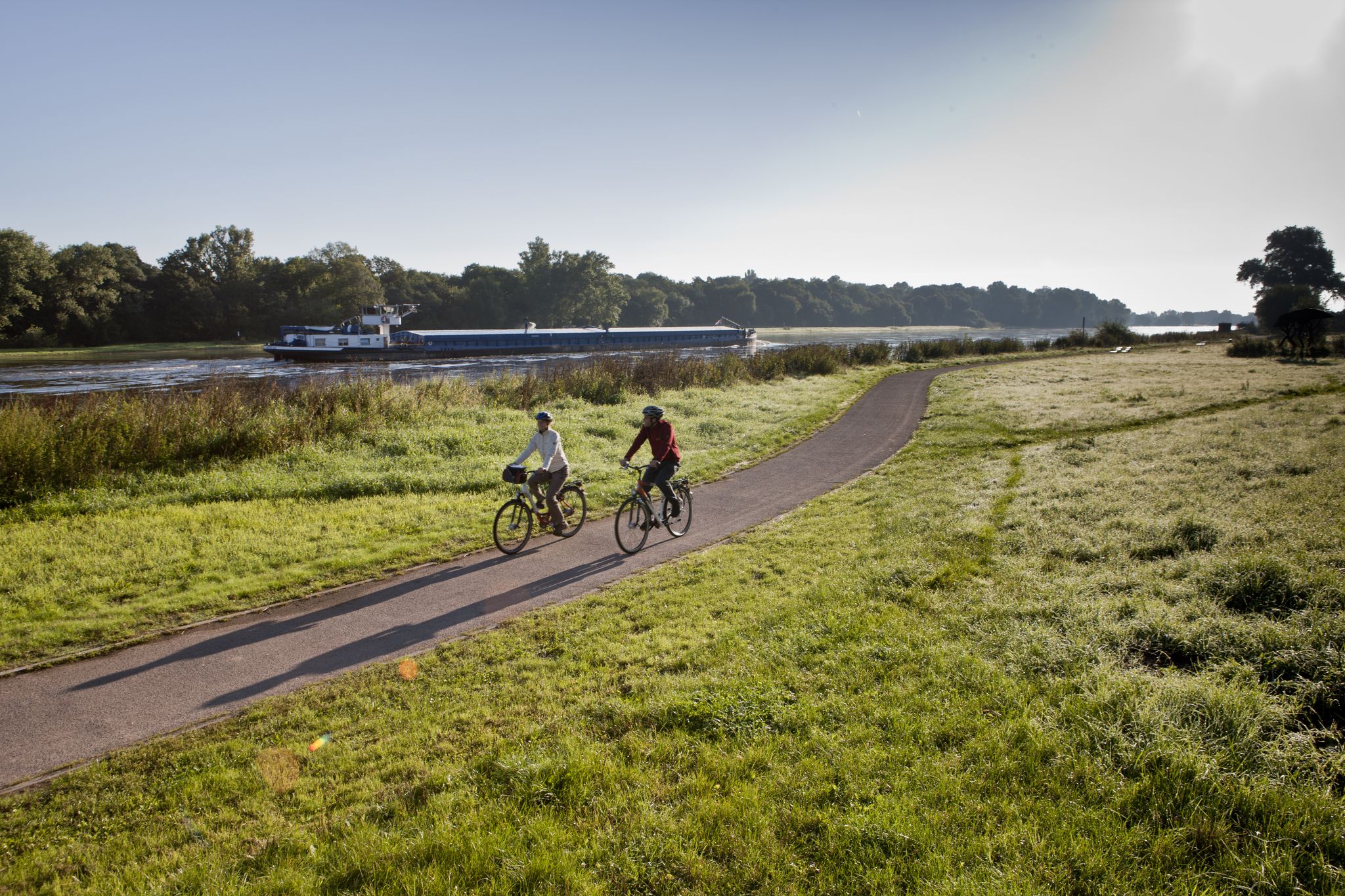
Elbe Cycle Route – Ride through Saxony-Anhalt
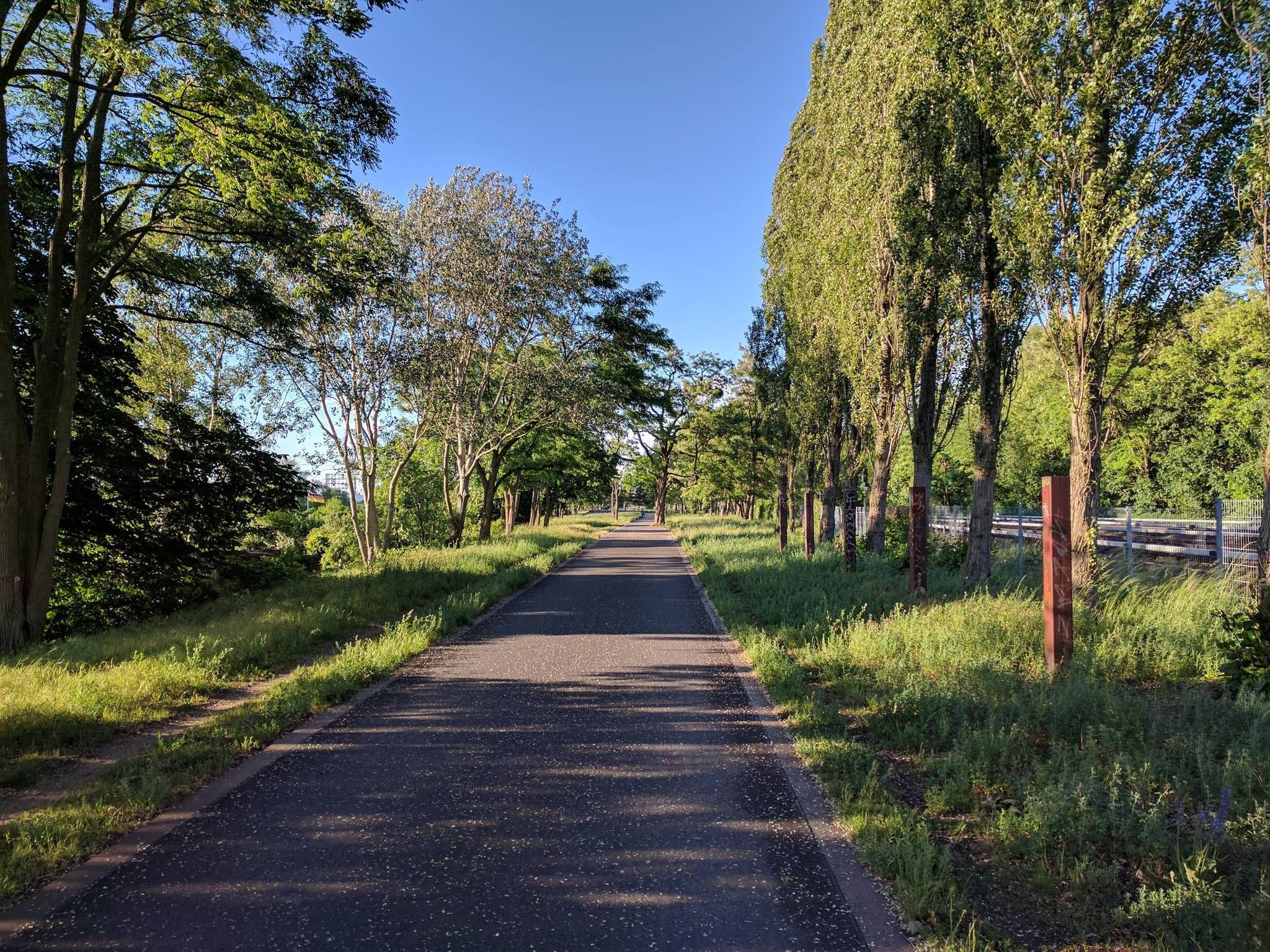
The Berlin Leipzig cycle path – Through the East in five stages
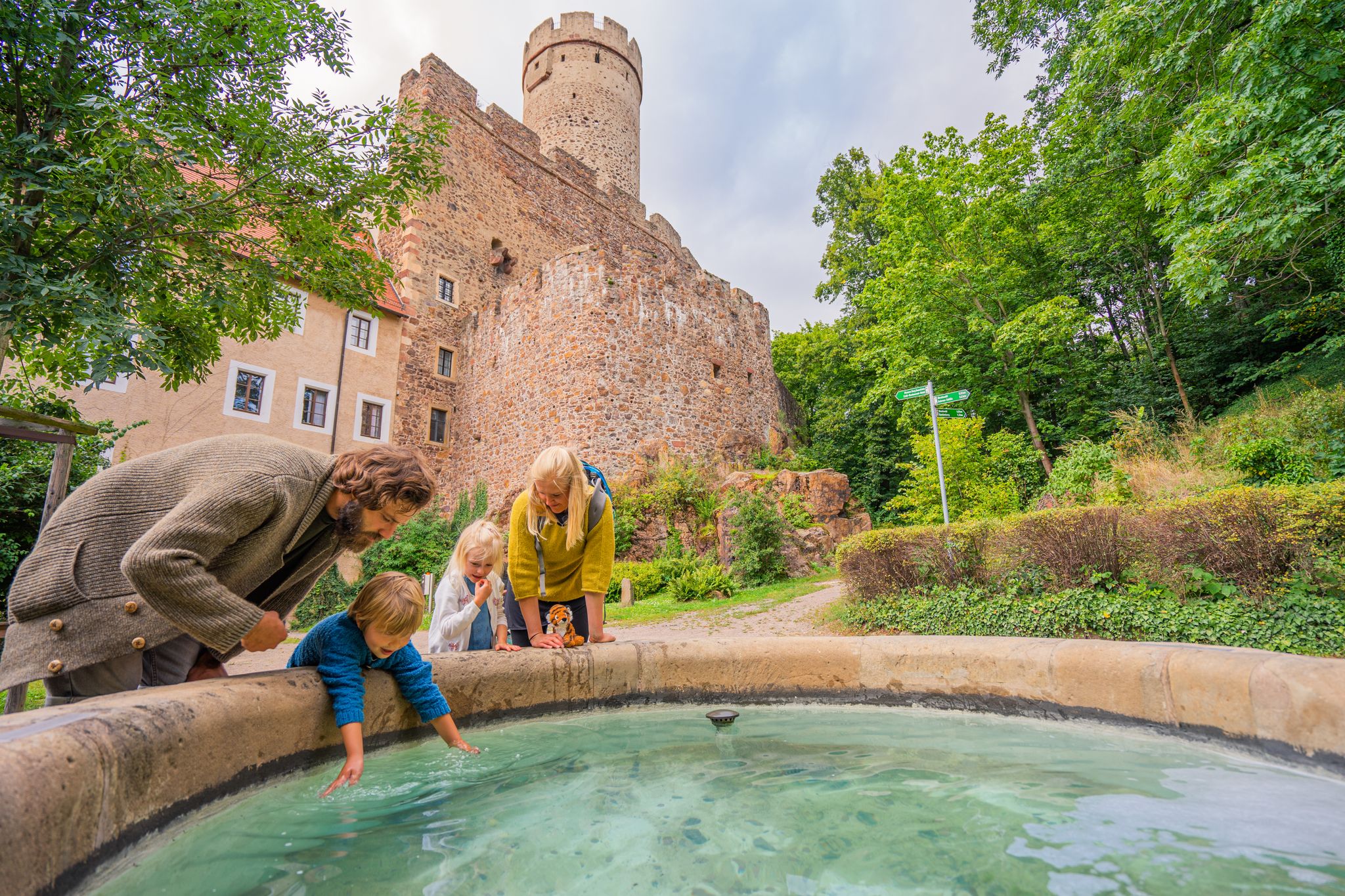
Time for little adventures – family hikes in the Leipzig region
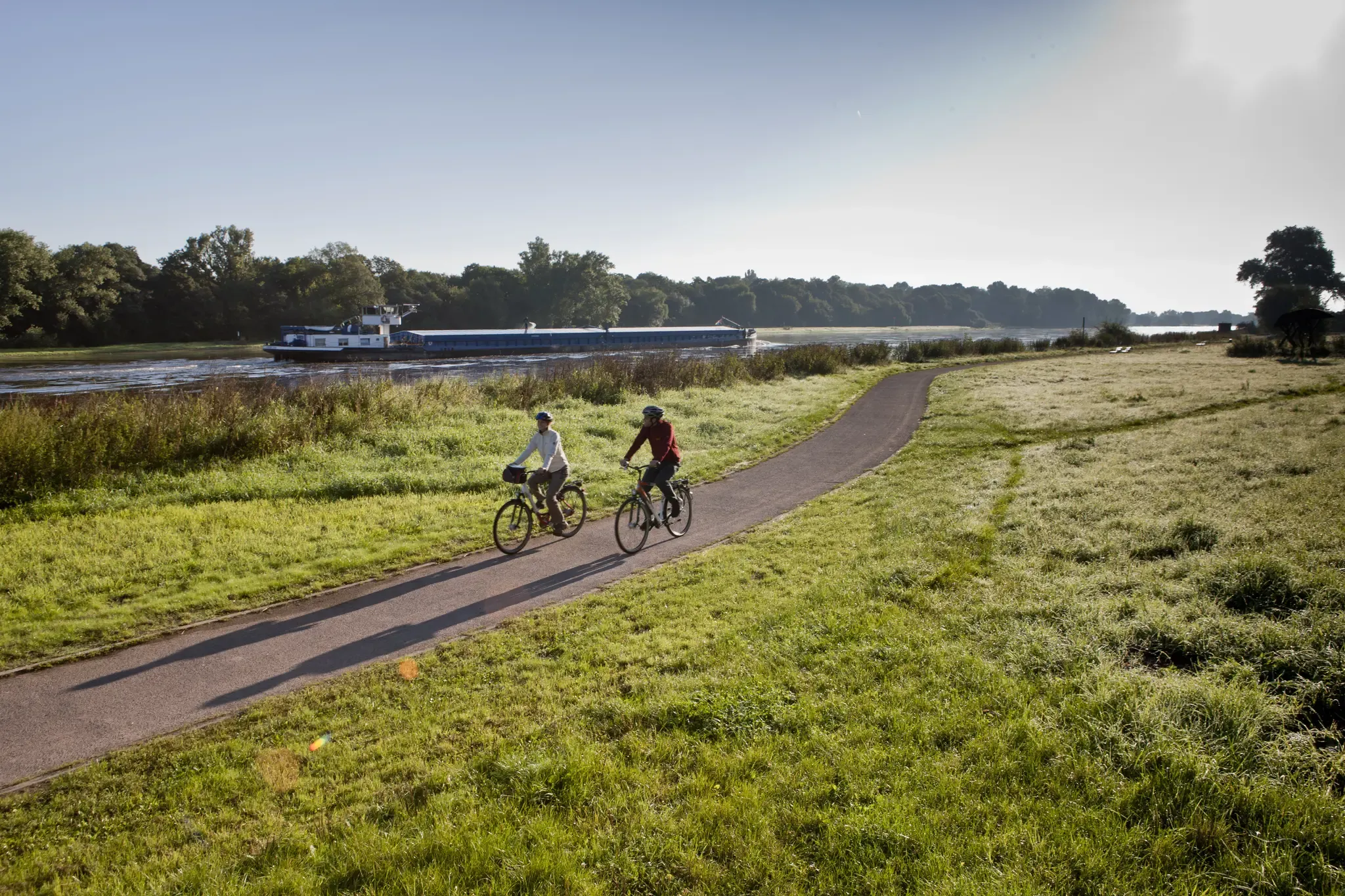
Ride the Elbe Cycle Route through Saxony-Anhalt
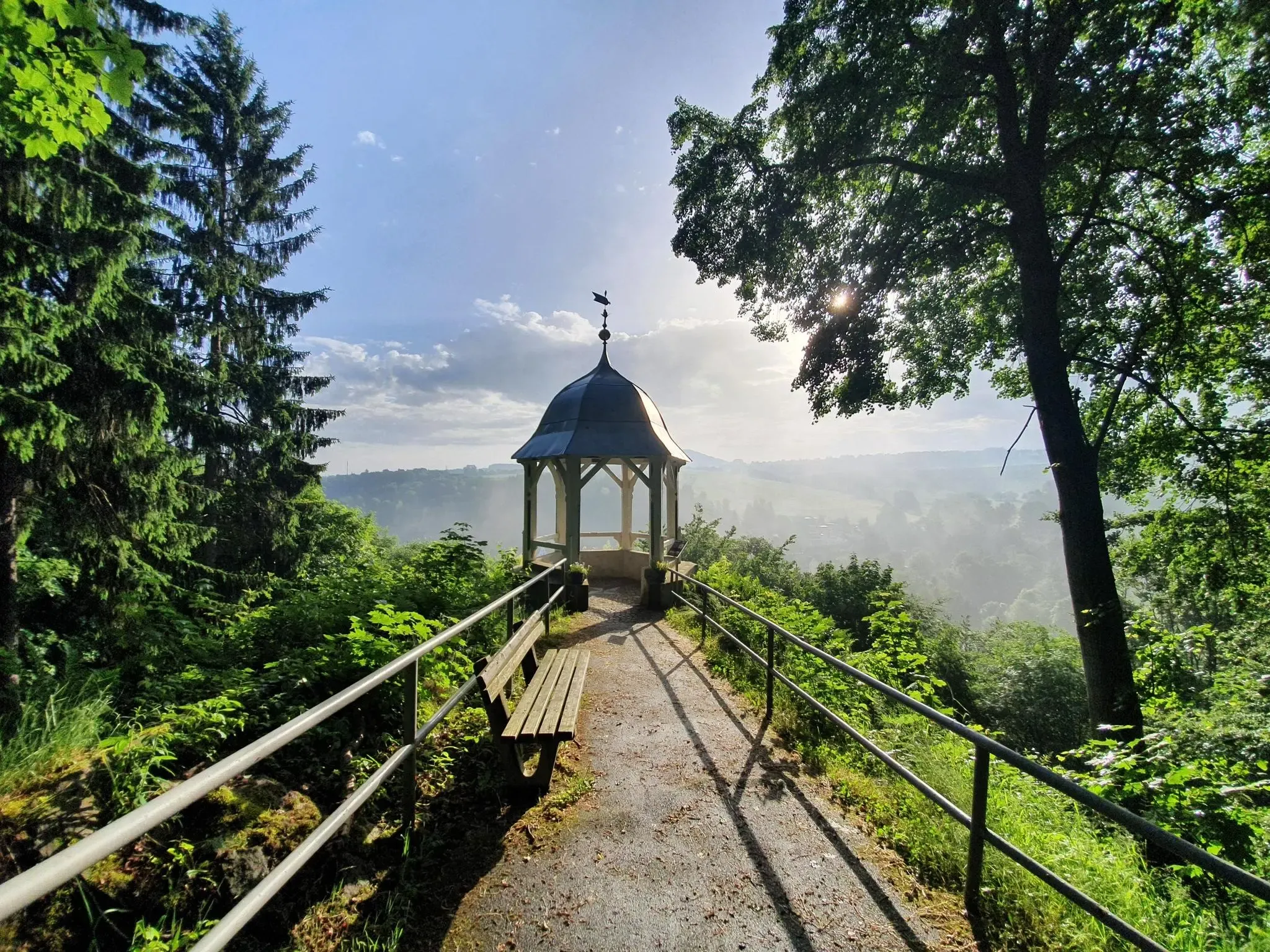
#GoFurther – discover the views of Germany!
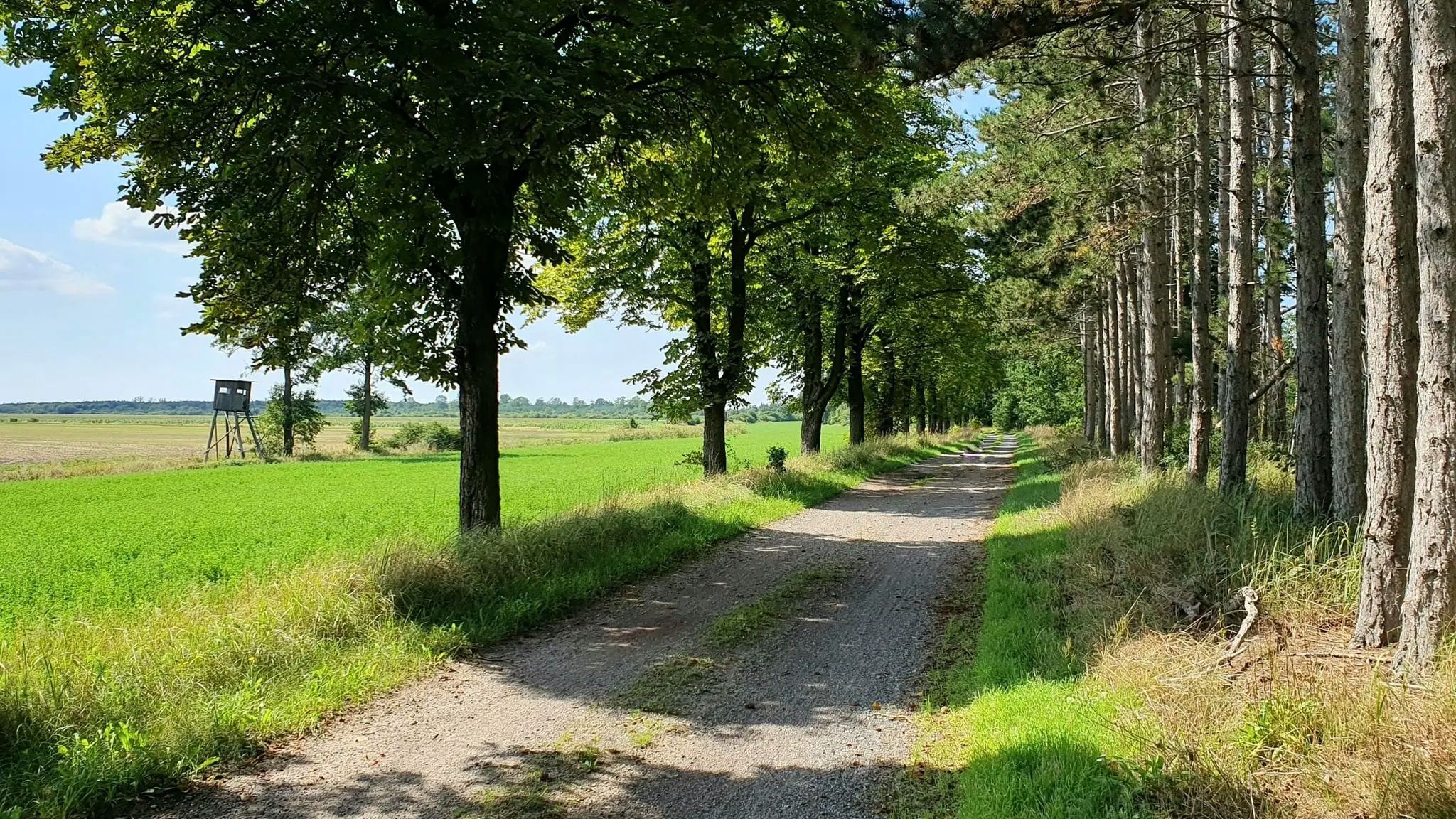
Hike through heath landscapes near Leipzig – Forester's Trail
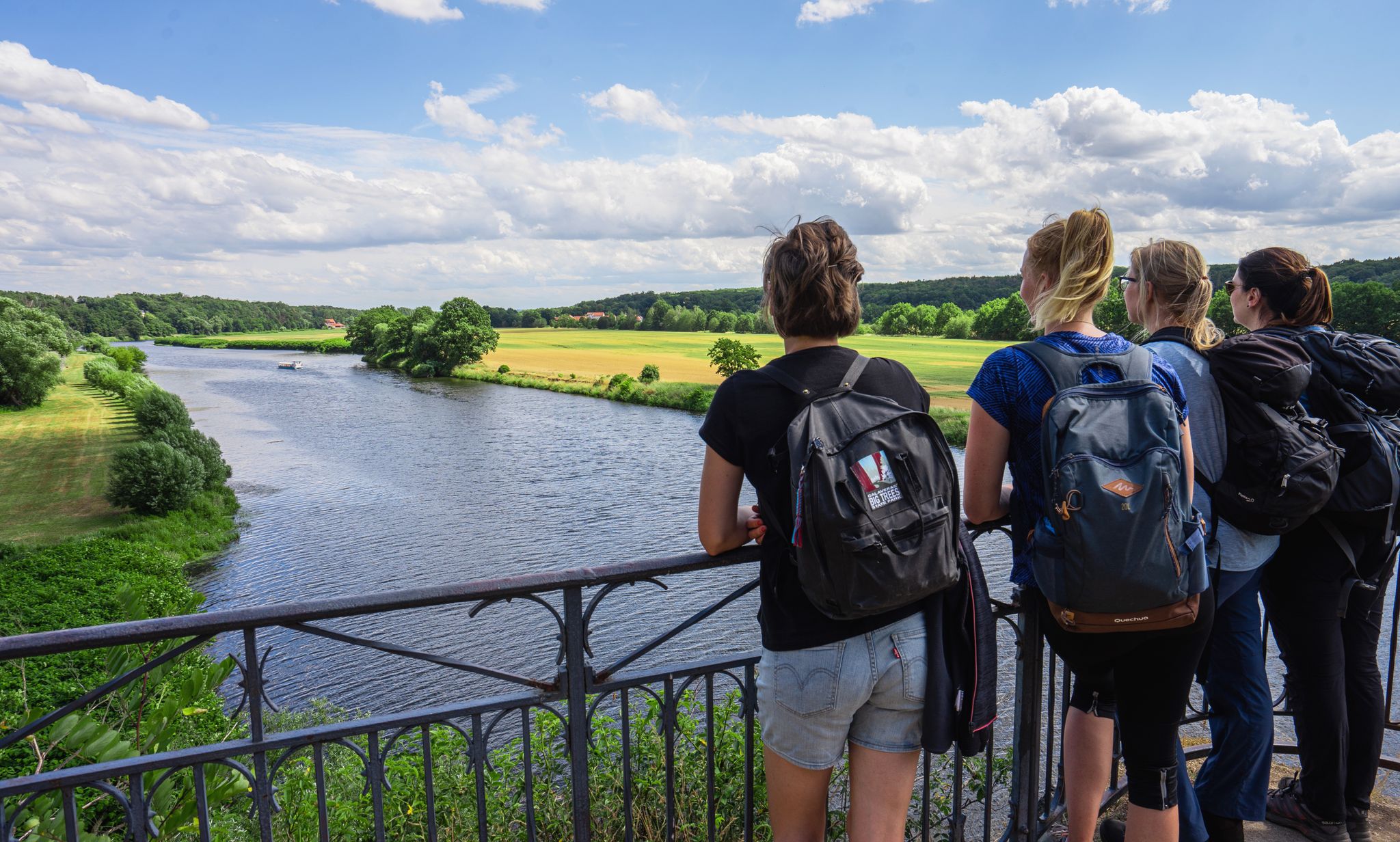
Hiking between big city and nature – urban escapism Leipzig
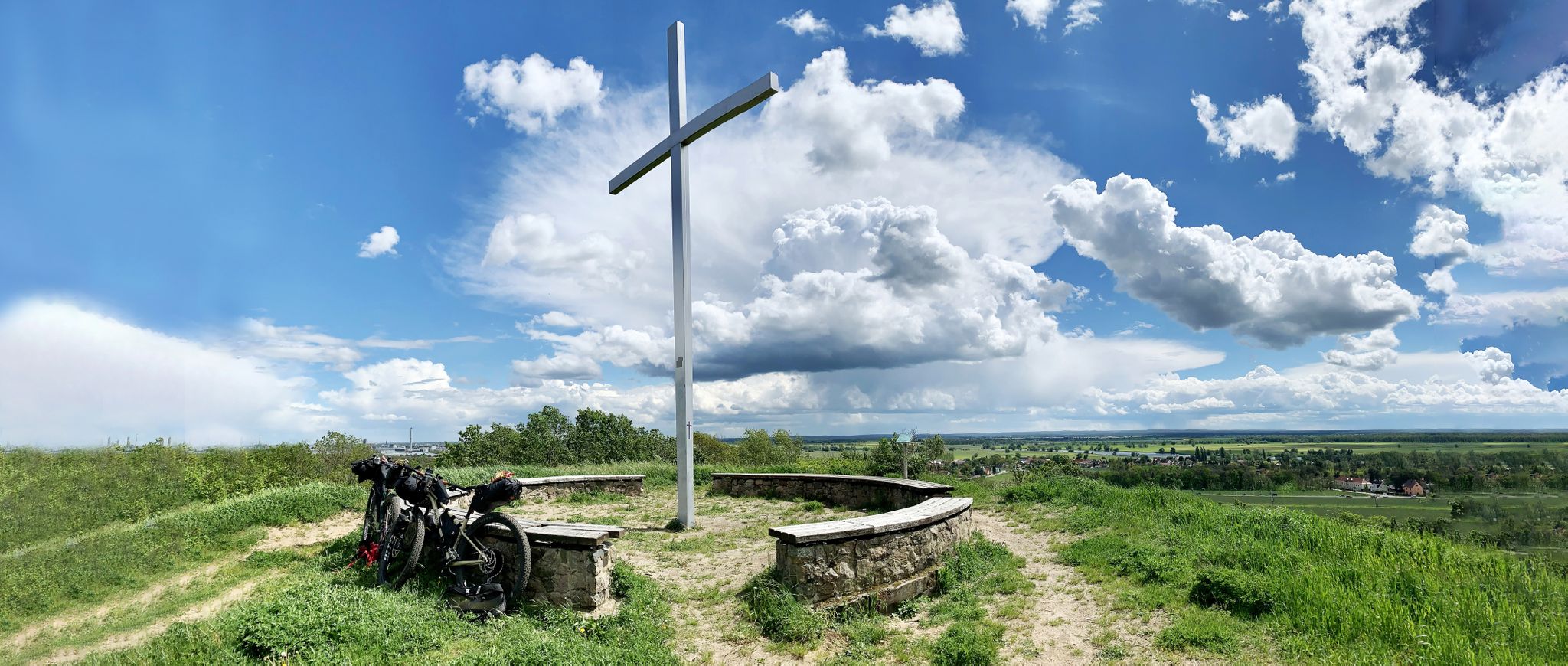
Romanticism on the Elbe River — cycling around the MDV north network
Cycling across Germany – my journey to the southernmost point of Germany
From A(ugsburg) to B(rodowin) – Cycling across Germany
Other adventures in Dübener Heide


Tips from the Community

Reinharz Moated Castle, nestled in forests, resembles a legendary fairytale castle. The castle park and surrounding water features, with their rare trees, invite you to linger. Heinrich von Löser, Electoral Marshal of Saxony, had this impressive moated castle built between 1690 and 1701, featuring a baroque park, a castle pond, and a brewery pond, to provide appropriate accommodation for the nobility during their hunts in the Düben Heath. Source: https://www.anhalt-dessau-wittenberg.de/staedte-sehenswuerdigkeiten-landschaften/wasserschloss-reinharz
3
0
Burgkemnitz Castle with beautiful park
3
0
The Kapenschlösschen, also called Jagdhaus Kapen.
3
0

Reinharz Castle and Castle Park Heinrich von Löser, Electorate of Saxony's hereditary marshal, had a representative moated castle with a baroque park, castle pond and brewery pond built between 1690 and 1701 in order to provide appropriate accommodation for the nobles during their hunts in the Düben Heath. Löser based the three-story, horseshoe-shaped building on the annual division: the facade is divided into 365 windows, and the castle has 52 doors and 12 rooms. The 68 m high tower was used as an observatory in the 18th century. Valuable scientific equipment was created in the mechanical-optical workshop, including telescopes, reflecting telescopes and sundials. 15 of these are on display in the Mathematical-Physical Salon of the Dresden Zwinger. The formally designed garden was probably completed in the first half of the 18th century under the direction of Hans von Löser. In 1837, the castle, including the farm buildings and park, was sold to the bourgeois Hertwig family, who had the park landscaped after 1850. The northern embroidery parterre with the strictly axial path system was removed. In addition, a connected meadow area, the "castle meadow", was created with many, sometimes rare, individual trees and groups of trees. Today, they characterize the striking old trees. In the southern section of the park, the main path system has largely been preserved. Between 1947 and 1990, the castle and park were used as a spa complex. The complex has been privately owned since 1998. Source: display board
10
1

Manor house built in 1654 over an older core. Baroque reconstruction in 1909. Soviet military hospital after 1945. Youth hostel from 1987 - 2020.
0
0
Now there is nothing left to see, the area is closed.
0
0
Built in 1902 by Duke Friedrich Franz of Anhalt
4
0
Frequently Asked Questions
What historical significance do the castles in Dübener Heide hold?
The castles in Dübener Heide offer a rich historical perspective. For instance, Reinharz Moated Castle, built between 1690 and 1701, is a prime example of Baroque architecture and once served as an 18th-century observatory. Burgkemnitz Castle evolved from a medieval moated castle, later redesigned in the Neo-Renaissance style. Even smaller sites like Kapenschlösschen have unique histories, transforming from a mill into a hunting lodge.
Are there any family-friendly castles to visit in the Dübener Heide region?
Yes, several castles in the Dübener Heide are suitable for families. Reinharz Moated Castle and Kapenschlösschen are both tagged as family-friendly. Exploring their unique architecture and historical grounds can be an engaging experience for all ages.
What unique architectural features can I expect to see at these castles?
The castles in Dübener Heide showcase diverse architectural styles. Reinharz Moated Castle is notable for its Baroque design, featuring 365 windows, 52 doors, and 12 halls, with a striking 68-meter-high tower. Burgkemnitz Castle presents a blend of Baroque and Neo-Renaissance styles, while Schloss Radis retains much of its 1654 single-story character with later 19th-century additions.
Are there hiking trails near the castles in Dübener Heide?
Absolutely. The Dübener Heide region is excellent for hiking. You can find routes like the 'Heideteich – Reinharz Castle loop' which passes by Reinharz Moated Castle. For more options, explore the Hiking in Dübener Heide guide, which includes trails of varying difficulties.
What kind of cycling routes are available near the castles?
The area around the castles offers various cycling opportunities. You can find gravel biking routes in the region, such as the 'North Shore of Lake Bergwitz – Heideteich Pond and Shelter loop'. For road cycling, routes like the 'Ferropolis – City of Iron – Entrance Gate - Ferropolis loop' are available. Check out the Gravel biking in Dübener Heide and Road Cycling Routes in Dübener Heide guides for detailed information.
What natural features can I see around the castles in Dübener Heide?
Many castles in Dübener Heide are set amidst beautiful natural landscapes. For example, Reinharz Moated Castle is surrounded by a redesigned Baroque park and a castle pond. Burgkemnitz Castle is situated in a park with several ponds. You can also find viewpoints and lakes near these historical sites, offering scenic vistas.
Is there parking available when visiting the castles?
Yes, parking is generally available near the castles. For instance, Reinharz Moated Castle is listed as having parking facilities, making it convenient for visitors arriving by car.
What is the best time of year to visit the castles in Dübener Heide?
The Dübener Heide region, with its natural beauty, is enjoyable throughout the warmer months. Spring and autumn offer pleasant temperatures for exploring the castle grounds and surrounding parks. Summer provides longer daylight hours, ideal for combining castle visits with outdoor activities like hiking or cycling.
What can I expect at <a href="https://www.komoot.com/highlight/5744130" target="_blank" rel="noopener">Schloss Radis</a>?
Schloss Radis, first mentioned in 1378, is a beautifully restored building that largely retains its 1654 character. It features a small park with very old trees. Inside, a unique highlight is an old oak table in the foyer, made in 1812 from a rhizome, measuring 2 meters in diameter and weighing 2.5 tons.
Are there any castles in the region that are currently undergoing restoration?
Yes, the Hemsendorf Water Castle, constructed at the end of the 17th century, has been privately owned and undergoing restoration since 2003. It offers an interesting perspective for those keen on the preservation of historic buildings.
What do visitors enjoy most about the castles in Dübener Heide?
Visitors appreciate the unique blend of history and nature. The komoot community has shared over 360 photos and given more than 350 upvotes to the castles, highlighting their architectural beauty, historical significance, and the serene park settings. The opportunity to combine cultural exploration with outdoor activities in the Dübener Heide is a major draw.
Is there a castle associated with a local museum?
Yes, Dübener Castle is associated with the Landscape Museum of the Düben Heath. This suggests its role in preserving and showcasing the region's cultural and natural heritage, offering visitors a chance to learn more about local history.
Most popular routes in Dübener Heide
Most popular attractions in Dübener Heide

Get inspired with the komoot mobile app


Explore more
Looking for the best castles somewhere else? Discover other guides in Dübener Heide:
