Top 5 Castles around Dommitzsch
Best castles around Dommitzsch are found in Saxony, Germany, a region rich in historical fortresses and palaces. While Dommitzsch itself contains remnants of former fortifications, the wider area offers a variety of well-preserved historical sites. The landscape is often shaped by the Elbe River, providing a scenic setting for many of these ancient structures. This region offers insights into centuries of architectural development and local history.
Best castles around Dommitzsch
- The most popular castles is Klöden Castle, a castle…
Last updated: August 11, 2026
Pretzsch Castle
Highlight • Castle
Translated by Google •
Tip by

Klöden Castle
Highlight • Castle
Translated by Google •
Tip by

Sign up now to discover places like this
Get recommendations on the best single tracks, peaks, & plenty of other exciting outdoor places.
Sign up for free
Lichtenburg Castle Memorial Prettin
Highlight • Castle
Translated by Google •
Tip by

Lichtenburg Concentration Camp Memorial
Highlight • Historical Site
In June 1933, the National Socialists opened a concentration camp for male prisoners in the Renaissance Lichtenburg Castle - in the middle of the small town of Prettin - …
Translated by Google •
Tip by

Trebitz Castle
Highlight • Castle
Translated by Google •
Tip by

Start today with a free account
Your next adventure awaits.
Login or Signup
Popular around Dommitzsch
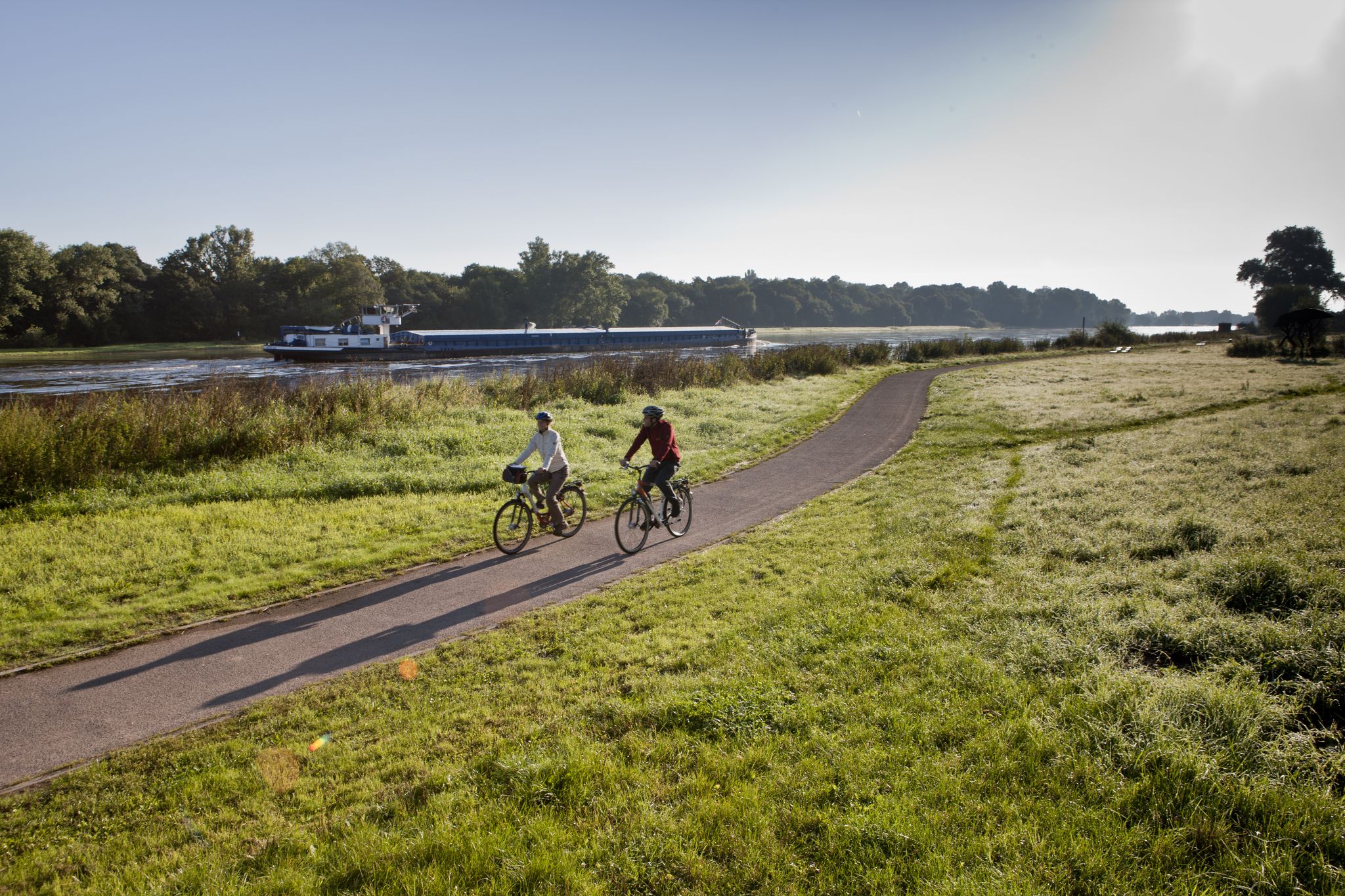
Elbe Cycle Route – Ride through Saxony-Anhalt
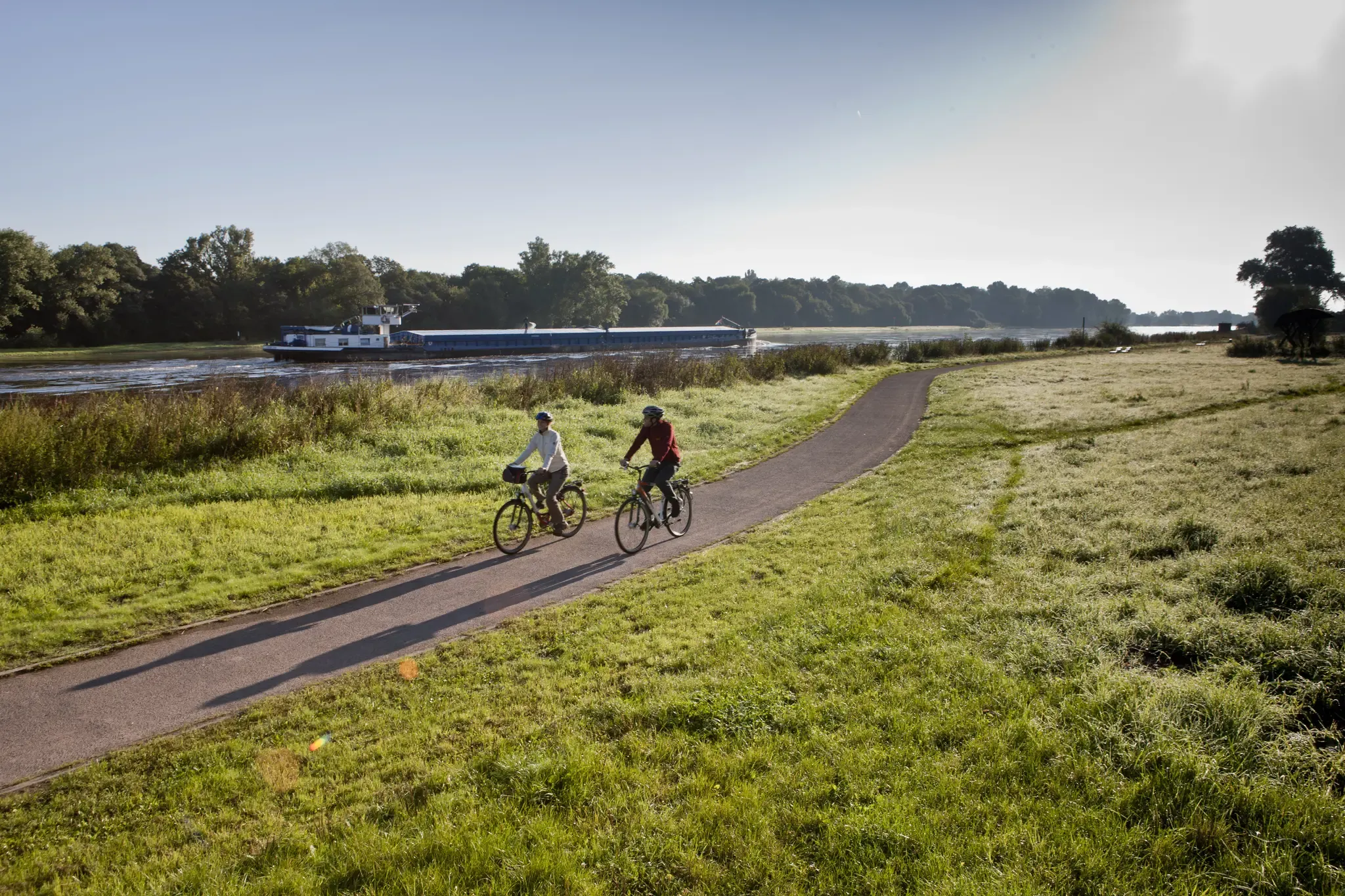
Ride the Elbe Cycle Route through Saxony-Anhalt
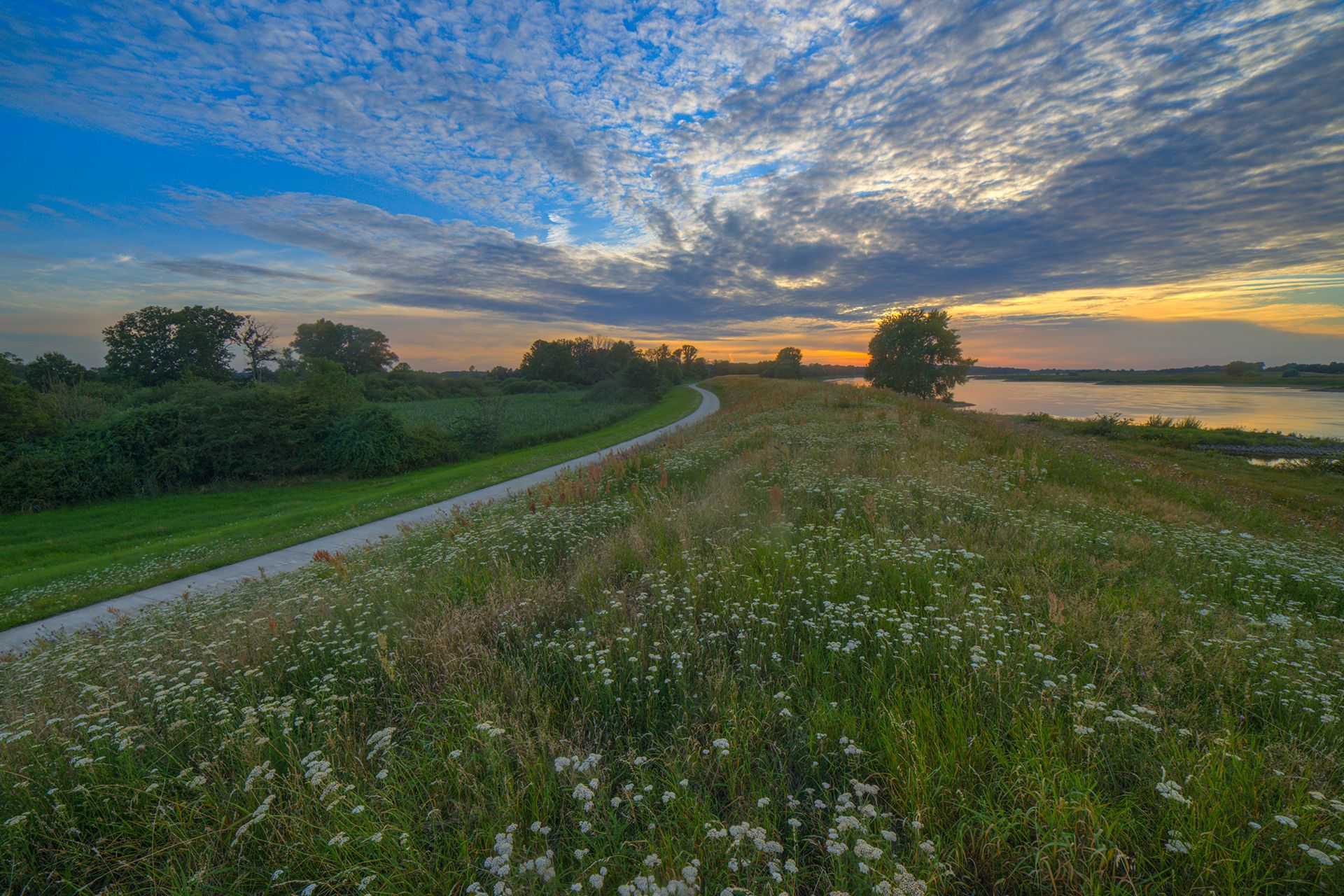
D-Route 10: Elbe Cycle Route
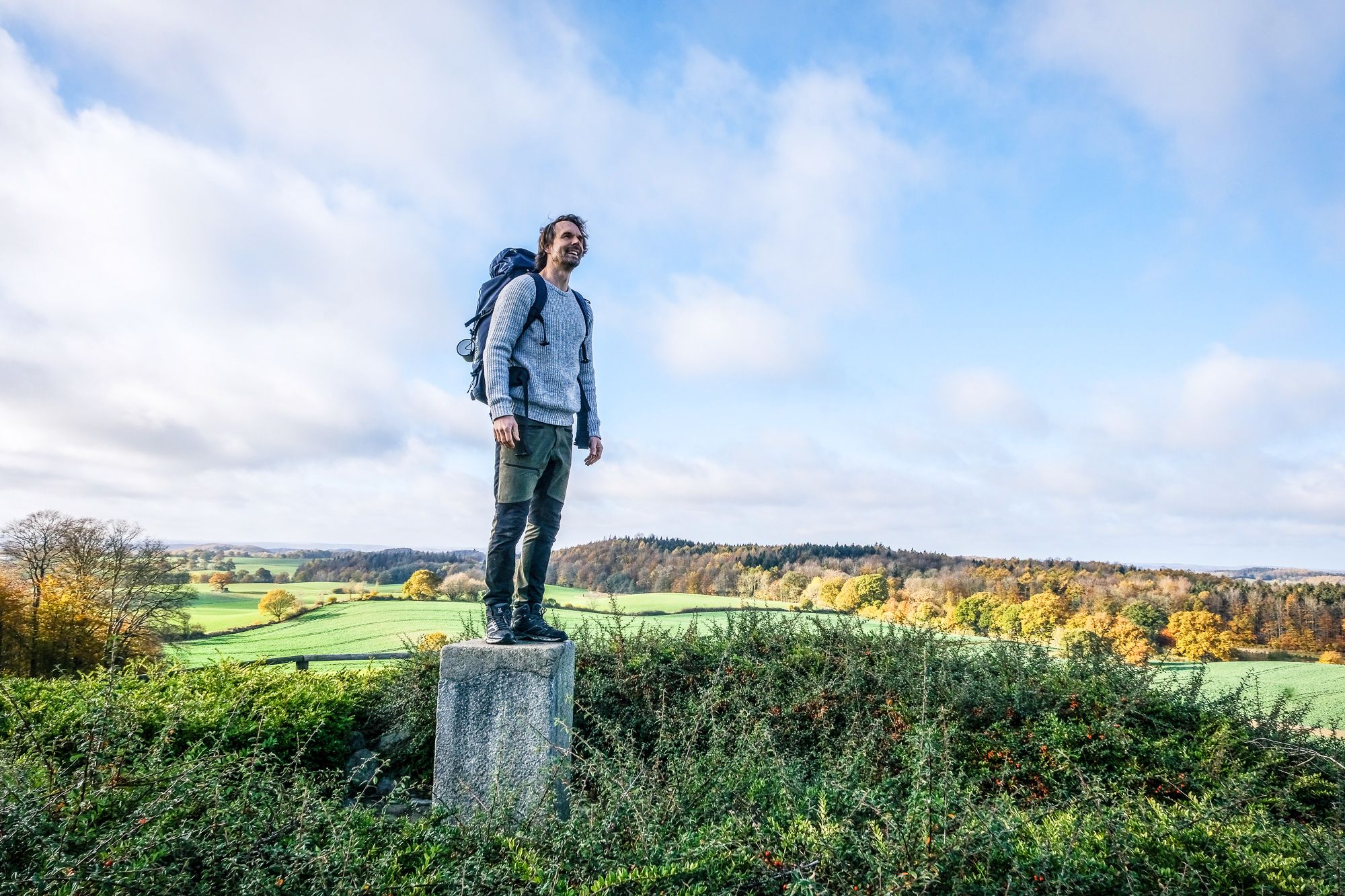
Lowest to Highest (L2H) in Germany
Cycling around Dommitzsch
Road Cycling Routes around Dommitzsch
Hiking around Dommitzsch
Running Trails around Dommitzsch
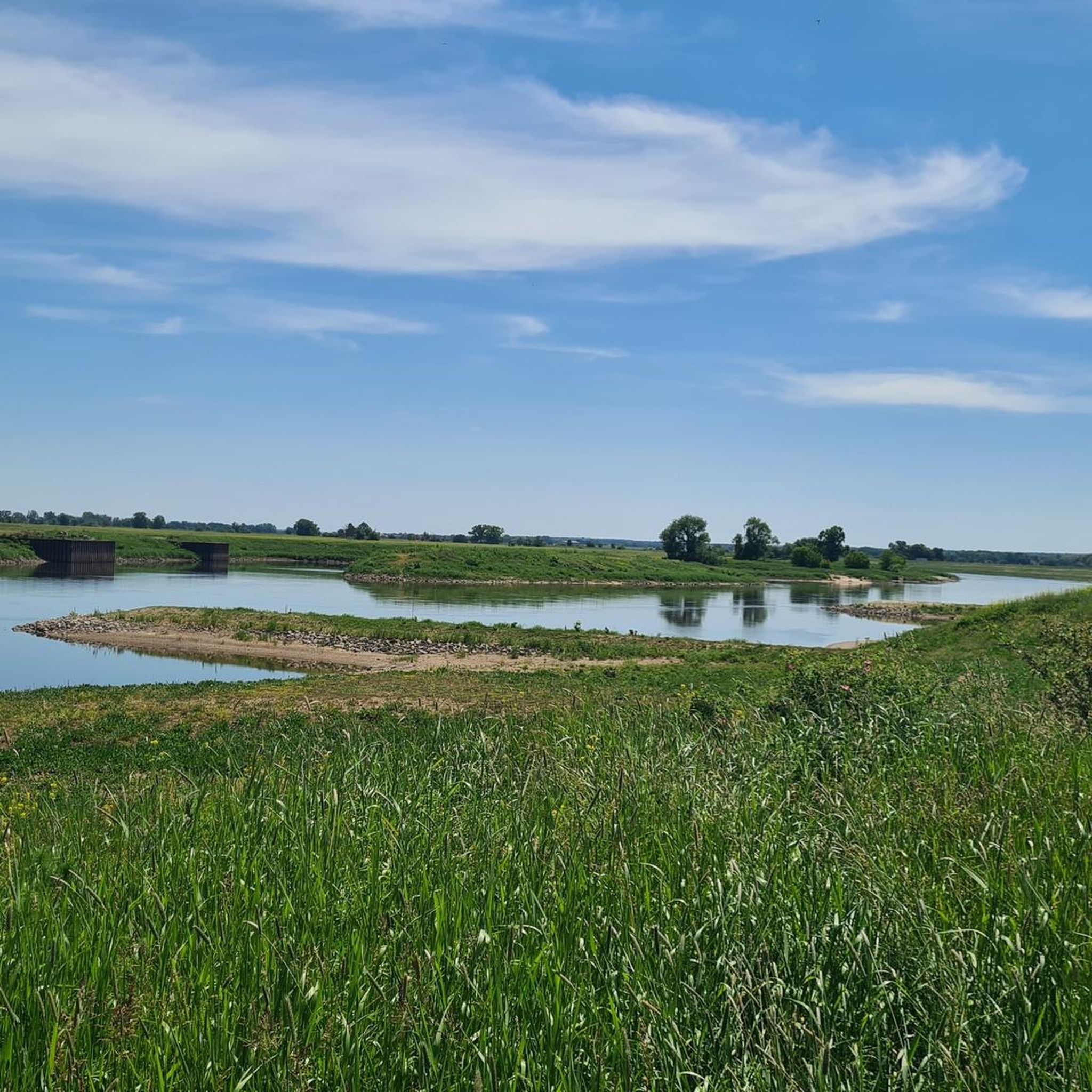
MTB Trails around Dommitzsch
Gravel biking around Dommitzsch
Other adventures around Dommitzsch


Tips from the Community


This was the training ground for the mass murderers of the National Socialist concentration camp system. A place to commemorate the worst crimes.
0
0
As the complex was used as an orphanage from 1829 onwards, only a few pieces of the original furnishings remain in the building. These include ornamented consoles dating from 1574, a stucco ceiling from 1720 or 1727 and some studded doors. The local museum has three panels from a wooden ceiling of the castle decorated with arabesque paintings on display. These are dated to 1574. The local museum also has a cast-iron stove plate with a view of Dresden. Another stove from the castle is now in the Luther Room of the Luther House in Wittenberg. Castle Park Sandstone portal of Pretzsch Castle The design of the castle park, which was laid out in 1702 and designed as a baroque pleasure garden, probably comes from Matthäus Daniel Pöppelmann. From 1727 onwards, the unfinished park was used as an orchard and kitchen garden. The formerly elongated park buildings are now only preserved in remnants. These are single-storey solid buildings that framed the garden areas. The four buildings, which now stand alone, were originally connected in pairs in the middle by pavilions and served as a habitable garden house and orangery. Of the sculptures that were once in the park, only a sandstone putto in a jester's costume playing the flute has survived. There are sandstone portals to the park at the former pier on the Elbe and at the entrance from the city to the castle courtyard. In 1798, it was converted into a landscape park.[4] Source https://de.wikipedia.org/wiki/Schloss_Pretzsch
5
0
The castle is a plastered brick building in the style of the Saxon Renaissance, which was expanded and rebuilt in the Dresden Baroque era. Its current appearance dates from around 1700, when the attic was also expanded. The castle complex, originally surrounded by moats, consists of two wings and has three floors. To the west is a two-story gatehouse with a two-part Doric column portal. The columns stand on diamond-cut pedestals. The coats of arms of the then builder Hans Löser and his wife Agnes von Bünau are attached between winged putti. In the middle of this is the alliance coat of arms of Wolf Christoph von Arnim and Catharina Dorothea, née Countess von Hoym, dating from 1647. A square staircase tower is located between the north and east wings. A building inscription is attached above the entrance to the tower. Source https://de.wikipedia.org/wiki/Schloss_Pretzsch
5
0
In 1380, a new castle was built on the old castle site, of which no visible remains can be found today. Under Hans Löser, a two-wing Renaissance palace was built in place of the castle between 1571 and 1574. At the end of the Thirty Years' War, which the building survived almost unscathed, the complex was sold to Wolf Christoph von Arnim in 1647. His sons exchanged the property with the then Elector Johann Georg III for three knight's estates in 1689. Queen-Electress Christiane Eberhardine (1671–1727) From 1694 until her death in 1696, the castle was the seat of the widow of Johann Georg IV, Eleonore of Saxony-Eisenach, who lived here with her three children from her first marriage. Her brother-in-law, August the Strong, gave the castle to his wife Christiane Eberhardine as a dowry in 1697, after the birth of the Elector Prince Friedrich August. Christiane Eberhardine, who did not accept the change of religion of her husband and later of her son, lived from then on mostly at Pretzsch Castle. In the solitude of Pretzsch she devoted herself to works of charity and an ascetic existence in order to atone for what she saw as the injustice of her house.[1] Fearing that the Saxons would be re-Catholicized, she had Protestant prayer books printed and distributed free of charge. In the eyes of her subjects she became the keeper of the Lutheran faith.[2] Until her death in 1727, numerous construction projects were carried out on the castle complex. Until 1717 her mother-in-law Anna Sophie, also a devout Protestant, with whom she got on well, lived together with her sister Wilhelmine Ernestine of the Palatinate, a few kilometers up the Elbe at Lichtenburg Castle. From 1783 the castle served as the residence of the then chief forester and gamekeeper. From 1829 to 1923, the building was used as a girls' orphanage and was part of the Great Military Orphanage in Potsdam. After that, the castle was used as an organ and harmonium factory, a restaurant and accommodation for spa guests at the mud bath. During the Second World War, it served as a border police school until 1941, then as a military hospital and reception camp for resettlers. A children's home has been located here since 1947.[3] Source https://de.wikipedia.org/wiki/Schloss_Pretzsch
5
1
The first mention of a castle as the center of an administrative district dates back to 965/1004, although the document from 965 is considered a suspected forgery. Trebitz was part of a chain of 19 castle wards on the middle Elbe, with whose help the East Elbian colonization was to be secured under Emperor Otto I (912-973). Until 1290, the castle and office of Trebitz belonged to the County of Brehna. After the local counts died out, Trebitz came to Electorate of Saxony. In 1290, Rudolf I of Saxony was enfeoffed with the County of Brehna by King Rudolf I of Habsburg, his grandfather. This created a contiguous territory. Wittenberg, now centrally located, developed into the capital of the Duchy of Saxony, which now stretches from Fläming to Liebenwerda. Source https://de.wikipedia.org/wiki/Trebitz_(Bad_Schmiedeberg)
6
0

Insider tip! The late medieval Klöden Castle is one of the oldest in Saxony-Anhalt and has undergone all sorts of renovations and changes of ownership. “Landlord” Thomas Petzold is chairman of the support association that has owned the castle since 2005. He is committed to maintaining them, while his wife Sylke runs the small castle restaurant with a beer garden. Over the years, the friendly couple have catered to cycling and hiking tourists and have gained a real fan base with a lovingly run restaurant, a replica torture cellar and the unique local museum.
3
0
Frequently Asked Questions
What types of castles can I find around Dommitzsch?
Around Dommitzsch, you'll primarily find castles reflecting the Renaissance style, alongside significant historical sites. Examples include Klöden Castle and Pretzsch Castle, both showcasing Renaissance architecture. The region also features sites like Lichtenburg Castle Memorial Prettin, which holds deep historical significance beyond its architectural style.
Are there any family-friendly castles to visit near Dommitzsch?
Yes, several castles around Dommitzsch are suitable for families. Pretzsch Castle offers a pleasant castle park and a cozy café. Klöden Castle features a museum, including a unique 'Hexenkeller,' and a restaurant. Lichtenburg Castle Memorial Prettin, while a memorial, is also listed as family-friendly, offering educational insights into history.
Which castles offer dining options or cafés?
For dining, Klöden Castle has a recommended restaurant. If you're looking for a café, Pretzsch Castle features a cozy café with outdoor seating, perfect for a break.
What historical insights can I gain from visiting castles in this region?
The castles around Dommitzsch offer a rich tapestry of history. Pretzsch Castle showcases Saxon Renaissance and Baroque architecture, with its park originally designed as a baroque pleasure garden. Klöden Castle, a Renaissance structure, houses a museum that includes a 'Hexenkeller,' reflecting local folklore. Lichtenburg Castle Memorial Prettin provides a poignant look into its past as a prison and concentration camp, serving as a significant historical memorial.
Are there any castles with notable parks or gardens?
Yes, Pretzsch Castle is known for its castle park, which was originally laid out in 1702 and designed as a baroque pleasure garden. While some elements are now remnants, it offers a pleasant outdoor space.
What outdoor activities can I do near the castles around Dommitzsch?
The area around Dommitzsch offers various outdoor activities. You can explore road cycling routes like the 'Little Lausiger Pond – Great Lausiger Pond loop' or the 'Dommitzsch Ferry – Großwig Historic Post Mill loop.' For hiking, consider routes such as the 'Gänsebrunnen Dommitzsch – Elbe Ferry Dommitzsch–Prettin loop.' There are also running trails, including the 'Church of Dommitzsch – Elbe Ferry and Flood Gate loop.' You can find more details on these activities at Road Cycling Routes around Dommitzsch, Hiking around Dommitzsch, and Running Trails around Dommitzsch.
What do visitors particularly enjoy about the castles in the Dommitzsch area?
Visitors appreciate the historical depth and architectural beauty of the castles. For instance, the efforts to preserve Klöden Castle are often highlighted, with its museum and Hexenkeller being popular. The historical significance of Lichtenburg Castle Memorial Prettin is also frequently noted as a moving and interesting experience.
Are there any very old or historically significant castle sites in the region?
Yes, Trebitz Castle is a historically significant site, with its first mention as an administrative center dating back to 965/1004. It was part of a chain of castle wards securing East Elbian colonization under Emperor Otto I.
What is the general architectural style of the castles near Dommitzsch?
Many of the prominent castles in the vicinity of Dommitzsch, such as Klöden Castle and Pretzsch Castle, are built in the Renaissance style. Pretzsch Castle also shows influences from the Dresden Baroque era in its later expansions.
Are there any castles that served different purposes throughout history?
Yes, Lichtenburg Castle Memorial Prettin is a prime example. Originally a Renaissance castle, it later served as a prison from 1812 and tragically became a concentration camp during the Nazi era, making it a site of profound historical transformation.
What is the best way to explore the area's castles by bike?
The region offers several road cycling routes that can take you near some of the castles. For instance, the 'Dommitzsch Ferry – Elbe Ferry Dommitzsch–Prettin loop' is a moderate route. You can find more cycling options and detailed routes on the Road Cycling Routes around Dommitzsch guide.
Can I combine a castle visit with a walk or hike?
Absolutely. Many castles are situated in scenic areas suitable for walking. For example, you could explore the castle park at Pretzsch Castle. Additionally, there are dedicated hiking routes around Dommitzsch, such as the 'Gänsebrunnen Dommitzsch loop,' which can be combined with visits to nearby historical sites. Refer to the Hiking around Dommitzsch guide for more options.
Most popular routes around Dommitzsch
Most popular attractions around Dommitzsch

Get inspired with the komoot mobile app


Explore more
Looking for the best castles somewhere else? Discover other guides around Dommitzsch:
