Attractions and Places To See around Bad Düben - Top 20
Best attractions and places to see around Bad Düben include a mix of historical landmarks, natural features, and cultural sites. The town serves as a gateway to the Dübener Heide Nature Park, offering extensive forests and waterways. Bad Düben is situated in Saxony, Germany, characterized by its spa town heritage and the Mulde River. The region provides opportunities to explore both historical architecture and diverse natural landscapes.
Best attractions and places to see around Bad Düben
- The most popular attractions…
Last updated: October 9, 2026
Red Tower (Pouch)
Highlight • Monument
Translated by Google •
Tip by

Mulde Bridge at Muldestausee
Highlight • Bridge
Translated by Google •
Tip by

Sign up now to discover places like this
Get recommendations on the best single tracks, peaks, & plenty of other exciting outdoor places.
Lake Neuhauser
Highlight • Lake
Translated by Google •
Tip by
Gruna Ferry
Highlight • Bridge
Translated by Google •
Tip by

Mulde Bridge in Bad Düben
Highlight • Bridge
Translated by Google •
Tip by
Sign up for free to discover even more attractions around Bad Düben.
Already have an account?
Start today with a free account
Your next adventure awaits.
Popular around Bad Düben
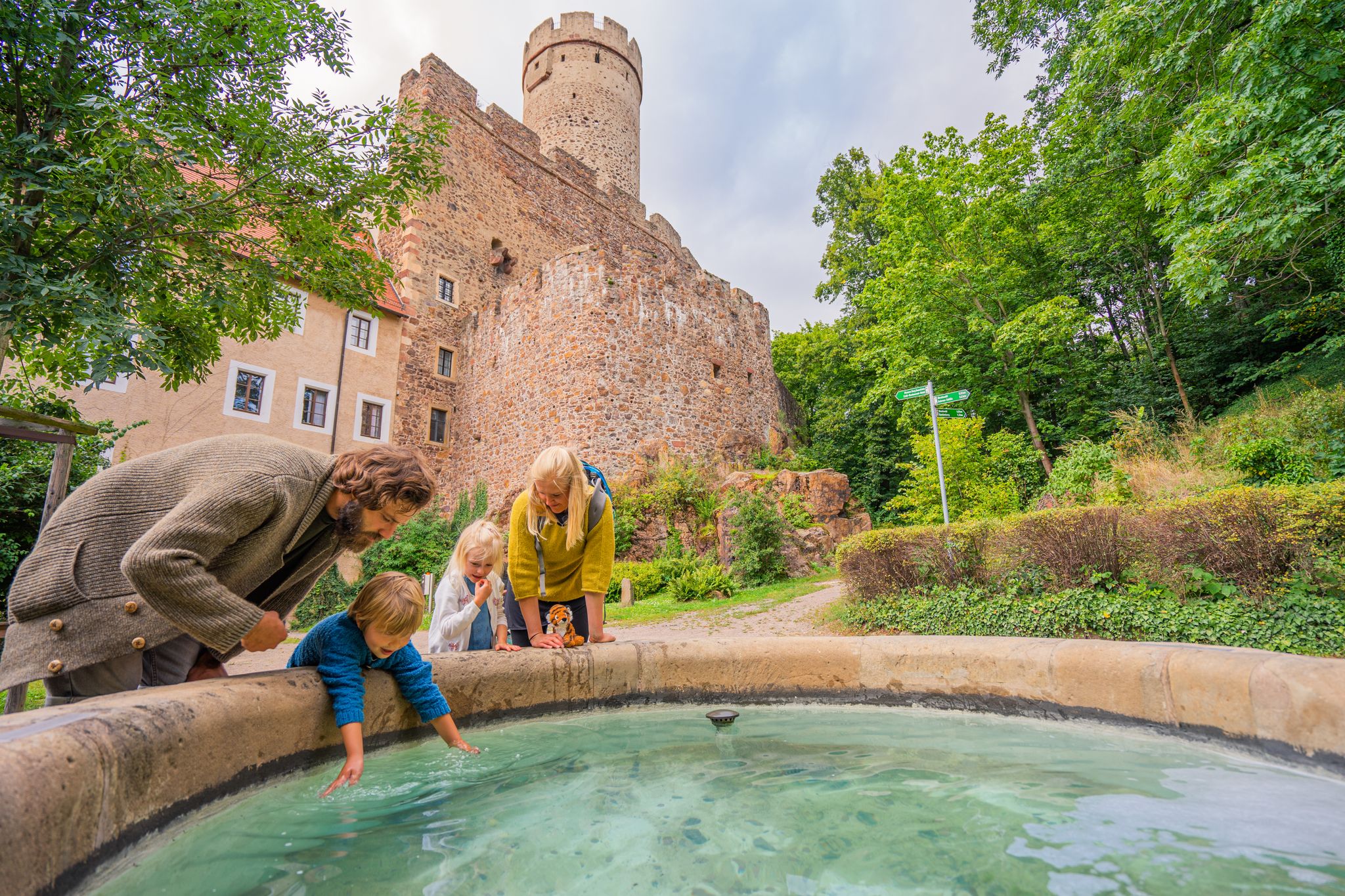
Time for little adventures – family hikes in the Leipzig region
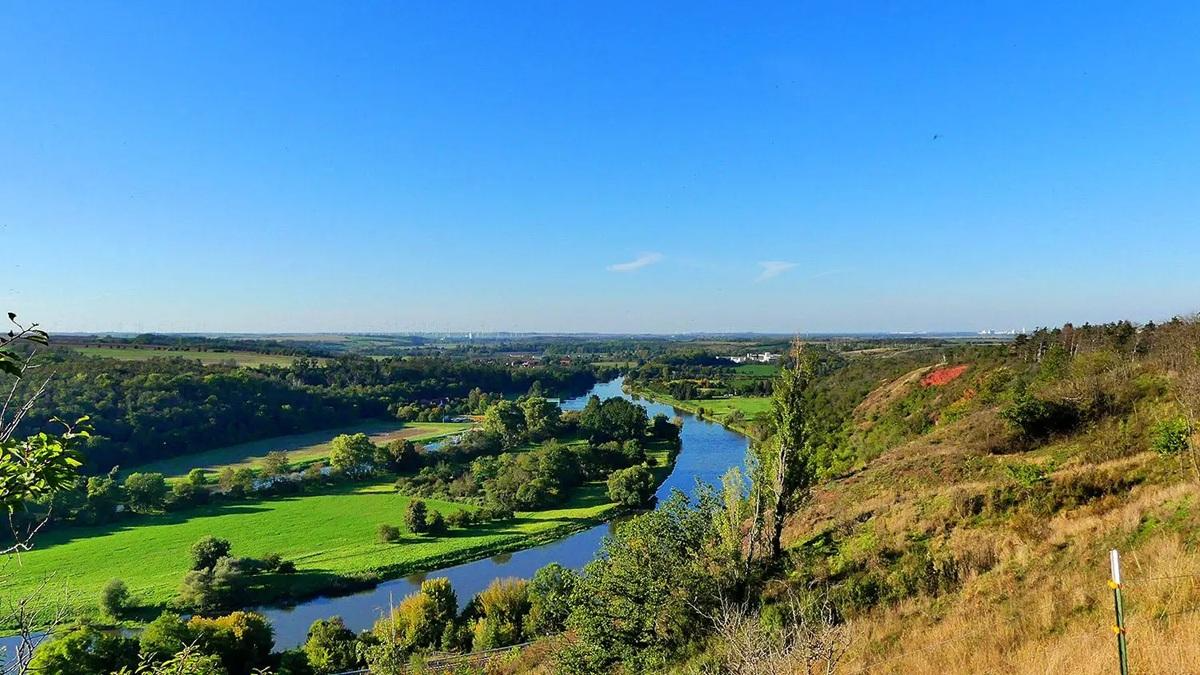
The National Natural Landscapes in Saxony-Anhalt
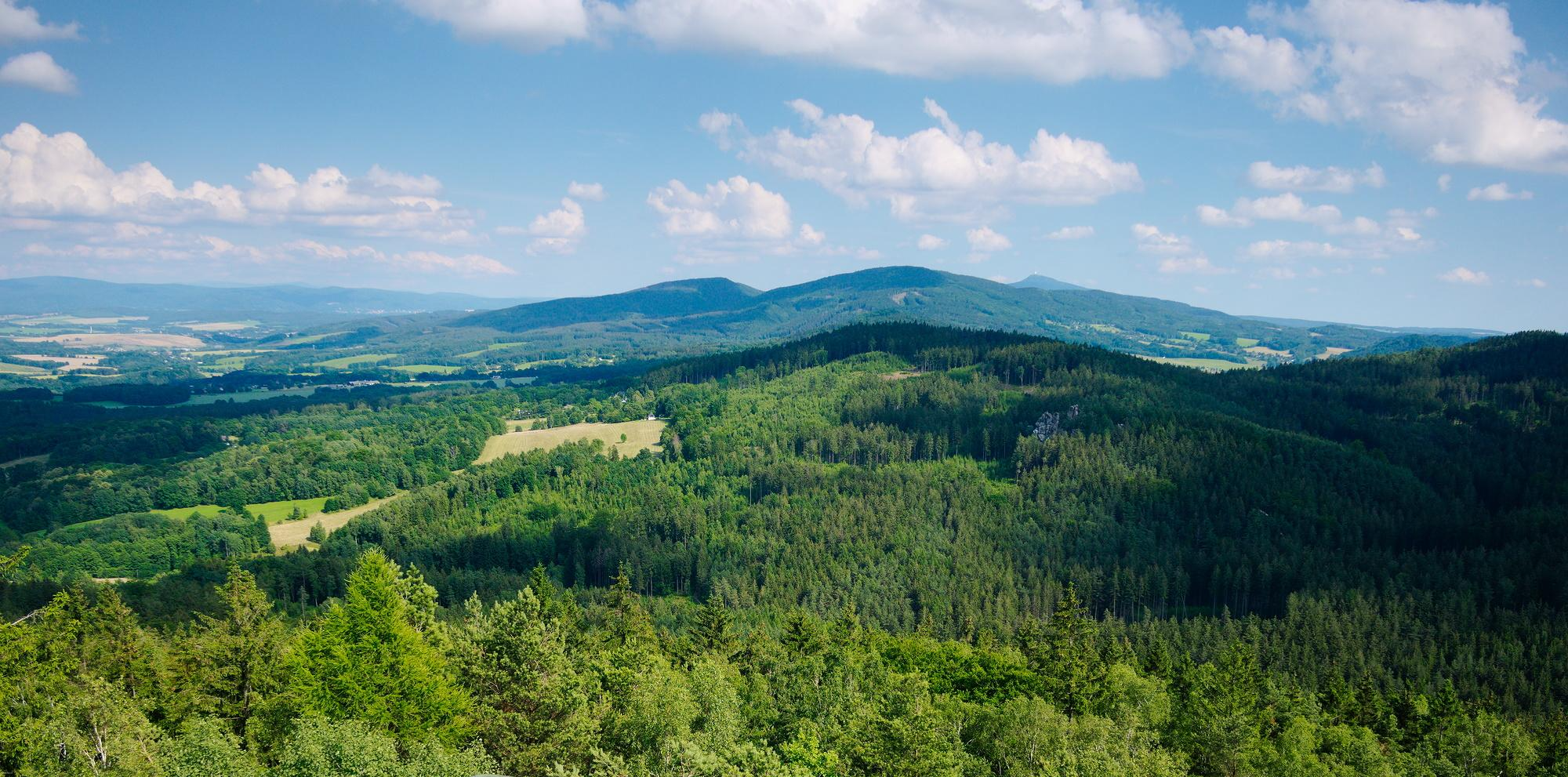
The National Natural Landscapes in Saxony
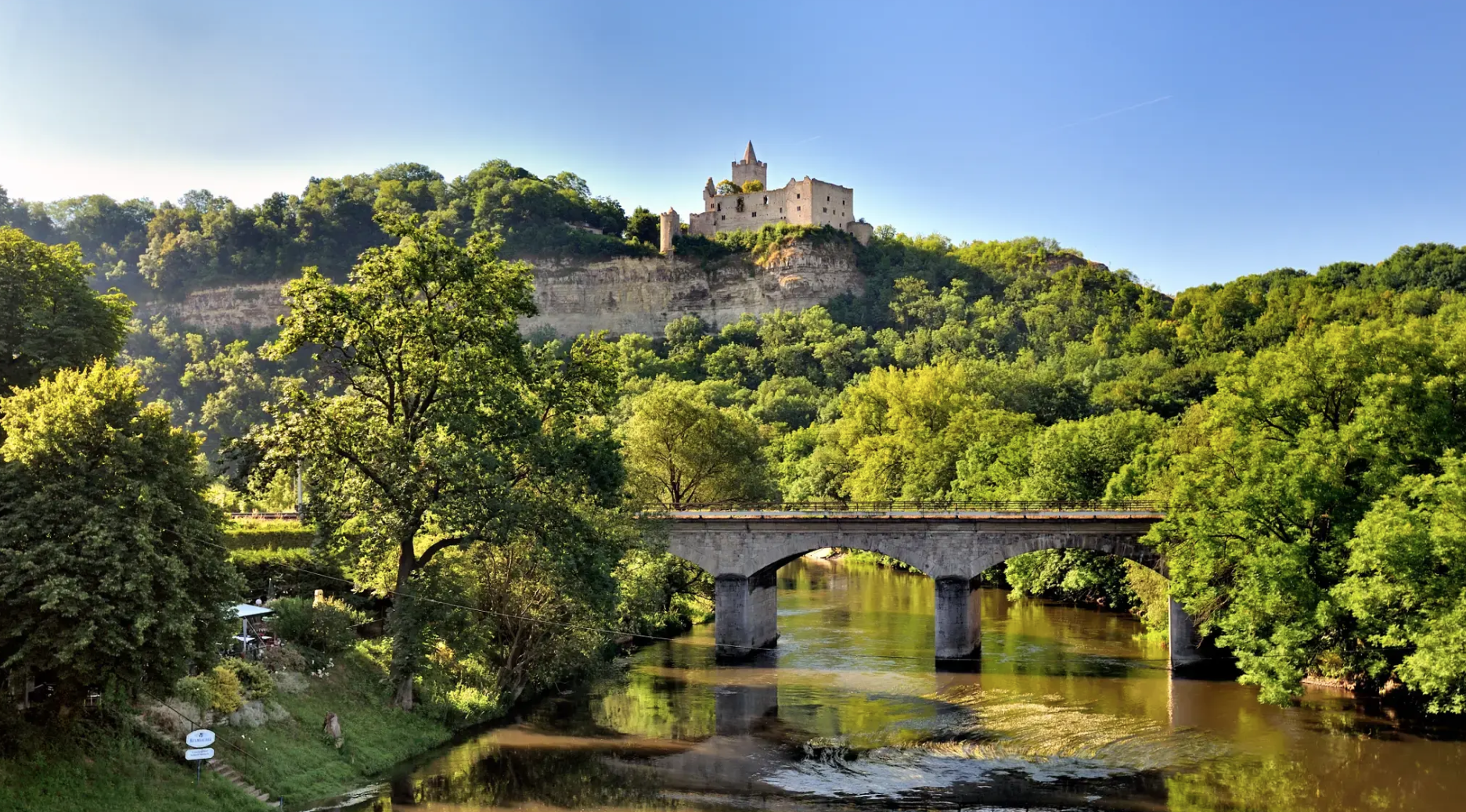
Walking and Wellness – spa towns in the Leipzig area

Pure road and gravel riding joy through Saxony
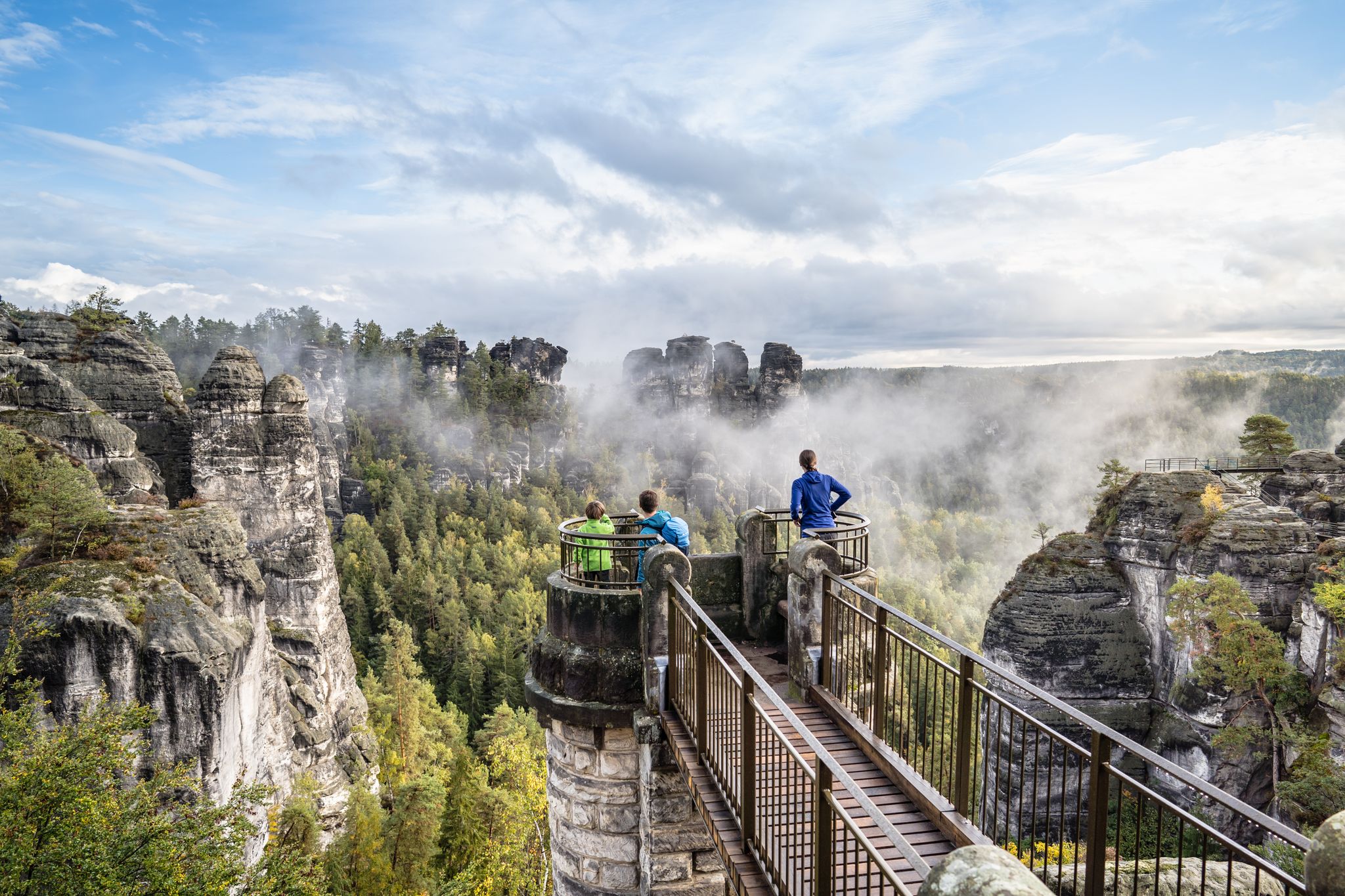
Natural wonders of Saxony – hiking with the wow factor
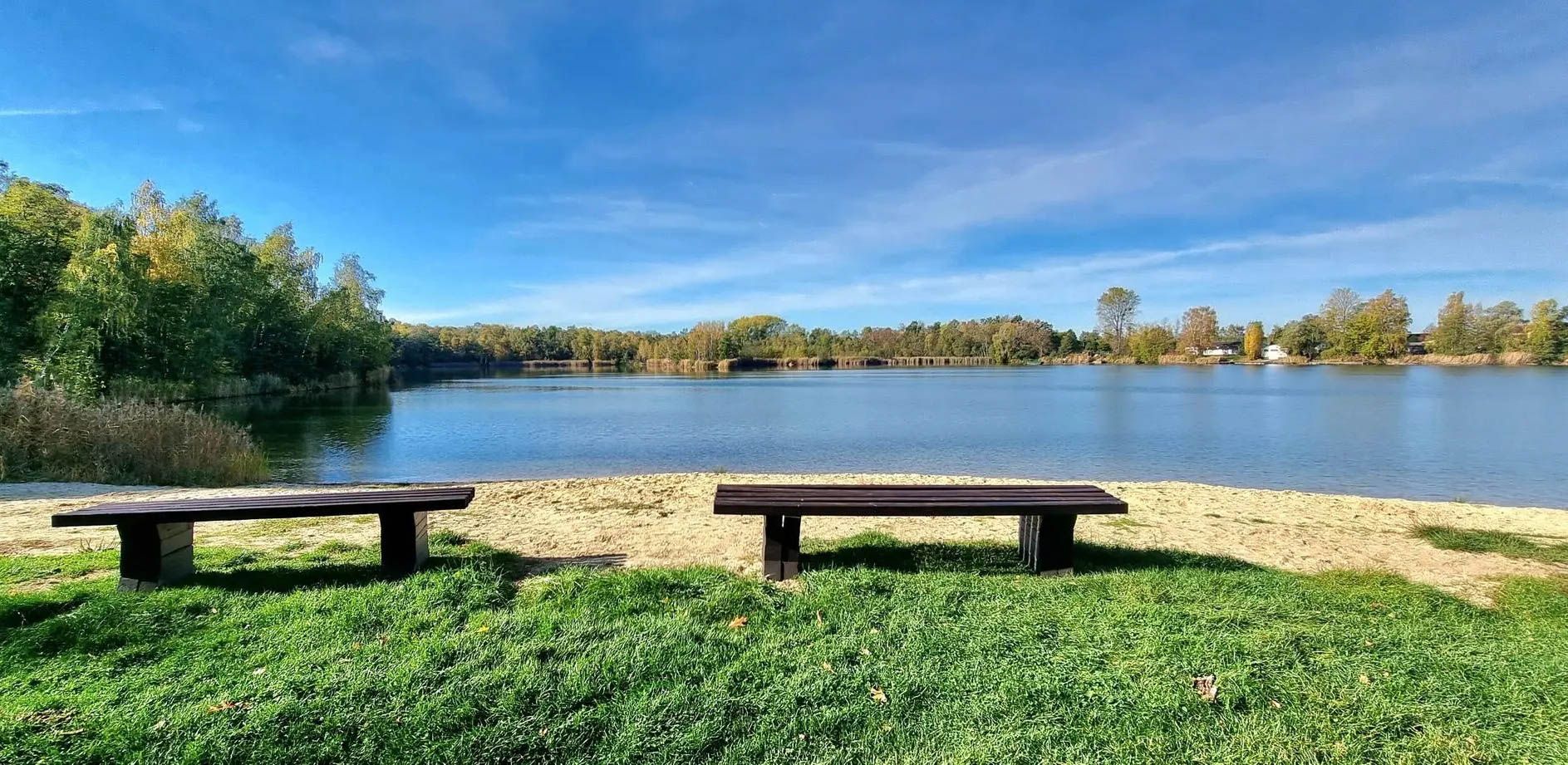
With the PlusBus to wonderful hikes near Leipzig
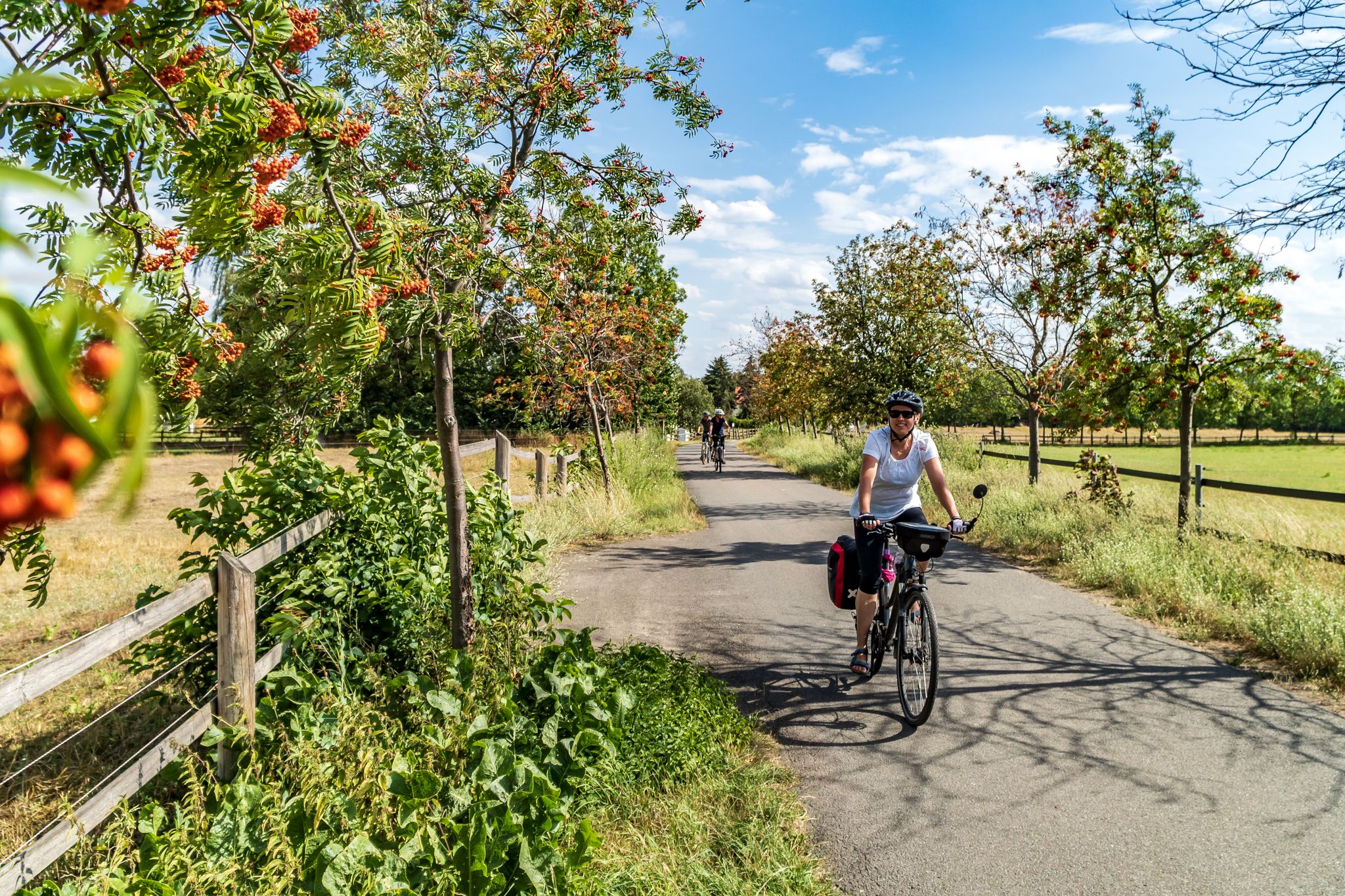
Cycling into the countryside – urban escapism around Leipzig
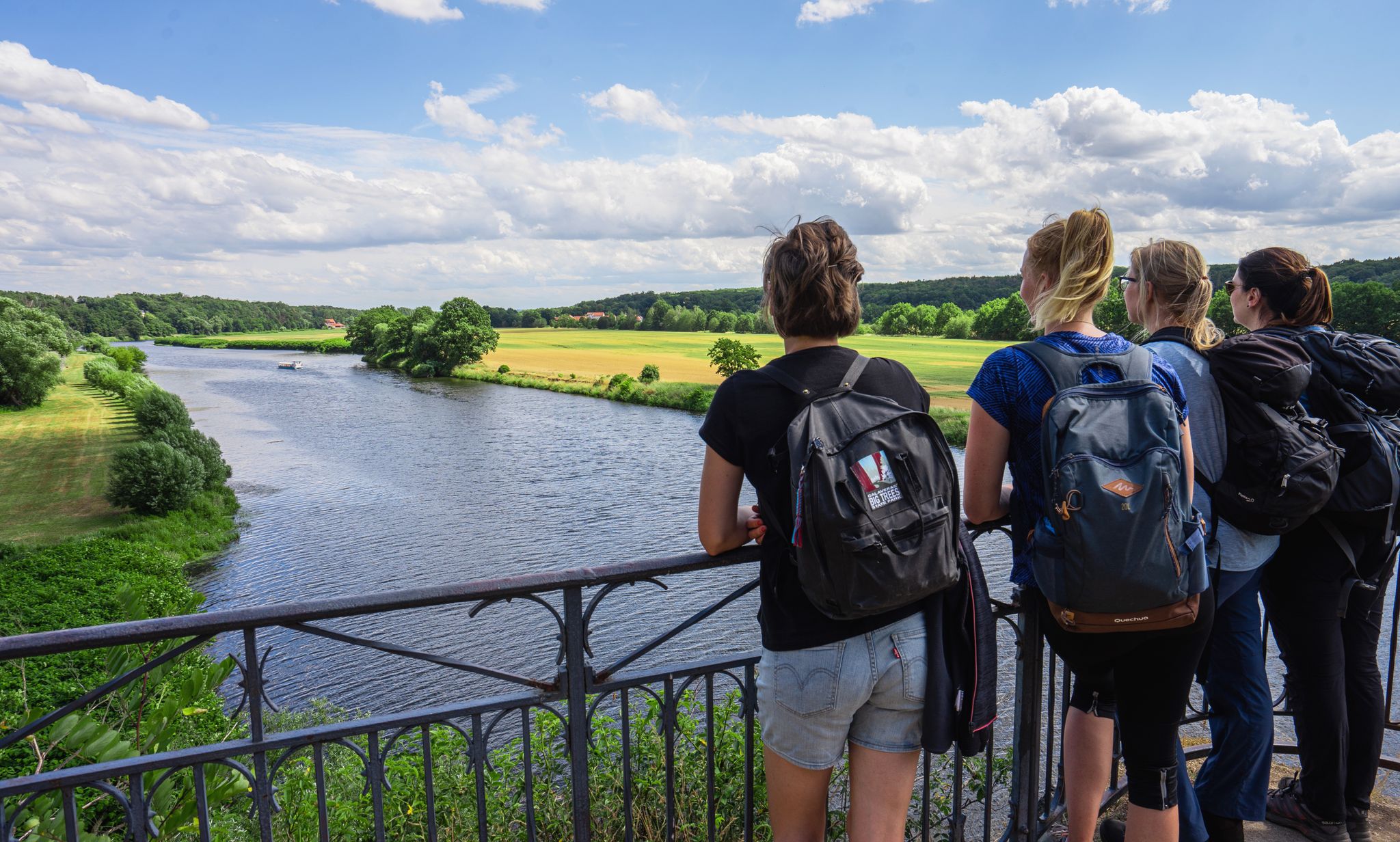
Hiking between big city and nature – urban escapism Leipzig
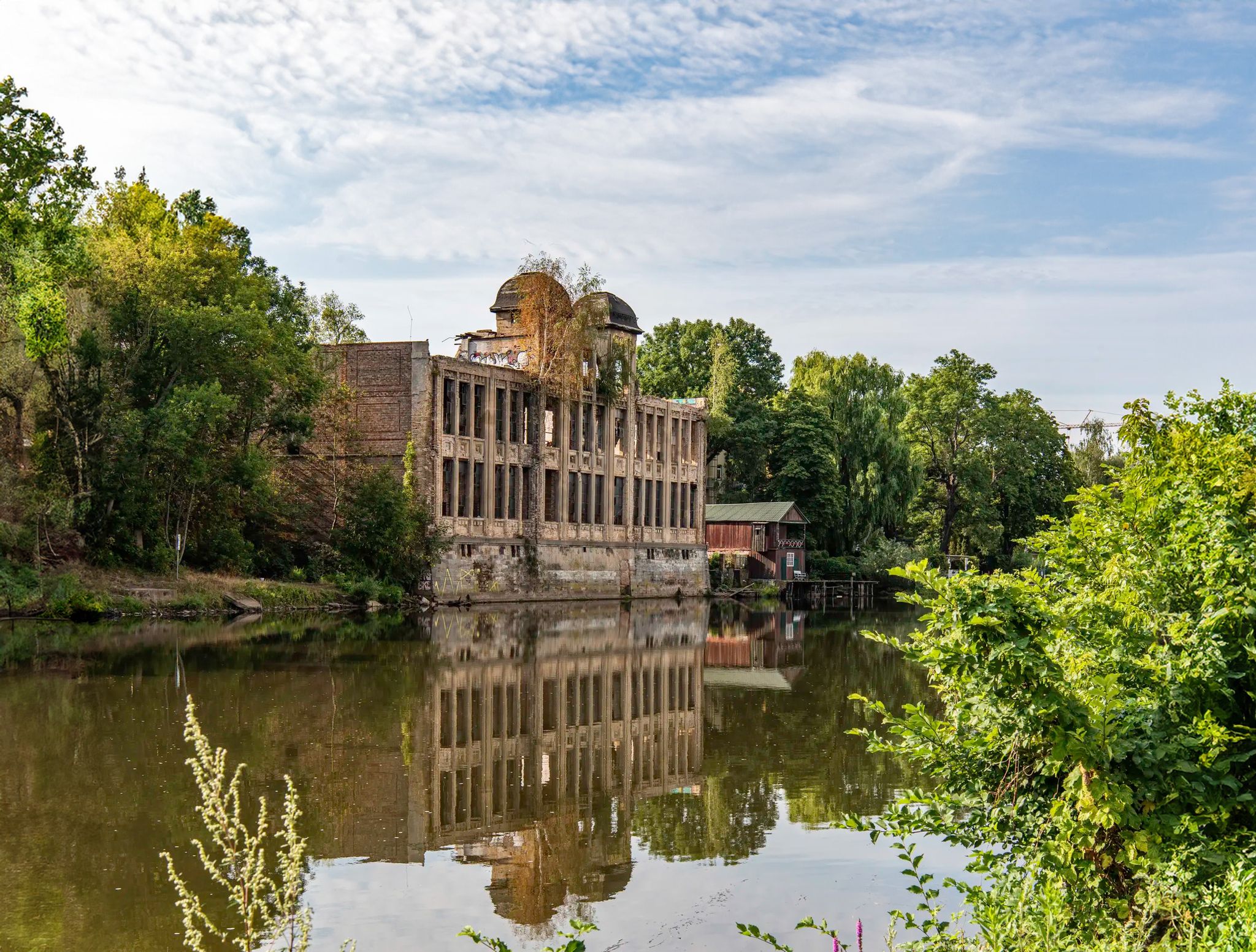
Abandoned and forgotten — mysterious lost places around Leipzig
Other adventures around Bad Düben


Tips from the Community

Today, an developed network of cycle paths and hiking trails with viewing platforms and information boards on the formation of the landscape extends along the Neuhäuser See. The 120 km long Kohle-Dampf-Licht cycle path from Lutherstadt Wittenberg to Markkleeberg passes by the lake. Source https://de.wikipedia.org/wiki/Neuh%C3%A4user_See
1
0
In the mid-19th century, the first mining activities began in the southwest of Goitzsche, near the villages of Petersroda and Holzweißig.[3] Following the lignite seam, mining progressed from west to east. Favored by the opening of the current Magdeburg–Leipzig and Trebnitz–Leipzig railway lines, the sales market for lignite expanded to Halle and Leipzig, among other places. The increased demand for electrical energy and fossil fuels in the 19th and 20th centuries led in 1908 to the opening of the Leopold open-cast mine (from 1945 to 1962 Holzweißig–Ost) and in 1958 to the creation of the Holzweißig-West open-cast mine.[3] The Neuhäuser See originated from the former Holzweißig-West lignite open-cast mine. It is named after the Neuhaus estate, which was demolished in 1976 along with the village of Paupitzsch. The Holzweißig-West open-cast mine was operated from 1958 to 1980. Other sources report usage until 1991. The lake was flooded from 1993 to 2005.[1] Overflowing water is channeled via the Goitzsche into the Mulde. Since 1997, the area has been renatured and stable embankments have been created. Source https://de.wikipedia.org/wiki/Neuh%C3%A4user_See
1
0
The Neuhäuser See is located on the northwestern border of the Free State of Saxony with Saxony-Anhalt, at an altitude of about 78 m above sea level. NN. South of the lake is Benndorf, a district of the North Saxon district town of Delitzsch, and to the north is the unified municipality of Bitterfeld-Wolfen in Saxony-Anhalt. It is located in the Central German Lake District, south of the Großer Goitzschesee and the waters Ludwigsee and Paupitzscher See. Quelle https://de.wikipedia.org/wiki/Neuh%C3%A4user_See
1
0
The Neuhäuser See (also Neuhauser See) is an opencast mine residual lake of approximately 155 hectares, which was created by flooding the former Holzweißig-West opencast mine. The lake is located in the Central German Lake District, south of the Goitzsche nature reserve and north of the town of Delitzsch. Source https://de.wikipedia.org/wiki/Neuh%C3%A4user_See
1
0
Magnificent view of the Mulde from the bridge
7
0
Frequently Asked Questions
What historical landmarks can I explore in Bad Düben?
Bad Düben offers a rich history. You can visit Burg Düben, a medieval moated castle dating back to 981 AD, which houses the Landscape Museum of Dübener Heide. Other notable sites include the Pesttor, a Renaissance gate from 1577, and the prominent St. Nikolai Church with its 63-meter steeple. Don't miss the unique Bergschiffmühle, one of the last preserved ship mills in Germany, or the Obermühle Bad Düben for insights into historical crafts.
Where can I find scenic views around Bad Düben?
For panoramic vistas, climb the Red Tower (Pouch), a 30-meter-high monument offering views over the Goitzsche Landscape Park and the Dübener Heide. The watchtower within Burg Düben also provides excellent views of the region. Additionally, the Mulde Bridge at Muldestausee offers picturesque views of the Muldestausee, a lake formed from a former open-cast mine. The Rotes Ufer, a steep embankment on the Mulde River, is another scenic panorama point.
Are there opportunities for hiking or cycling near Bad Düben?
Absolutely. Bad Düben is a gateway to the extensive Dübener Heide Nature Park, which features numerous walking and cycling trails through forests, lakes, and hills. For specific routes, you can explore options like the "With Billi Bockert on the Heide-Biber route" or the "Gesundbrunnen (Iron Spring) – Wooden Sculpture Meadow Tornau loop" for hiking. Cyclists can find routes such as the "Old Mulde Oxbow – Mulde Bridge, Bad Düben loop". You can find more detailed routes on the Hiking around Bad Düben and MTB Trails around Bad Düben guide pages.
What natural attractions are there in Bad Düben and the surrounding area?
The region is rich in natural beauty. The Dübener Heide Nature Park is a highlight, offering extensive forests and waterways. Within Bad Düben, the historic Kurpark is known for its rhododendron blooms, a barefoot trail, and a Moorish garden. You can also visit the Rotes Ufer for views of the Mulde River, explore the Moorerlebnispfad (Moor Experience Path), or see the restored Artesian Well. The Gesundbrunnen, an iron-rich spring, is also a notable natural feature.
Are there family-friendly activities or attractions in Bad Düben?
Yes, Bad Düben offers several family-friendly options. The Gruna Ferry is a unique experience, being the only manually operated passenger ferry in Northern Saxony. The Kurpark provides space for relaxation and play, including a barefoot trail. The Moorerlebnispfad is an engaging way to explore nature. For a relaxing day, the Heide Spa Bad Düben offers diverse bathing landscapes suitable for families. Many of the easy hiking trails around Bad Düben are also suitable for families.
What is special about the Gruna Ferry?
The Gruna Ferry is a unique historical attraction. Operating since 1806, it is the only passenger ferry in Northern Saxony that is moved by manual operation across the Mulde River. Visitors often enjoy the experience with the ferryman and the nearby ferry house with a beer garden.
Can I experience local wellness or spa facilities in Bad Düben?
Yes, Bad Düben is known as a health resort. The Heide Spa Bad Düben is a comprehensive wellness and recreation center. It offers diverse bathing landscapes, various saunas, and a range of wellness treatments, making it an ideal place for relaxation and rejuvenation.
Are there any wheelchair-accessible attractions or paths in the area?
The Mulde Bridge in Bad Düben is noted as wheelchair-accessible, offering beautiful views of the Mulde River and Burg Düben directly behind it. When planning outdoor activities, it's advisable to check specific trail conditions, but some paths in the Kurpark may also be suitable.
What kind of natural landscapes can I expect in the Dübener Heide Nature Park?
The Dübener Heide Nature Park, covering approximately 770 square kilometers, is characterized by extensive forests, picturesque lakes, and gentle hills. You'll find diverse ecosystems, including moorland areas, such as those explored on the Moorerlebnispfad, and wetlands like the Feuchtgebiet mit Lehmgruben Wellaune, which is a nature monument and bird sanctuary.
When is the best time to visit Bad Düben for outdoor activities?
The spring and summer months (April to September) are generally ideal for outdoor activities in Bad Düben, offering pleasant temperatures for hiking, cycling, and exploring the Dübener Heide Nature Park. Spring brings vibrant rhododendron blooms to the Kurpark. Autumn also offers beautiful scenery with changing foliage. Some attractions, like the Red Tower (Pouch) and the Gruna Ferry, have specific operating hours, typically from May to September.
Where can I find more information about the Dübener Heide Nature Park?
The Nature Park House, located at the foot of Burg Düben, serves as a tourist information center for the Dübener Heide Nature Park. It provides details on trails, hosts special exhibitions, and is a starting point for over 500 km of signposted routes. It's an excellent resource for planning your exploration of the park.
Most popular routes around Bad Düben
Most popular attractions around Bad Düben

Get inspired with the komoot mobile app


Explore more
Still not found the Highlight you’re looking for? See guides of the top attractions in other regions:
