The best road cycling routes in Bois D'Organ
4.0
(48)
2,535
riders
232
rides
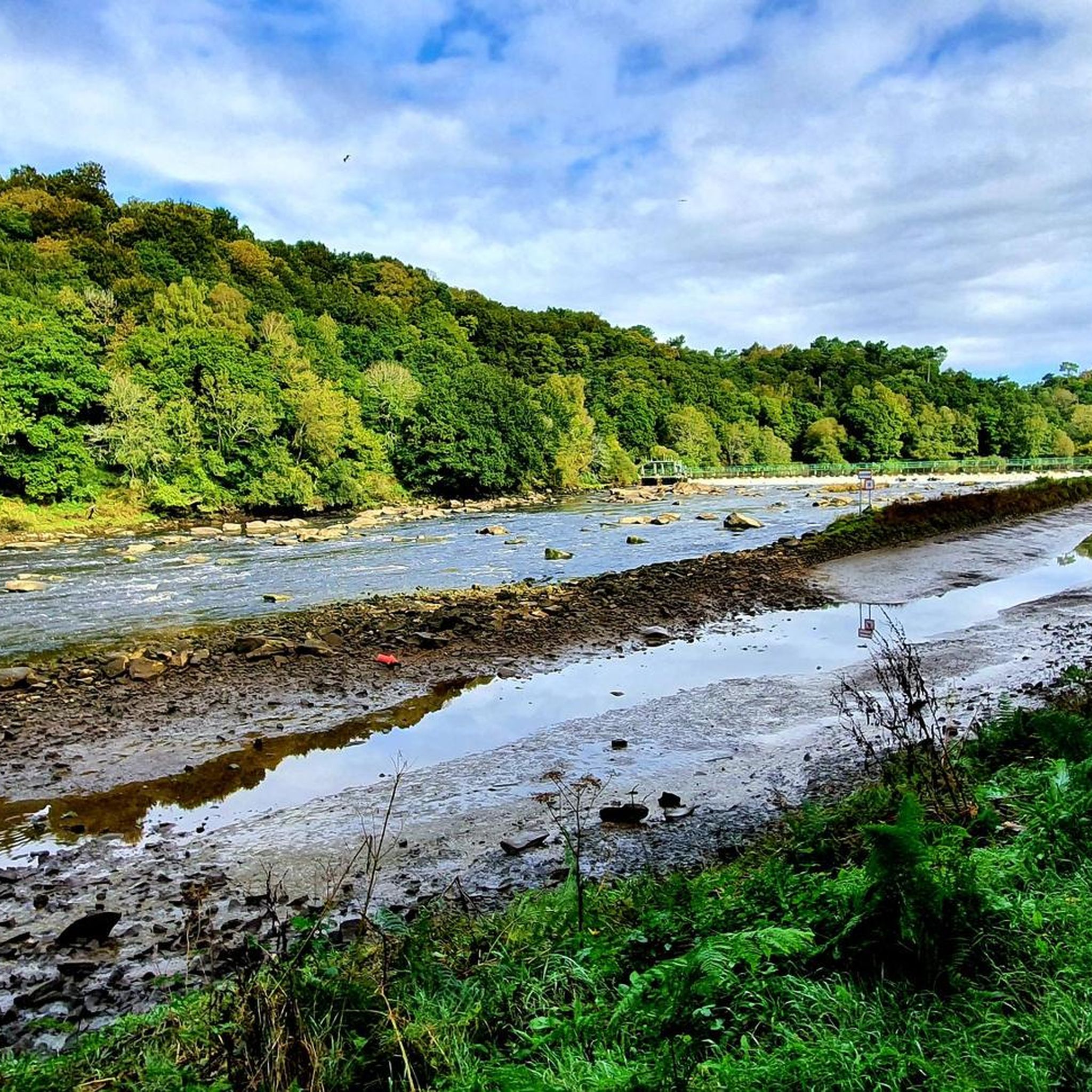
Road cycling routes in Bois D'Organ traverse a landscape characterized by dense woodlands and rolling hills, offering varied terrain for cyclists. The area, situated near Lorient, features a network of roads that wind through natural settings. Cyclists can expect moderate elevation changes, providing a balance of challenging climbs and scenic descents. This region's natural features make it suitable for exploring on two wheels.
Best road cycling routes in Bois D'Organ
- The most popular road cycling route is Chapelle Sainte-Anne des…
Last updated: July 15, 2026
6
riders
33.5km
01:41
330m
330m
Moderate road ride. Good fitness required. Mostly well-paved surfaces and easy to ride.
4
riders
45.2km
02:08
450m
450m
Moderate road ride. Good fitness required. Mostly well-paved surfaces and easy to ride.

Sign up for free
9
riders
36.6km
01:45
330m
320m
Moderate road ride. Good fitness required. Mostly well-paved surfaces and easy to ride.
10
riders
71.8km
03:18
750m
750m
Moderate road ride. Good fitness required. Mostly well-paved surfaces and easy to ride.
6
riders
39.9km
01:51
500m
490m
Moderate road ride. Good fitness required. Mostly well-paved surfaces and easy to ride.
Get access to more routes and recommendations from other explorers.
Sign up for free
Already have an account?
Our route recommendations are based on thousands of hikes, rides, and runs completed by other people on komoot.
Start today with a free account
Your next adventure awaits.
Login or Signup




Tips from the Community

Dating from 1666, the building takes its name from a former archbishop who died in 762. In the shape of a Latin cross, the western portal is dominated by a projecting square tower, resting on four consoles. The building preserves a polychrome wooden statue representing the Trinity, dating from the 17th century.
0
0
Built in 1865 by the Countess of Cossé-Brissac, this chapel was built in homage to Saint Anne, in accordance with the promise made at the birth of her daughter. It is distinguished by its door surmounted by a rosette-shaped stained-glass window and a steeple with a granite balcony. Modest in size, the chapel was initially reserved exclusively for the service of the lords of the manor.
0
0
It was built between 1450 and 1480 in the flamboyant Gothic style. Step inside to admire the most remarkable feature of the place: a splendid polychrome wooden rood screen. To this day, this rood screen is one of the most beautiful polychrome rood screens in Brittany. A fountain is worth seeing nearby.
1
0
It was restored several times after the end of the Second World War. It is shaped like a Greek cross and divided into four equal parts. The interior is decorated with frescoes depicting ten scenes retracing the history of the chapel and explaining the significance and practices associated with devotion to the Sacred Heart.
1
0
Completed in the 16th century in the Gothic style, the church features Romanesque vaults, testifying to an older building. Outside, opening onto the porch, the 16th-century ossuary is distinguished by its three elegant basket-handle arches, resting on charming molded columns. Upon entering the church, one immediately sees the blue vault, a symbol of the sky in Romanesque art. The decoration continues with the polychrome wooden sablières, displaying scenes of hunting and everyday life.
0
0
Founded by the lords of Kermerien, only the original western gate, dating from the 15th century, remains today. The current building was rebuilt in the second half of the 17th century.
1
0
Bat House: A unique museum in France entirely dedicated to the ladies of the night. You'll discover everything about their lifestyle and preconceived notions through a modern, playful, and accessible exhibition design. You'll observe the Greater Horseshoe Bat live on the church roof. In summer, don't miss "Bat Nights," a magical experience offered by the museum by reservation. Our Lady of Kernascléden Church: The parish church, which was once a simple chapel, was built between 1420 and 1464. It is one of the finest examples of Flamboyant Gothic art in Brittany, recognizable by its slender lines, sculpted decorations, and rich architecture. It is a veritable lacework of stone carved from granite. You'll also see the Danse Macabre there. A terrifying masterpiece depicting the triumph of death. As you enter the village, just 200 m on your left, you will find the Notre-Dame fountain.
1
0
Built in 1542, the building underwent numerous restorations in the 19th and 20th centuries. Rectangular in shape (53m x 19m), the market halls cover an area of 940 m2. They still house the market on the 1st, 3rd and 5th Wednesdays of the month and host various events throughout the year.
1
0
Frequently Asked Questions
What kind of terrain can I expect when road cycling in Bois D'Organ?
Road cycling routes in Bois D'Organ are characterized by dense woodlands and rolling hills. You'll find a network of roads winding through natural settings, offering a balance of challenging climbs and scenic descents with moderate elevation changes.
How many road cycling routes are available in Bois D'Organ?
Bois D'Organ offers a wide selection of road cycling routes, with over 200 tours available. These range in difficulty from easy loops to more challenging routes with significant elevation.
What do other road cyclists enjoy most about the routes in Bois D'Organ?
The road cycling routes in Bois D'Organ are highly rated by the komoot community, with an average score of 4.0 stars from more than 40 reviews. Cyclists often praise the varied terrain, which includes dense forests and rolling hills, and the quiet country roads.
Are there any challenging road cycling routes for experienced riders?
Yes, Bois D'Organ offers routes suitable for experienced riders. For example, the Saint-Jean-Baptiste Church – Abbey loop from Poulgroix is a moderate route spanning over 71 km with more than 720 meters of elevation gain, providing a good challenge.
Are there any family-friendly or beginner-friendly road cycling options in Bois D'Organ?
While many routes feature rolling hills, Bois D'Organ does offer easier loops suitable for families or beginners. Out of over 200 routes, 26 are classified as easy, providing a gentler introduction to the region's beautiful landscapes.
What is the typical duration for a road cycling tour in Bois D'Organ?
Tour durations vary depending on the route and your pace. For instance, the Chapelle Sainte-Anne des Bois – Menhir de Kerlivio loop from Kerihuel, a moderate 44.4 km route, typically takes around 2 hours and 4 minutes to complete.
What are some scenic viewpoints or natural features to look out for?
Bois D'Organ is defined by its dense forests and rolling hills, offering picturesque views throughout your ride. The region's natural settings provide a tranquil backdrop, perfect for enjoying the outdoors on two wheels.
What is the best time of year for road cycling in Bois D'Organ?
The region, like much of France, generally offers pleasant cycling conditions from spring through early autumn. These seasons provide milder weather, making it ideal for exploring the woodlands and country roads.
Are there loop road bike trails in Bois D'Organ?
Yes, many of the road cycling routes in Bois D'Organ are designed as loops, allowing you to start and finish at the same point. An example is the Bubry – Bubry loop from Relven, a 36.6 km route through the local countryside.
Where can I find parking for road cycling trails in Bois D'Organ?
While specific parking locations are route-dependent, many routes start from villages or hamlets like Kerihuel, Poulgroix, or Relven, where you can typically find local parking options. It's advisable to check the starting point of your chosen route for detailed parking information.
Can I find cafes or pubs near the road cycling routes in Bois D'Organ?
The routes often pass through or near charming local villages. While specific establishments aren't listed, these villages are good places to look for cafes or pubs to refuel during or after your ride.
What are some less crowded road bike alternatives in the area?
With over 200 routes available, Bois D'Organ offers many options beyond the most popular ones. Exploring some of the less-trafficked country roads and smaller loops can provide a more serene cycling experience away from crowds.
Most popular routes in Bois D'Organ

Get inspired with the komoot mobile app


Explore more
Browse the best Road cycling routes in other regions.
