Attractions and Places To See in Glücksburger Heide - Top 10
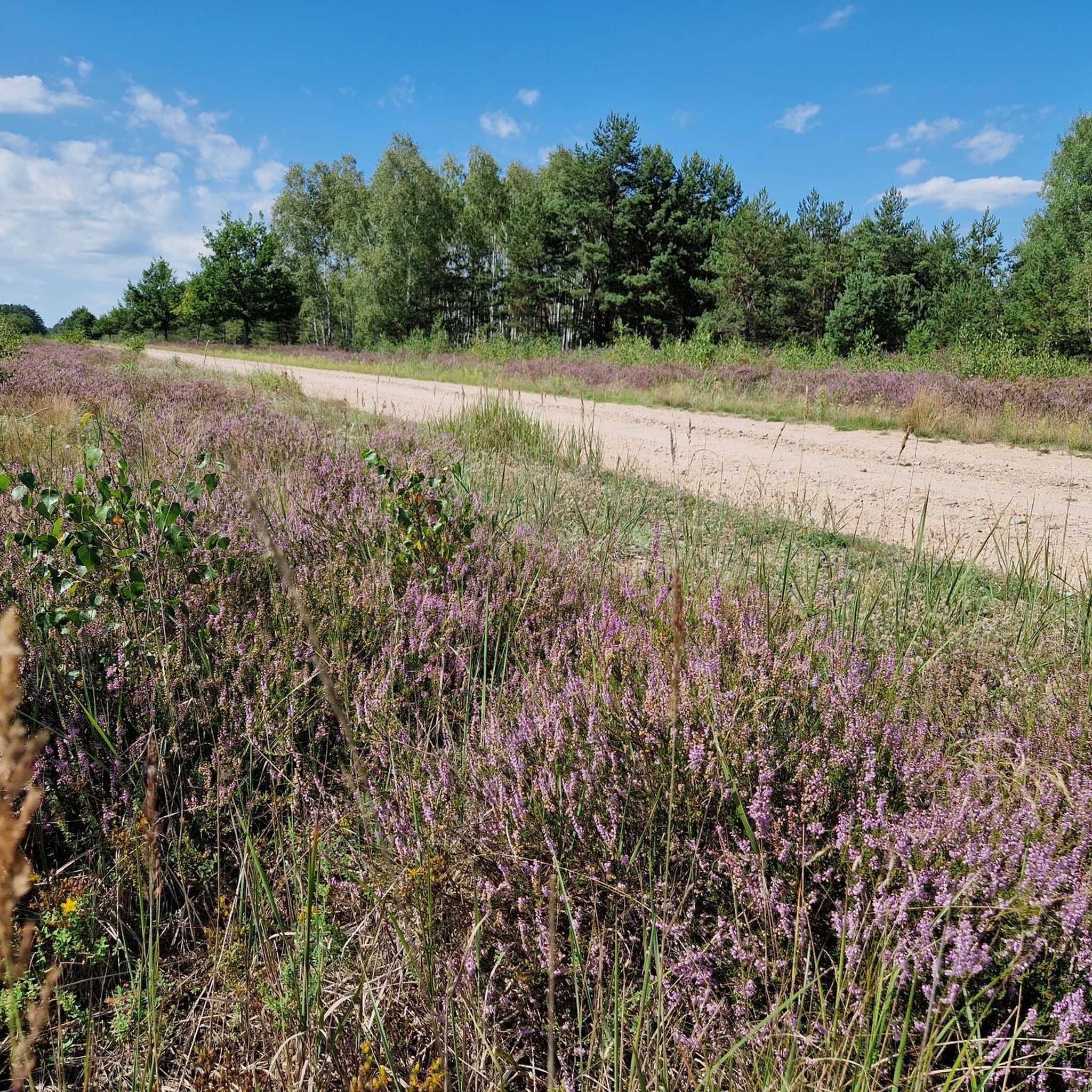
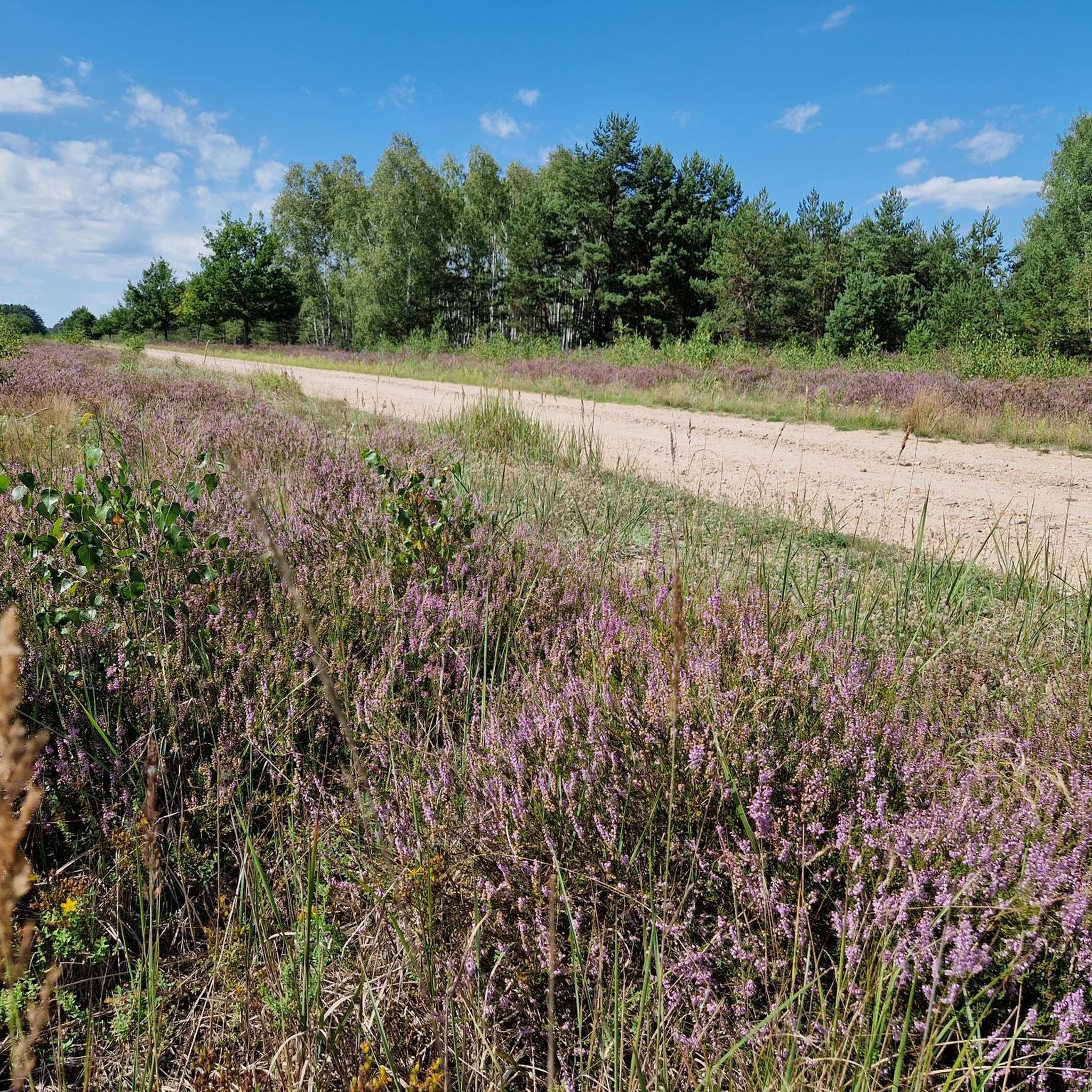
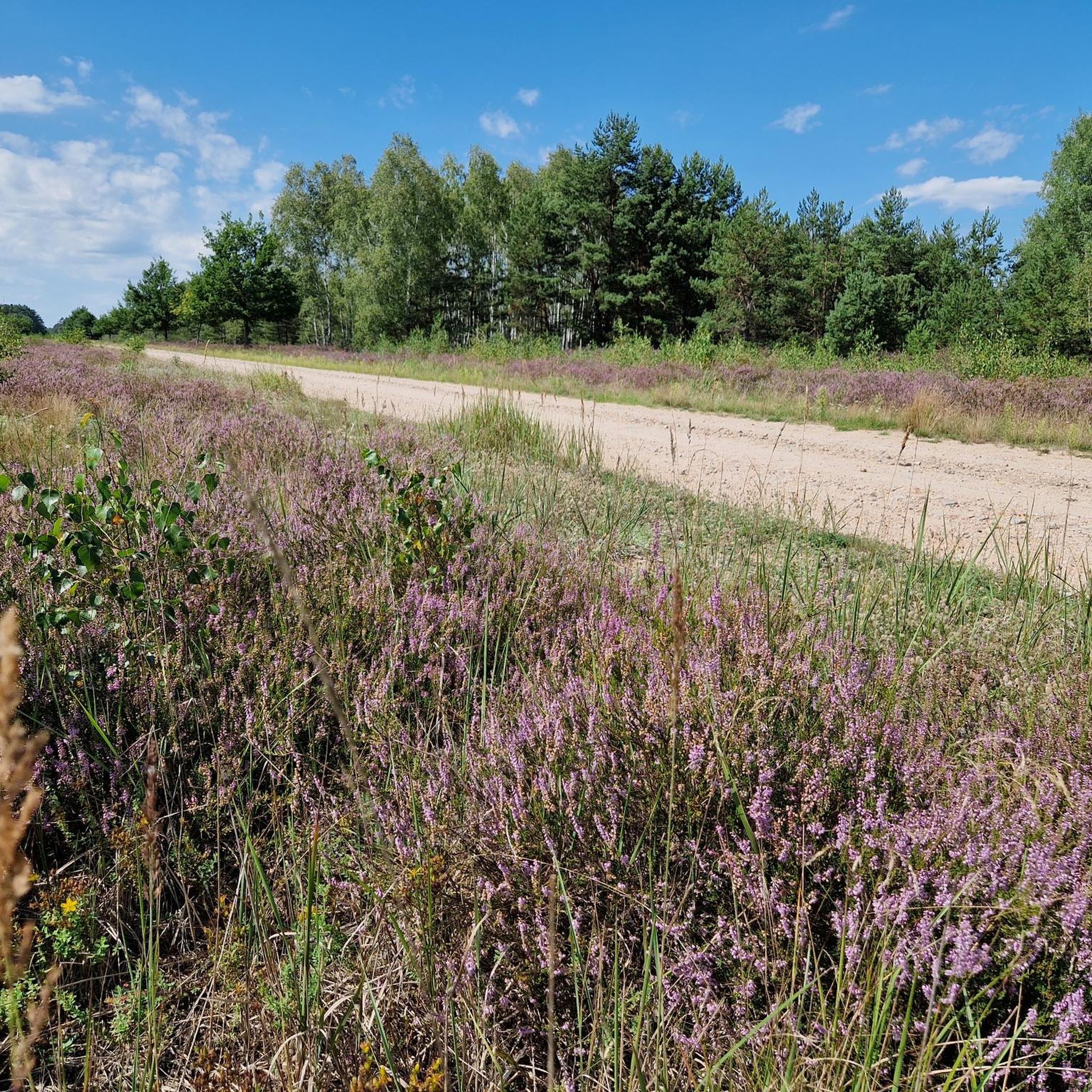
Best attractions and places to see in Glücksburger Heide include an expansive forest and heathland area in Saxony-Anhalt, Germany. This region is designated as the largest nature reserve in the eastern part of the district, spanning approximately 2,781 hectares. Its landscape, shaped by past military use, features diverse open spaces with heaths and dry sand grasslands. Glücksburger Heide is also a significant retreat for numerous bird species, with over 127 identified and 98 breeding within the area.
Best attractions and…
Last updated: July 2, 2026
Rest Area at the Gate to Glücksburger Heide
Highlight • Rest Area
Translated by Google •
Tip by

Shelter and wooden playground at the former Mügeln forester’s house
Highlight • Mountain Hut
Translated by Google •
Tip by

Sign up now to discover places like this
Get recommendations on the best single tracks, peaks, & plenty of other exciting outdoor places.
Sign up for free
Translated by Google •
Tip by

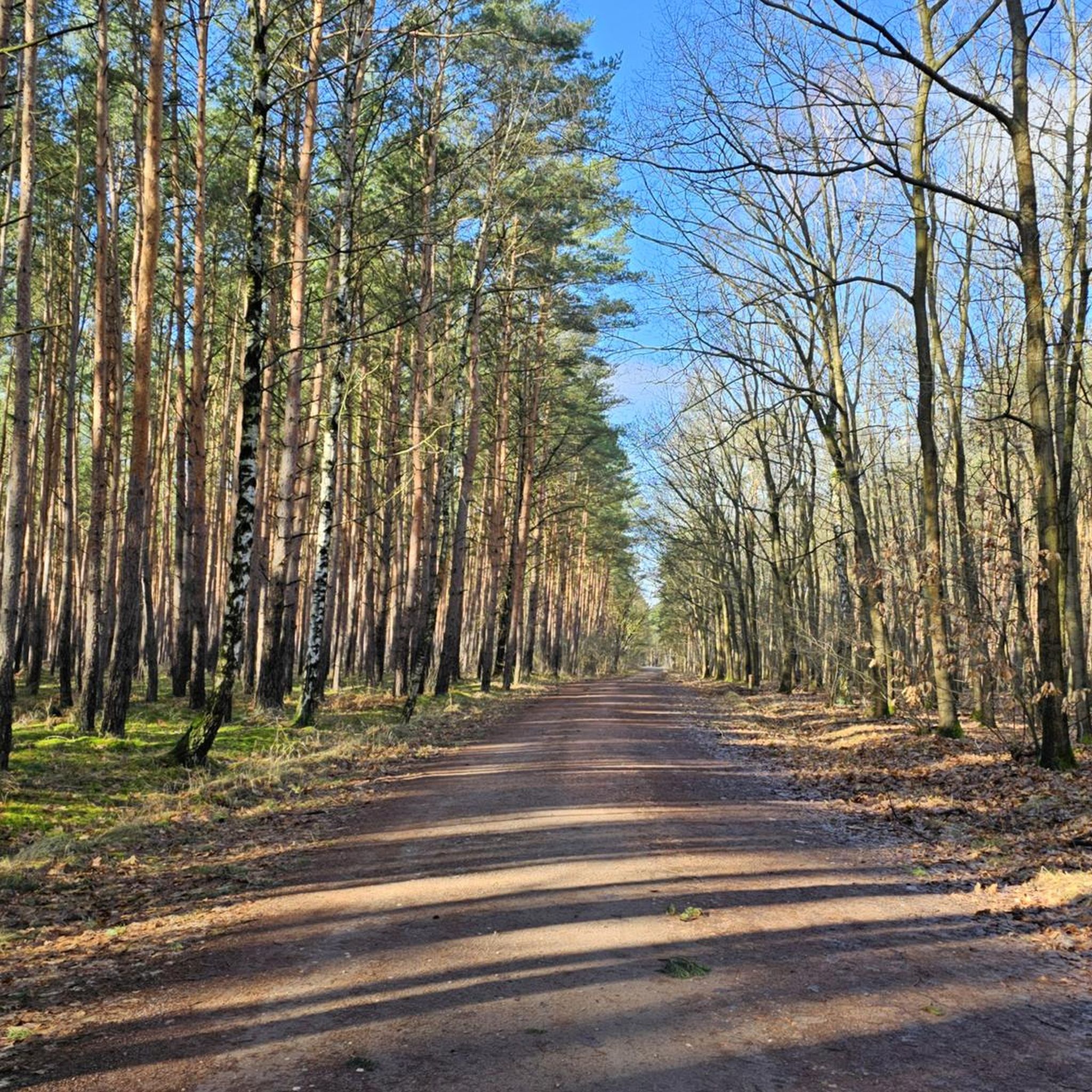
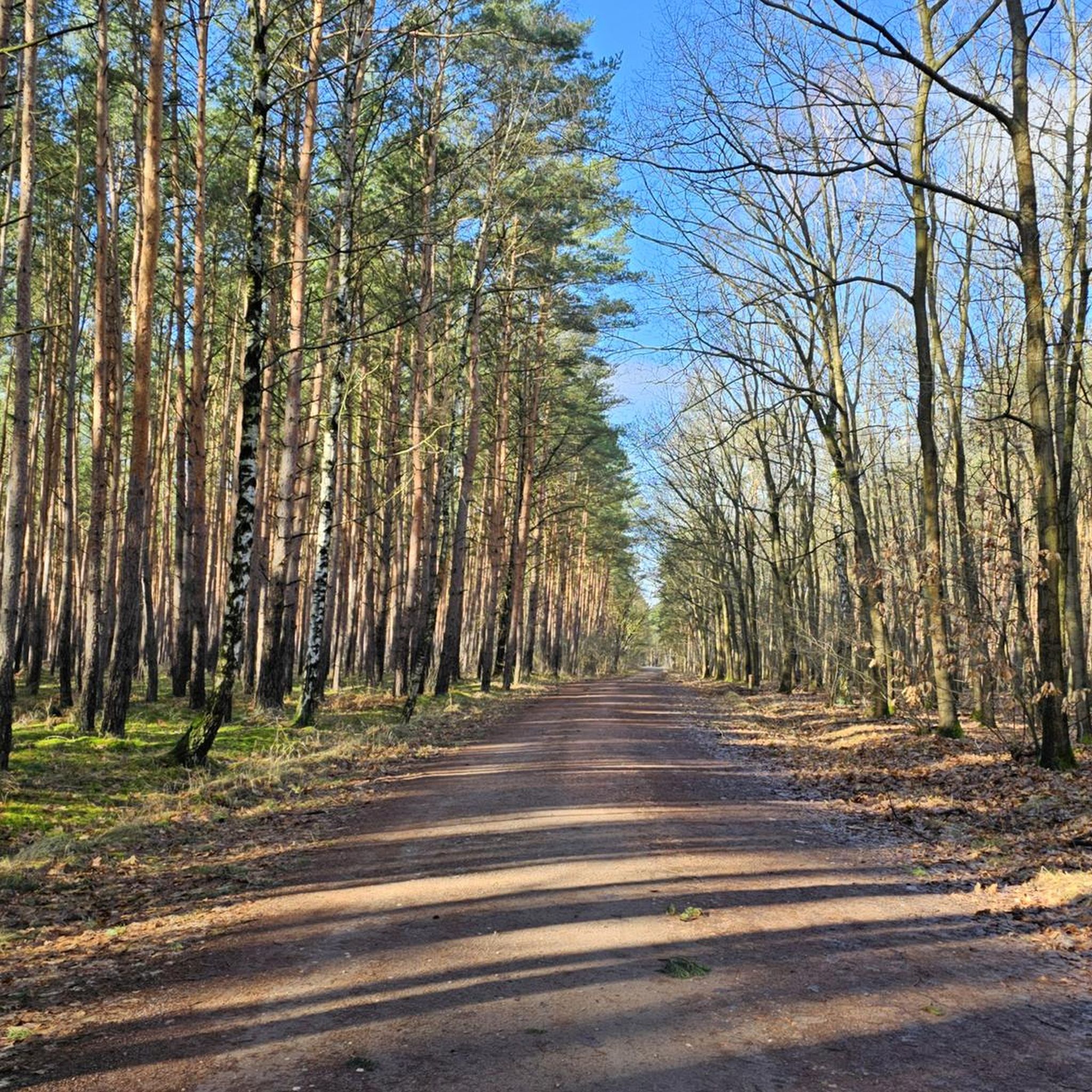
Tree-Lined Road Between Seyda and Morxdorf
Highlight (Segment) • Cycleway
Translated by Google •
Tip by

Russenwinkel Shelter
Highlight • Mountain Hut
Translated by Google •
Tip by
Sign up for free to discover even more attractions in Glücksburger Heide.
Sign up for free
Already have an account?
Start today with a free account
Your next adventure awaits.
Login or Signup
Tips from the Community

moderately busy road
0
0

Lots of information about the former forest railway and a beautiful photo opportunity.
0
0

Here's a place to park your car, or simply take a break. This spot is the best place to start your hike in and through the Glücksburg Heath.
0
0

A covered table with two benches and two additional benches offer space for many tired hikers to take a break. Next to it is an information board about the heath and here is the gateway to the Glücksburg Heath near Mügeln.
0
0

The place is called “Russenwinkel” and is even signposted as such. There are interesting information boards there
0
0

very nicely designed shelter at the former forester's house Mügeln, thanks to the home club!
0
0
former keeper's cottage, converted into a shelter
0
0
Frequently Asked Questions
What kind of natural landscape can I expect in Glücksburger Heide?
Glücksburger Heide is characterized by its vast sandy and humus-poor forest and heathland, a unique landscape shaped by centuries of military use. You'll find extensive dry heaths (Zwergstrauchheiden) with species like common heather, dry sand grasslands, and pioneering forest developments. It's also a significant retreat for numerous bird species, making it a rich and diverse natural area.
What historical significance does Glücksburger Heide hold?
The area's landscape has been profoundly shaped by its past military use, which prevented reforestation in many areas and led to its unique open character. It is considered a national cultural heritage site, with efforts by local associations to preserve its history and natural beauty. You can find remnants of its past, such as information about the former forest railway.
Are there any specific historical landmarks or memorials to visit?
Yes, you can visit several historical points of interest. These include the Wooden Horse Sculptures and Former Forest Railway Information Board, which offers insights into the area's past. There's also a crash site of a Messerschmitt Bf 109 and a memorial plaque commemorating the fallen pilot Max Miller on the edges of the Heide.
What outdoor activities are popular in Glücksburger Heide?
Glücksburger Heide is ideal for various outdoor activities. You can enjoy extensive hiking and cycling on a network of trails. The area is also popular for running and mountain biking. For specific routes, you can explore guides like Running Trails in Glücksburger Heide, MTB Trails in Glücksburger Heide, and Cycling in Glücksburger Heide.
Are there designated hiking trails in Glücksburger Heide?
Yes, a network of cycling and hiking trails has been developed by a local heritage association, making it easy to explore the Heide. A great starting point for hikes is the Rest Area at the Gate to Glücksburger Heide near Mügeln, which provides information and a place to prepare for your walk.
Are there family-friendly attractions or activities in Glücksburger Heide?
Absolutely! Families can enjoy the Shelter and wooden playground at the former Mügeln forester’s house, which features unique wooden figures in a secluded setting. The Wooden Horse Sculptures also offer a fun photo opportunity for children.
Where can I find a good starting point for exploring the Heide?
An excellent starting point is the Rest Area at the Gate to Glücksburger Heide near Mügeln. It offers a covered table with benches and an information board about the heath, providing a convenient spot to begin your adventure.
Are there any viewpoints in Glücksburger Heide?
Yes, you can find an elevated point with a viewing platform on the former Panzerberg (tank hill), offering panoramic views of the surrounding landscape. Additionally, the Wooden Horse Sculptures and the Tree-Lined Road Between Seyda and Morxdorf also provide scenic spots.
What is the Heimateiche and why is it significant?
The Heimateiche, or Homeland Oak, is an approximately 200-year-old oak tree that serves as a symbol of Glücksburger Heide. Despite being largely hollowed out and damaged by grenade fragments from its military past, it continues to live. It's surrounded by a two-hectare park with around 450 trees and shrubs, established in 1993.
Are there shelters available for hikers in the area?
Yes, several shelters are available for hikers. Notable ones include the Shelter and wooden playground at the former Mügeln forester’s house and the Russenwinkel Shelter, which was a former keeper's cottage converted for public use.
What makes Glücksburger Heide important for wildlife?
As a former military training ground, Glücksburger Heide has remained largely undisturbed by extensive tourism and forestry, creating a crucial retreat for numerous bird species. Over 127 bird species have been identified here, with 98 breeding within the area, making it one of the most important breeding grounds in Saxony-Anhalt for species like the European nightjar and woodlark.
Most popular routes in Glücksburger Heide

Get inspired with the komoot mobile app


Explore more
Still not found the Highlight you’re looking for? See guides of the top attractions in other regions:
