The best walks and hikes in Schwanheimer Wald
4.4
(1321)
13,207
hikers
34
hikes
Hiking in Schwanheimer Wald offers a diverse landscape characterized by extensive woodlands, open meadows, and unique natural features like the Schwanheimer Dune. The area is situated near Frankfurt am Main, providing accessible natural spaces for outdoor activities. Trails often traverse flat to gently rolling terrain, making it suitable for various fitness levels. This region is known for its well-maintained paths through forest sections and along the banks of the Main river.
Best hiking trails in Schwanheimer Wald
- The most popular hiking route is Schwanheim Meadows – Schwanheimer Dune Boardwalk loop from Schwanheim, a 3.8 miles (6.1 km) trail that takes 1 hour 32 minutes to complete. This easy route explores the open meadows and features a unique dune boardwalk.
- Another top favourite among local hikers is Old Oaks of Schwanheim – Schwanheim Ancient Oaks loop from Schwanheim, a moderate 7.0 miles (11.2 km) path. This trail leads through ancient oak forests, showcasing the natural heritage of the area.
- Local hikers also love the Schwanheimer Dune Boardwalk – View of Höchst loop from Schwanheim, a 7.0 miles (11.3 km) trail leading through the distinctive Schwanheimer Dune and offering views towards Höchst, often completed in about 2 hours 52 minutes.
- Hiking in Schwanheimer Wald is defined by its dense woodlands, open meadows, and the unique Schwanheimer Dune. The network offers options for easy and moderate trails, catering to different ability levels.
- The routes in Schwanheimer Wald are highly rated by the komoot community with an average score of 4.6 stars from over 120 reviews. More than 600 hikers have used komoot to explore Schwanheimer Wald's varied terrain.
Last updated: May 4, 2026
4.8
(22)
89
hikers
Easy hike. Great for any fitness level. Easily-accessible paths. Suitable for all skill levels.
4.5
(11)
69
hikers
Moderate hike. Good fitness required. Easily-accessible paths. Suitable for all skill levels.

Sign up for free
4.3
(7)
37
hikers
11.3km
02:52
20m
20m
Moderate hike. Good fitness required. Easily-accessible paths. Suitable for all skill levels.
3.9
(9)
26
hikers
8.02km
02:02
20m
20m
Moderate hike. Good fitness required. Easily-accessible paths. Suitable for all skill levels.
4.8
(8)
30
hikers
Easy hike. Great for any fitness level. Easily-accessible paths. Suitable for all skill levels.
Get access to more routes and recommendations from other explorers.
Sign up for free
Already have an account?
Our route recommendations are based on thousands of hikes, rides, and runs completed by other people on komoot.
Start today with a free account
Your next adventure awaits.
Login or Signup

Tips from the Community

Sand mining: The mine carts used for this were pushed on rails over huge concrete blocks by workers or pulled by horses until operations ceased in the 1940s. A number of concrete blocks can still be found in the middle of the area today.
0
0

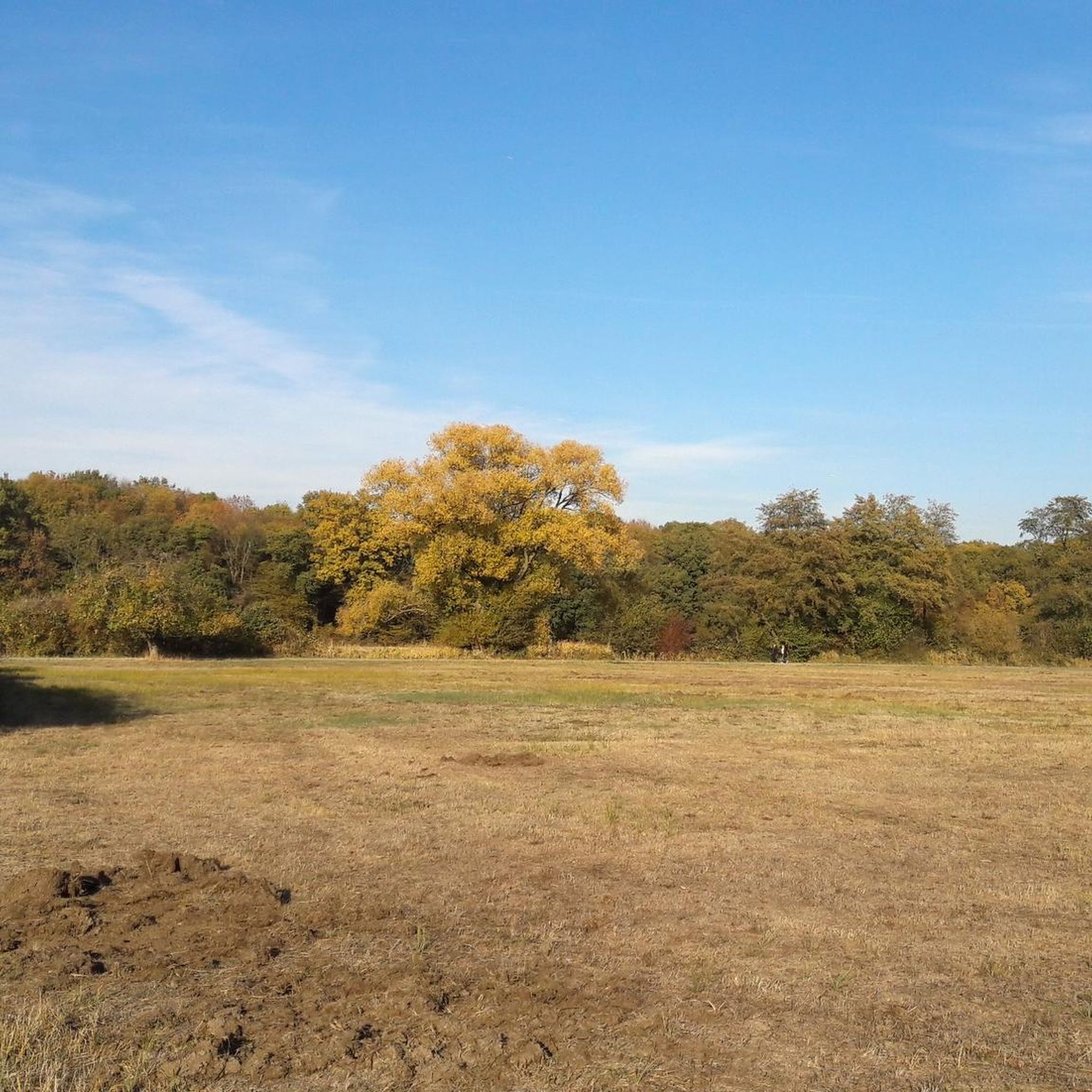
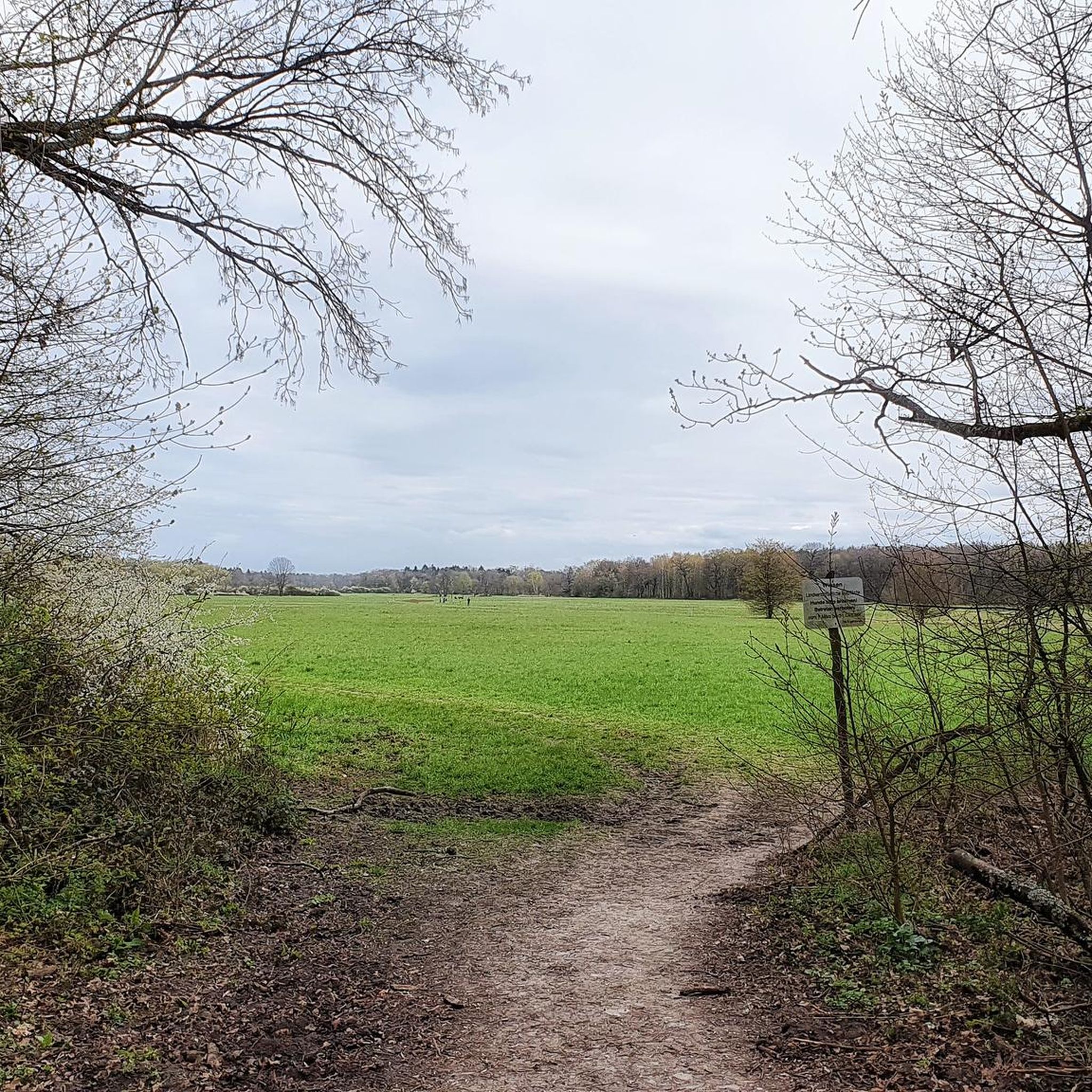
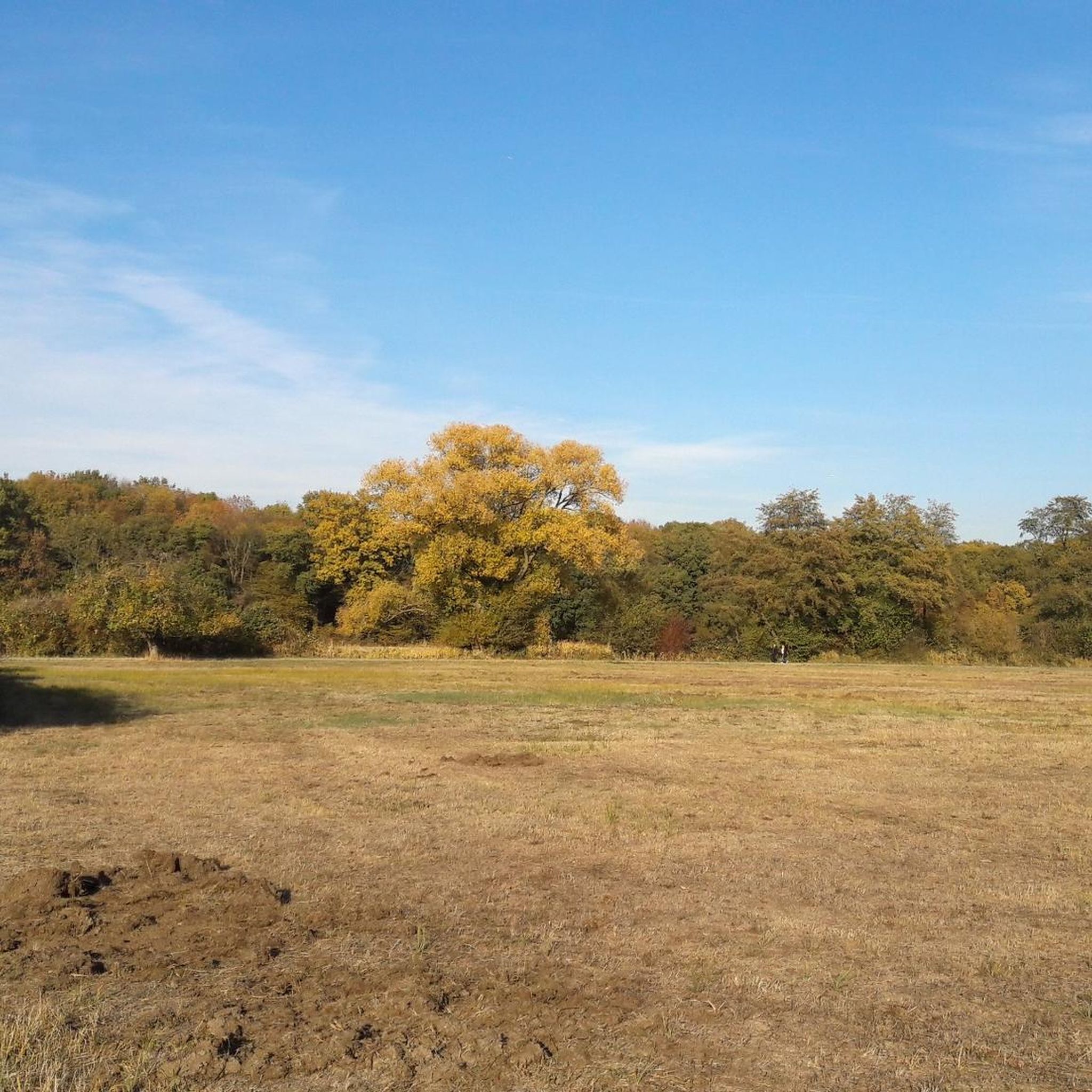
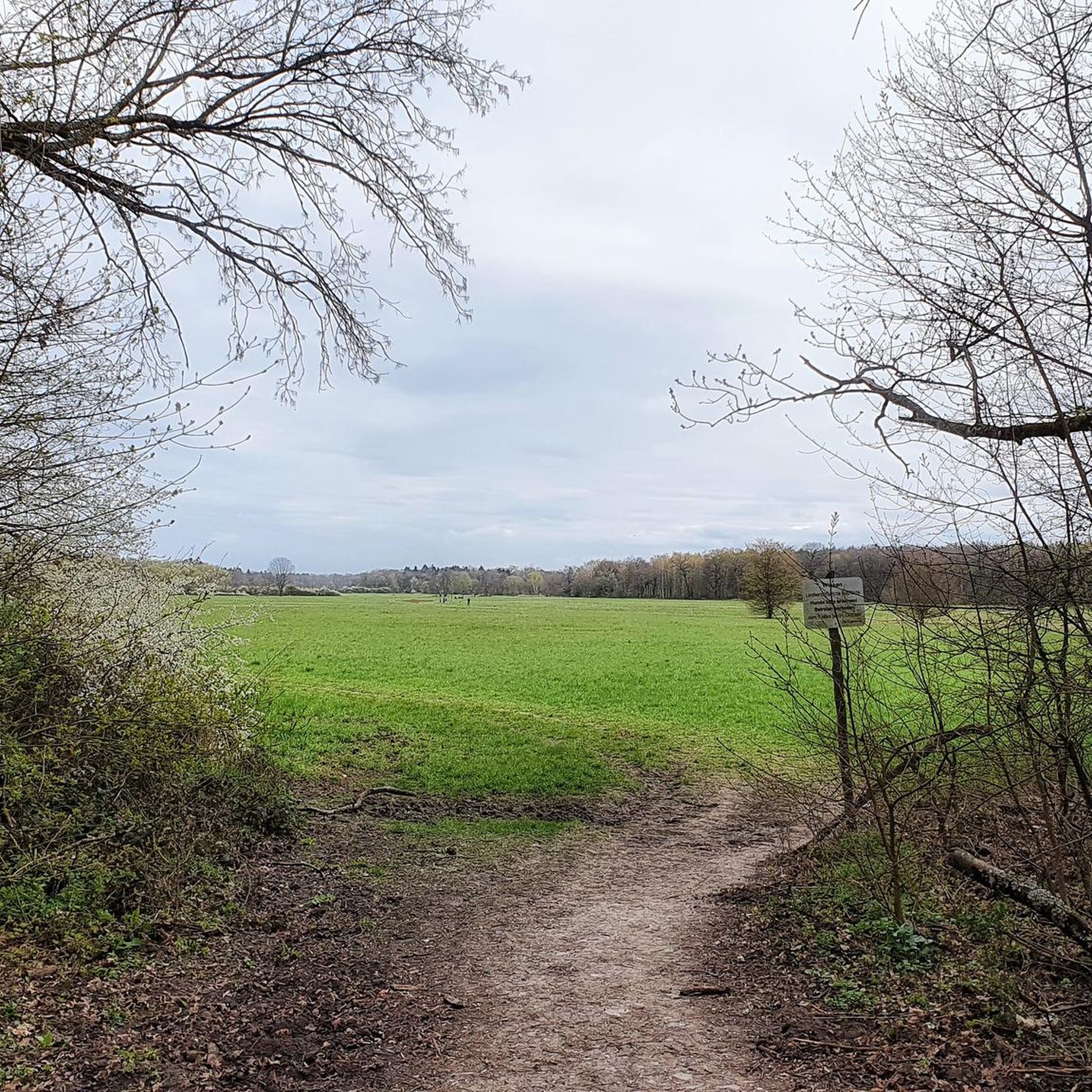
This section is surprising: The path opens up in places, revealing views over wide clearings and the treetops of the Frankfurt City Forest 🌲👀. Especially on clear days, a beautiful interplay of light, space, and forest tranquility arises here.
6
0

Here you will find a practical shelter in the forest.
9
0
Here is a covered stump of a 300-year-old oak tree! Year markers are carved into the trunk in the form of beautiful metal plaques.
14
0
The Schwanheim Dune was formed around 10,000 years ago as a result of the last Ice Age. The wind blew fine sand out of the Main Riverbed. But humans also contributed to this rarity by clearing the trees thousands of years later. Since plants take a long time to establish a foothold in the barren soil, the dune migrated. It wasn't until the end of the 19th century that it became "sedentary" and stranded at its current location west of Schwanheim. The typical plant community of an inland dune, the ecologically valuable silver grass meadow, developed on the quartz sand mixture. Among its representatives, in addition to the silver grass as a pioneer plant, are the common mustard and the sand thrift. Pines also thrive on the lean sand, whose bizarre growth is reminiscent of the vegetation of distant, inhospitable seashores. Rare animals, such as the golden oriole, have also found a home in the area, which has been designated a flora-fauna habitat since 2003. However, humans have also contributed to the preservation of some parts of this special habitat. Until the 1980s, sand was mined in the almost 60-hectare area. After the end of industrial exploitation, the pits filled with groundwater. This attracted many amphibians. The steep, unpaved slopes also provide a natural environment that would otherwise be untouched. has become rare in our latitudes. One of the issues in the designation of this unique nature reserve was its proximity to Frankfurt's residential areas. For many, a trip there was like a beach vacation on their doorstep. Some people were very unhappy with the extensive closure. But the idea of nature conservation prevailed. To guide visitors, the designers created a boardwalk. The plan, devised by the BUND (Friends of the Earth Germany) in western Frankfurt, has worked: the vast majority adhere to it and protect this unique habitat. Green Belt information pillars at selected locations along the path provide information about the special features of the sensitive flora and fauna.
0
0

The Rohsee lake originated from a former oxbow lake of the Main River and, depending on the groundwater level, only contains water intermittently. The small marshland is a refuge for moisture-loving animal and plant species. Characteristic of the Rohsee lake are the so-called stilt trees. These are black alder trees whose exposed rootstocks at low water levels give the impression that the trees are standing on stilts. The Rohsee lake serves as a place for quiet recreation in the city forest. Rare animals and plants can be observed there, such as reed warblers, kingfishers, and irises. Due to the protected status and nature of the water body, any use is prohibited.
1
0
The oaks here are particularly old and picturesque. They are designated as natural monuments.
1
0

Impressive Schwanheim Old Oaks Schwanheim farmers of old times fattened pigs until they were fat and broad. To do this, they drove the pigs into the forest. There they ate acorns and soon they were ready for slaughter and immediately turned into sausage. This happened a long, long time ago. And - what is it like today? The pigs had to go, only the oaks remained. Günter Tatara
0
0
Frequently Asked Questions
How many hiking trails are available in Schwanheimer Wald?
Schwanheimer Wald offers a wide variety of hiking experiences, with over 30 distinct trails available. These range from easy strolls through meadows to more moderate routes exploring ancient forests.
Are there easy hiking trails suitable for beginners or families with young children?
Yes, Schwanheimer Wald is very suitable for beginners and families. There are 26 easy trails, many of which feature flat to gently rolling terrain. A great option is the Struwwelpeter Pavilion – Schwanheim Forest Playground loop from Schwanheim, which is just over 4 km long and includes a forest playground.
Are there good circular hiking routes in Schwanheimer Wald?
Many of the trails in Schwanheimer Wald are designed as circular routes, allowing you to start and end at the same point. For a moderate circular hike, consider the Rohseeweg – Schwanheimer Dune Boardwalk loop from Schwanheim, which covers about 8 km and takes you through diverse landscapes.
Can I bring my dog on the hiking trails in Schwanheimer Wald?
Yes, Schwanheimer Wald is a popular area for dog walkers. Most trails are dog-friendly, but please ensure your dog is kept on a leash, especially in areas with wildlife or near other visitors. Always remember to clean up after your pet.
What natural sights or landmarks can I see while hiking in Schwanheimer Wald?
The region is rich in natural beauty and unique features. You can explore the distinctive Schwanheim Forest, discover ancient trees like the Schwanheim Old Oaks, or visit the tranquil Rohsee. The famous Schwanheimer Dune boardwalk also offers a unique landscape experience.
What kind of nature and wildlife can I expect to see in Schwanheimer Wald?
Schwanheimer Wald is characterized by its extensive woodlands, open meadows, and proximity to the Main river. You can expect to see a variety of native trees, plants, and birds. Keep an eye out for smaller mammals, and enjoy the diverse ecosystems, particularly around the unique Schwanheimer Dune.
What is the best time of year to hike in Schwanheimer Wald?
Schwanheimer Wald is enjoyable year-round. Spring brings blooming wildflowers and fresh greenery, while autumn offers vibrant foliage. Summer is pleasant for shaded forest walks, and even winter can be beautiful with crisp air and potential snow, making it suitable for winter hiking.
Where can I park when visiting Schwanheimer Wald for a hike?
There are several parking options available around the Schwanheimer Wald area, particularly near common trailheads in Schwanheim. Specific parking areas are often indicated on local maps or within komoot tour details for individual routes.
How can I reach Schwanheimer Wald by public transport?
Schwanheimer Wald is well-connected to Frankfurt am Main's public transport network. You can typically reach the area by bus or tram, with stops conveniently located near various entry points to the forest. Check local transport schedules for the most up-to-date information on routes and timings.
Are there places to eat or drink near the hiking trails in Schwanheimer Wald?
Yes, given its proximity to Frankfurt, there are cafes and restaurants in the surrounding areas, particularly in Schwanheim itself. Some routes might also pass by establishments where you can grab a refreshment or a meal after your hike.
What do other hikers say about their experience in Schwanheimer Wald?
The komoot community highly rates hiking in Schwanheimer Wald, with an average score of 4.6 stars from over 120 reviews. Hikers often praise the well-maintained paths, the peaceful atmosphere of the woodlands, and the unique natural features like the Schwanheimer Dune.
Is Schwanheimer Wald suitable for winter hiking?
Yes, Schwanheimer Wald can be a lovely destination for winter hiking. The trails are generally well-maintained, and the forest offers a serene atmosphere in colder months. Be sure to wear appropriate warm clothing and sturdy, waterproof footwear, as paths can be muddy or icy.
Most popular routes in Schwanheimer Wald
Most popular attractions in Schwanheimer Wald

Get inspired with the komoot mobile app


Explore more
Browse the best Hikes in other regions.
