The best road cycling routes in Bürgerholz
4.5
(50)
632
riders
59
rides
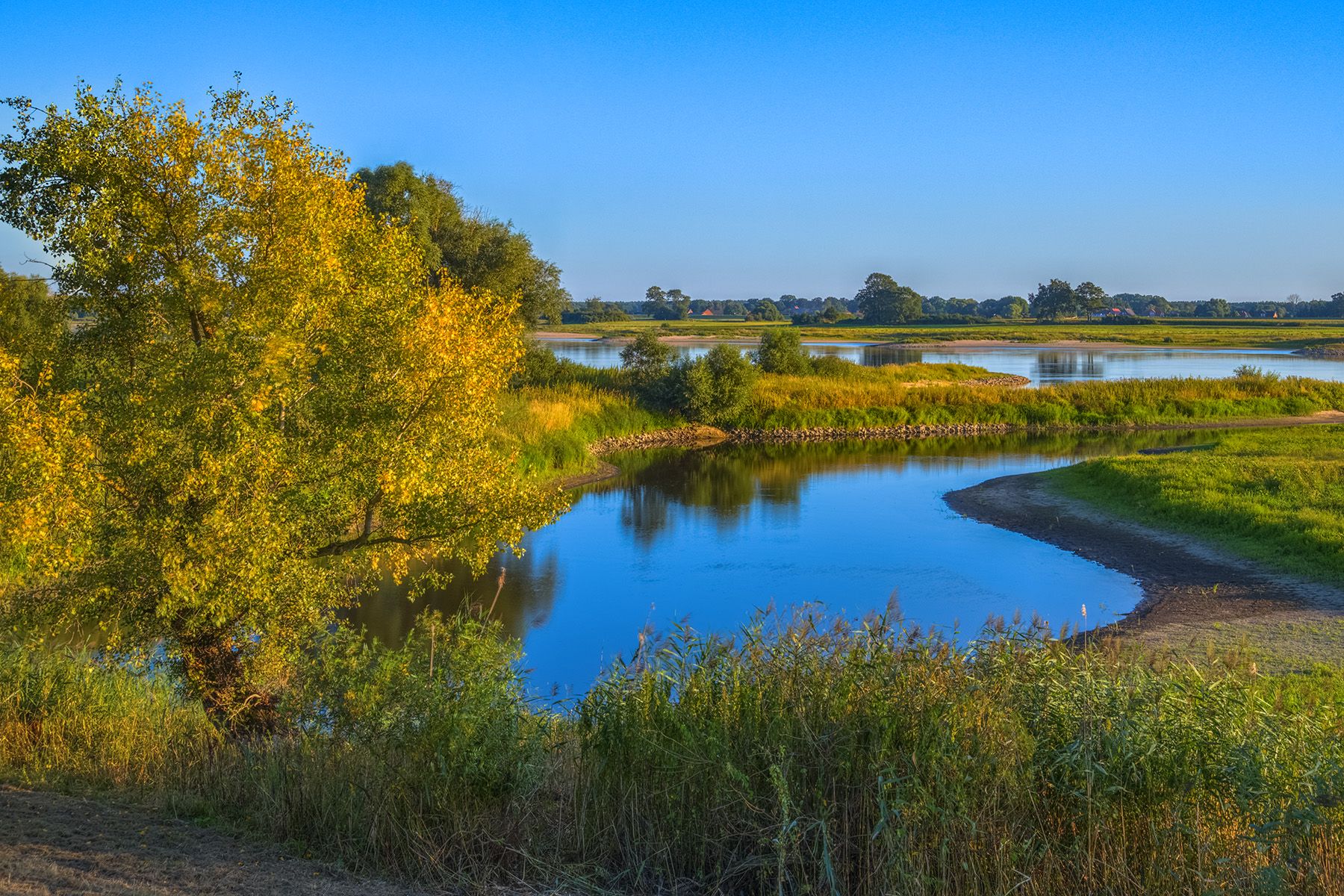
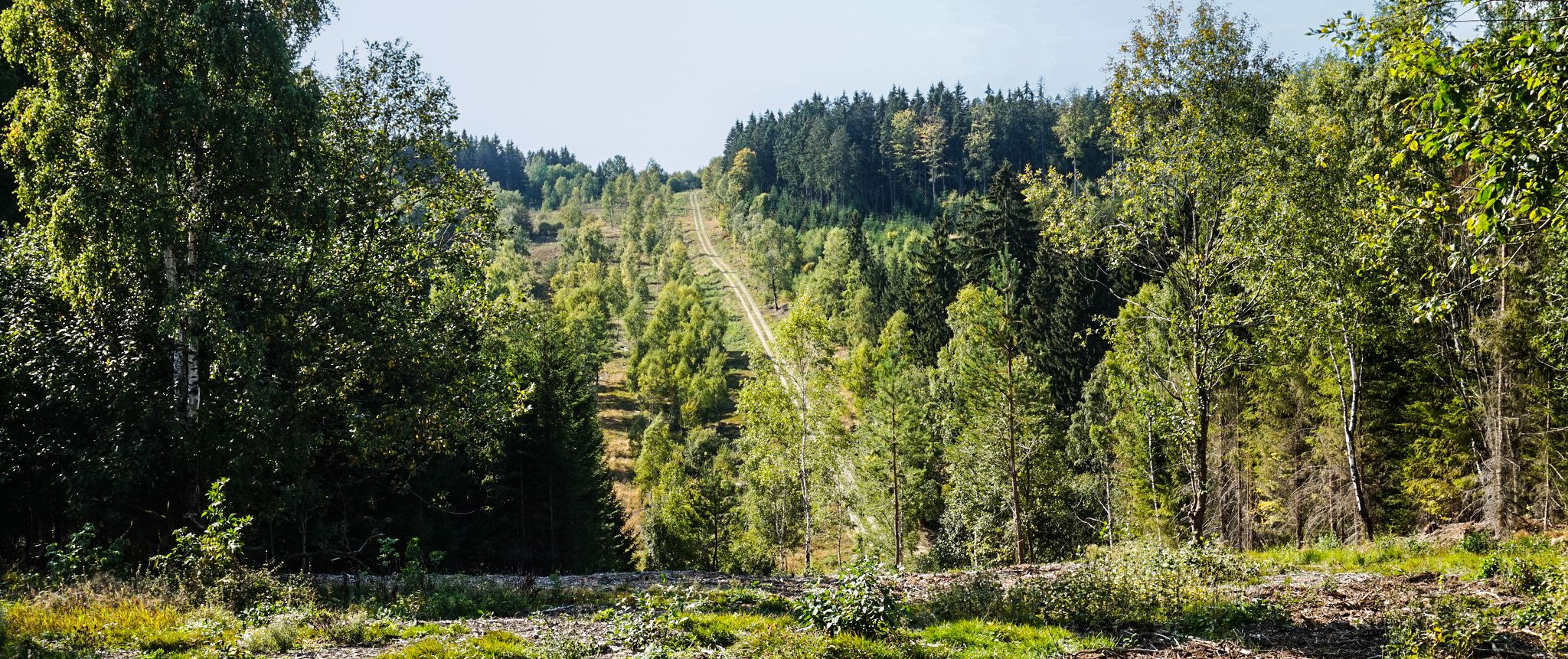
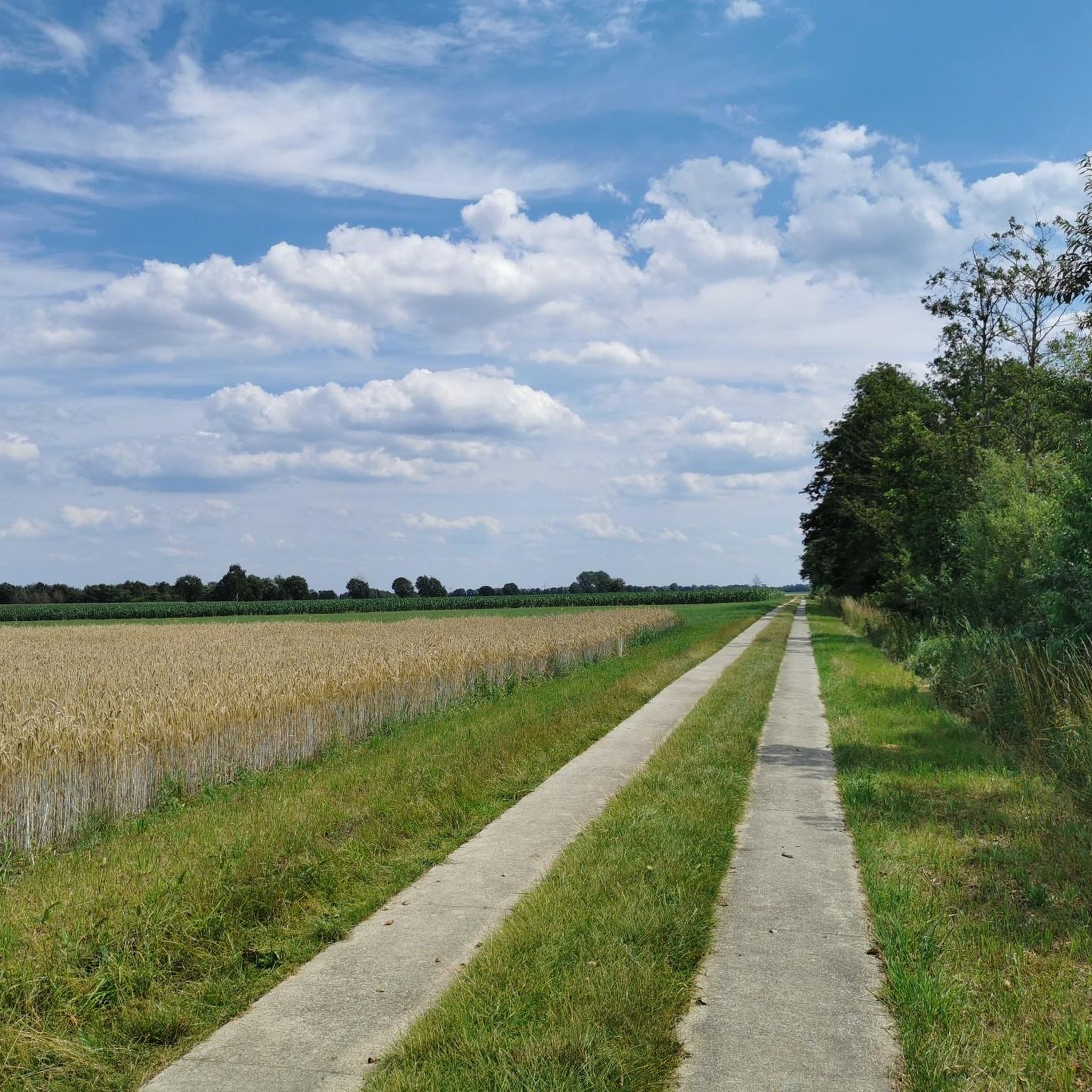
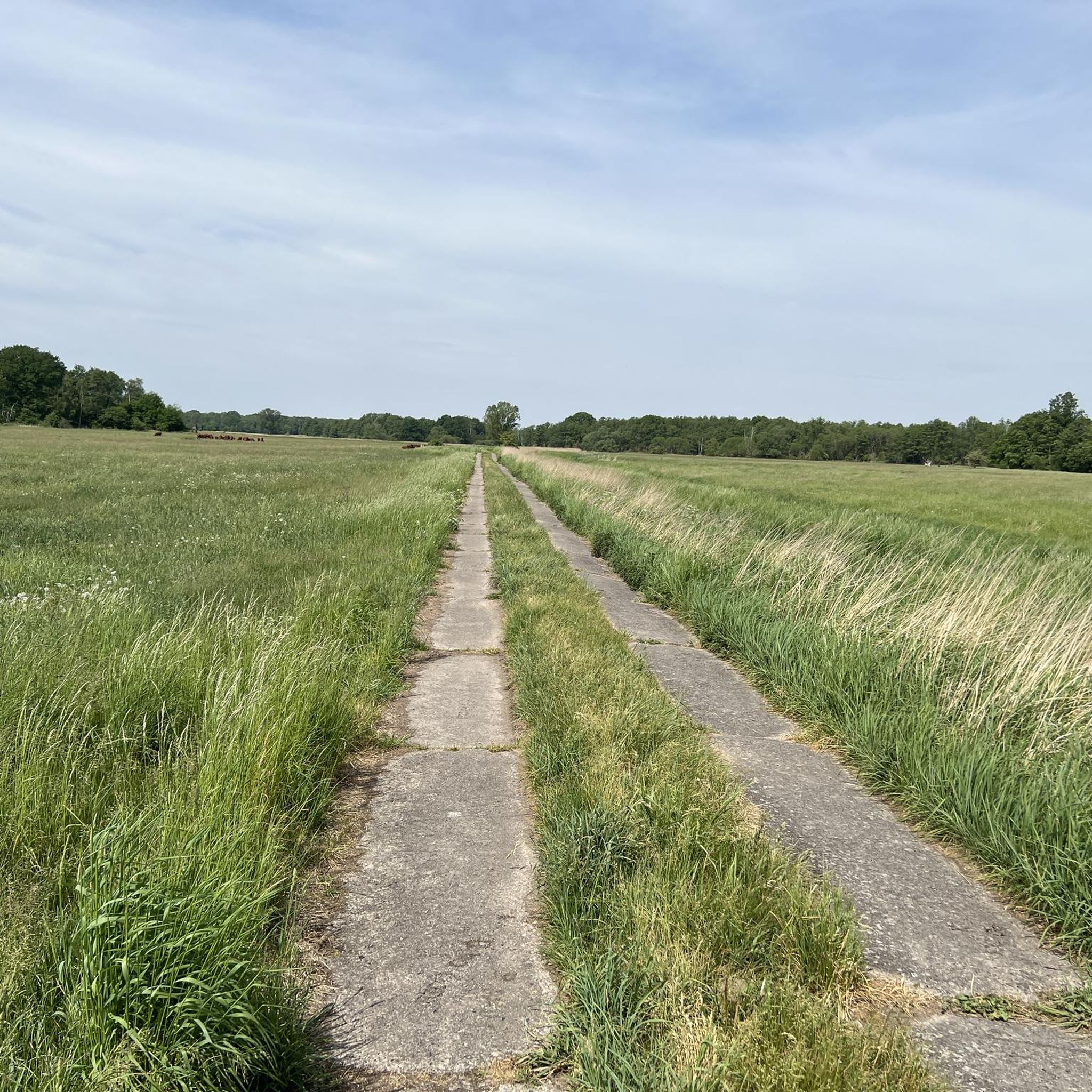
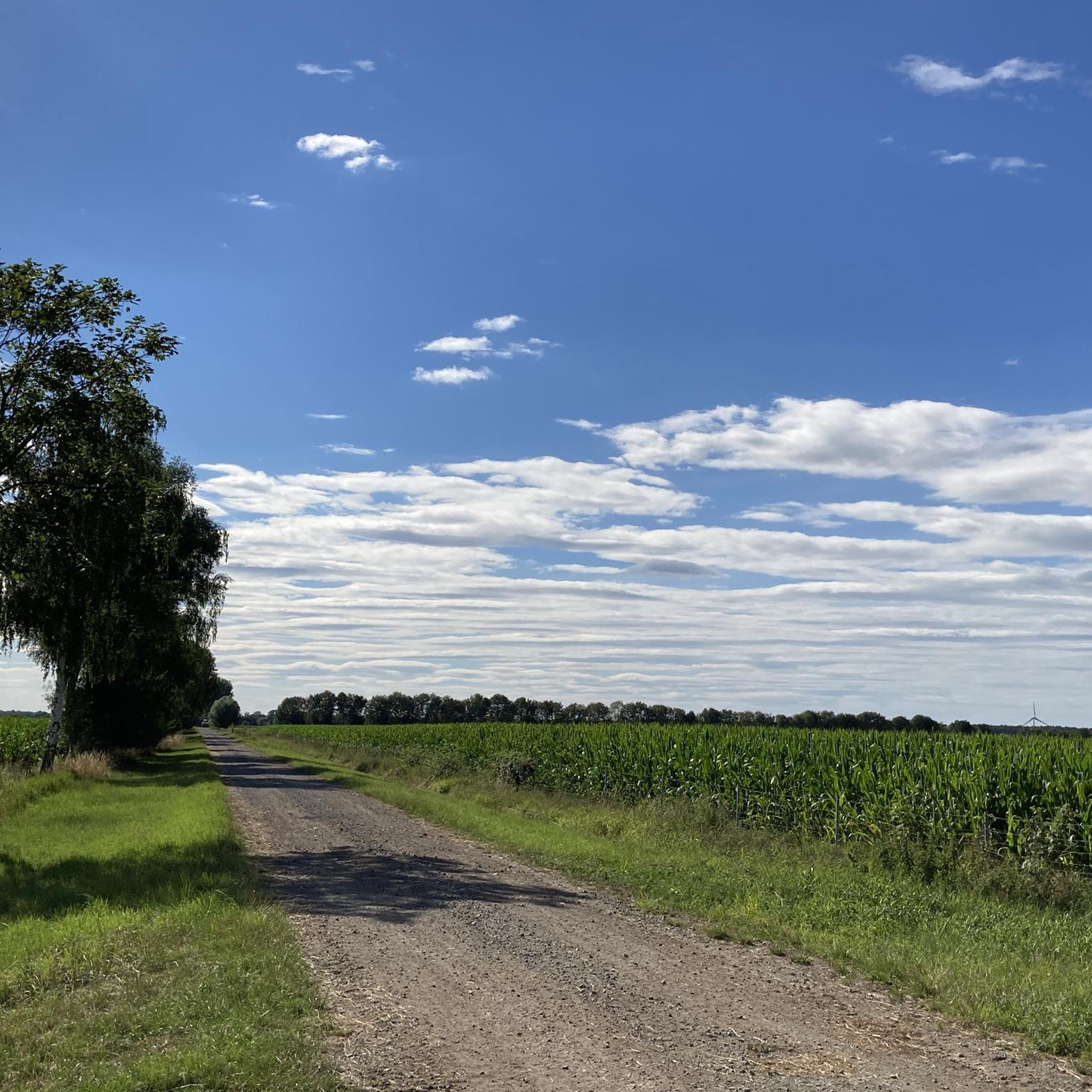
Road cycling in Bürgerholz features a network of routes primarily on paved surfaces, suitable for road bikes. The region is characterized by varied landscapes, including forested environments and open heathlands, with routes offering a mix of flat to gently rolling terrain and minor climbs. Cyclists can explore routes with varying elevation gains, from easy rides with minimal climbing to moderate routes requiring good fitness. The area also provides access to charming historical towns like Salzwedel, enhancing the cycling experience.
Best…
Last updated: October 14, 2026
2
riders
Moderate road ride. Good fitness required. Mostly well-paved surfaces and easy to ride.
4.5
(2)
22
riders
29.8km
01:18
80m
80m
Easy road ride. Great for any fitness level. Mostly well-paved surfaces and easy to ride.

5.0
(5)
19
riders
50.3km
02:01
120m
120m
Moderate road ride. Good fitness required. Mostly well-paved surfaces and easy to ride.
4.5
(2)
18
riders
32.2km
01:21
80m
80m
Moderate road ride. Great for any fitness level. Some segments of this route may be unpaved and difficult to ride.
9
riders
96.8km
03:57
220m
220m
Moderate road ride. Good fitness required. Some segments of this route may be unpaved and difficult to ride.
Get access to more routes and recommendations from other explorers.
Already have an account?
Our route recommendations are based on thousands of hikes, rides, and runs completed by other people on komoot.
Start today with a free account
Your next adventure awaits.

Tips from the Community

Salzwedel station is an important regional transport hub in the north of Saxony-Anhalt. It connects the historic Hanseatic city in the Altmark region with supra-regional centers and looks back on a rich history as part of the historic "Amerikalinie" (America Line). The station has four platforms and primarily serves regional and commuter traffic: RE20 (Magdeburg – Stendal – Uelzen): The most important lifeline of the station, which crosses the Altmark at regular intervals. Long-distance traffic (IC): Salzwedel is also connected to the Deutsche Bahn's Intercity network, providing direct connections towards Uelzen/Hamburg and Magdeburg. During line closures or major construction sites on the main Hamburg–Berlin axis, the route via Salzwedel is regularly used as an important diversion route for heavy long-distance and freight traffic. The striking station building was erected in 1870 by the Magdeburg-Halberstädter Eisenbahngesellschaft. The magnificent brick building in the imperial style testifies to the heyday of railway construction, when Salzwedel became a key station on the direct connection between Berlin and the North German ports (hence the name Amerikalinie). Directly opposite was once the Salzwedel Kleinbahnhof (later Salzwedel-Neustadt), from which the regional narrow-gauge railways started to the surrounding villages of the Altmark. After years of vacancy, the main building, which is a listed monument, is the focus of revitalization and renovation projects.
3
0

The water tower, completed in 1909, is an interesting photo motif. The tower head is no longer original; it was renewed in 1956/57. The original tower head was built of bricks and had a cylindrical shape, whereas the renewed tower head was built in a conical shape.
0
0
The original Lüchower Tor was a typical Gothic stepped gable building and was demolished in 1837/38 due to dilapidation. In its place, a new gate structure was built in 1840 with four sandstone pillars and double leaf gates made of oak wood. Until the completion of the structure, smugglers had free rein for years. This was a nuisance for the main customs office. It reported in 1838 that no adequate security was guaranteed against the nocturnal smuggling of taxable goods. The outer pillars with castle battlement-like crowns and the small passage gate fitted with masonry stones are remnants of the 1840 structure. The two inner pillars along with the gates were removed in 1892 to make way for increasing traffic. The Schäfergraben once flowed along behind the gate. https://entdecke-salzwedel.de/luechower-tor/
2
0
The Karlsturm is a mighty, round brick tower on a fieldstone base, built around 1370. It is the remnant of the former Altpervertoranlage and represented the strongest fortification of the city at that time. It was originally 150 meters long and consisted of an inner gate, a zwinger, and two outer gates on the Jeetze river diversion (city moat). The outer gate was demolished in 1812, the main gate fell victim to growing traffic in 1856, and the drawbridge had already been removed in 1653. The tower is about 27 meters high, has a wall thickness of approx. 1.90 meters, and a diameter of 8.80 meters. Originally, it consisted of four floors, divided by three cross vaults. Today, only the lower floor has been preserved. Its pointed roof collapsed around 1800 and was later restored. The Karlsturm is decorated with a pointed arch frieze and displays the coats of arms of the German Emperor, the seven Electorates, and the two cities of Salzwedel. In the central niche stands a stone sculpture, originally interpreted as Emperor Henry V, but later identified as Emperor Charles IV. The tower's name was therefore changed from Heinrichsturm to Karlsturm in 1833. Over time, the tower served as a warehouse for goods and ice, which brought about some structural changes. There were proposals to convert the tower into a water tower or a tower café, which, however, were not implemented. https://entdecke-salzwedel.de/karlsturm/
2
0
The Steintor in the Hanseatic city of Salzwedel is the most recent of the formerly ten medieval city gates. It was built around 1530, incorporating an older round tower that formerly served as a prison. The gate, in the North German Brick Gothic style, is located at the Neustädter Wallfriedhof and marks the historic northern entrance to the fortified old town. The gable shows late Gothic ornaments on both sides. The gate is one of the few preserved ones and can still be passed by cars and pedestrians. https://www.fachwerkfreunde.de/index.php/bundeslaender/sachsen-anhalt/salzwedel/artikel-steintor-937
2
0
The St. Catherine's Church in the Hanseatic city of Salzwedel is a significant, three-nave Gothic brick basilica. The documented construction start of the house of worship dates back to the year 1280. It was built as the main parish church for the then newly founded Salzwedel Neustadt. After the founding of the Neustadt (1247), the church was designed as a purely community church, which is why historically there was no separation between the chancel and the nave. While the massive tower base still bears Romanesque features, North German brick Gothic dominates the rest of the building. In the mid-15th century, the complex was extended to the west with a Late Gothic hall. During the GDR era, the building was acutely threatened by decay and demolition. Only through the massive, courageous commitment of the community members could the church be saved. During the Wende in autumn 1989, it was a central place for local peace prayers. As the church, located near the old Hanseatic port, is presumably built on marshy ground, its structural integrity has suffered from cracks for centuries; extensive renovations (supported, among others, by the German Foundation for Monument Protection) secure the foundation and the tie rods. Since 1981, the chancel has housed the valuable Late Gothic carved altarpiece from the Dambeck monastery church, which shows the rare depiction of a unicorn fleeing into the lap of the Virgin Mary. The original high altar was sold to Frankfurt Cathedral in the 19th century to finance renovations. Three of the originally nine colored glass windows from the 15th century have been preserved. They survived World War II unscathed because they were stored away in time. https://gemeinde-bunt.de/gemeinden/st-katharinenkirche
4
0

would probably have been destroyed in the Second World War
0
0

Lübbow is a small, idyllic municipality in the district of Lüchow-Dannenberg in Lower Saxony, located directly on the state border with Saxony-Anhalt. As it is only about 10 to 12 kilometers away from the Hanseatic city of Salzwedel, the connection there is very close.
0
0
Frequently Asked Questions
How many road cycling routes are available in Bürgerholz?
Bürgerholz offers a wide selection of road cycling routes, with over 60 tours available. These routes cater to various fitness levels, including easy, moderate, and a few more challenging options.
Are there easy road cycling routes suitable for beginners or families in Bürgerholz?
Yes, Bürgerholz has numerous easy road cycling routes perfect for beginners or families. For example, the Salzwedel station – Neuperver Gate Salzwedel loop from Salzwedel is an easy 28.9 km ride through historic surroundings. Another great option is the Rebenstorf Village Church – Lüchower Gate loop from Salzwedel, an easy 32.2 km route.
What kind of terrain can I expect on road cycling routes in Bürgerholz?
Road cycling in Bürgerholz primarily features routes with mostly paved surfaces, making them ideal for road bikes. You'll encounter varied landscapes, including scenic rides through forested environments and open heathlands. The terrain ranges from flat to gently rolling, with minor climbs on some routes.
What are some scenic viewpoints or attractions I can see along the road cycling routes in Bürgerholz?
Many routes offer beautiful scenery and access to interesting attractions. You can visit the Observation Tower for panoramic views or explore the Bohlenweg Boardwalk. The region also features the Primeval Forest on the Green Belt, offering a unique natural experience.
Are there any cafes or places to stop for refreshments along the road cycling routes?
Yes, you can find places to stop for refreshments. The region research mentions options like Trebeler Bauernstuben and Nemitzer Café-Diele. Additionally, the Café Kuckuck, Hoyersburg is a highlight you might encounter on your rides.
What is the best time of year for road biking in Bürgerholz?
While specific seasonal recommendations aren't provided, the varied landscapes of Bürgerholz, including forests and heathlands, suggest that spring, summer, and early autumn would offer pleasant conditions for road cycling, with vibrant nature and comfortable temperatures.
Are there any long-distance road cycling routes in Bürgerholz?
Yes, Bürgerholz offers longer routes for those seeking a challenge. The Nemitzer Heath – View of Lake Arendsee loop from Salzwedel is a moderate 96.5 km ride, providing a substantial distance and varied scenery including the Nemitzer Heath and views of Lake Arendsee.
What do other road cyclists enjoy most about road cycling in Bürgerholz?
The road cycling routes in Bürgerholz are highly rated by the komoot community, with an average score of 4.7 stars from over 26 reviews. Cyclists often praise the varied terrain, the mix of forested and open landscapes, and the accessibility to charming historical towns like Salzwedel.
Can I find loop routes for road cycling in Bürgerholz?
Absolutely. Many of the road cycling routes in Bürgerholz are designed as loops, allowing you to start and end at the same point. Examples include the popular Lüchow Water Tower – Breeser Manor Chapel loop from Dangenstorf and the Seeben–Salzwedel Cycle Path – Neustadt Salzwedel loop from Salzwedel.
Are there road cycling routes that pass through historical towns or cultural sites?
Yes, several routes connect to or pass through historical towns. Salzwedel town center, with its well-preserved brick Gothic architecture and half-timbered houses, is an ideal stop. Routes like the Salzwedel station – Neuperver Gate Salzwedel loop from Salzwedel lead directly through these historic surroundings.
What is the typical elevation gain on road cycling routes in Bürgerholz?
The routes in Bürgerholz offer varying elevation gains. Many easy rides feature minimal climbing, while moderate routes might have around 70-120 meters of elevation gain, such as the Lüchow Water Tower – Breeser Manor Chapel loop with 112 meters. Longer routes, like the Nemitzer Heath – View of Lake Arendsee loop, can have over 200 meters of elevation.
Most popular routes in Bürgerholz
Most popular attractions in Bürgerholz

Get inspired with the komoot mobile app


Explore more
Browse the best Road cycling routes in other regions.
