The 6 Most Amazing Peaks around Rötha
Mountain peaks around Rötha are characterized by their unique origins, often being elevated points rather than natural mountains. Located in the Leipzig district of Saxony, Germany, Rötha itself is a town with a relatively low elevation, surrounded by agricultural land and a forested area to its east. The region is recognized for its historical churches and a notable castle park, offering a blend of cultural and natural exploration.
Best mountain peaks around Rötha
- The most popular mountain peaks is Trages…
Last updated: June 23, 2026
Trages Observation Tower
Highlight • Viewpoint
Translated by Google •
Tip by

Beucha Hill Church
Highlight • Religious Site
Translated by Google •
Tip by

Sign up now to discover places like this
Get recommendations on the best single tracks, peaks, & plenty of other exciting outdoor places.
Sign up for free
Neuer Geyersberg
Highlight • Viewpoint
Translated by Google •
Tip by
Küchenholz Landfill Hill
Highlight • Summit
Translated by Google •
Tip by

Galgenberg – Napoleon's Command Post (Battle of Wachau, 1813)
Highlight • Historical Site
Translated by Google •
Tip by

Sign up for free to discover even more peaks around Rötha.
Sign up for free
Already have an account?
Start today with a free account
Your next adventure awaits.
Login or Signup


Tips from the Community

Worth it It's something a bit more upscale 😇
0
0

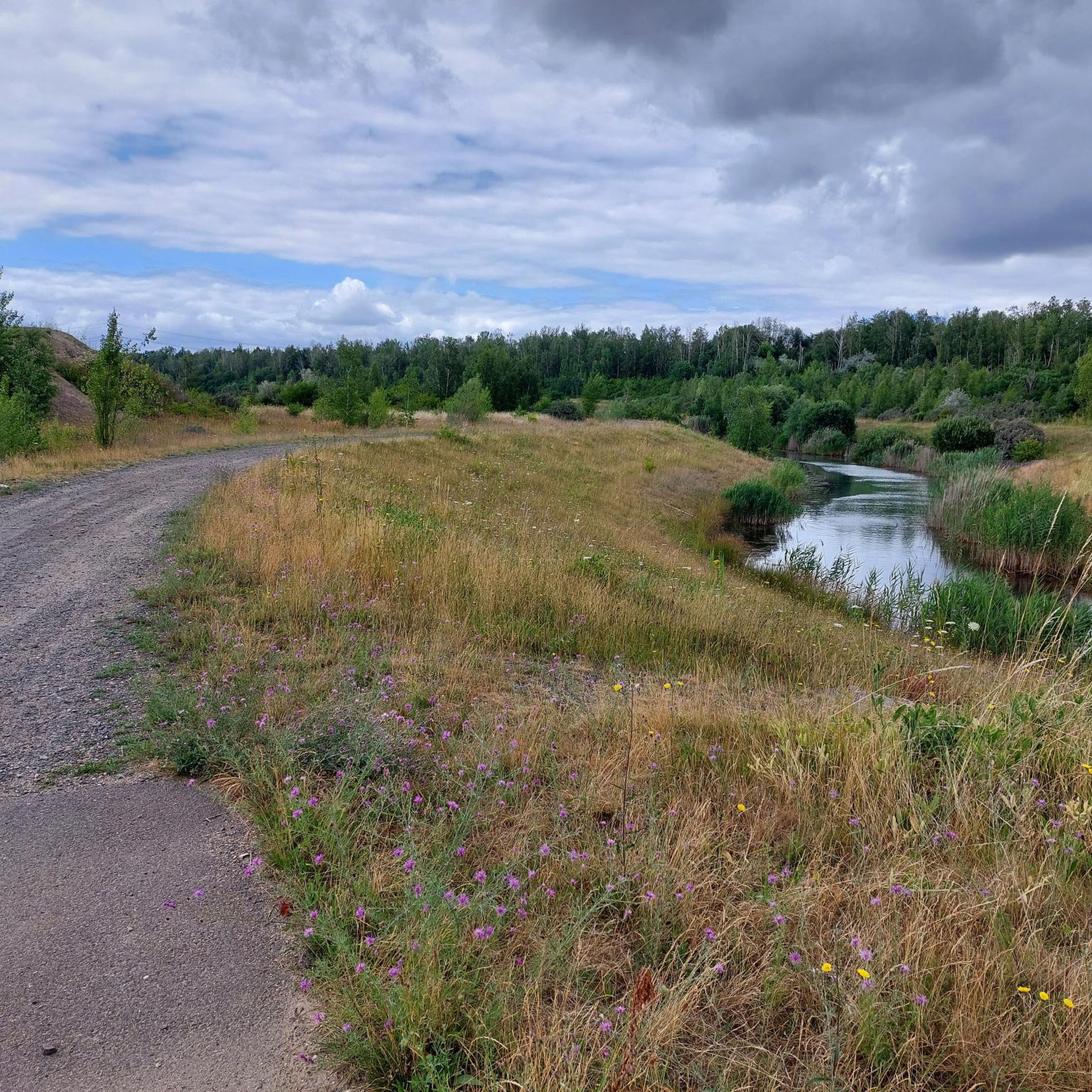
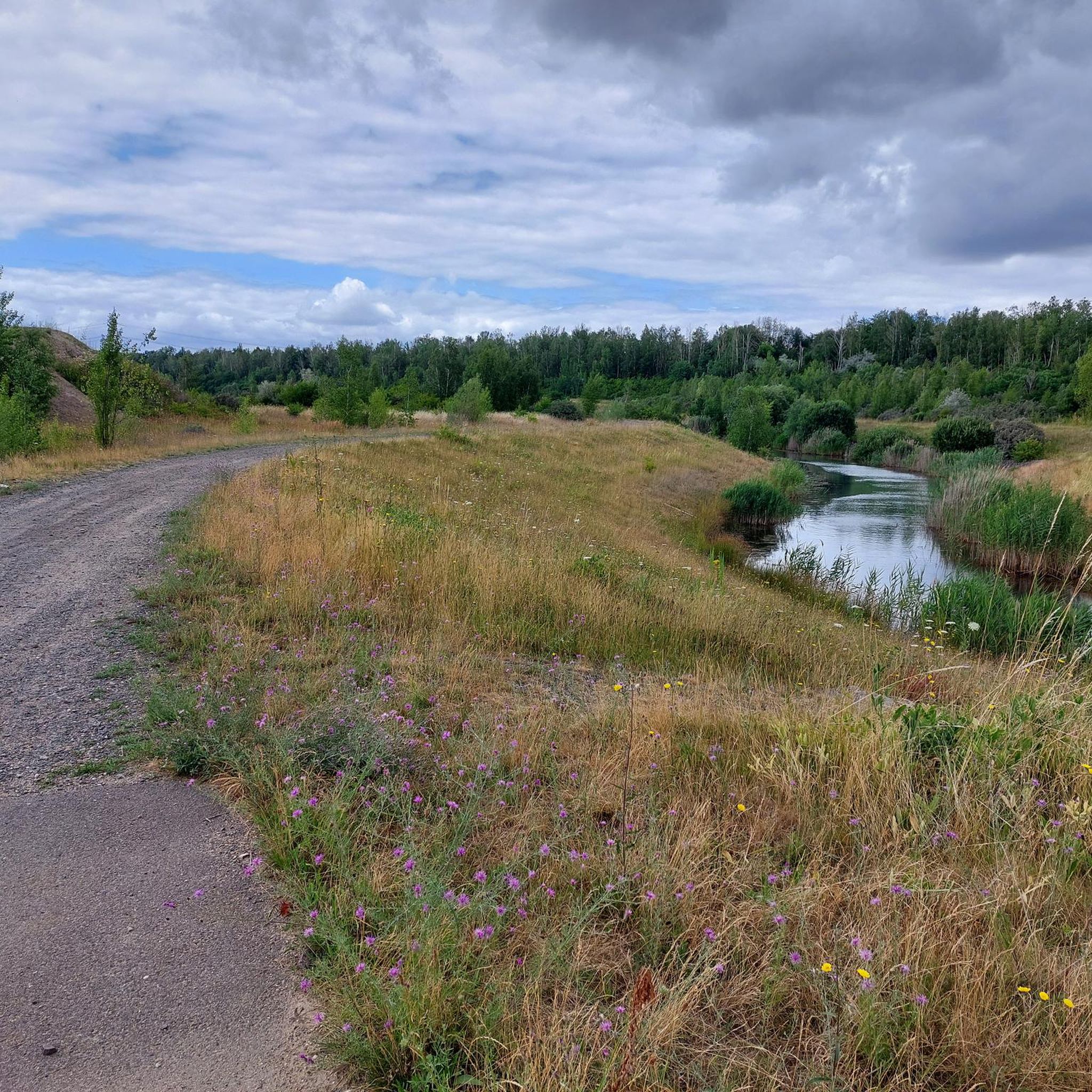
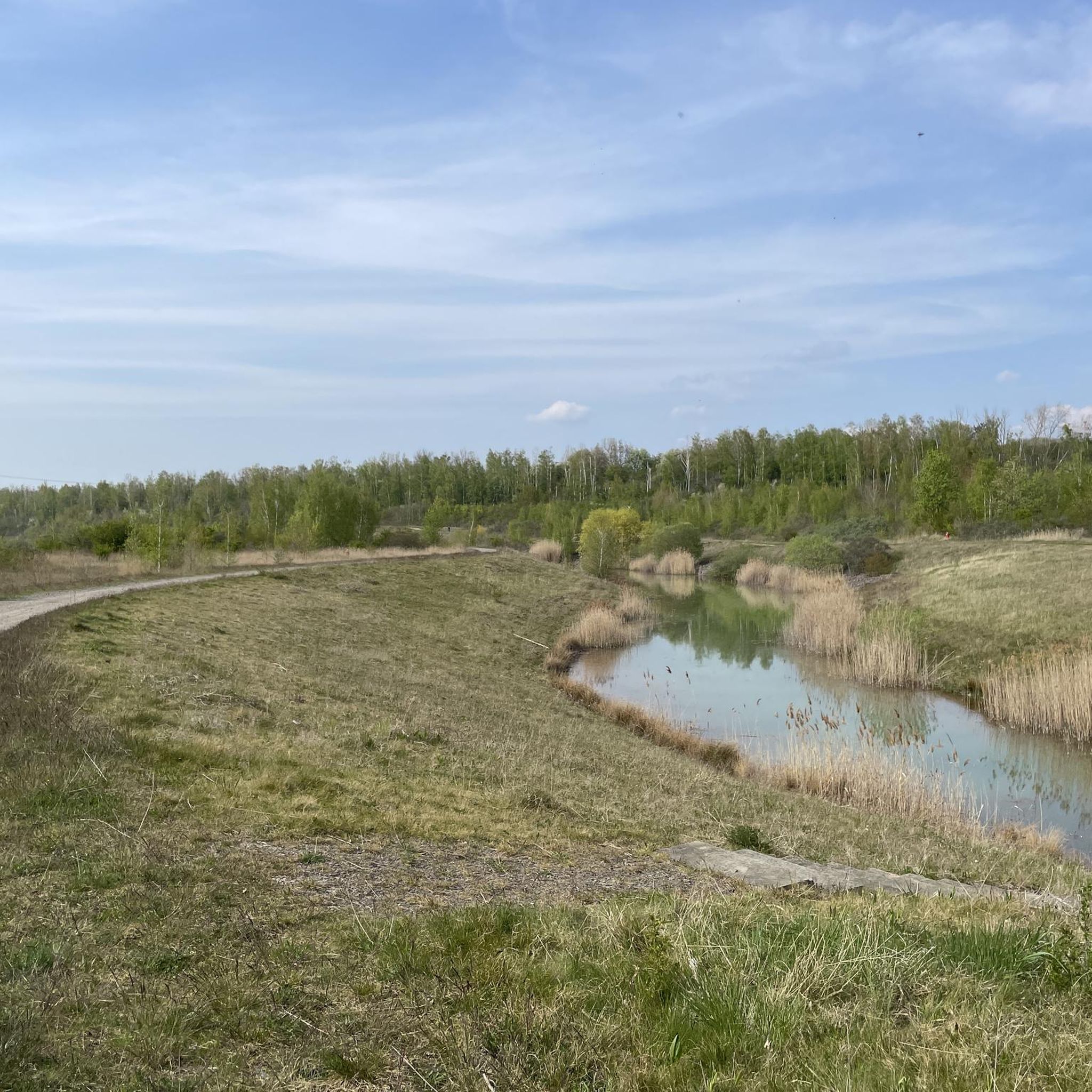
A green oasis. The most hidden of the Leipzig Scherbelberge. Unlike on the Fockeberg and the Scherbelberg in Gohlis, there is no free view of the city, but only in the direction of Großzschocher and Lippendorf.
2
0

☆ I used the winter time... but unfortunately you don't get the right view.
9
1


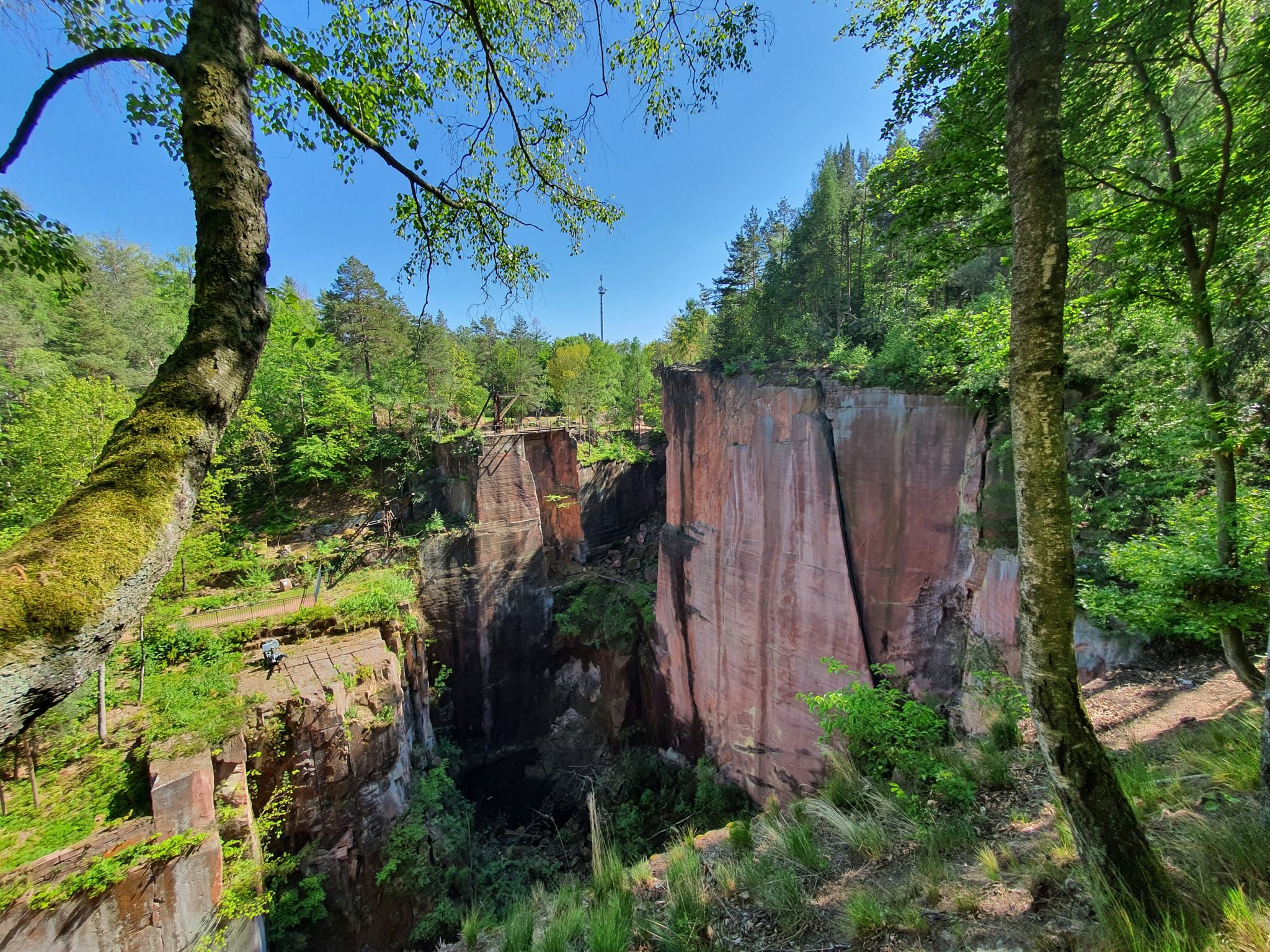
Memorial and cemetery at the foot of the Beucha mountain church.
4
0


The Lusatian and Central German Mining Management Company (LMBV) built this 33 meter high observation tower in 2002 near the south-east corner of the Halden plateau. With the right weather conditions, you have distant views of the Ore Mountains, the Thuringian woodland and the Petersberg near Halle (Saale).
4
0
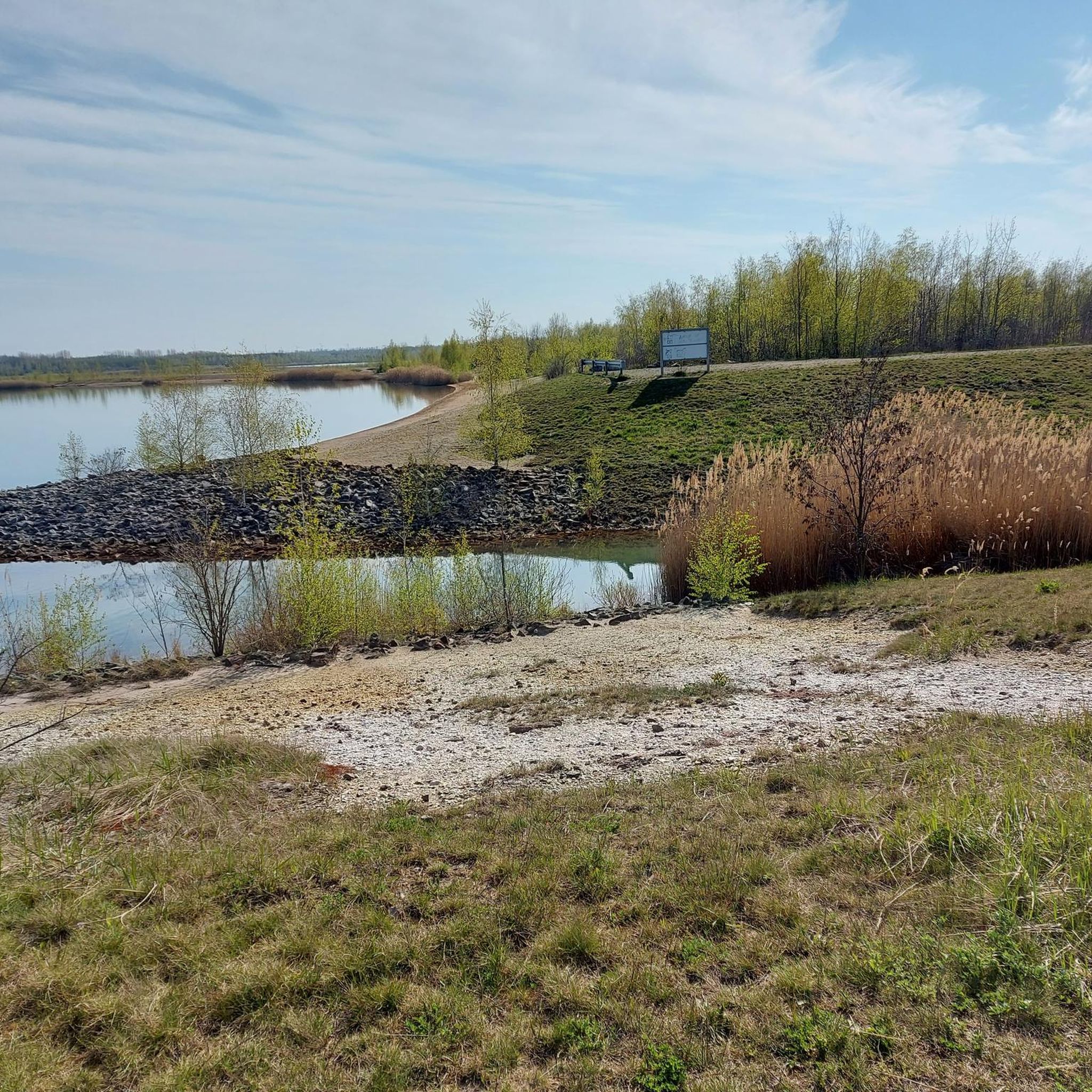
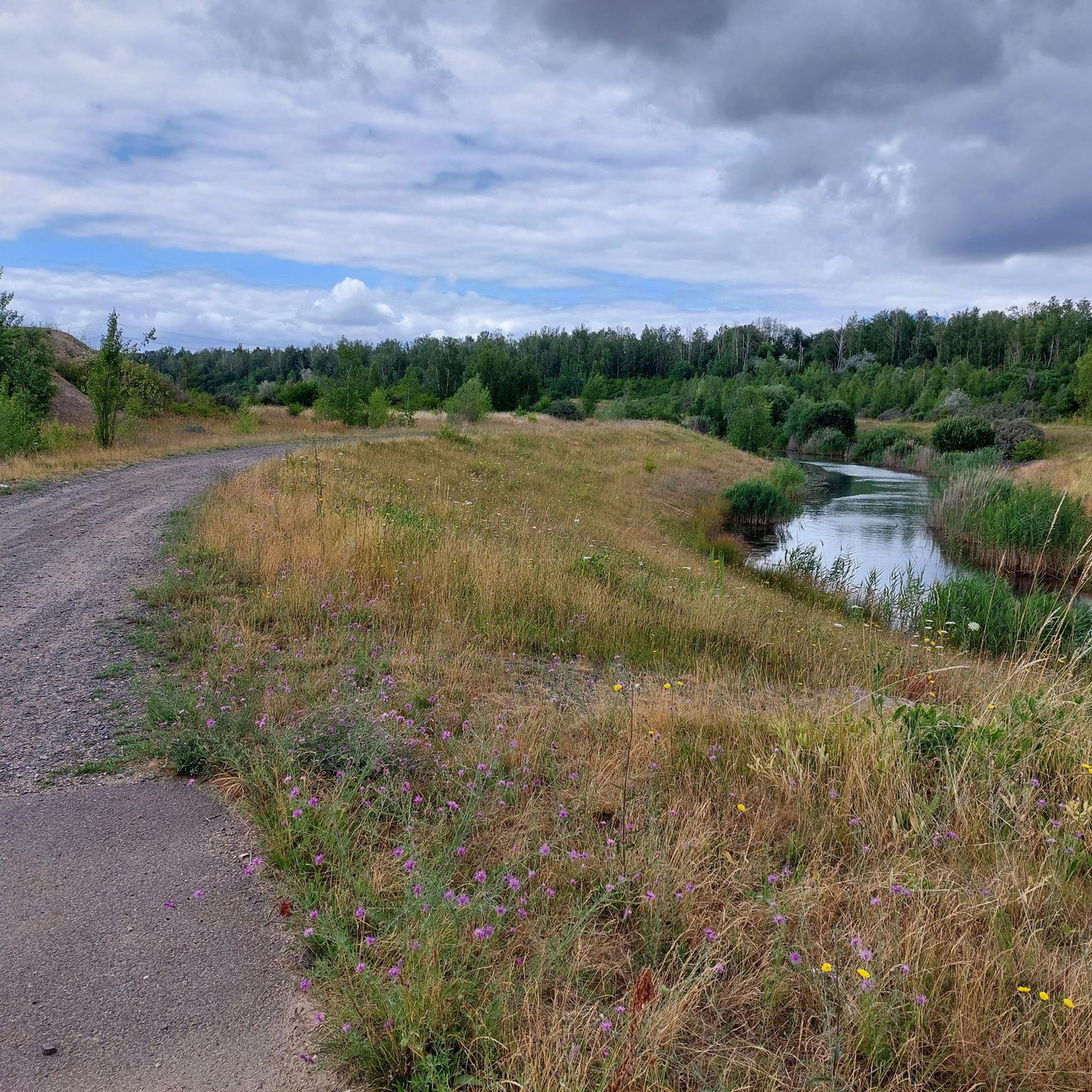
☆ Piled up... New Geyersberg 1992 Excavated over... Old Geyersberg in the 1970s Current height... New Geyersberg 171m above sea level
9
0
Frequently Asked Questions
Is Rötha located in a mountainous region?
No, Rötha is not situated in a mountainous region. It is located in the Leipzig district of Saxony, Germany, and is characterized by a relatively low elevation, surrounded by agricultural land and a forested area. The 'peaks' in this area are often elevated points, observation towers, or historical hills, many of which are man-made.
What kind of natural features can I expect to see around Rötha's elevated points?
While Rötha isn't mountainous, its elevated points offer diverse views and natural features. For example, from the Trages Observation Tower, you can get distant views of the Ore Mountains and Thuringian woodland. Near the Beucha Hill Church, you'll find the small lake Kirchbruch, which is part of the Porphyrland Geopark. The Neuer Geyersberg provides extensive views of Leipzig, Borna, and the Ore Mountains on clear days.
Are there family-friendly elevated points or walks around Rötha?
Yes, several elevated points around Rötha are suitable for families. The Trages Observation Tower, Beucha Hill Church, and Neuer Geyersberg are all considered family-friendly. Additionally, the Galgenberg, a historical site, is also a good option for families.
What historical sites can be found among the elevated points near Rötha?
The region offers interesting historical sites. The Beucha Hill Church is a listed 13th-century church picturesquely located on the 147-meter high Beuchaer Kirchberg. Another significant historical point is the Galgenberg, which served as Napoleon's command post during the Battle of Wachau in 1813.
What are the best elevated points for panoramic views near Rötha?
For panoramic views, the Trages Observation Tower offers distant views of the Ore Mountains and Thuringian woodland from its 33-meter height. The Neuer Geyersberg, at 171 meters, provides extensive views of Leipzig, Borna, the Rochlitzer Berg, and the Ore Mountains on clear days. The Beucha Hill Church also offers a picturesque viewpoint from its elevated position.
Are there hiking trails near Rötha's elevated points?
Yes, there are several hiking opportunities near Rötha's elevated points. You can find routes like the 'Trages Observation Tower – Campfire area on Halde Trages loop from Mölbis' or the 'Trages Observation Tower loop from Mölbis'. For more options, explore the Hiking around Rötha guide.
What outdoor activities can I do around Rötha besides visiting elevated points?
Beyond visiting the elevated points, Rötha offers various outdoor activities. You can enjoy cycling with routes like 'Störmthaler Lake – Lagovida Marina loop from Espenhain' or 'View of Hainer See – Lake Hainer loop from Rötha'. There are also gravel biking options, such as 'View of Lake Zwenkau – Zwenkauer Lake – West Shore loop from Großdeuben'. Find more details in the Cycling around Rötha and Gravel biking around Rötha guides.
What is the best time of year to visit the elevated points around Rötha?
Many elevated points around Rötha can be enjoyed year-round. However, for some locations like the Küchenholz Landfill Hill, winter might offer clearer views as foliage doesn't block the scenery as much. Generally, clear days will provide the best panoramic views from any of the viewpoints.
What makes the elevated points around Rötha unique?
The elevated points around Rötha are unique due to their origins. Many are not natural mountains but rather artificially raised hills, such as the Trages Observation Tower, which sits on a plateau created during open-pit mining, or the Neuer Geyersberg, created from a filled dump. These sites offer a blend of industrial history, reclamation, and natural beauty.
What do visitors enjoy most about the elevated points in Rötha?
Visitors particularly enjoy the extensive and wide views offered from these elevated points, especially on clear days. The unique history behind many of these man-made summits, such as the Trages Observation Tower's connection to mining or the Galgenberg's role in the Battle of Leipzig, also adds to their appeal. The picturesque setting of places like the Beucha Hill Church is also highly appreciated.
Are there easy hiking options for beginners around Rötha's elevated points?
Yes, there are easy hiking options suitable for beginners. Many of the routes around Rötha, particularly those exploring the lakes and the lower elevations, are rated as easy. For instance, the 'Rötha Reservoir – Rötha Reservoir loop from Rötha' is an easy 6.3 km hike. You can find more easy routes in the Hiking around Rötha guide.
Most popular routes around Rötha
Most popular attractions around Rötha

Get inspired with the komoot mobile app


Explore more
See even more amazing summits around Rötha with these guides:
