Provence-Alpes-Côte d'Azur
Provence-Alpes-Côte d'Azur
Top 20 Natural Monuments in Provence-Alpes-Côte d'Azur
Natural monuments in Provence-Alpes-Côte d'Azur showcase a diverse landscape, from towering mountains to dramatic coastlines and unique geological formations. The region features limestone fjords, ancient ochre quarries, and significant paleontological sites. These locations offer insights into the area's natural history and provide varied terrain for outdoor activities.
Best natural monuments in Provence-Alpes-Côte d'Azur
- The most popular natural monuments is Provençal Colorado of Rustrel, a natural monument that consists of former ochre quarries with a vibrant palette of colors. This…
Last updated: October 13, 2026
Port-Pin Beach
Highlight • Canyon
Translated by Google •
Tip by

View of the Port Miou calanque
Highlight • Lake
Translated by Google •
Tip by

Sign up now to discover places like this
Get recommendations on the best single tracks, peaks, & plenty of other exciting outdoor places.
Mont Ventoux summit
Highlight • Summit
Translated by Google •
Tip by
En-Vau Beach
Highlight • Beach
Translated by Google •
Tip by

Provençal Colorado of Rustrel
Highlight • Natural Monument
Translated by Google •
Tip by
Col du Galibier
Highlight • Mountain Pass
Translated by Google •
Tip by
View of Les Baux-de-Provence
Highlight • Settlement
Translated by Google •
Tip by

Fontaine-de-Vaucluse
Highlight • Monument
Translated by Google •
Tip by
Littoral Trail of Cap d'Antibes
Highlight (Segment) • Trail
Sturdy footwear is recommended, the small path and the many steps can be partly slippery and over-washed.
Translated by Google •
Tip by

The Ochres of Roussillon
Highlight • Natural Monument
Translated by Google •
Tip by

Sign up for free to discover even more natural monuments in Provence-Alpes-Côte d'Azur.
Already have an account?
Start today with a free account
Your next adventure awaits.
Popular around Provence-Alpes-Côte d'Azur
Triathlon 360 – my journey around the world
Haute Route Alps 2025 — Assaulting the Alps
Piemont's Via Francigena
Tour di Viso – Four days around the Stone King from Castello
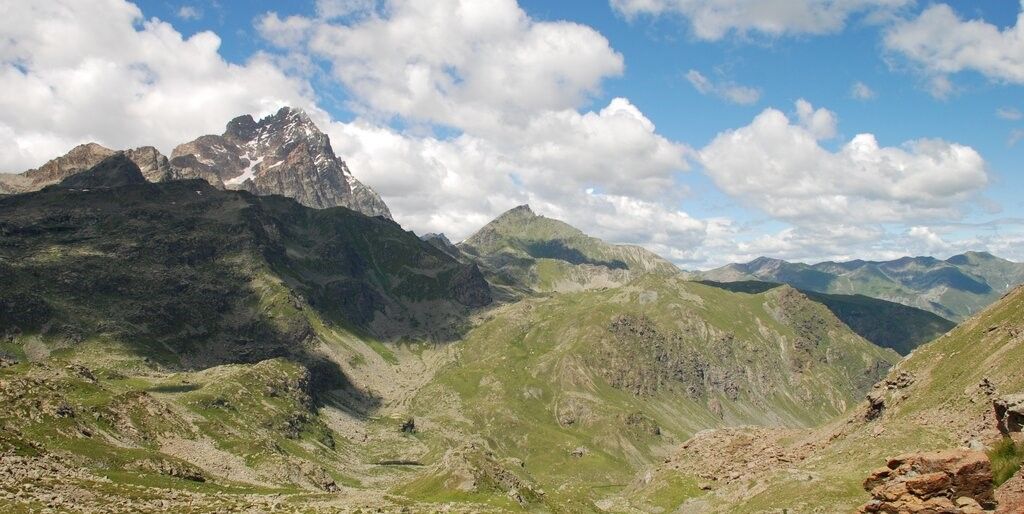
Tour di Viso – Four days around the Stone King from Meire Dacant
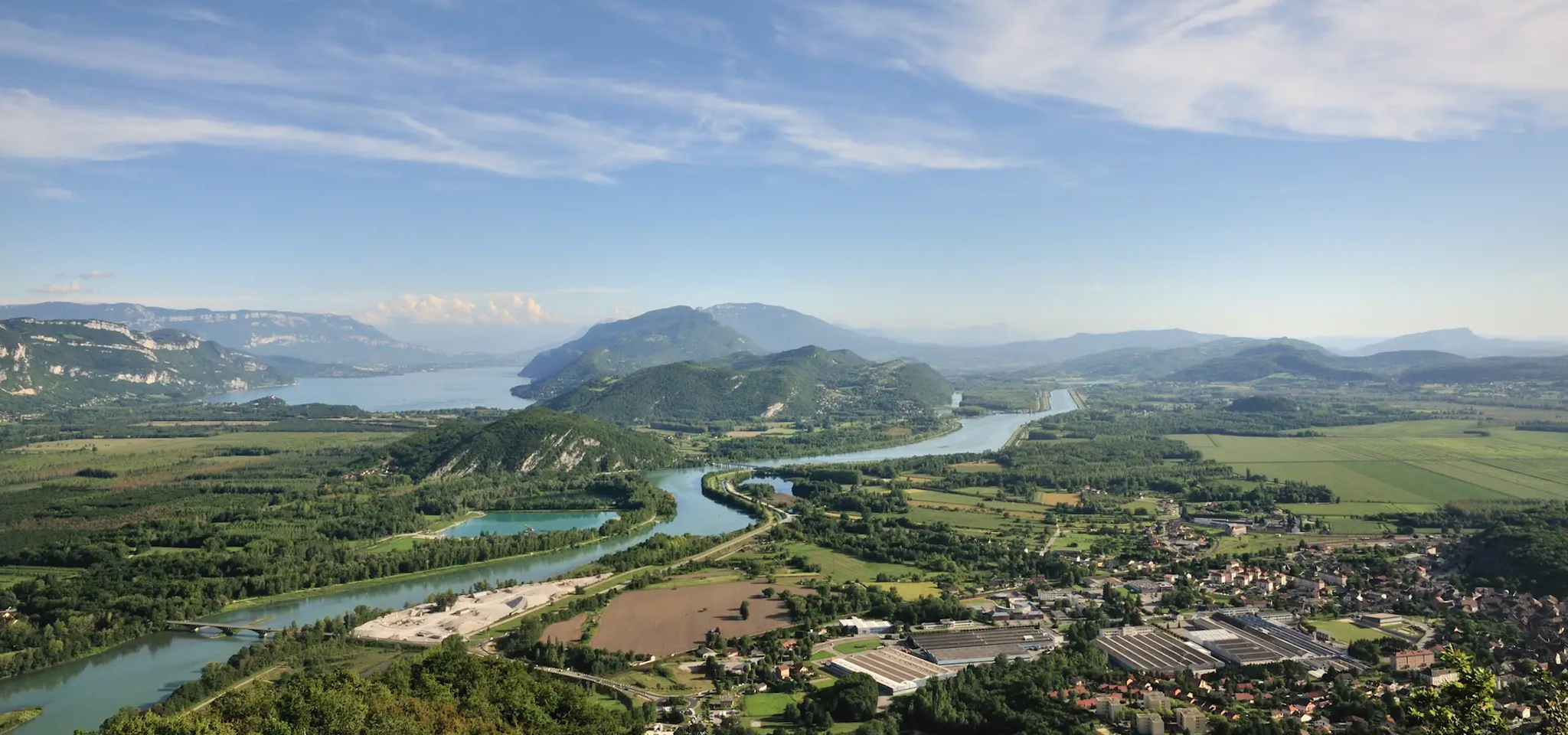
GR 9 from the Jura to the Mediterranean – Crossing contrasts
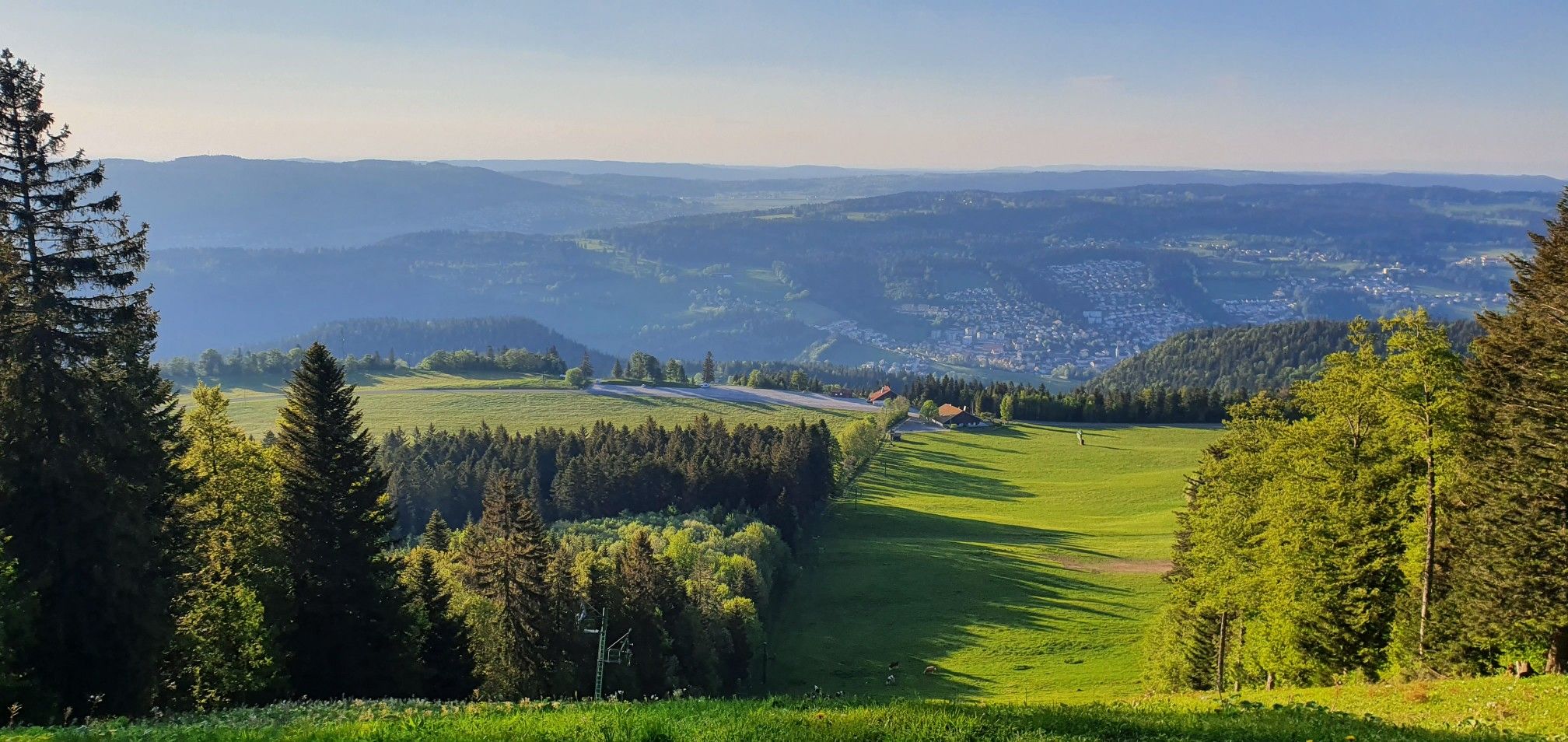
GR 5 – The Europe Trail from the Mediterranean to Germany
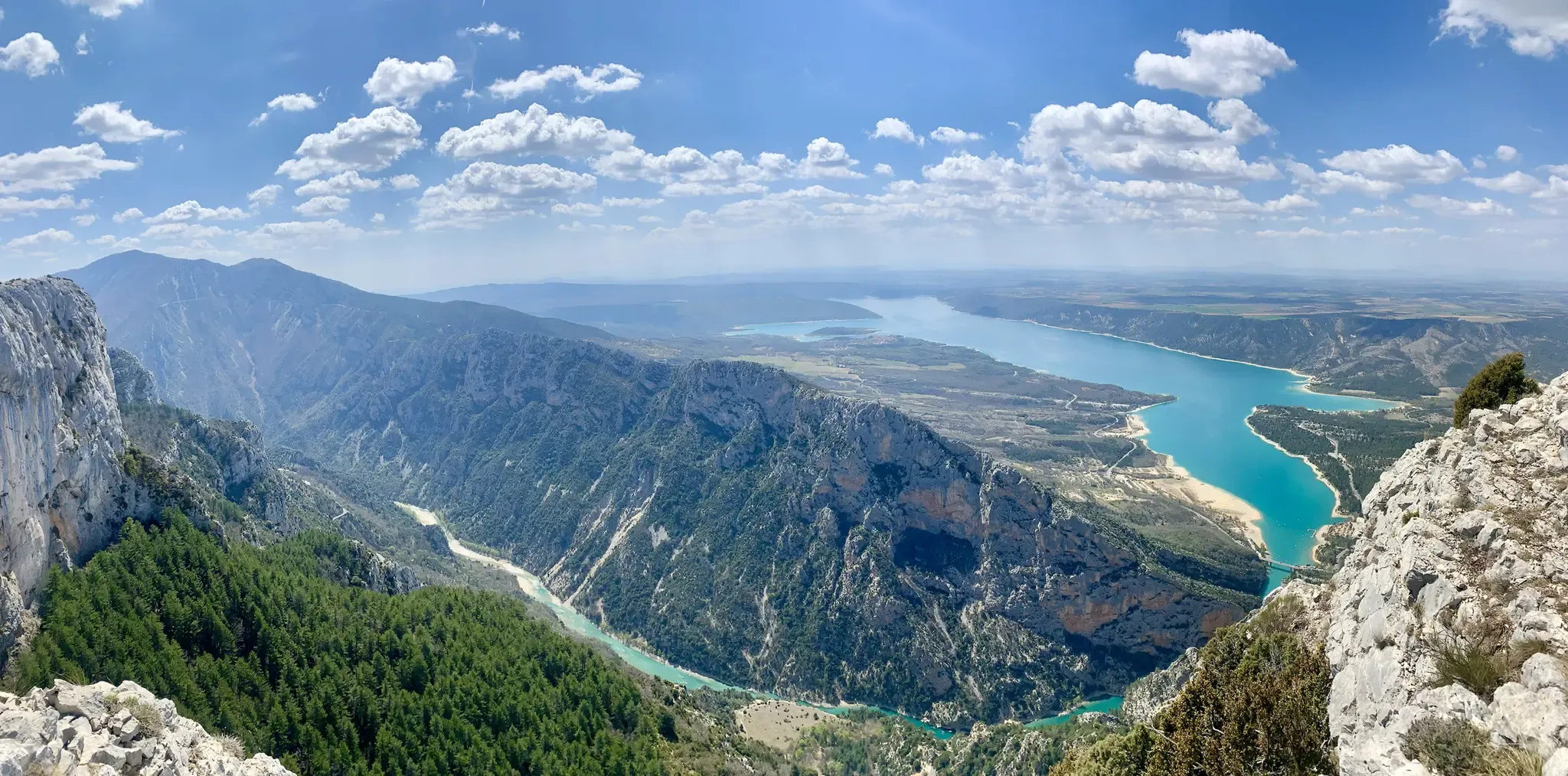
GR 4 – Crossing the south of France from Atlantic Coast to Provence
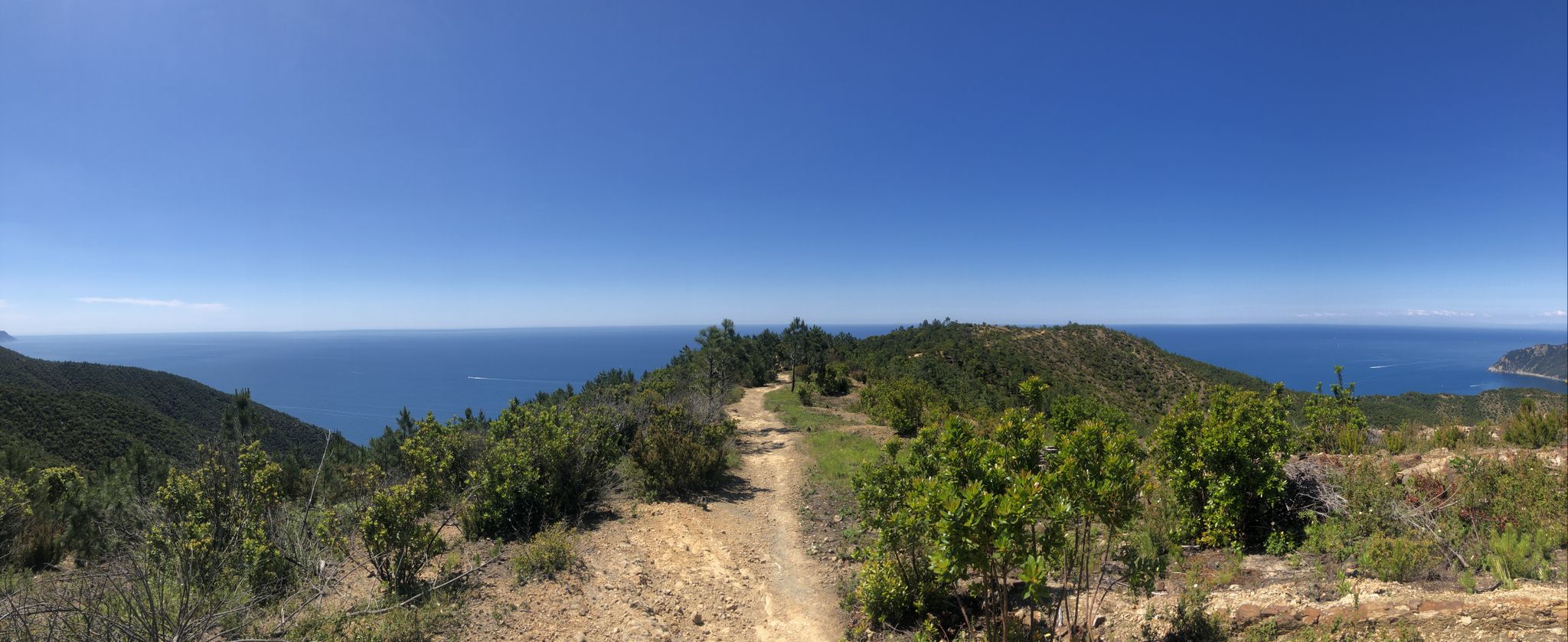
Via della Costa – A breathtaking hike along the Italian Riviera
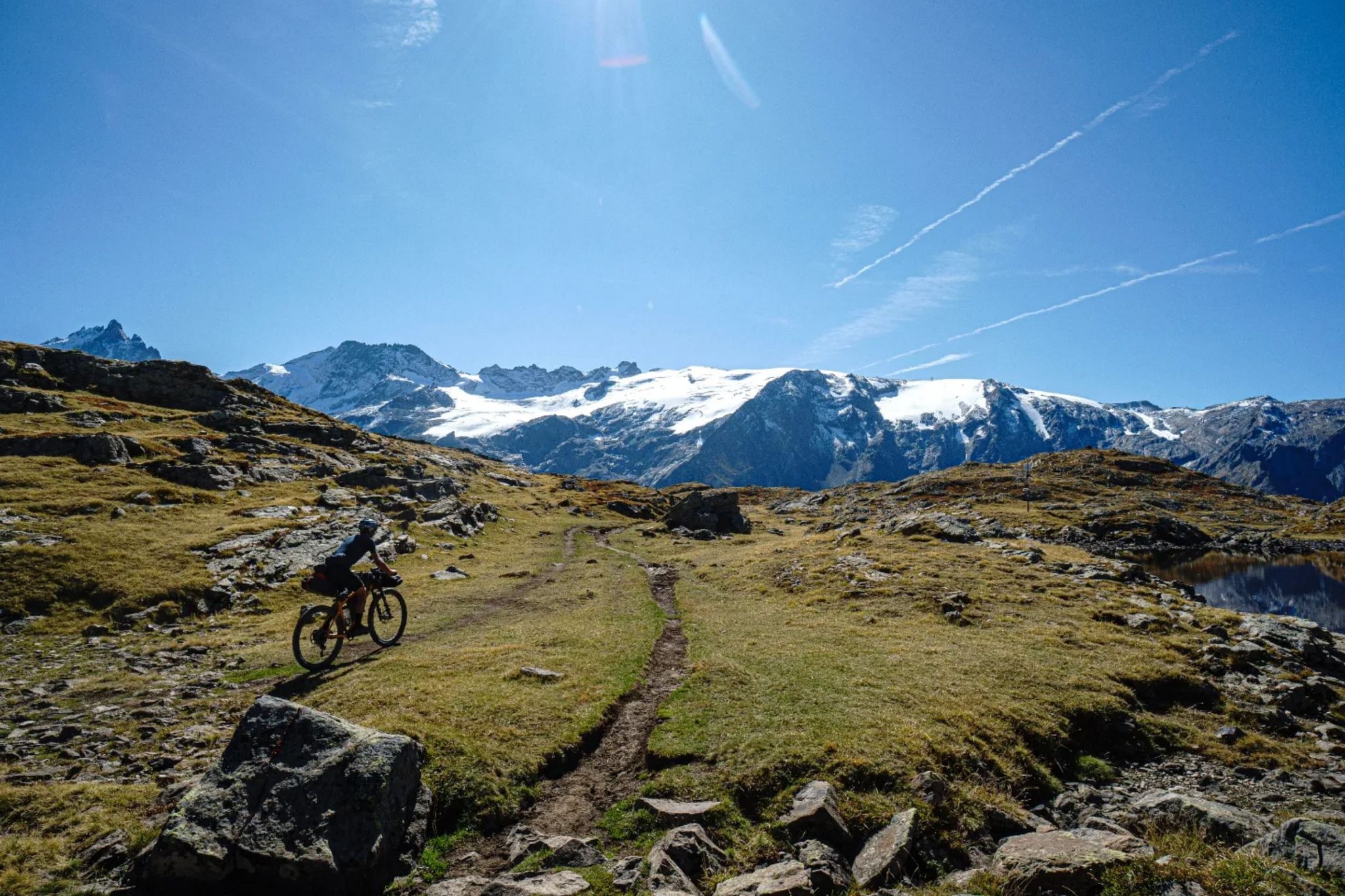
Transalps MTB – Chamonix to the Mediterranean Sea
Other adventures in Provence-Alpes-Côte d'Azur


Tips from the Community

The Galibier offers breathtaking views.
14
1
A fantastic mountain, making this climb was very challenging, the asphalt is in excellent condition and the gradients are regular.
14
0

A majestic mountain that must be approached with respect.
12
0
The Col du Galibier from Briançon is a climb located in the Grand Briançonnais region. This climb is 34.8 kilometers long, with a positive elevation gain of 1,398 meters. The Col du Galibier from Briançon has an average gradient of 4%.
31
1

From here you have a fantastic view of Baux de Provence.
3
0

The view is fascinating. The sunlight can change within a very short time and the rocks can shine in various shades of ochre and even orange. Worth seeing!
2
0

Definitely recommended, the visit: It is called Colorado Provencal
1
0
Frequently Asked Questions
What are some of the most unique natural monuments in Provence-Alpes-Côte d'Azur?
The region offers several distinctive natural monuments. The Provençal Colorado of Rustrel stands out with its vibrant ochre quarries, resembling a 'Wild West' landscape. Another unique site is the Ammonite Slab near Digne-les-Bains, a world-famous fossil site with over 1,500 fossilized ammonites. For a geological marvel, Fontaine-de-Vaucluse is home to the source of the Sorgue, Europe's largest resurgence, emerging from a 230-meter-high cliff.
What natural features can I expect to see in the Calanques National Park?
The Calanques National Park, stretching between Marseille and Cassis, is famous for its dramatic limestone fjords, or 'calanques,' that plunge into the Mediterranean Sea. These create sheltered coves with stunning turquoise waters. You can find excellent hiking trails, such as those leading to viewpoints like View of the Port Miou calanque, and beautiful beaches like Port-Pin Beach and En-Vau Beach, perfect for swimming and snorkeling.
Are there family-friendly natural monuments in Provence-Alpes-Côte d'Azur?
Yes, several natural monuments are suitable for families. The Provençal Colorado of Rustrel is considered family-friendly, offering captivating colors and walking paths through its unique ochre formations. The Vigueirat Wetlands in the Camargue also provide an engaging experience with rich biodiversity, opportunities for birdwatching, and exploration options on foot or by horse-drawn cart.
What kind of outdoor activities can I do near these natural monuments?
The region offers a wide range of outdoor activities. Near many natural monuments, you can find opportunities for hiking, mountain biking, and road cycling. For example, you can explore various mountain hikes, tackle challenging MTB trails, or enjoy running trails. Specific sites like the Gorges du Verdon are ideal for kayaking, rafting, and swimming, while Mont Ventoux is iconic for cyclists.
Where can I find dramatic red rock landscapes in the region?
For dramatic red rock landscapes, visit the Daluis Canyon, often called 'The Colorado of Nice.' This canyon is carved by the River Var through striking red schist rocks, creating a wine-colored scenery. Another option is the Provençal Colorado of Rustrel, which features vibrant ochre formations ranging from yellow and orange to deep red.
What is the best time to visit the natural monuments in Provence-Alpes-Côte d'Azur?
The best time to visit depends on the specific monument and activity. Spring (April-May) and autumn (September-October) generally offer pleasant temperatures for hiking and exploring, avoiding the peak summer heat and crowds. For sites like the Provençal Colorado of Rustrel or Fontaine-de-Vaucluse, visiting early in the morning during peak season is recommended to avoid large numbers of visitors.
Are there any natural monuments with significant historical or cultural importance?
Yes, several sites combine natural beauty with historical significance. The Provençal Colorado of Rustrel is a former ochre quarry, showcasing the history of ochre working. Fontaine-de-Vaucluse has attracted poets and writers for centuries due to its unique resurgence. Montagne Sainte-Victoire is famously depicted in Cézanne's art, making it a cultural landmark as well as a natural one.
Can I find wild swimming spots within the natural parks?
Yes, the region offers several opportunities for wild swimming. The Gorges du Verdon is renowned for its clear, emerald-colored waters, perfect for swimming, kayaking, and rafting. Within the Calanques National Park, sheltered coves like Port-Pin Beach and En-Vau Beach provide stunning spots for a dip in the Mediterranean Sea.
What are some of the highest peaks or mountain passes to visit?
Mont Ventoux, dominating the landscape at 1,912 meters, is a UNESCO Biosphere Reserve offering expansive panoramic views. Another notable high-altitude site is Col du Galibier, a challenging mountain pass reaching 2,642 meters, famous for its cycling routes and stunning vistas.
Where can I experience diverse wildlife and alpine scenery?
Le Pré de Madame Carle, located in the Vallouise valley and a gateway to the Écrins National Park, offers spectacular alpine scenery and abundant wildlife. Due to its altitude, you might spot marmots, chamois, ibex, and golden eagles. The Vigueirat Wetlands in the Camargue are also excellent for wildlife, home to over 2,000 species, including local Camargue cattle, horses, and various birds.
What do visitors enjoy most about the natural monuments in Provence-Alpes-Côte d'Azur?
Visitors frequently praise the breathtaking scenery, the vibrant colors of sites like the Provençal Colorado of Rustrel, and the tranquility found in places like En-Vau Beach during the off-season. The opportunities for active exploration, such as hiking and swimming in beautiful coves, are also highly valued. Many appreciate the unique geological formations and the sense of awe inspired by these natural wonders.
Most popular routes in Provence-Alpes-Côte d'Azur
Most popular attractions in Provence-Alpes-Côte d'Azur

Get inspired with the komoot mobile app


Didn’t find what you were looking for?
Find even more amazing natural monuments in Provence-Alpes-Côte d'Azur by checking out the top Highlights region by region:
