Attractions and Places To See around Općina Bale - Top 20
Best attractions and places to see around Općina Bale include a blend of historical sites, natural landscapes, and cultural points of interest. This Istrian municipality is characterized by its preserved natural beauty, medieval architecture, and a coastline offering views of the Brijuni islands. The region features ancient Roman remains, significant paleontological discoveries, and a rich cultural heritage. Općina Bale offers a variety of experiences for visitors exploring its unique environment.
Best attractions and places to see around Općina Bale
- The…
Last updated: August 11, 2026
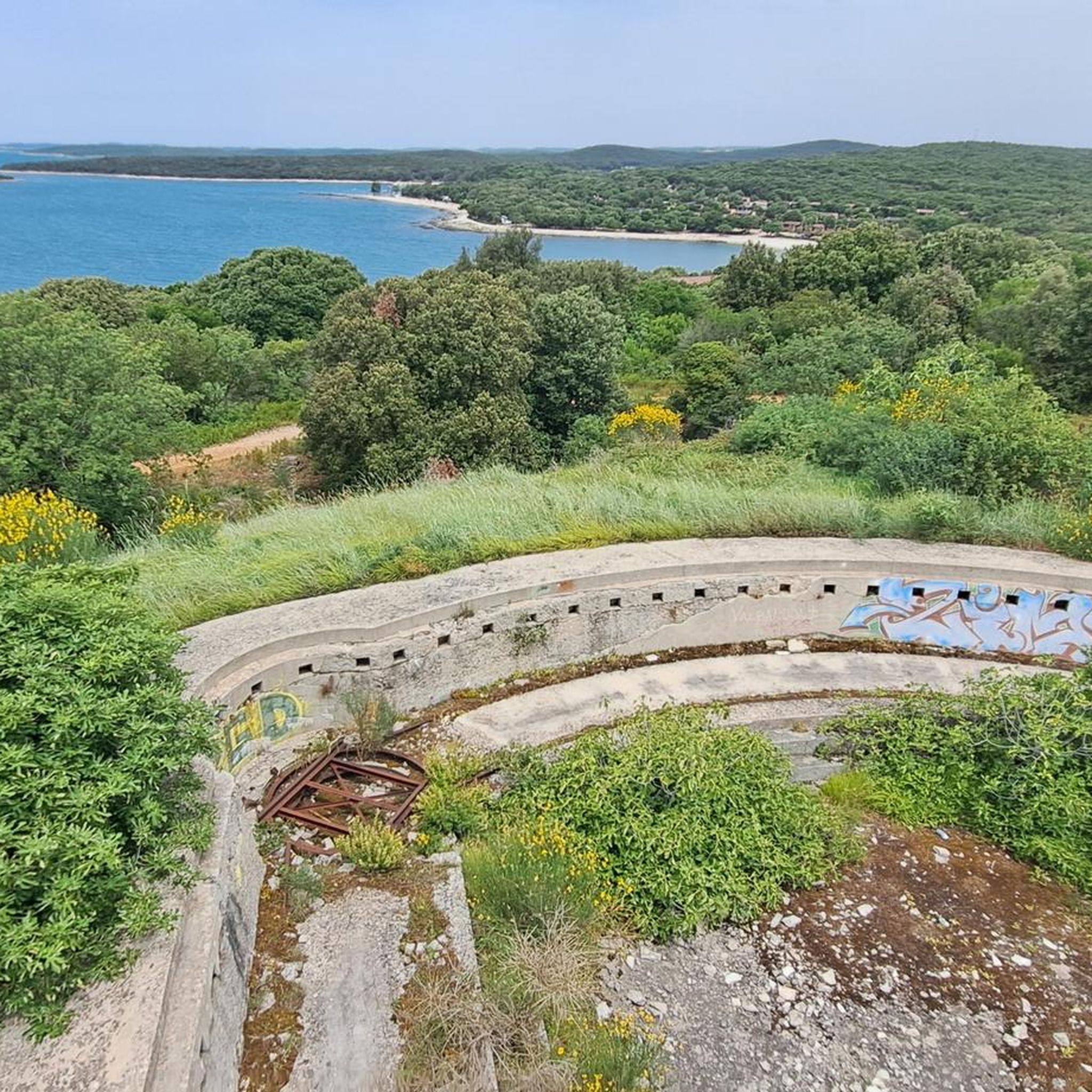
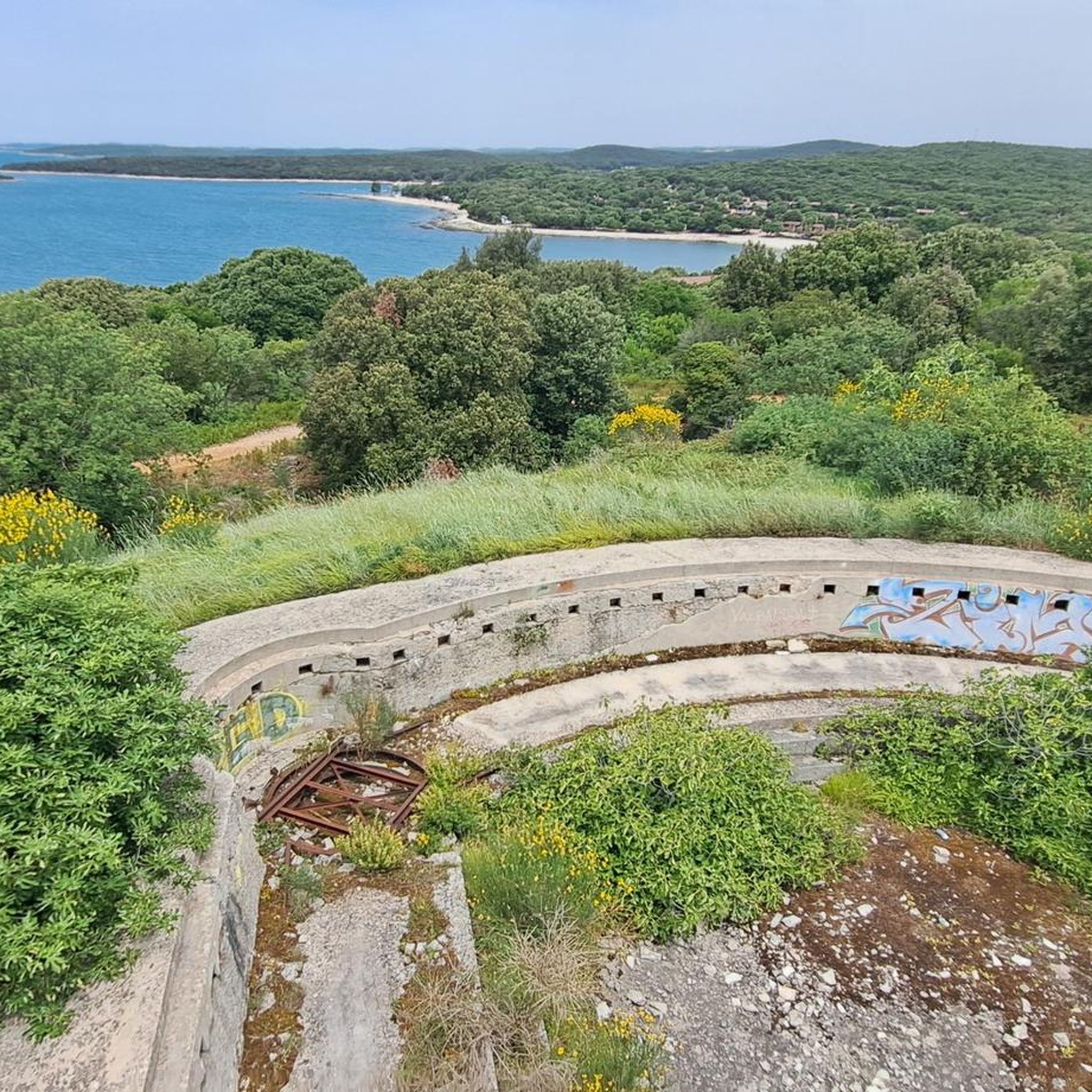
San Benedetto Coastal Battery
Highlight • Historical Site
Translated by Google •
Tip by

Fort Forno
Highlight • Historical Site
Construction of the fort was in 1902 and 1914 it was completed. At the beginning of the war, Fort …
Translated by Google •
Tip by

Sign up now to discover places like this
Get recommendations on the best single tracks, peaks, & plenty of other exciting outdoor places.
Sign up for free
Parish Church of the Holy Virgin Mary
Highlight • Religious Site
Tip by

Old Town of Bale
Highlight • Settlement
Translated by Google •
Tip by
Holy Spirit Church (Sveti Duh), Bale
Highlight • Religious Site
Tip by
Chapel of St. Peter on the Rock
Highlight • Religious Site
Translated by Google •
Tip by

Smooth paved road near Bale
Highlight • Cycleway
Translated by Google •
Tip by

Paravia Untertritt
Highlight • Historical Site
Translated by Google •
Tip by

Old Military Road
Highlight (Segment) • Trail
Apparently they are planning to close the driveway at the Mon Perin campsite.
During the week of vacation I passed there twice with an interval of a few …
Translated by Google •
Tip by

St. Bembo Abandoned Estate
Highlight • Historical Site
Translated by Google •
Tip by

Sign up for free to discover even more attractions around Općina Bale.
Sign up for free
Already have an account?
Start today with a free account
Your next adventure awaits.
Login or Signup

Tips from the Community

A very pictorious Istrian old Town. Cossy, with Nice shops and bars.
0
0

This building served exclusively as accommodation for the soldiers
0
0

Ideal for cyclists.
0
0

The parish church of Bale (Valle d'Istria), dedicated to the Visitation of Mary to Saint Elizabeth, is a 19th-century white stone building, completed and dedicated in 1882, built on the ruins of older churches, including a 9th-century basilica. It is located in the center of the village and preserves remains of the earlier buildings in a crypt converted into a lapidarium.
0
0
The Paravia Untertritt fortress is part of the Austro-Hungarian defense system and was built entirely underground. Designed to house a garrison of 500 soldiers, it features a two-tiered structure, a typical feature of German-style fortifications. Although not open to the public, visitors can still explore the exterior of this imposing fortress, which is still well-preserved today.
0
0
Little is known about this church. Located off the beaten track, it's definitely worth a detour. Perched atop a cliff-like rock formation in the thick of the forest, it captivates with its aura of mysterious charm. The little historical information available dates it to the 15th century and was built by order of the Bishop of Poreč.
0
0
Of Valle, once an important fortress during the rule of the Patriarch of Aquileia, only two rings of the walls remain today. But the true treasure is hidden in the parish church, where the crypt houses the important pre-Romanesque sculpture of Valle and its surroundings, a testament to the site's once-important importance. Valle's churches, and especially the Church of the Holy Spirit, are also known for their frescoes, the mural paintings. The Church of the Holy Spirit is modest in size, but its façade features exquisitely executed workmanship, inspired by the Gothic architectural style typical of the 15th century. It is built with regular stone blocks, and the roof is also covered in stone, or rather slabs. It also features a carved stone beam that allows constant light to penetrate the pointed vault. Inside, the small chapel is decorated with frescoes, which in more recent periods are linked to the creations of Albert of Costanza, on Lake Constance. Although he painted the nearby Church of Sant'Antonio, with the scene of the burial of Saint Paul the First Hermit, and several other churches in Istria, the full richness of Alberto's repertoire is found in the Church of the Holy Spirit. The most important scenes depicted in the church are the Exodus from Egypt, the Massacre of the Innocents, and the Last Supper, which, with their rich detail, evoke emotion. Alongside the classical scenes of the Christological cycle, Alberto da Costanza also painted the Throne of Grace with Saints on the walls of the presbytery. His repertoire reveals the influence of numerous movements, primarily the Venetian Gothic style, followed by continental German and Czech influences, as well as the typical features of the early Renaissance.
0
0

A little bit outside the hustle and bustle
0
0
Frequently Asked Questions
What historical sites can I explore in Općina Bale?
Općina Bale is rich in history. You can visit the impressive Fort Forno, part of the Austro-Hungarian defense system, or the San Benedetto Coastal Battery, offering sensational views. The Old Town of Bale itself is a protected urban area with medieval architecture. Don't miss the Soardo-Bembo Castle, a Gothic-Renaissance landmark, and the well-preserved Forts – Kazamate along the shoreline, built between 1898 and 1914.
Are there any significant religious buildings to visit in Bale?
Yes, Bale features several notable religious buildings. The Parish Church of the Holy Virgin Mary, built on the foundations of a 9th-century basilica, houses a rich sacral inventory and a crypt with a lapidarium. Other historic churches include the 14th-century Church of St. Anthony the Abbot, the pre-Romanesque Church of St. Elias, and the 15th-century Holy Spirit Church (Sveti Duh) with remnants of late Gothic frescoes. You can also find the Chapel of St. Peter on the Rock.
What natural attractions can I find near Bale?
The region boasts diverse natural beauty. Explore Bale's Shoreline, offering ten kilometers of untouched nature and pristine beaches with views of the Brijuni islands. The Palud Ornithological Reserve, just four kilometers from Bale, is Istria's only ornithological reserve, home to 217 bird species. Bale is also recognized for its dinosaur footprints and fossils, with exhibitions at the Ulika multimedia center. The southernmost part of Općina Bale lies on the 45th parallel, marking it halfway between the Equator and the North Pole.
Are there family-friendly activities in Općina Bale?
Absolutely. Families can enjoy exploring the Old Town of Bale with its charming streets. The Palud Ornithological Reserve offers a chance to observe diverse birdlife. Children might also be fascinated by the paleontological exhibition at the Ulika multimedia center, showcasing dinosaur remains found in the area. Easy hiking routes, such as those found in the Easy hikes around Općina Bale guide, are also suitable for families.
Where can I learn about the ancient history and paleontology of Bale?
To delve into Bale's ancient past, visit the Lapidary - Crypt within the Parish Church of the Holy Virgin Mary, which preserves stone and archaeological artifacts. The Ulika multimedia center hosts a significant paleontological exhibition featuring dinosaur remains, including the Histriasaurus, highlighting Bale as a unique site where dinosaur fossils are preserved under the sea. Throughout the district, you can also discover remains of old Roman buildings, roads, villas, and oil presses.
What outdoor activities, like hiking or cycling, are available near Bale's attractions?
Općina Bale offers various outdoor activities. For hiking, you can find routes like the 'Chapel of St. John – Shaded Forest Trail loop from Bale' or the 'Fort Saint Benedict – Fort Forno loop from Rt sveti Benedikt' in the Easy hikes around Općina Bale guide. Cyclists can explore the Smooth paved road near Banjole or the Old Military Road. For more challenging rides, check out the Road Cycling Routes around Općina Bale or MTB Trails around Općina Bale guides.
What unique cultural experiences or local products can I enjoy in Bale?
Bale is known for its enogastronomy, offering autochthonous olive varieties, quality wines, and premium cheeses. You can enjoy olive oil tastings and explore local wineries like Meneghetti Winery. For a unique sensory experience, visit the Histria Aromatica Park, featuring plantations of indigenous aromatic herbs. The Kamene Priče is a distinctive spot that functions as both a trattoria and a jazz bar, hosting the annual Last Minute Jazz Festival.
Are there any hidden gems or lesser-known spots worth discovering in Općina Bale?
Beyond the main attractions, consider visiting the Homesteads (Stancije) scattered around Bale, which blend beautifully with the traditional scenery, such as the historically significant Stancija Bembo. The Paravia Untertritt, an entirely underground coastal defense bunker from WWI, offers a glimpse into military history, though it's only visible from the exterior. The 45th Parallel marker is also a unique geographical point of interest.
What do visitors enjoy most about the historical sites in Općina Bale?
Visitors particularly appreciate the historical depth and the scenic views from sites like San Benedetto Coastal Battery, where they can explore old buildings and enjoy sensational vistas. The preserved nature of fortifications like Fort Forno and the ability to walk through the ancient Old Town of Bale are also highly valued, offering a tangible connection to the region's past.
What is the best time to visit Općina Bale for outdoor activities and sightseeing?
The best time to visit Općina Bale for outdoor activities and sightseeing is typically during spring (April to June) and early autumn (September to October). During these months, the weather is pleasantly mild, ideal for hiking, cycling, and exploring historical sites without the intense heat of summer. The natural landscapes are vibrant, and the crowds are generally smaller than during peak summer season.
Can I find any unique wildlife or birdwatching opportunities in the area?
Yes, the Palud Ornithological Reserve, located very close to Bale, is a prime spot for birdwatching. It is the only ornithological reserve in Istria and hosts an impressive 217 recorded bird species, along with various rare plants and flowers. The Ulika multimedia center also features an ornithological collection with preserved birds and authentic bird songs, offering another way to appreciate the local avian diversity.
Are there any Roman ruins or ancient structures to see?
Yes, Općina Bale has a significant Roman heritage. Throughout the district, you can discover remains of old Roman buildings, roads, water tanks, wells, villas, and oil presses. These scattered archaeological sites provide insight into the region's ancient history and its importance during the Roman era.
Most popular routes around Općina Bale

Get inspired with the komoot mobile app


Explore more
Still not found the Highlight you’re looking for? See guides of the top attractions in other regions:
