Attractions and Places To See around Osijek - Top 20
Attractions and places to see around Osijek, a city in Eastern Croatia, are situated on the Drava River. The region offers a blend of historical landmarks, natural beauty, and cultural experiences. Osijek is characterized by its well-preserved architecture, numerous parks, and a relaxed atmosphere, making it suitable for exploration on foot or by bike.
Best attractions and places to see around Osijek
- The most popular attractions is Pedestrian Bridge Over the Drava (Osijek), a bridge that is one of the most striking symbols of Osijek. It connects the two sides of the Drava River and offers panoramic views.
- Another must-see spot is Osijek Catacombs, a historical site. These underground passages were once used for food storage and as bomb shelters, and now occasionally host festivals.
- Visitors also love Tvrđa (Osijek Old Town), the old town center of Osijek. This historical site is home to several museums, including the Museum of Slavonia, and features casual restaurants, bars, and cafes.
- Osijek is known for its historical sites, natural features, and cultural sites. Visitors can explore a variety of attractions, from 18th-century fortresses to extensive river promenades and museums.
- The attractions around Osijek are appreciated by the komoot community, with more than 35 upvotes and 45 photos shared.
Last updated: July 1, 2026
Co-Cathedral of St. Peter and St. Paul (Osijek)
Highlight • Religious Site
Translated by Google •
Tip by

Pedestrian Bridge Over the Drava (Osijek)
Highlight • Bridge
Note that there are stairs at both the beginning and the end, there is no fence and no sign, get off in time.
Translated by Google •
Tip by
Sign up now to discover places like this
Get recommendations on the best single tracks, peaks, & plenty of other exciting outdoor places.
Sign up for free
Ante Starčević Square
Highlight • Monument
Translated by Google •
Tip by

Pedestrian and Bicycle Bridge over the Drava River
Highlight • Bridge
Tip by

Tvrđa Fortress Osijek
Highlight • Castle
The hotel offers uniquely decorated, luxurious and comfortable rooms with free wireless internet access. For your comfort, "HOTEL TVRĐA" offers several facilities on site, such as a swimming pool and sauna on the roof, and the possibility of dining. We have designed a place where superior services are integrated with authentic design to make guests feel comfortable and relaxed.
Translated by Google •
Tip by
Secessionist Fountain
Highlight • Monument
Translated by Google •
Tip by
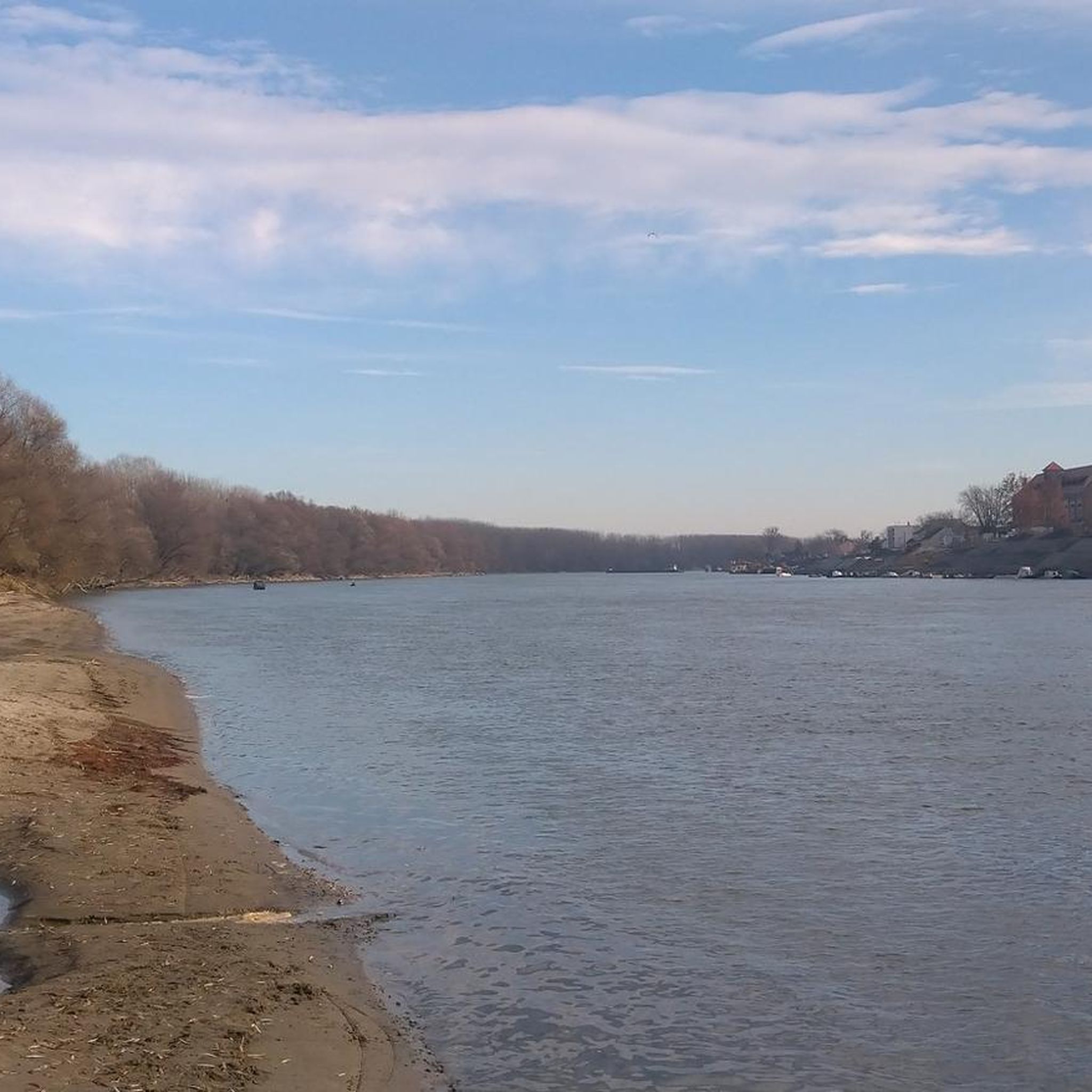
Drava River
Highlight • River
Tip by

River promenade
Highlight • Trail
Osijek is located on the right bank of the Drava River, where the city promenade is also located.
Translated by Google •
Tip by
Red Fićo Memorial
Highlight • Monument
Translated by Google •
Tip by
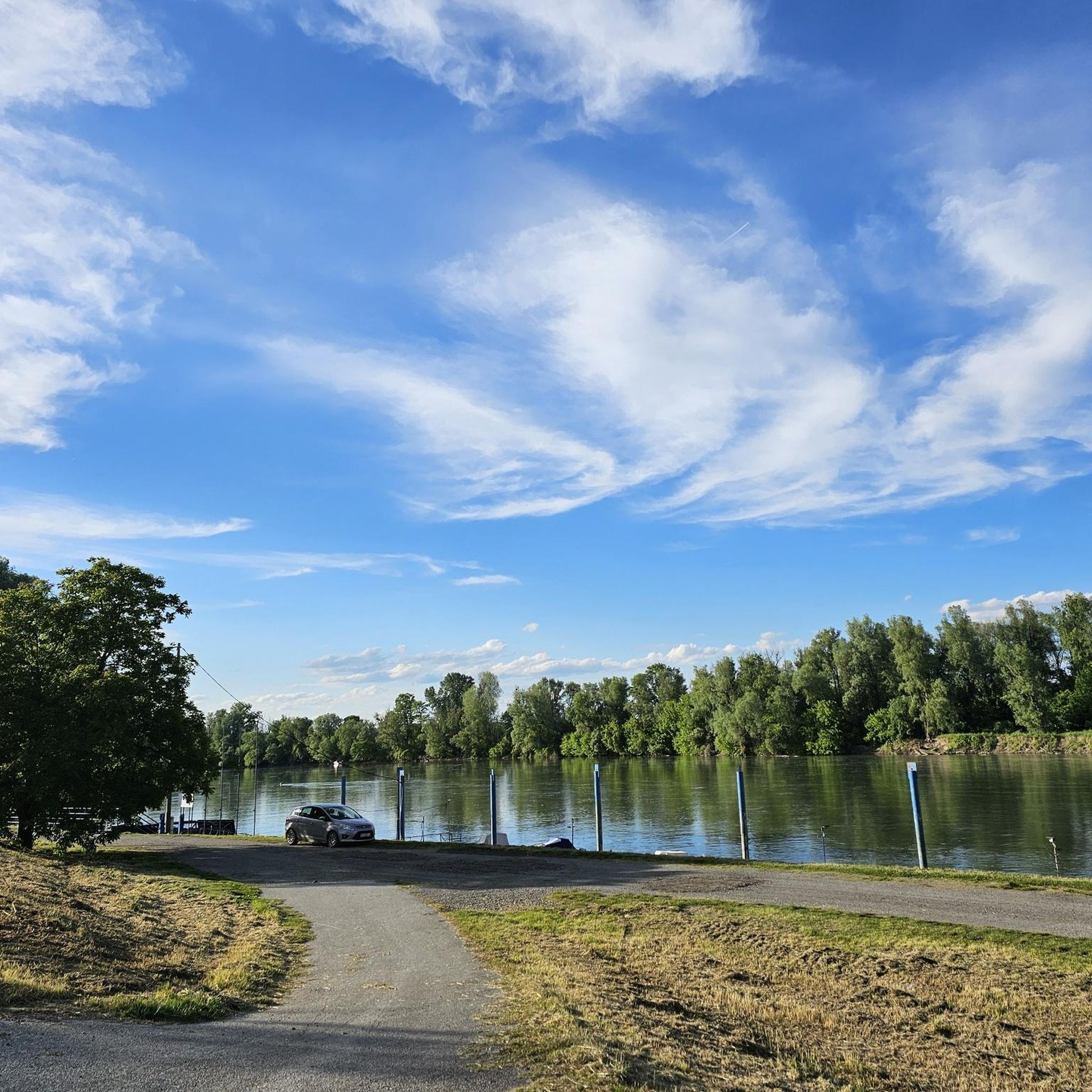
Ferry crossing on the Drava River
Highlight • Structure
Showing Translation
Tip by

Sign up for free to discover even more attractions around Osijek.
Sign up for free
Already have an account?
Start today with a free account
Your next adventure awaits.
Login or Signup
Tips from the Community

The ascent and descent with an electric bike at the ferry is actually not doable. Unless you are very strong and can carry the bike. The stairs are very steep. You can detour over one of the bridges.
0
0

A look into the cathedral is desirable. Really nice to look at
0
0
Backpack, poles and hiking boots included
0
0

The promenade in Osijek
1
0

Osijek has the longest and most beautiful river promenade in Croatia Osijek is located on the right bank of the Drava River, where the city promenade is also located.
9
0
With more than 40 km of cycle paths, Osijek is the cycling city of Croatia.
5
1
Ante Starcevic was a Croatian politician and writer (1823 -1896). His policies were aimed at Croatian state law, the integrity of Croatian lands and the right of its people to self-determination. As an important member of the Croatian parliament and founder of the Party of Rights, he laid the foundations of Croatian nationalism. source wikipedia
0
0

the statue looks very powerful
4
0
Frequently Asked Questions
What historical sites should I visit in Osijek?
Osijek is rich in history. You should definitely explore Tvrđa (Osijek Old Town), an 18th-century Baroque military fortress that serves as the heart of the historic center. Within Tvrđa, you'll find the Museum of Slavonia. Another significant historical landmark is the Co-Cathedral of St. Peter and St. Paul, a stunning Neo-Gothic church. Don't miss the unique Osijek Catacombs, historical underground passages once used for food storage and bomb shelters.
Are there any natural attractions or parks to enjoy in Osijek?
Absolutely! Osijek is known as one of Croatia's greenest cities. The Drava River Promenade (Riva) is considered Croatia's most beautiful riverside promenade, perfect for walking, jogging, or cycling. For a significant natural experience, visit Kopački Rit Nature Park, a vast marshy wetland near Osijek, ideal for birdwatching and wildlife spotting. You can also relax at Copacabana (Kopika), a large sandy city beach on the Drava shore, or explore one of the city's many parks like Sakuntala Park.
What are the best family-friendly activities in Osijek?
Osijek offers several family-friendly options. The Osijek Zoo and Aquarium, located on the opposite side of the Drava River, is Croatia's largest zoo and provides a spacious environment for various animals. Many of the city's parks, like Sakuntala Park, offer green spaces for children to play. The Drava River Promenade is also great for family walks or bike rides, and the Co-Cathedral of St. Peter and St. Paul is listed as a family-friendly historical site.
What outdoor activities can I do near Osijek's attractions?
Osijek is excellent for outdoor enthusiasts. You can enjoy cycling along the Drava River, which features bike paths on both sides, including the route over the Pedestrian Bridge Over the Drava. For hiking, there are several routes available, such as the 'River promenade – Tvrđa Fortress Osijek loop' or the 'Sakuntala Park Pavilion – Impressive city center loop'. You can find more details on these and other routes in the Hiking around Osijek guide or the Easy hikes around Osijek guide.
Are there any wheelchair-accessible attractions in Osijek?
Yes, Osijek has several attractions that are wheelchair accessible. Ante Starčević Square, a prominent square in the Upper Town, is accessible. The Pedestrian and Bicycle Bridge over the Drava River is also noted as wheelchair accessible, offering great views. Additionally, the River promenade is generally accessible, providing a pleasant experience along the Drava.
What is the best time of year to visit Osijek for outdoor activities?
The best time to visit Osijek for outdoor activities is generally during the spring (April to June) and early autumn (September to October). During these months, the weather is pleasant, ideal for exploring the Drava River Promenade, cycling, or visiting Kopački Rit Nature Park. Summers can be hot, but the Copacabana beach offers a refreshing escape, and swimming in the Drava is popular.
Where can I experience Osijek's cultural scene?
Osijek boasts a vibrant cultural scene. The Croatian National Theatre in the Upper Town hosts drama, opera, and ballet performances. For art and history, you can visit the Museum of Slavonia within Tvrđa (Osijek Old Town), the Archaeological Museum, the Museum of Fine Arts, or the Waldinger Gallery for contemporary art. The Osijek Catacombs also occasionally host festivals.
What do visitors enjoy most about Osijek's attractions?
Visitors particularly appreciate the scenic beauty and relaxed atmosphere. The Pedestrian Bridge Over the Drava is loved for its panoramic views and being a perfect spot for cycling. The Drava River itself is highlighted for its beauty and the pleasure of swimming during hot summers. The historical charm of Tvrđa (Osijek Old Town), with its museums and cafes, is also a major draw.
Are there any unique landmarks or monuments in Osijek?
Yes, Osijek has several unique landmarks. The Pedestrian Bridge Over the Drava is a city symbol, especially when lit at night. You can also find the Red Fićo Memorial, a distinctive point of interest. Within Tvrđa, Holy Trinity Square features an 18th-century monument commemorating plague victims, and European Avenue is known for its impressive Secessionist architecture.
Can I find running trails near Osijek's main attractions?
Yes, Osijek offers various running trails. Many routes incorporate the scenic Drava River Promenade and areas around Tvrđa (Osijek Old Town). For example, you can find routes like 'Youth Bridge Osijek – Opus Arena – NK Osijek Stadium loop' or 'Fićo and Tank Monument – Youth Bridge Osijek loop'. More running options are detailed in the Running Trails around Osijek guide.
What is there to see along European Avenue?
European Avenue (Europska Avenija) is considered one of the most beautiful streets in Osijek. It is renowned for its impressive Secessionist architecture and grand palaces, offering a picturesque walk through a significant part of the city's architectural heritage. You can also find the Secessionist Fountain along this avenue.
Are there any remnants of Osijek's old city walls?
While much of Osijek's original 18th-century Habsburg fort walls were dismantled, a significant portion still remains, particularly near the Drava River. These remnants include the impressive Water Gates and a tower, offering a glimpse into the city's defensive past and providing an interesting sight for visitors.

Get inspired with the komoot mobile app


Explore more
Still not found the Highlight you’re looking for? See guides of the top attractions in other regions:
