Attractions and Places To See around Dummerstorf - Top 20
Best attractions and places to see around Dummerstorf include a blend of historical, cultural, and natural sites. Located near the Baltic Sea in the Mecklenburg-Vorpommern region, Dummerstorf offers access to both local charm and the wider attractions of nearby Rostock. The area features historic village churches, manor houses, and natural landscapes like moors and nature reserves. This makes it a diverse destination for visitors interested in exploration.
Best attractions and places to see around Dummerstorf
- The most popular attractions is…
Last updated: October 9, 2026
Rostock City Harbor
Highlight • Settlement
Translated by Google •
Tip by

Main Building, University of Rostock
Highlight • Historical Site
Translated by Google •
Tip by

Sign up now to discover places like this
Get recommendations on the best single tracks, peaks, & plenty of other exciting outdoor places.
New Market, Rostock
Highlight • Historical Site
Translated by Google •
Tip by

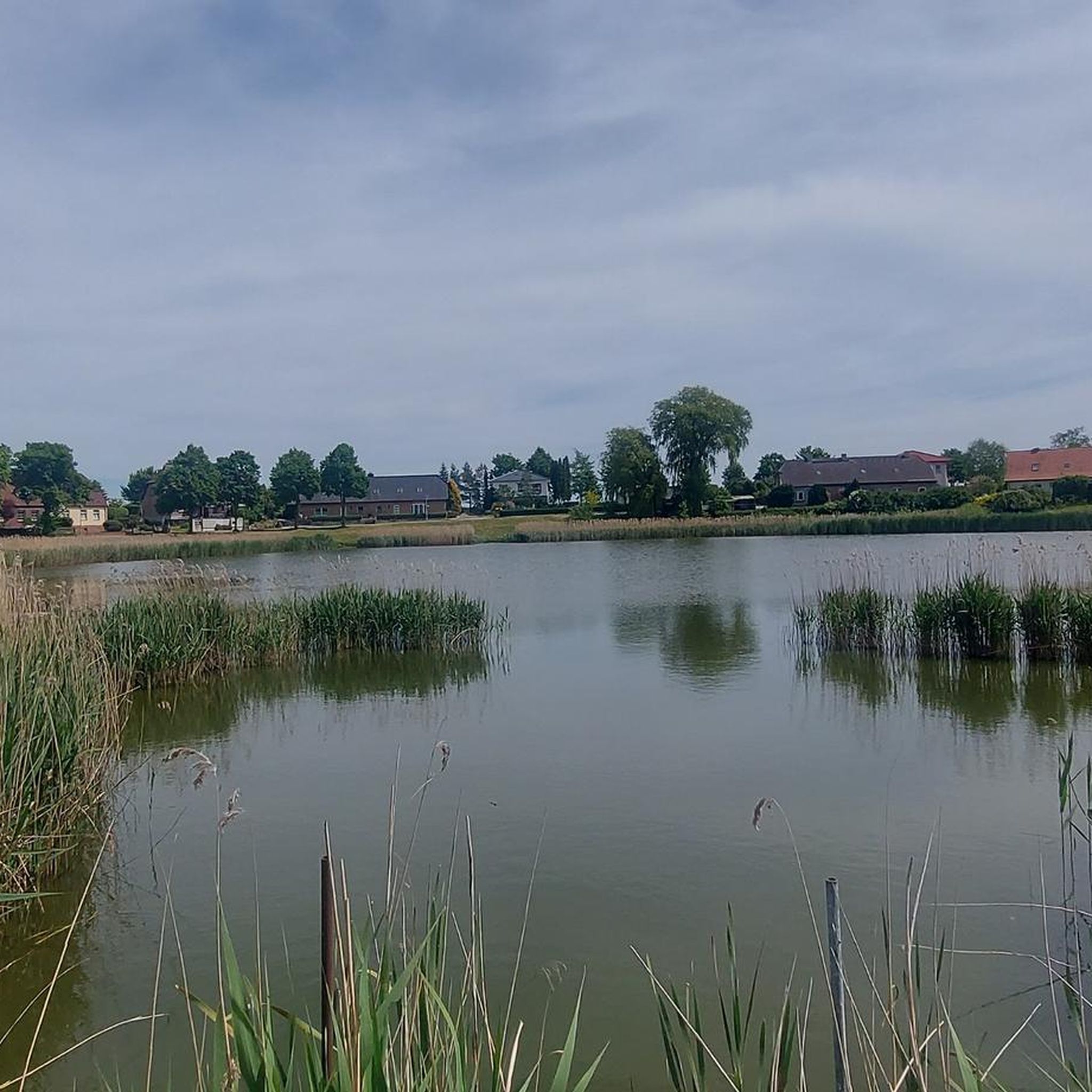
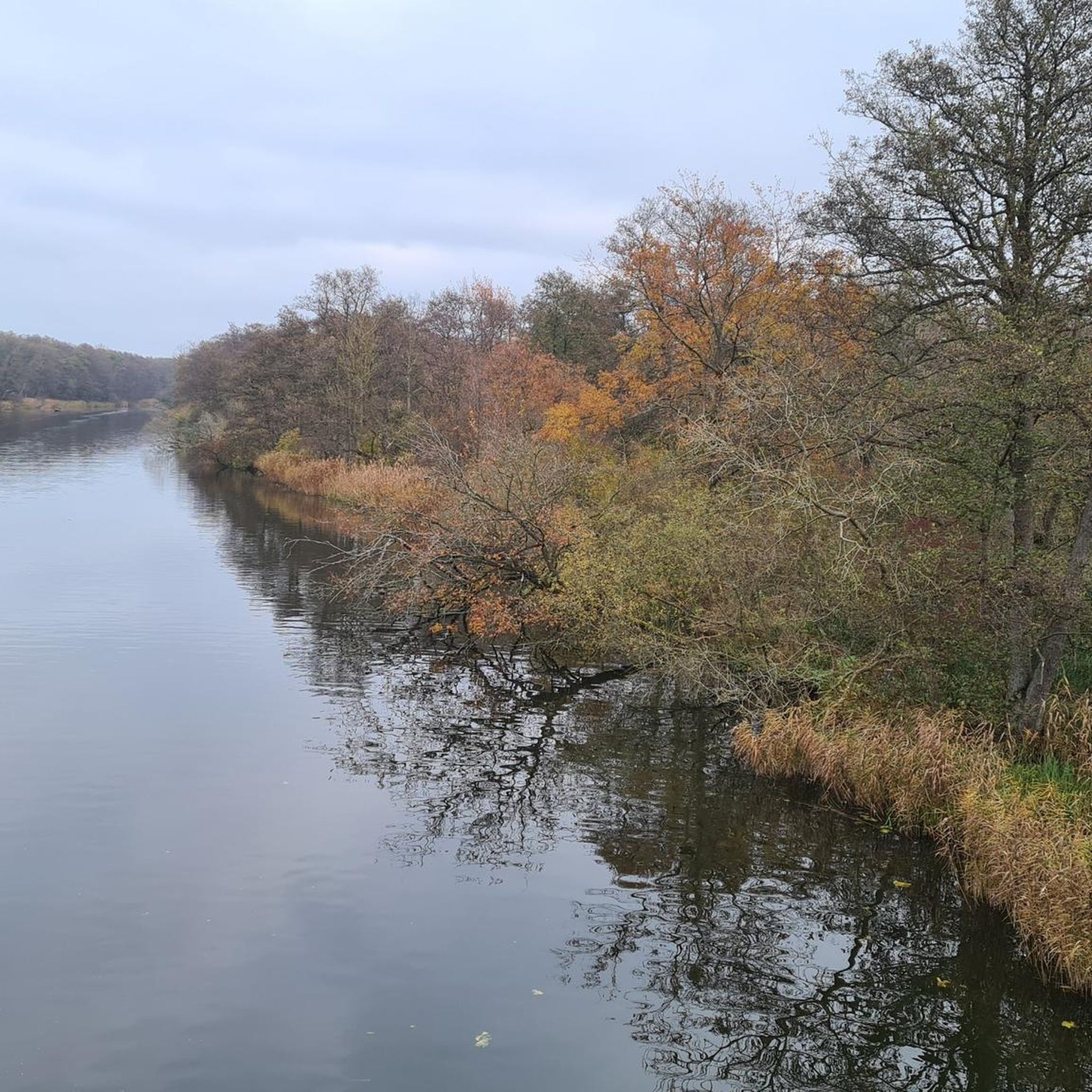
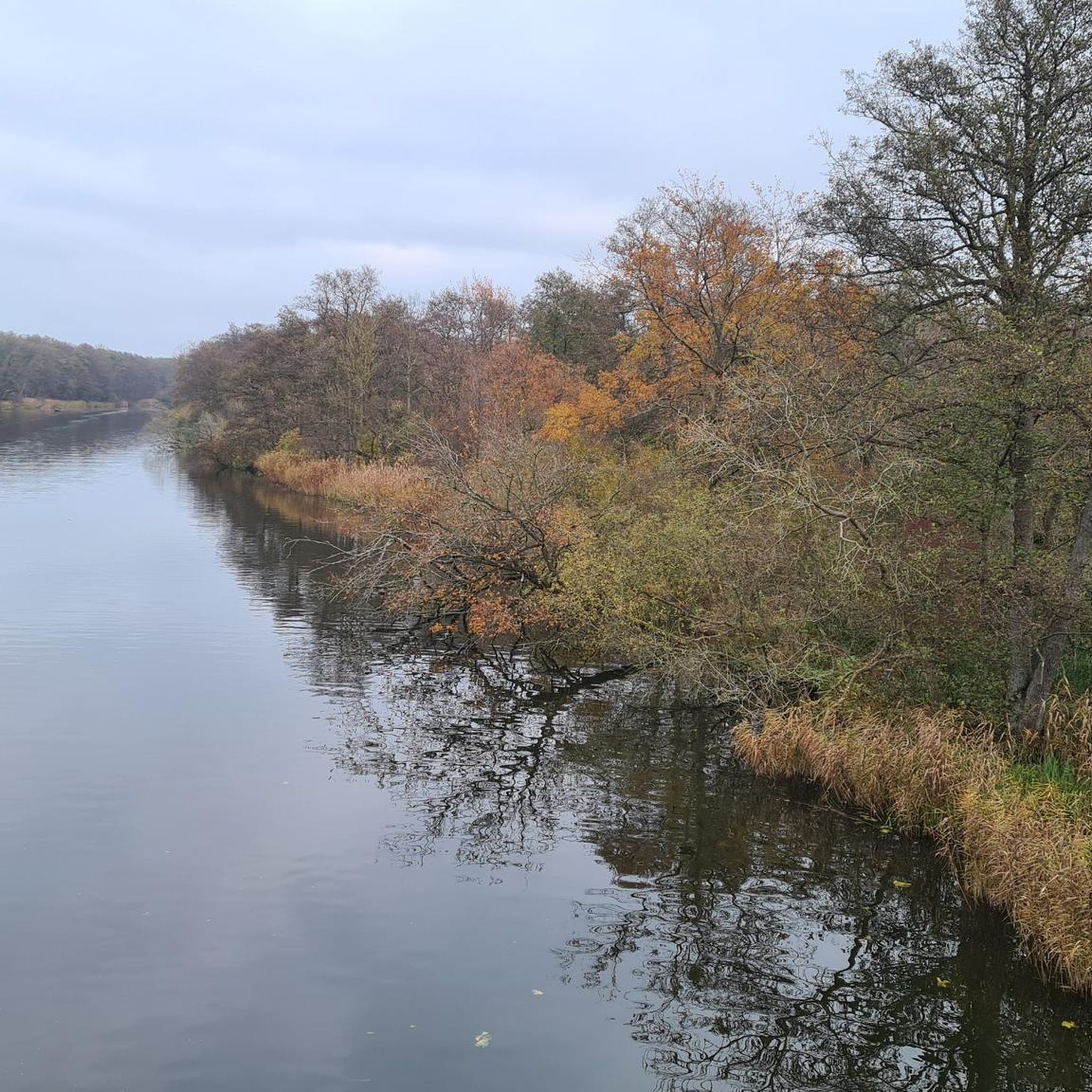
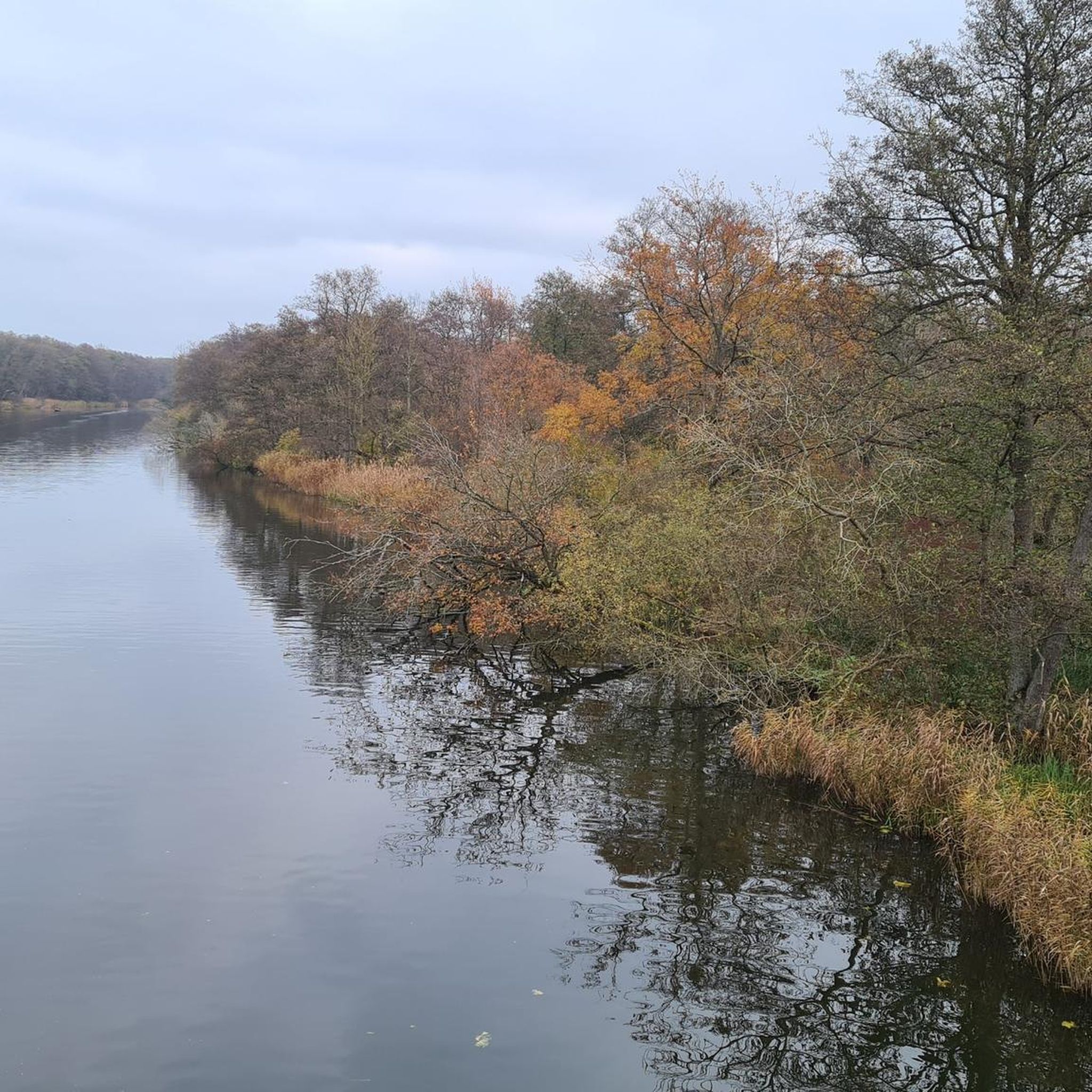
Berlin–Copenhagen Cycle Route: Schwaan to Pölchow
Highlight (Segment) • Cycleway
Translated by Google •
Tip by

Rostock Town Hall
Highlight • Monument
Translated by Google •
Tip by

Sign up for free to discover even more attractions around Dummerstorf.
Already have an account?
Start today with a free account
Your next adventure awaits.
Tips from the Community

At over 700 years old, it is probably the oldest town hall in Germany built in the Gothic brick style. Between 1270 and 1290 there were already two connected gabled houses, to which a third was soon added. Later, these three houses were visually combined into one building by a high display wall with seven towers. A richly decorated Gothic porch with a portico soon followed. From the roof of this portico, the "Burspraken", the regulations issued by the council, were once read out to the Rostock residents gathered in the market, while court sessions took place below. The town hall also served as a trading center for the citizens. Both floors were used for commercial purposes. At the foot of the town hall, on the entrance column, lies a snake. The first records of it date from the early 19th century. Its meaning has not yet been clearly established. As a symbol of wisdom, it could have helped the councillors in difficult situations, been a measure of eel for the fish trade on the New Market, or it served journeymen as proof that they had also been to Rostock on their travels. The snake was damaged or stolen several times over the years. In 1998, the artist Erhard John created the mythical creature out of bronze: a snake with an eel's tail. The new snake was presented to the city on its 780th anniversary and was named "Johannes". Stroke the snake Johannes on the head - that is supposed to bring good luck! https://www.ostsee.de/rostock/rathaus.php
13
1

One of the best sections on the Berlin-Copenhagen cycle path.
2
0

Beautiful town hall - there is a restaurant in the town hall cellar. If you stand in front of it and look down, you can see the glass windows in the cellar from the outside. The color scheme alone shows that people wanted to show off their wealth here.
9
1

Today's main building of the University of Rostock essentially consists of two parts. The southern wing, the New Museum, was built in 1844 as a "museum for the University of Rostock". On the site of the old university, the White College, the central building and the right wing were built between 1867 and 1870.
7
0
The transition in the street "Hinter dem Rathaus" connects the Stadthaus with the Rathaus. The Rostock griffin with the year 1907 is depicted on the façade.
8
0
Used as a car park for many years, since 2000 the Neuer Markt has been what it was for centuries: Rostock's central market square in front of the town hall. There is also a weekly market here - Tuesday to Friday 10 a.m. to 5 p.m. and Saturday 8 a.m. to 1 p.m.
10
0

Rostock's town hall dates back to the 13th century and is therefore one of the oldest town halls in Germany. In any case, the Gothic brickwork is one of the most magnificent buildings on the Baltic Sea. The ensemble originally consisted of two houses connected by arcades. In the 18th century, the facade was damaged by a storm and replaced by a new baroque design; only the seven Gothic turrets on the roof are reminiscent of the original. The sculpture of a snake that seems to crawl between the pillars of the entrance is remarkable. There are various stories surrounding the Rostock town hall snake. One of them says that it was once donated to the councilors as a symbol of wisdom for their decisions. In any case, stroking its head is said to bring visitors luck... Source: https://fritzguide.com/top-sehenswuerdigkeiten-in-rostock/
12
1
Until its destruction in 1942, the New Market was surrounded on all sides by magnificent gabled houses from four centuries. Only six houses on the west side retained their original appearance. The Renaissance house no. 16 is particularly striking with its decorative elements on the gable stairs and the lion on the building. "Gaff heads" look down on passers-by. House no. 12 contains features from various styles. It is fascinating with its rich sculptural decoration and the small turrets on the gable. Used as a car park for many years, since 2000 the New Market has once again become what it was for centuries: Rostock's central market square in front of the town hall. The Seagull Fountain on the New Market was created in 2001 by the well-known Worpswede sculptor Waldemar Otto. Four ancient bronze sea gods are grouped around a column with a seagull: Neptune with a trident, Nereus, Triton blowing on a conch shell and Protheus, the walking one. On the north side of the New Market stands the town hall with its seven turrets, directly opposite begins Kröpeliner Straße, the main shopping street of the Hanseatic city. The New Market and Kröpeliner Straße are reserved for pedestrians. Source: https://www.ostsee.de/rostock/neuermarkt.html
8
1
Frequently Asked Questions
What historical sites can I visit in and around Dummerstorf?
Dummerstorf and its surroundings offer a rich history. You can explore the historic village churches, such as the 13th-century Village Church of Kavelstorf, or visit the Main Building, University of Rostock, one of Germany's oldest universities. In nearby Rostock, discover the Rostock Town Hall, a blend of Gothic and Baroque architecture, and the impressive Kröpeliner Gate, a former city gate.
Are there any notable natural attractions near Dummerstorf?
Yes, for nature enthusiasts, the Göldenitzer Moors offer a chance to experience the local landscape. You can also enjoy the tranquility of the Nature Reserve at Lieblingshof. For a unique perspective, consider a ride on the Göldenitzer Mini Train through the countryside. The nearby coastal town of Warnemünde also boasts a long sandy beach and a historic lighthouse.
What family-friendly activities are available in the Dummerstorf area?
Many attractions cater to families. The Rostock City Harbor is vibrant with dining and cultural venues. The Berlin–Copenhagen Cycle Route: Schwaan to Pölchow offers a quiet, traffic-free cycling experience where you can spot local wildlife. Additionally, the Rostock Zoo, one of Germany's largest, is a great option for families, featuring over 4,500 animals and the Darwineum exhibition.
Where can I go for a scenic walk or bike ride near Dummerstorf?
The area around Dummerstorf is ideal for outdoor activities. You can enjoy the Berlin–Copenhagen Cycle Route: Schwaan to Pölchow, which winds through meadows and fields. For more options, explore the various routes listed in the Easy hikes around Dummerstorf guide, or the Road Cycling Routes around Dummerstorf for longer rides.
What cultural experiences can I find in Dummerstorf?
The Gutshaus Dummerstorf, a manor house built between 1714 and 1717, serves as a cultural hub. It regularly hosts concerts, exhibitions, and various events in its central garden hall, offering a glimpse into the region's cultural life.
Are there any accessible attractions for visitors with mobility needs?
Yes, several key attractions in the area are noted for their accessibility. These include the Main Building, University of Rostock, the Rostock Town Hall, and the Kröpeliner Gate, which are all marked as wheelchair accessible.
What kind of cycling routes are available around Dummerstorf?
You'll find a variety of cycling options. For a relaxed ride, the Berlin–Copenhagen Cycle Route: Schwaan to Pölchow is excellent. If you're looking for more challenging rides, check out the Gravel biking around Dummerstorf guide, which includes moderate to difficult routes like the 'Cliffs near Ahrenshoop – Darßwald loop'. For road cyclists, the Road Cycling Routes around Dummerstorf guide offers routes ranging from easy to moderate.
What do visitors enjoy most about the attractions around Dummerstorf?
Visitors frequently appreciate the blend of historical charm and natural beauty. The vibrant atmosphere of the Rostock City Harbor, the historical significance of sites like the Main Building, University of Rostock, and the peaceful, traffic-free cycling on routes like the Berlin–Copenhagen Cycle Route are often highlighted. The opportunity to explore both local village life and the wider attractions of Rostock and the Baltic Sea coast is also a big draw.
Are there any museums or art galleries in the vicinity?
Yes, in nearby Rostock, you can visit the Cultural History Museum, housed in a 13th-century abbey. It showcases artifacts from Rostock's maritime history, medieval past, and artistic heritage. The Rostock City Harbor also features cultural venues like the theater in the city harbor and the museum harbor.
What is the best time of year to visit Dummerstorf and its attractions?
The best time to visit Dummerstorf and its surrounding attractions is generally during the warmer months, from late spring to early autumn (May to September). This period offers pleasant weather for exploring natural landscapes, enjoying outdoor activities like cycling and hiking, and experiencing the vibrant atmosphere of coastal towns like Warnemünde. Cultural events at Gutshaus Dummerstorf are also more frequent during this time.
Can I find places to eat and drink near the attractions?
Yes, especially in the larger nearby city of Rostock. The Rostock City Harbor is known for its numerous dining options. You'll find a variety of cafes, pubs, and restaurants throughout Rostock's Old Town and along the Warnemünde promenade, offering everything from fresh seafood to traditional German cuisine.
Are there any specific nature reserves or parks to explore?
Beyond the Göldenitzer Moors, the Nature Reserve at Lieblingshof provides a peaceful environment for walks. For a more structured natural experience, the Botanical Garden at the University of Rostock offers a tranquil setting with over 7,000 plant species, perfect for a leisurely stroll.
Most popular routes around Dummerstorf
Most popular attractions around Dummerstorf

Get inspired with the komoot mobile app


Explore more
Still not found the Highlight you’re looking for? See guides of the top attractions in other regions:
