Attractions and Places To See around Ballinasloe - Top 6
Best attractions and places to see around Ballinasloe, a town in County Galway, Ireland, include a mix of historical landmarks, cultural sites, and natural features. The area is known for its rich history, including ancient ecclesiastical sites and medieval ruins. Visitors can explore woodlands, rivers, and various points of interest that reflect the region's heritage and landscape. The region offers 6 hidden gems to explore.
Best attractions and places to see around Ballinasloe
- The most popular attractions is Garbally Castle…
Last updated: October 5, 2026
Garbally Castle
Highlight • Castle
Tip by

Clontuskert Priory
Highlight • Historical Site
Tip by
Sign up now to discover places like this
Get recommendations on the best single tracks, peaks, & plenty of other exciting outdoor places.
Kilconnell Friary
Highlight • Religious Site
Tip by

Ballyforan Bridge
Highlight • Bridge
Reinforced with cast-iron tie-bars, the bridge spans the River Suck, serving as a significant border crossing between counties Roscommon and Galway.
Tip by

Woodlawn Woods
Highlight • Forest
Tip by

Ballinakill Abbey
Highlight • Religious Site
The site itself has had religious significance from at least the …
Tip by

The Grand Bridge
Highlight • Bridge
It was built in 1855 as part of the landscaped Castlekelly estate. The ruins of the manor house …
Tip by
Ballymoe
Highlight • Settlement
Tip by
Ballinasloe
Highlight • Settlement
Tip by

The Lisheen
Highlight • Historical Site
This historic children’s burial ground sits within an ancient ring barrow. …
Tip by
Sign up for free to discover even more attractions around Ballinasloe.
Already have an account?
Start today with a free account
Your next adventure awaits.
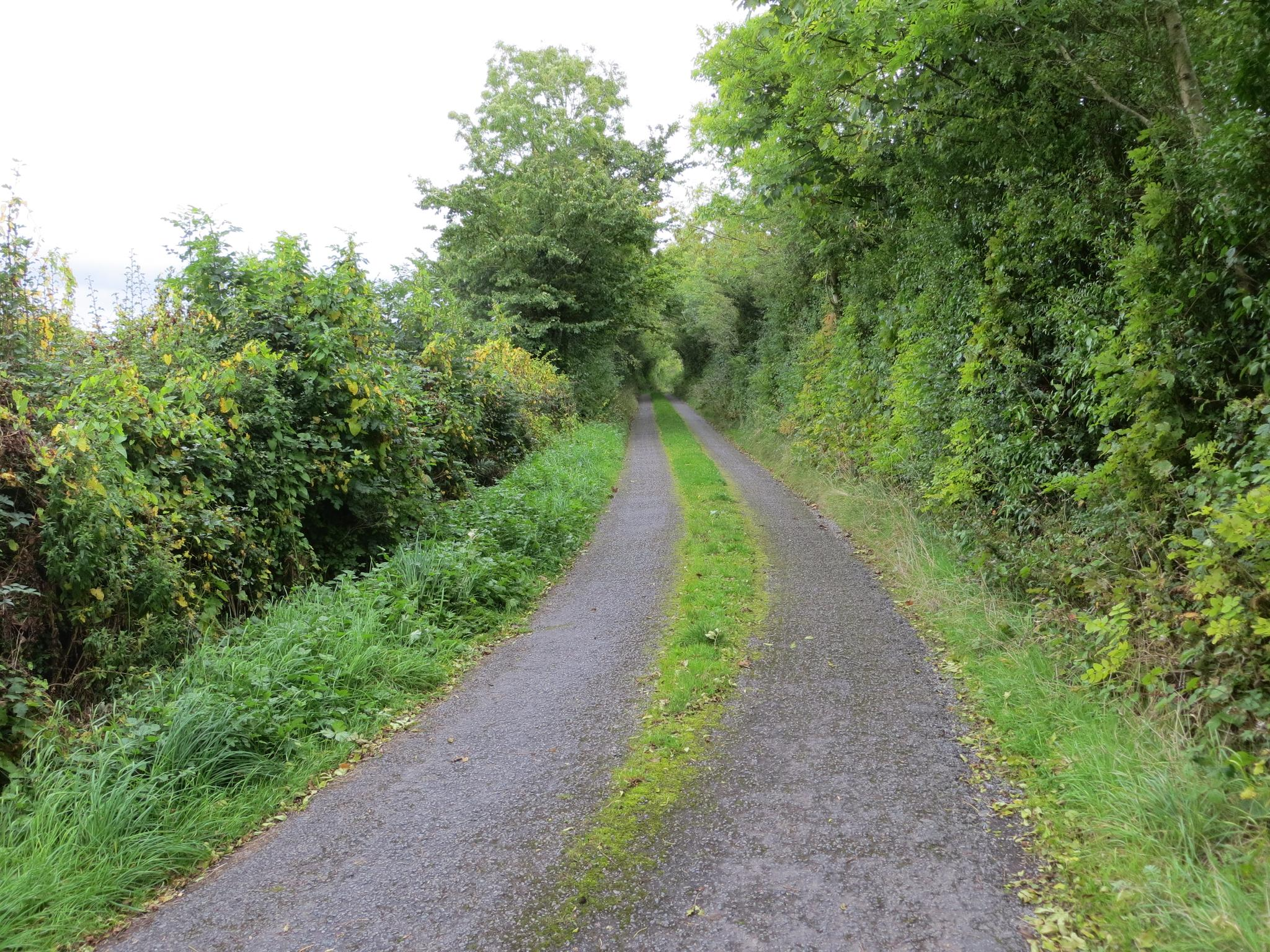
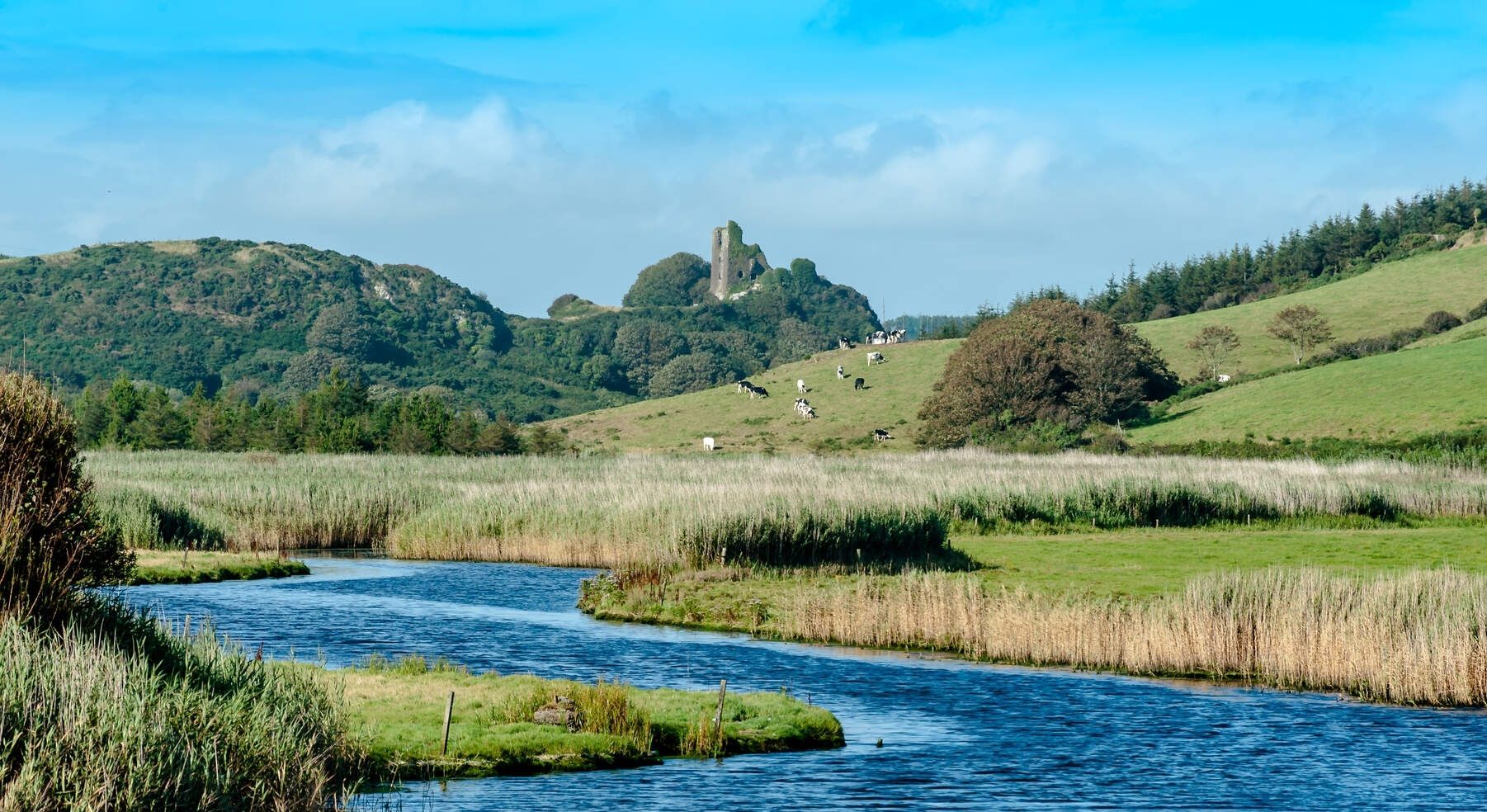
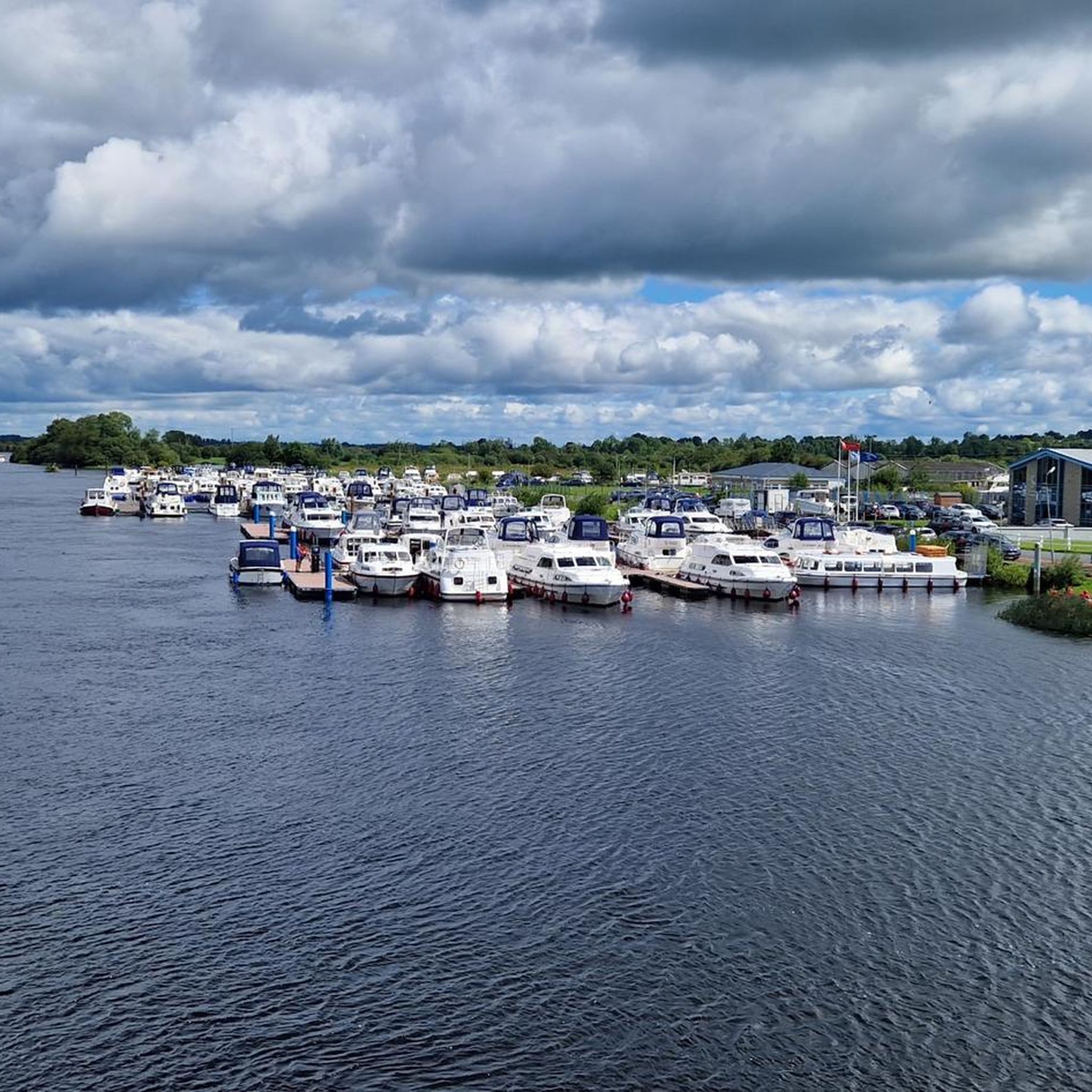


Tips from the Community

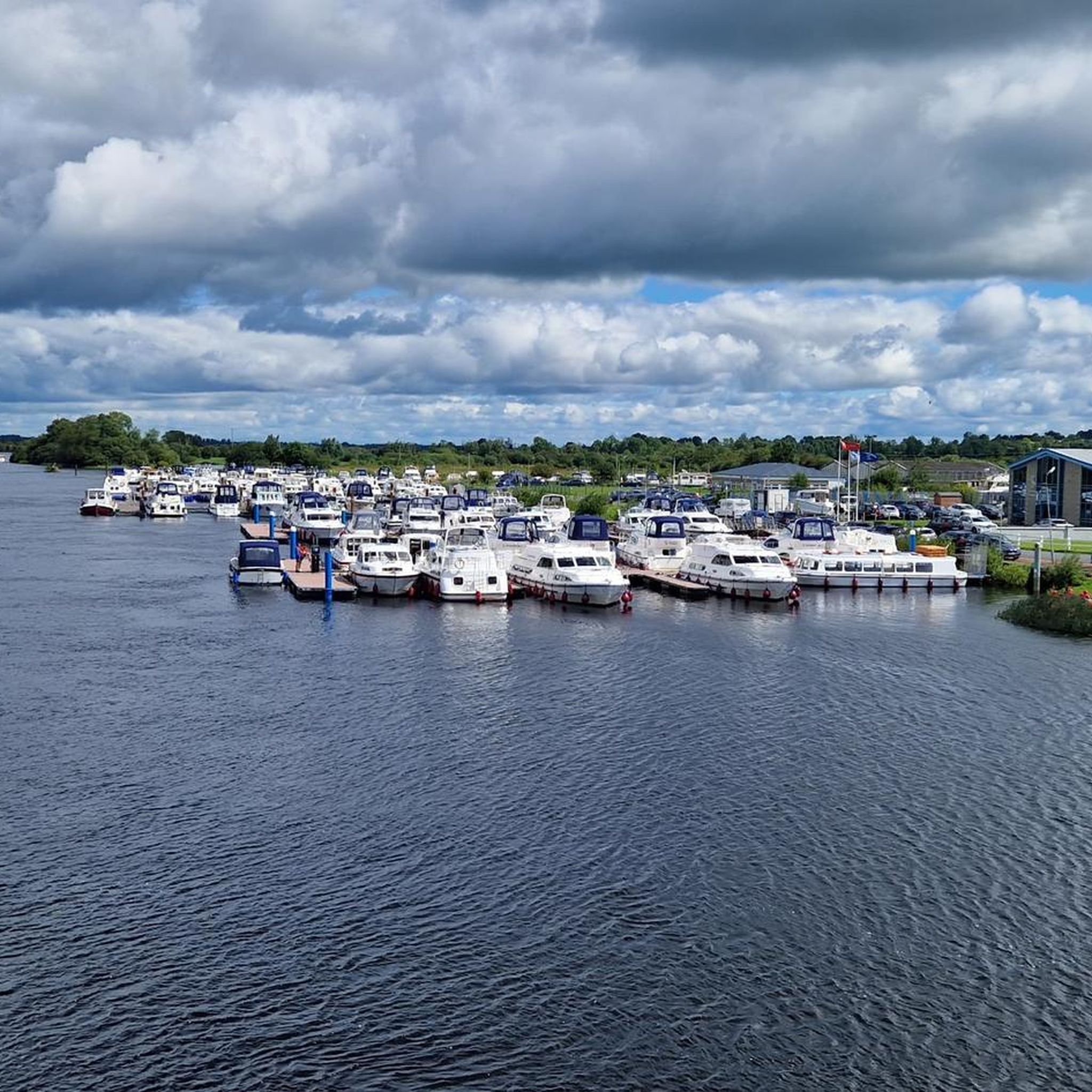
On the banks of the River Suck, historic Ballinasloe is a vibrant Galway town. Walkers are well-served by its accommodation options and places to eat and drink. Hikes in the surrounding countryside include the Hymany Way and a walk around Poolboy bog.
0
0

At Ballinakill Abbey you'll find the ruins of a medieval 13th century church, with an attached 16th century chapel. The site itself has had religious significance from at least the 5th or 6th century. It still houses an impressive monument to Sir John Burke and a large, intricately carved effigy of William Burke, both erected in 1722.
0
0
The Grand Bridge is something of an unexpected discovery in Aghrane Forest. It was built in 1855 as part of the landscaped Castlekelly estate. The ruins of the manor house were demolished in the 1950's, but the bridge survives as a fragment of a once much grander, but now vanished landscape.
0
0
Hidden within the trees of Aghrane Forest lies “The Lisheen” (from Irish liosín, meaning “little ringfort” or “little enclosure”). This historic children’s burial ground sits within an ancient ring barrow. It's a quiet and reflective place that still carries strong local memories and cultural significance.
0
0

Hiking through Woodlawn Woods offers you a peaceful and beautifully maintained walk in a forest that forms part of the historic Woodlawn Demesne in County Galway. This woodland once belonged to the Ashtown estate, which was centred on the now-ruined Woodlawn House, adding a layer of compelling history to your walk. The trails here offer a gentle and sheltered walking experience, allowing you to appreciate the mature trees and the quiet atmosphere of the historic estate grounds.
0
0

Ballyforan Bridge, a 13-arch road bridge constructed around 1820, showcases random coursed stone walls, cut limestone voussoirs, and V-cutwaters. Reinforced with cast-iron tie-bars, the bridge spans the River Suck, serving as a significant border crossing between counties Roscommon and Galway.
0
0

Beautifully restored, Kilconnell Friary is well worth visiting. Founded in the mid 14th century likely on the site of a 6th century monastery. There are plenty of intricate carvings to marvel at as well as stone mason's mark, for the particularly eagle-eyed.
0
0
Frequently Asked Questions
What historical sites can I explore around Ballinasloe?
Ballinasloe is rich in history, offering several significant sites. You can visit Kilconnell Friary, a beautifully restored 14th-century friary with intricate carvings, or the ruins of Garbally Castle, a tower house built in 1499. Another notable site is Clontuskert Priory, an Augustinian Priory of St. Mary with an impressively carved western doorway. Further afield, St. Brendan's Clonfert Cathedral is renowned for its magnificent Romanesque doorway, and the Battle of Aughrim Interpretive Centre offers insights into a pivotal 1691 event in Irish history.
Are there any unique cultural experiences or events in Ballinasloe?
Yes, Ballinasloe is famous for the annual Ballinasloe Horse Fair, reputedly the oldest horse fair in Europe, held every October. It attracts many visitors with its market, events, and entertainment. For a modern cultural experience, consider a tour of the Ahascragh Distillery, Ireland's first zero-emission distillery, where you can learn about sustainable spirit production and enjoy tastings.
What natural attractions or outdoor spaces are there near Ballinasloe?
You can enjoy the tranquility of Woodlawn Woods, which offers peaceful walking trails through a dense forest with historic 17th-century buildings. Another option is the Woodland along the Mountbellew Lake Loop, a lovely stretch around a human-made pleasure lake. The River Suck, spanned by the historic Ballyforan Bridge, also offers scenic views.
What kind of walking or hiking trails are available around Ballinasloe?
Ballinasloe offers a variety of walking and hiking options. The Hymany Way, a long-distance trail, passes through the area, offering off-road exploration along the River Shannon. For easier walks, consider the Mountbellew Forest loop or the Woodlawn Woods Nature Trail. You can find more details and routes in the Easy hikes around Ballinasloe guide or the general Hiking around Ballinasloe guide.
Are there cycling routes near Ballinasloe's attractions?
Yes, there are several cycling routes suitable for various skill levels. You can explore easy loops like the Cloonfad Park loop or the Bike loop from St. Brendan's Cathedral. For a moderate challenge, try the Kilconnell & Laurencetown loop. More cycling options are available in the Cycling around Ballinasloe guide.
Are there family-friendly attractions in the Ballinasloe area?
Many of the natural and historical sites can be enjoyed by families. Woodlawn Woods and the Woodland along the Mountbellew Lake Loop offer gentle walking trails suitable for all ages. Historical sites like Garbally Castle and Kilconnell Friary can also be engaging for older children interested in history.
What is the best time of year to visit Ballinasloe?
The best time to visit Ballinasloe largely depends on your interests. If you wish to experience the famous Ballinasloe Horse Fair, plan your visit for October. For outdoor activities like hiking and cycling, the warmer and drier months from late spring to early autumn (May to September) are generally most pleasant. Historical sites are accessible year-round.
Where can I find local produce or crafts in Ballinasloe?
The Ballinasloe Indoor Country Market is an excellent place to find local produce, crafts, and artisanal goods. It's a great spot to sample local delicacies and support local businesses.
Are there any golf facilities in Ballinasloe?
Yes, Ballinasloe boasts the Ballinasloe Golf Club, an 18-hole, par 72 parkland course known for its excellent greens. For practice, there's also the Ballinasloe Golf Academy & Driving Range, a state-of-the-art facility with 17 bays.
Can I go horseback riding in the Ballinasloe countryside?
Absolutely. The Flowerhill Equestrian Centre offers guided tours, allowing horseback riding enthusiasts to explore the scenic countryside around Ballinasloe.
What architectural features are notable in Ballinasloe?
Ballinasloe is historically known for its limestone architecture. Many public buildings, such as the Garda (police) station and courthouse, were constructed from this material, reflecting the town's prosperity in the 19th century. The 13-arch Ballyforan Bridge, built around 1820, also showcases notable architectural features.
Most popular routes around Ballinasloe

Get inspired with the komoot mobile app


Explore more
Still not found the Highlight you’re looking for? See guides of the top attractions in other regions:
