Attractions and Places To See around powiat kłodzki - Top 20
Best attractions and places to see around powiat kłodzki encompass a region rich in diverse natural landscapes, historical landmarks, and cultural sites. This area, known for its unique rock formations and significant peaks, offers a variety of experiences for those interested in exploring its natural features and historical depth. The Kłodzko County is characterized by its mountainous terrain, including parts of the Sudetes, and features numerous viewpoints offering extensive panoramas.
Best attractions and places to see around powiat kłodzki
- The…
Last updated: October 18, 2026
Králický Sněžník Summit
Highlight • Summit
Translated by Google •
Tip by

PTTK shelter "Na Śnieżniku."
Highlight • Mountain Hut
Translated by Google •
Tip by

Sign up now to discover places like this
Get recommendations on the best single tracks, peaks, & plenty of other exciting outdoor places.
Erroneous Rocks
Highlight • Natural Monument
Translated by Google •
Tip by
Szczeliniec Wielki (Great Szczeliniec)
Highlight (Segment) • Natural Monument
Translated by Google •
Tip by

Śnieżnik Viewing Tower
Highlight • Viewpoint
Translated by Google •
Tip by

Wilczka waterfall
Highlight • Waterfall
Translated by Google •
Tip by
Viewpoint near Szczeliniec Wielki
Highlight • Viewpoint
Translated by Google •
Tip by
PTTK mountain hut on Szczeliniec
Highlight • Mountain Hut
Translated by Google •
Tip by

PTTK Jagodna mountain hostel
Highlight • Mountain Hut
Translated by Google •
Tip by
Spa Park in Kudowa-Zdrój
Highlight • Natural Monument
Translated by Google •
Tip by

Sign up for free to discover even more attractions around powiat kłodzki.
Already have an account?
Start today with a free account
Your next adventure awaits.
Popular around powiat kłodzki
The Main Sudeten Route – a great Polish mountain adventure
Outdoor Poland Part 3 – Lower Silesia family MTB-tours
Sudetes Without Borders - Ultra Sudety Gravel Race (USGR)
Where Poland's wild soul lives – explore five regions by bike
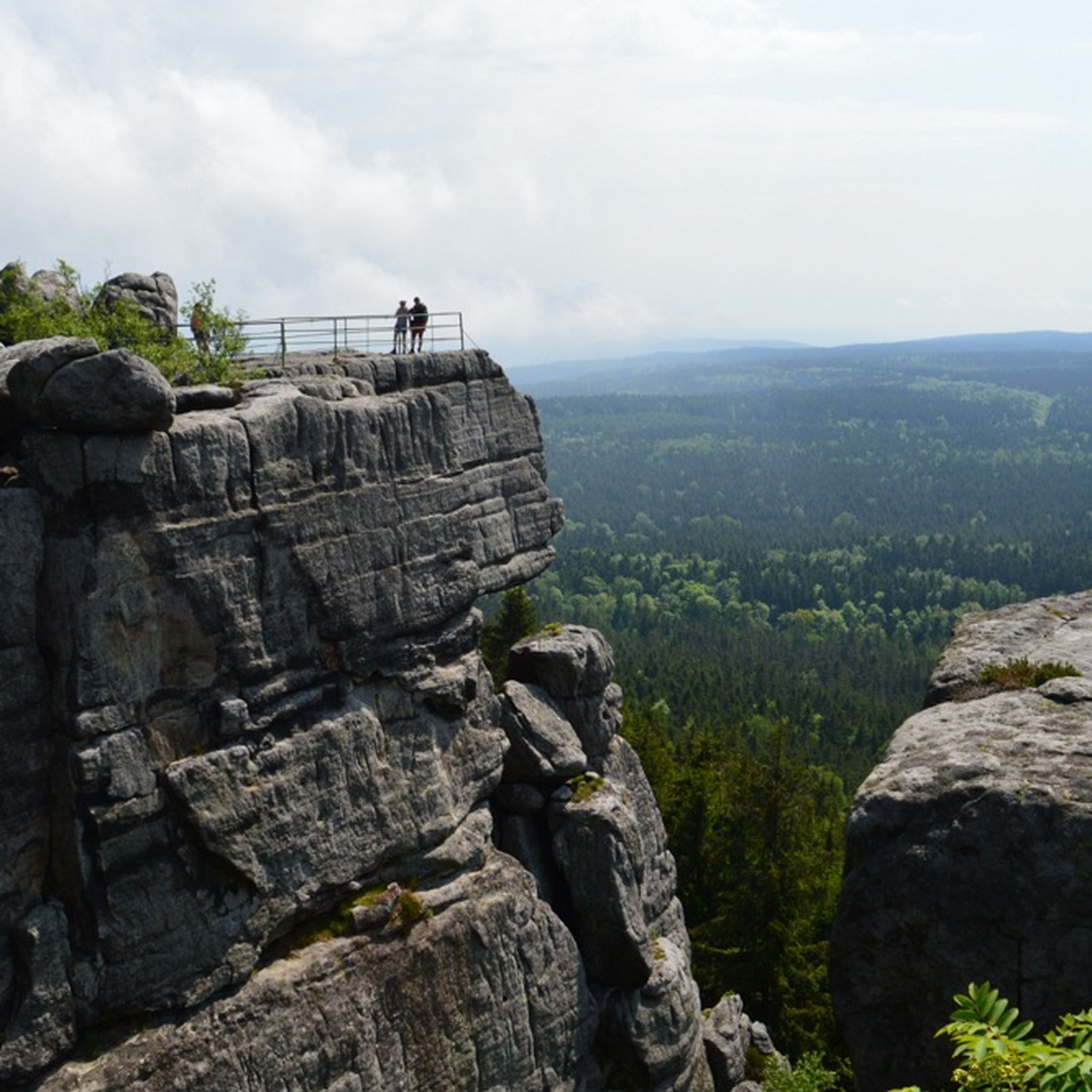
Hiking around powiat kłodzki
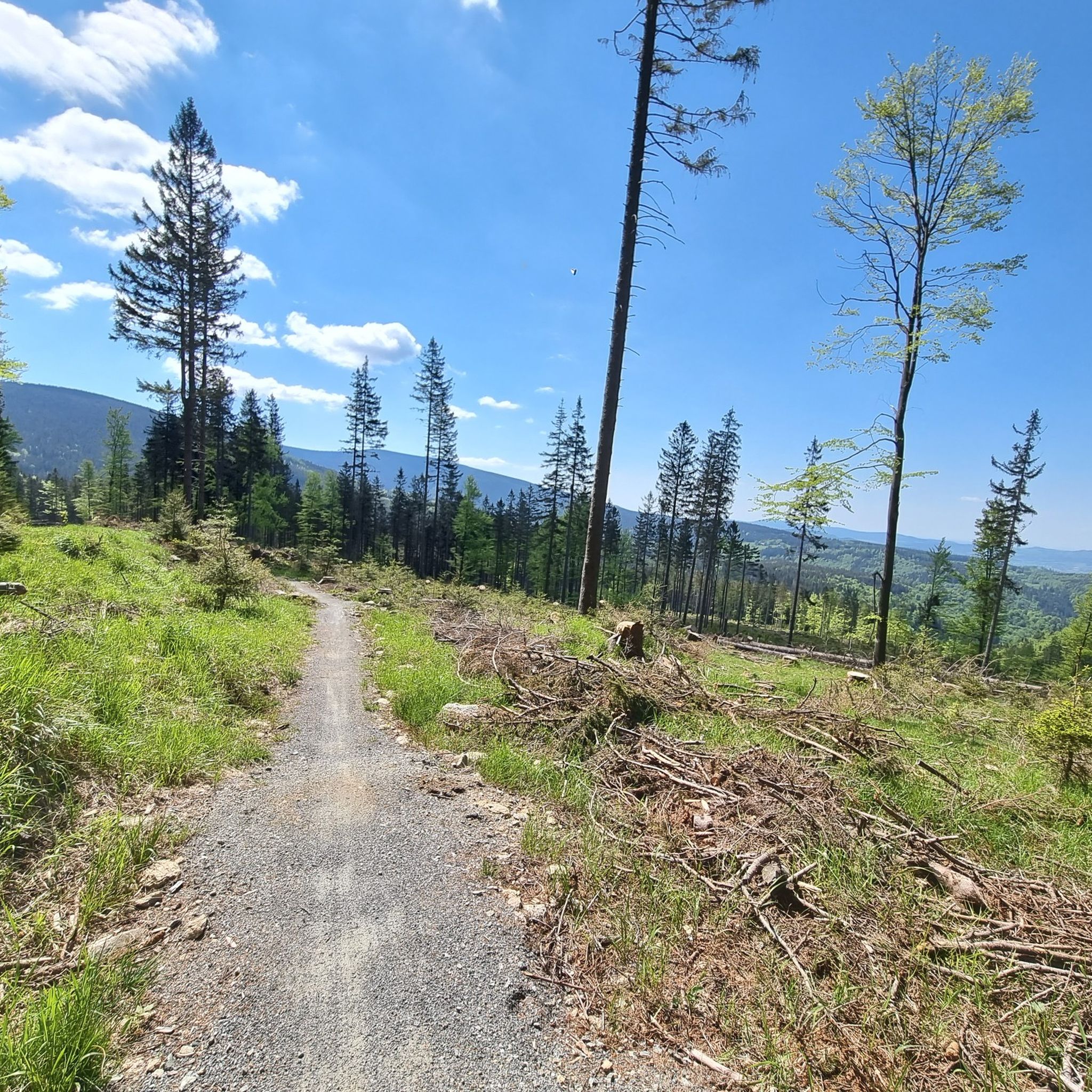
MTB Trails around powiat kłodzki
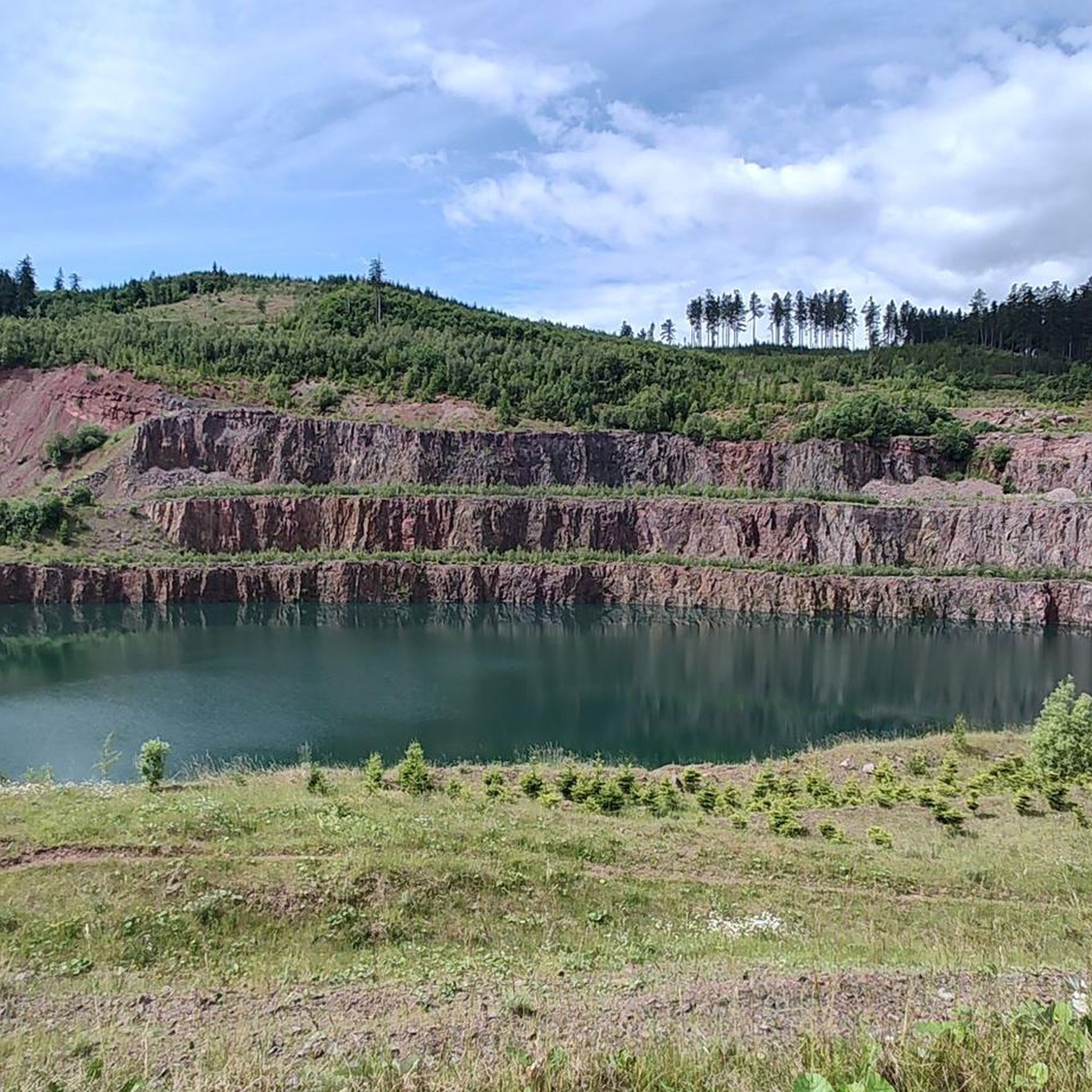
Cycling around powiat kłodzki
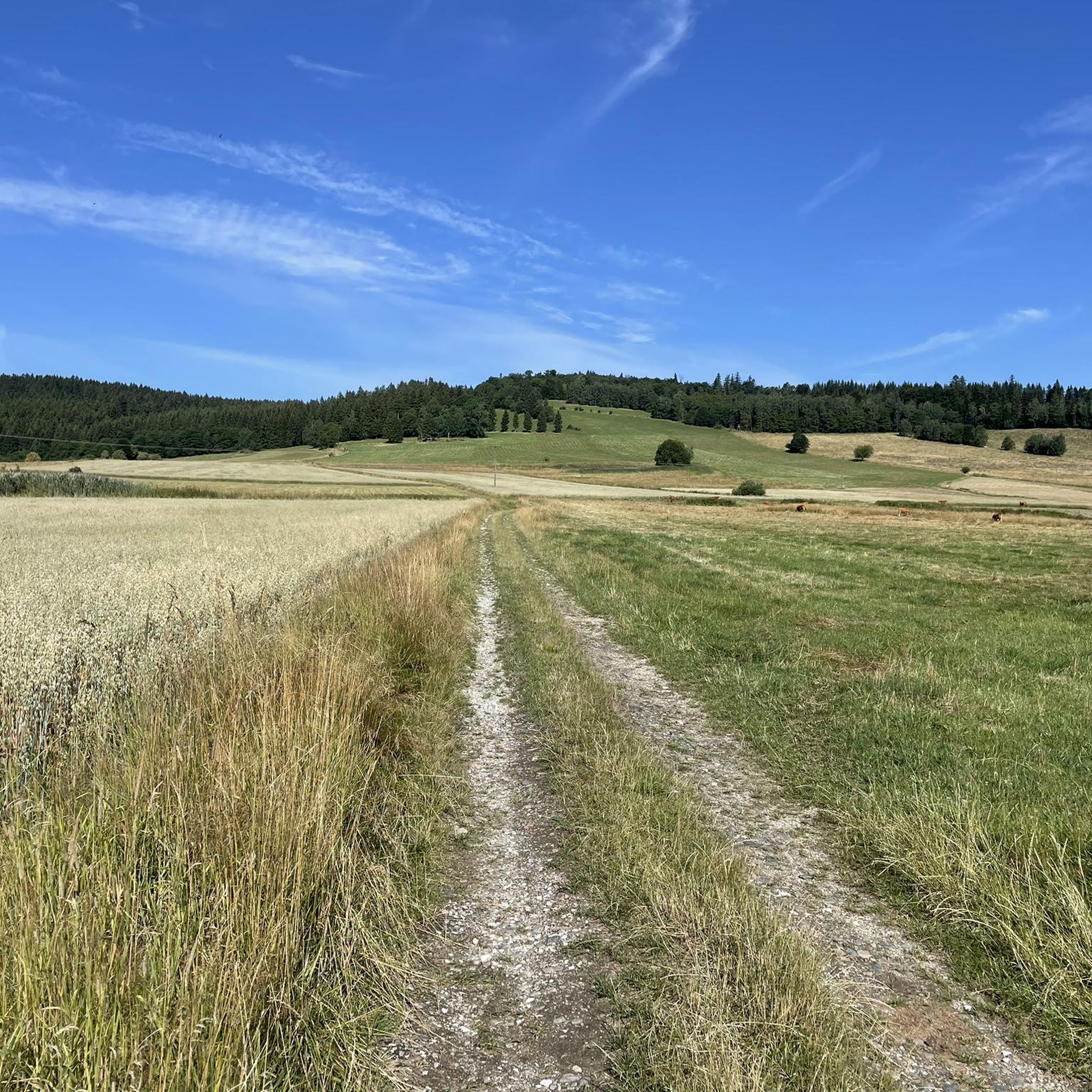
Running Trails around powiat kłodzki
Road Cycling Routes around powiat kłodzki
Mountain Hikes around powiat kłodzki
Other adventures around powiat kłodzki


Tips from the Community

Great hut with a super viewing terrace. Food & drinks recommended.
0
0

Schronisko Jagodna closed until May 6th 🤷🏻♂️
0
0

The first mention of the development of Śnieżnik Mountain dates back to 1809, when the owner of Międzygórze, Count Wilhelm von Magnis, built barns and shepherd's huts on the mountain pasture below Śnieżnik. In 1838, Międzygórze was purchased by Princess Marianna of Orange, the Lady of Kamieniec Ząbkowicki – daughter of the King of the Netherlands and wife of a Prussian prince. In 1840, she invited her father, King Wilhelm, with whom she reached the summit of Śnieżnik on July 20th. In 1869, the Duchess took over the land on the mountain pasture below Śnieżnik. She commissioned a highlander from Switzerland to build a Swiss mountain hut (Schweizerei am Schneeberg or Schweizerei auf dem Schneeberg) on the mountain pasture below Śnieżnik, which now forms the main part of the mountain hut. Construction was completed in 1871. The building initially served as a tourist inn, with 50 beds and a large dining hall. In the following years, the buildings were modernized several times. In 1872, utility rooms were built on the site of an old dairy farm. In 1880, a meteorological station was opened at the inn. In the 1930s, the inn had 30 beds. After World War II, the building stood empty until 1946. The dilapidated buildings were taken over by "Orbis," renaming it "Szwajcarka." In 1947, the Polish Tatra Mountain Shelter Board took over. The following summer, a shelter was opened, named "Na Śnieżniku" to distinguish it from the "Szwajcarka" shelter in Rudawy Janowickie. In 1950, the building became the property of the Polish Tourist and Sightseeing Society. At that time, the shelter had 63 beds. In the 1980s, the shelter was thoroughly modernized and renovated thanks to the efforts of its then-lessee, Zbigniew Fastnacht, who managed the facility from 1982 to 2001. After his death, in recognition of his achievements, the shelter was named after him.
1
1
The Wilczki Waterfall was formerly called Wodogrzmoty Żeromskiego (The Żeromski Waterfall). Years ago, the waterfall reached a height of approximately 27 meters, but after the great flood of 1997, the water eroded the artificially created 5-meter threshold, and now the water falls from a height of approximately 22 meters. Admission to the waterfall is free. However, the Wilczki Waterfall is not accessible to people with strollers or wheelchairs due to the numerous steps. Around the Wilczki Waterfall, there are viewing platforms from which you can admire the waterfall and its surroundings, as well as benches for walkers where you can sit, immersing yourself in the atmosphere of this extraordinary place and listening to the sound of the falling water. Above the waterfall itself, an iron bridge provides a beautiful view of the falling water.
1
1

The climb is not easy, but the view makes up for it.
7
0
Far-sightedness guaranteed in good weather, only the dirt of the other visitors trickles down on your head🤭
7
0

The highest waterfall in the Śnieżnik massif (22 meters tumbling into a cauldron) is a sight to behold (and listen to). Good trails offer numerous viewing points. There's also a restaurant right next door, so once you've admired and admired it, you can relax comfortably.
1
0

The PTTK "Jagodna" mountain shelter in Spalona is a charming place in the Bystrzyckie Mountains, nestled in an exposed clearing along the former Sudeten Highway. The building boasts over 120 years of history – from a tavern and inn, through a German Brandbaude, to today's tourist shelter. Today, it offers 57 beds, a buffet, a recreation room, and camping facilities. In winter, it houses a ski stadium and groomed cross-country trails.
1
0
Frequently Asked Questions
What are the most prominent natural landmarks in Powiat Kłodzki?
The region is renowned for its unique natural features. You can explore the rock formations of Szczeliniec Wielki (Great Szczeliniec), the highest peak of the Table Mountains, offering magnificent vantage points and a large natural rock labyrinth. Another must-see is Erroneous Rocks, a complex of peculiar sandstone formations creating a labyrinth of crevices. The Králický Sněžník Summit, the highest peak of the Kłodzko region, provides panoramic views of the entire Sudetes. Don't miss the stunning Wilczka waterfall in Międzygórze, one of the largest in the Sudetes.
Are there any historical castles or fortresses to visit in the area?
Yes, Powiat Kłodzki boasts significant historical fortifications. The Kłodzko Fortress is an impressive example of modern defensive architecture with vast bastions and underground corridors. Another notable site is the Srebrna Góra Fortress, a complex of six forts considered a unique cultural heritage object. You can also visit the restored Castle in Międzylesie and the historic Sarny Palace.
What family-friendly attractions are available in Powiat Kłodzki?
Families will find several engaging options. The Dinosaur Park in Karłów, the highest-located Dinosaur Park in Poland, features giant dinosaur models and a playground. Minieuroland - Miniature Theme Park in Kłodzko County offers miniatures for all ages. The Spa Park in Kudowa-Zdrój is also a pleasant spot for a family stroll, and the Toy Museum in Kudowa-Zdrój provides charming exhibits.
What outdoor activities and trails can I explore in the region?
The region offers diverse outdoor activities. For running enthusiasts, there are trails like the "Trojak Viewpoint – Rock Gate loop from Lądek-Zdrój" or the "Pośna Falls – Erroneous Rocks loop from Table Mountains National Park." Cyclists can enjoy routes such as the "Route Table Mountains - Cyklotrasa 4020 (loop from Polanica-Zdrój)." Hikers have options like the "Rock Sculpture Trail" or the "Main Sudetes Trail: Międzygórze to Śnieżnik." You can find more details on these and other routes on the Running Trails, Road Cycling Routes, and Hiking around powiat kłodzki guide pages.
When is the best time to visit Powiat Kłodzki for outdoor activities?
The best time for hiking and exploring natural attractions like the Table Mountains is typically from spring through autumn (April to October), when the weather is milder and trails are clear. For winter sports, Zieleniec Sport Arena is a popular destination. Some attractions, like the Kłodzko Fortress, are open year-round, but specific natural sites might have seasonal access or require early visits to avoid crowds, especially during peak summer months.
Are there any unique cultural or historical sites beyond castles and fortresses?
Yes, the region has several unique cultural sites. The Chapel of Skulls (Kaplica Czaszek) in Czermna is a macabre yet fascinating attraction adorned with thousands of human bones. You can also visit the Museum of Papermaking in Duszniki-Zdrój, the Gold Mine in Złoty Stok for an underground historical journey, or the Museum of Kłodzko Land in Kłodzko, housed in a baroque former Jesuit monastery.
Where can I find the best viewpoints in Powiat Kłodzki?
Powiat Kłodzki offers numerous stunning viewpoints. The summit of Králický Sněžník provides a panorama of the entire Sudetes. The Śnieżnik Observation Tower also guarantees far-reaching views on clear days. Additionally, the Viewpoint near Szczeliniec Wielki offers excellent perspectives of the surrounding area, including Kopa Śmierci and Zbója.
Are there any spa towns or wellness resorts in the region?
Powiat Kłodzki is well-known for its health resorts. Towns like Kudowa-Zdrój, Polanica-Zdrój, Lądek-Zdrój, and Duszniki-Zdrój are renowned for their mineral waters and healing properties. These towns often feature beautiful spa parks, such as the Spa Park in Kudowa-Zdrój, offering relaxing environments.
What are some lesser-known or 'hidden gems' in Powiat Kłodzki?
Beyond the main attractions, consider visiting the Niedźwiedzia Cave (Bear Cave) in Kletno, considered one of Poland's most beautiful caves due to its stunning dripstone formations. The Gothic Bridge in Kłodzko, reminiscent of Prague's Charles Bridge, is also a charming historical detail. For a glimpse into regional architecture, the "Gottwaldówka" Historic Farmstead showcases 19th-century village life.
What kind of accommodation options are available near the main attractions?
Accommodation varies from mountain hostels to hotels and guesthouses. You can find mountain shelters like PTTK shelter "Na Śnieżniku" or PTTK Jagodna mountain hostel, which often include restaurants and facilities. Spa towns also offer a range of hotels and sanatoriums. For specific areas like the Śnieżnik Massif or Table Mountains, there are various options in nearby towns and villages.
Are there any attractions related to water or waterfalls?
Yes, the region features beautiful water attractions. The Wilczka waterfall in Międzygórze is the highest waterfall in the Kłodzko region, falling from a 21-meter rocky threshold. Additionally, the Radków Lagoon is a popular spot for tourists, offering recreational opportunities by the water.
What is the significance of the Śnieżnik Massif?
The Śnieżnik Massif is a significant natural area. It is home to Śnieżnik (Králický Sněžník Summit), the highest peak of the Kłodzko region, offering extensive panoramas. The massif also includes Czarna Góra, a prominent peak visible from much of Kłodzko Land, which transforms into a modern ski resort in winter. Trójmorski Wierch, another peak in the massif, is unique for marking the division of three major European drainage basins.
Most popular routes around powiat kłodzki
Most popular attractions around powiat kłodzki

Get inspired with the komoot mobile app


Didn’t find what you were looking for?
Are you keen on exploring more awesome places nearby? Browse our guides:
Explore more
Still not found the Highlight you’re looking for? See guides of the top attractions in other regions:
