Attractions and Places To See around powiat lwówecki - Top 20
Best attractions and places to see around powiat lwówecki, a region in southwestern Poland's Dolnośląskie Voivodeship, offers a diverse landscape. Situated between the Bóbr and Kwisa Valleys, it includes parts of the Kaczawskie and Jizera Foothills and Mountains. The area is characterized by significant natural features, including impressive rock formations and protected valleys, alongside numerous historical sites. This blend of natural beauty and cultural heritage provides a variety of exploration opportunities.
Best attractions and places to see around powiat lwówecki
…Last updated: October 18, 2026
Mountain Lodge
Highlight • Mountain Hut
Translated by Google •
Tip by

Chatka Górzystów Mountain Hut
Highlight • Mountain Hut
Translated by Google •
Tip by

Sign up now to discover places like this
Get recommendations on the best single tracks, peaks, & plenty of other exciting outdoor places.
Vulture Mountain (Geierstein)
Highlight • Summit
Translated by Google •
Tip by

Lwówek Śląski Town Hall
Highlight • Monument
More information: de.wikipedia.org/wiki/Lw%C3%B3wek_%C5%9Al%C4%85ski#Sehensw%C3%BCrdheiten
Translated by Google •
Tip by

Saint Wolfgang's Spring
Highlight • Natural Monument
Translated by Google •
Tip by

Wleń Castle Ruins
Highlight • Castle
Translated by Google •
Tip by
Assumption of the Blessed Virgin Mary Parish Church, Lwówek Śląski
Highlight • Religious Site
More information: de.wikipedia.org/wiki/Lw%C3%B3wek_%C5%9Al%C4%85ski#Sehensw%C3%BCrdigkeiten
Translated by Google •
Tip by
Łupki Palace
Highlight • Castle
Translated by Google •
Tip by
St. Michael the Archangel Church, Włodzice Wielkie
Highlight • Religious Site
Translated by Google •
Tip by

Brunów Palace
Highlight • Castle
Translated by Google •
Tip by

Sign up for free to discover even more attractions around powiat lwówecki.
Already have an account?
Start today with a free account
Your next adventure awaits.
Popular around powiat lwówecki
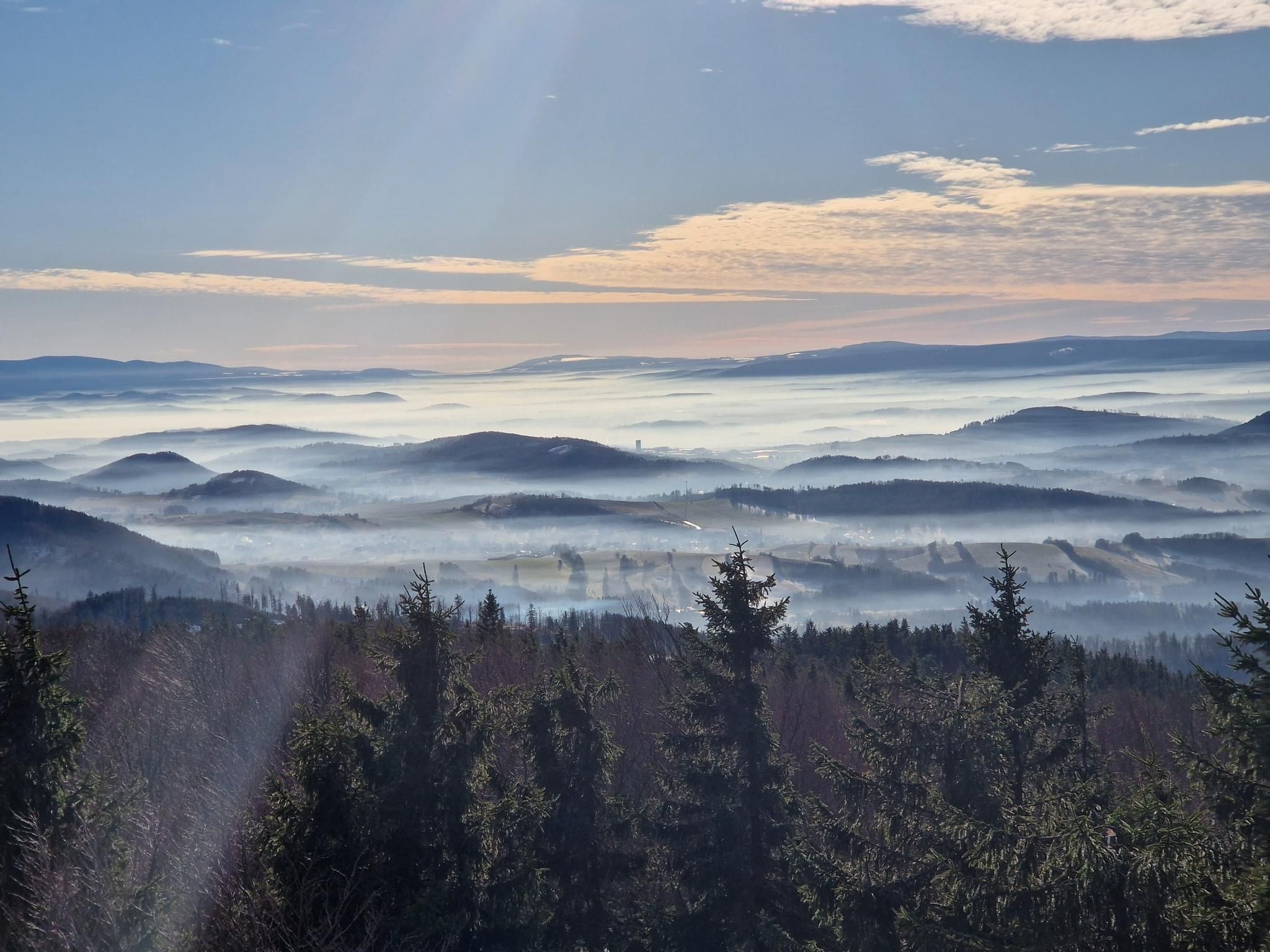
The Main Sudeten Route – a great Polish mountain adventure
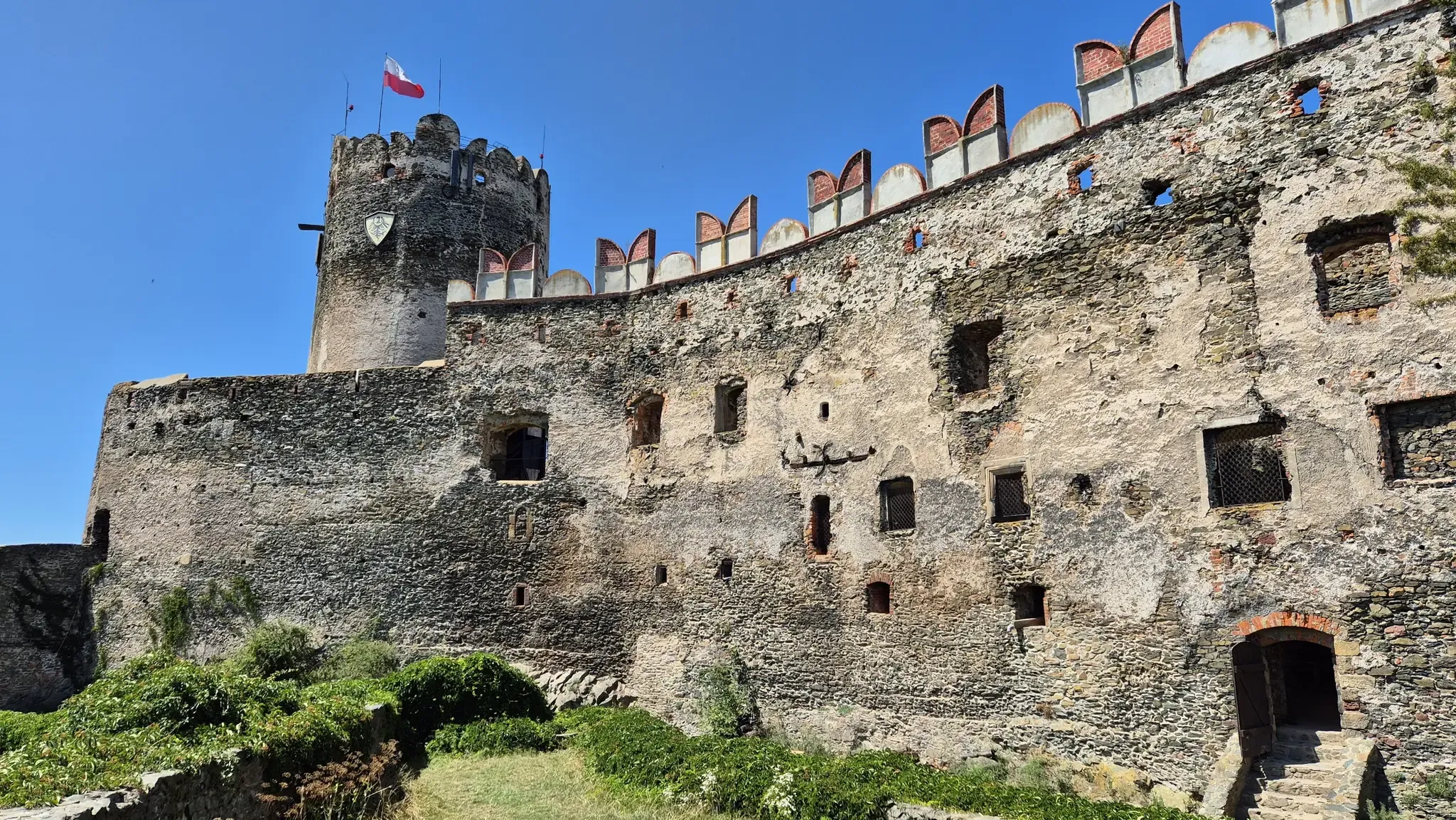
Piast Castles Trail – Great strongholds of Sudety
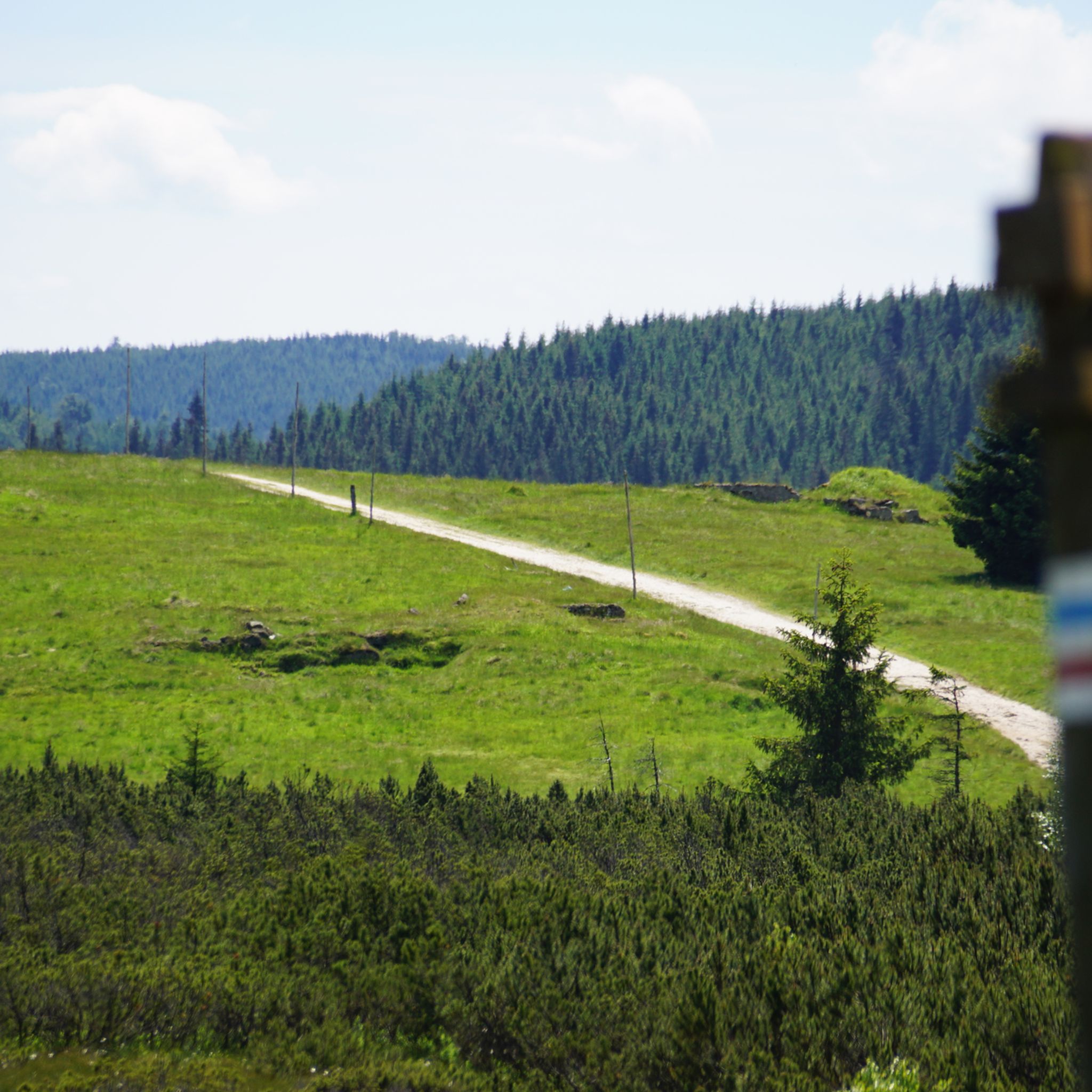
Hiking around powiat lwówecki
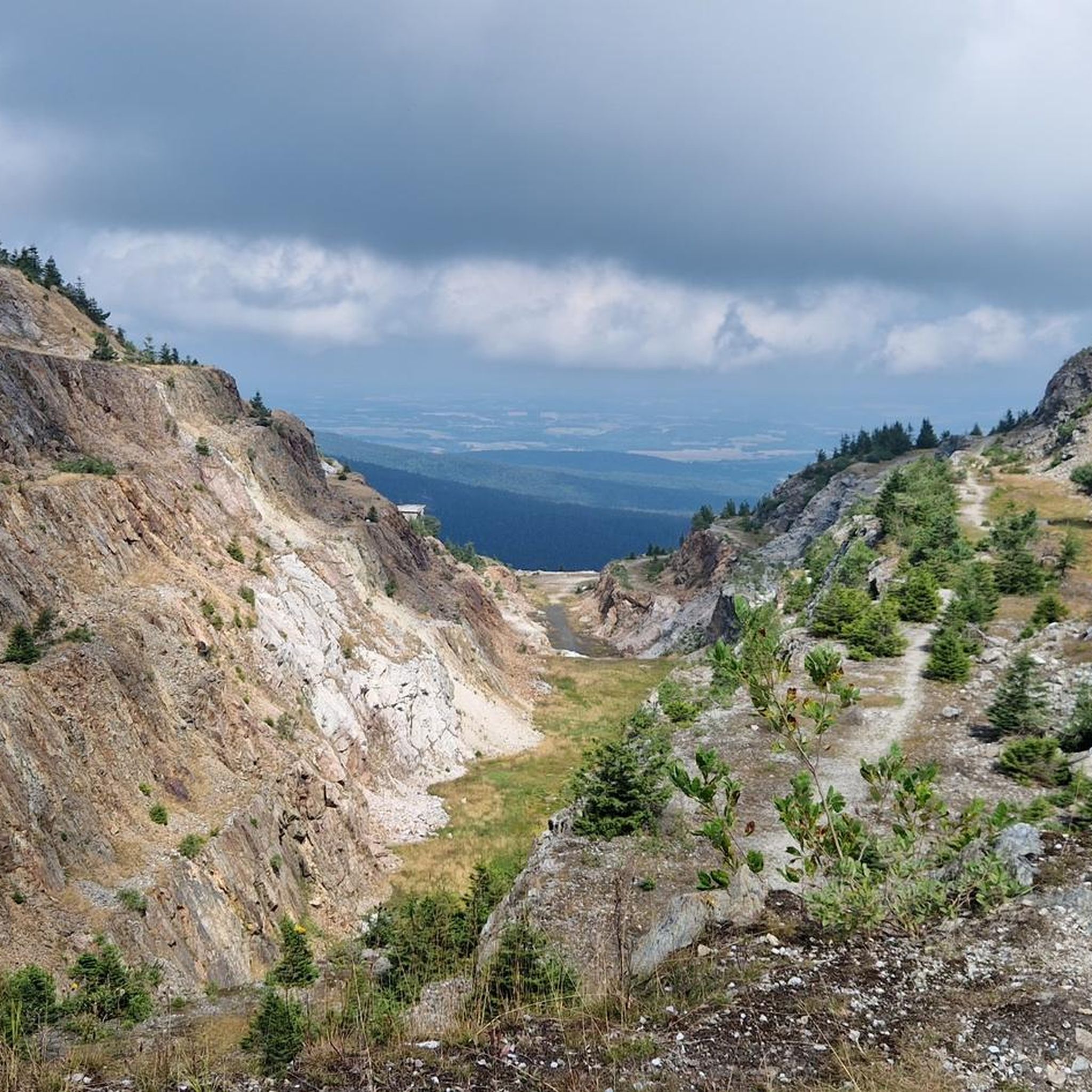
Cycling around powiat lwówecki
Road Cycling Routes around powiat lwówecki
Mountain Hikes around powiat lwówecki
MTB Trails around powiat lwówecki

Gravel biking around powiat lwówecki
Running Trails around powiat lwówecki

Tips from the Community

Such a beautiful spot on Sepia Gora, the view is fantastic
0
0

The building was built in 1750 in the Baroque style with neo-Baroque and Classicist elements.
0
0

The Parish Church of the Assumption of the Blessed Virgin Mary in Lwówek Śląski is an impressive church with a long history. It is the city's most important religious building and significantly shapes the cityscape. The church is known for its beautiful architecture, which incorporates both Gothic and Baroque elements. It has been expanded and restored several times over the centuries, underscoring its historical significance. The church is not only a place of worship but also a popular destination for visitors who appreciate its ornate furnishings and historic atmosphere.
2
0
The town hall in Lwówek Śląski is an impressive historic building in the heart of the city. Located on the market square, it is a fine example of medieval and Renaissance architecture. The town hall has been rebuilt and restored several times over the centuries, giving its appearance a unique charm. Today, it often serves as a symbol of the city and sometimes hosts cultural events or exhibitions. If you visit the city, the town hall is definitely a highlight you shouldn't miss!
3
0

Saint Wolfgang's Spring Saint Wolfgang's Spring (known as Wolf's Spring) was worshipped in pre-Christian times as water that was believed to have miraculous properties. At the beginning of the Christianization of the Sudetes, the spring was attributed to Saint Wolfgang. There are many legends and tales associated with the spring. One of them says that it was the saint who drank from the spring while walking along a nearby path, while another - probably much earlier - says that a witch cast spells on the spring, depriving it of its magical properties. Saint Wolfgang, the patron saint of shepherds, among others, was sent from Germany to Hungary as the most suitable person to evangelize the local people. Who knows, maybe he also stopped by Querbach (Przecznica) and Gierhen (Gierczyn) on his way? Either way - the water is delicious. I have not determined whether it has magical properties, but it is very cold and tasty. In the 19th century, the spring flowing from the rocks was enclosed in blocks of granite gneiss and a name was put on it. The name "wolfram spring" or even St. Wolfram's spring is also used (probably due to the cobalt and wolfram deposits occurring in the region along with tin).
0
0

The church was founded by Duke Henry I the Bearded in 1238. A chapel was added in 1444. As a result of a fire in 1752, the vaults collapsed, which were replaced by a ceiling. Today it is a valuable monument of Gothic architecture with a distinct Romanesque accent, especially in the form of two towers on the side of the entrance.
0
0

Iconic place for their pancakes. But be prepared for a looooong queue :)
1
0

Chatka Górzystów is perhaps best known for its incredible blueberry pancakes—that's unusual! This is, of course, the main spot on Jizerska Łąka. The building used to be a school, but now it's a mountain hut. You'll get food here and a good night's sleep—the conditions are basic, but you won't get cold or hungry!
1
0
Frequently Asked Questions
What natural attractions should I visit in Powiat Lwówecki?
The region offers diverse natural beauty. Don't miss Stanisław Quartz Quarry, an impressive old quarry with unique geological features. You can also explore Szwajcaria Lwówecka (Lwówek Switzerland) for its sandstone rock formations, or the expansive Bóbr Valley Landscape Park. The Izera Valley Peat Bogs Nature Reserve is also a significant natural area, protecting valuable peat bogs and endangered species.
What historical sites and castles can I explore in the region?
Powiat Lwówecki is rich in history. You can visit the ruins of medieval castles like Wleń Castle Ruins, considered the oldest secular building in Silesia. Other historical sites include Gryf Castle and Podskale Castle ruins. For a glimpse into the past, consider visiting the Knight's Residential Tower in Rakowice Wielkie or the intriguing ruined manor in Radłówka.
Are there any unique geological formations to see?
Yes, the region is known for its distinctive geological features. Szwajcaria Lwówecka (Lwówek Switzerland) near Lwówek Śląski boasts impressive sandstone rock formations and picturesque rock labyrinths. Another notable site is Panieńskie Skały (Maiden Rocks), smaller sandstone formations steeped in local legend.
What are some notable architectural landmarks in Lwówek Śląski?
In Lwówek Śląski, the Town Hall is an impressive historic building showcasing medieval and Renaissance architecture. The Parish Church of the Assumption of the Blessed Virgin Mary, founded in 1238, is another significant structure with Gothic and Baroque elements. You can also explore remnants of the town's defensive walls.
Are there family-friendly attractions in Powiat Lwówecki?
Several attractions are suitable for families. The Lwówek Śląski Town Hall and its surrounding market square offer an interesting historical experience. The Saint Wolfgang's Spring is a peaceful natural spot with local legends. Additionally, Brunów Palace, now a hotel and restaurant, provides a historical setting that families can enjoy.
Where can I find panoramic views of the Jizera foothills?
For stunning panoramic views, head to Vulture Mountain (Geierstein). This summit offers excellent vistas of the Jizera foothills and provides two distinct paths to the top, catering to different hiking preferences.
What is the significance of the Pilchowice Dam?
The Pilchowice Dam is a significant engineering marvel on the Bóbr River. Once the largest in Poland, this nearly 70-meter high dam was constructed between 1906 and 1912. It features a notable truss bridge over Lake Pilchowickie, which was one of Poland's highest railway bridges at the time of its construction.
Are there any interesting natural springs with local legends?
Yes, the Source of St. Wolfgang is a natural spring with a rich history and local legends. Its waters, believed to have miraculous properties in pre-Christian times, have been collected in granite-gneiss blocks since the 19th century. It's a quiet and refreshing spot to visit.
What outdoor activities can I do near these attractions?
The region is excellent for outdoor activities. You can find various hiking trails, including easy options like the Lwówek Switzerland loop or the Mountain Lodge loop. For more challenging hikes, explore routes around Pilchowice Dam. Mountain biking is also popular, with trails like the Singltrek Pod Smrkem loop or routes around the Pilchowice Dam and Bóbr Valley Landscape Park. You can find more details on specific routes in the waterfall hikes, easy hikes, and MTB trails guides for Powiat Lwówecki.
Where can I find unique accommodation or dining experiences?
For unique experiences, consider Mountain Lodge (Chatka Górzystów) in the Izera Meadow, a former school building now a popular mountain hut famous for its blueberry pancakes and basic accommodation. Łupki Palace operates as a guesthouse, and Brunów Palace functions as a hotel and restaurant, offering a blend of history and hospitality.
What do visitors enjoy most about Powiat Lwówecki?
Visitors particularly appreciate the region's blend of natural beauty and historical significance. The impressive Stanisław Quartz Quarry is often highlighted for its unique views. The panoramic vistas from Vulture Mountain are also a favorite. Many enjoy the rustic charm and famous blueberry pancakes at Mountain Lodge, making it a popular resting point for explorers.
Are there any significant religious buildings to visit?
Yes, the region has several historical churches. The Parish Church of the Assumption of the Blessed Virgin Mary in Lwówek Śląski is a prominent example, showcasing centuries of architectural evolution. Another historical church worth visiting is St. Michael the Archangel Church in Włodzice Wielkie.
Most popular routes around powiat lwówecki
Most popular attractions around powiat lwówecki

Get inspired with the komoot mobile app


Didn’t find what you were looking for?
Are you keen on exploring more awesome places nearby? Browse our guides:
Explore more
Still not found the Highlight you’re looking for? See guides of the top attractions in other regions:
