Attractions and Places To See around Biłgoraj - Top 20
Best attractions and places to see around Biłgoraj offer a blend of cultural heritage and natural landscapes in Poland's Lublin region. The area features extensive forests and traditional architecture, providing diverse exploration opportunities. Visitors can discover historical sites, unique natural reserves, and recreational spots.
Best attractions and places to see around Biłgoraj
- The most popular attraction is Echo Ponds Beach, a natural monument with a beach. This complex of four ponds is located in the Roztocze National Park and offers opportunities for swimming and walking.
- Another must-see spot is Zwierzyniec Brewery, a historical site. This historic brewery from the early 19th century is open to visitors for tours and tastings.
- Visitors also love Zamoyski Paper Mill Ruins, a man-made monument. These ruins are the remains of a large 17th-century industrial plant that once produced a significant portion of paper in the Lublin Governorate.
- Biłgoraj is known for its historical sites, religious buildings, and natural features. The region offers a variety of attractions to see and explore, from ancient mills to unique chapels and nature reserves.
- The attractions around Biłgoraj are appreciated by the komoot community, with 288 upvotes and 72 photos shared by visitors.
Last updated: October 18, 2026
Zwierzyniec Brewery
Highlight • Historical Site
Translated by Google •
Tip by

Zamoyski's Summer Residence in Zwierzyniec
Highlight • Historical Site
Opposite the summer residence, he and his wife Teresa had the church known as Saint-Jean Népomucène built. The residence is today a spa resort. You can taste local beers and rent bikes there.
Translated by Google •
Tip by

Sign up now to discover places like this
Get recommendations on the best single tracks, peaks, & plenty of other exciting outdoor places.
Zamoyski Paper Mill Ruins
Highlight • Monument
Translated by Google •
Tip by

Echo Ponds Beach
Highlight • Beach
Translated by Google •
Tip by

Church of Saint Stanislaus the Bishop and Martyr in Górecko Kościelne
Highlight • Religious Site
Its history dates back to the 17th century and is associated with the cult of St. Stanislaus, bishop and martyr, who appeared to a young farmer, Jan Socha, and indicated the places where chapels and a church were to be built.
Upon hearing of the extraordinary graces that the people experienced at the place of the apparition, Ordynat Marcin Zamojski ordered a chapel to be built in honor of St. Stanislaus, as well as a church, which was unfortunately burned down by the Swedes.
The new temple was built in 1768. Beautifully situated among old trees, the temple captivates with its beauty and simplicity.
In 1968, Cardinal Karol Wojtyła donated authentic relics, a bit of St. Stanislaus' bones, to the church in Górecko Kościelne.
Translated by Google •
Tip by

Chapel on the Water (Kaplica na Wodzie)
Highlight • Religious Site
Translated by Google •
Tip by

Zamość Estate Administration Building
Highlight • Historical Site
Translated by Google •
Tip by

Czartowe Pole Nature Reserve
Highlight • Forest
Translated by Google •
Tip by

WIR Partisan Bunker
Highlight • Historical Site
Lieutenant "WIR" was the author of the plan that went down in history as the "Battle of Osuchami" - the largest partisan battle of the AK units. The dugout was created thanks to members of the Historical Reconstruction Group, who decided to rebuild this place.
Konrad Bartoszewski, alias "Wir", "Zadora", "Łada", lieutenant of the AK, writer (born July 5, 1914 in Baranówka in Volhynia, died April 21, 1987 in Lublin) - commander of a partisan unit operating near Józefów (Biłgoraj district) during World War II. He studied Polish studies at the University of Warsaw. Participant of the September Campaign, he ended his fight on September 24 near Tomaszów Lubelski. After the defeat of the campaign, he settled in Józefów, in the area where he began his underground activity in the Home Army. He became the commander of the Józefów District, his unit fought many battles with the Germans. On February 25, 1943, he was arrested, but after a daring action, he was rescued by the unit of Czesław Mużacz, pseudonym "Selim". The next day, in retaliation, the Germans publicly shot Bartoszewski's family - parents Janina and Wacław and sister Wienisława.
In the Sturmwind II action, he was the commander of the Home Army partisan group and the author of the battle plan for Osuchy. He survived as one of the few Polish commanders taking part in this battle. After the Red Army entered Poland, he and his unit did not surrender. On January 28, 1945, he attacked the UB-NKVD prison in Biłgoraj and rescued imprisoned members of the Home Army. The unit was disbanded in August 1945. Bartoszewski himself settled in Warsaw; he came out in 1945. In 1952 he was arrested, in 1955 he was released due to poor health. In 1969 he received a doctorate in humanities from the University of Wrocław.
Translated by Google •
Tip by

Historic Border Crossing on the Tanew River
Highlight • Historical Site
Patriotic activists and smugglers crossing the border used an illegal route through Tanew to Rebizants located on the Galician side. The border was heavily guarded, especially on the Russian side. Only the ordynat foresters had free access to the forest between this road and the border, who smuggled banned publications and led independence activists through this route.
In June 1901, Józef Piłsudski, who had escaped from the prison hospital in St. Petersburg, was led across the border along this route.
Translated by Google •
Tip by
Sign up for free to discover even more attractions around Biłgoraj.
Already have an account?
Start today with a free account
Your next adventure awaits.
Popular around Biłgoraj
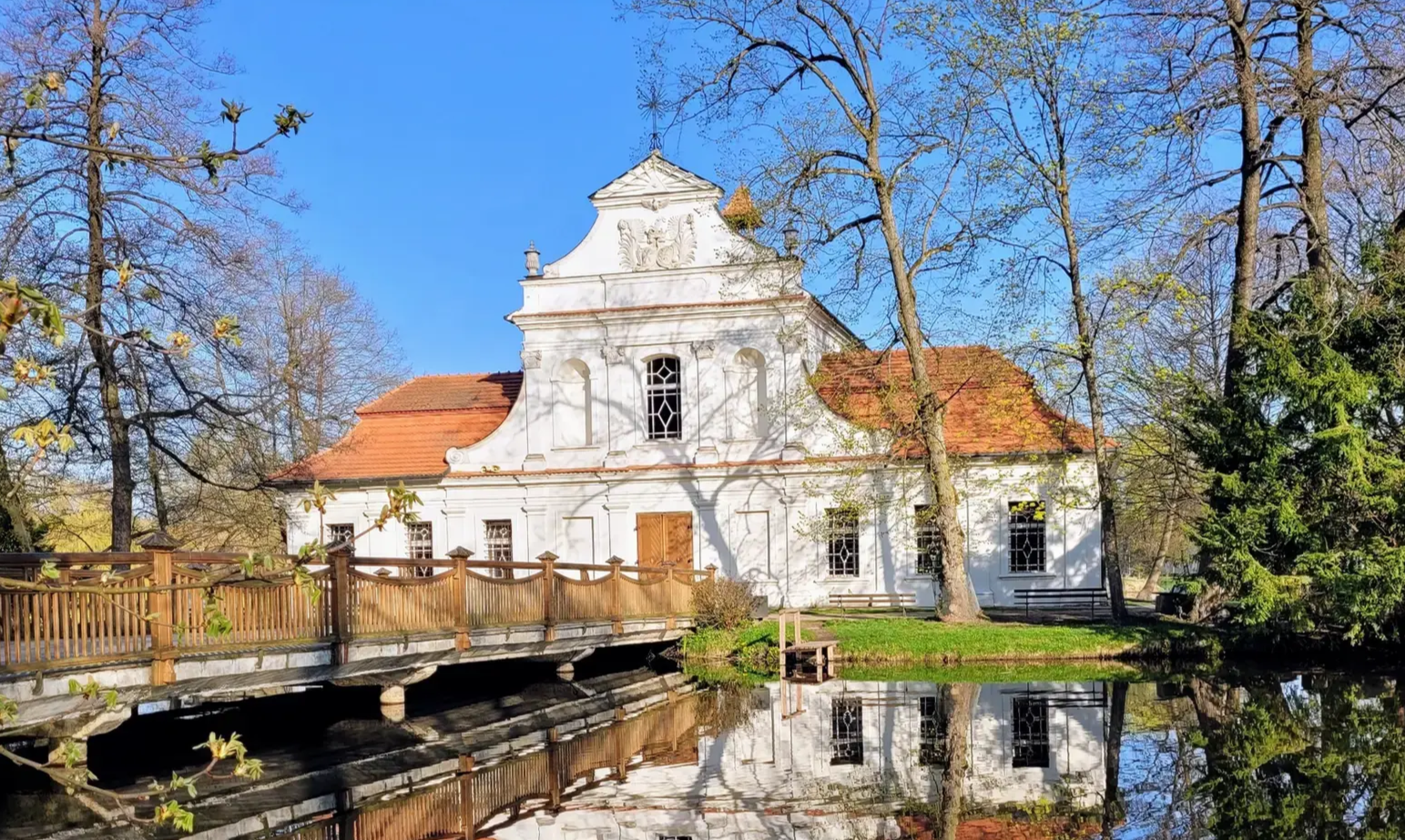
Central Roztocze Trail - beautiful forests and magnificent monuments
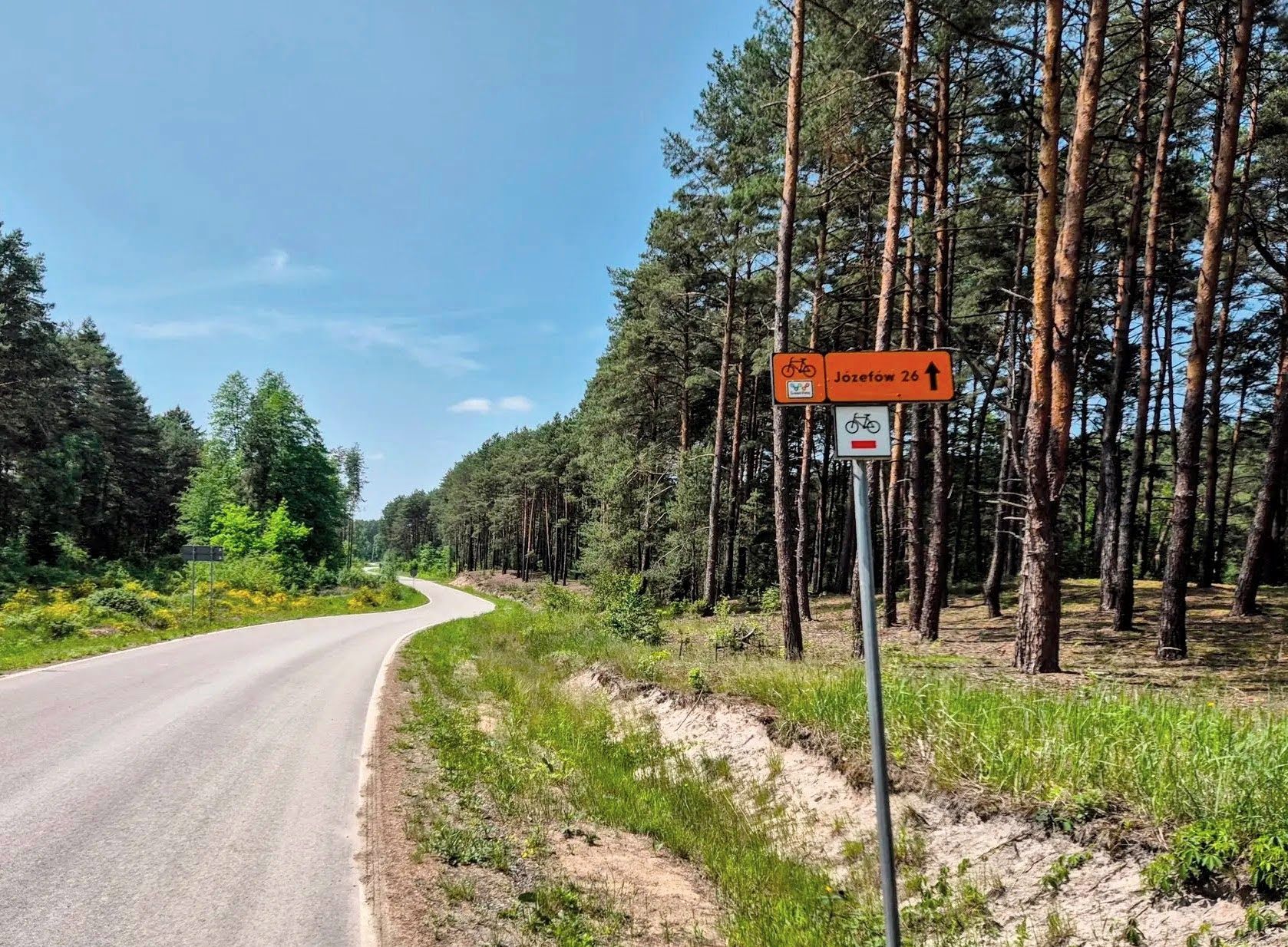
Mosaic of Landscapes and Cultures - Central Cycling Trail Roztocze
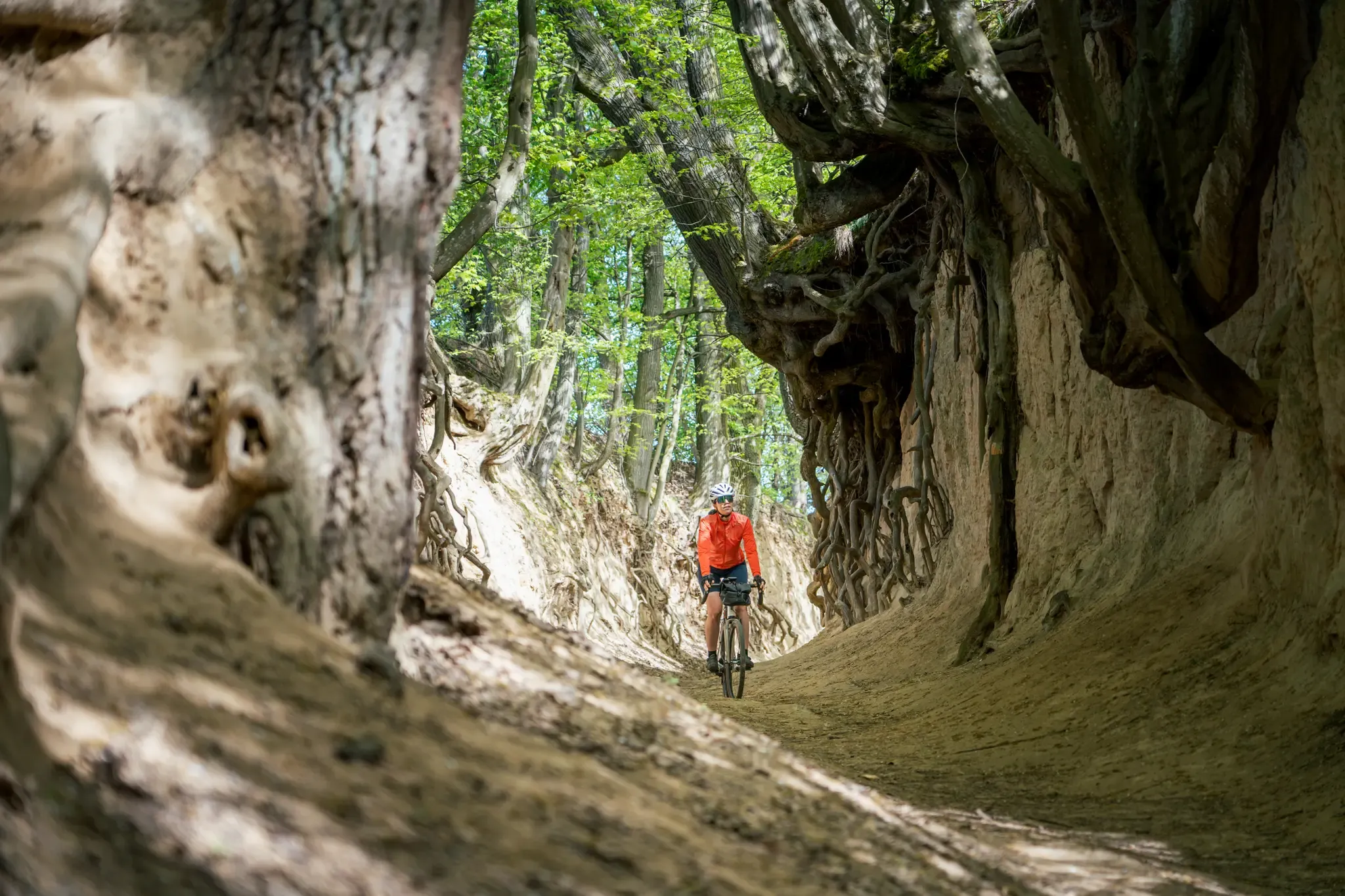
Ancient trees & historic cities – gravel biking in south-eastern Poland
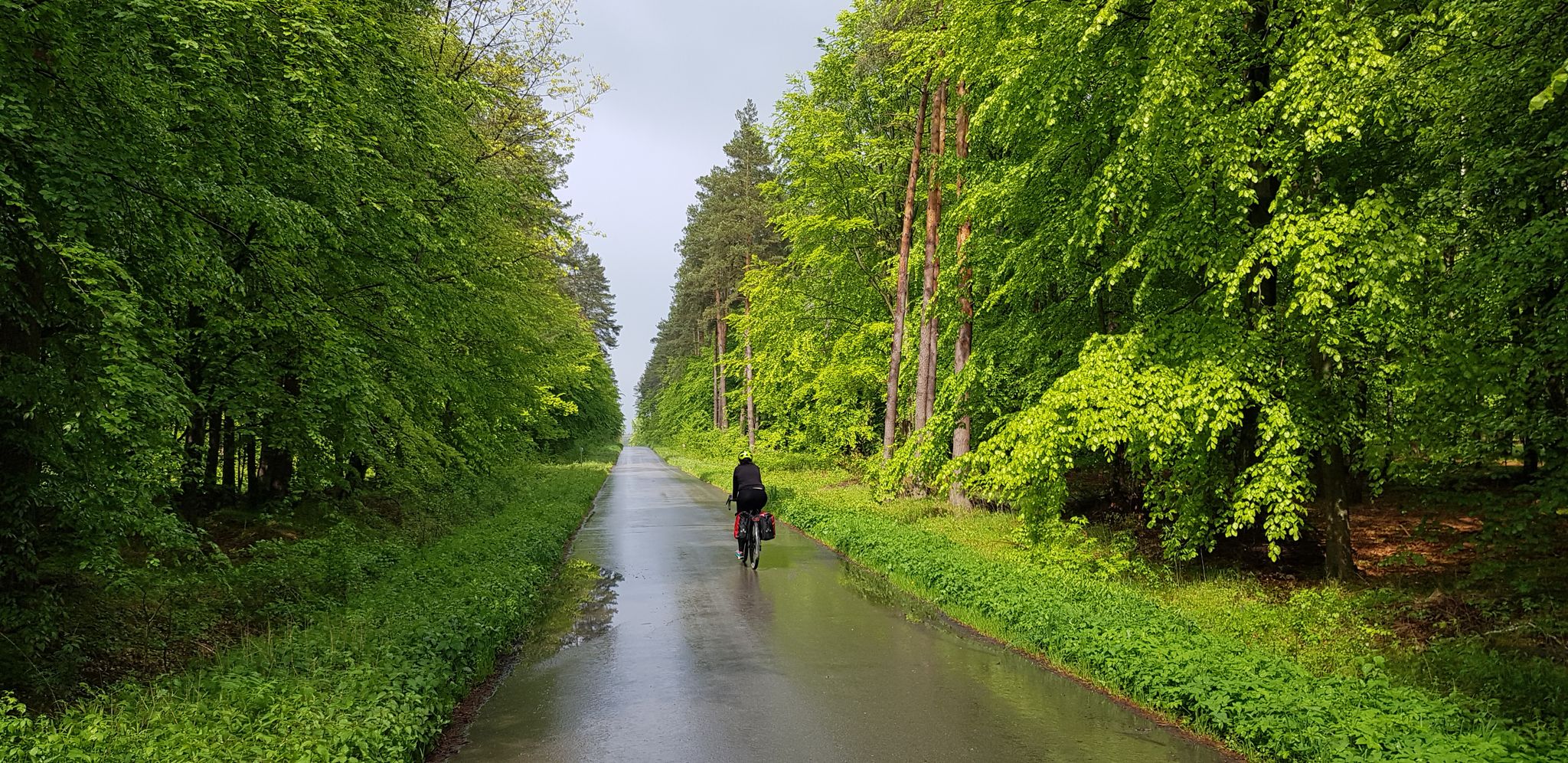
To the east, Eden – La Green Velo Szlak (part one)
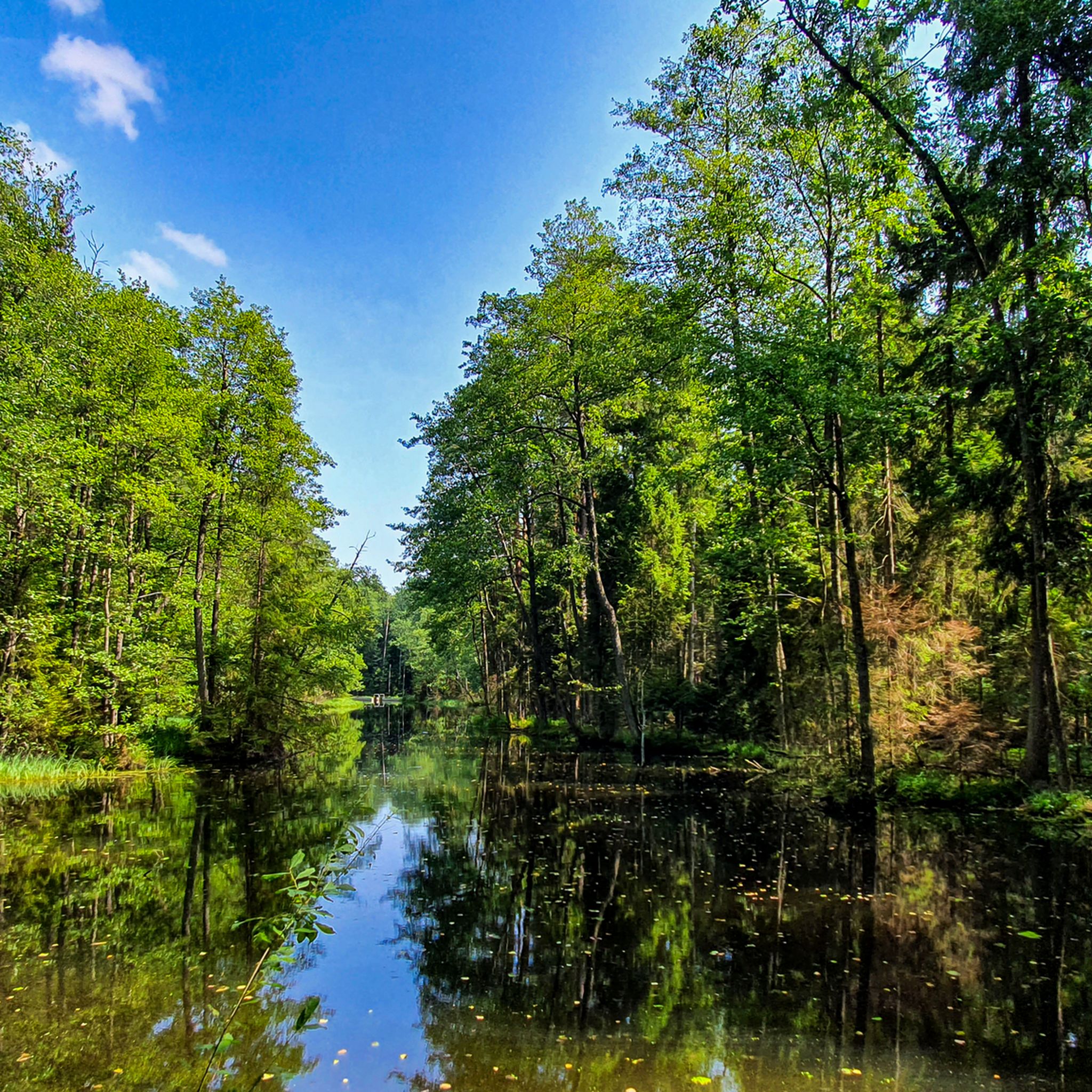
Hiking around Biłgoraj
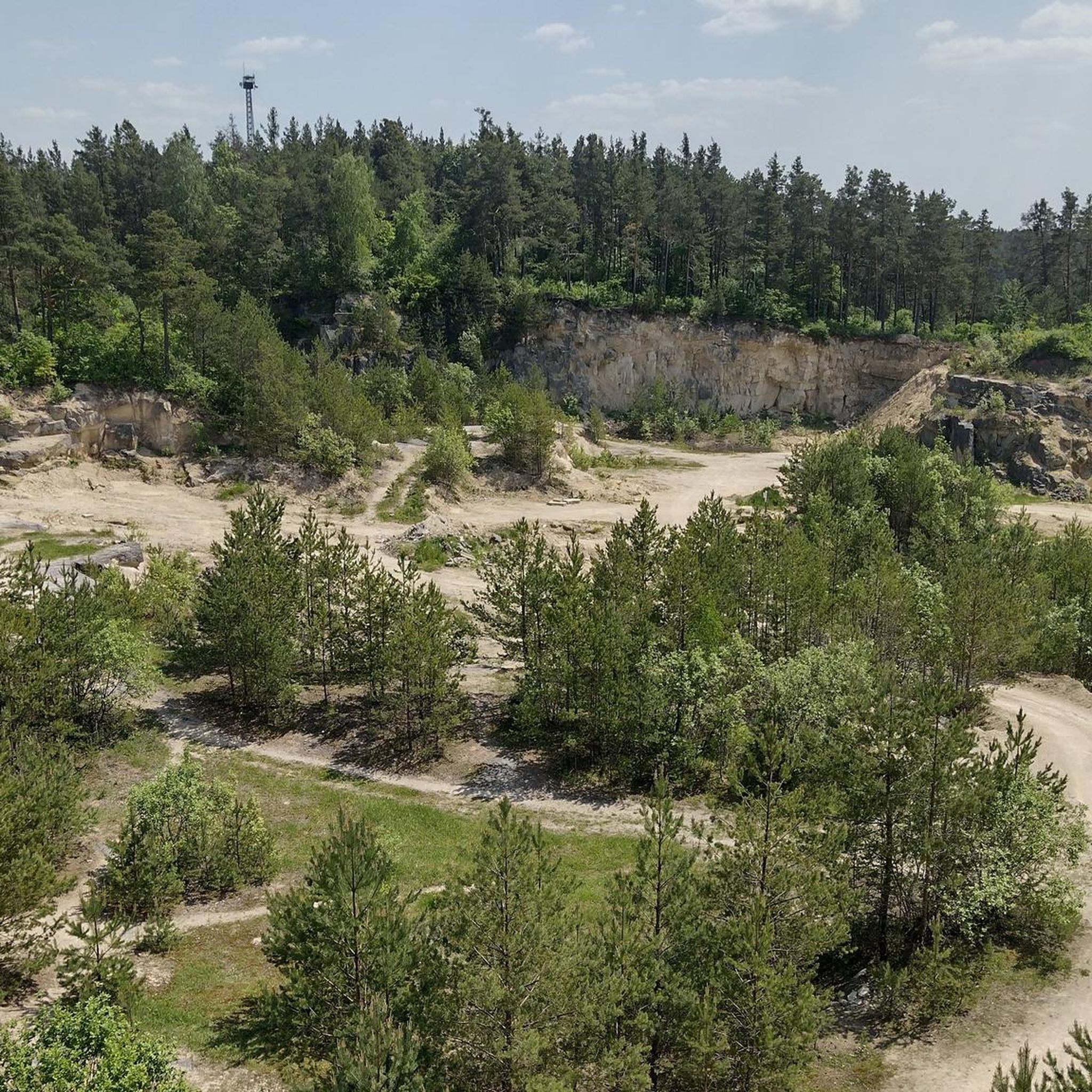
Cycling around Biłgoraj
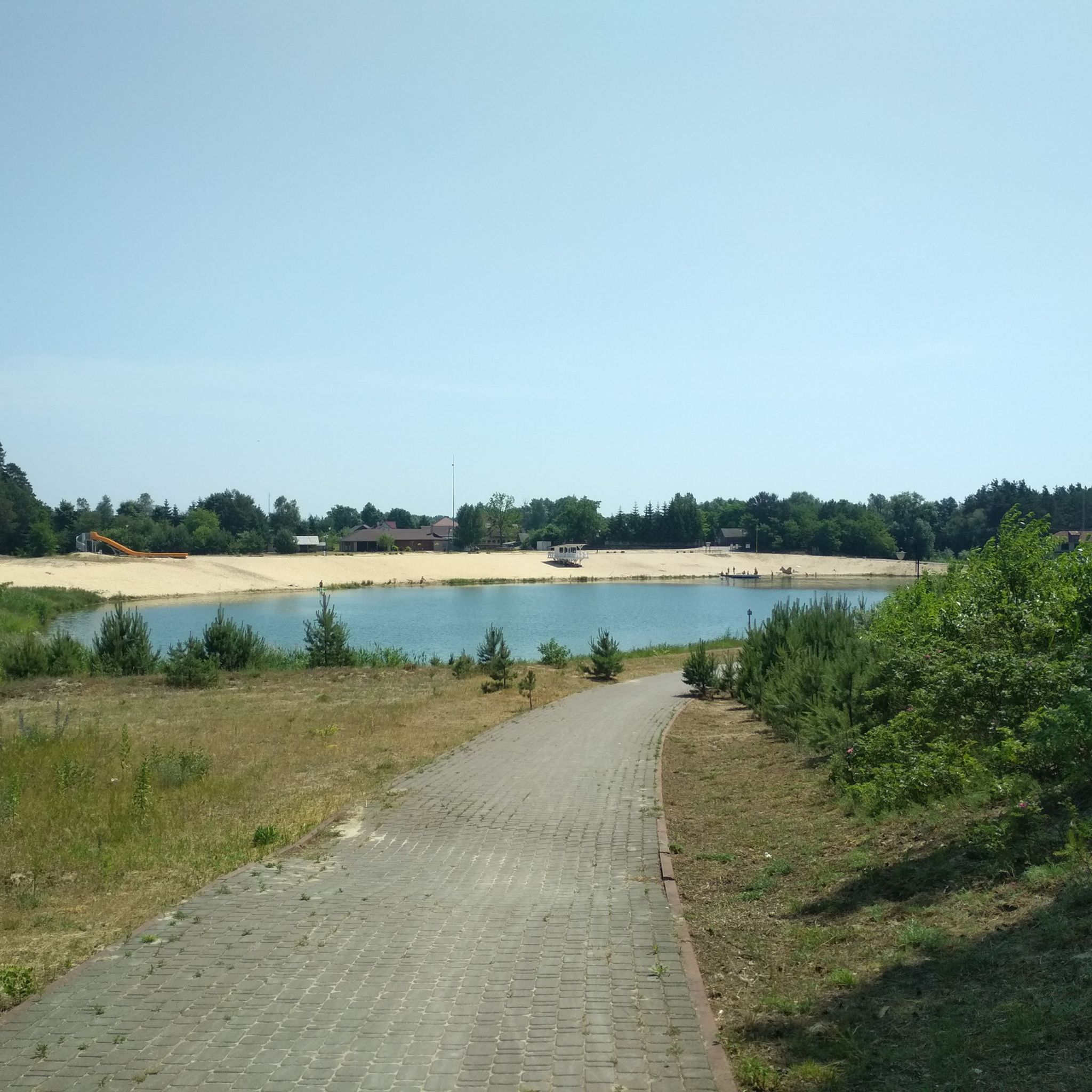
Road Cycling Routes around Biłgoraj
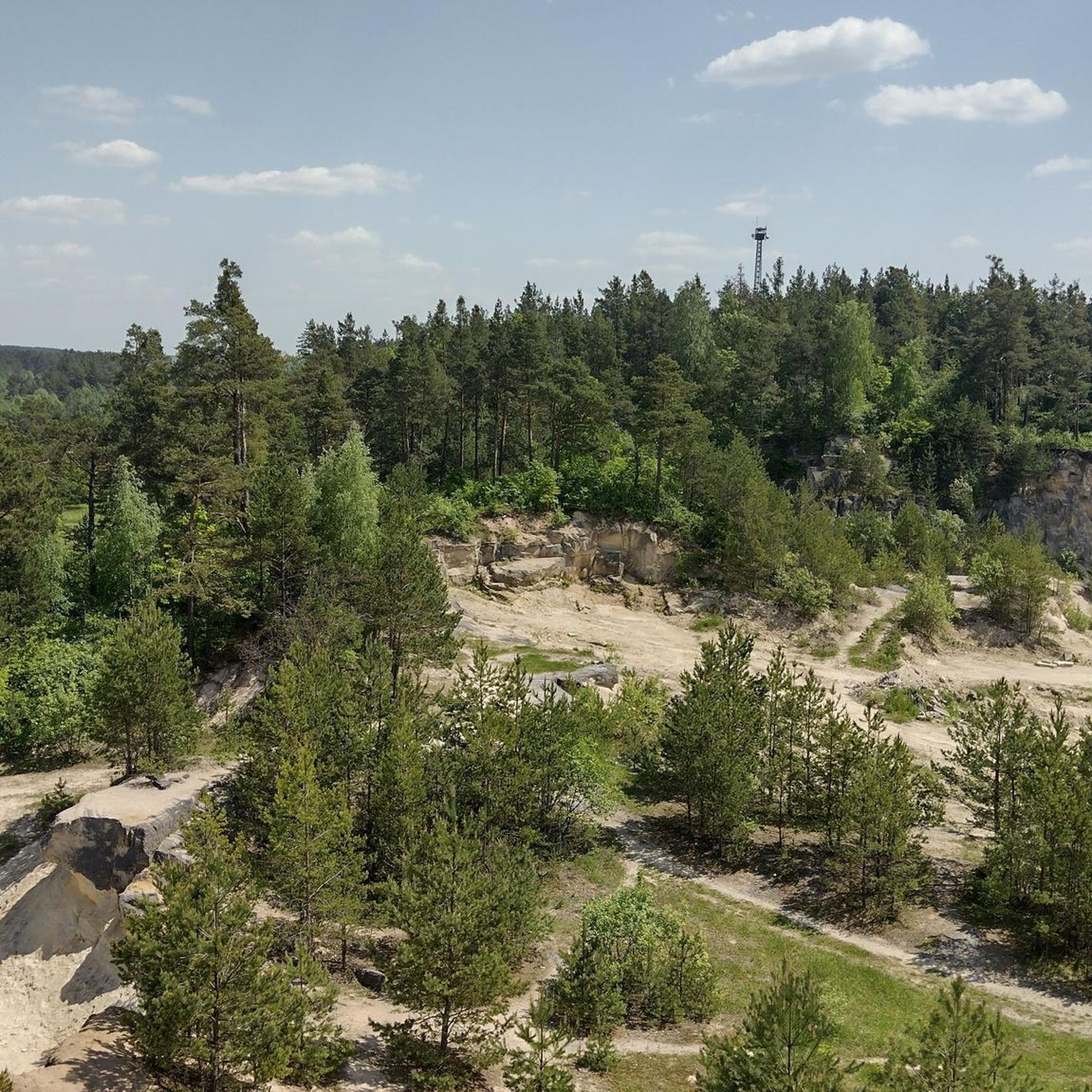
MTB Trails around Biłgoraj
Running Trails around Biłgoraj

Gravel biking around Biłgoraj
Other adventures around Biłgoraj


Tips from the Community

In 1593, Jan Zamoyski purchased the Szczebrzeszyn estate. There, near the village of Rudka, in the valley of the Wieprz River and the Świerszcz Stream, in an area covered with forests, he decided to realize the Renaissance idea of a "villa." He built a wooden, larch palace where he hosted distinguished guests and relaxed with his family. Early on, Jan Zamoyski also brought to the area gentle animals such as red deer, roe deer, fallow deer, and wild horses, also known as tarpans. These animals gave rise to Zwierzyńczyk and later Zwierzyniec. The summer palace was demolished due to its age in the mid-19th century and stood in the center of Zwierzyniec between two brick outbuildings – where the Woodworking School is currently located. Opposite their summer residence, Tomasz Antoni Zamoyski and his wife, Teresa Michowska, built a palace-style church in thanksgiving to God for the birth of their long-awaited son, Klemens. The Church of St. John of Nepomuk remains a major tourist attraction in Roztocze National Park.
0
0

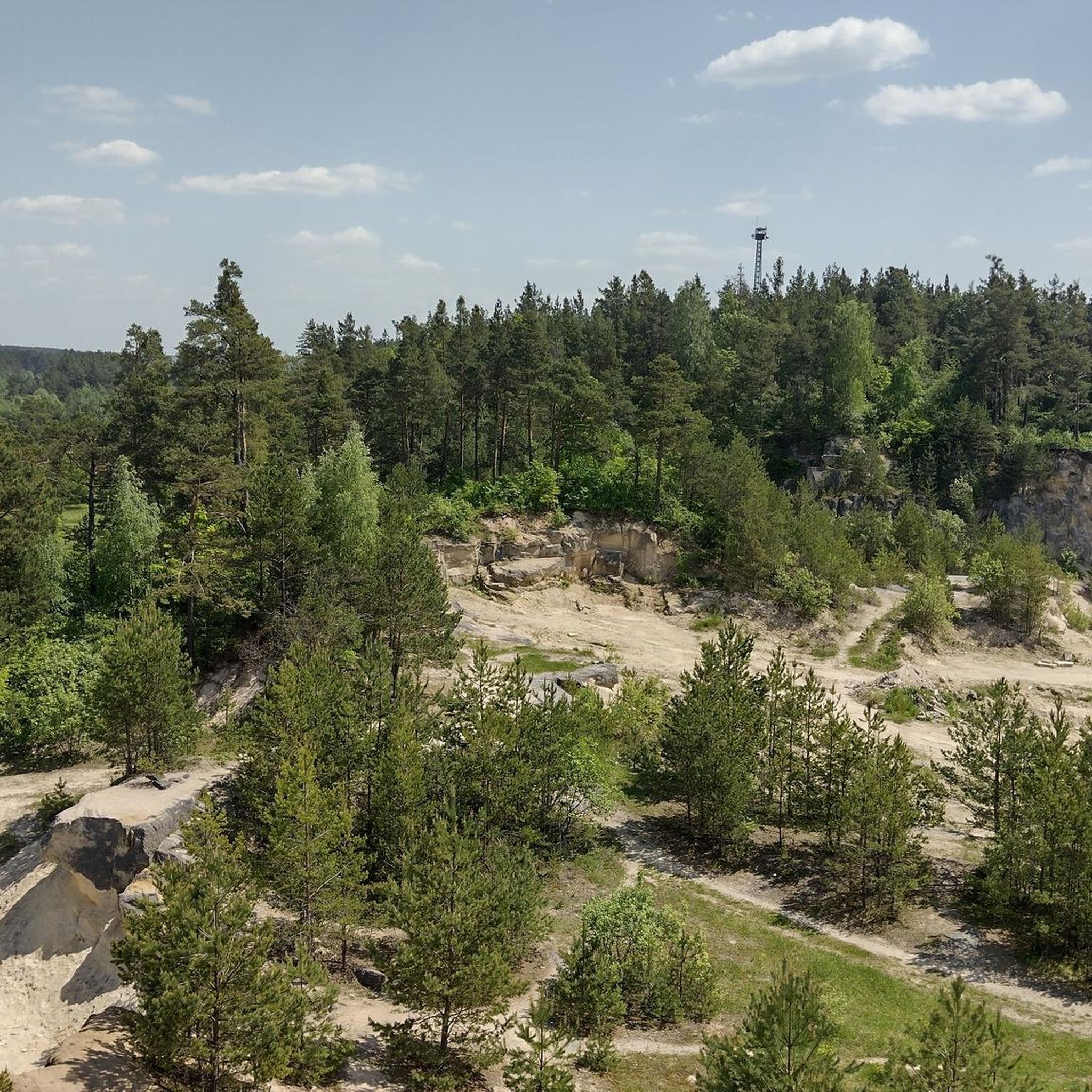
The Czartowe Pole Reserve is one of the most picturesque parts of Roztocze, located on the Sopot River, on the border of the Józefów and Susiec communes. It delights with the natural landscape of the valley with numerous water rapids, steep slopes covered with forest and rare plants. In the area you will see the ruins of the 17th-century Zamoyski paper mill and symbolic graves of partisans. The reserve is open to tourists - a nature trail about 1 kilometer long with wooden footbridges leads through it. Right next to it is the Green Velo parking place with shelters and stands where you can attach a bike.
2
0

The former border between the partitions
0
0
The first wooden chapel was built in this place in 1668 from the foundation of Marcin Zamoyski, the Lviv Sub-Stole, later the Grand Treasurer of the Crown. From 1688 to 1886 under the administration of the Franciscans. In 1720, it was re-endowed by Tomasz Józef Zamoyski, the starost of Grodecki and Płoskirów, probably with the simultaneous construction of a new church or the expansion of the original chapel. It was burned down by the Swedes in the 18th century. The current church was built in 1768 from the foundation of Jan Jakub Zamoyski, later the voivode of Podolia. In 1778, it was consecrated by Bishop Melchior Jan Kochnowski. Extended on the northern side in the years: 1897-8. Thoroughly renovated before 1930, and in 1975 the roof was renovated.
0
0
The "WIRA" dugout is a reconstruction of part of a partisan camp operating during World War II. This is exactly where the dugout was located, serving as a weapons depot and a place of refuge for members of Lieutenant Konrad Bartoszewski's unit - alias "WIR". Lieutenant "WIR" was the author of the plan that went down in history as the "Battle of Osuchami" - the largest partisan battle of the AK units. The dugout was created thanks to members of the Historical Reconstruction Group, who decided to rebuild this place. Konrad Bartoszewski, alias "Wir", "Zadora", "Łada", lieutenant of the AK, writer (born July 5, 1914 in Baranówka in Volhynia, died April 21, 1987 in Lublin) - commander of a partisan unit operating near Józefów (Biłgoraj district) during World War II. He studied Polish studies at the University of Warsaw. Participant of the September Campaign, he ended his fight on September 24 near Tomaszów Lubelski. After the defeat of the campaign, he settled in Józefów, in the area where he began his underground activity in the Home Army. He became the commander of the Józefów District, his unit fought many battles with the Germans. On February 25, 1943, he was arrested, but after a daring action, he was rescued by the unit of Czesław Mużacz, pseudonym "Selim". The next day, in retaliation, the Germans publicly shot Bartoszewski's family - parents Janina and Wacław and sister Wienisława. In the Sturmwind II action, he was the commander of the Home Army partisan group and the author of the battle plan for Osuchy. He survived as one of the few Polish commanders taking part in this battle. After the Red Army entered Poland, he and his unit did not surrender. On January 28, 1945, he attacked the UB-NKVD prison in Biłgoraj and rescued imprisoned members of the Home Army. The unit was disbanded in August 1945. Bartoszewski himself settled in Warsaw; he came out in 1945. In 1952 he was arrested, in 1955 he was released due to poor health. In 1969 he received a doctorate in humanities from the University of Wrocław.
2
0
The buildings of the Zamoyski Ordinance board, classicist, erected in the first half of the 19th century. Originally, they consisted of a wooden palace, four brick and two wooden outbuildings. Only the brick outbuildings have survived to this day, one of which was added in the second half of the 19th century. This is the so-called "administrative palace", currently the seat of the Jan Zamoyski Woodworking and Environmental Protection School Complex. It is worth paying attention to the plaque commemorating the establishment of the unified Polish Scouting Association in 1919 (until then divided into separate structures operating within the individual partitions). Behind the buildings are the remains of a historic linden alley, the so-called "Marysieńki alley".
0
0
The Zwierzyniec Brewery is a historic brewery from the early 19th century located in Zwierzyniec. The owner of the plant is the State Treasury, and the lessee – Perła – Browary Lubelskie. The brewery in Zwierzyniec was founded as part of the Zamoyski Family Fee Tariff by Stanisław Kostka Zamoyski at the beginning of the 19th century. The first buildings, which included a single-storey brewing plant, cellars, warehouses, a cooperage and a coach house, were built in 1805–1806 on the site of the former Zamoyski residence. The masonry work was supervised by master Grzegorz Szostakiewicz, and the Scottish brewer John McDonald was responsible for starting beer production. In 1806–1810, English porter-type beer was brewed there. In 1810, the brewery burned down. However, it was quickly rebuilt from the destruction. In 1834–1836, it was expanded and modernized. At that time, it was equipped with a steam engine, and a mill for grinding malt was set up in the new wing. From the 1840s, the plant was leased by the Zamość Estate. In the years 1866–1878, it suspended operations. Most of its equipment was sold. In 1878, after another expansion and the purchase of new equipment, it was reopened.
0
0

The brewery is open to visitors, and you can also grab a tasting ;)
0
0
Frequently Asked Questions
What natural attractions can I explore around Biłgoraj?
The Biłgoraj region offers diverse natural beauty. You can visit the Echo Ponds Beach, a popular spot within Roztocze National Park for swimming and walking. Other notable natural sites include the Czartowe Pole Nature Reserve, known for its scenic rapids and rare plants, and the Rezerwat "Obary," a large peat bog with unique flora and fauna. The Solska Forest Landscape Park also provides extensive woodlands for exploration.
Are there good hiking opportunities in the Biłgoraj region?
Yes, the region is well-suited for hiking, with many trails leading through picturesque scenery and forests. For waterfall hikes, you can explore routes like the Szlak Szumów in Park Krajobrazowy Puszczy Solskiej or trails around Jeleń Waterfall and Nad Tanwią Nature Reserve. You can find more details on these and other hiking routes in the Waterfall hikes around Biłgoraj guide.
What cycling routes are available near Biłgoraj?
Biłgoraj is part of the Green Velo East Cycling Trail, offering diverse landscapes for cyclists. You can find various road cycling routes, such as loops from Zwierzyniec to the Great Market Square in Zamość or around Krasnobród Lake. For gravel biking, options include routes around Krasnobród Reservoir or the Sopot Stream. Explore more cycling options in the Road Cycling Routes around Biłgoraj guide and the Gravel biking around Biłgoraj guide.
Where can I go for swimming or water activities?
The Echo Ponds Beach, located in Roztocze National Park, is a popular spot for swimming. Additionally, the Bojary Reservoir (Zalew Bojary) is a recreational area where visitors can swim, rent kayaks or water bikes, and enjoy the sandy beach.
What historical and cultural sites are there to visit in Biłgoraj?
Biłgoraj boasts a rich cultural heritage. You can visit the Zagroda Sitarska, an open-air museum dedicated to traditional sieve-making. The Miasteczko Kresowe aims to reconstruct the old town's architecture, and the Muzeum Ziemi Biłgorajskiej showcases regional history. The historic Mill Complex also offers a glimpse into old craftsmanship. Don't miss the Zwierzyniec Brewery, a historical site offering tours and tastings.
Can I visit any unique religious sites in the area?
Yes, the region has several unique religious sites. The Chapel on the Water (Kaplica na Wodzie) near Biłgoraj is a distinctive 18th-century structure built at the site of an apparition, housing a copy of the miraculous image of Our Lady of Krasnobród. The Church of Saint Stanislaus the Bishop and Martyr in Górecko Kościelne, with its 17th-century origins, is also a significant historical church.
Are there family-friendly attractions around Biłgoraj?
Many attractions in the Biłgoraj area are suitable for families. The Echo Ponds Beach is great for a family day out with swimming and walking. Historical sites like the Zwierzyniec Brewery and the Church of Saint Stanislaus the Bishop and Martyr are also listed as family-friendly. The Bojary Reservoir offers recreational activities for all ages.
What historical industrial sites can be found near Biłgoraj?
You can visit the Zamoyski Paper Mill Ruins, which are the remains of a significant 17th-century industrial plant that once produced a large portion of paper in the Lublin Governorate. These ruins are located near the Czartowe Pole Nature Reserve.
What do visitors enjoy most about the attractions around Biłgoraj?
Visitors particularly appreciate the blend of natural beauty and historical significance. The Echo Ponds Beach is highly rated for its natural setting and opportunities for swimming and walking. The Zwierzyniec Brewery is enjoyed for its historical tours and beer tastings. Many also value the peaceful atmosphere of places like the Zamoyski Paper Mill Ruins for quiet walks.
Is the Biłgoraj region suitable for nature lovers and wildlife viewing?
Absolutely. The region is characterized by high forestation and diverse ecosystems. Roztocze National Park, partly within Biłgoraj Poviat, is known for unique plant communities and diverse wildlife. The Rezerwat "Obary" is a protected peat bog, home to rare bird species like capercaillie and crane, and plants such as bog sedge and sundew, making it excellent for nature observation.
What is the best time to visit Biłgoraj for outdoor activities?
The region generally experiences a relatively warm and sunny climate, making it appealing for nature lovers. Summer is ideal for water activities at Bojary Reservoir and Echo Ponds. Spring and autumn offer pleasant temperatures for hiking and cycling through the forests and nature reserves, with vibrant foliage in autumn. Winter can also be unique, with the Mill Complex creating a special atmosphere.
Are there any historical military or border-related sites?
Yes, you can visit the WIR Partisan Bunker, which offers a glimpse into the region's wartime history. Additionally, the Historic Border Crossing on the Tanew River marks a significant historical point related to the area's past as a borderland.
Most popular routes around Biłgoraj
Most popular attractions around Biłgoraj

Get inspired with the komoot mobile app


Didn’t find what you were looking for?
Are you keen on exploring more awesome places nearby? Browse our guides:
Explore more
Still not found the Highlight you’re looking for? See guides of the top attractions in other regions:
