Attractions and Places To See around Dąbrowa Górnicza - Top 20
Best attractions and places to see around Dąbrowa Górnicza include a mix of historical landmarks, natural areas, and cultural institutions. The city, located in southern Poland, features unique natural monuments and recreational spaces like the Dąbrowa Lakeland. Its landscape combines industrial heritage with significant green areas and historical sites. This blend offers diverse points of interest for visitors exploring the region.
Best attractions and places to see around Dąbrowa Górnicza
- The most popular attractions is Sławków Inn (Tavern), a historical site that is a T-shaped wooden building with archaeological fragments dating back to the 13th century. It received its present appearance in the 18th century and is considered one of Poland's oldest inns.
- Another must-see spot is Sosnowiec's Balaton, a lake surrounded by forests. This anthropogenic reservoir is a recreation and relaxation center, popular with inhabitants during the summer season.
- Visitors also love Market Square Well, a man-made monument located in the historic market square of Sławków. The square features unique objects, including the renovated Austeria and a Town Hall from 1905.
- Dąbrowa Górnicza is known for historical sites, natural lakes, and cultural institutions. The area offers a variety of attractions to see and explore, from ancient castle ruins to modern recreational facilities.
- The attractions around Dąbrowa Górnicza are appreciated by the komoot community, with 27 highlights, including 13 photos and 30 upvotes, showcasing the region's appeal.
Last updated: August 25, 2026
Sławków Inn (Tavern)
Highlight • Historical Site
The building is wooden, carcass construction, one-story, on a low foundation. The walls were whitewashed in the past. The front elevation (from the Market Square) has five axes. Two axes on each side were occupied by tavern rooms. The left part is slightly wider than the right, and an additional brick room was added to it (from the back) in the past.
Both parts of the inn are separated by a wide gate and a passageway leading to the rear part of the building where the state was located (coach house and stable).
Today it is difficult to determine since when the inn was located on this site. Archaeological research has shown that the fragments of the building's foundations date back to the city's foundation in the 13th century. However, it is difficult to say whether it was already used as an inn at that time. It is known, however, that during his stay in Sławków on August 27-29, 1697, King August II the Strong feasted in the inn. He was also supposed to break a silver cup with his bare hands in front of the gathered guests. The building received its present appearance in the 18th century. On the inn's ceiling beam, there is a date that is read by some as 1701, by others as 1781, although the first one seems more likely. It probably refers not to the construction of the inn, but to its renovation. Since then, the Sławków inn has survived, with minor changes, to this day.
pl.wikipedia.org/wiki/Austeria_s%C5%82awkowska
Translated by Google •
Tip by

Market Square Well
Highlight • Monument
The most valuable building on the Market Square is the very interesting Austeria in Sławków - an old inn, which is still used today, beautifully renovated. It is a real decoration of the square and the city. Although it dates from the nineteenth century in its present shape, fragments of the thirteenth-century walls have been preserved here.
The Town Hall from 1905 stands in the center of the Market Square. The previous, 18th-century town hall was wooden. Today's town hall has a small tower and is generally very well maintained. Next to the town hall there is a monument - the obelisk "In Homage to the Fallen and Murdered Inhabitants of Sławków".
polskieszlaki.pl/rynek-w-slawkowie.htm
Translated by Google •
Tip by
Sign up now to discover places like this
Get recommendations on the best single tracks, peaks, & plenty of other exciting outdoor places.
Sign up for free
Castle ruins in Slawkow
Highlight • Castle
Sławków Castle was intended to defend access to Kraków. Its existence was discovered in the years 1983-90, when archaeological research was carried out on a small hill, revealing the ruins of a 13th-century castle.
In the place of the sensational discovery of such an attraction and the research carried out here, an archaeological reserve was created.
In addition to the castle ruins, the remains of defensive rampart walls and a moat, as well as 15th-century parts of armor and numerous 16th-century stove tiles were also discovered here.
polskieszlaki.pl/zamek-w-slawkowie.htm
zamkiobronne.pl/zamek/slawkow
Showing Translation
Tip by
Sosnowiec's Balaton
Highlight • Lake
A place eagerly visited by the inhabitants of the city in the summer season.
pl.wikipedia.org/wiki/Balaton_(Sosnowiec)
Translated by Google •
Tip by
Church of the Sacred Heart of Jesus
Highlight • Religious Site
Characteristics of the church
The brick, three-nave, brick Church of the Most Sacred Heart of Jesus, completed in 1910, was erected in the neo-Gothic style according to the design of Józef Stefan Pomian-Pomianowski from Będzin. This former chapel is now the main nave of the church. On February 10, 1911, a separate parish was established in Dąbrowa Górnicza Strzemieszyce, which included the following settlements: Strzemieszyce Wielkie and Małe, Grabocin, Kazimierz, Feliks, Ostrowy and Niemne. Ambitious plans assumed the construction of three towers in the following years, which, however, was not implemented, mainly due to the impoverishment of the society related to the First World War. The following decades brought the refurbishment and beautification of the temple. In the 1970s, a 50-voice organ was installed. For some time, the local parish was one of the largest in Zagłębie, and with time new ones emerged from it. Since 2002, the Church of the Sacred Heart of Jesus in Strzemieszyce bears the dignity of a sanctuary, and since 2008 it has the title of a minor basilica. On October 16, 2005, a monument to Pope John Paul II was consecrated in the square in front of the temple.
jura.slaskie.travel/culturalheritage/2686/kosciol-najswietszym-serca-pana-jezusa-w-dabrowie-gorniczej-strzemieszycach
Translated by Google •
Tip by
Reduta Military-Historical Park, Sztygarka Museum, Dąbrowa Górnicza
Highlight • Historical Site
The museum is located in Dąbrowa Górnicza on the premises of the former seat of the Mining Board at ul. Legionów Polskich 69. The history of the museum dates back to 1912, when the Zygmunt Gloger Geological Museum was founded. The first exhibits were collected by students of the mining school. During World War I, the exhibits were stolen and scattered. After the war, the Geological Museum was re-organized in the school building. For many years, the museum was a museum and educational facility of the school. It was not until 1997 that the municipal museum called "Sztygarka" was opened.
archaeology
local ethnography
ethnography and travel
history
nature and geology
"Reduta" Military and Historical Park
Translated by Google •
Tip by

Paleontological Educational Trail, Park Kazimierz Górniczy
Highlight • Trail
Translated by Google •
Tip by

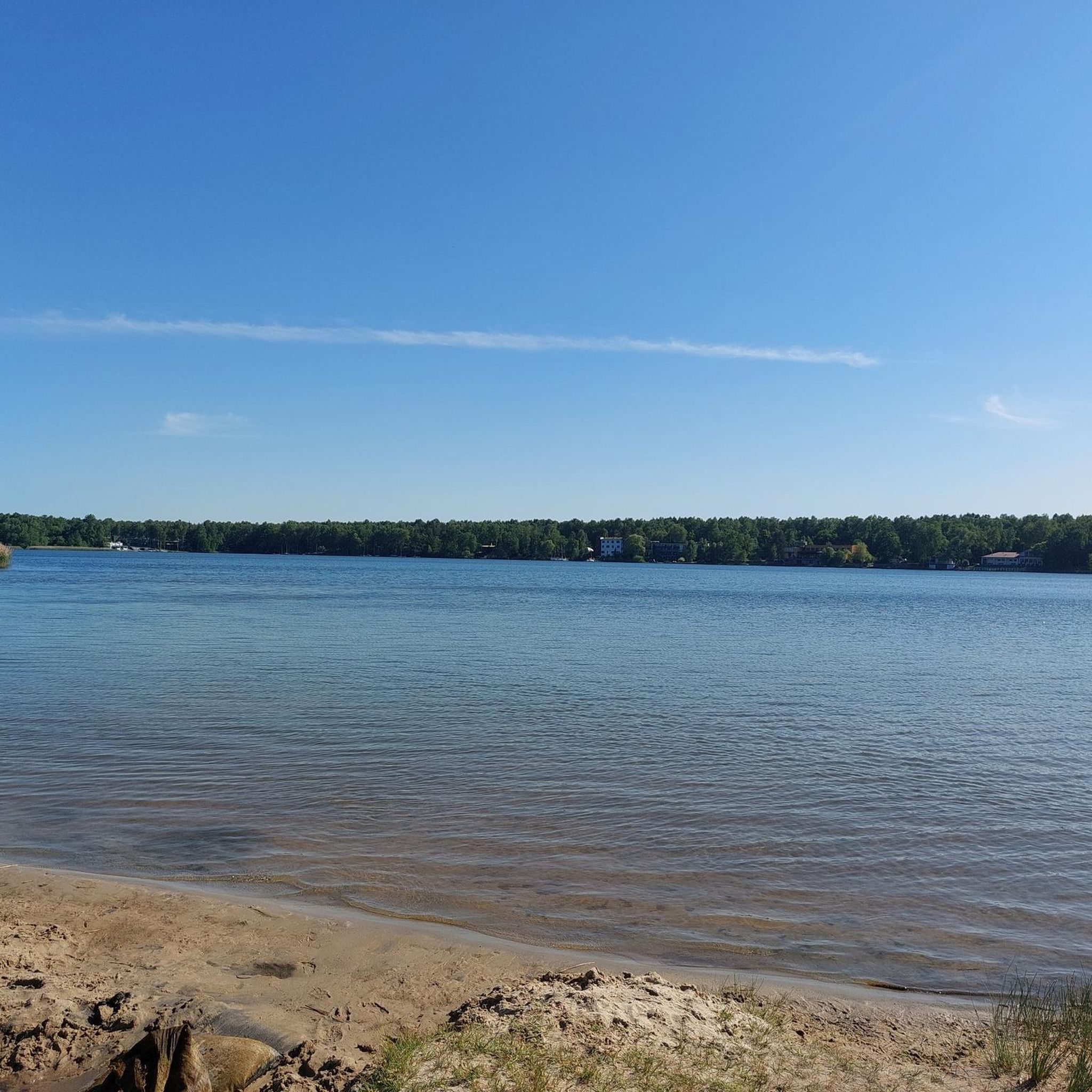
Pogoria I City Beach
Highlight • Beach
Translated by Google •
Tip by
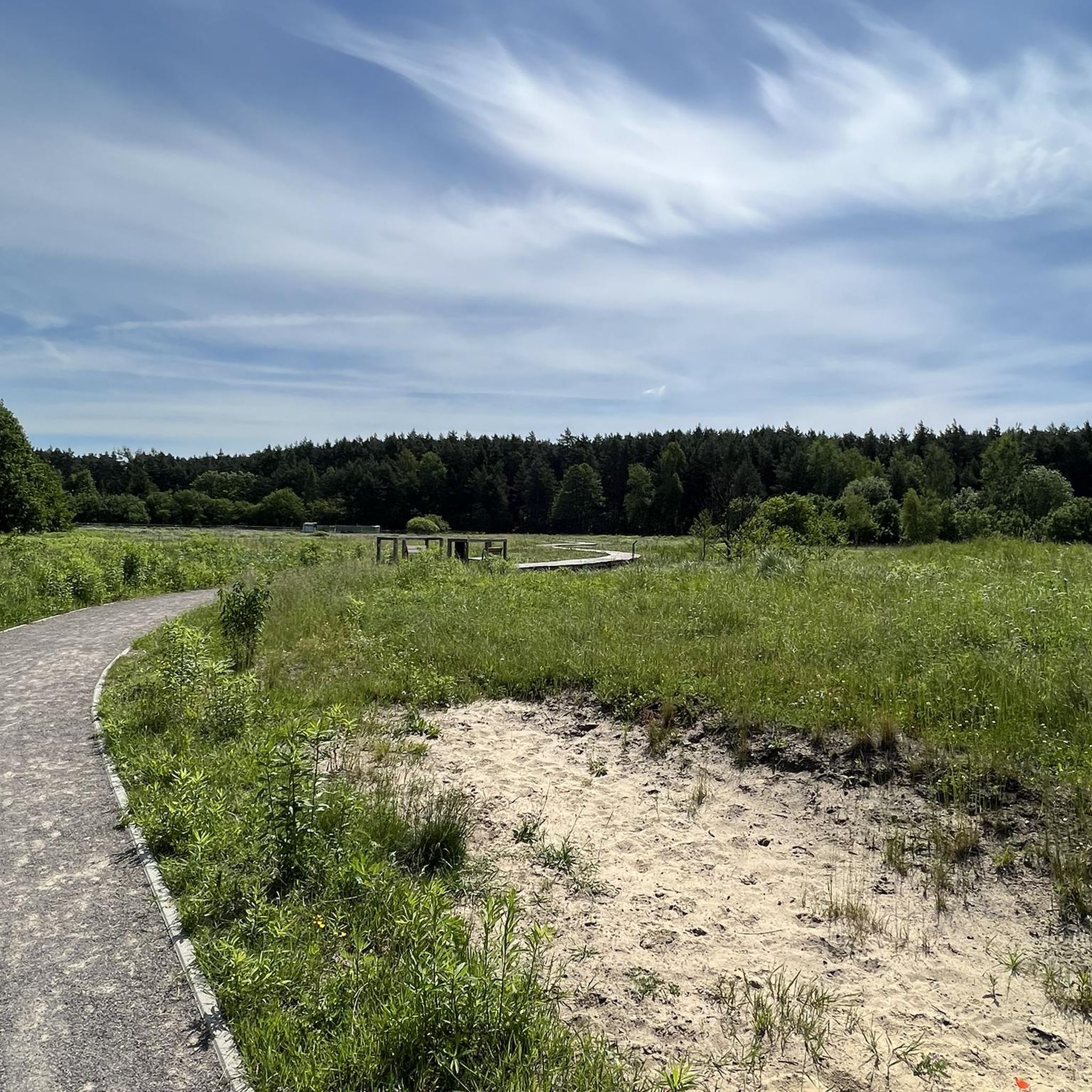
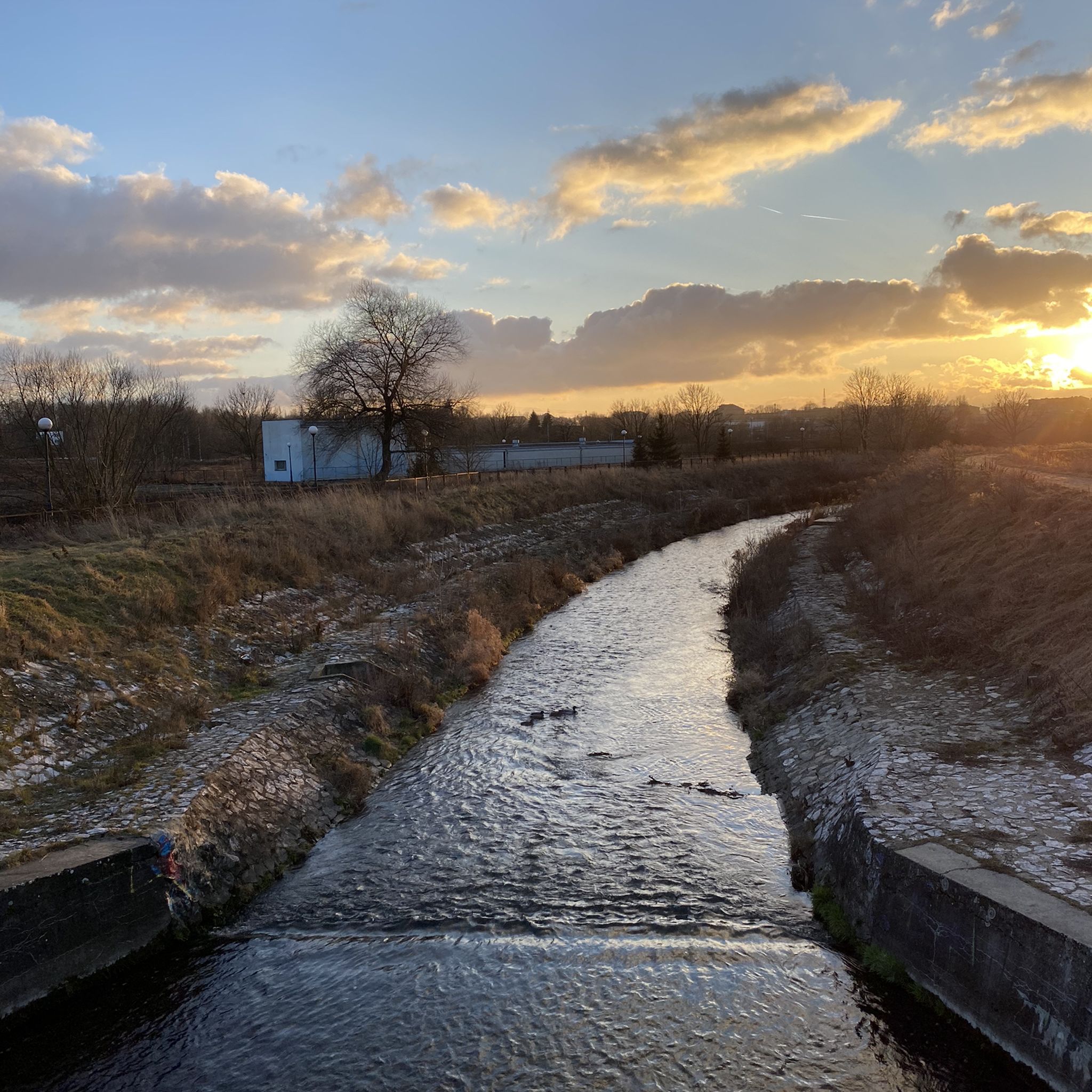
Scenic Forest Path and River Crossing
Highlight (Segment) • Trail
Translated by Google •
Tip by

Fountain in Kuronia Park
Highlight • Structure
Translated by Google •
Tip by

Sign up for free to discover even more attractions around Dąbrowa Górnicza.
Sign up for free
Already have an account?
Start today with a free account
Your next adventure awaits.
Login or Signup

Tips from the Community

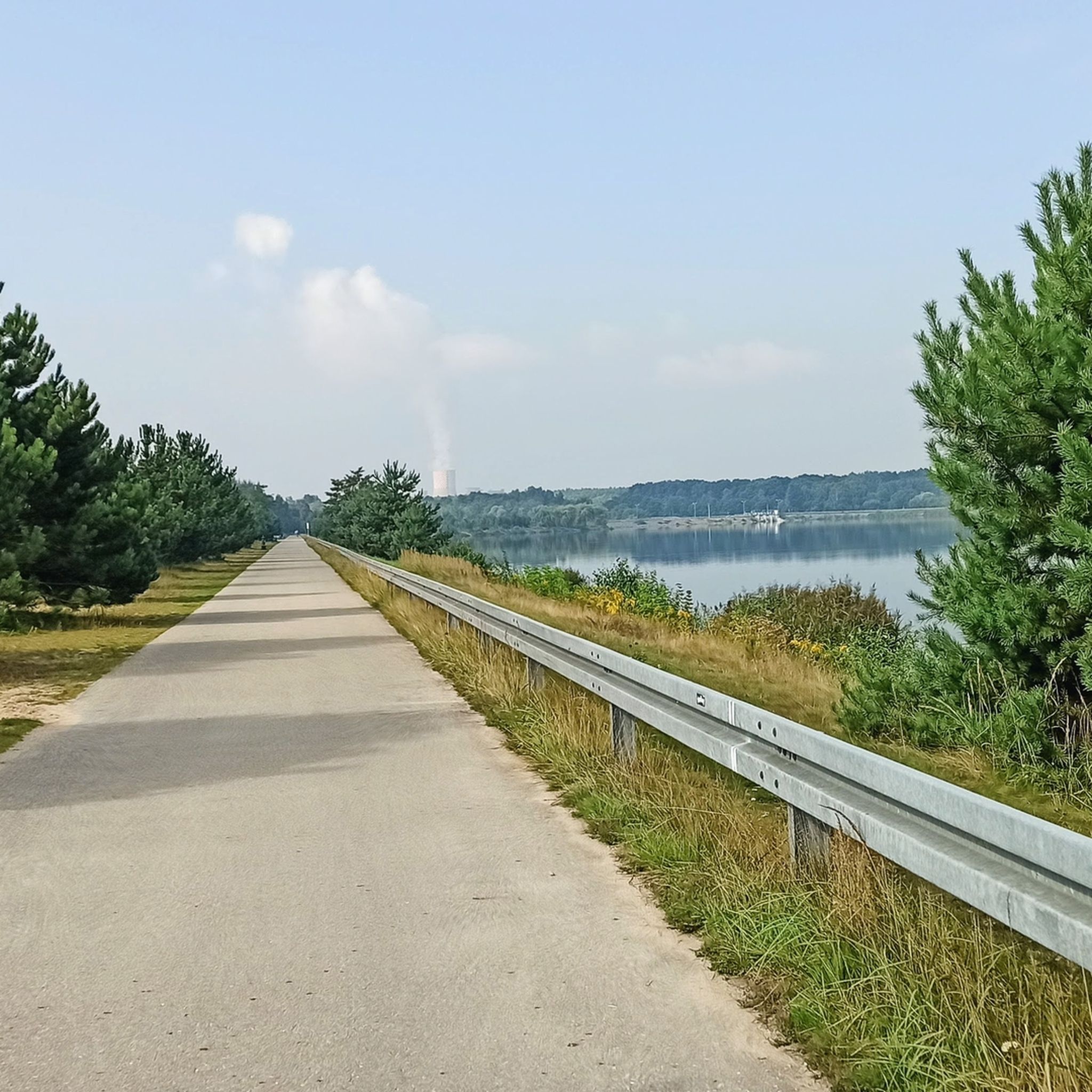
Sensational gravel section - cycle path.
0
0
Much less crowded compared to the beach at Pogoria 3. The coastline is overgrown with grass.
0
0
a few dinosaur figurines and information boards, an interesting place worth visiting :)
0
0

Fountain with colorful illumination in the middle of the Round Pond in Kuronia Park. Access via asphalt paths, looks best after dark 🙂
0
0

Kazimierz Górniczy Park
1
0

It provides visitors with exhibitions on the history of the Dąbrowa Basin, archaeology, nature, local ethnography and non-European cultures. The museum is located in Dąbrowa Górnicza on the premises of the former seat of the Mining Board at ul. Legionów Polskich 69. The history of the museum dates back to 1912, when the Zygmunt Gloger Geological Museum was founded. The first exhibits were collected by students of the mining school. During World War I, the exhibits were stolen and scattered. After the war, the Geological Museum was re-organized in the school building. For many years, the museum was a museum and educational facility of the school. It was not until 1997 that the municipal museum called "Sztygarka" was opened. archaeology local ethnography ethnography and travel history nature and geology "Reduta" Military and Historical Park
0
0

A perfect section for riding, even and hard gravel surface. Difficulty 1/10, driving pleasure 9/10 :)
0
0
Frequently Asked Questions
What natural features and recreational areas can I explore in Dąbrowa Górnicza?
Dąbrowa Górnicza offers a variety of natural attractions. The most prominent are the Dąbrowa Lakeland, a complex of four lakes (Pogoria I, II, III, and IV) perfect for recreation and water sports. You can also visit Sosnowiec's Balaton, another popular lake surrounded by forests. A unique natural wonder is the Błędowska Desert, a portion of which lies within the city limits. For green spaces, explore Zielona Park or the ecologically valuable Trzebyczka River Valley, known for its rare peat bogs and protected flora.
Are there historical sites or cultural institutions to visit in Dąbrowa Górnicza?
Yes, the city has several significant historical and cultural sites. The Basilica of Our Lady of the Angels is a notable Neo-Gothic landmark. The Palace of Culture of the Zagłębie Region, a monumental socialist realist building, serves as a primary cultural hub. You can also delve into the city's past at the Sztygarka City Museum, which covers mining history, geology, and archaeology, and includes the Reduta Military-Historical Park.
What historical landmarks can I find in the nearby town of Sławków?
Sławków, a nearby town, is rich in history. You can visit the Sławków Inn (Tavern), a T-shaped wooden building with archaeological fragments dating back to the 13th century, considered one of Poland's oldest inns. The historic market square features the Market Square Well and the Town Hall from 1905. Additionally, explore the scant Castle ruins in Sławków, dating back to the 13th century, which once defended access to Kraków.
Are there family-friendly attractions in Dąbrowa Górnicza?
Many attractions cater to families. The Dąbrowa Lakeland, especially Pogoria III, offers recreational activities. Sosnowiec's Balaton is another excellent spot for relaxation. The Reduta Military-Historical Park at the Sztygarka Museum can be engaging for children interested in history. Green spaces like Zielona Park and the Scenic Forest Path and River Crossing are also great for family outings.
Where can I find good hiking or walking trails near Dąbrowa Górnicza?
Dąbrowa Górnicza offers various trails for walking and hiking. For easy walks, consider routes like the 'Kazimierz Górniczy Park loop' or the 'Pogoria III Beach – Beaver Fountain, Zielona Park loop'. These are part of the Easy hikes around Dąbrowa Górnicza guide. The Scenic Forest Path and River Crossing is also a pleasant option with an even gravel surface.
What are the best places for cycling around Dąbrowa Górnicza?
The area around Dąbrowa Górnicza is well-suited for cycling, especially around the lakes. You can find numerous routes, such as the 'Pogoria III Beach – Lake Pogoria IV loop' or the 'Lake Pogoria IV – Pogoria III Beach loop'. These and more are detailed in the Cycling around Dąbrowa Górnicza guide, which includes options for various difficulty levels.
Are there any unique natural landscapes or viewpoints in the region?
Beyond the lakes, the Błędowska Desert offers a truly unique, desert-like landscape within Central Europe. For scenic views, head to Wzgórze Gołonoskie (Gołonoskie Hill). This Triassic hill provides panoramic vistas of the surrounding areas, and on clear days, you might even catch a glimpse of the Tatra Mountains.
What is the significance of Wzgórze Gołonoskie (Gołonoskie Hill)?
Wzgórze Gołonoskie is a significant natural and cultural landscape complex. It features a Triassic hill with a Roman Catholic parish, including the historic Church of the Nativity of the Blessed Virgin Mary and St. Anthony, a cemetery, and a park with old chestnut trees. It's also renowned for its scenic views, offering glimpses of the Tatra Mountains on clear days.
What kind of industrial heritage can be seen in Dąbrowa Górnicza?
Dąbrowa Górnicza has a rich industrial past. The Sztygarka City Museum is dedicated to the city's mining heritage. You can also observe the Former Bankowa Steelworks Tenement Houses, which were part of a colony established for French officials and staff of the 'Bankowa' Steelworks around 1918, reflecting the city's industrial development.
Are there any interesting architectural structures besides the main landmarks?
Yes, beyond the major sites, you can find other interesting structures. The Resursa Obywatelska, built in 1895, was historically a venue for cultural meetings. The Three-level Railway Viaduct is an impressive engineering feat. Also, look out for the Saint Hubert Mural at Koło Łowieckie Cietrzew, which adds a touch of local art and culture.
What are the best outdoor activities to do around the Dąbrowa Lakeland (Pogoria Lakes)?
The Dąbrowa Lakeland, particularly Pogoria III, is a hub for outdoor activities. You can enjoy swimming, sunbathing, and various water sports at the Summer and Water Sports Centre. The surrounding areas are also popular for cycling, with many routes available, and offer pleasant spots for walking and picnicking.
What is the best time of year to visit Dąbrowa Górnicza for outdoor activities?
The warmer months, from late spring to early autumn (May to September), are generally the best for enjoying Dąbrowa Górnicza's outdoor attractions. During this period, the Dąbrowa Lakeland is ideal for water sports and relaxation, and the hiking and cycling trails are most accessible and pleasant. The weather is also favorable for exploring historical sites and natural landscapes like the Błędowska Desert.
Most popular routes around Dąbrowa Górnicza
Most popular attractions around Dąbrowa Górnicza

Get inspired with the komoot mobile app


Didn’t find what you were looking for?
Are you keen on exploring more awesome places nearby? Browse our guides:
Explore more
Still not found the Highlight you’re looking for? See guides of the top attractions in other regions:
