Attractions and Places To See around Ostróda - Top 20
Best attractions and places to see around Ostróda include a blend of historical landmarks and natural features. The town is situated in Poland's Warmian-Masurian Voivodeship, surrounded by five lakes, with Lake Drwęckie being a central point. This region offers diverse landscapes, from dense forests and rolling hills to a network of waterways like the Elbląg Canal. Ostróda provides opportunities for exploring historical sites and engaging with the natural environment.
Best attractions and places to see around Ostróda
- The most popular attractions is Cannons in Front of Morąg Town Hall, a man-made monument located in Morąg. It is part of a historical area that includes the town hall and remnants of the city wall.
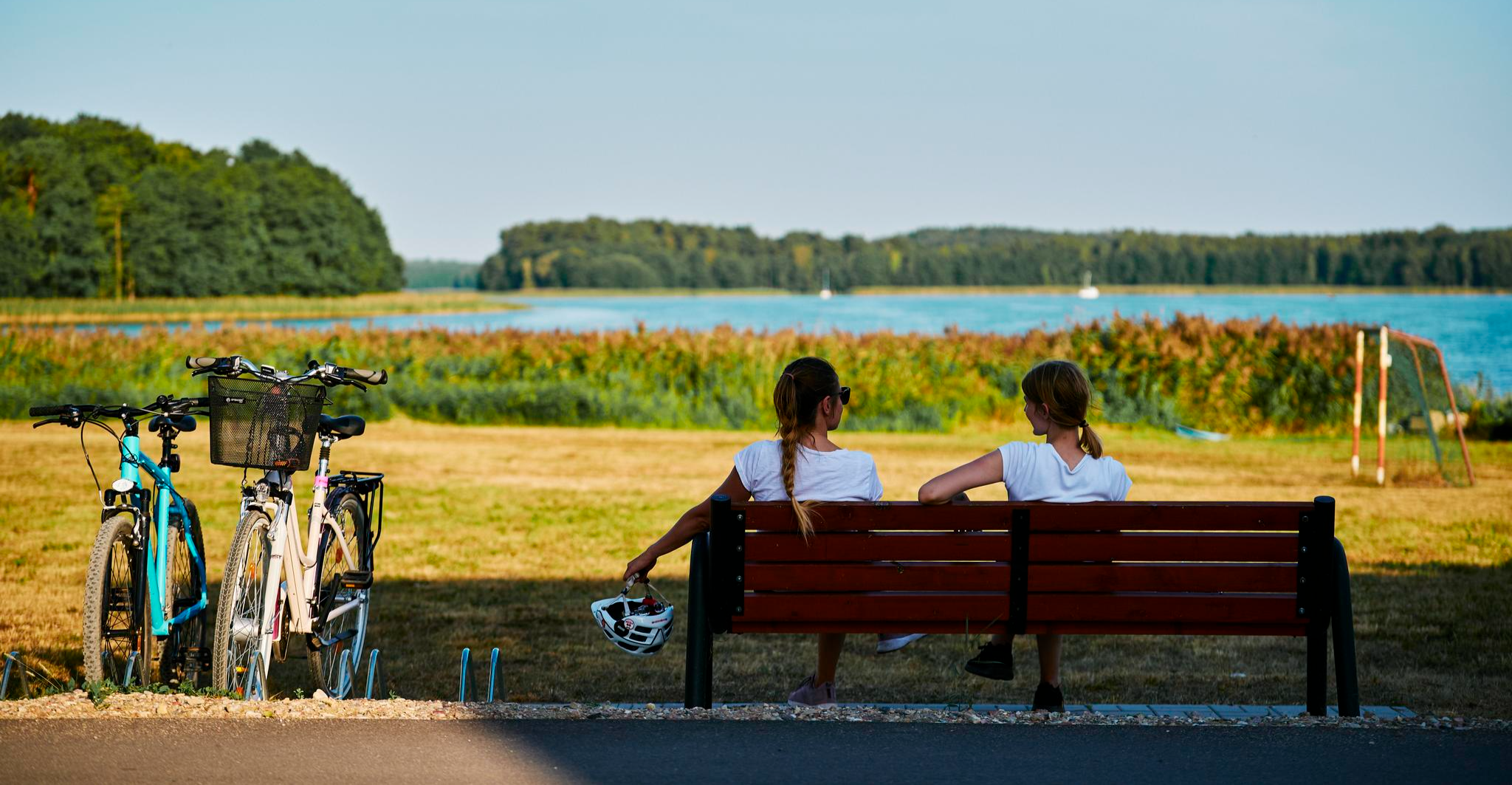
- Another must-see spot is Ostróda Lakeside Promenade, a trail along the shore of Lake Drwęckie. Visitors can find a wide footpath and cycle path, offering views of the lake and access to boat trips.
- Visitors also love Observation Tower in Park Krajobrazowy Wzgórz Dylewskich, a viewpoint located on the highest elevation of the Dylewskie Hills. From the tower, there is a panoramic view of the surrounding area.
- Ostróda is known for its historical sites, natural landscapes, and cultural experiences. The area offers a variety of attractions, from ancient castles and churches to lakes and promenades, catering to different interests.
- The attractions around Ostróda are appreciated by the komoot community, with more than 40 upvotes and 60 photos shared.
Last updated: October 18, 2026
Cannons in Front of Morąg Town Hall
Highlight • Monument
Translated by Google •
Tip by

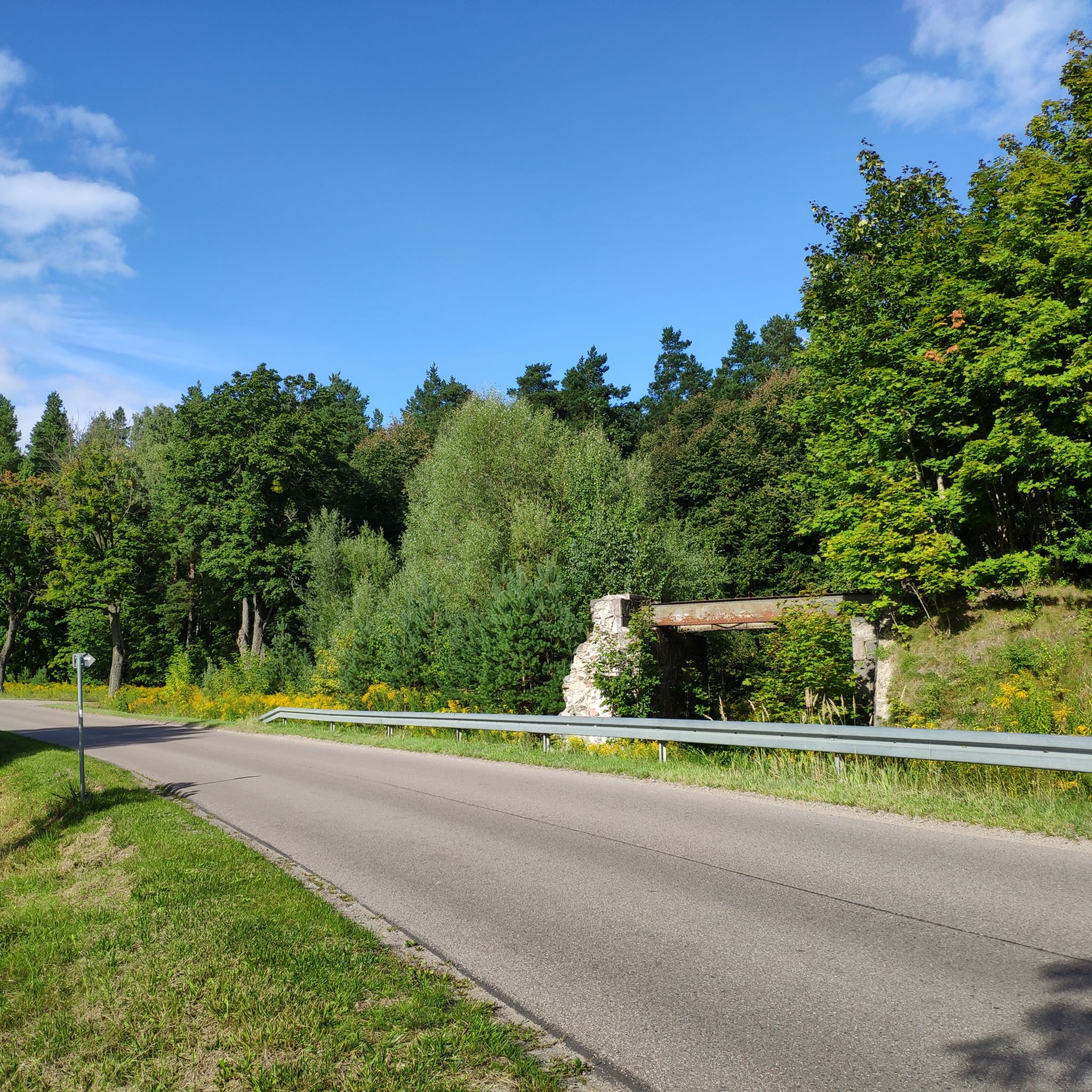
Railway Bridge over the Drwęca in Czarny Róg
Highlight • Bridge
Formerly a bridge over the Drwęca River for railway line No. 257 - connecting Ostróda station with Miłomłyn station. In June 1992, passenger traffic was suspended and freight traffic in 1994.
Translated by Google •
Tip by

Sign up now to discover places like this
Get recommendations on the best single tracks, peaks, & plenty of other exciting outdoor places.
Observation Tower in Park Krajobrazowy Wzgórz Dylewskich
Highlight • Viewpoint
Translated by Google •
Tip by

Ostróda Lakeside Promenade
Highlight • Trail
Translated by Google •
Tip by

Former Małdyty Manor
Highlight • Historical Site
The stone courtyard boundary is still standing and the stone vases were placed on the gate pillars around 1860. Source: ostpreussen.net
Translated by Google •
Tip by

Ostróda Teutonic Castle
Highlight • Castle
Translated by Google •
Tip by
Zielona Lock
Highlight • Structure
Translated by Google •
Tip by
Grunwald Monument
Highlight • Monument
The massive stone and metal structures add a certain drama to the scene. From here, the view sweeps far over the surrounding landscape, which was once the scene of this decisive moment in medieval history. The monument is not just a memorial, but also a place of reflection and commemoration, offering visitors a special connection to history.
Translated by Google •
Tip by

St. Bartholomew's Church with Defensive Walls, Miłomłyn
Highlight • Religious Site
Translated by Google •
Tip by

Johann Gottfried Herder Museum (Dohna Palace)
Highlight • Castle
A visit is not only worthwhile for those interested in history. The rooms, which have been restored down to the last detail, offer a glimpse into different eras - from Baroque to Art Nouveau. Paintings and antique furniture tell of the former residents and their time, while portraits of historical figures hang on the walls in the ballroom. It is a place that makes you feel how past and present merge with each other at every step.
The location in the middle of Warmia-Masuria and the proximity to the historic town center of Morąg make the castle an ideal destination for a hiking break. It is a wonderful place to linger before exploring the surrounding hiking trails or simply letting your gaze wander over the old walls into the distance.
Translated by Google •
Tip by
Sign up for free to discover even more attractions around Ostróda.
Already have an account?
Start today with a free account
Your next adventure awaits.

Other adventures around Ostróda

Tips from the Community

The entire obelisk, 30 meters high, is actually a masterpiece of reinforced concrete construction! Due to limited funds and time, the project's authors – sculptor Jerzy Bandura and architect Witold Cęckiewicz – had to build the core out of cast concrete. Only the outer facade was precisely clad with slabs of natural, gray granite, perfectly imitating an antique, raw monument.
0
0

you can cross to the other side via a rather narrow bridge (the bike can handle it too), I didn't see any restrictions in this regard
0
0

You have to drive sideways because the gate is closed.
0
0

It is not only the highest elevation in this region, but also in the whole of north-eastern Poland - 312 m above sea level. From the observation tower here there is a wonderful panorama, so it is not to be missed.
0
0

The Zamek Krzyżacki Castle is part of the long history of the Teutonic Order, a powerful military and religious organization that had great influence in Eastern Europe during the Middle Ages. Originally founded as a hospital order in the Holy Land, the Teutonic Order began conquering and Christianizing the pagan territories in what is now Poland and the Baltic States from the 13th century onwards, building numerous castles as administrative centers and military bases. The castle itself served as an important fortress and administrative seat in the region, especially during the conflicts between the Teutonic Order and the Kingdom of Poland-Lithuania. The famous Battle of Grunwald (1410), in which the Teutonic Knights suffered a decisive defeat against the combined Polish-Lithuanian forces, marked a turning point for the Order. Even though the castle was not abandoned afterward, the Teutonic Order gradually lost power. Over the centuries, the castle underwent numerous changes and reconstructions, especially after the secularization of the Order in the 16th century, when it served various purposes, including as a residence and later as a storage facility. Today it is a testimony to this eventful history and an important place of remembrance of the region's medieval past.
0
0
The Grunwald Monument stands imposingly on the vast site, a memorial whose striking shapes and clean lines are a striking reminder of the Battle of Grunwald in 1410. There is something majestic, almost solemn, about the atmosphere here. Strolling around the square, you can feel the importance of this place in Polish history. It is not just a monument, but a place where history comes alive. The massive stone and metal structures add a certain drama to the scene. From here, the view sweeps far over the surrounding landscape, which was once the scene of this decisive moment in medieval history. The monument is not just a memorial, but also a place of reflection and commemoration, offering visitors a special connection to history.
1
0
The observation tower here offers a beautiful panoramic view of the hilly landscape. The wooden stairs creak a little, which gives the tower a certain charm. Once you reach the top, you will be rewarded with a view that offers you a wide view over fields and forests - in good weather, all the way to the horizon. The information board on site will help you identify the surrounding villages and landscape features. In combination with the neighboring boulder gallery, which consists of interesting stone sculptures, this makes a worthwhile destination. The details in the stonemasonry are particularly exciting and give the place a certain mystique. Ideally, you should combine the visit with a hike through the surrounding forests to enjoy nature in all its diversity. The climb is definitely worth it. You should just be a little careful on the steps - they are sturdy, but one or two of the steps have seen better days.
0
0
Frequently Asked Questions
What historical sites can I explore in Ostróda?
Ostróda boasts a rich history. You can visit the 14th-century Ostróda Teutonic Castle, which now houses a museum. Another significant landmark is the Gothic Church of St. Dominic Savio, Ostróda's oldest church, dating back to the 14th century. Don't miss the Railway Bridge over the Drwęca in Czarny Róg, an old railway bridge now serving as a scenic tourist path.
What natural attractions are there around Ostróda, especially involving lakes?
Ostróda is surrounded by five lakes, with Lake Drwęckie being central. You can enjoy the Ostróda Lakeside Promenade for walks and cycling, offering views and access to boat trips. Lake Sajmino is another picturesque spot for relaxation. The unique Elbląg Canal, known for its ramps, offers cruises through the surrounding nature.
Are there family-friendly activities or attractions in Ostróda?
Yes, Ostróda offers several family-friendly options. The Ostróda Teutonic Castle is a great historical site for all ages. The Fountain With Child Statue is a charming spot. Additionally, the Family Activity Zone on the waterfront of Lake Drwęckie features a rope park, playground, and water equipment rentals, while Aqua Ostróda provides an indoor water park experience.
Where can I find panoramic views of the Ostróda region?
For breathtaking panoramic views, head to the Observation Tower in Park Krajobrazowy Wzgórz Dylewskich. Located on the highest elevation of the Dylewskie Hills, it offers an impressive vista of the surrounding area. The Evangelical Methodist Church of Divine Grace also has a tower with 105 steps providing city views.
What kind of outdoor activities can I do near Ostróda?
The Ostróda area is excellent for outdoor enthusiasts. You can find various MTB trails, cycling routes through forests and picturesque scenery, and hiking trails. Lake Drwęckie is perfect for water sports and boat cruises, and the Drwęca River is known for kayaking.
Are there any easy hiking trails around Ostróda?
Yes, there are several easy hiking options. You can enjoy a didactic path in the Dylewskie Hills Landscape Park, or a pleasant loop around Ostróda Lakeside Promenade. Another easy option is the loop around Jezioro Sajmino from Kajkowo. For more details, check the hiking guide for Ostróda.
What unique historical engineering sites can be found in the area?
Beyond the castle, you can explore the Zielona Lock, part of the historic Elbląg Canal system, which is an impressive feat of 19th-century engineering. The Railway Bridge over the Drwęca in Czarny Róg also offers a glimpse into the region's industrial past.
What do visitors enjoy most about the attractions around Ostróda?
Visitors particularly appreciate the blend of historical depth and natural beauty. The Ostróda Lakeside Promenade is highly rated for its scenic views and opportunities for relaxation and activity. The Observation Tower in Park Krajobrazowy Wzgórz Dylewskich is loved for its amazing panoramic views after a climb.
Are there any cultural events or unique local experiences in Ostróda?
Ostróda is known for its annual Ostróda Reggae Festival, which attracts fans from around the world. The Ostróda Teutonic Castle also functions as a cultural center and gallery, hosting various events. The Old Town Square offers a delightful area with cafes and shops for local experiences.
What are some other notable historical landmarks in the wider Ostróda region?
Beyond Ostróda itself, you can visit the Cannons in Front of Morąg Town Hall, part of a historical area in Morąg that includes remnants of the city wall. Also, the Johann Gottfried Herder Museum (Dohna Palace) in Morąg offers insights into local history and culture.
Can I find places to eat or relax near the attractions?
Yes, many attractions are conveniently located near amenities. The Ostróda Lakeside Promenade has cafes and restaurants nearby. The Old Town Square is also a great place to find cafes serving Polish cuisine. The Former Małdyty Manor, now a hotel and restaurant, is another option for dining in a historical setting.
What is the best time to visit Ostróda for outdoor activities?
The warmer months, typically from late spring to early autumn (May to September), are ideal for enjoying Ostróda's outdoor attractions. During this time, the weather is pleasant for lake activities, cycling, hiking, and exploring the promenade. The Ostróda Reggae Festival also takes place annually, usually in summer.
Most popular routes around Ostróda
Most popular attractions around Ostróda

Get inspired with the komoot mobile app


Didn’t find what you were looking for?
Are you keen on exploring more awesome places nearby? Browse our guides:
Explore more
Still not found the Highlight you’re looking for? See guides of the top attractions in other regions:
