The best running trails around gmina Międzylesie
4.8
(15)
1,133
runners
133
runs
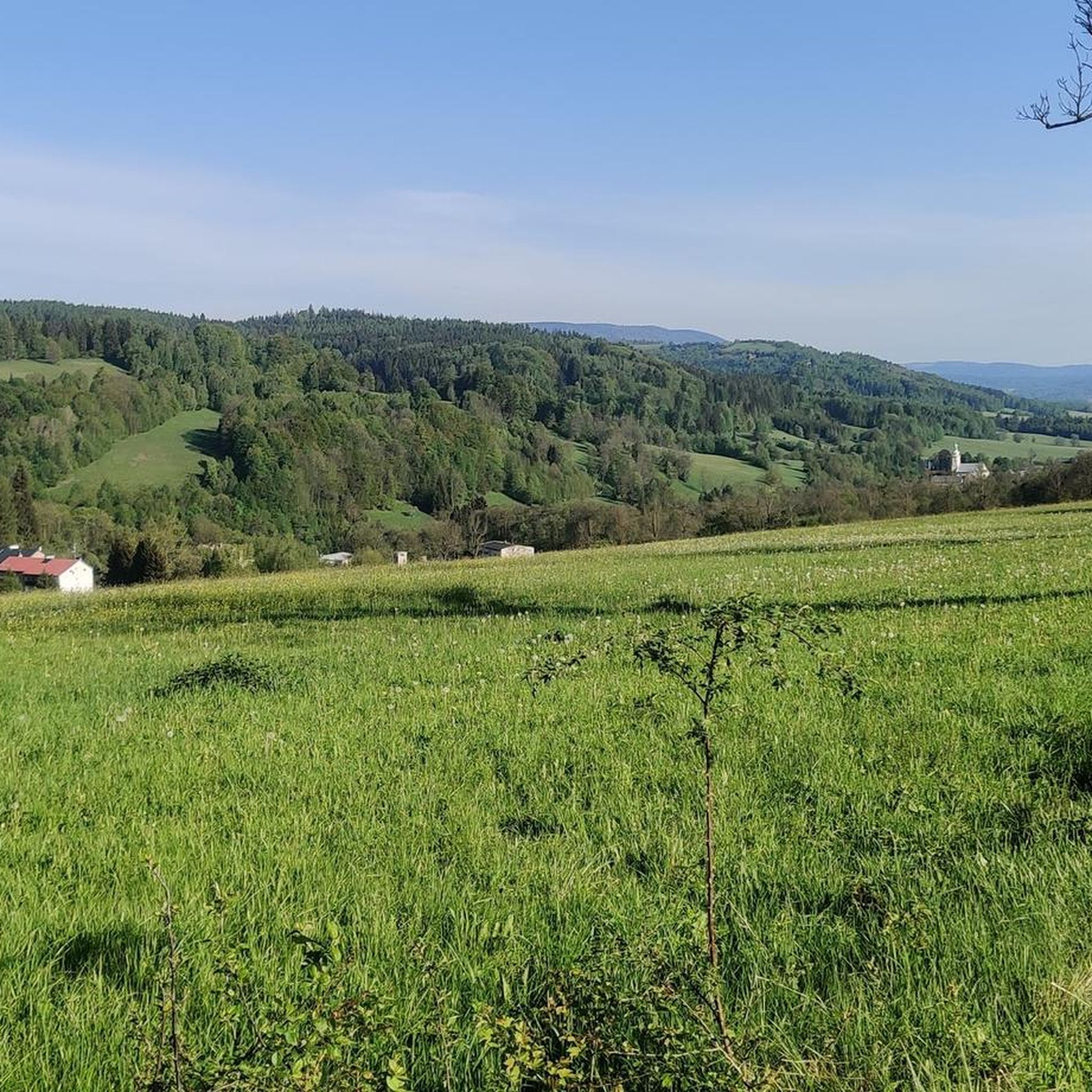
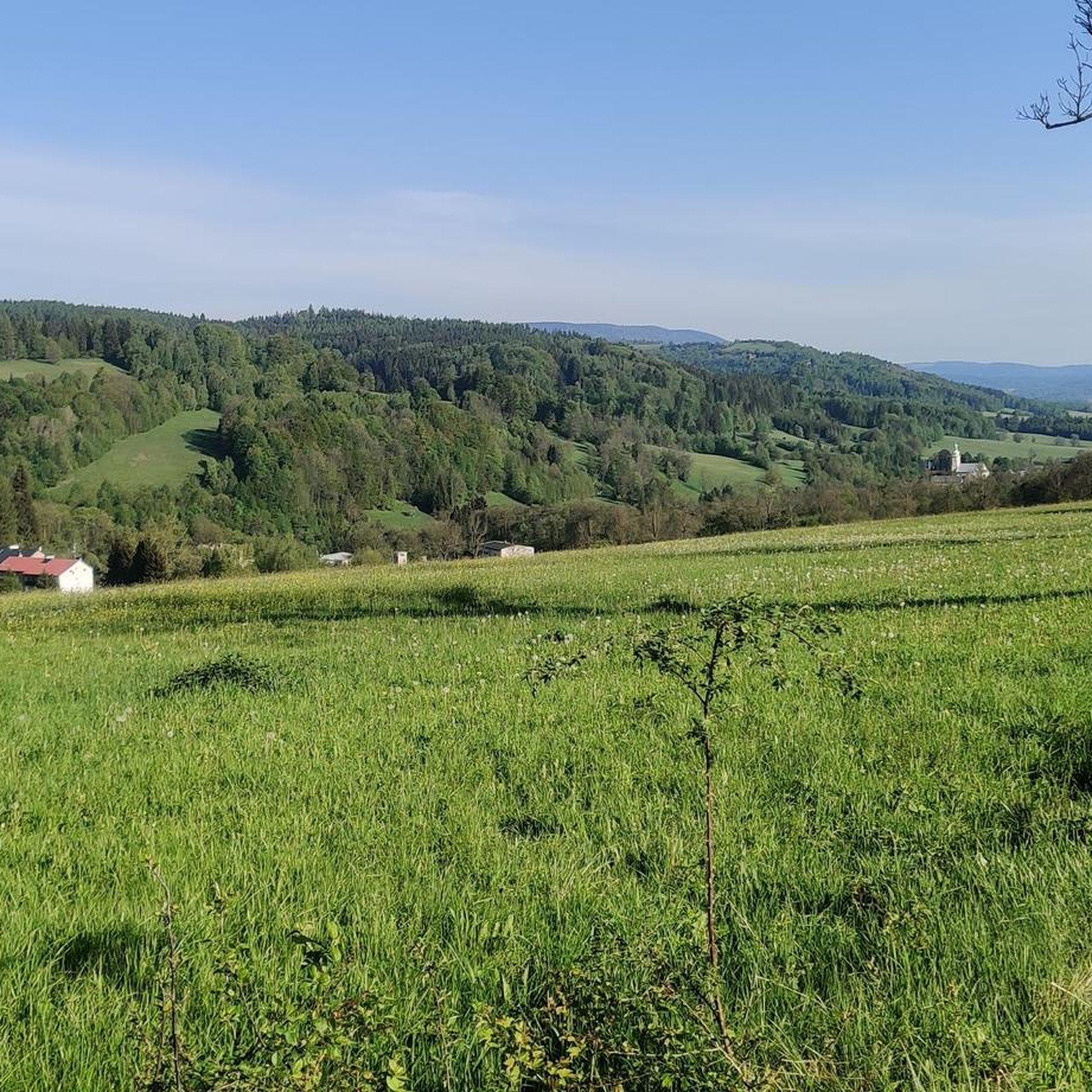
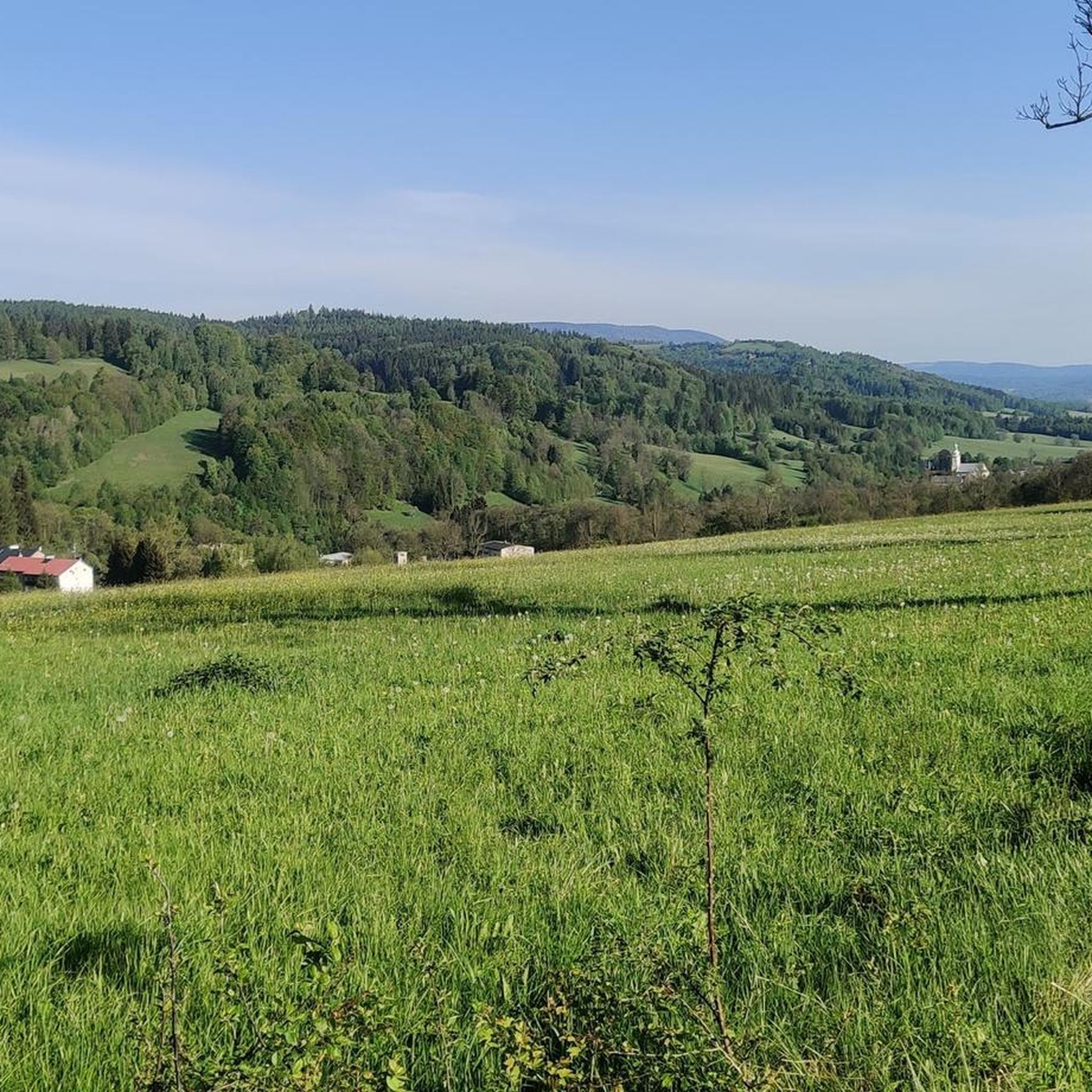
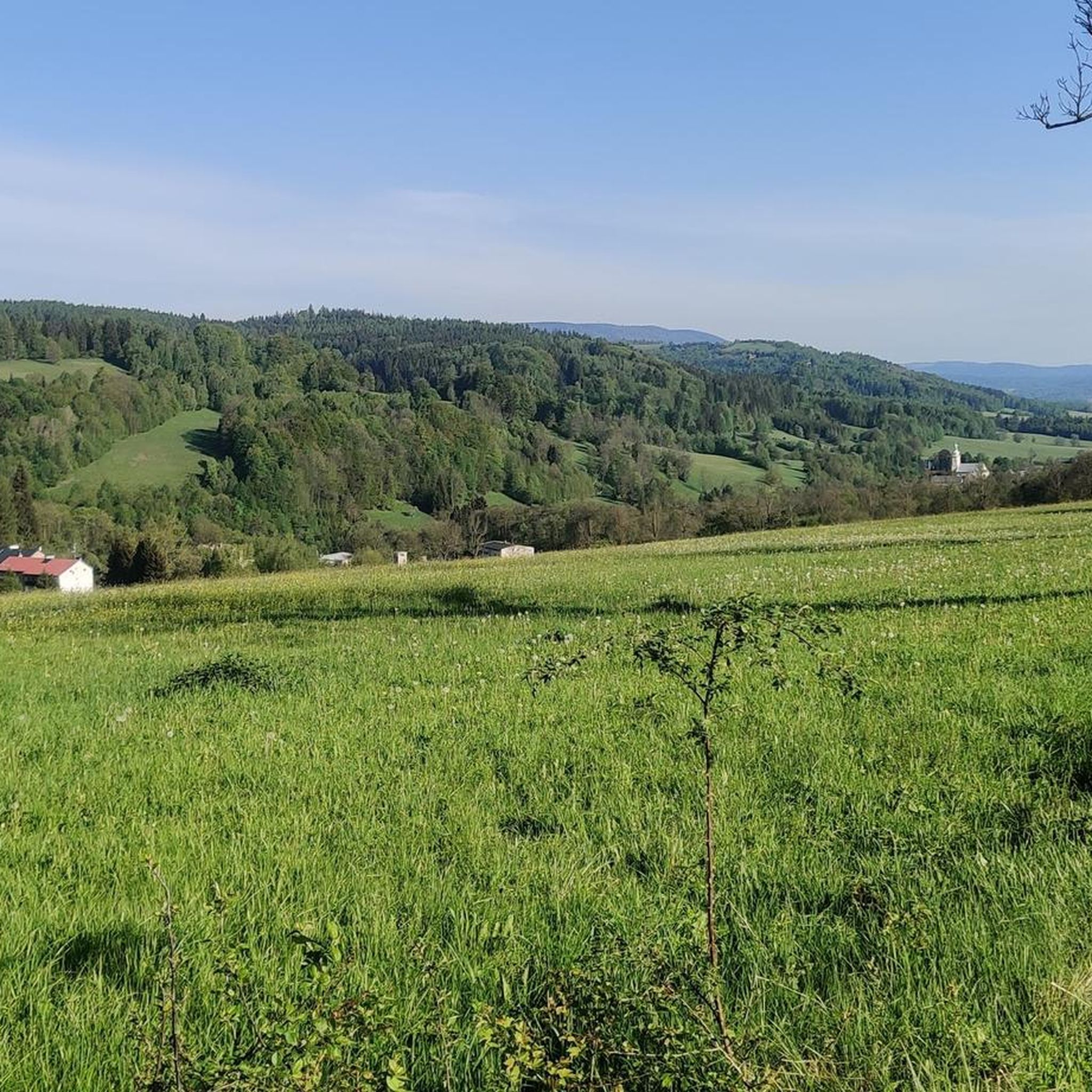
Jogging around gmina Międzylesie offers diverse natural landscapes in southeastern Poland, near the Czech border. The region is characterized by the Śnieżnik Massif, featuring peaks like Králický Sněžník, and the serene Kłodzko Valley with its lush forests and mountain air. Runners can explore varied terrain, from gentle paths along the Kamieńczyk River to more rugged mountain trails with significant elevation changes. This area provides a range of running opportunities for different fitness levels.
Best jogging routes around gmina Międzylesie
- The…
Last updated: July 1, 2026
19
runners
25.1km
03:30
1,030m
1,030m
Hard run. Very good fitness required. Mostly accessible paths. Some sure footedness required.
12
runners
10.8km
01:27
370m
370m
Hard run. Very good fitness required. Mostly paved surfaces. Suitable for all skill levels.

Sign up for free
14
runners
27.4km
03:50
1,180m
1,180m
Hard run. Very good fitness required. Mostly paved surfaces. Suitable for all skill levels.
3.0
(1)
8
runners
5.30km
00:37
100m
100m
Moderate run. Good fitness required. Mostly paved surfaces. Suitable for all skill levels.
8
runners
Moderate run. Good fitness required. Mostly paved surfaces. Suitable for all skill levels.
Get access to more routes and recommendations from other explorers.
Sign up for free
Already have an account?
Our route recommendations are based on thousands of hikes, rides, and runs completed by other people on komoot.
Start today with a free account
Your next adventure awaits.
Login or Signup
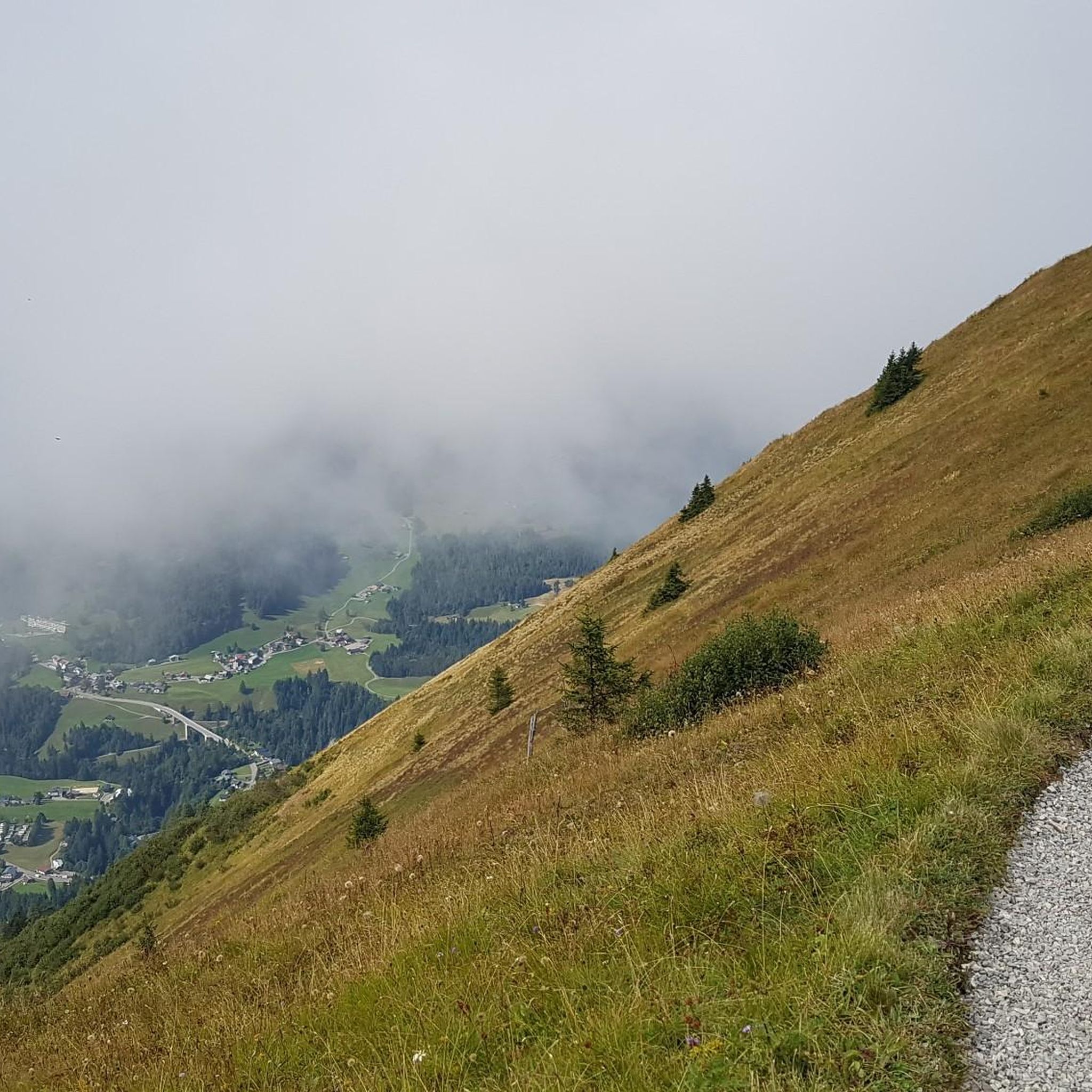
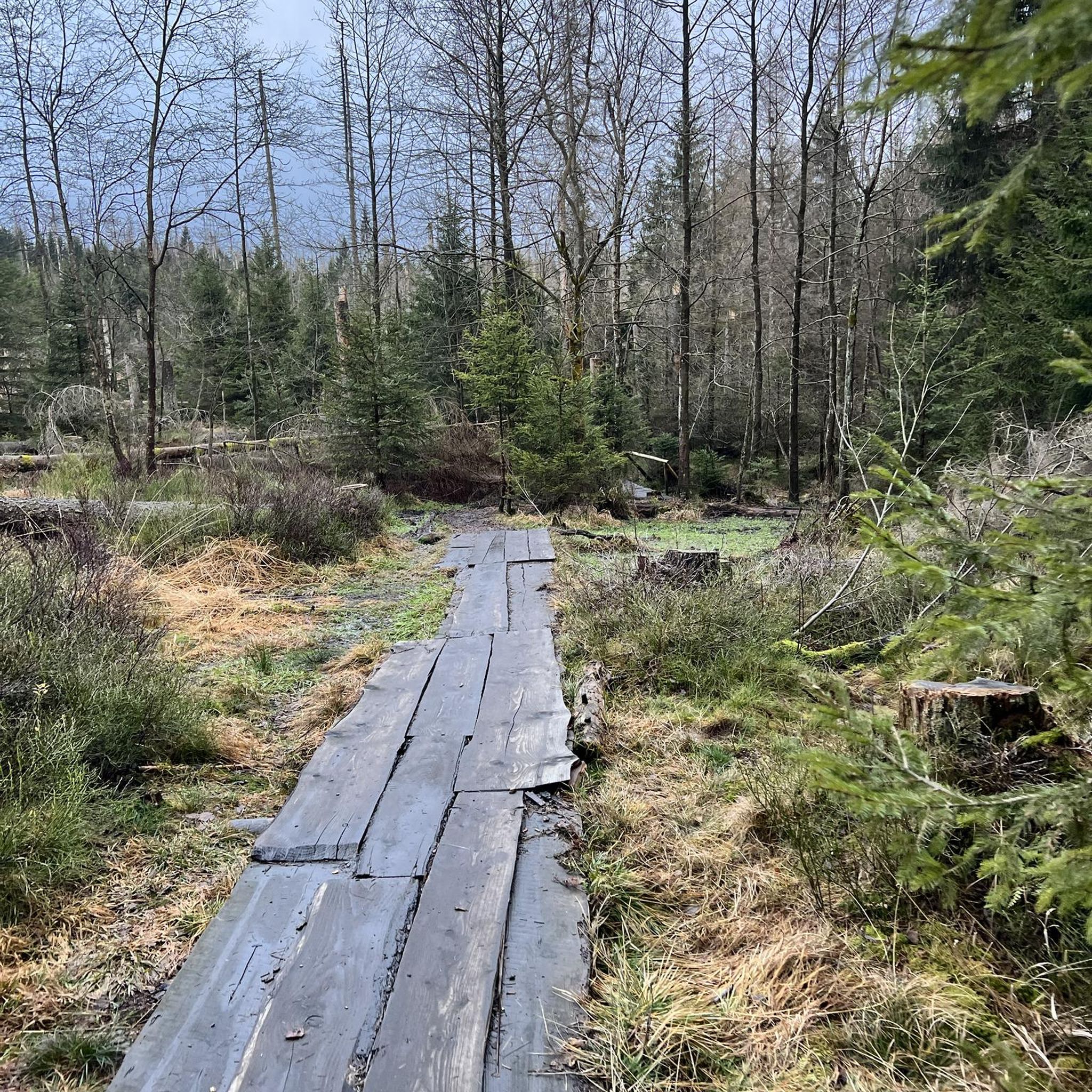
Tips from the Community

The first mention of the development of Śnieżnik Mountain dates back to 1809, when the owner of Międzygórze, Count Wilhelm von Magnis, built barns and shepherd's huts on the mountain pasture below Śnieżnik. In 1838, Międzygórze was purchased by Princess Marianna of Orange, the Lady of Kamieniec Ząbkowicki – daughter of the King of the Netherlands and wife of a Prussian prince. In 1840, she invited her father, King Wilhelm, with whom she reached the summit of Śnieżnik on July 20th. In 1869, the Duchess took over the land on the mountain pasture below Śnieżnik. She commissioned a highlander from Switzerland to build a Swiss mountain hut (Schweizerei am Schneeberg or Schweizerei auf dem Schneeberg) on the mountain pasture below Śnieżnik, which now forms the main part of the mountain hut. Construction was completed in 1871. The building initially served as a tourist inn, with 50 beds and a large dining hall. In the following years, the buildings were modernized several times. In 1872, utility rooms were built on the site of an old dairy farm. In 1880, a meteorological station was opened at the inn. In the 1930s, the inn had 30 beds. After World War II, the building stood empty until 1946. The dilapidated buildings were taken over by "Orbis," renaming it "Szwajcarka." In 1947, the Polish Tatra Mountain Shelter Board took over. The following summer, a shelter was opened, named "Na Śnieżniku" to distinguish it from the "Szwajcarka" shelter in Rudawy Janowickie. In 1950, the building became the property of the Polish Tourist and Sightseeing Society. At that time, the shelter had 63 beds. In the 1980s, the shelter was thoroughly modernized and renovated thanks to the efforts of its then-lessee, Zbigniew Fastnacht, who managed the facility from 1982 to 2001. After his death, in recognition of his achievements, the shelter was named after him.
1
1
The Wilczki Waterfall was formerly called Wodogrzmoty Żeromskiego (The Żeromski Waterfall). Years ago, the waterfall reached a height of approximately 27 meters, but after the great flood of 1997, the water eroded the artificially created 5-meter threshold, and now the water falls from a height of approximately 22 meters. Admission to the waterfall is free. However, the Wilczki Waterfall is not accessible to people with strollers or wheelchairs due to the numerous steps. Around the Wilczki Waterfall, there are viewing platforms from which you can admire the waterfall and its surroundings, as well as benches for walkers where you can sit, immersing yourself in the atmosphere of this extraordinary place and listening to the sound of the falling water. Above the waterfall itself, an iron bridge provides a beautiful view of the falling water.
1
1

The climb is not easy, but the view makes up for it.
7
0
Far-sightedness guaranteed in good weather, only the dirt of the other visitors trickles down on your head🤭
7
0

The highest waterfall in the Śnieżnik massif (22 meters tumbling into a cauldron) is a sight to behold (and listen to). Good trails offer numerous viewing points. There's also a restaurant right next door, so once you've admired and admired it, you can relax comfortably.
1
0
A peak in the Śnieżnik Massif (1153 m above sea level) – a long and winding ridge. There's a lot of forest here, but you can still see! There's also a good information board here about the Puchaczówka Pass and Marianskie Skały. If that's not enough, there's also a pretty good viewpoint nearby, just above the trees: a short walk south (a minute) and a path to the left.
0
0

It is better to book a place to stay in advance, the food is OK, the prices are like in other shelters in Poland, you have to take into account that there is no Wi-Fi on the premises of the shelter, and the mobile internet is so-so.
2
0

A big blender in the background
1
0
Frequently Asked Questions
How many running routes are available in Gmina Międzylesie?
Gmina Międzylesie offers a wide selection of running routes, with over 100 trails to explore. These include 40 moderate routes and 73 difficult routes, catering to various fitness levels and preferences.
Are there running routes suitable for beginners or those looking for an easier run?
While many routes in Gmina Międzylesie are rated moderate to difficult, there are options for easier runs, particularly along the serene Kłodzko Valley and paths near the Kamieńczyk River. For a moderate option, consider the Wronka loop from Długopole-Zdrój, which is just over 5 km with minimal elevation gain.
What kind of terrain can I expect on the running trails in Gmina Międzylesie?
The terrain varies significantly, from gentle paths through lush forests in the Kłodzko Valley to more rugged mountain trails within the Śnieżnik Massif. You'll encounter diverse landscapes, including forest paths, mountain ascents, and trails offering panoramic views.
Are there any long-distance running trails for experienced runners?
Yes, experienced runners will find several challenging long-distance routes. For example, the Králický Sněżník Summit – PTTK shelter "Na Śnieżniku." loop from Potoczek is a demanding 27.4 km trail with over 1180 meters of elevation gain, typically taking almost 4 hours to complete.
What natural landmarks or scenic viewpoints can I see while jogging?
The region is rich in natural beauty. You can encounter the stunning Králický Sněžník Summit, offering breathtaking panoramic views, and the impressive Wilczka Waterfall, the highest waterfall in the Śnieżnik massif. Other notable viewpoints include the Three Seas Peak Observation Tower and the Jagodna Summit and Observation Tower.
Are there any circular running routes in Gmina Międzylesie?
Yes, many of the routes in Gmina Międzylesie are designed as loops, allowing you to start and finish at the same point. A popular example is the Klepáč / Trójmorski Wierch loop from Kamienny Garb, a challenging 10.8 km route offering varied terrain and mountain scenery.
What do other runners enjoy the most about jogging in Gmina Międzylesie?
The running routes in Gmina Międzylesie are highly rated by the komoot community, with an average score of 4.8 stars from over 10 reviews. Runners often praise the diverse natural landscapes, from the serene Kłodzko Valley to the challenging Śnieżnik Massif, and the well-maintained trails that cater to different ability levels.
Can I bring my dog on the running trails in Gmina Międzylesie?
Many trails in natural areas are generally dog-friendly, but it's always advisable to check local regulations or signage at trailheads, especially within nature reserves. Keeping your dog on a leash is usually recommended for their safety and to protect local wildlife.
Are there family-friendly running routes in the area?
For families, the gentler paths along the Kamieńczyk River or within the Kłodzko Valley offer pleasant running opportunities. These areas typically feature less elevation and more accessible terrain, suitable for a leisurely run with children.
What is the best time of year to go running in Gmina Międzylesie?
The region is beautiful year-round, but spring and autumn offer particularly pleasant conditions with milder temperatures and vibrant scenery. Summer is also popular, though mountain trails can be more challenging in the heat. Winter running is possible, especially on lower elevation trails, but requires appropriate gear for snow and ice.
Are there any lakes or reservoirs near the running routes for a scenic break?
Yes, the region features several beautiful water bodies. You can find highlights like the Stara Morawa Reservoir, the Reservoir on the Wild Adler, and the Pastviny Dam. These can offer picturesque spots for a break or a refreshing view during your run.
Are there any historical sites or ruins I might encounter on the trails?
While not explicitly listed on specific running routes, the broader region is known to have historical sites such as old ruins like Grodno Castle or World War II bunkers hidden within the forests. Exploring these can add an element of discovery to your run.
Most popular routes around gmina Międzylesie
Most popular attractions around gmina Międzylesie

Get inspired with the komoot mobile app


Explore more
Browse the best Running Trails & Routes in other regions.
