Attractions and Places To See around Brójce - Top 20
Best attractions and places to see around Brójce include a mix of natural and urban points of interest. The area features recreational lakes and beaches, offering opportunities for outdoor activities. It also encompasses cultural and historical sites, reflecting a blend of natural landscapes and developed areas. Visitors can explore both serene natural settings and vibrant urban centers.
Best attractions and places to see around Brójce
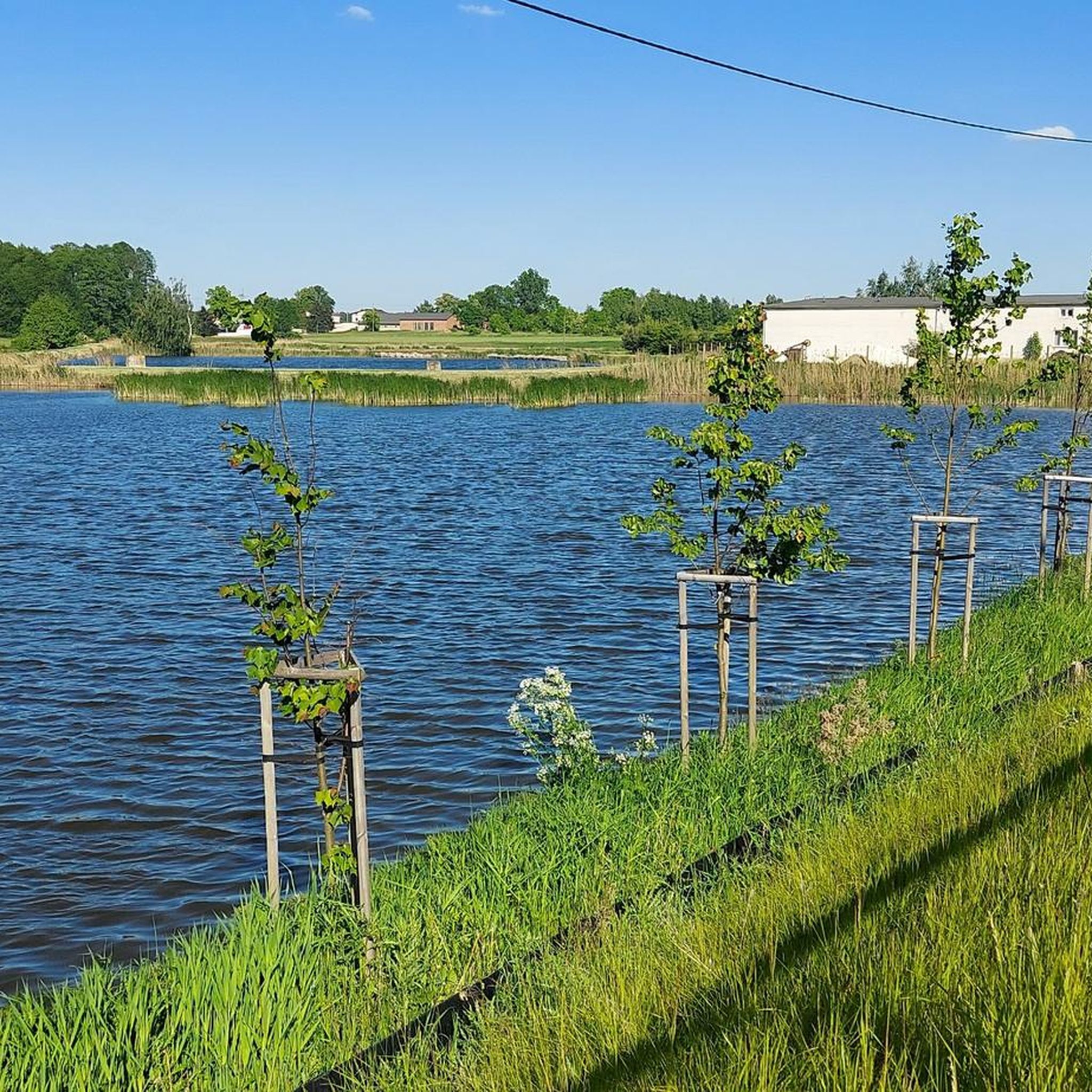
- The most popular attractions is Stefański Ponds – Northern Bridge, a lake that serves…
Last updated: July 1, 2026
Stefański Ponds – Northern Bridge
Highlight • Lake
Translated by Google •
Tip by

OFF Piotrkowska
Highlight • Structure
Translated by Google •
Tip by

Sign up now to discover places like this
Get recommendations on the best single tracks, peaks, & plenty of other exciting outdoor places.
Sign up for free
Stawy Stefańskiego Beach
Highlight • Beach
There is a pond with an area of 11.4 ha in the park, which is an extension of the Ner …
Translated by Google •
Tip by

Władysław Reymont Statue
Highlight • Monument
Translated by Google •
Tip by

Herbst Palace
Highlight • Historical Site
Translated by Google •
Tip by

Sign up for free to discover even more attractions around Brójce.
Sign up for free
Already have an account?
Start today with a free account
Your next adventure awaits.
Login or Signup

Tips from the Community

Beautiful photos, thank you for sharing. 🙏
0
0

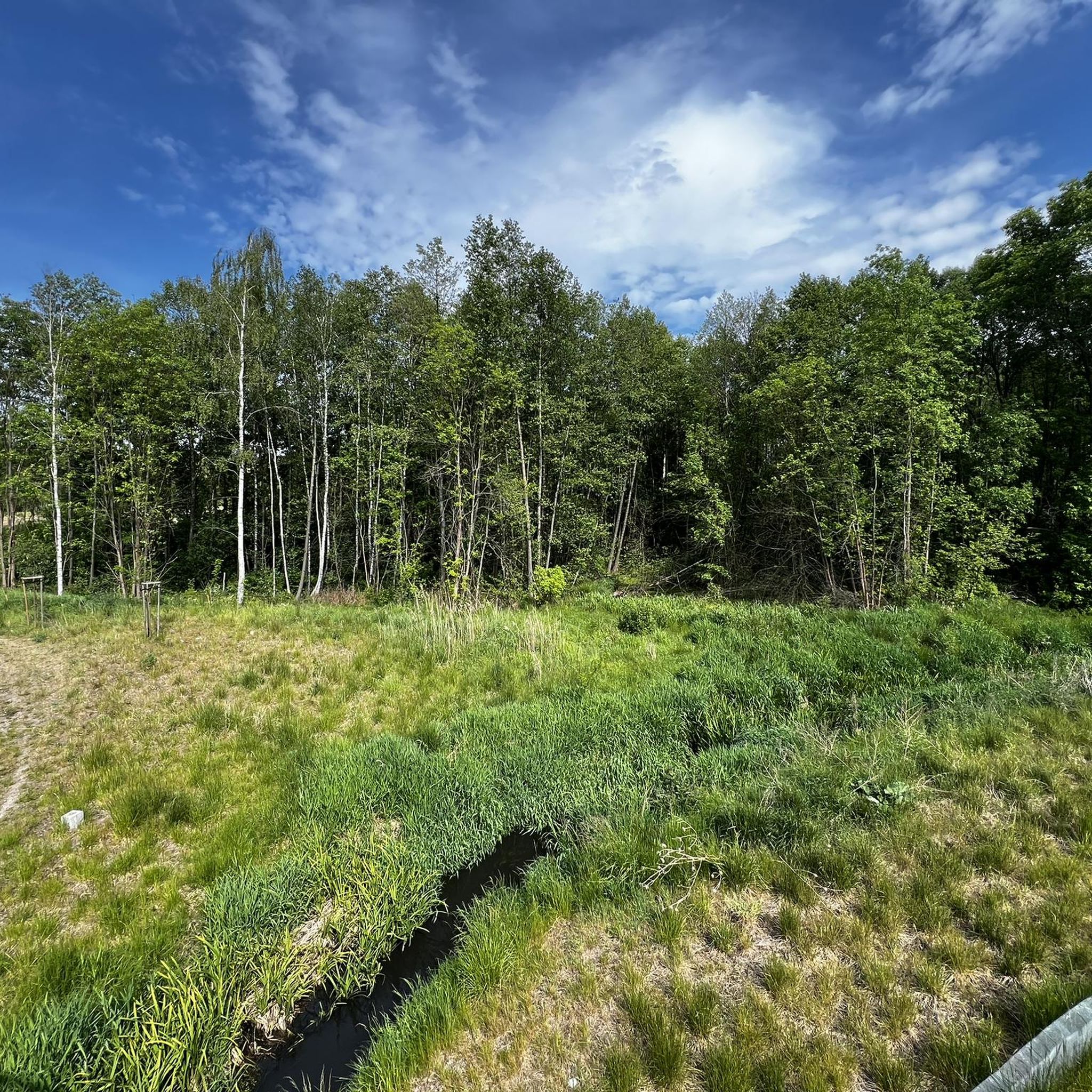
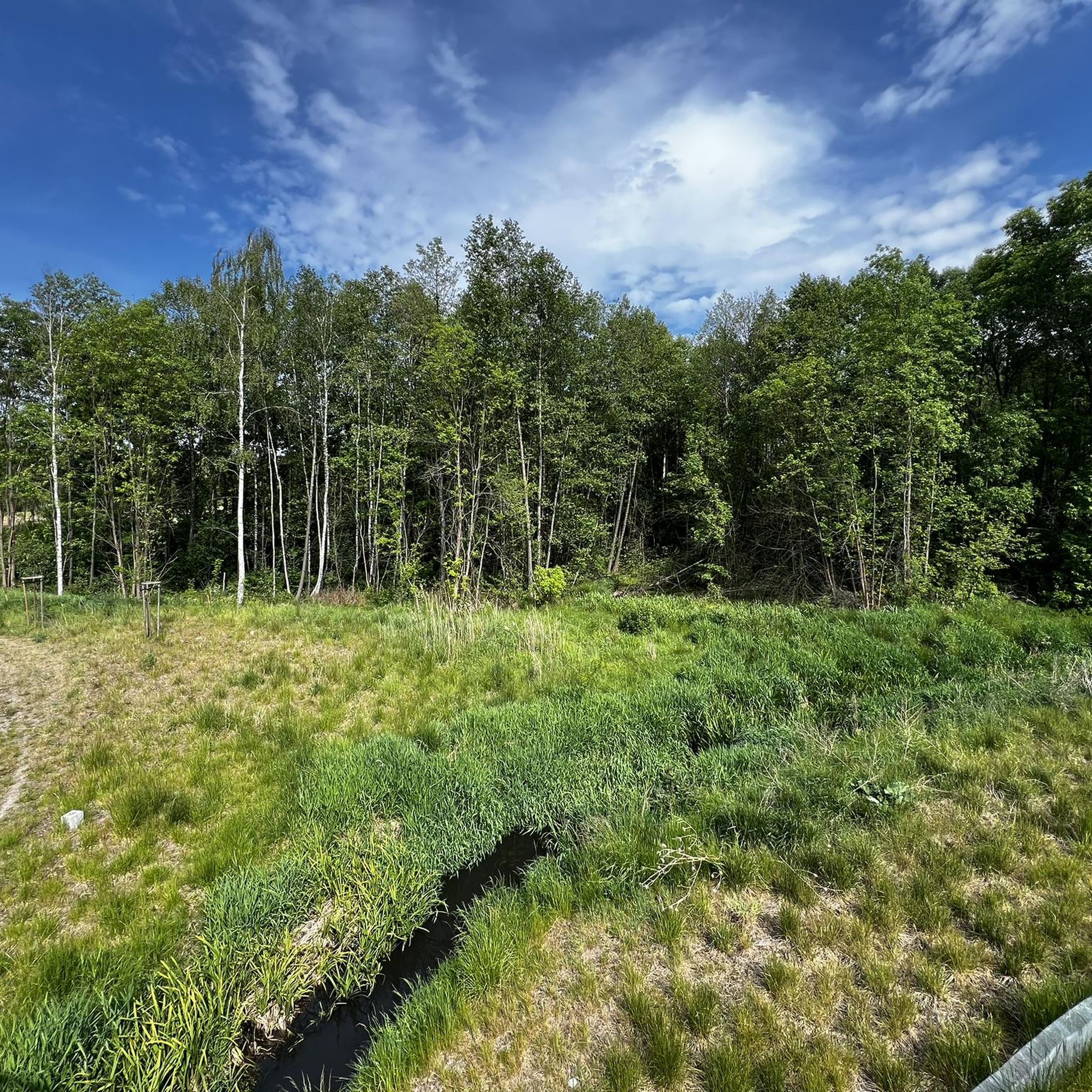
Park im. 1 Maja, Stawy Stefańskiego is a recreational facility There is a pond with an area of 11.4 ha in the park, which is an extension of the Ner riverbed. The pond was once privately owned and part of the Ruda farm. There was a manor house nearby. After World War I, the pond was bought by a private entrepreneur, Stefański. As a result of exploitative management, most of the animals living here died out or left the area. Year by year, the pollution of the pond increased and it required thorough cleaning. This was later done by the occupiers. After the end of World War II, Ruda Pabianicka found itself within the city limits of Łódź, and the park became the subject of interest of the city authorities. A few years after the war, it was decided to build a recreation center in Ruda Pabianicka. Part of the area on the western side was designated for the park. Roads were built, trees and shrubs were planted. In 1949, construction of a swimming pool began. The pond was deepened, and a sleigh hill was built from the excavated sand, while the stables from the former farm were transformed into changing rooms for guests spending time by the water. A second, smaller pond was also created, acting as a settling pond and stocked with fish. The work was completed in 1951. A bituminous surface was laid in the park alleys, restaurants and other buildings were renovated. The pond overlaps the riverbed of the Ner, stretches for 2.5 km and is up to 165 m wide, with a depth of 1 m to 4 m.
1
0
Park im. 1 Maja, Stawy Stefańskiego is a recreational facility There is a pond with an area of 11.4 ha in the park, which is an extension of the Ner riverbed. The pond was once privately owned and part of the Ruda farm. There was a manor house nearby. After World War I, the pond was bought by a private entrepreneur, Stefański. As a result of exploitative management, most of the animals living here died out or left the area. Year by year, the pollution of the pond increased and it required thorough cleaning. This was later done by the occupiers. After the end of World War II, Ruda Pabianicka found itself within the city limits of Łódź, and the park became the subject of interest of the city authorities. A few years after the war, it was decided to build a recreation center in Ruda Pabianicka. Part of the area on the western side was designated for the park. Roads were built, trees and shrubs were planted. In 1949, construction of a swimming pool began. The pond was deepened, and a sleigh hill was built from the excavated sand, while the stables from the former farm were transformed into changing rooms for guests spending time by the water. A second, smaller pond was also created, acting as a settling pond and stocked with fish. The work was completed in 1951. A bituminous surface was laid in the park alleys, restaurants and other buildings were renovated. The pond overlaps the riverbed of the Ner, stretches for 2.5 km and is up to 165 m wide, with a depth of 1 m to 4 m.
0
0
It is a branch of the Museum of Art in Łódź located in the neo-Renaissance villa of Edward Herbst in Łódź. The branch presents the original 19th-century palace interiors and a collection of old art in the coach house building. After the war, the villa complex was used by various state institutions. Many years of neglect and improper use led to the devastation of the buildings. The residence of the Herbst family was taken over by the Museum of Art in Łódź in 1976. For almost fourteen years, a general renovation combined with the reconstruction of the interiors and other conservation procedures lasted. In 1990, thanks to the efforts of the then director of the Museum, Ryszard Stanisławski, the palace was officially opened to visitors as a branch of the Museum of Art in Łódź. At the same time, in the same year, the branch was honored with the Europa Nostra medal. It was the first medal awarded to a facility in Poland. In 2012, the Gallery of Old Art was created on the premises of the Herbst complex in the building of the former coach house.
0
0

Reymont's works are very diverse in their subject matter and literary form. They are often determined by socially critical perspectives.
0
0
Commander of the Order of Polonia Restituta (1921) Nobel Prize for Literature (1924) Grand Cross of the Order of Polonia Restituta (1924) Commander of the Legion of Honour The Sejm of the Republic of Poland declared the year 2000 the official Reymont Year. In honour of Reymont, the airport in the city of Łódź was named Władysław Reymont Airport after him in 2005
0
0
The Ner is the largest river in Łódź, it originates near Mileszki (eastern part of Łódź). The river flows at Kolumny Street and further towards the southwest
1
0
On April 11, 1940, Łódź was renamed Litzmannstadt in honor of the German general Karl Litzmann (1850–1936), whose 3rd Guards Infantry Division had fought victoriously in the Battle of Łódź at the end of 1914.
1
0
Frequently Asked Questions
What natural attractions can I explore around Brójce?
The area around Brójce offers several natural points of interest. You can visit Stefański Ponds – Northern Bridge, a lake on the River Ner popular for feeding ducks and scenic views. Nearby, Stawy Stefańskiego Beach provides a recreational facility for relaxation and water activities. Further afield, Jezioro Wielkie (Bruzda Zbąszyńska) and Jezioro Wędromierz are other lakes offering natural beauty. For birdwatching, the Liwia Łuża Lake is an ornithological reserve known for migratory birds, especially wild swans.
Are there opportunities for hiking or cycling near Brójce's attractions?
Yes, the region around Brójce provides various routes for outdoor activities. For hiking, you can find easy to moderate trails like the "Pier – World Cities Signpost loop from Zeromin" or the "Stawy Jana loop from Chojny." Cyclists can enjoy routes such as the "España '82 Memorial Mural – Łódź loop from Olechów-Janów." You can explore more options and detailed routes for hiking and road cycling around Brójce.
What family-friendly activities are available around Brójce?
Families visiting Brójce have several options. The upcoming Hossoland Amusement Park, set to open in May 2025, will offer over 50 attractions inspired by Baltic legends. For current activities, Stawy Stefańskiego Beach and Stefański Ponds – Northern Bridge are great for water activities and feeding ducks. Aquaparks in Świebodzin (Aquapark ŚWIEWODA) and at Sandra Spa provide water fun. The Whale Park in Rewal offers an educational experience with marine animal replicas, perfect for children.
What historical or cultural sites can I visit near Brójce?
The region boasts a rich history. You can explore the Międzyrzecki Fortified Region (MRU), a historic military fortification system. Other notable sites include the Pocysterski Zespół Klasztorny (Post-Cistercian Monastery Complex), Zamek w Międzyrzeczu (Międzyrzecz Castle), and Zamek Książęcy w Świebodzinie (Princely Castle in Świebodzin). In Świebodzin, the prominent Statue of Christ the King is one of the world's largest. For a modern cultural experience, OFF Piotrkowska, an old factory transformed into a trendy area with restaurants and shops, is a popular spot.
Are there any unique or less-known attractions worth visiting around Brójce?
Beyond the main highlights, consider exploring the Sea narrow gauge railway for scenic journeys, or the Lighthouse in Niechorze, which offers panoramic views and a Butterfly Room. OFF Piotrkowska, while popular, offers a unique blend of history and modern culture in a repurposed factory setting, making it a distinctive urban experience.
Are there any wheelchair-accessible attractions around Brójce?
Yes, the Władysław Reymont Statue is noted as wheelchair-accessible. This monument honors the Nobel Prize-winning Polish writer and is located in an area that is beautifully lit in the evenings.
When is the best time of year to visit Brójce's attractions?
The best time to visit Brójce largely depends on your interests. For water activities at Stawy Stefańskiego Beach and enjoying the lakes, the warmer months from late spring to early autumn (May to September) are ideal. If you prefer hiking or cycling, spring and autumn offer pleasant temperatures and beautiful scenery. The Stefański Ponds – Northern Bridge are described as amazing in every season, suggesting year-round appeal for scenic views.
What do visitors enjoy most about the attractions around Brójce?
Visitors particularly appreciate the blend of natural beauty and urban vibrancy. The Stefański Ponds – Northern Bridge is loved for its scenic views in every season and as a spot to feed ducks. OFF Piotrkowska is highly rated for its trendy atmosphere, offering a variety of good restaurants, bars, and shops within an old factory site. The overall appeal lies in the diverse range of experiences, from serene natural settings to lively cultural hubs.
Are there any cultural centers or museums in the Brójce area?
Yes, for those interested in local culture and history, the Świebodziński Dom Kultury (Świebodzin Cultural Center) and the Muzeum Regionalne w Świebodzinie (Regional Museum in Świebodzin) offer insights into the local area's heritage and artistic expressions.
Where can I find recreational facilities for sports and leisure near Brójce?
For active recreation, you can visit the Ośrodek Sportu i Rekreacji w Świebodzinie (Sports and Recreation Center in Świebodzin) and the Ośrodek Sportu i Rekreacji w Zbąszynku (Sports and Recreation Center in Zbąszynek). These centers provide a range of sporting and leisure facilities to cater to various interests.
What kind of urban experiences can I find around Brójce?
Beyond natural landscapes, the area offers vibrant urban experiences, particularly in Łódź. OFF Piotrkowska is a prime example, transforming an old factory into a bustling hub of restaurants, bars, and shops. The city of Łódź itself, once an industrial textile center, now features restored areas like Piotrkowska Street, known for its promenade, diverse dining, and hotel options.
Most popular attractions around Brójce

Get inspired with the komoot mobile app


Explore more
Still not found the Highlight you’re looking for? See guides of the top attractions in other regions:
