The best cycling routes around gmina Sławno
4.7
(556)
2,880
riders
154
rides
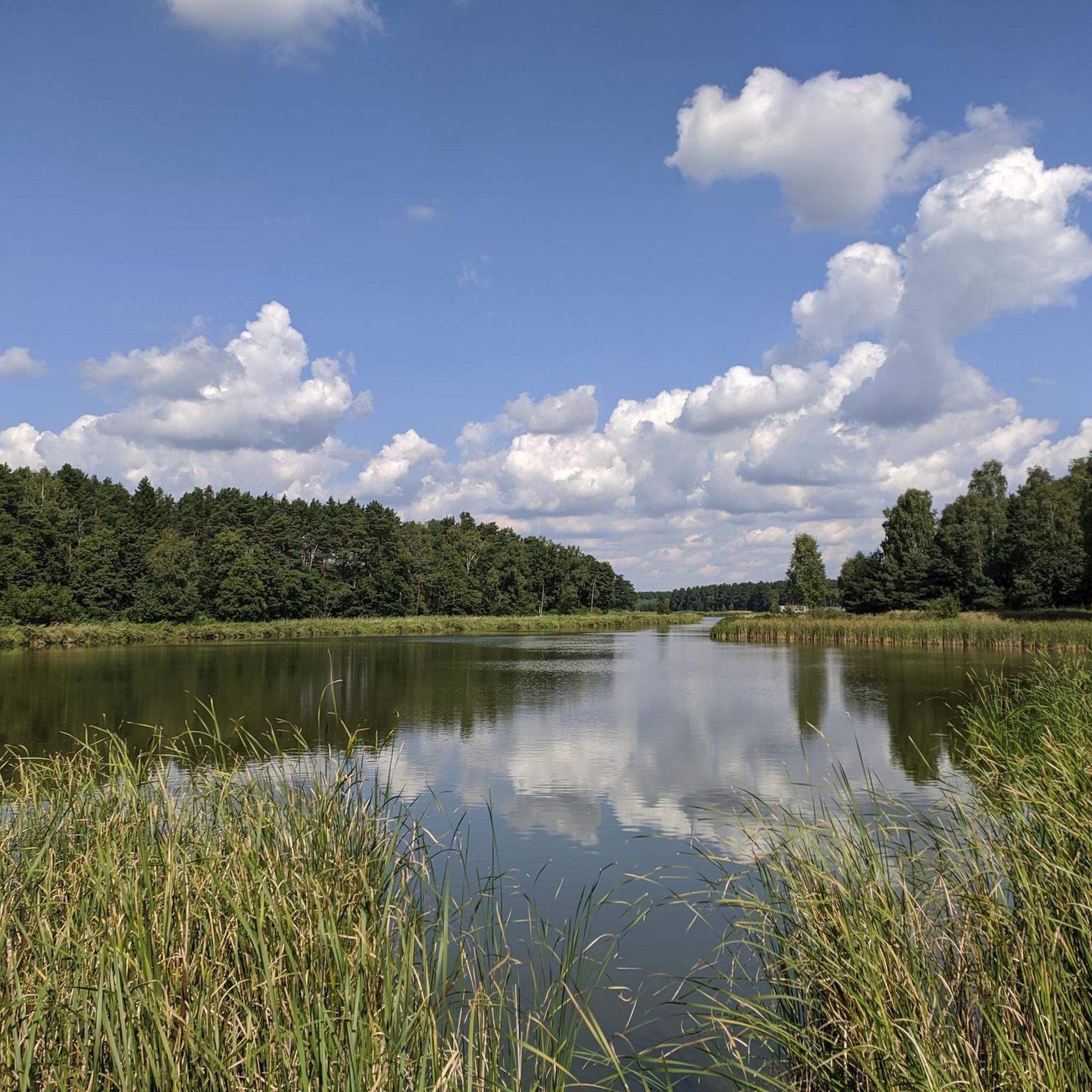
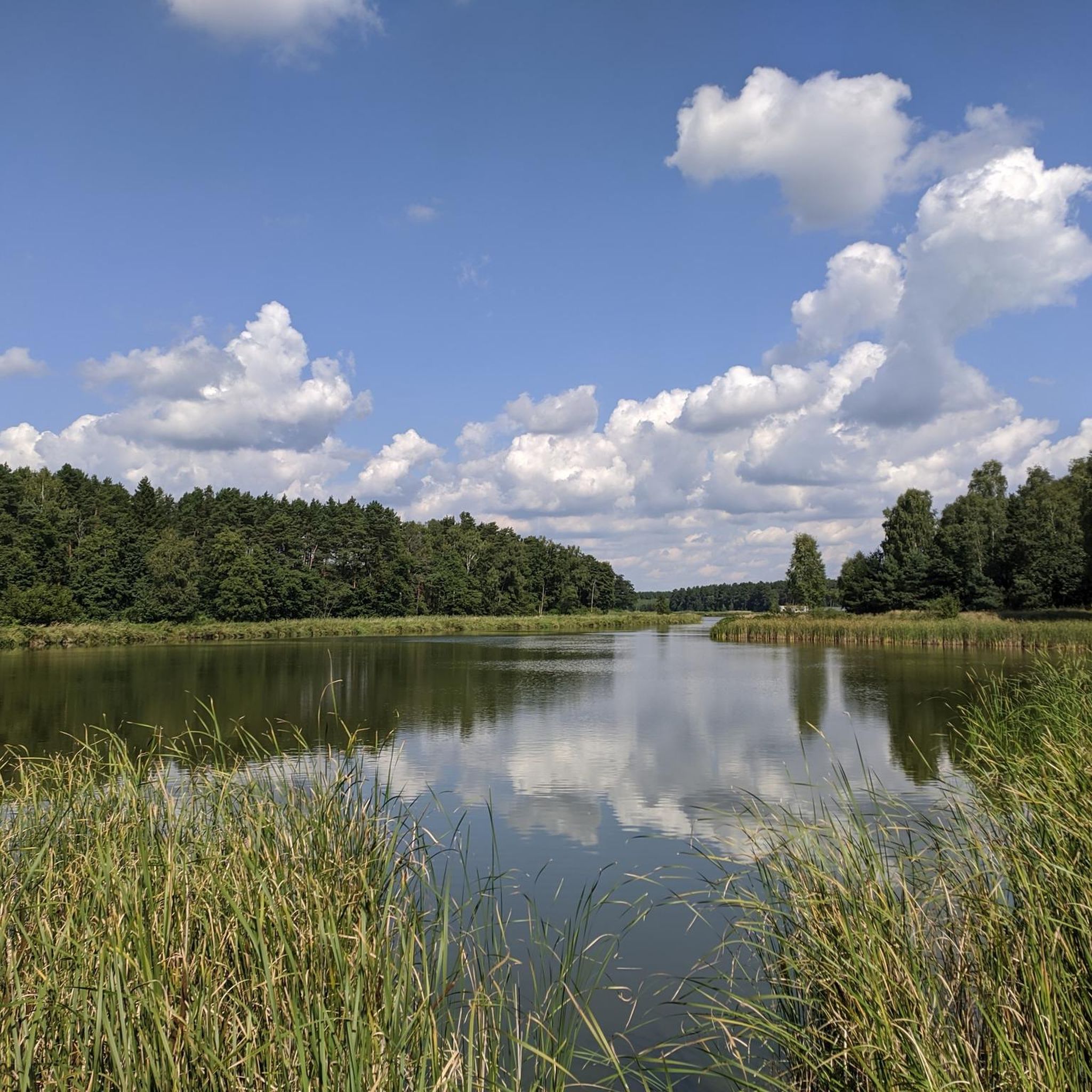
Touring cycling around gmina Sławno offers diverse landscapes for exploration. The region is situated on the Sławno Plain, characterized by wide river valleys such as the Wieprza, Moszczeniczka, and Reknica, alongside significant forest coverage. Jezioro Łętowskie, the largest body of water, provides scenic views. The area features dedicated cycling infrastructure, including the Sławieński Szlak Rowerowy, which connects to the international EuroVelo R-10 Baltic Sea Cycle Route.
Best touring cycling routes around gmina Sławno
- The most popular touring cycling route is…
Last updated: July 4, 2026
4.8
(32)
105
riders
17.3km
01:05
100m
100m
Easy bike ride. Great for any fitness level. Mostly paved surfaces. Suitable for all skill levels.
4.6
(7)
38
riders
42.8km
02:36
150m
150m
Moderate bike ride. Good fitness required. Mostly paved surfaces. Suitable for all skill levels.

Sign up for free
4.3
(6)
21
riders
26.5km
01:45
110m
110m
Easy bike ride. Great for any fitness level. Mostly paved surfaces. Suitable for all skill levels.
5.0
(3)
9
riders
50.9km
03:27
190m
190m
Moderate bike ride. Good fitness required. Mostly paved surfaces. Suitable for all skill levels.
8
riders
Easy bike ride. Great for any fitness level. Mostly paved surfaces. Suitable for all skill levels.
Get access to more routes and recommendations from other explorers.
Sign up for free
Already have an account?
Our route recommendations are based on thousands of hikes, rides, and runs completed by other people on komoot.
Start today with a free account
Your next adventure awaits.
Login or Signup

Tips from the Community

Groty w Nagórzycach The Nagórzyce Caves (municipality of Tomaszów Mazowiecki) and, on the other side of the Pilica river, the Biała Góra Cave (Smardzewice) are artificial underground excavations, formed in Cretaceous sandstones, where rocks were mined from the mid-19th century, initially probably for construction purposes, and later for the needs of the glass industry. Guaranteed coolness! source Łódź.pl
0
0

Sulejowski Reservoir and Smardzewice
0
0
I wasn't inside, but from the outside it looks nice.
0
0

Someone mixed up the photos of the dam and the pier.
0
0
It seems the bridge is gone. Unless it was somewhere under the February ice...
0
0

A spot by the reservoir in the "Overnight in the Forest" area. A gentle slope down to the water. You might encounter anglers.
1
0
A lot of water for Łódź
0
0

At the site of the apparition of Saint Anne to a local villager, Wojciech Głowa, a wooden cross was first erected, followed by a small wooden chapel. The site of the apparition quickly became famous for miracles and graces received through the intercession of Saint Anne. Soon, news of the miracles reached the clerical authorities, who appointed a commission to investigate the events taking place at the cross. The Bishop of Kujawy, Paweł Wołudzki, having become convinced of the graces flowing to the villagers, decided to build a wooden church under the invocation of Saint Anne nearby, 300 steps to the north-west, where the current temple is located. He sent one of the priests to this place to take care of the pilgrims. However, he was unable to cope with the growing number of pilgrims. In 1639, Bishop Mateusz Łubiński entrusted this sanctuary to the Conventual Franciscans. They began to organize monastic life and serve the pilgrims. In 1657, during the Swedish Deluge, the monastery and church suffered significant damage. Work on the construction of a brick church began during the term of office of the guardian of Smardzewice, Fr. Hadrian Kozłowicz, in 1683. The construction was completed in 1699, it was a votive offering of the Bishop of Warmia, Stanisław Zbąski, to Saint Anne for graces received, especially for the gift of health. The church was consecrated on November 6, 1701, by Bishop Andrzej Albinowski, suffragan of Kujawy. The parish was canonically erected on July 26, 1775, by the Bishop of Włocławek, Antoni Kazimierz Ostrowski. The founder of the brick monastery, next to the church, was the Bishop of Kujawy, Krzysztof Antoni of Stupowo Szembek, later the Primate of Poland. Thanks to him, the monastery was built in the years 1722-1746 and the existing church was surrounded by a wall. Because of the Franciscans' support for the January Uprising, on November 21, 1864, the tsarist government dissolved the order in the Russian partition, including the Franciscan monastery in Smardzewice. The land of the Smardzewice monastery was parceled out, and the management of the parish was entrusted to diocesan priests. During World War I (1914-1918), the church was partially destroyed. After Poland regained independence in 1918, the church buildings and the monastery began to be restored.
0
0
Frequently Asked Questions
How many touring cycling routes are available in gmina Sławno?
There are over 100 touring cycling routes in gmina Sławno, offering a wide range of options for exploration. These include easy, moderate, and some more challenging paths.
What kind of terrain can I expect on touring cycling routes in gmina Sławno?
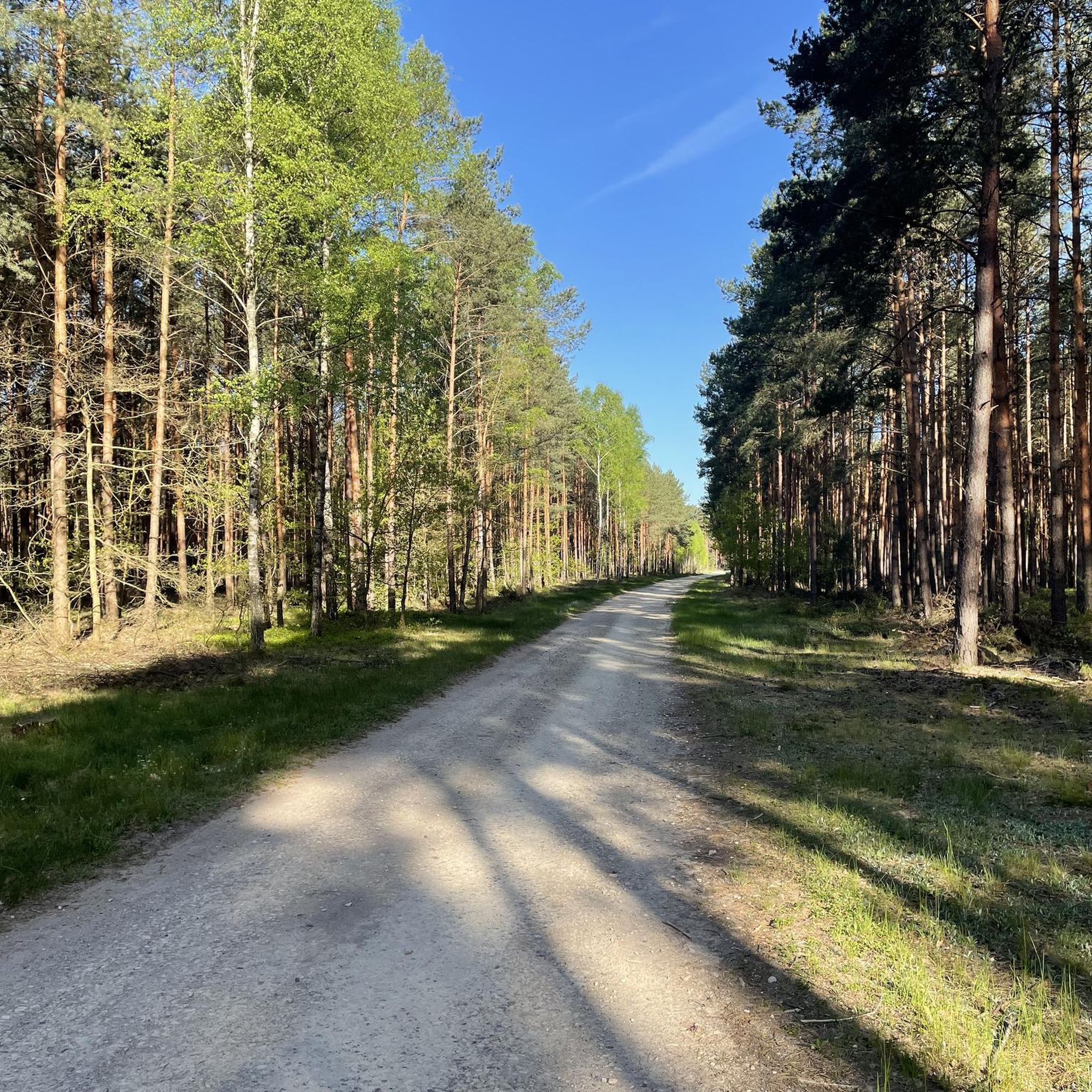
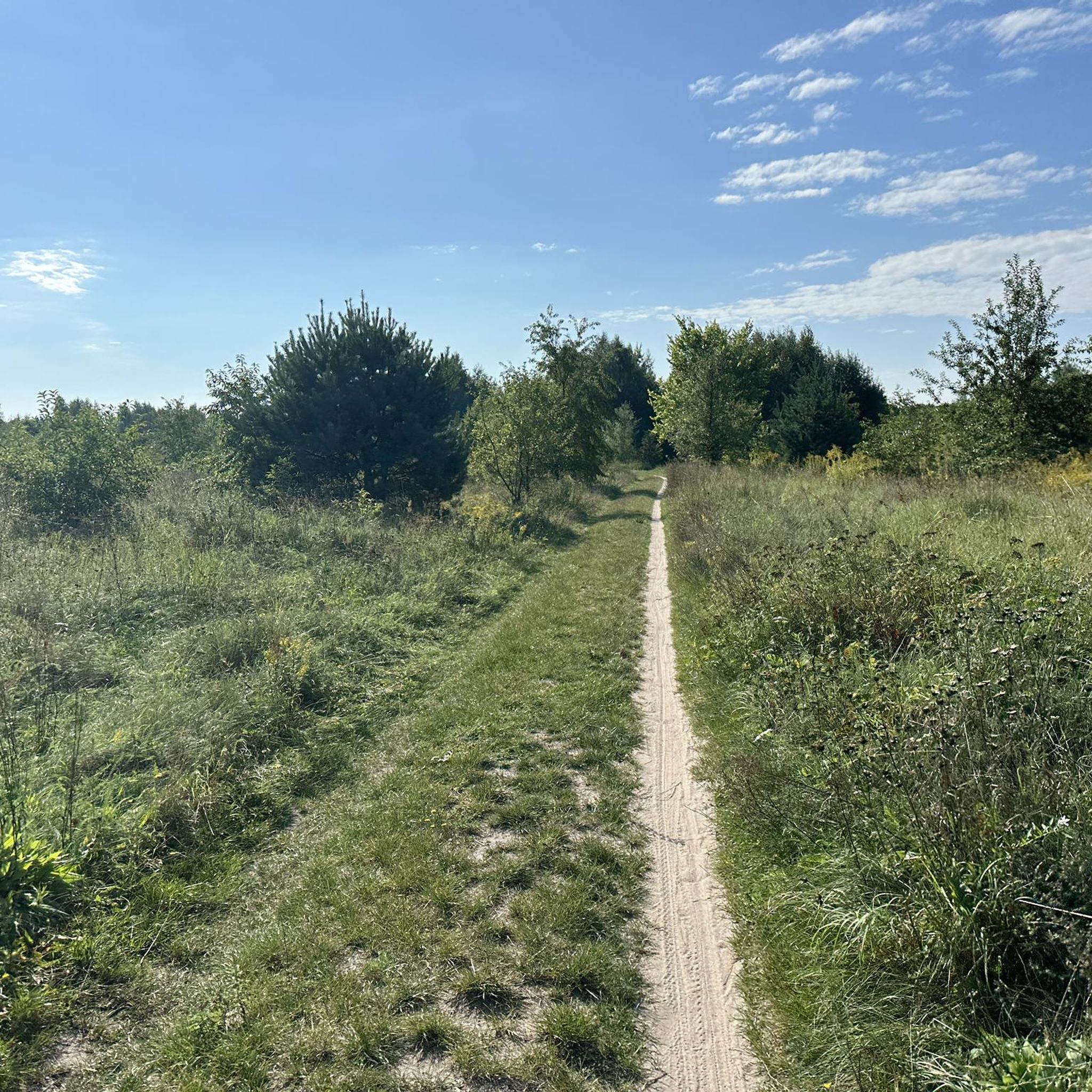
The terrain in gmina Sławno is characterized by wide river valleys, extensive forests, and the presence of Jezioro Łętowskie. You'll find dedicated cycling infrastructure, including the Sławieński Szlak Rowerowy, which utilizes roads, forest paths, and renovated former railway tracks. Some routes, particularly around Lake Wicko, may include sandy sections.
Are there family-friendly touring cycling routes in gmina Sławno?
Yes, gmina Sławno offers many easy routes suitable for families. An excellent option is the St. Wenceslaus Wooden Church – Karolinów Beach loop from Smardzewice, which is 22.6 km long and connects cultural sites with scenic lake views on mostly flat terrain.
What natural attractions can I see along the touring cycling routes?
You can discover several natural attractions. The region features the scenic Jezioro Łętowskie and the coastal Lake Wicko, protected under the Natura 2000 network. You might also encounter highlights such as the Niebieskie Źródła Nature Reserve, the Sulejów Reservoir, and various viewpoints like the View of Zalew Sulejowski.
Are there any historical sites or cultural landmarks to visit while cycling?
Yes, gmina Sławno and its surroundings offer cultural and historical points of interest. You can cycle past the St. Wenceslaus Wooden Church. The broader region also includes the Darłowo Lighthouse and historical sites within Sławno itself, which has roots dating back to the early Middle Ages.
Are there circular touring cycling routes available?
Many routes in gmina Sławno are designed as loops, perfect for touring cyclists. For example, the Sulejów Reservoir Dam loop from Smardzewice offers views of the reservoir, and the Camping Łoś – Dam on the Sulejow Reservoir loop from Smardzewice provides a longer, moderate challenge around the same area.
What is the best season for touring cycling in gmina Sławno?
The best season for touring cycling in gmina Sławno is generally from spring to autumn. During these months, the weather is most favorable, allowing you to fully enjoy the coastal proximity, lake views, and forest paths. The region benefits from a seaside climate.
Can I connect to longer-distance cycling trails from gmina Sławno?
Yes, the Sławieński Szlak Rowerowy, a dedicated network within the gmina, connects in the north with the International Baltic Sea Cycling Route R-10 (Hanseatic Coastal Trail). This allows for extended long-distance touring possibilities beyond the immediate gmina.
What do other touring cyclists say about the routes in gmina Sławno?
The touring cycling routes in gmina Sławno are highly rated by the komoot community, with an average score of 4.7 stars from nearly 400 reviews. Cyclists often praise the diverse landscapes, dedicated infrastructure, and the mix of tranquil routes and picturesque scenery.
Are there amenities like rest stops or information boards along the trails?
Yes, along the Sławieński Szlak Rowerowy and other routes, you will find amenities such as bike rest stops. These are typically equipped with shelters, bike racks, benches, and tables, with informational boards and signage being installed to enhance the cycling experience.
Are there any routes that feature unique natural monuments or geological formations?
Yes, some routes may lead you near unique natural monuments. For instance, the broader area includes highlights like the Nagórzyce Caves, St. Hubert's Grotto, and Małe Groty Sandstone Caves, offering interesting geological sights.
What are the difficulty levels of touring cycling routes in gmina Sławno?
Gmina Sławno offers a range of difficulty levels. You'll find 88 easy routes, 24 moderate routes, and 7 more difficult options, catering to various fitness levels and preferences. The majority are suitable for a relaxed touring experience.
Most popular attractions around gmina Sławno

Get inspired with the komoot mobile app


Explore more
Browse the best Cycling routes in other regions.
