Attractions and Places To See around Sulejów - Top 20
Best attractions and places to see around Sulejów include a variety of historic sites, cultural landmarks, and natural landscapes. This historic town in central Poland, situated in the Łódź Voivodeship on the Pilica River, is known for its Romanesque Cistercian Abbey and the large Sulejów Reservoir. The area offers opportunities for exploring ancient architecture, engaging in water sports, and enjoying tranquil natural settings.
Best attractions and places to see around Sulejów
- The most popular attraction is Cistercian Abbey Complex in Sulejów, a religious building that is one of Poland's best-preserved Cistercian complexes and a significant monument of Romanesque architecture. It was designated a Historic Monument in 2012.
- Another must-see spot is Cieszanowice Reservoir, a lake that is the second largest reservoir in Piotrków County. It serves as a popular place for recreation and relaxation, offering water equipment rentals and fishing opportunities.
- Visitors also love St. Nicholas Church in Treść, a religious building originally built in 1781. This unique church is notable for having been physically moved twice throughout its history.
- Sulejów is known for its historic sites, natural landscapes, and water-based activities. Visitors can explore ancient abbeys, enjoy the vast Sulejów Reservoir, and hike through the Sulejów Landscape Park.
- The attractions around Sulejów are appreciated by the komoot community, with over 80 upvotes and 50 photos shared.
Last updated: October 18, 2026
Cistercian Abbey in Sulejów
Highlight • Religious Site
Located on the Pilica river, the fortified monastery complex of the Cistercian abbey in Sulejów is one of the best-preserved post-Cistercian complexes in Poland. Its beginnings date back to the 12th century, when Duke Casimir II the Just of Wiślica and Sandomierz decided to found a church and monastery near the existing settlement of Sulejów.
zamkiobronne.pl/zamek/sulejow
Showing Translation
Tip by

Dam on the Sulejow Reservoir
Highlight • Monument
Translated by Google •
Tip by

Sign up now to discover places like this
Get recommendations on the best single tracks, peaks, & plenty of other exciting outdoor places.
St. Nicholas Church in Treść
Highlight • Religious Site
Translated by Google •
Tip by
Cieszanowice Reservoir
Highlight • Lake
Translated by Google •
Tip by

Church of the Assumption of the Blessed Virgin Mary in Milejów
Highlight • Religious Site
Translated by Google •
Tip by
Sign up for free to discover even more attractions around Sulejów.
Already have an account?
Start today with a free account
Your next adventure awaits.

Tips from the Community

The foundation of the monastery allegedly took place in 1176, but most likely only a dozen or so years later. It was carried out by Duke Casimir II the Just, who brought monks from the Morimond Abbey in Burgundy (now in Champagne) and allocated them land located near the crossing of the Pilica river in Sulejów. The duke's initiative was supported, also financially, by the Bishop of Krakow, Pełka, and the Archbishop of Gniezno, Piotr Łabędź, a particularly distinguished patron of Cistercian convents.
0
0

The Cistercian Abbey complex in Sulejów (in the Podklasztorze district) is the best-preserved post-Cistercian complex in Europe and a Monument of History. Founded in 1176 by Casimir the Just, it has retained its unique character thanks to its Romanesque-Gothic architecture and powerful defensive walls. The site combines sacral functions with a historic accommodation and gastronomic base. The monastery is open to visitors and offers an insight into the heritage of the Cistercian order. It is worth paying attention to specific elements of the complex: - Church of St. Thomas the Apostle: A 13th-century Romanesque temple with characteristic Gothic details. - Museum in the chapter house: A place exhibiting former monastic memorabilia and historical artifacts. - Fortifications: 15th-century walls with towers and gates surrounding the entire complex.
1
0
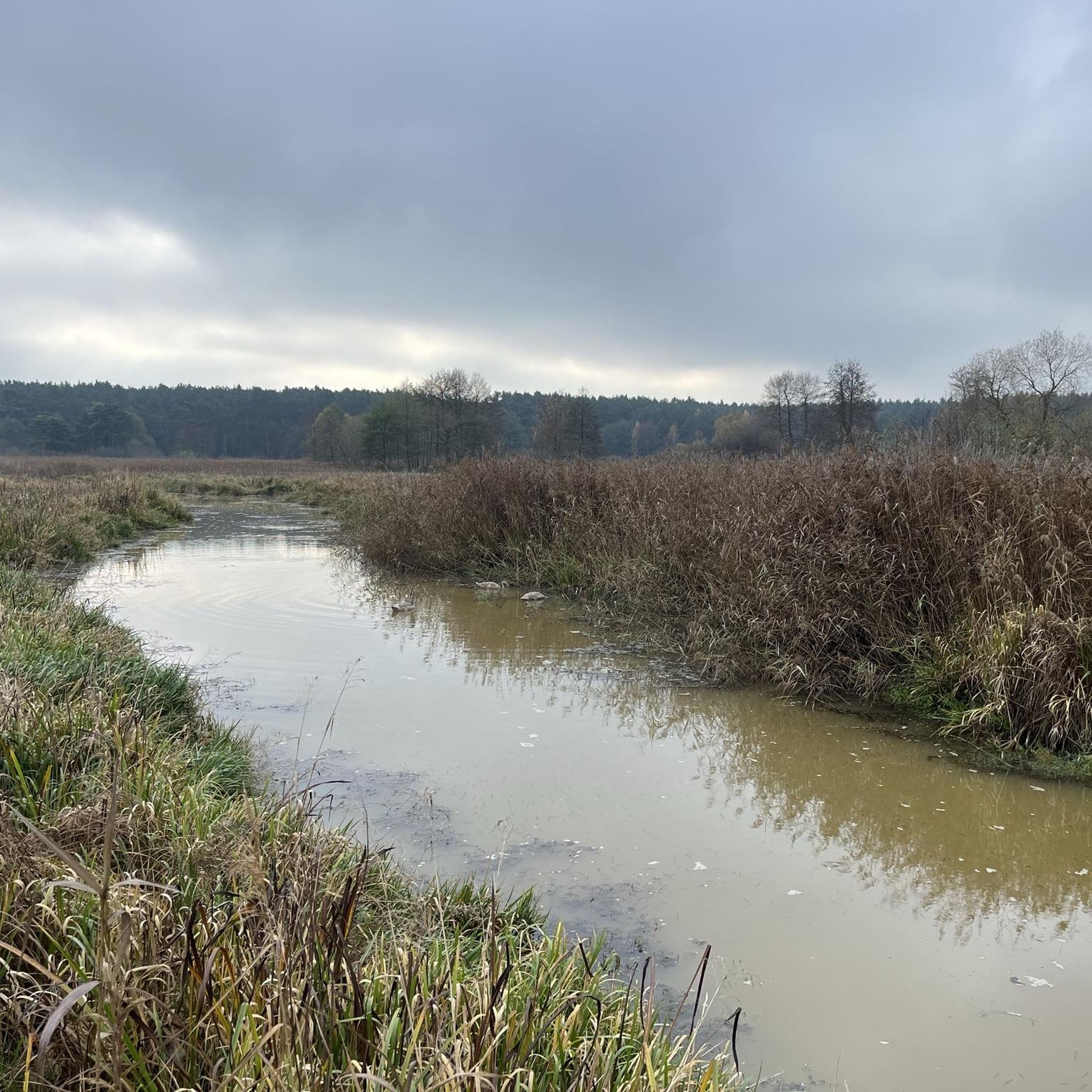
The Smardzewice dam on the Pilica river is an earth-beton construction with a length of 1200 m and a height of 16 m, built in the years 1969–1974. It forms the Sulejowski Reservoir with an area of 2700 ha. The dam serves a retention and flood control function, and also supplies drinking water to, among others, Łódź and houses a hydroelectric power plant with a capacity of 3.6 MW. From the crown of the dam, a view unfolds over the expanse of the river and the reservoir itself. It is also an excellent viewpoint and a place for walks. Around the reservoir and the dam itself run footpaths and cycle routes. The facility is located right next to Spałkowowo and Tomaszów Mazowiecki.
1
0

You can also see and read about this place.
0
0

Someone mixed up the photos of the dam and the pier.
1
0
A lot of water for Łódź
1
0
The Cistercian Abbey Monastery Complex in Sulejów – located in Podklasztorze (currently a district of Sulejów), one of the best-preserved Cistercian complexes in Poland, a monument of Romanesque architecture. On 22 October 2012, the building was entered on the list of Historic Monuments.
3
0
A dam reservoir on the Luciąża River, the second largest reservoir in Piotrków County with a water surface area of 217 ha and a capacity of 7.34 million m³. Located in Piotrków County in the communes of Łęki Szlacheckie (70% of the coastline), Rozprza and Gorzkowice. In the 1960s, a comprehensive plan for irrigation and meadow management in the Luciąża River valley was developed. Its construction began in 1986 and it was put into service in 1998. During construction, the inhabitants of the villages of Kuźnica Żerechowska, Łęgoń, Wygoda, Trzciniec and Borowiec were relocated, after which a chapel protruding from the water surface remained. The purpose of the reservoir was from the beginning to irrigate meadows for milk production and to serve as a water retention facility. Currently, it is a popular place of recreation and relaxation in Piotrków County. It is also appreciated by anglers who catch pike, crucian carp, roach, carp, bream and many other species of fish. The maximum depth of water near the dam is 12 meters. In the reservoir, during the season, water equipment rentals are available: boats, kayaks, water bikes. There are numerous camping sites and camping houses around the reservoir.
0
0
Frequently Asked Questions
What historical and cultural sites can I visit around Sulejów?
Sulejów is rich in history. A must-see is the Cistercian Abbey Complex in Sulejów, one of Poland's best-preserved Romanesque Cistercian complexes. You can also visit the unique St. Nicholas Church in Treść, known for being moved twice, or explore the Baroque church of St. Margaret and St. Augustin at the remains of the former Norbertine Abbey in Witów.
What natural attractions are there for outdoor enthusiasts near Sulejów?
Nature lovers will enjoy the Sulejów Reservoir, a large artificial lake perfect for water activities. The Sulejów Landscape Park offers scenic trails for hiking and biking, and the Cieszanowice Reservoir is another popular spot for recreation and fishing.
Are there family-friendly activities or attractions in the Sulejów area?
Yes, many attractions around Sulejów are family-friendly. The Sulejów Reservoir is ideal for families, offering beaches and water equipment rentals. The Sulejów Landscape Park provides tranquil trails suitable for walks with children and is also dog-friendly. Historic sites like the Cistercian Abbey Complex can also be an engaging educational experience for older children.
What kind of water sports and activities are available at the Sulejów Reservoir?
The Sulejów Reservoir is a hub for water activities. You can enjoy boating, kayaking, and water biking, with rentals often available during the season. It's also a popular spot for fishing, with various species like pike, crucian carp, and carp.
Can I find hiking trails suitable for beginners around Sulejów?
Yes, there are several easy hiking trails near Sulejów. For example, you can find routes like the 'Taraska - Mouth of the Czarna to the Pilica Walking Path' or scenic loops around the Cistercian Abbey in Sulejów. You can explore more options in the Easy hikes around Sulejów guide.
Are there cycling routes available near Sulejów's attractions?
Absolutely! The region offers various cycling routes. You can find options like the 'Sulejów Reservoir – Sulejów Reservoir Dam loop' for touring bicycles or routes around Piotrków Trybunalski for road cycling. Check out the Cycling around Sulejów guide and Road Cycling Routes around Sulejów guide for detailed information.
What makes the <a href="https://www.komoot.com/highlight/5212155" target="_blank" rel="noopener">St. Nicholas Church in Treść</a> a unique historical site?
The St. Nicholas Church in Treść is remarkable because it was physically moved twice throughout its history. Originally built in 1781 in Tobiasze, it was moved to Tomaszów Mazowiecki in 1825 and then again to Treść in 1988, making its journey a significant part of its story.
Is parking available at major attractions like the Cistercian Abbey or Sulejów Reservoir?
Yes, parking is generally available near major attractions. For the Cistercian Abbey Complex in Sulejów and the Sulejów Reservoir, you can typically find designated parking areas, though it's always advisable to check local signage upon arrival.
What is the best time of year to visit Sulejów and its attractions?
The best time to visit Sulejów largely depends on your interests. For water sports and outdoor activities at the Sulejów Reservoir and hiking in the Sulejów Landscape Park, the warmer months from late spring to early autumn (May to September) are ideal. Historical sites like the Cistercian Abbey can be visited year-round, though pleasant weather enhances the experience.
What do visitors enjoy most about the <a href="https://www.komoot.com/highlight/4577735" target="_blank" rel="noopener">Cistercian Abbey Complex in Sulejów</a>?
Visitors are often impressed by the abbey's status as one of Poland's best-preserved Cistercian complexes and a significant monument of Romanesque architecture. Many appreciate its historical depth and the opportunity to see the image of Mary in the Miraculous Image of Our Lady of Pompeii within the monastery.
Are there any hidden gems or less-known historical sites worth exploring near Sulejów?
Beyond the main attractions, consider visiting the Chapel of Blessed Virgin Mary, founded in 1644, which features Gothic and Rococo interior styles. The Church of the Assumption of the Blessed Virgin Mary in Milejów also has a rich history, with its current brick structure consecrated in 1902 and many epitaphs decorating its walls.
Most popular routes around Sulejów
Most popular attractions around Sulejów

Get inspired with the komoot mobile app


Explore more
Still not found the Highlight you’re looking for? See guides of the top attractions in other regions:
