Attractions and Places To See around Deszczno - Top 20
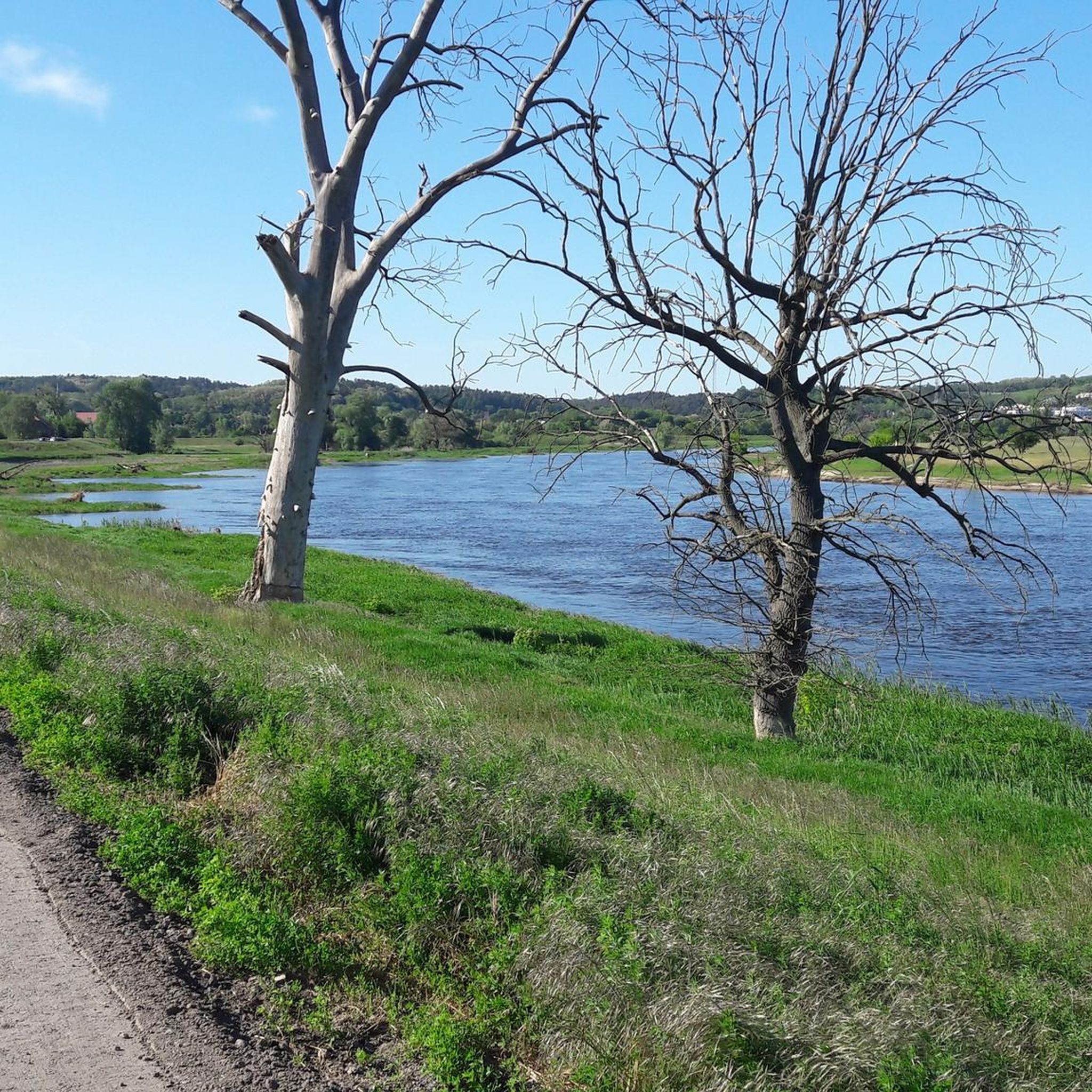
Attractions and places to see around Deszczno are situated within the Eberswald-Toruń Ice-marginal Valley, bordering the Warta and Noteć river basins, offering a diverse landscape. The region features historical sites, natural beauty, and recreational opportunities, with archaeological findings dating back to the Bronze Age. Visitors can explore extensive meadows along the Warta River, oxbow lakes, and significant natural reserves. The area provides a blend of cultural landmarks and outdoor activities.
Best attractions and places to see around Deszczno
- The most…
Last updated: October 18, 2026
Town Hall in Skwierzyna
Highlight • Monument
In 1945, during World War II, the …
Translated by Google •
Tip by

Palace in Stary Zamek
Highlight • Monument
Translated by Google •
Tip by

Sign up now to discover places like this
Get recommendations on the best single tracks, peaks, & plenty of other exciting outdoor places.
Paucksch Fountain
Highlight • Monument
Translated by Google •
Tip by

St. Anthony of Padua and St. Stanislaus Kostka Church
Highlight • Religious Site
Translated by Google •
Tip by

Old Town Bridge
Highlight • Bridge
Translated by Google •
Tip by
Sign up for free to discover even more attractions around Deszczno.
Already have an account?
Start today with a free account
Your next adventure awaits.

Tips from the Community

No bike lane. Lots of cars on the road!
2
0

The church was built outside the city walls in the years 1696-1704. It was erected on the site of the former chapel of St. Gertrude and St. Lawrence, as a multi-denominational Church of Concord for Reformed and Lutheran Evangelicals. It originally had a small tower topped with an openwork dome, which was rebuilt in 1726. In 1735, a sacristy was added to the church. The first major renovation of the church began in 1756. At that time, the church building, except for the tower, was almost completely demolished and rebuilt. After a fire in 1768, the church was rebuilt, but without the tower. A new tower, on the western side of the church, was added in 1863.
1
0
The bridge crossing at this point existed as early as 1360. It was a wooden bridge, which was damaged and rebuilt several times, and was finally completely consumed by fire in 1905. In its place, a new reinforced concrete bridge was built in 1924-1926. This lasted only until 1945, when it was blown up by the retreating Germans. It was rebuilt in 1951. In 1967, the bridge was rebuilt. It was widened, replacing the old sidewalks with roadways, and the new sidewalks were moved beyond the outline of the bridge. Another reconstruction took place in 2006-2007. The spans were completely dismantled and then rebuilt. The new bridge was raised and the roadways were widened again.
4
0

Church of St. Anthony of Padua and St. Stanisław Kostka was built between 1696 and 1704 by the city council together with the Elector of Brandenburg and the later King of Prussia, Frederick I of Prussia, as a concord church - a joint church for Lutherans and Calvinists. Since 1945 the church has been owned by the Capuchin Order.
1
0
Fountain put into operation in 1897, fountain donated by Hermann Paucksch (Landsberg entrepreneur). More information: https://pl-m-wikipedia-org.translate.goog/wiki/Fontanna_Pauckscha?_x_tr_sl=pl&_x_tr_tl=de&_x_tr_hl=de&_x_tr_pto=sc
0
0
The Town Hall in Skwierzyna is a neo-Renaissance building, built in the mid-19th century on the site of an earlier structure. The Town Hall survived World War II despite the destruction of most of the buildings. Since 1975, the building has housed the town and municipal office and the mayor of Skwierzyna. In 2006, the facade of the Skwierzyna Town Hall was restored. Every day at 12:00 noon, Skwierzyna's bugle call sounds from the Town Hall tower.
0
0
Paucksch Fountain from 1897. It shows the figure of a woman carrying a koromysło with two buckets of water on her shoulders. Three figures of children sit at the woman's feet. The current sculpture is a faithful reconstruction of the original, which was dismantled and melted down for war purposes at the end of World War II. The replica was unveiled on July 2, 1997 on the 740th anniversary of Gorzów Wielkopolski in the presence of Eberhard and Wolfhart Pauksch, the grandson and great-grandson of the fountain's founder.
4
1

"Old Castle" is just a colloquial name. Architecturally, the building is a palace and it was originally designed as such. The palace was built in 1812 on the site of the "Red Court" and had features of the classicist style. The founder of the residence and the adjacent park was Adolf Friedrich IV von Waldow. In the 19th century, the palace belonged to representatives of the combined von Waldow and von Reitzenstein families. In 1865, Karl Friedrich Ernst Edward von Waldow und Reitzenstein transformed the estate into an ordination (majorate). His successor, after partial destruction in 1846, expanded the palace in the second half of the 19th century. In the 19th century, a new eastern part was added, adding a representative, monumental façade, which from then on housed the main entrance to the building. After World War II, the building was used as a school, then a sanatorium. Currently, this beautiful building is deteriorating, renovation works have been suspended.
1
0
Frequently Asked Questions
What historical sites can I explore around Deszczno?
Deszczno and its surroundings offer a rich history. You can visit the Town Hall in Skwierzyna, a neo-Renaissance building from the mid-19th century that survived WWII. Another significant religious site is the St. Anthony of Padua and St. Stanislaus Kostka Church, built between 1696 and 1704. The region also features a church from 1829 in Deszczno itself and the Palace in Stary Zamek, an 1812 structure with a rich past.
Are there any natural attractions or reserves to visit near Deszczno?
Yes, the area boasts significant natural beauty. You can explore the extensive meadows along the Warta River and its oxbow lakes. A notable natural attraction is the "Santockie Zakole" Ornithological and Faunistic Reserve in Borek, a breeding ground for approximately 120 species of waterfowl and marsh birds, including grey herons and cranes. This reserve is ecologically connected to the nearby "Ujście Warty" National Park.
What kind of outdoor activities can I do near Deszczno?
The Deszczno commune is well-suited for outdoor activities, particularly cycling and running. You can find various routes for road cycling, gravel biking, and running. For example, there are several moderate running loops around Jezioro Glinik, and road cycling routes like the "Mushroom Pickers' Parking Area loop from Deszczno" which is about 50 km long. You can find more details on these activities in the Running Trails around Deszczno and Road Cycling Routes around Deszczno guides.
Are there any family-friendly attractions or activities in the Deszczno area?
For families, the transformed post-gravel mining excavations at "Złote Piaski" (Golden Sands) in Karnin and Dzierżów are popular bathing areas during the summer. These offer a great spot for swimming and relaxation. Additionally, the various hiking and cycling trails, such as the technically easy Trail No. 10 (Yellow Trail) which leads to the bathing areas at Karnin lake, provide opportunities for active family outings.
Where can I find unique monuments or landmarks in the region?
Beyond the historical buildings, you can discover the Paucksch Fountain from 1897, featuring a woman carrying a koromysło with two buckets, a faithful reconstruction of the original. Near the PKS bus stop in Deszczno, there is also a monument in the shape of a Piast eagle dedicated to the soldiers of the Second Polish Army.
Are there any lakes or swimming spots around Deszczno?
Yes, the region offers several options for water activities. Lake Glinik, located in the village of Glinik, is a 46-hectare lake known for its abundance of zander and eel, making it popular for fishing. For swimming, the "Złote Piaski" (Golden Sands) areas in Karnin and Dzierżów, which are former gravel mines, have been transformed into popular bathing spots, especially in summer.
What are the best hiking trails near Deszczno?
The Deszczno commune has several marked hiking trails. Trail No. 3 (Green Trail) is a 51.4 km long route that largely follows the Warta River's flood embankments and passes through the Gorzów Basin. For an easier option, Trail No. 10 (Yellow Trail), an 18.9 km technically easy route, allows you to explore Deszczno and reach the bathing areas at Karnin lake. There's also Trail No. 11b (Black Connector Trail), a 3 km path along the edge of the "Santockie Zakole" nature reserve, offering views of the bird sanctuary.
Is Deszczno accessible for visitors with wheelchairs?
Some attractions in the area are noted as wheelchair accessible. For instance, the Town Hall in Skwierzyna, the Paucksch Fountain, and the Old Town Bridge are categorized as wheelchair accessible, offering some options for visitors with mobility needs.
What is the best time of year to visit Deszczno for outdoor activities?
The summer months are particularly appealing for visiting Deszczno, especially if you plan to enjoy the bathing areas like "Złote Piaski." The weather is generally favorable for hiking, cycling, and exploring the natural reserves. Spring and early autumn also offer pleasant conditions for outdoor activities with milder temperatures and beautiful scenery.
Are there any unique local events in Deszczno?
Deszczno is known for hosting annual events that attract visitors. These include the Truck Drivers' Rally (KAC) and the Roasted Chicken Festival, which features an amateur poultry grilling championship. These events offer a glimpse into the local culture and community spirit.
Can I find long-distance cycling routes around Deszczno?
Yes, for those interested in longer cycling adventures, there are several routes available. For example, the "Wiosny Ludów Park – Western Lakeland Bicycle Route loop from Gorzów Wielkopolski" is a challenging 119 km road cycling route. There are also gravel biking routes like the "Lubiąż Lake – Old Town Bridge loop from Gorzów Wielkopolski" which spans over 63 km. More details can be found in the Road Cycling Routes around Deszczno and Gravel biking around Deszczno guides.
What archaeological discoveries have been made in Deszczno?
Deszczno has a significant archaeological past. Findings include two Bronze Age hoards containing sickles, axes, and bracelets. The famous "idol from Deszczno," a black, anthropomorphic clay figurine from the Lusatian culture (700-750 BCE), was discovered during excavations of a Lusatian cemetery and is now replicated in the Lubusz Museum, highlighting the region's ancient history.
Most popular routes around Deszczno
Most popular attractions around Deszczno

Get inspired with the komoot mobile app


Explore more
Still not found the Highlight you’re looking for? See guides of the top attractions in other regions:
