Attractions and Places To See around gmina gmina Szprotawa - Top 20
Best attractions and places to see around gmina gmina Szprotawa include historical landmarks, diverse natural landscapes, and recreational sites in western Poland. The region offers opportunities to explore ancient architecture and engage in various outdoor activities. Notable natural features include sandy dunes and river valleys. Gmina Szprotawa provides a blend of cultural heritage and natural exploration.
Best attractions and places to see around gmina gmina Szprotawa
- The most popular attractions is Drwalewice Palace, a castle that was likely built around 1875. This neo-Gothic castle is privately owned and visible from the street.
- Another must-see spot is Church of the Virgin Mary, Kożuchów, a religious building. This Gothic parish church dates from the end of the 13th century and features a Baroque Olive Chapel.
- Visitors also love Pustynia Kozłowska, a natural monument consisting of exposed sand dunes. This area, located southeast of Szprotawa, was formed after the last ice age and influenced by a former military training ground.
- gmina gmina Szprotawa is known for its historical landmarks, natural landscapes, and recreational sites. Visitors can explore ancient architecture, river valleys, and cycling paths.
- The attractions around gmina gmina Szprotawa are appreciated by the komoot community, with 14 upvotes and 10 photos shared by visitors.
Last updated: July 1, 2026
Velo Sprotavia Cycling Route
Highlight (Segment) • Cycleway
Translated by Google •
Tip by

Chotków Church
Highlight • Religious Site
The beautiful 13th-century entrance portal on the south side is particularly noteworthy. It was made of sandstone, is pointed-arched, with profiled ledges, and has columns in the corners.
The whole is surrounded by a brick fence, probably from the 15th century.
Showing Translation
Tip by

Sign up now to discover places like this
Get recommendations on the best single tracks, peaks, & plenty of other exciting outdoor places.
Sign up for free
Pustynia Kozłowska
Highlight • Natural Monument
The dunes in the Lower Silesian Forests are the product of aeolian processes, they were formed in the period after the end of the last ice age until they were covered with vegetation.
The creation of the Kozłowska Desert was caused by the activity of a Soviet military training ground, operating until 1992, when the dune served as a shield for rockets and artillery shells.
Translated by Google •
Tip by

Church of the Virgin Mary, Kożuchów
Highlight • Religious Site
Translated by Google •
Tip by

Jelenin Palace Ruins
Highlight • Historical Site
Translated by Google •
Tip by
Sign up for free to discover even more attractions around gmina gmina Szprotawa.
Sign up for free
Already have an account?
Start today with a free account
Your next adventure awaits.
Login or Signup

Tips from the Community

The temple was erected at the end of the 13th century from erratic boulders, in the early Gothic style. The first written information about it dates back to 1376. In the 15th century, the church was extended, and in the 16th century, a tower was added, somewhat unusually, from the south side. During the Baroque period, a sacristy was added and the window openings were given a new form (the outline of pointed arch window openings can still be seen on the outer walls). The beautiful 13th-century entrance portal on the south side deserves special attention. It was made of sandstone, is pointed-arched, with profiled offsets, and has columns in the corners. The whole is surrounded by a brick fence, probably from the 15th century.
0
0
The temple was erected at the end of the 13th century from erratic boulders, in the early Gothic style. The first written information about it dates back to 1376. In the 15th century, the church was extended, and in the 16th century, a tower was added, somewhat unusually, from the south side. In the Baroque period, the sacristy was added and the window openings were given a new form (the outlines of pointed-arch window openings can still be seen on the outer walls). The beautiful 13th-century entrance portal on the south side is particularly noteworthy. It was made of sandstone, is pointed-arched, with profiled ledges, and has columns in the corners. The whole is surrounded by a brick fence, probably from the 15th century.
0
0

Unfortunately, this cycle path is not completely finished. The final layer of asphalt over the concrete slabs is missing. The cycle path is apparently rarely cleared and cleaned, which means that you have to cycle very slowly in some sections. The connection to the cycle path at the former Stypułów train station leads along an unpaved gravel road.
0
0

The fastest route is from Leszno Górne. A little further from Przemków. Whichever route you choose, you'll still be riding on excellent gravel road.
2
0
The Kozłowska Desert is an area of exposed sand dunes located in the Lower Silesian Voivodeship, within the Lower Silesian Forest, approximately 17 km southeast of Szprotawa. The formation of the Kozłowska Desert was influenced by the activities of a German, and later Soviet, military training ground, which operated until 1992, when the dune served as a shield for rockets and artillery shells. At that time, the bare areas of exposed sand covered over 100 hectares. After 1992, vegetation succession occurred, but a section of the desert is undergoing conservation efforts to preserve its existing terrain.
1
0
VELO SPROTAVIA is a strategic cycling path in the southern Lubusz Voivodeship. It runs vertically through the Szprotawa commune, from the town of Szprotawa to the village of Stypułów. At the former railway station in Stypułów, it connects with the regional RAILWAY TO BIKE path, which runs to Kożuchów, Nowa Sól, Otyń, Konotop, and the border with the Wielkopolska Voivodeship. The total length of VELO SPROTAVIA is 16 km. The route follows the former Szprotawa-Zielona Góra railway line (1911-1955), along the Szprotawa-Kartowice-Witków-Siecieborzyce-Stypułów section. Initially, the path runs parallel to the district road towards Kartowice, a short distance away. We ascend a gentle hill (141 m above sea level), offering a panoramic view of the surrounding area. Under favorable conditions, we can see the Karkonosze and Jizera Mountains from here. The agricultural landscape is only interrupted by a strip of trees growing along the path, with a significant proportion of fruit trees. According to legend, former passengers of the Zielona Góra railway, by throwing fruit pits out of the train windows, contributed to the creation of a linear orchard of plums, apples, pears, and cherries. From the hill, we descend pleasantly all the way to Kartowice itself, where, near the ruins of the village railway station, a cyclist service area (MOR) has been built, complete with a shelter, table, benches, parking spaces, and a bicycle repair module. No one will likely object if we pitch a tent near the shelter if necessary. It's a very atmospheric place. Near the shelter, we'll see a monument to the residents of Kartowice (Kortnitz in German) who died on the front lines of World War I. After a rest in Kartowice, we head further north, towards Witków. Soon, the agricultural landscape will transform into forest. This preservation owes its historical preservation to the fact that since the Middle Ages, this has been an inviolable border between the duchies of Głogów and Żagań. The forest preserves fragments of the famous Silesian Ramparts, built in the 15th/16th centuries, a kind of border barrier. All the preserved sections of the Silesian Ramparts constitute the longest archaeological site in Poland. The Szprotawa Land Museum holds a unique boundary marker from this forest. Nearby, by the district road, we come across a 19th-century stone signpost pointing the way towards Borowina (orig. "nach Hartau"). Old maps show peculiar enclaves in this area, such as Wilczy zaułek (Wilczy Lane), Krowie Bagno (Ciche Hill).
0
0

The ruins of a palace from 1797. Until World War II, it often changed owners, and after the war it was managed by the State Agricultural Farm. It was never renovated, and eventually it was abandoned and fell into ruin. Today it is in private hands. The area is fenced and cleared, but there is no sign that the building will be rebuilt.
2
0

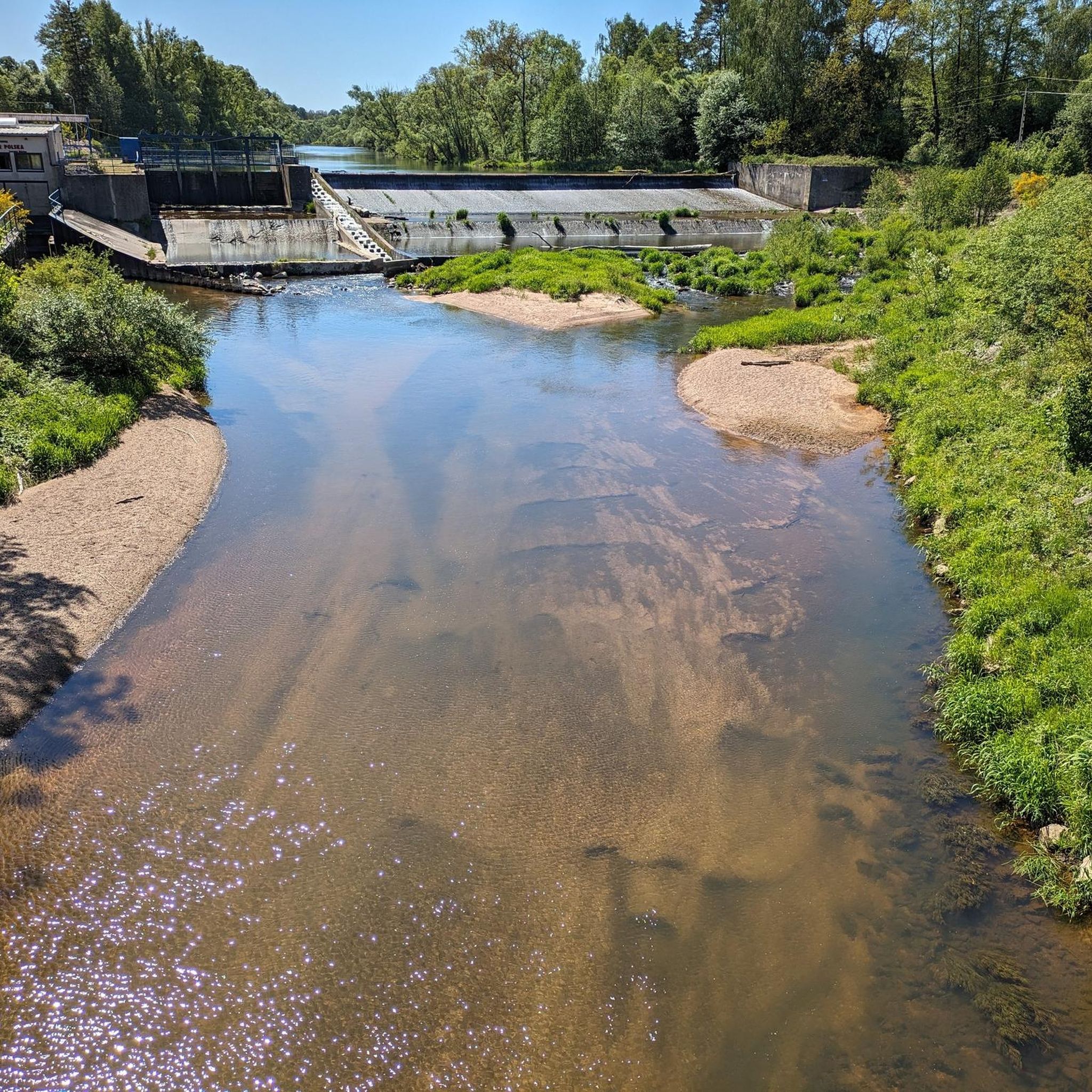
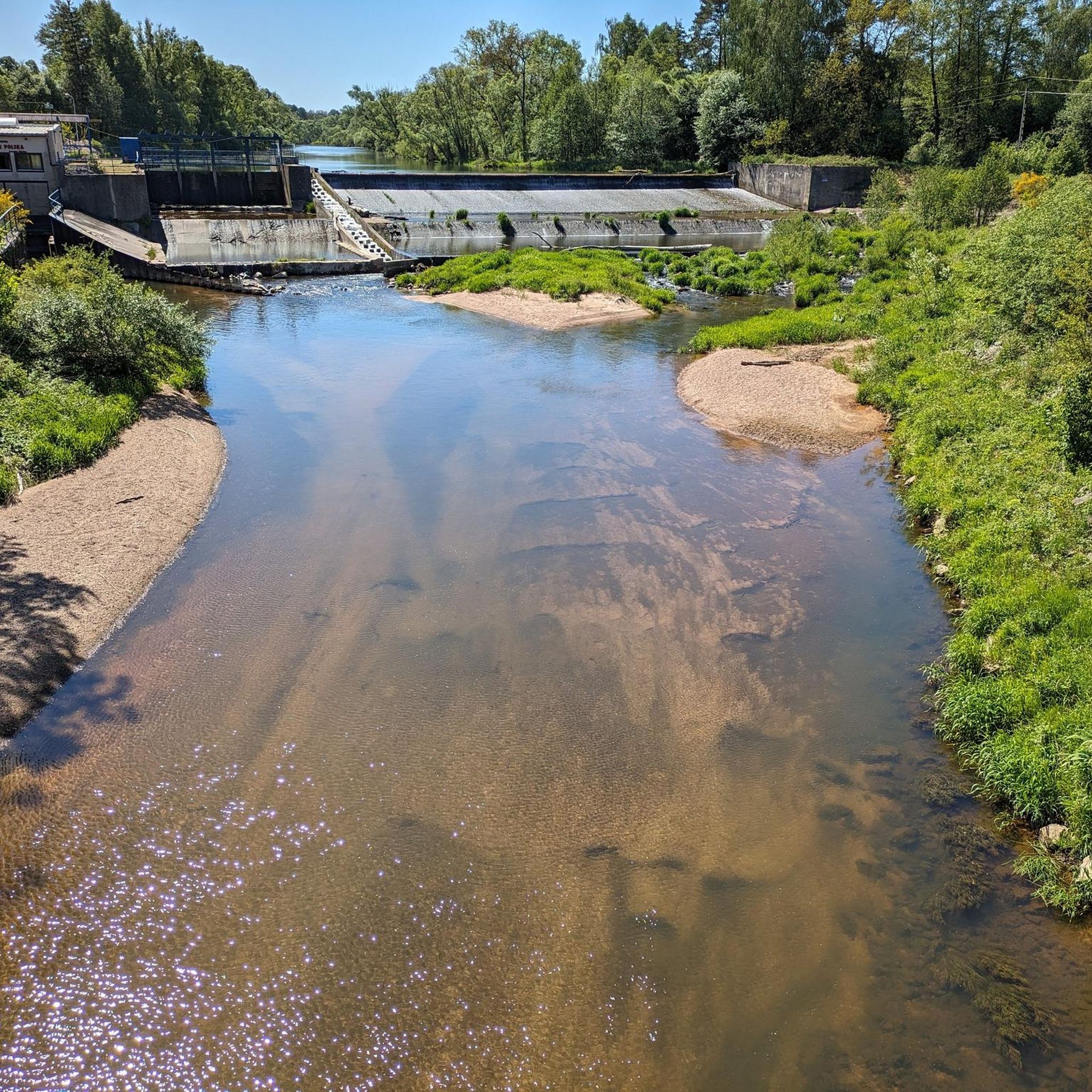
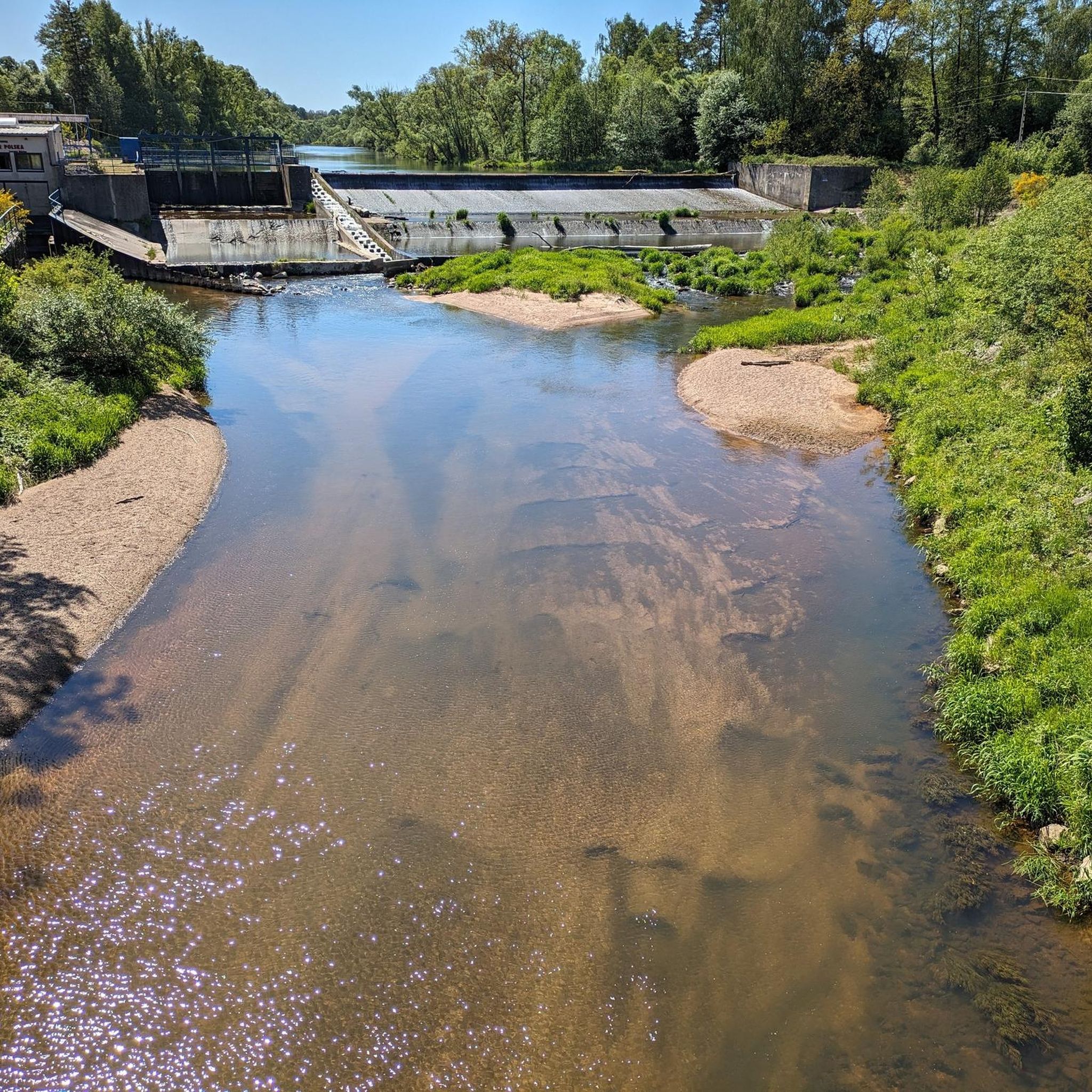
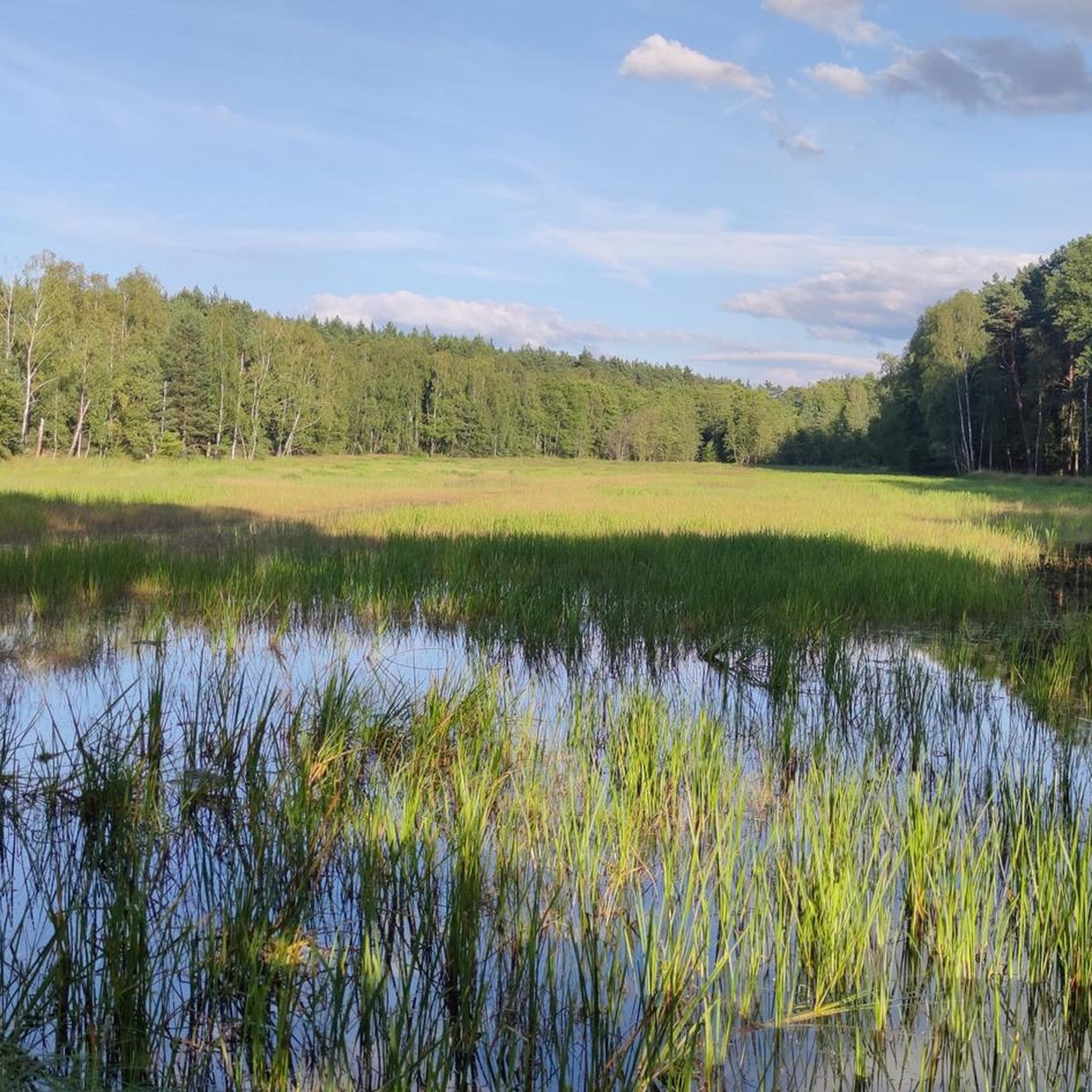
A very pleasant bike path
0
0
Frequently Asked Questions
What unique natural landscapes can I explore in Gmina Szprotawa?
Gmina Szprotawa offers diverse natural landscapes. You can visit Pustynia Kozłowska, a unique area of sandy dunes formed after the last ice age, located southeast of Szprotawa. The region also features the Buczyna Szprotawska Nature Reserve, home to the ancient 'Chrobry Oak', and the picturesque Annabrzeskie Gorges. The valleys of the Bóbr, Brzeźnica, and Szprotawka Rivers are protected landscape areas with numerous trails.
What historical landmarks should I visit in Gmina Szprotawa?
Explore the historic Szprotawa Town Hall, known for its two distinctive towers. Discover the intriguing Drwalewice Palace, a neo-Gothic castle visible from the street. The ruins of the Evangelical Church of St. Saviour stand on the site of a medieval castle, and the Żagańska Gate offers a glimpse into the city's defensive past. Don't miss the Church of the Assumption of the Blessed Virgin Mary, a Gothic parish church with a 14th-century gravestone.
Are there any museums or cultural sites in the area?
Yes, you can visit the Felix Matuszkiewicz Museum of the Szprotawa Land, housed within the Żagańska Gate. This intimate museum presents the region's history from the Stone Age to contemporary times.
What family-friendly attractions are available in Gmina Szprotawa?
Families can enjoy Goeppert Park, a historic 19th-century park with a brine graduation tower, playgrounds, and the educational path “Forest Riddles”. The Relaxation Zone “Treasure Island” offers a pirate-themed playground and walking paths. During summer, the Szprotawa Swimming Pool is open, and water equipment can be rented at “Parkowa” for kayaks and pedal boats.
What cycling routes are available in Gmina Szprotawa?
The VELO SPROTAVIA is a 16 km long cycling path following a former railway line, connecting Szprotawa with Stypułów. It offers scenic views and connects to other regional cycling paths. For more options, you can explore various cycling routes in the area, including Cycling around gmina gmina Szprotawa and Road Cycling Routes around gmina gmina Szprotawa.
Are there opportunities for hiking or walking in Gmina Szprotawa?
Yes, the river valleys of the Bóbr, Brzeźnica, and Szprotawka offer numerous trails for hiking and walking. The Annabrzeskie Gorges also provide picturesque views and unique ecosystems for nature enthusiasts. Goeppert Park has pleasant paths for strolls. For more challenging options, consider the MTB Trails around gmina gmina Szprotawa, which often include walking sections.
When is the best time to visit Gmina Szprotawa for outdoor activities?
The best time for outdoor activities, including hiking and cycling, is typically from spring through early autumn (April to October) when the weather is mild and nature is in full bloom. Summer months are ideal for water activities at the Szprotawa Swimming Pool and water equipment rental.
Are there any hidden gems or lesser-known attractions worth visiting?
Beyond the main sites, consider visiting the Neo-Gothic Castle in Drwalewice, which, though privately owned and empty, offers an impressive sight from the street. The former Cistercian Monastery, despite alterations, retains some early Baroque interiors. The Paleopark and Hydrozagadka are also modern educational and natural parks worth exploring.
What is the oldest historical artifact or site in the region?
The oldest dated gravestone in Lower Silesia, belonging to Bertold z Wierzbna and dating back to 1316, can be found on the northern wall of the Church of the Assumption of the Blessed Virgin Mary in Szprotawa.
Can I find places for relaxation and recreation in Szprotawa?
Absolutely. Goeppert Park is perfect for leisurely strolls and bike rides, featuring a brine graduation tower and grottoes. The Relaxation Zone “Treasure Island” provides a dedicated area for unwinding with walking paths and sun loungers. During warmer months, the Szprotawa Swimming Pool offers a refreshing escape.
What is the significance of the 'Chrobry Oak'?
The 'Chrobry Oak' is a pedunculate oak located in the Buczyna Szprotawska Nature Reserve. It is over 750 years old and is considered one of Poland's oldest trees, making it a significant natural monument and a testament to the region's ancient forests.
Most popular routes around gmina gmina Szprotawa
Most popular attractions around gmina gmina Szprotawa

Get inspired with the komoot mobile app


Explore more
Still not found the Highlight you’re looking for? See guides of the top attractions in other regions:
