The best walks and hikes around gmina Żagań
4.9
(11)
279
hikers
97
hikes
Hiking trails around gmina Żagań traverse a landscape rich in forests and water bodies. Nearly half of the region is covered by woodlands, predominantly pine, with a mix of oak, beech, and birch. The area is also characterized by rivers such as the Kwisa and Bóbr, which contribute to the scenic environment. Elevation gains on routes are generally low, making many trails accessible.
Best hiking trails around gmina Żagań
- The most popular hiking route is Ulica Warszawska – St. Dorothea…
Last updated: October 7, 2026
5.0
(1)
8
hikers
9.02km
02:19
40m
40m
Moderate hike. Good fitness required. Easily-accessible paths. Suitable for all skill levels.
9
hikers
5.75km
01:29
20m
20m
Easy hike. Great for any fitness level. Easily-accessible paths. Suitable for all skill levels.

4.0
(1)
7
hikers
5.93km
01:31
20m
20m
Easy hike. Great for any fitness level. Easily-accessible paths. Suitable for all skill levels.
4
hikers
8.39km
02:08
20m
20m
Moderate hike. Good fitness required. Easily-accessible paths. Suitable for all skill levels.
5
hikers
5.28km
01:21
20m
20m
Easy hike. Great for any fitness level. Easily-accessible paths. Suitable for all skill levels.
Get access to more routes and recommendations from other explorers.
Already have an account?
Our route recommendations are based on thousands of hikes, rides, and runs completed by other people on komoot.
Start today with a free account
Your next adventure awaits.
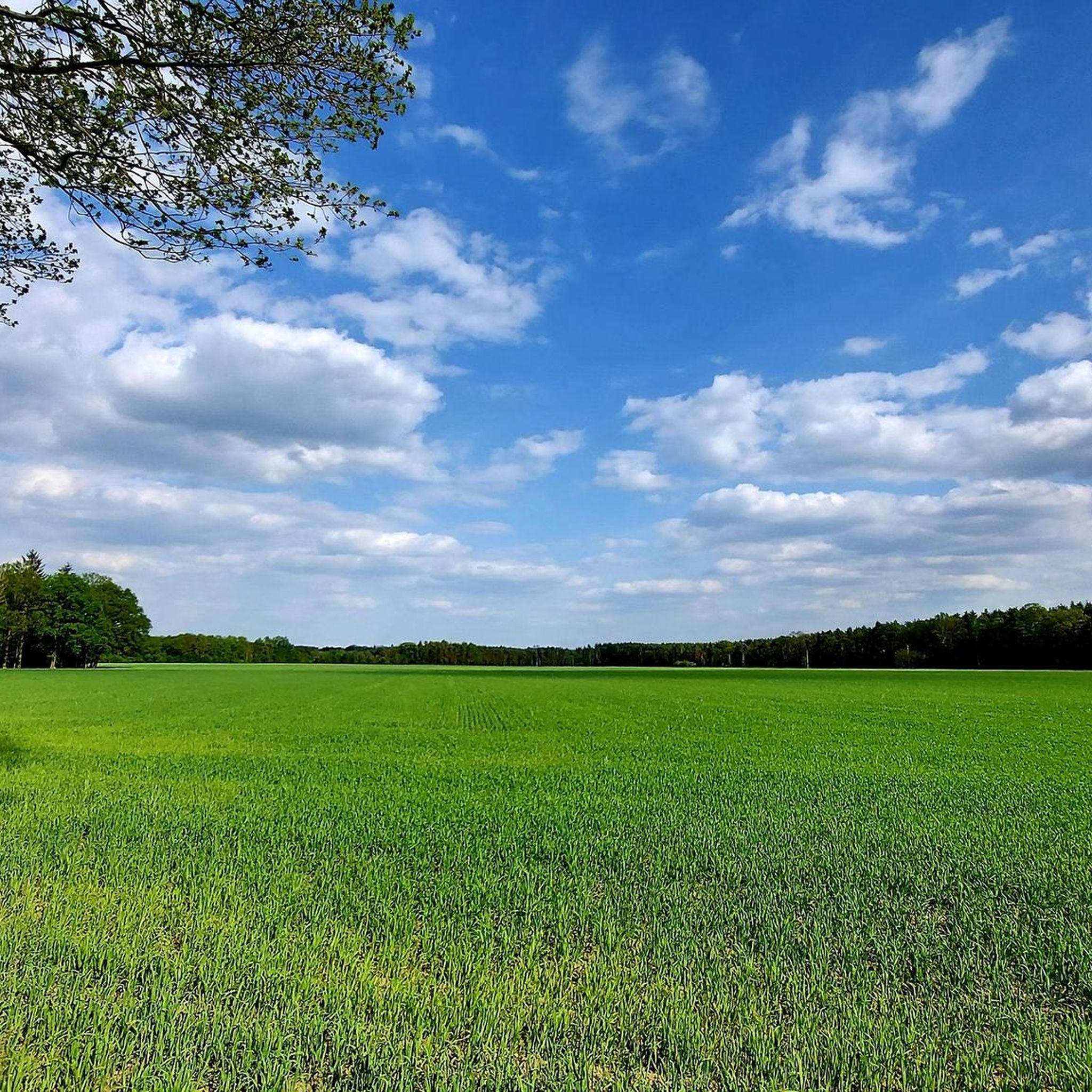
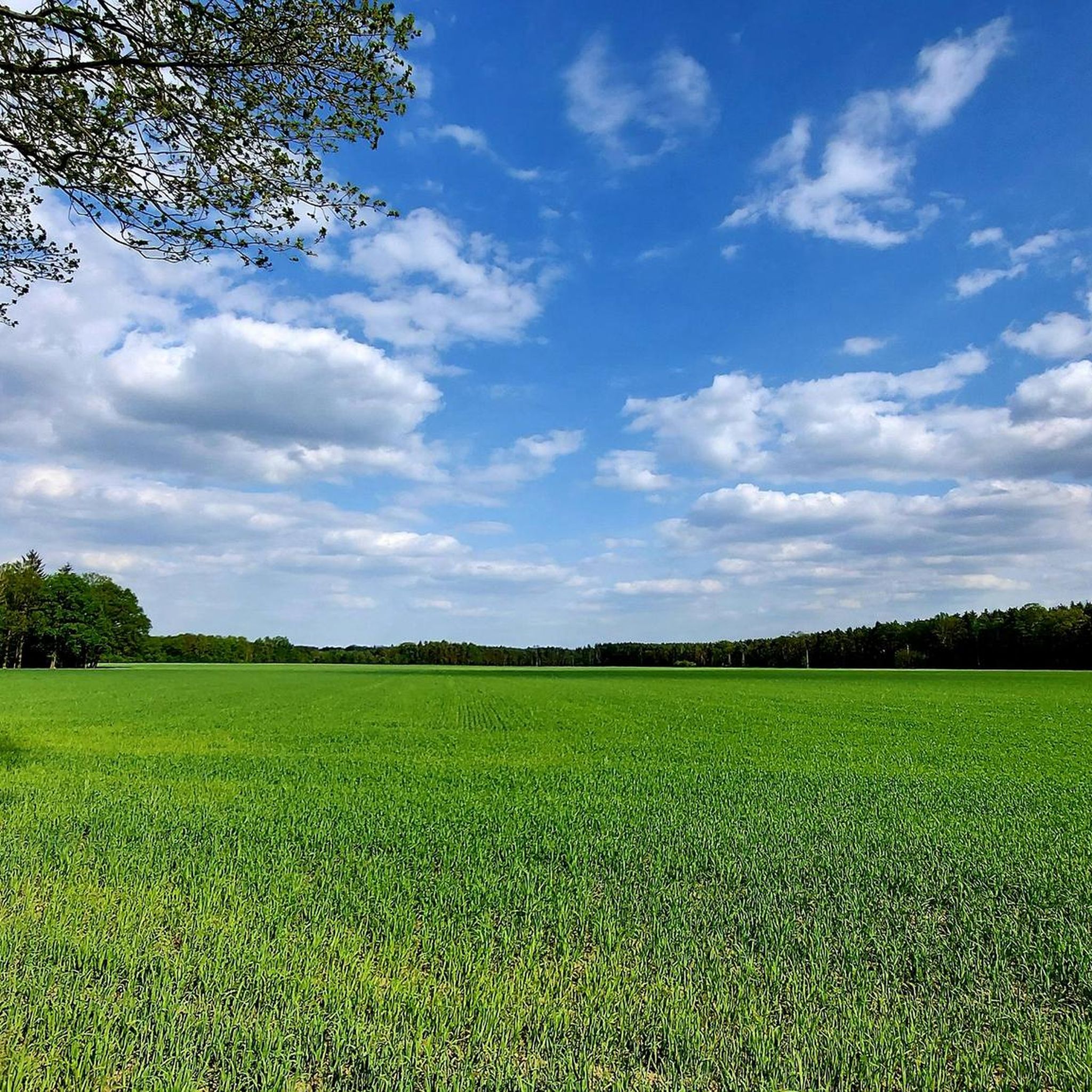
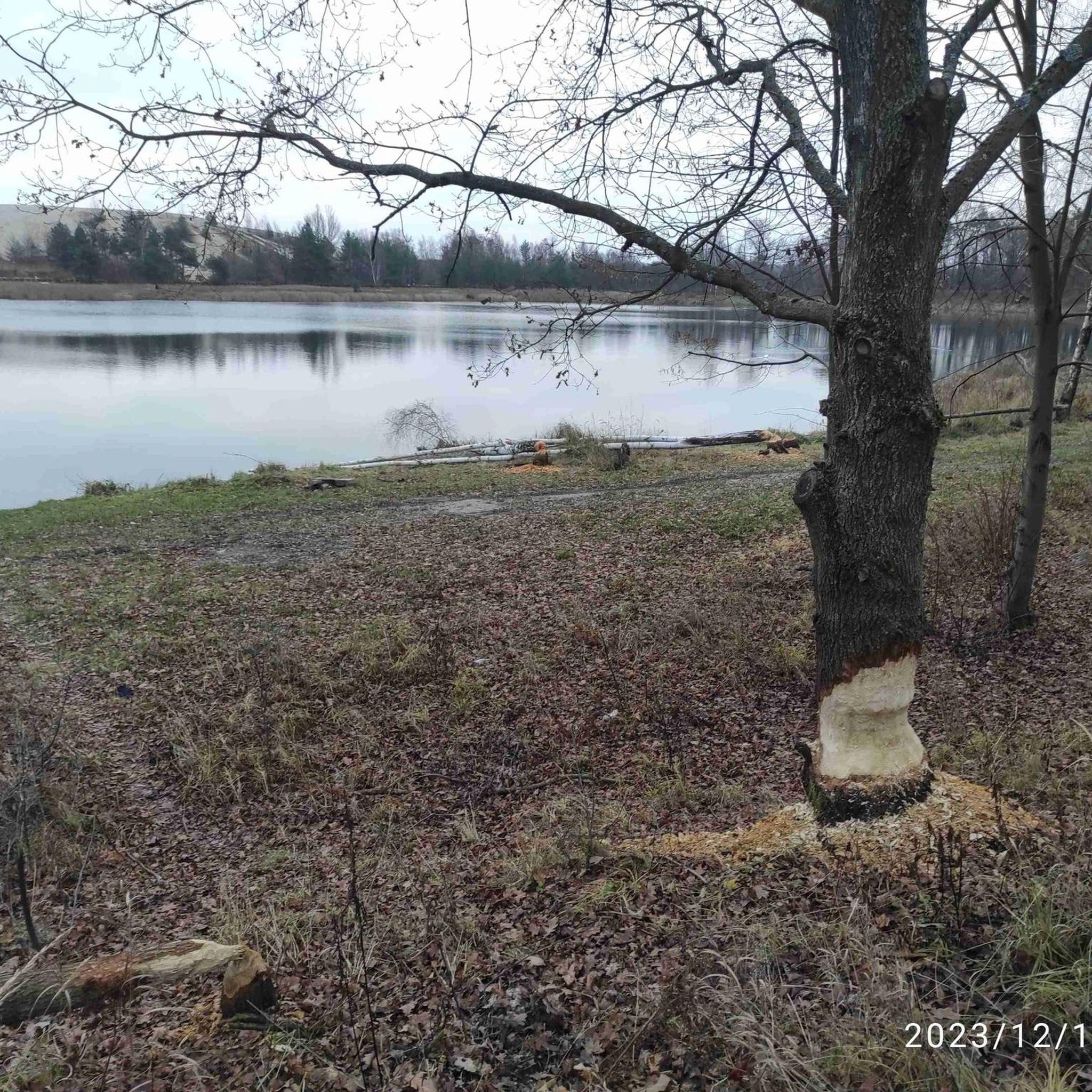
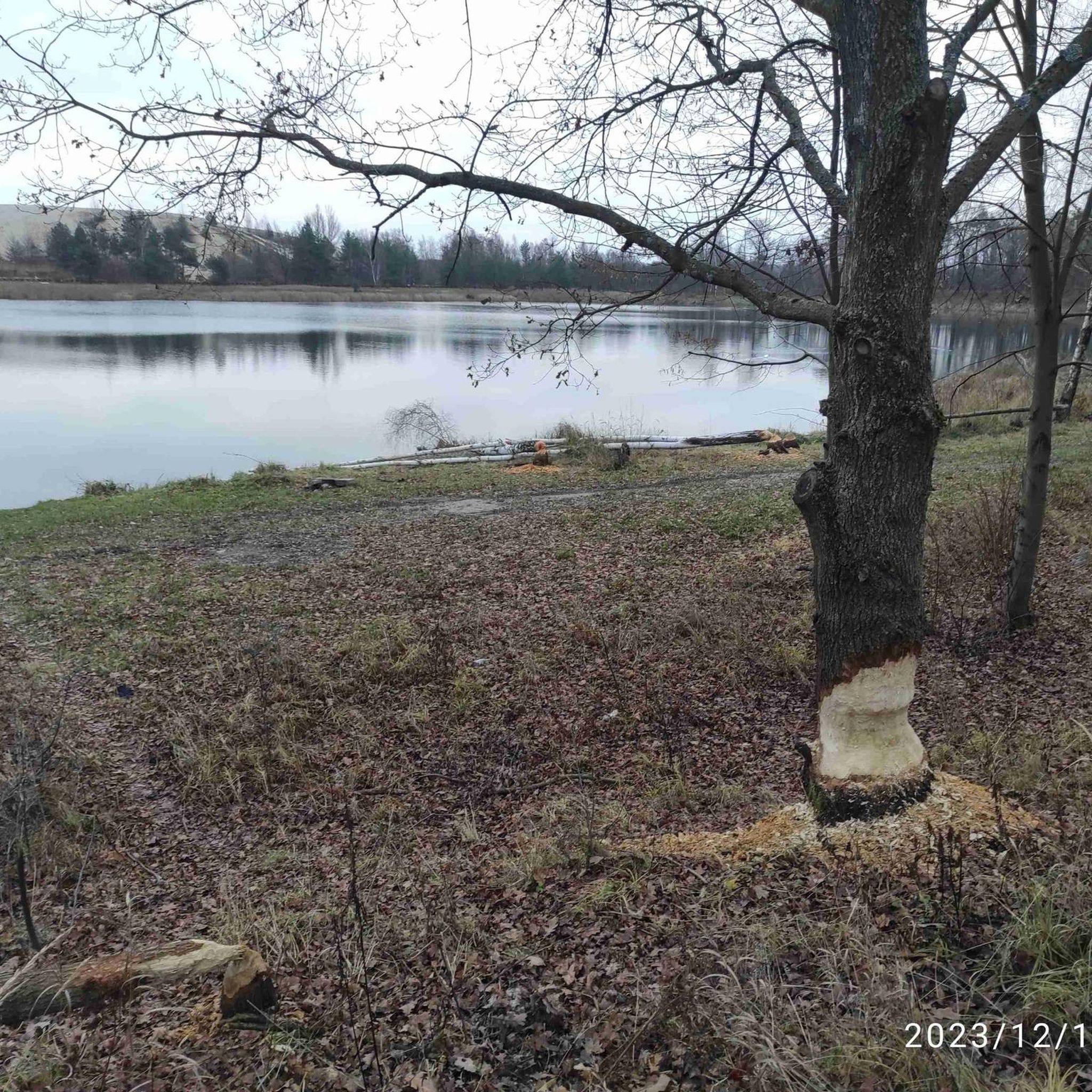

Tips from the Community

What these ancient walls conceal will delight any lover of art, old libraries, globes, and the Baroque. The library itself boasts a so-called whispering vault, ensuring excellent acoustics in the room. The vault's decoration was created by Georg Wilhelm Neunhertz, a Baroque painter, student and grandson of Michael Willmann.
0
0


Stalag Luft III (the Luftwaffe's main camp) was founded in May 1942 in a forest near the town of Żagań (Sagan) and the local army prisoner of war camp Stalag VIII C in Lower Silesia. It was one of six German prisoner of war camps specifically designed to hold the growing number of captured enemy air force personnel. Initially, the camp held mainly British and Americans, but pilots from other nations were later added. By June 1944, the camp housed 10,494 Luftwaffe officers and non-commissioned officers. Stalag III became known primarily for several escapes. In the largest escape attempt, over 80 soldiers temporarily found their way to freedom. This escape was made into a 1962 film with Steve McQueen called "Broken Chains." At the former entrance to the camp, it is worth visiting the small museum and the reconstructed camp barracks. The foundations of the original barracks and the tunnel outlines are located here in the forest and are easily accessible on foot or by car.
0
0

This ensemble has been newly built and there is some catering.
1
0
Kepler, for example, conducted research in the tower structure and used the tower for celestial observations.
0
0
This is the shopping street of Zagan. There are several shops and restaurants here.
0
0
Johannes Kepler lived and researched in Sagan.
0
0
From here you can easily walk through the old town centre.
0
0
Frequently Asked Questions
How many hiking trails are there in gmina Żagań?
Gmina Żagań offers a wide selection of hiking opportunities, with over 70 routes available on komoot. These trails cater to various preferences, from easy strolls to more moderate treks through the region's diverse landscapes.
Are there easy hiking trails in gmina Żagań suitable for beginners?
Yes, gmina Żagań is very welcoming for beginners and those seeking relaxed walks. Approximately 50 of the available routes are rated as easy. An example is the Serene Stream – Bridge Over the Czerna loop from Żagań, which is an easy 3.3-mile (5.3 km) trail through forested areas and along streams.
Are there circular hiking routes in gmina Żagań?
Many of the hiking trails in gmina Żagań are designed as circular routes, allowing you to start and end at the same point without retracing your steps. For instance, the Statue of Johannes Kepler – Ulica Warszawska loop from Żagań is an easy 3.5-mile (5.7 km) circular path.
Are the hiking trails in gmina Żagań suitable for families with children?
Yes, gmina Żagań offers many family-friendly trails due to its generally low elevation gains and numerous easy routes. The extensive forests provide natural shade, and the presence of rivers and historical sites can make for an engaging outing for children. Consider routes like the Town Hall Market – St. Dorothea Hospital Complex loop from Żagań for an accessible family walk.
Can I hike with my dog in gmina Żagań?
Gmina Żagań's natural environment, with its vast forests and open spaces, is generally suitable for hiking with dogs. It's always recommended to keep your dog on a leash, especially in areas with wildlife or near roads, and to respect local regulations regarding protected areas. Ensure you carry enough water for both yourself and your pet.
What historical or natural attractions can I see while hiking in gmina Żagań?
While hiking in gmina Żagań, you can discover a blend of natural beauty and historical sites. Notable attractions include the historic Broniszów Castle, the elegant Iłowa Palace and Park with its unique gardens, and the grand Żagań Palace. For natural sights, you might encounter various lakes such as Małomice Reservoir or Sina Woda Pond, which are often integrated into hiking routes.
Are there any viewpoints along the hiking trails in gmina Żagań?
Yes, for panoramic views of the surrounding Polish forests, you can seek out the ruins of the Bismarck Tower and an observation tower located in Żarski Forest. These spots offer elevated perspectives of the region's extensive woodlands.
When is the best time of year to go hiking in gmina Żagań?
The best time to hike in gmina Żagań is typically during spring, summer, and early autumn. Spring brings lush greenery and blooming flora, while summer offers warm weather ideal for exploring the forests and riverbanks. Autumn transforms the landscape with vibrant colors, making it a picturesque season for hiking. The region's extensive forests provide natural shelter, making it enjoyable even on warmer days.
What kind of nature and wildlife can I expect to see in gmina Żagań?
Gmina Żagań is rich in natural beauty, with nearly half of its area covered by diverse forests of pine, oak, beech, and birch. The forest floor is home to plants like lily of the valley and bilberry. The region's rivers, Kwisa and Bóbr, support a variety of wildlife, including roe deer, red deer, wild boar, and foxes. Birdwatchers can spot species such as cranes, storks, red kites, and buzzards.
Is parking available near the hiking trailheads in gmina Żagań?
While specific parking information varies by trailhead, many routes in gmina Żagań, especially those starting from towns or popular attractions, typically have designated parking areas nearby. It's advisable to check the route details on komoot for specific parking recommendations for your chosen trail.
How can I reach the hiking trails in gmina Żagań by public transport?
Access to hiking trails in gmina Żagań by public transport largely depends on the specific starting point of the route. Żagań itself is a regional hub, and some trails may be accessible from bus or train stations within the town or nearby villages. For routes further afield, local bus services might connect to smaller communities, but direct access to all trailheads via public transport may be limited.
What do other hikers enjoy the most about hiking in gmina Żagań?
The komoot community highly rates hiking in gmina Żagań, with an average score of 5.0 stars from over 6 reviews. Hikers often praise the region's extensive and peaceful woodlands, the scenic river valleys, and the gentle terrain that makes many trails accessible. The blend of natural beauty with historical sites also adds to the appeal.
Most popular attractions around gmina Żagań

Get inspired with the komoot mobile app


Explore more
Browse the best Hikes in other regions.
