The best road cycling routes around gmina Gorlice
4.7
(75)
1,979
riders
272
rides
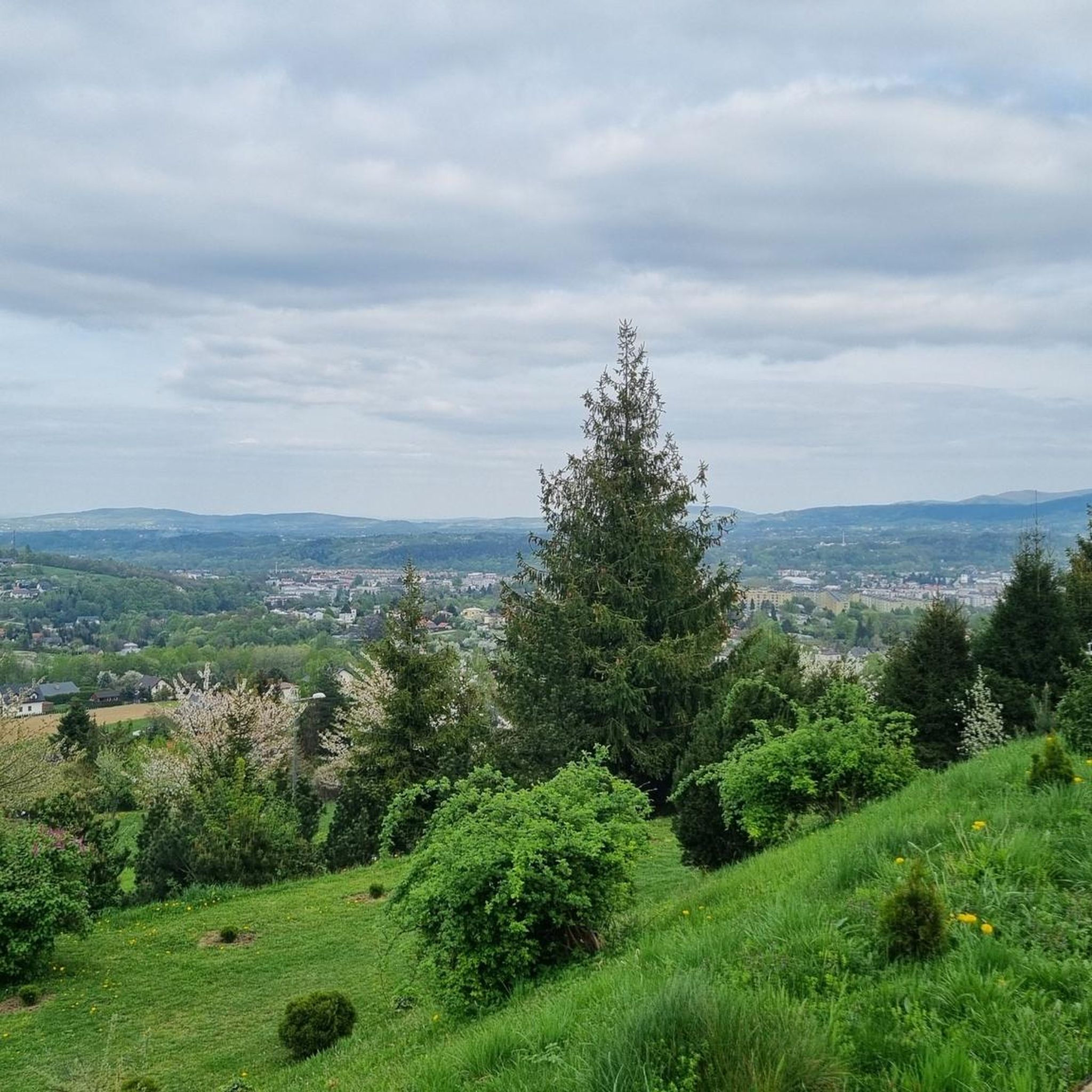
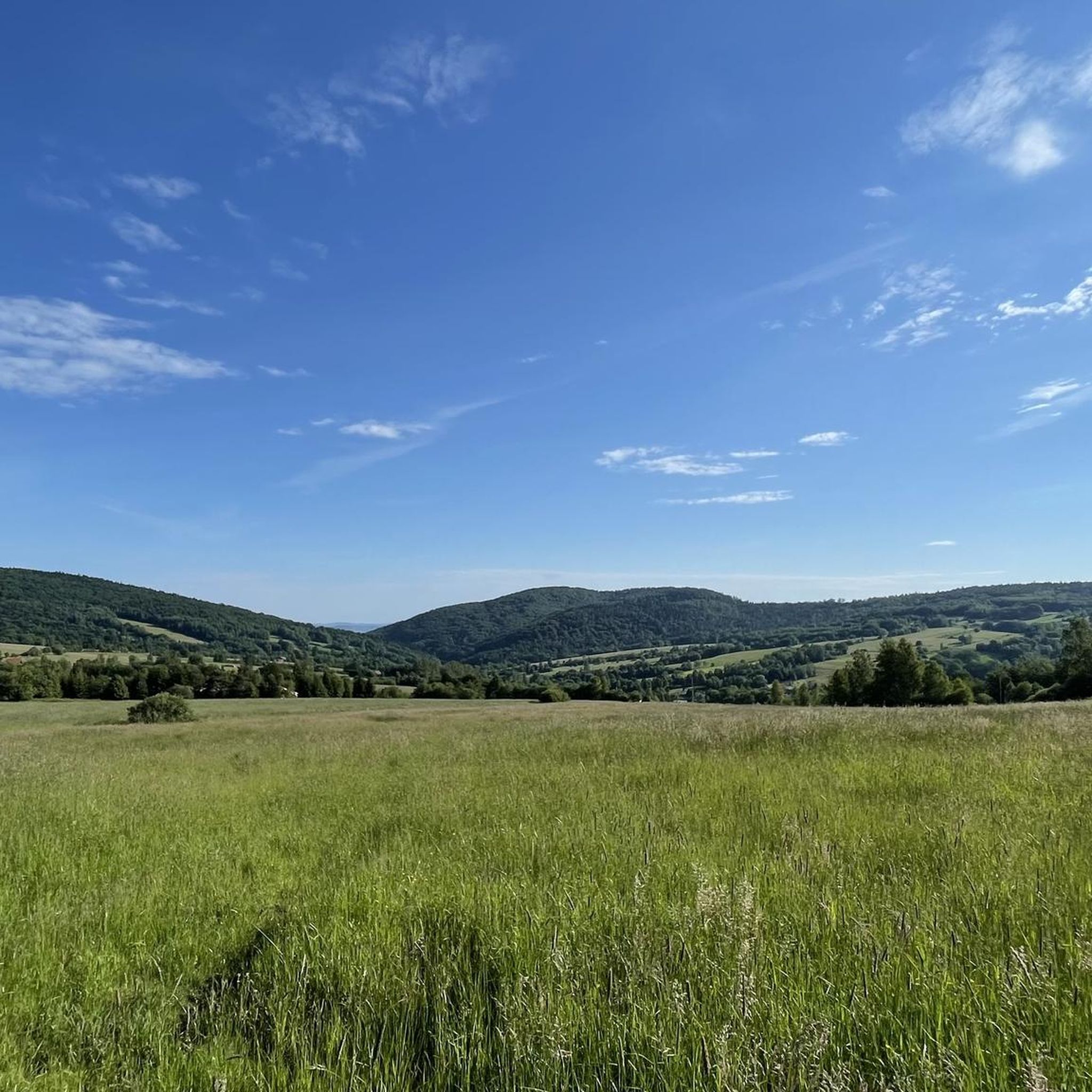
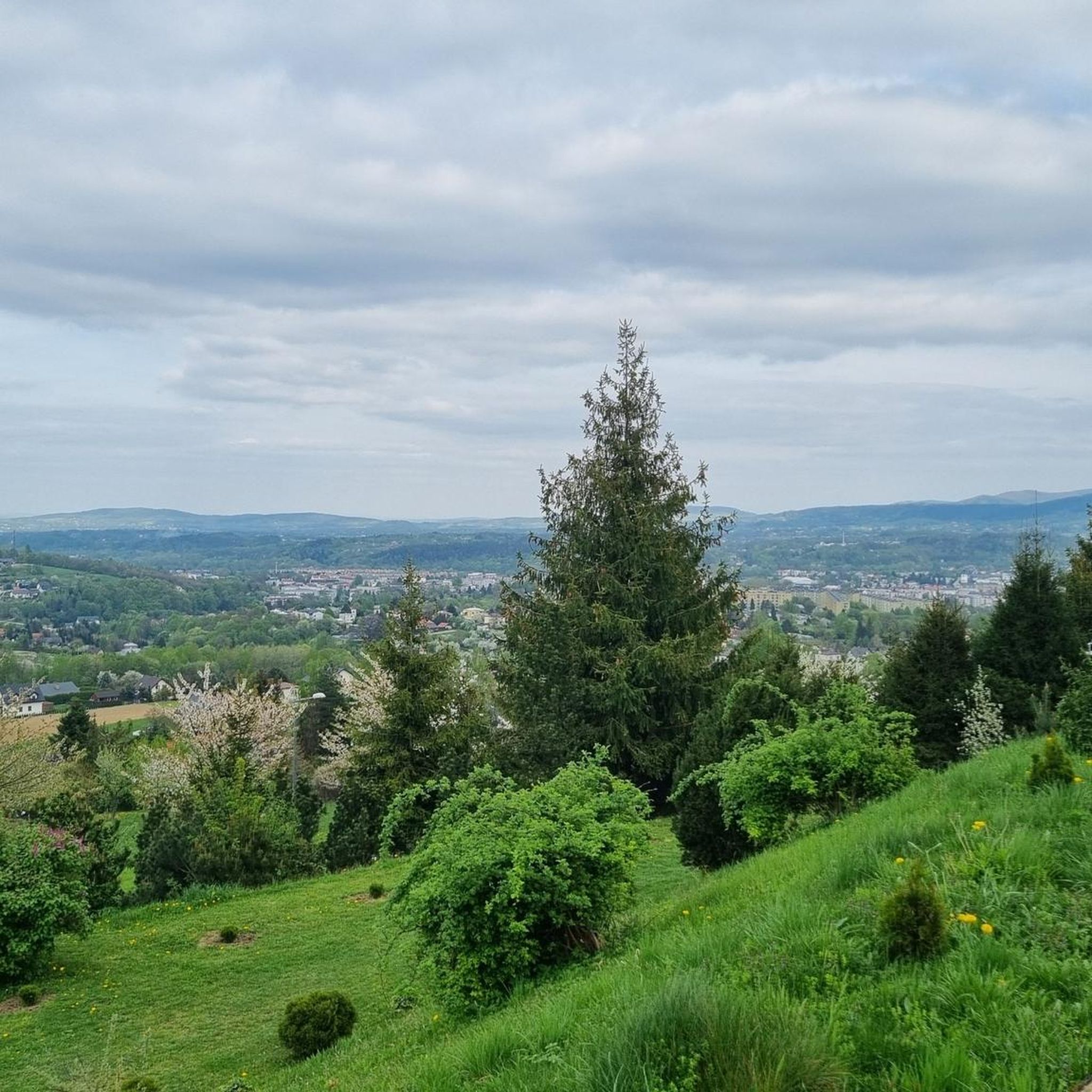
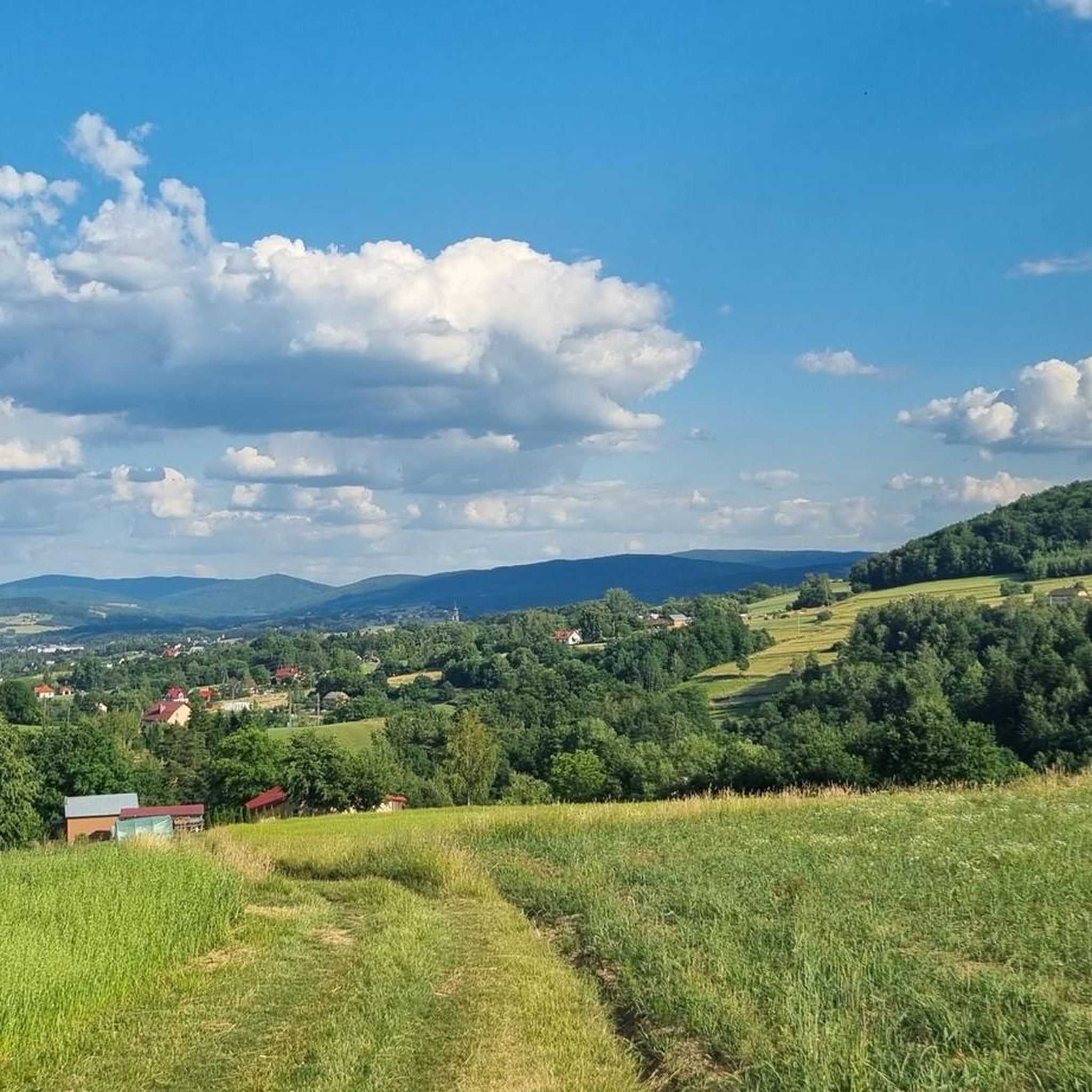
Road cycling around gmina Gorlice offers diverse terrain, situated at the intersection of the Ciężkowicko-Bobowskie Foothills and the Beskid Niski mountain range. The region features undulating hills and more mountainous areas, providing varied challenges and scenic backdrops. Mostly paved surfaces are common, with routes ranging from moderate elevation gains to more demanding climbs exceeding 1,500 feet. Natural features include forested massifs, the Klimkówka Lagoon, and the Diabli Kamień rock formation.
Best road cycling routes around gmina Gorlice
- The most popular…
Last updated: July 14, 2026
24
riders
37.6km
01:58
660m
660m
Moderate road ride. Good fitness required. Mostly well-paved surfaces and easy to ride.
18
riders
58.5km
02:36
520m
520m
Moderate road ride. Good fitness required. Mostly well-paved surfaces and easy to ride.

Sign up for free
13
riders
50.2km
02:26
710m
710m
Moderate road ride. Good fitness required. Some segments of this route may be unpaved and difficult to ride.
5.0
(1)
10
riders
54.3km
02:24
480m
480m
Moderate road ride. Good fitness required. Mostly well-paved surfaces and easy to ride.
5.0
(1)
16
riders
Moderate road ride. Good fitness required. Mostly well-paved surfaces and easy to ride.
Get access to more routes and recommendations from other explorers.
Sign up for free
Already have an account?
Our route recommendations are based on thousands of hikes, rides, and runs completed by other people on komoot.
Start today with a free account
Your next adventure awaits.
Login or Signup

Tips from the Community


interesting place and scenic route
0
0
The section of the road towards Folusz driving from Dębowiec has an interesting phenomenon - when driving we have the impression of driving downhill! and in reality there is an uphill from 1.5% to 3% 😁
1
0

The church is considered one of the most beautiful churches in Poland due to its proportions. It is definitely worth visiting.
1
0

An interesting white roof - unlike any other.
0
0

The church was built in the second half of the 17th century. The date of construction is often given as 1700. The tower was added in 1743. This date was found on one of the beams of the structure. However, it may only refer to the renovation of the older tower. It is the oldest probably dated tower of the Lemko church. After Operation Vistula in 1947, the temple began to be used as a Roman Catholic church, belonging to the parish in Uście Gorlickie. Currently, it is shared between Roman Catholics and Greek Catholics.
2
0
The first Orthodox church in Uście Gorlickie was established around 1539 as the seat of the Orthodox parish. In 1691, the parish accepted the Union of Brest and the new temple, built in 1786, was already a Greek Catholic church. In 1938, a polychrome was painted in the wooden building. After Operation Vistula, the church was taken over by a Roman Catholic parish, but after 1956, services in the Byzantine-Ukrainian rite were occasionally held there, organized by priest Wasyl Hrynyk. Since 1997, the sole owner of the church is the Greek Catholic parish.
1
0

You can visit this interesting wooden church, which was built in the style of western Lemki sacral architecture, since 2007. Typical for the style is the three-part construction with its division into choir, tower and nave and the clapboard cladding of the outer wall and roof. The interior of the church dates from the 18th and 19th centuries and, in addition to the figurative wall paintings in the ornamental style, shows an icon wall, a main altar and two side altars. Since the church is an important testimony to the medieval church building tradition, it has belonged to the cross-border UNESCO World Heritage Site "Wooden Churches of the Carpathian Region" since 2013, along with seven other wooden churches in Poland and eight churches in Ukraine.
0
0
Frequently Asked Questions
What kind of terrain can I expect when road cycling in gmina Gorlice?
Gmina Gorlice offers a diverse landscape for road cycling, situated at the intersection of the Ciężkowicko-Bobowskie Foothills and the Beskid Niski mountain range. You'll find a mix of undulating hills and more mountainous areas, providing varied challenges and scenic backdrops. Most surfaces are paved, with routes ranging from moderate elevation gains to more demanding climbs exceeding 1,500 feet.
Are there road cycling routes suitable for beginners in gmina Gorlice?
Yes, gmina Gorlice offers routes suitable for various fitness levels. While many routes feature undulating hills and moderate climbs, there are options with less elevation gain. For example, routes with up to 500 feet of elevation are generally suitable for all fitness levels. Out of the 14 available routes, 3 are rated as easy.
What natural features can I discover along the road cycling routes?
You can explore several notable natural features. The View of Lake Klimkowskie loop from Cmentarz wojenny nr 86 – Ropica Polska offers views of the Klimkówka Lagoon. You might also encounter forested massifs like Maślana Góra and Jelenia Góra. The impressive Diabli Kamień Rock Formation, with its coarse-grained Magura sandstone boulders, is another unique geological interest in the area.
Are there historical or cultural sites to see while cycling in gmina Gorlice?
Absolutely. The region is rich in history. You can find World War I cemeteries, such as the one in Szymbark, commemorating the "Breakthrough of Gorlice." There are also numerous wooden tserkvas (Orthodox churches), some of which are UNESCO World Heritage sites, like the St. Paraskevi Church. The "Magdalena" Open-Air Museum of the Oil Industry in Gorlice and the Zagroda Maziarska w Łosiu open-air museum offer insights into local heritage.
Where can I find panoramic views during my road cycling trip?
For stunning panoramic views, consider routes that pass near the Lysula observation tower. This tower provides extensive vistas of the surrounding landscapes, including the picturesque foothills and the Low Beskids mountain range, rewarding cyclists who tackle its approach.
Are there any circular road cycling routes in gmina Gorlice?
Yes, many of the road cycling routes in gmina Gorlice are designed as loops, allowing you to start and end at the same point. Examples include the View of Lake Klimkowskie loop from Cmentarz wojenny nr 86 – Ropica Polska and the Męcinka in Wapienne loop from Ropica Polska, which are popular choices among local cyclists.
What is the best time of year to go road cycling in gmina Gorlice?
The region is generally best for road cycling during the warmer months, from late spring through early autumn. This period offers pleasant weather conditions for exploring the diverse terrain, from undulating hills to more mountainous areas. The Low Beskids are less crowded during these times, providing peaceful spaces amidst stunning natural scenery.
What do other cyclists say about road cycling in gmina Gorlice?
The road cycling routes in gmina Gorlice are highly rated by the komoot community, with an average score of 4.8 stars from over 40 reviews. Cyclists often praise the varied terrain, picturesque villages, and the peaceful atmosphere of the Low Beskids. Over 1,400 road cyclists have used komoot to explore the area, highlighting its appeal.
Can I find routes that pass by waterfalls?
Yes, the region features natural attractions including waterfalls. The Magurski Waterfall is a notable natural monument in the area, and while not directly on every road cycling route, it's an attraction that can be incorporated into a cycling trip or visited nearby.
Which picturesque villages can I cycle through in gmina Gorlice?
Gmina Gorlice encompasses charming villages such as Bielanka, Bystra, Dominikowice, Klęczany, Kobylanka, Kwiatonowice, Stróżówka, Szymbark, and Zagórzany. Many of these are situated on undulating terrain with beautiful viewpoints. Cycling through these villages offers a glimpse into local life and architecture, adding a cultural dimension to your ride.
Are there any challenging road cycling routes for experienced riders?
Yes, for experienced riders seeking a challenge, gmina Gorlice offers more demanding routes. For instance, the Ford on the White River loop from Cmentarz wojenny nr 73 – Szymbark is rated as difficult, featuring significant elevation gain over its 70 km distance. Overall, there is 1 difficult route out of the 14 available.
Where can I park my car when starting a road cycling route?
While specific parking locations for each route are not detailed here, many routes, being loops, often start from accessible points like war cemeteries (e.g., Cmentarz wojenny nr 86 – Ropica Polska or Cmentarz wojenny nr 73 – Szymbark) or villages. These locations typically offer space for parking. It's advisable to check the specific route details on komoot for suggested starting points and potential parking information.
Most popular routes around gmina Gorlice
Most popular attractions around gmina Gorlice

Get inspired with the komoot mobile app


Explore more
Browse the best Road cycling routes in other regions.
