Attractions and Places To See around gmina Brzeszcze - Top 20
Best attractions and places to see around gmina Brzeszcze, located in southern Poland, is characterized by its position between the Soła River to the east and the Vistula River to the west. The area holds significant historical importance, particularly due to its ties to World War II events and the nearby Auschwitz-Birkenau complex. Natural features include the Vistula Cycling Route, offering scenic views along the river, and various local ponds. The region provides a blend of historical sites and natural…
Last updated: October 18, 2026
Vistula Cycling Route WTR Oświęcim–Miętków
Highlight (Segment) • Cycleway
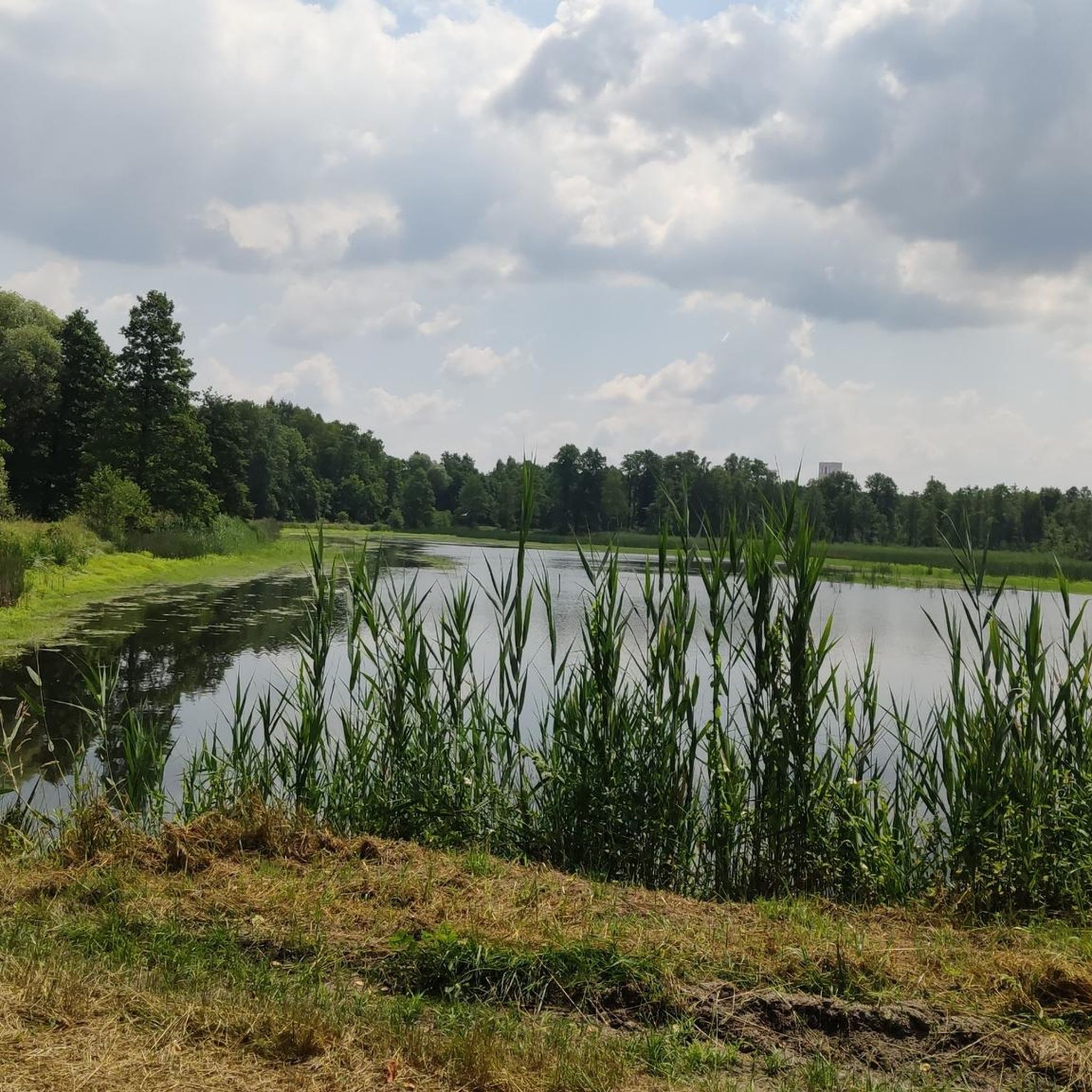
There is a view of the Vistula River from the route.
We liked the stage from …
Translated by Google •
Tip by

Oświęcim Castle
Highlight • Castle
The castle consists …
Translated by Google •
Tip by
Sign up now to discover places like this
Get recommendations on the best single tracks, peaks, & plenty of other exciting outdoor places.
Ruins of Crematorium III, Auschwitz-Birkenau
Highlight • Historical Site
Translated by Google •
Tip by

Auschwitz-Birkenau State Museum and Memorial
Highlight • Historical Site
From 2020, you also need a ticket to enter Camp …
Translated by Google •
Tip by
Sign up for free to discover even more attractions around gmina Brzeszcze.
Already have an account?
Start today with a free account
Your next adventure awaits.





Tips from the Community

The Castle in Oświęcim is a medieval defensive stronghold located on a hill on the right bank of the Soła River. Currently, the site is home to the Museum of the Castle in Oświęcim, which presents the rich history of the city, the former Duchy of Oświęcim, and valuable historical and archaeological collections. It was here that a great diplomatic turning point occurred: in 1454, the last Piast duke of this region, Jan IV, bowed to the might of Poland and ceded the castle and his entire duchy as a fief to King Casimir Jagiellon. Three years later (in 1457), he completely sold these lands to him. The castle ceased to be a Silesian borderland and became Polish royal property for centuries. It is worth taking a look at the mighty, 13th-century Gothic tower, which remembers those events and that agreement! The history of the castle in Oświęcim dates back to the 11th century, when there was an early medieval agricultural settlement on the hill above the Soła. After it burned down, a fortified castellany stronghold was erected here. The first official documentary mention of it dates from 1179. It was then that King Casimir the Just transferred these lands to the Duke of Opole, Mieszko Plątonogi. Early Gothic tower – dates from the end of the 13th century, it is a defensive building type (bergfried) and is one of the oldest preserved brick structures in Lesser Poland. Royal history – the castle hosted prominent historical figures, including the future Queen of Poland, Bona Sforza. Underground tunnels – there are two corridors under the castle, including an air-raid shelter built by the Germans during World War II. Address: ul. Zamkowa 1, 32-600 Oświęcim Opening hours: Tuesday to Sunday from 10:00 AM to 6:00 PM (the museum is closed on Mondays).
1
0

Very picturesque cycle path along the Vistula river embankment
0
0

A special and indefinable place, not for its history, but which is nevertheless worth visiting.
0
0
A superb cycle path which is, among other things, the EuroVelo 4 which crosses Poland. I realize that I can take it all the way to Krakow, my final destination, but the wind is blowing hard today and the path is elevated, so I am not at all sheltered from the wind. I decide to leave it further on to follow my initial itinerary.
0
0
The castle in Oświęcim is the royal castle of King Casimir IV Jagiellon.
2
0
whenever I go, it's windy.. such a boring route for one time ok
1
0

Auschwitz II, the actual extermination camp. The "platform" visible behind the entrance is the so-called new Jewish ramp, built for the extermination of Hungarian Jews. Selections took place here, which meant immediate death for the majority of the deportees. The extermination campaign began in May 1944. In 56 days, over 400,000 people died. https://www.yadvashem.org/de/holocaust/about/fate-of-jews/hungary.html
0
0

Must see to fully understand the suffering endured by millions of people and the atrocious indifference with which other people carried out the work of extermination
0
0
Frequently Asked Questions
What historical sites can I visit around Gmina Brzeszcze?
The region is rich in history. You can visit the Ruins of Crematorium III, Auschwitz-Birkenau, a profound historical site representing a significant part of the Auschwitz-Birkenau complex. Nearby, in Oświęcim, you'll find Oświęcim Castle, an ancient building with a rich past. The Goczałkowice-Zdrój railway stop is also a notable man-made monument, a historic railway station from the 1870s that now serves as a Tourist Service Center. The area also features a 'Memory Route' commemorating World War II events and local assistance to prisoners.
Are there natural attractions or scenic outdoor areas to explore?
Absolutely! The Vistula Cycling Route WTR Oświęcim–Miętków offers scenic views along the Vistula River, characterized by vigorous greenery and blooming trees. Gmina Brzeszcze is situated between the Soła River to the east and the Vistula River to the west. You can also explore local landscapes around the ponds in Wilczkowice (Stawy w Wilczkowicach) and areas like Jawiszowice-Jaźnik and Brzeszcze-Nazieleńce.
What cycling opportunities are available in the region?
The most popular cycling attraction is the Vistula Cycling Route WTR Oświęcim–Miętków, which is a high-quality asphalt section along the Vistula embankments. For more cycling adventures, you can explore various routes like the 'Goczałkowice Dam – Market Square in Pszczyna loop' or the 'Bridge on the Vistula - WOLA – Ponds in Brzeszcze loop'. Find more details and routes on the Cycling around gmina Brzeszcze guide.
Are there family-friendly places to visit near Gmina Brzeszcze?
Yes, several attractions cater to families. The KAPIAS Gardens to Visit offer a beautiful and diverse botanical experience. The Vistula Cycling Route WTR Oświęcim–Miętków is also considered family-friendly. For more active fun, Energylandia amusement park is located nearby in Zator, and the Stadnina Koni w Jawiszowicach offers equestrian activities.
Where can I go for a hike around Gmina Brzeszcze?
You can find several easy hiking trails, particularly around the local ponds. Popular options include the 'Ponds near Brzeszcze loop from Zapadź' or the 'Ponds near Brzeszcze loop from gmina Brzeszcze'. For a comprehensive list of routes, check out the Hiking around gmina Brzeszcze guide.
What is the best time of year to visit Gmina Brzeszcze for outdoor activities?
Spring is particularly recommended for outdoor activities, especially along the Vistula Cycling Route, where you can experience the 'spring nature exploding' with vigorous greenery and blooming trees. The weather is generally pleasant for exploring historical sites and natural landscapes.
Can I find any accessible attractions for visitors with mobility needs?
The Vistula Cycling Route WTR Oświęcim–Miętków is noted for being wheelchair accessible, offering a smooth asphalt surface along the river embankments, making it suitable for visitors with mobility needs.
What do visitors particularly enjoy about the Vistula Cycling Route?
Visitors highly praise the Vistula Cycling Route WTR Oświęcim–Miętków for its excellent quality asphalt surface and the beautiful views of the Vistula River. Many enjoy the vibrant green scenery and the scent of blooming trees, describing the area as a 'kingdom of nature' due to limited human interference.
Are there options for running trails near Gmina Brzeszcze?
Yes, there are several running trails available. You can find routes like the 'Lesisko – Olusia loop from gmina Brzeszcze' or the 'Running loop from gmina Brzeszcze'. These trails offer varying distances and moderate difficulty. More details can be found on the Running Trails around gmina Brzeszcze guide.
Where can I find a castle or historic architecture in the vicinity?
The most prominent historic architectural site is Oświęcim Castle, an early Gothic bergfried tower dating back to the 13th century, located on the right bank of the Soła River. Additionally, Pszczyna Castle, about 15 km away, is known for its well-preserved 15th-century architecture.
What kind of gardens can I visit in the area?
The KAPIAS Gardens to Visit are a must-see. Started in 1979, these gardens have expanded to cover 4 hectares, featuring diverse plant collections, garden architecture, and themed zones. They offer a charming place to spend a day with family or friends.
Are there any significant World War II related sites to visit?
Gmina Brzeszcze has strong historical ties to World War II. The most significant site is the Ruins of Crematorium III, Auschwitz-Birkenau, which is part of the Memorial and Museum Auschwitz-Birkenau complex. The gmina itself also has a 'Memory Route' dedicated to commemorating the tragic events and the local inhabitants' assistance to prisoners.
Most popular routes around gmina Brzeszcze
Most popular attractions around gmina Brzeszcze

Get inspired with the komoot mobile app


Explore more
Still not found the Highlight you’re looking for? See guides of the top attractions in other regions:
