The best cycling routes around Sarnaki
4.5
(60)
453
riders
44
rides
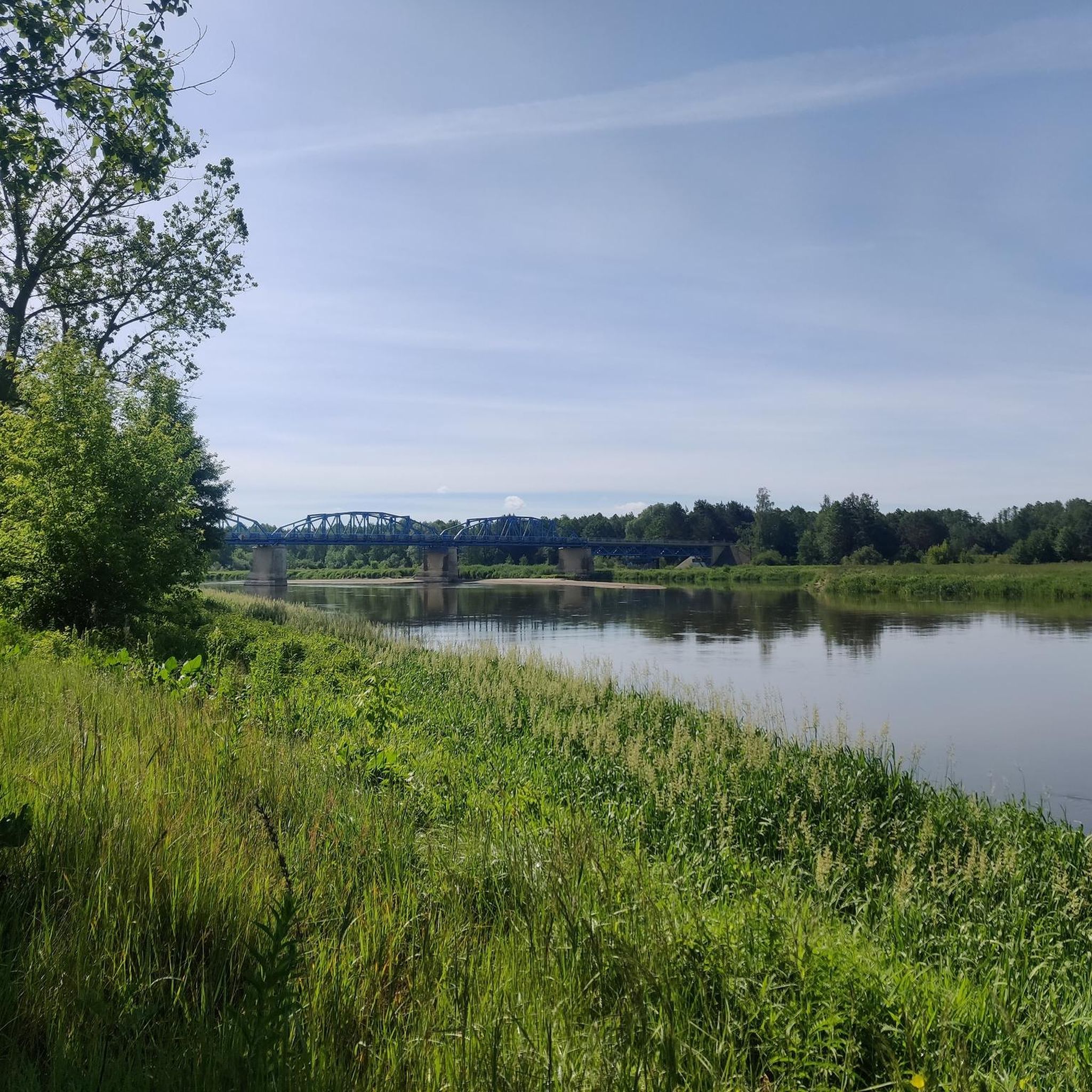
Touring cycling routes around Sarnaki traverse diverse landscapes, characterized by the scenic Bug River and its surrounding woodlands. The region offers a variety of cycling experiences, from routes on mostly paved surfaces to more demanding paths with unpaved sections and notable elevation changes. The presence of the Bug River Gorge Landscape Park indicates picturesque riverine scenery. This area provides a compelling destination for touring cyclists seeking both natural beauty and cultural exploration.
Best touring cycling routes around Sarnaki
- The most…
Last updated: October 11, 2026
4.7
(18)
48
riders
64.9km
03:58
260m
260m
Moderate bike ride. Good fitness required. Mostly paved surfaces. Suitable for all skill levels.
4.5
(10)
60
riders
46.0km
02:41
240m
240m
Moderate bike ride. Good fitness required. Mostly paved surfaces. Suitable for all skill levels.

4.3
(3)
27
riders
36.4km
02:10
160m
160m
Moderate bike ride. Good fitness required. Mostly paved surfaces. Suitable for all skill levels.
4.5
(4)
36
riders
47.4km
02:59
190m
190m
Moderate bike ride. Good fitness required. Mostly paved surfaces. Suitable for all skill levels.
5.0
(1)
16
riders
35.5km
02:20
240m
240m
Moderate bike ride. Good fitness required. Mostly paved surfaces. Suitable for all skill levels.
Get access to more routes and recommendations from other explorers.
Already have an account?
Our route recommendations are based on thousands of hikes, rides, and runs completed by other people on komoot.
Start today with a free account
Your next adventure awaits.
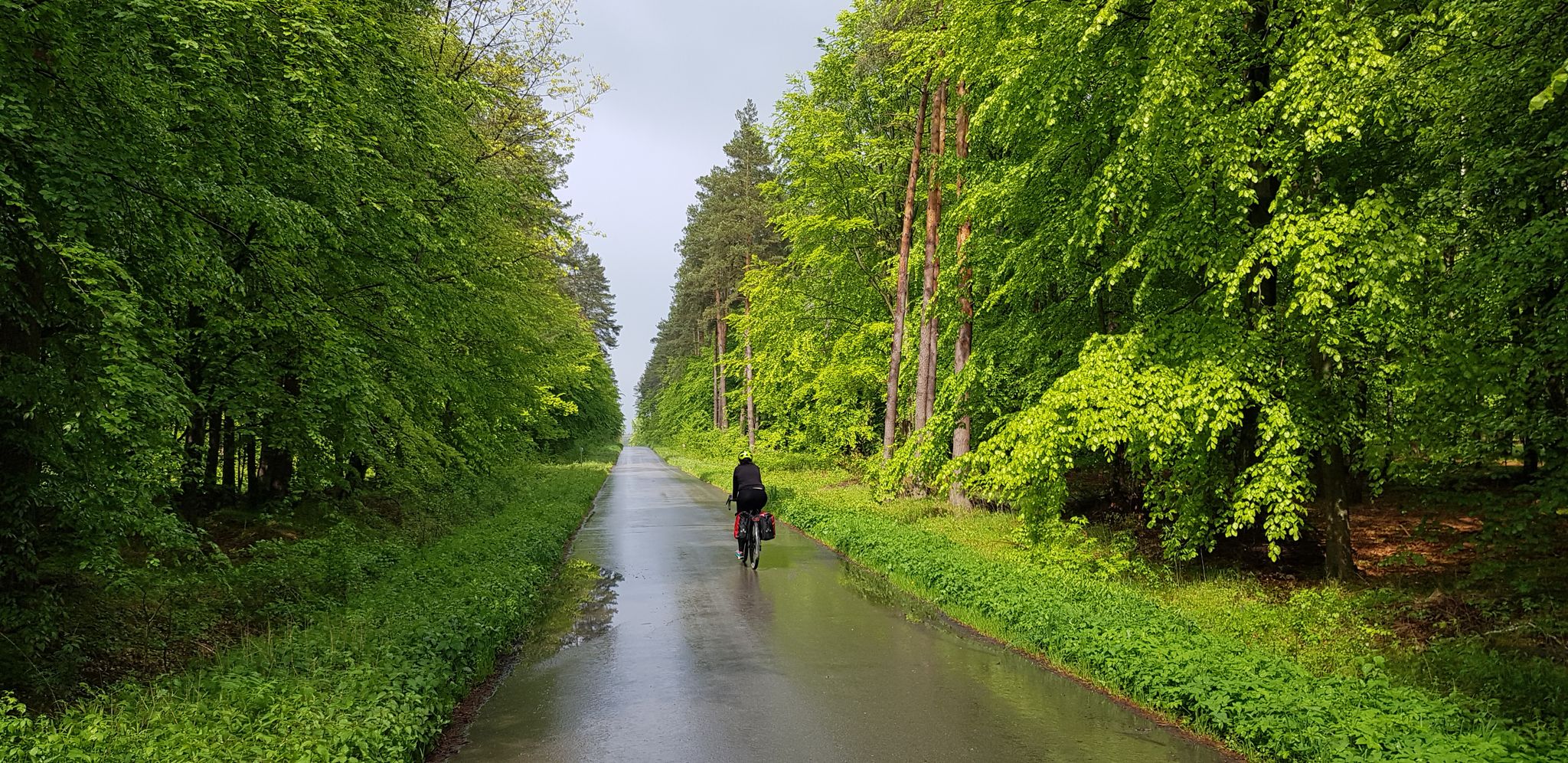
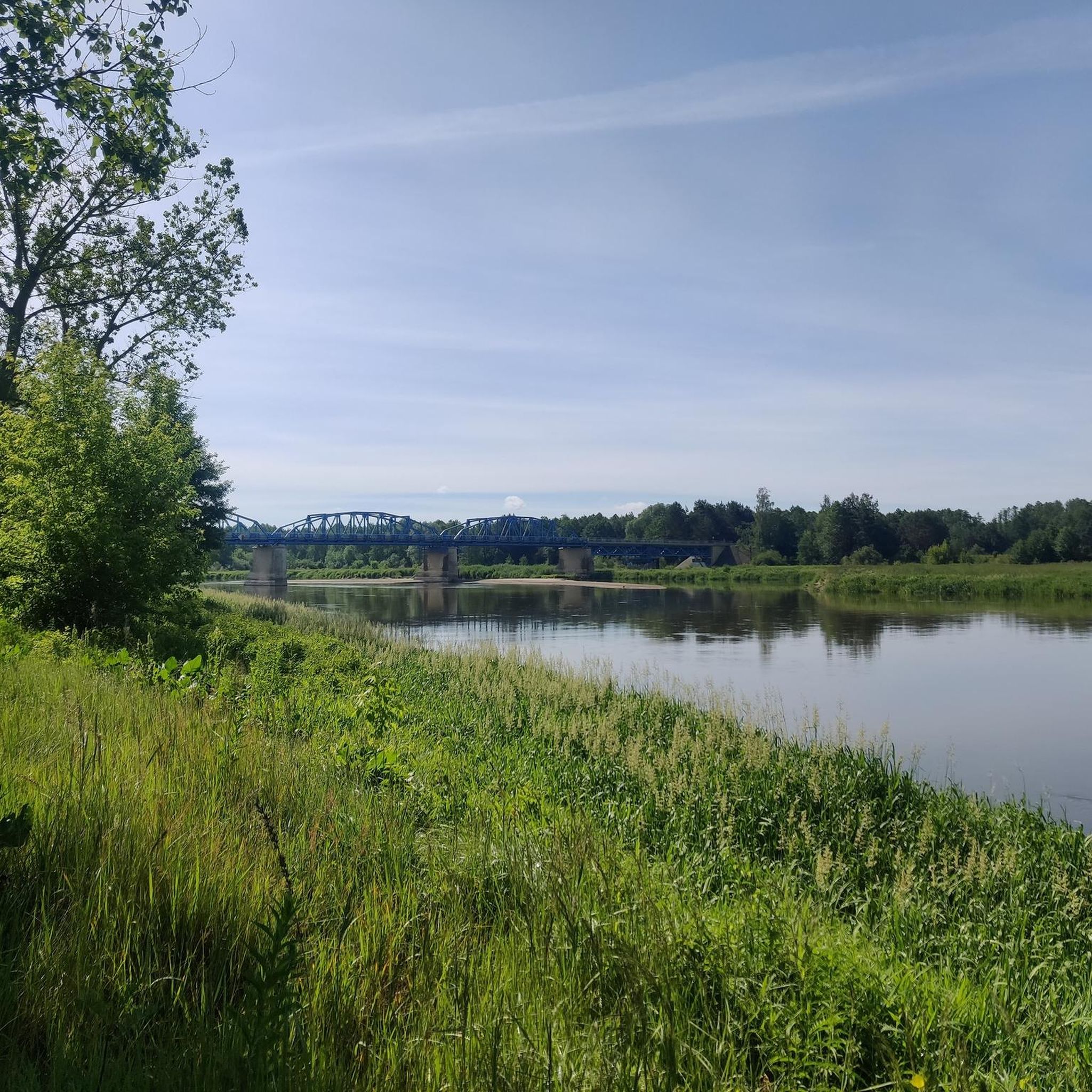
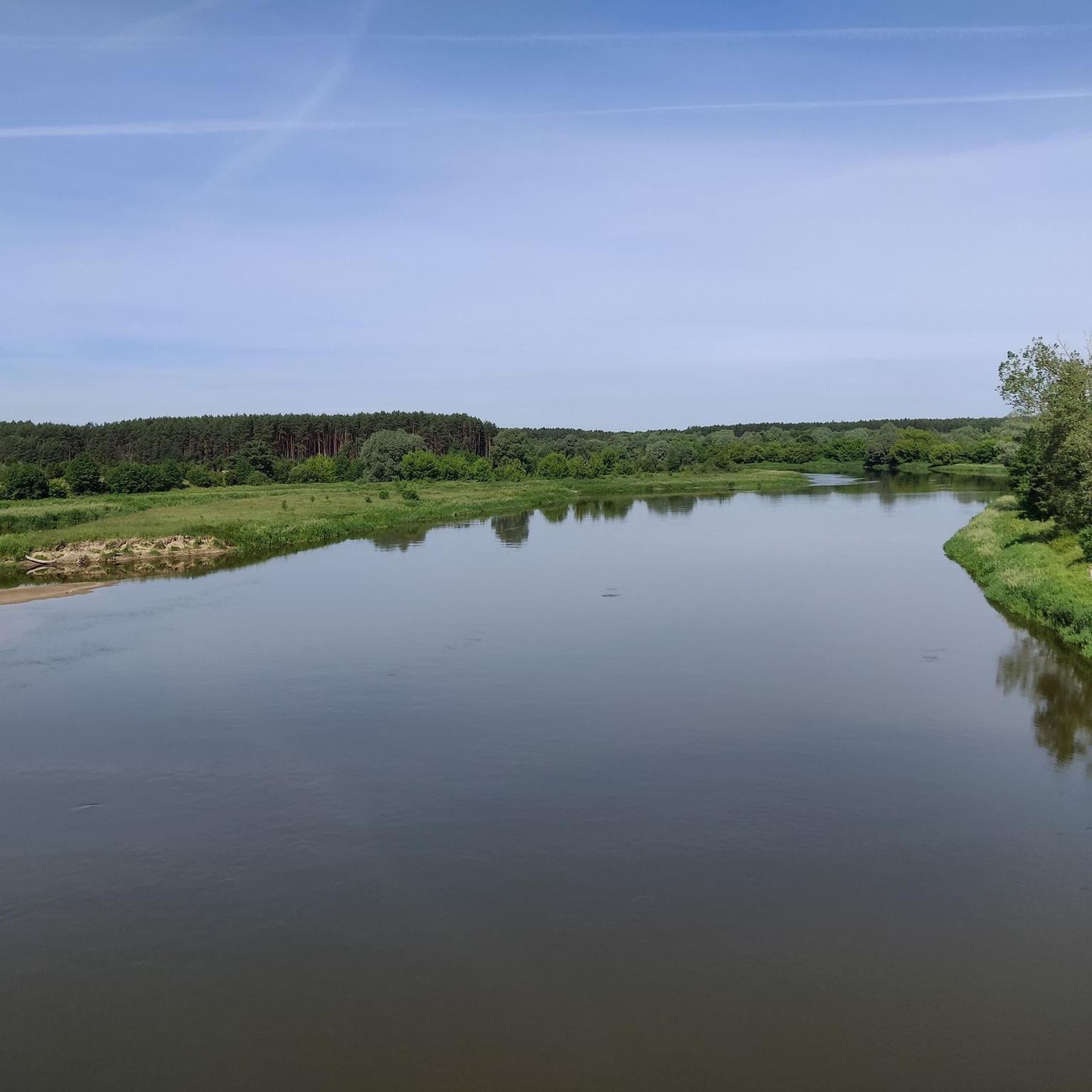
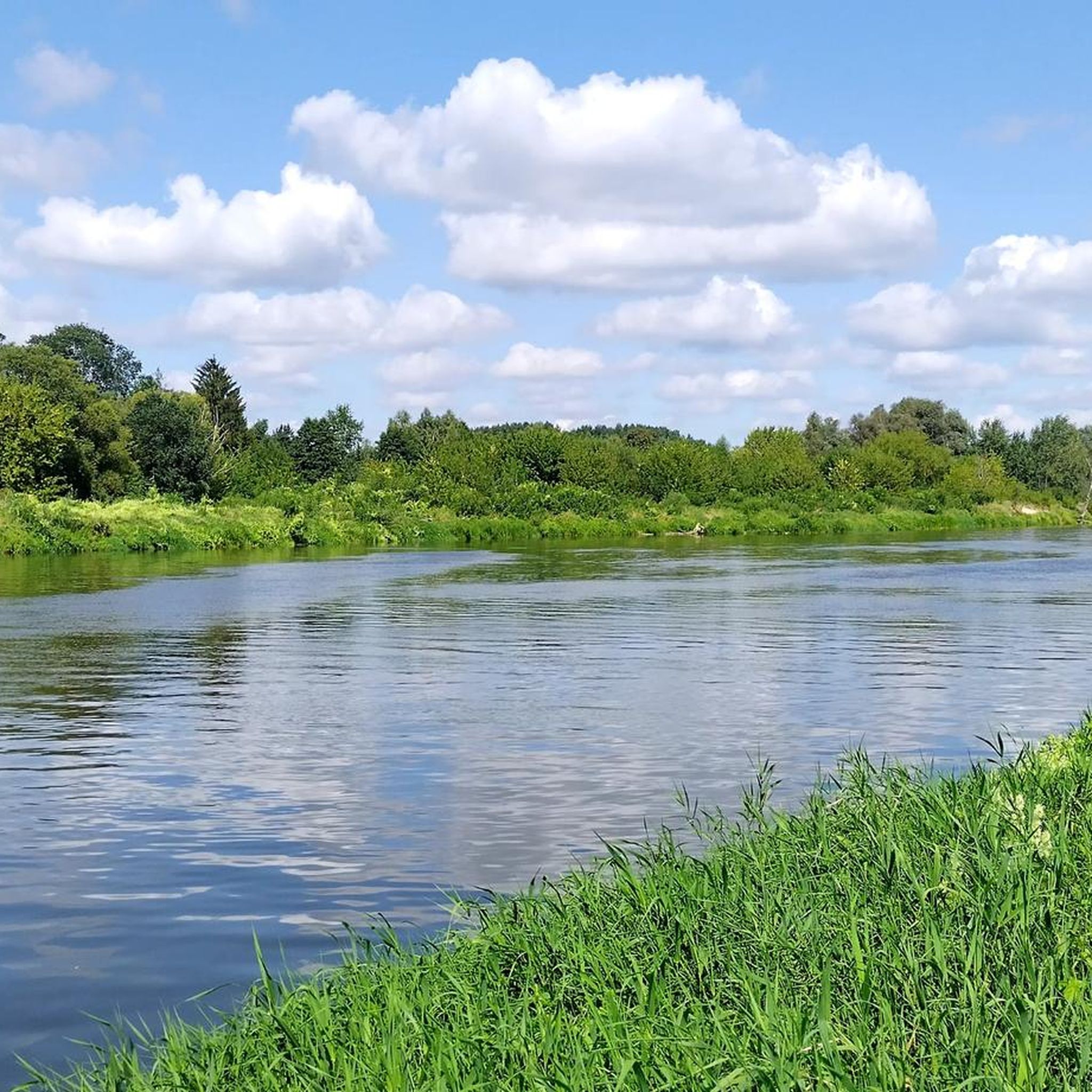

Other adventures around Sarnaki

Tips from the Community

A gallery of colorful graffiti under the bridge
0
0

Worth stopping by to see this church
0
0
Works until 4:00 PM, I recommend it
0
0

The Orthodox Church of Saints Cyril and Methodius in Maćkowicze, built in the late 1990s.
1
0

The Church of St. Nicholas is an Orthodox parish church in Drohiczyn. It belongs to the Siemiatycze deanery of the Warsaw-Bielsko diocese of the Polish Autocephalous Orthodox Church. The church is located on the market square – Tadeusz Kościuszko Square. The church represents a classicist style. Built in 1792, funded by Konstancja née Kuczyńska and Jakub Ciecierski, it was dedicated to St. Nicholas, a Uniate church for the Basilian monastery. After the Uniate parish church (also dedicated to St. Nicholas) burned down in 1806, services were moved here. In 1826, it was handed over to the Uniate secular clergy. In 1839, following the Synod of Polotsk, the church was seized from the Uniates and placed under the jurisdiction of the Orthodox Church by the Russian partitioning authorities. After the fall of the January Uprising, the church was rebuilt around 1870 to give it a more Orthodox appearance. As a result, the exterior was topped with three additional onion-shaped bell towers, while the interior was modified and a new interior was created, including by removing the side altars, organs, and pulpit.
1
0
The ferry crossing on the Bug River connects its northern bank below Drohiczyn with the southern bank near the village of Bużyska, Korczew commune
1
0
A viewing point overlooking the Bug River and the monastery. A ferry crossing the river is located next to the tower.
1
0
Holy Mount Grabarka is the most important Orthodox center in Poland, located in the Podlaskie Voivodeship, near Siemiatycze. It is a pilgrimage site known as the "Hill of Crosses" because for centuries the faithful have brought votive crosses here, symbolizing prayers and thanksgiving. The complex includes the Saints Martha and Mary Monastery and three Orthodox churches.
1
0
Frequently Asked Questions
How many touring cycling routes are available around Sarnaki?
There are over 35 touring cycling routes mapped around Sarnaki, offering a wide range of experiences for different skill levels. The komoot community has explored these routes over 300 times.
When is the best time of year for touring cycling in Sarnaki?
Cyclists often find the months of June and July ideal for exploring the Sarnaki region. During this time, the weather is generally favorable for enjoying the diverse landscapes and natural features.
What are the difficulty levels of touring cycling routes in Sarnaki?
The routes around Sarnaki cater to various skill levels. You'll find 10 easy routes, 23 moderate routes, and 5 more challenging routes, ensuring there's something for everyone, from leisurely rides to more demanding paths with unpaved sections and notable elevation changes.
Are there many circular touring cycling routes in the Sarnaki area?
Yes, many touring cycling routes in Sarnaki are designed as loops, allowing you to start and end in the same location. An example is the Church of St. Nicholas – Przekop Nature Reserve loop from Sarnaki, which is a popular moderate trail.
What historical or natural landmarks can I explore while cycling around Sarnaki?
The Sarnaki region is rich in attractions. You can cycle past significant sites like the Holy Mount Grabarka (Święta Góra Grabarka), Poland's most important Orthodox center, or the historic Janów Podlaski Stud Farm. For natural beauty, routes often traverse the scenic Bug River Gorge Landscape Park and areas like Mężenin – Natura 2000 Lower Bug Valley.
Are there family-friendly touring cycling routes suitable for all ages?
Yes, with 10 easy routes available, Sarnaki offers options suitable for families. These routes typically feature mostly paved surfaces and gentler terrain, allowing for a relaxed cycling experience for all ages. Look for routes with lower elevation gains and shorter distances.
Can I find touring cycling routes along the Bug River?
Absolutely. The Bug River is a defining feature of the Sarnaki landscape, and many touring cycling routes follow its course, offering picturesque riverine scenery. The Molotov Line Bunkers – Bridge Over the Bug River loop from Klepaczew is a great example, combining historical sites with river views.
Are there options for longer touring cycling routes in Sarnaki?
For cyclists looking for longer rides, Sarnaki provides several options. The Church of St. Nicholas – Przekop Nature Reserve loop from Sarnaki covers nearly 63.5 km (39.5 miles), while the Wooden church – Janów Podlaski Stud Farm loop from Klepaczew is over 50 km (31 miles), offering substantial distances for touring.
What do other touring cyclists say about the routes in Sarnaki?
The touring cycling routes in Sarnaki are highly regarded by the komoot community, holding an average rating of 4.5 stars from over 50 reviews. Cyclists often praise the diverse terrain, the scenic beauty of the Bug River, and the opportunity to explore historical sites.
Are there any unique cultural experiences or hidden gems along the touring cycling routes?
Beyond natural beauty, the region offers unique cultural stops. You could visit the Winnica Korol Winery in Mielnik for a taste of local viticulture, or explore the historical significance of the Molotov Line Bunkers, remnants of World War II history. The Janów Podlaski Stud Farm is also a world-renowned attraction for Arabian horses.
Can I find routes that combine natural beauty with cultural sites?
Many routes in Sarnaki are designed to offer a blend of natural landscapes and cultural exploration. For instance, the Mielnik–Zabuże Ferry Crossing loop from Fronołów takes you through scenic areas and potentially near the historic village of Mielnik, which hosts the Winnica Korol Winery.
Are there routes specifically highlighting the Bug River's natural features?
Yes, routes like the Bug River Beach – Stork Street loop from Zabuże are excellent for experiencing the river's natural environment, including potential wildlife sightings like storks and the serene river beaches.
Most popular routes around Sarnaki
Most popular attractions around Sarnaki

Get inspired with the komoot mobile app


Explore more
Browse the best Cycling routes in other regions.
