The best walks and hikes around Szelków
4.9
(18)
119
hikers
17
hikes
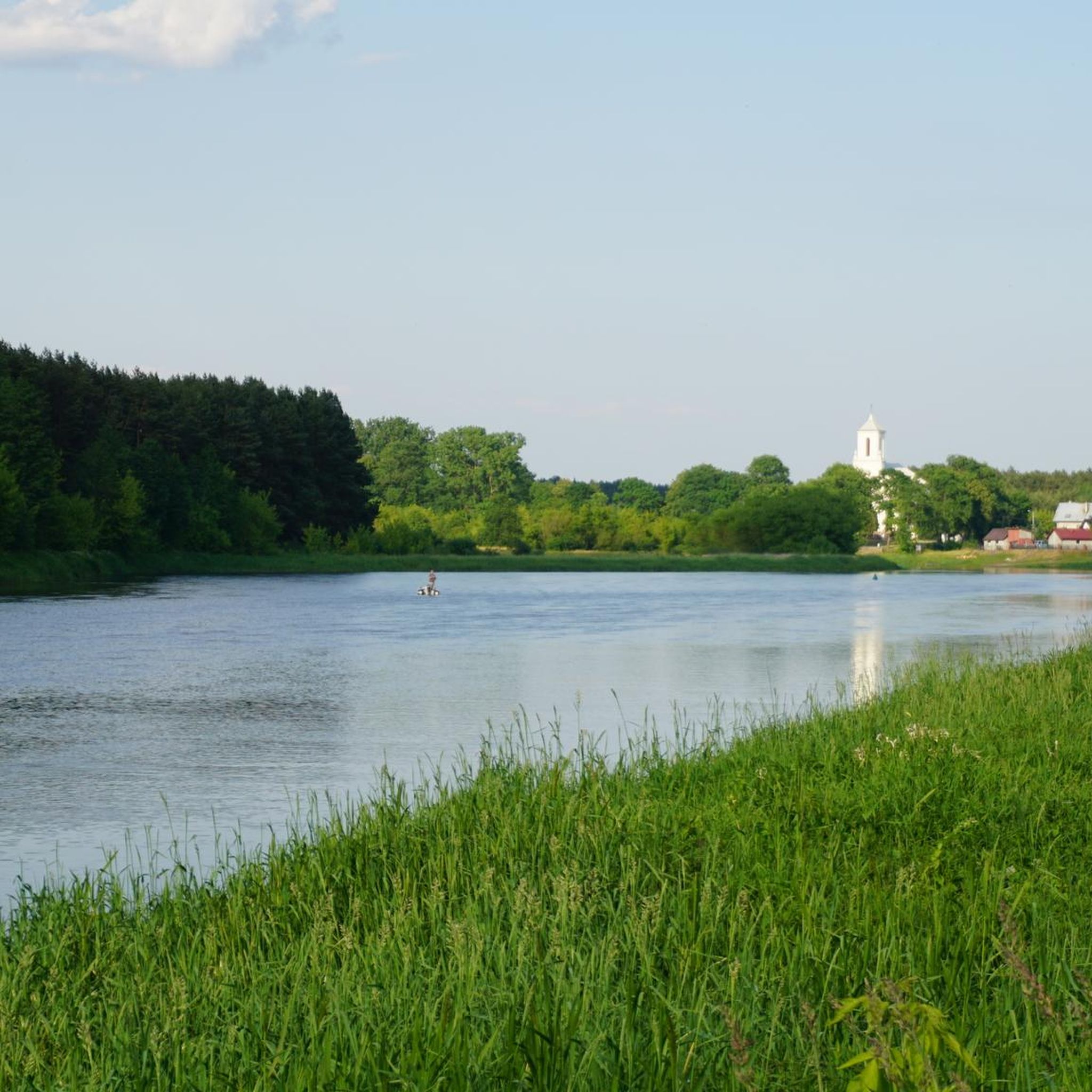
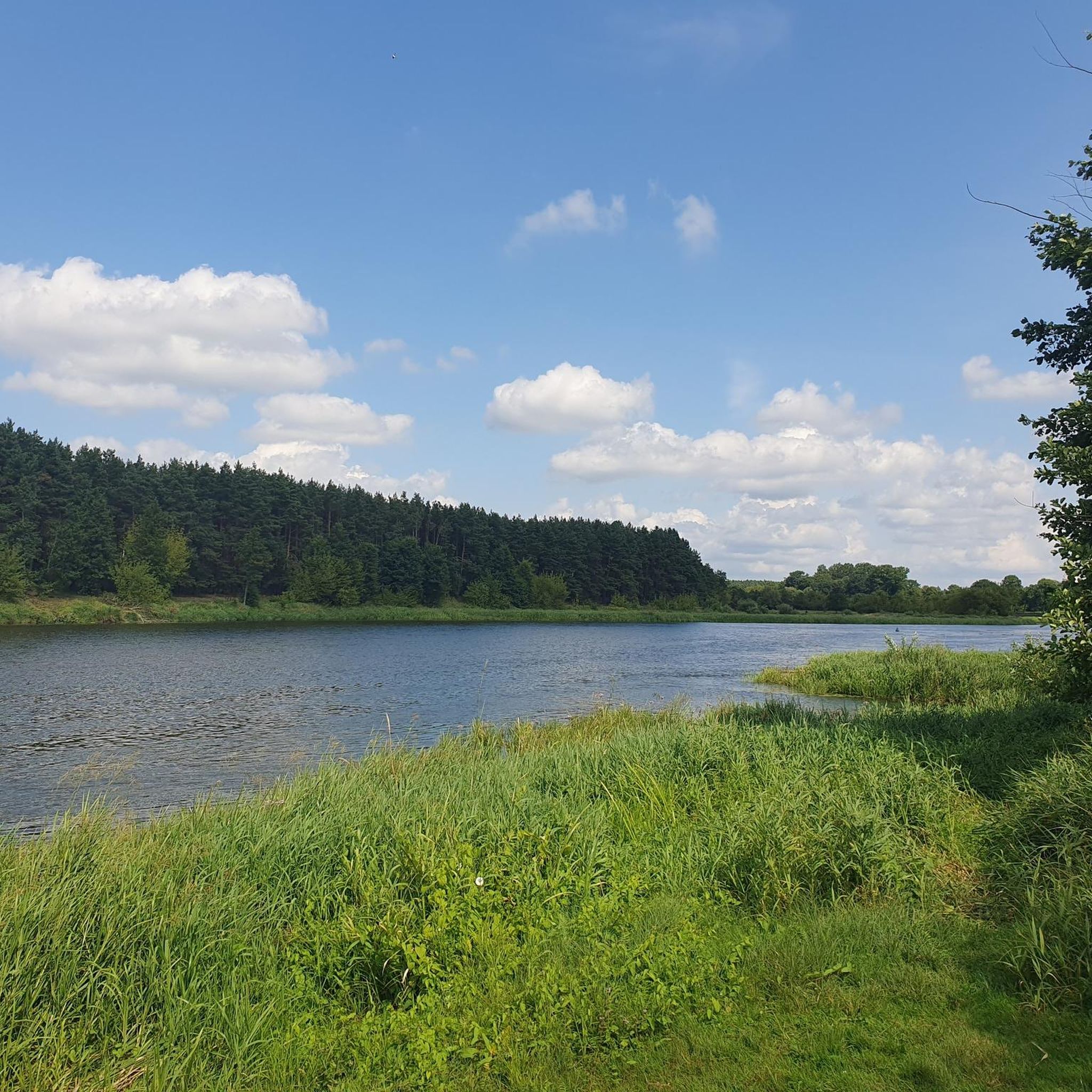
Hiking around Szelków, located in Poland's Mazovia region, offers routes through a predominantly rural and agricultural landscape. The area is part of the "Green Lungs of Poland," characterized by green environments, agricultural fields, and some forested areas. While not known for extensive, challenging trails, Szelków provides opportunities for leisurely walks, particularly around natural monuments like ancient oak trees near Nowy Strachocin. The terrain is generally flat to gently rolling, with routes often exploring local villages and natural features.
Best hiking…
Last updated: June 27, 2026
5.0
(7)
28
hikers
5.05km
01:17
20m
20m
Easy hike. Great for any fitness level. Easily-accessible paths. Suitable for all skill levels.
7
hikers
2.35km
00:37
10m
10m
Easy hike. Great for any fitness level. Easily-accessible paths. Suitable for all skill levels.

Sign up for free
5.0
(1)
7
hikers
Easy hike. Great for any fitness level. Easily-accessible paths. Suitable for all skill levels.
5.0
(2)
8
hikers
7.99km
02:03
30m
30m
Moderate hike. Good fitness required. Easily-accessible paths. Suitable for all skill levels.
8
hikers
4.70km
01:12
20m
20m
Easy hike. Great for any fitness level. Easily-accessible paths. Suitable for all skill levels.
Get access to more routes and recommendations from other explorers.
Sign up for free
Already have an account?
Our route recommendations are based on thousands of hikes, rides, and runs completed by other people on komoot.
Start today with a free account
Your next adventure awaits.
Login or Signup

Tips from the Community


"The history of the town hall dates back to the early 15th century. Bishop Jakub of Płock is said to have funded the seat of the town authorities in 1405. The Gothic tower added to the town hall fulfilled both judicial and penitentiary functions as well as defense. Initially, it reached a height of 15 m and was built on a rectangular plan. During the 15th and 16th centuries, it was gradually raised, with additional storeys built on an octagonal plan. A new town hall was also built - lower, more modern - in the Renaissance style, topped with a crested attic. The 30-meter tower at that time gained a domed spire with a lantern, and a clock was also ordered for it. During the wars in the 17th and 18th centuries, the town hall burned down several times. In 1728, it was rebuilt with funds from Bishop Andrzej Stanisław Kostka Załuski. The two-bay building surrounded the tower in a horseshoe shape from the east. The entrance was located on the north and covered with a wooden arcade. The tower roof was changed to an octagonal one, and the clock was abandoned. In this form, the town hall survived until the end of the 19th century. At that time, in addition to the city authorities, the army was quartered here, and there was a prison and even warehouses for Pułtusk merchants. At the end of the 19th century, a shelter was organized in the ruined building, and from 1880, the ground floor and the tower were put into use by the Volunteer Fire Department. After 1902, a new, smaller building was erected on the site of the former building, in the neo-Gothic style, only for the use of the fire department. The tower was deprived of its roof, replacing it with an uncovered platform. It turned out to be completely non-functional and the original roof covering of the tower top was quickly restored. Also at that time, a clock was placed on the north side, on the seventh floor." Source: https://arch.pultusk.pl/wieza-dawnego-ratusza-gotycko-renesansowa/
1
0

Opposite is a bar-cafe. You can eat and drink coffee. In the summer, good ice cream with a view of the locals who meet on the benches nearby.
0
0

In the 14th century, there was a stronghold on the castle hill, which was moved and construction began on the castle in Pułtusk, which became the seat of the bishops of Płock. The first castle buildings were wooden, at the beginning of the 15th century, brick buildings began to be built, probably after the destruction during the Lithuanian invasions. The most important expansion took place in the 6th century, when the castle was given the character of a Renaissance residence. The bishop's castle was modernized and decorated by artists, but it was destroyed during the Swedish Deluge. The castle was rebuilt at the end of the 17th century, the north-west wing was added. At that time, the castle acquired its current shape of a horseshoe - several connected buildings around the courtyard. An arcaded bridge and a gate building lead to the castle. The castle was devastated during the Napoleonic Wars, and suffered the greatest damage in 1945. Rebuilt after the war, later rebuilt for hotel purposes as the House of Polonia. Being in Pułtusk at the castle, we will definitely come across a huge and long Market Square - at one end the castle, at the other the Collegiate Basilica of the Annunciation of the Blessed Virgin Mary. It is worth walking through the old streets, visiting several old churches, and all of this is basically within the old town, on an island surrounded by branches of the Narew River. https://discover.pl/zamek-biskupi-w-pultusku/
3
0

Coffee and cake next to the town hall
0
0

The city fountain, located on the market square in Pułtusk, at the foot of the castle, is not only an element of architecture. From June 23, 2022, there are WATER - LIGHT - SOUND SHOWS.
0
0
The construction of the Pułtusk Town Hall, the seat of the municipal authorities, began at the beginning of the 15th century. It was supposedly founded in 1405, probably in a wooden form, by the bishop of Płock, Jakub Kurdwanowski. The Gothic tower added to the town hall a little later, serving both judicial and penitentiary functions as well as defense, was built as a brick building. In the 16th century, a new, renaissance town hall building with an attic was built. It burned down several times during the wars in the 17th and 18th centuries. In 1728, it was rebuilt on the initiative of Bishop Andrzej Stanisław Kostka Załuski and survived until the end of the 19th century. At that time, in addition to the city authorities, the army was quartered in it, there was a detention center and even warehouses for Pułtusk merchants. At the end of the 19th century, a poorhouse was organized in the ruined building, and from 1880 the ground floor and the tower were put into use by the Volunteer Fire Brigade. After 1902, a new, smaller, neo-Gothic building was erected on the site of the demolished building. During World War II, the fire station and the tower were partially destroyed. In the years 1947 - 1949, the tower was renovated according to the design of Mieczysław Rzepecki, while the fire station was demolished. The town hall tower has survived from the medieval seat of the municipal authorities of Pułtusk to the present day. In 1964, the Regional Museum was organized there, which is still located there today. Interestingly, the tower is located in the middle of the market square, which is considered the longest in Europe.
1
0

It is a pity that the longest cobblestone market square (400 meters) in Europe has become a car park.
0
0
Frequently Asked Questions
How many hiking trails are available in the Szelków area?
There are over 8 hiking routes recorded around Szelków on komoot, offering a variety of options for exploring the local landscape. These routes range from easy to moderate difficulty.
What kind of terrain can I expect on hikes around Szelków?
The terrain around Szelków is generally flat to gently rolling, characterized by agricultural lands, river valleys, and scattered woodlands. It's part of the 'Green Lungs of Poland,' offering a predominantly green environment suitable for leisurely walks.
Are there any easy hiking trails suitable for beginners or families in Szelków?
Yes, Szelków offers several easy trails perfect for beginners or families. For instance, the Viewpoint loop from Rezerwat Popławy is an easy 3.5-mile (5.7 km) trail that provides scenic views. Another family-friendly option is the Pułtusk Castle – Pułtusk Town Hall Tower loop from Pułtusk, which explores historical landmarks.
Can I find circular hiking routes in the Szelków area?
Many of the routes around Szelków are designed as loops, allowing you to start and end at the same point. Examples include the Viewpoint loop from Rezerwat Popławy and the Dawny basen kąpielowy loop from Osiedle Ciechanowska.
What historical or natural landmarks can I see while hiking near Szelków?
While hiking near Szelków, you can explore several interesting landmarks, particularly in nearby Pułtusk. These include the historic Pułtusk Town Hall Tower, the charming Pułtusk Market Square, and the impressive Basilica of the Annunciation of the Blessed Virgin Mary. Additionally, a forest glade near Nowy Strachocin features ancient oaks recognized as natural monuments, surrounding the historical sanctuary of St. Rosalia.
Are there options for longer or more challenging hikes around Szelków?
While Szelków is primarily known for easy to moderate walks, you can find slightly longer routes. The Dawny basen kąpielowy loop from Osiedle Ciechanowska is a moderate 5.2-mile (8.4 km) trail, offering a longer exploration of the local surroundings.
What do other hikers say about the trails in Szelków?
The hiking routes in Szelków are highly rated by the komoot community, with an average score of 4.8 stars from over 15 reviews. Hikers often praise the peaceful, rural environment and the opportunities for leisurely walks through green landscapes.
Are the hiking trails around Szelków dog-friendly?
Given the rural and agricultural nature of Szelków, many trails are generally suitable for dogs, especially those away from busy roads. However, always ensure your dog is on a leash, especially near farmlands or in areas where wildlife might be present, and respect local regulations.
What is the best time of year to go hiking in Szelków?
The best time for hiking in Szelków is typically during the spring, summer, and early autumn months. These seasons offer pleasant weather for enjoying the green landscapes and agricultural fields. Spring brings blooming nature, while autumn provides colorful foliage.
Are there any facilities like cafes or pubs near the hiking trails in Szelków?
Szelków is a rural municipality, so extensive facilities directly on hiking trails are limited. However, you may find local amenities in the villages, and the nearby town of Pułtusk, which features some routes, offers more options for cafes, pubs, and accommodation.
Is parking available near the trailheads in Szelków?
While specific designated parking for every trailhead might not be explicitly marked in this rural area, you can generally find parking in villages or near local attractions that serve as starting points for hikes. Always ensure you park responsibly and do not obstruct local access.
Are there any specific natural monuments or unique features to look out for?
Yes, a notable natural feature is a forest glade near Nowy Strachocin, accessible from Szelków. This area is home to numerous ancient oak trees recognized as natural monuments, surrounding the historical sanctuary of St. Rosalia, offering a unique setting for a walk.
Most popular attractions around Szelków

Get inspired with the komoot mobile app


Explore more
Browse the best Hikes in other regions.
