Attractions and Places To See around Kałuszyn - Top 20
Best attractions and places to see around Kałuszyn, a town in Poland's Masovian Voivodeship, include a mix of historical landmarks, cultural sites, and natural features. The region is characterized by forest complexes, water reservoirs, and significant monuments commemorating its past. Visitors can explore a variety of sites that reflect Kałuszyn's rich history and natural landscapes.
Best attractions and places to see around Kałuszyn
- The most popular attractions is Jedlina Nature Reserve, a forest that preserves a natural fir forest,…
Last updated: October 18, 2026
Holy Trinity Wooden Church in Żeliszew Podkościelny
Highlight • Religious Site
Translated by Google •
Tip by

Museum of Wooden Architecture of the Siedlce Region
Highlight • Historical Site
Tip by

Sign up now to discover places like this
Get recommendations on the best single tracks, peaks, & plenty of other exciting outdoor places.
Jedlina Nature Reserve
Highlight • Forest
Translated by Google •
Tip by

Saint Anthony Monument in Kuflew
Highlight • Monument
Translated by Google •
Tip by

Horse-Drawn Tram in Mrozy
Highlight • Monument
Translated by Google •
Tip by

Sign up for free to discover even more attractions around Kałuszyn.
Already have an account?
Start today with a free account
Your next adventure awaits.

Tips from the Community

Following the tracks, you'll reach the sanatorium. There's a very nice café there.
1
0

The Kuflew estate in 1842 was brought as a dowry by Weronika Korzbok-Łącka to her marriage with Bronisław Dąbrowski - the son of the famous General Jan Henryk Dąbrowski. In February 1846, Kuflew became the scene of an unsuccessful attempt to provoke a nationwide uprising. A commemoration of these events is the monumental monument to St. Anthony erected in 1864, a year after the outbreak of the January Uprising - undoubtedly, apart from personal intentions, it had a hidden national and liberation intention.
0
0

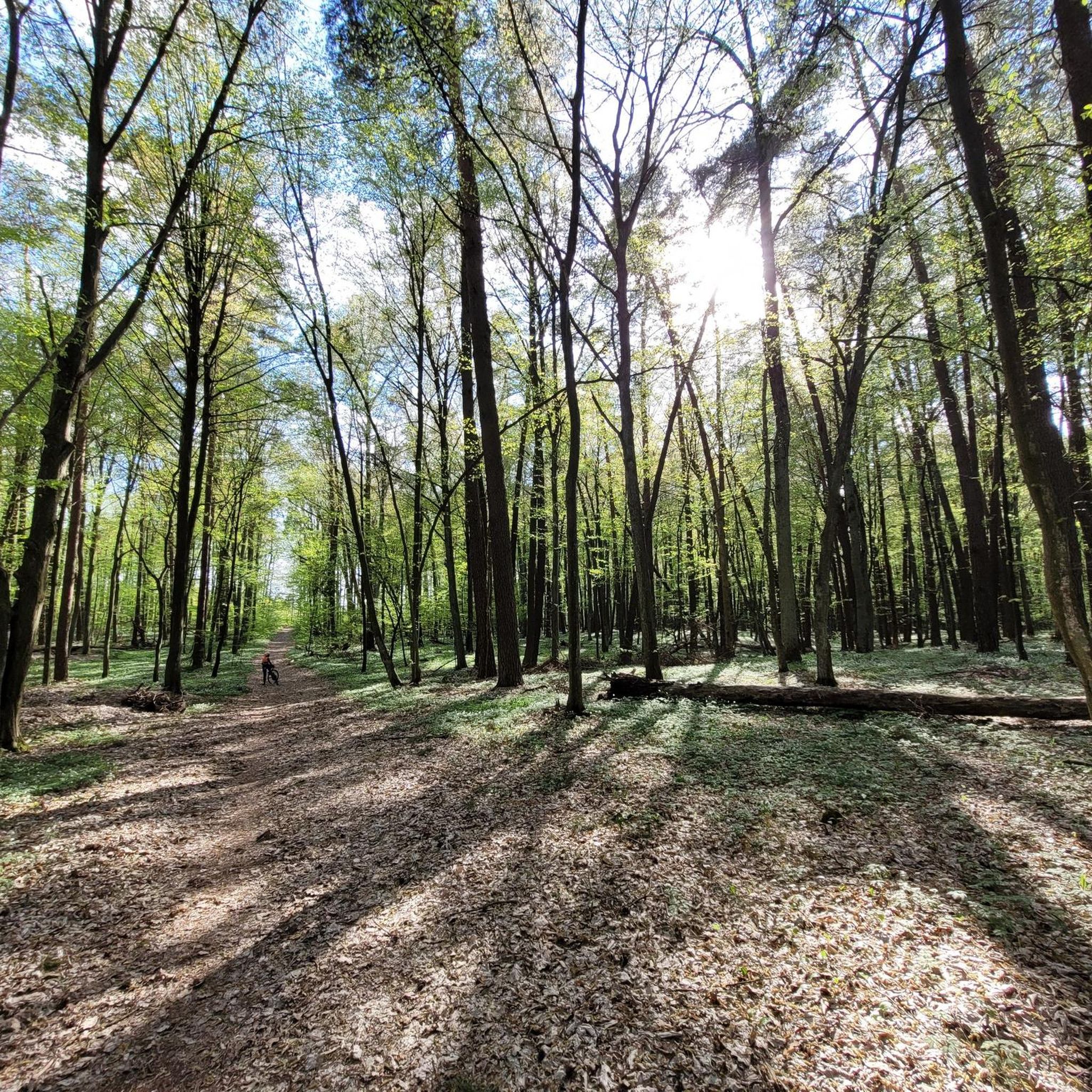
The Jedlina Nature Reserve in the Mazovian Voivodeship is a small but unique protected area dominated by a natural fir forest – a rarity in this part of Poland. It is a great place for a quiet bike or hike, especially for lovers of nature and silence. The reserve's paths lead through dense forests, where you can meet various species of birds and wild animals. The route is not demanding, but it is worth having solid footwear or a bike adapted to forest paths. In autumn, the forest delights with its colors and is an ideal place for observing nature.
1
0

The belfry next to the church is "younger", it was placed here in 1951. There is a certain story associated with the bells. During each wartime turmoil, the church bells were melted down to make cannons. In 1794, the bells from the previous church were given to the Kościuszko insurgents. Also during the November Uprising, the parish offered its bells to the Polish army. The next bells were requisitioned in 1915. The Germans stole them for the last time in 1941. The current bells were consecrated in 1957 and bear the names of Jakub and Franciszek.
2
0
The church is of log construction, with three naves separated by cast iron columns and a chancel separated from the main nave. There are two chapels on its sides. In the years 1907-1910, i.e. during the renovation, the church also gained two sacristies. It was then that the ceiling was covered with illusionistic paintings with rich ornamentation. The interior is well lit with natural light thanks to the fact that the main nave is higher than the side naves, and the windows were placed above their roofs. The ceiling of the church makes a huge impression above all. It is covered with illusionistic paintings and coffers with rosettes. It is impossible to tell what is painted and what is real. In the chancel there are three beautiful, oak, twentieth-century altars. In the main altar there is a painting of the Assumption of the Mother of God. The Rococo altars in the chapels from around 1770 are also beautiful. In the right one there is a painting of the Blessed Virgin Mary Immaculate Conception, while in the left one – an eighteenth-century sculpture of the Crucified Christ, once surrounded by worship. This is evidenced by the numerous votive offerings hanging around the cross. The organ prospect also comes from that year. The church's equipment also includes two beautiful, historic feretrons, two Rococo confessionals, a baptismal font in the shape of a chalice and eighteenth-century paintings from the school of Szymon Czechowicz. One of them – the Coronation of the Blessed Virgin Mary decorates the wall of the presbytery, and the other – the Crucifixion of the Lord Jesus is hung next to the organ.
2
0
The Church of the Holy Trinity in Żeliszew Podkościelne was built of pine wood on a rectangular plan in the years 1770-1777. The first church in Żeliszew existed already in the first half of the 16th century, but it was burned down during the Swedish Deluge. The parish of the Holy Trinity was established in 1769. The current church was built thanks to the foundation of a local heir. In 1906, most of the village residents converted to Mariavitism - it was then that they occupied the church. A year later, by court order, they had to leave the temple.
2
0
They are constantly stunning. The better the lighting, the better they look.
0
0
only a lonely wagon remained 😉
1
0
Frequently Asked Questions
What historical and cultural sites can I explore around Kałuszyn?
Kałuszyn and its surroundings offer a rich tapestry of historical and cultural sites. You can visit the impressive Neogothic Church of the Assumption of the Blessed Virgin Mary, an example of Vistula Gothic architecture. Another significant site is the Holy Trinity Wooden Church in Żeliszew Podkościelny, known for its illusionistic ceiling paintings. Don't miss the Golden Uhlan Monument commemorating the Battle of Kałuszyn, or the poignant Monument and Plaque at the Former Jewish Cemetery, a reminder of the town's pre-war Jewish community. The Museum of Wooden Architecture of the Siedlce Region also offers a glimpse into regional heritage.
Are there any natural reserves or unique natural features to visit near Kałuszyn?
Yes, the area boasts several natural attractions. The Jedlina Nature Reserve is a unique protected area featuring a rare natural fir forest, perfect for quiet exploration. You can also discover the "Sosny Olszewickie" Ecological Reserve, preserving ancient Scots pines, and parts of the Witówka Ravine Nature Reserve, known for its diverse forest ecosystem and protected plant species. Additionally, look out for designated nature monuments like ancient lime trees and pedunculate oaks, as well as glacial erratics.
What family-friendly activities are available around Kałuszyn?
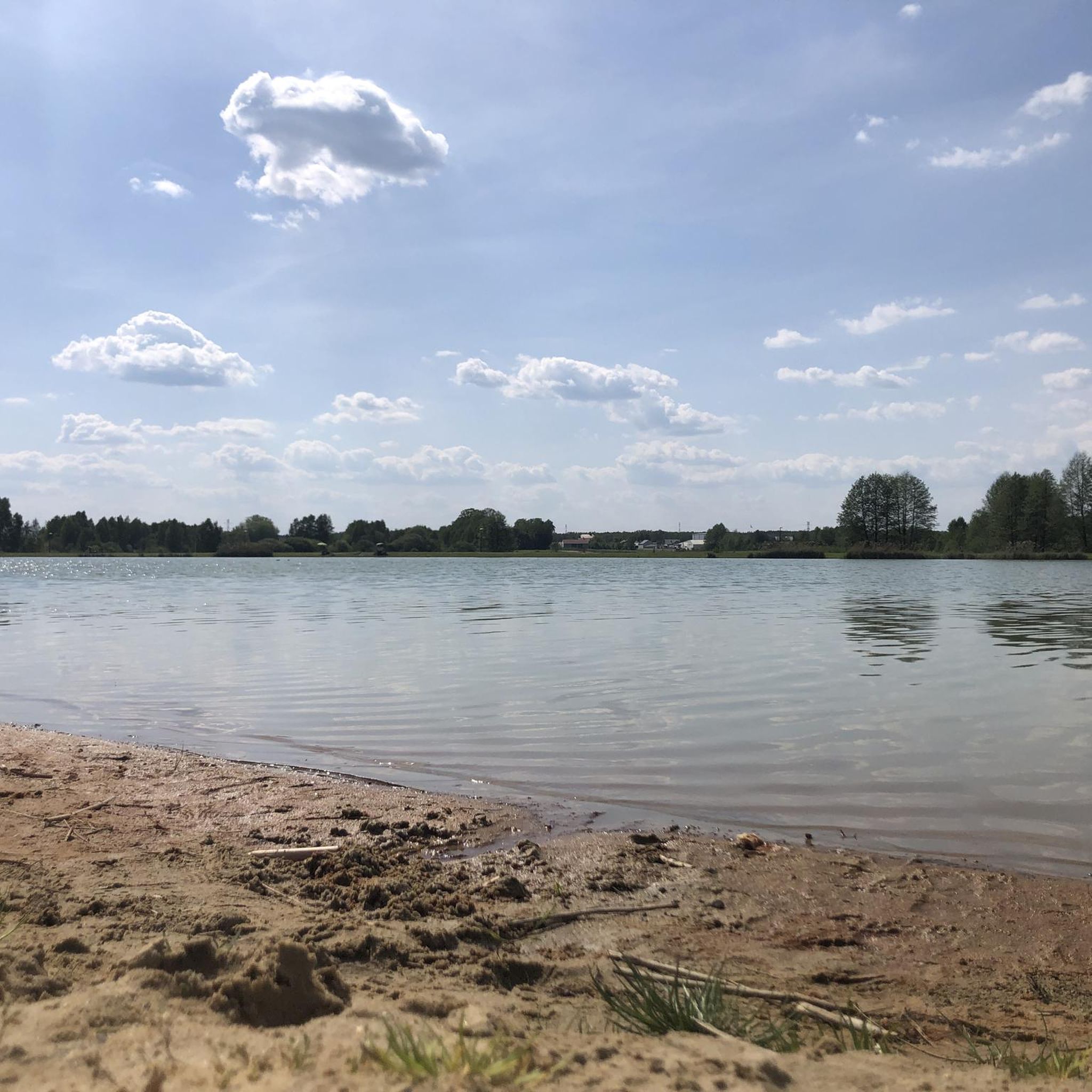
For families, the Karczunek Reservoir (Zalew Karczunek) is a popular summer destination, offering a guarded swimming area, sandy beach, volleyball court, playground, and an amusement park. Another unique experience is the Horse-Drawn Tram in Mrozy, a historical site that runs on Sundays and is a charming outing for all ages. Many of the natural reserves, like Jedlina Nature Reserve, are also suitable for family walks.
Where can I find monuments commemorating Kałuszyn's history?
Kałuszyn has several monuments dedicated to its past. In Kiliński Square, you'll find the Monument to the Fighters for Independence and the Koziołek Monument, which references the town's coat of arms. Nearby, a stone plaque serves as the Monument to the Heroes Fallen in Defense of the Homeland. The Golden Uhlan Monument, unveiled in 2014, commemorates the 75th anniversary of the Battle of Kałuszyn in 1939. The Saint Anthony Monument in Kuflew also holds historical significance related to local uprisings.
Are there opportunities for outdoor activities like cycling or running near Kałuszyn's attractions?
Absolutely! The region around Kałuszyn is well-suited for outdoor enthusiasts. You can find numerous forest complexes and ecological paths for recreation. For cycling, explore routes like the 'Golden Uhlan Monument loop from Mrozy' or the 'Horse Tramway Tracks – Horse-Drawn Tram in Mrozy loop from Mrozy'. Runners can enjoy trails such as the 'Jedlina Nature Reserve loop from Rezerwat Jedlina'. You can find more detailed routes and guides for cycling, road cycling, and running around Kałuszyn.
What is the best time of year to visit Kałuszyn for its attractions?
The best time to visit largely depends on your interests. Summer months are ideal for enjoying the Karczunek Reservoir and its recreational facilities. Autumn is particularly beautiful for exploring natural areas like the Jedlina Nature Reserve, as the forest delights with its colors. Historical and cultural sites can generally be visited year-round, though spring and early autumn offer pleasant weather for walking between locations.
Can I find accommodation or places to eat near the attractions?
While specific cafes directly adjacent to every attraction might vary, the Former Royal Barracks (Oberża) on Warszawska Street, a historic building dating back to 1865, now functions as a guesthouse or inn. Near the Horse-Drawn Tram in Mrozy, there's a sanatorium with a very nice café. The Karczunek Reservoir also offers catering facilities during the summer season.
Are there any unique wooden structures or architecture in the area?
Yes, Kałuszyn and its vicinity are notable for their wooden architecture. The Holy Trinity Wooden Church in Żeliszew Podkościelny, built of pine wood in the 18th century, is a prime example. Additionally, the Wooden Chapel in Sinołęka, dating back to 1739, is a charming remnant of a former manor complex. The Museum of Wooden Architecture of the Siedlce Region also showcases historical wooden buildings.
What are some lesser-known or 'hidden gems' around Kałuszyn?
Beyond the main highlights, consider exploring the tranquil Lake Klucz, an oxbow lake of the Narew river, known for its natural character and excellent fishing opportunities. The various nature monuments scattered throughout the commune, such as ancient trees and glacial erratics, offer quiet spots for reflection. The Historic Post Office Building from the late 19th century also provides a glimpse into the town's past.
What kind of wildlife or plant life can I expect to see in the natural areas?
In reserves like Jedlina Nature Reserve, you can observe various species of birds and wild animals amidst dense fir forests. The Witówka Ravine Nature Reserve is particularly rich in biodiversity, featuring diverse forest ecosystems including alder, elm-ash, and linden-hornbeam forests. It's also home to protected plant species such as daphne mezereum, martagon lily, and various orchids. The region's forest complexes are generally healthy and attractive, providing habitats for local flora and fauna.
Is there a place that commemorates the Jewish history of Kałuszyn?
Yes, the Monument and Plaque at the Former Jewish Cemetery serves as a significant site commemorating the tragic events of World War II and the once-thriving Jewish community of Kałuszyn. A monument designed by Ken Goldman was erected in 2017 to honor the over one thousand Kałuszyn Jews murdered there. For more historical context, you can refer to resources like jewishheritagepoland.org.

Get inspired with the komoot mobile app


Explore more
Still not found the Highlight you’re looking for? See guides of the top attractions in other regions:
