The best road cycling routes around Otwock
4.6
(218)
5,310
riders
43
rides
Road cycling routes around Otwock traverse a diverse landscape in central Poland, characterized by the Mazowiecki Landscape Park, the Świder River, and extensive pine forests. The terrain features a mix of wetlands, peat bogs, and dunes, offering varied cycling experiences. While many routes utilize paved surfaces, some sections, particularly near the Świder River, may include unpaved or sandy ground. The region's past as a health resort is reflected in its pine forests, known for air rich in essential oils.
Best…
Last updated: October 20, 2026
4.3
(3)
167
riders
81.3km
03:11
180m
180m
Moderate road ride. Good fitness required. Some segments of this route may be unpaved and difficult to ride.
4.7
(6)
61
riders
Moderate road ride. Good fitness required. Some segments of this route may be unpaved and difficult to ride.

4.8
(5)
62
riders
Moderate road ride. Great for any fitness level. Some segments of this route may be unpaved and difficult to ride.
36
riders
33.7km
01:25
100m
100m
Moderate road ride. Great for any fitness level. Some segments of this route may be unpaved and difficult to ride.
4.0
(5)
37
riders
Moderate road ride. Good fitness required. Some segments of this route may be unpaved and difficult to ride.
Get access to more routes and recommendations from other explorers.
Already have an account?
Our route recommendations are based on thousands of hikes, rides, and runs completed by other people on komoot.
Start today with a free account
Your next adventure awaits.
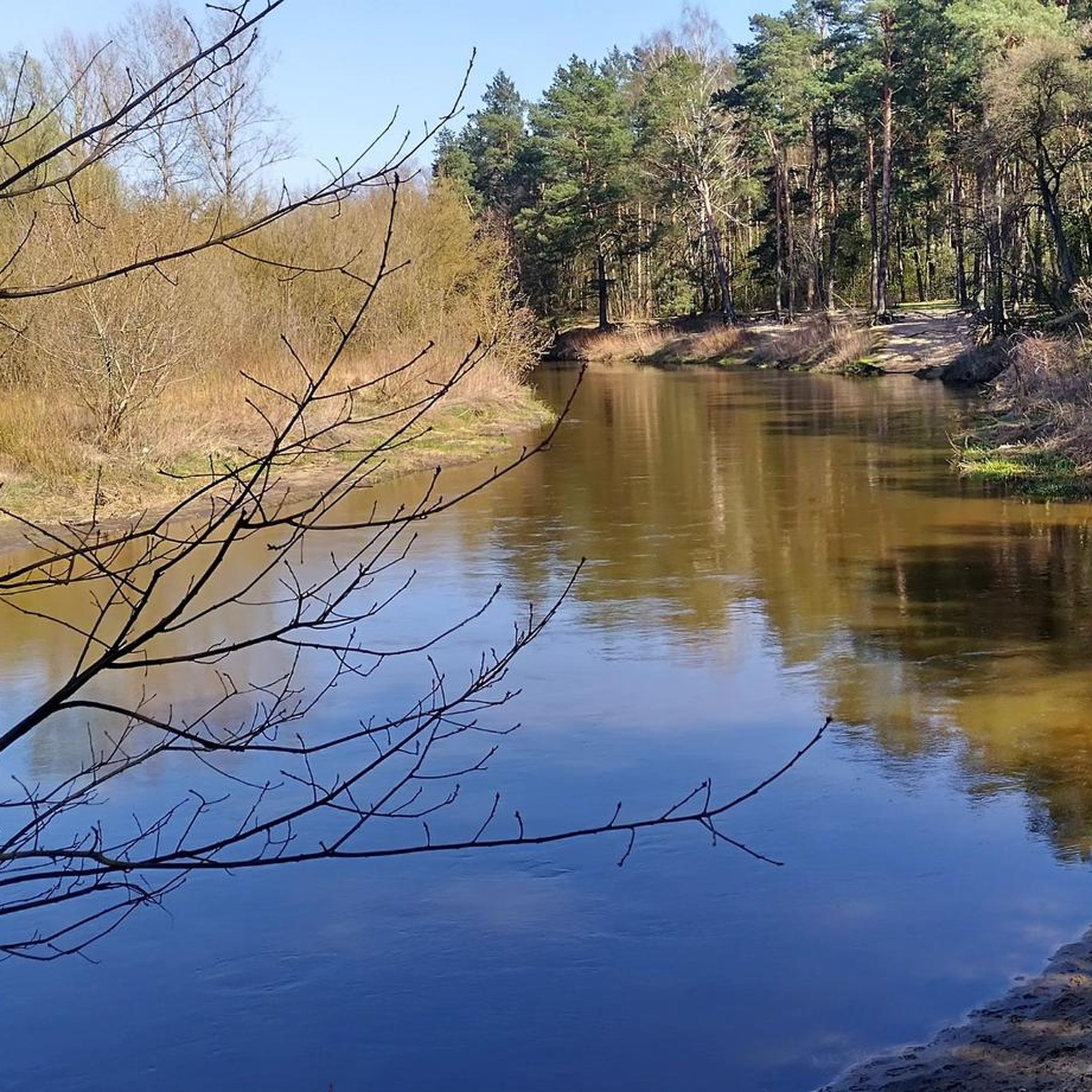
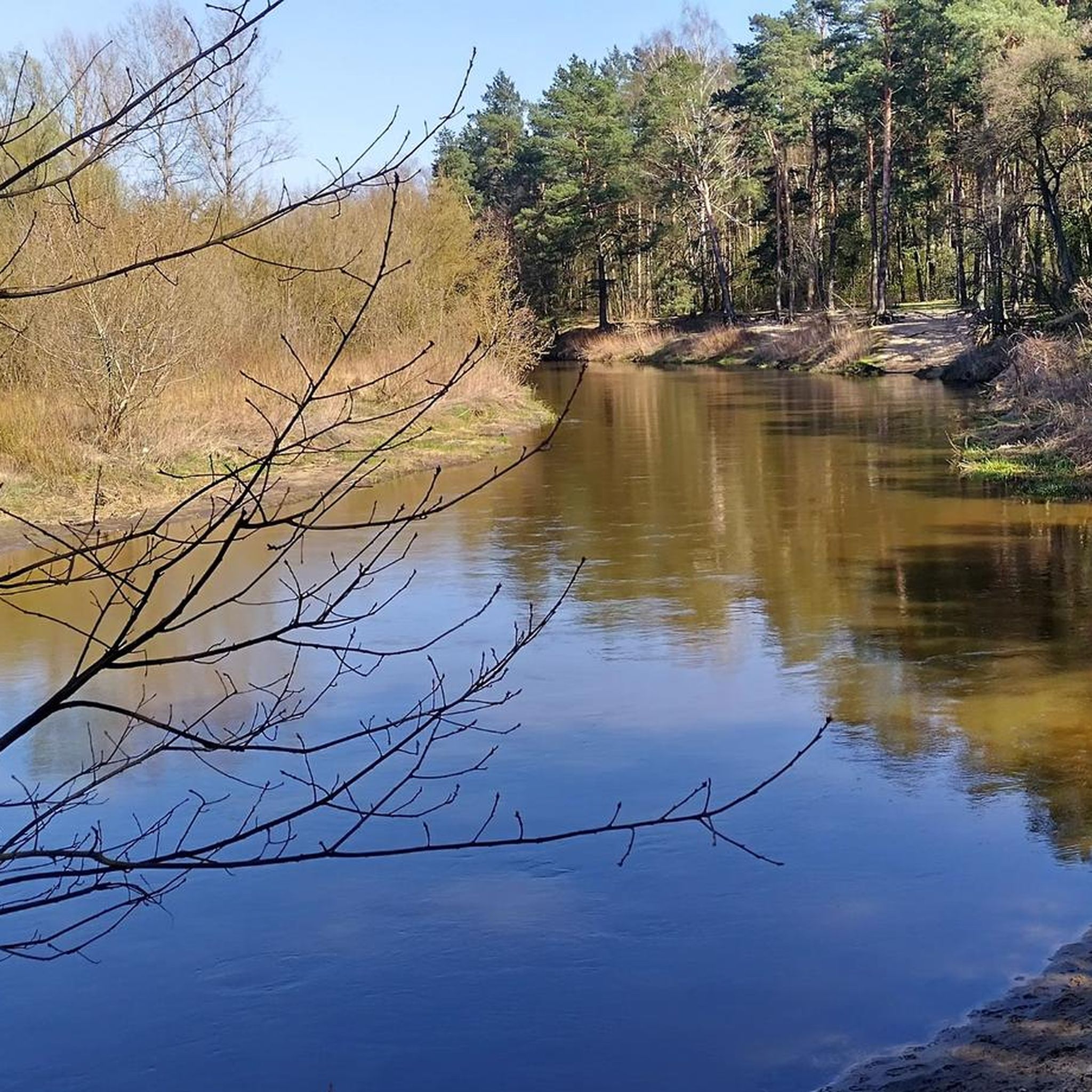
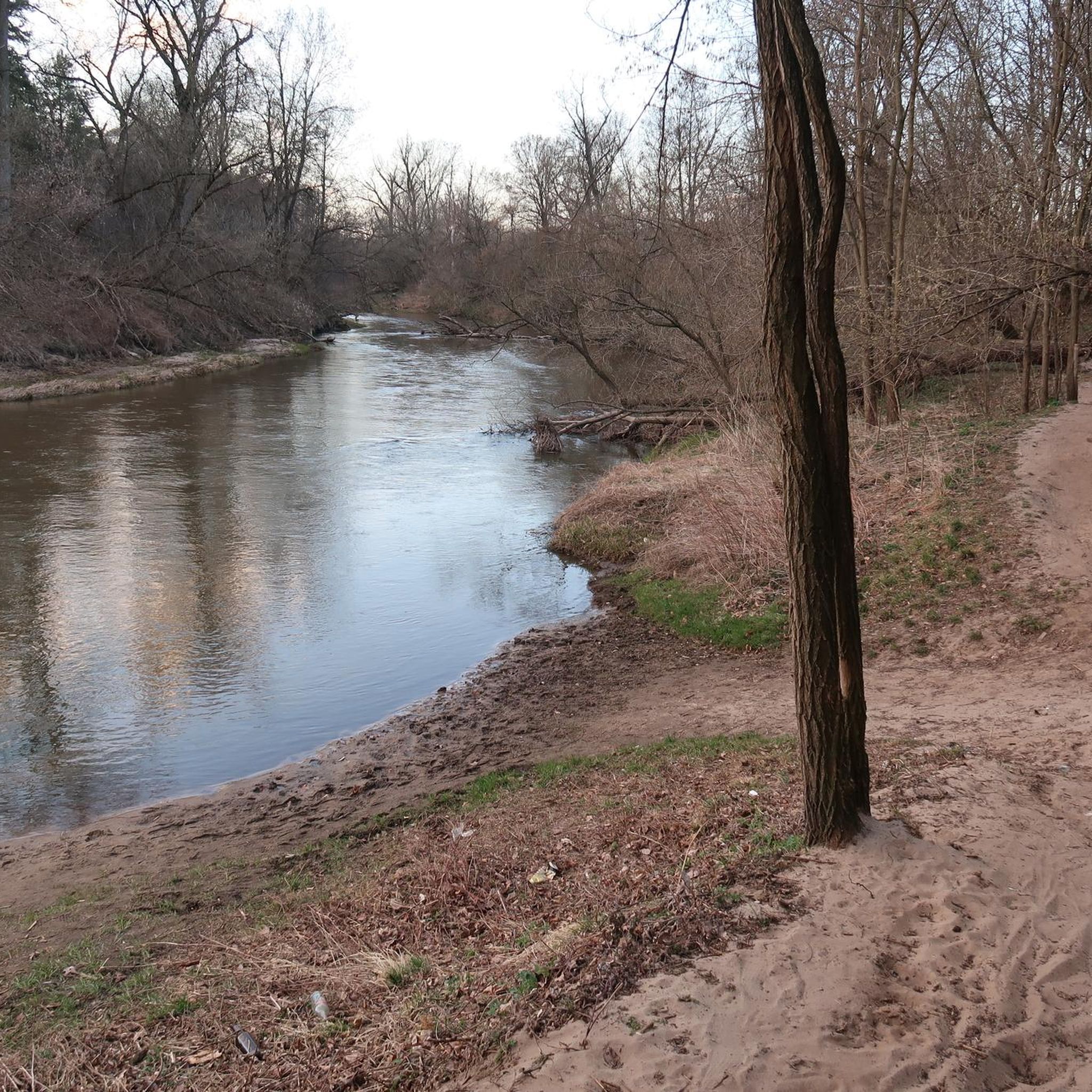
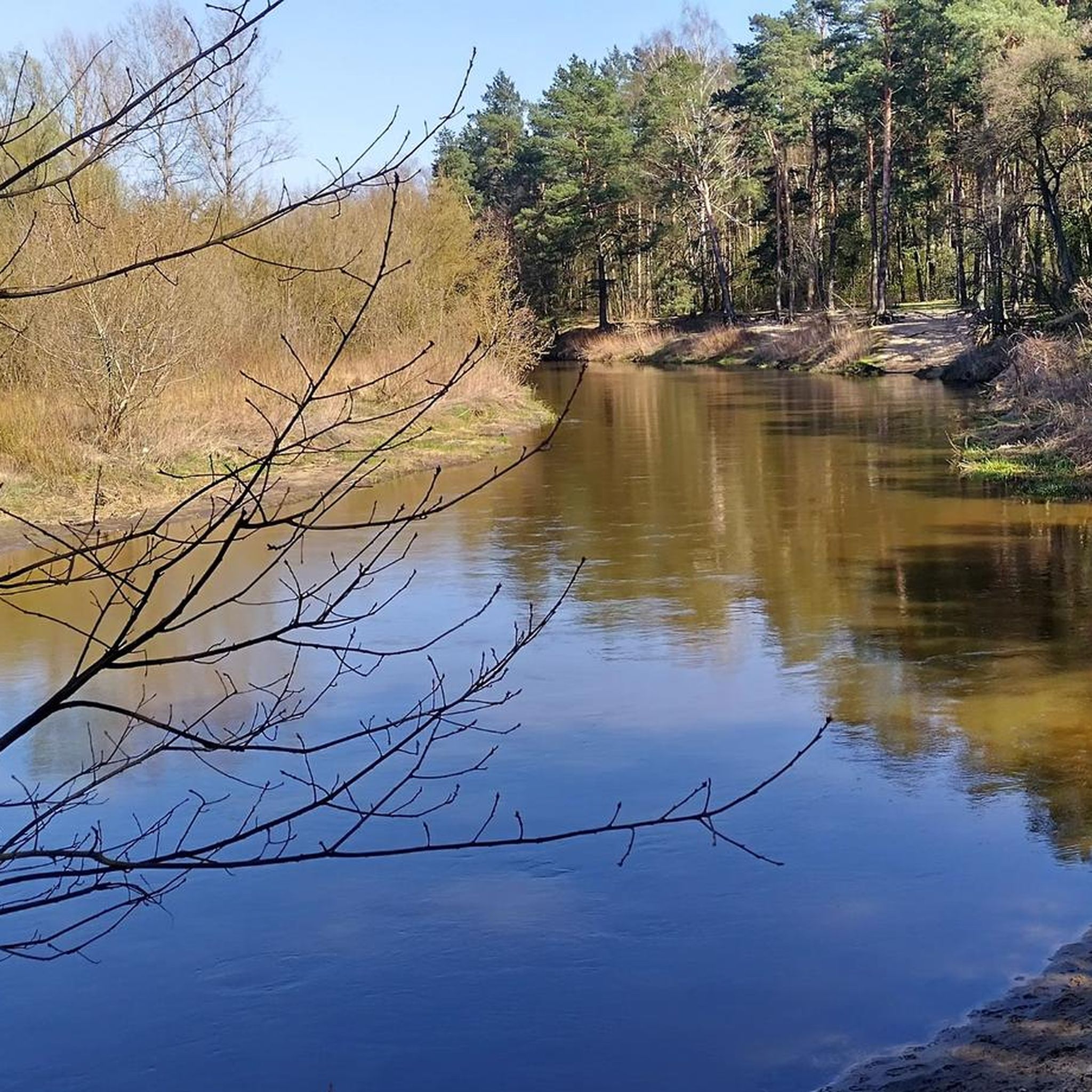

Tips from the Community

Quite a pleasant place, you can rest
1
0
The brickyard in Radzin was established around 1850 as part of the local manor. Initially, bricks were produced solely for the manor's needs, but over time the plant expanded its operations – residents of the surrounding villages began to buy bricks. In 1928, the characteristic brick chimney, towering over the trees, was erected, which dominated the area for years. Residential barracks for workers and their families were also built at the plant. The construction of the massive structures, especially between 1890 and 1930, was a laborious process involving the precise manual laying of hundreds of bricks, layer by layer, on increasingly higher wooden scaffolding. Specialist bricklayers, often risking their lives without adequate safety measures, ensured the perfect verticality and roundness of the structure, using lime mortar and occasionally steel hoops for increased stability. Such height was not an architect's whim – it was a key technological element, ensuring a strong, natural draft necessary for efficient combustion in brick kilns and for dispersing smoke and pollutants far from the plant, which, in the understanding of the time, was intended to protect the environment and human health in the immediate vicinity. The brickyard operated successfully until the tragic December of 1939, when history added a tragic chapter to its story. During the German occupation, in December 1939, an attack occurred in Celestynów on the home of the German Zommer family. In response, German gendarmes carried out a brutal reprisal. It was assumed that the perpetrators of the attack were residents of the settlement near the brickyard. 18 men were arrested (many of them former employees of the plant). The detainees were gathered near the train station. As we read in the memoirs of Władysław Święch, "among them was also Father Banasiewicz". Mrs. Zdziechowska, a resident of Celestynów and German by birth, who knew the priest, attempted to secure his release. In a dramatic gesture, she threw herself at the feet of a German officer, begging for mercy. Her desperate pleas were successful, as the priest was released, but the other men were led into the forest along Osiecka Street, where an execution took place. After this tragedy, the brickyard never resumed its operations.
1
0
Baby, babki, babeczki, yeast, shortcrust… and poppy seed rolls! All this awaits you at Sosence!
1
0
Wooden figure in front of the station in Celestynów
1
0
Jewish cemetery in Karczew-Anielin (colloquially called the cemetery in Anielin) to distinguish it from the actual cemetery in Karczew) – a cemetery founded in the 19th century. During World War II, it was devastated by the Germans, but on an area of 1.7 hectares, about 900 matzevot have been preserved. Jews permanently residing in Otwock were usually buried in the cemetery in Karczew, and those who were patients of Otwock hospitals and sanatoriums – in the cemetery in Karczew-Anielin. Among others, the writer Urke Nachalnik, shot by the Germans in October 1939, was buried in the cemetery, but the exact location of his grave is unknown. During the PRL period, many tombstones were destroyed, graves were plundered, and a high-voltage line was run through the cemetery. In recent years, the Social Committee for the Memory of Jews from Otwock and Karczew has been carrying out cleanup work on the cemetery grounds. In August 2007, heavy boulders began to be laid along the cemetery borders. This made it possible to fence off half of its area.
1
0


Just to be clear, it's shown on my hike. The photo isn't mine. The location is ANIELN, not Amielin.
1
0

Monument to Stefan "Grot" Rowecki in the square named after him. pl.wikipedia.org/wiki/Stefan_Rowecki
0
0
Frequently Asked Questions
How many road cycling routes are available in Otwock?
Otwock offers a wide selection of road cycling routes, with over 390 options in and around the town. The Velo Otwock network alone features five trails covering nearly 70 km, catering to various preferences. On komoot, you can find 35 curated road cycling tours.
What kind of terrain can I expect on road cycling routes in Otwock?
The terrain in Otwock is diverse, featuring extensive pine forests, wetlands, peat bogs, and dunes, especially within the Mazowiecki Landscape Park. Many routes follow paved surfaces, but some sections, particularly near the Świder River, may include unpaved or sandy ground, requiring good fitness or dismounting in places.
What is the best time of year for road cycling in Otwock?
The best time for road cycling in Otwock is generally from spring through autumn. During these seasons, the weather is most favorable for outdoor activities, allowing you to fully enjoy the diverse landscapes and pine forests. While some routes might be accessible in winter, conditions can be challenging due to snow or ice.
Are there road cycling routes suitable for beginners or less experienced cyclists in Otwock?
Yes, Otwock offers several easy road cycling routes perfect for beginners or those seeking a more relaxed ride. There are 10 easy routes available on komoot, such as the Bridge over the Vistula – Góra Café loop from Otwock, which is 45.2 km long with minimal elevation gain.
Are there challenging road cycling routes in Otwock for experienced cyclists?
Yes, for experienced cyclists looking for a challenge, Otwock provides 25 moderate routes. While there are no routes classified as 'difficult' on komoot, some moderate routes may include longer distances, greater elevation changes, or sections with unpaved or sandy ground, particularly near the Świder River, which can add to the challenge.
What natural features or landmarks can I see along the road cycling routes in Otwock?
Many routes wind through the picturesque Mazowiecki Landscape Park, offering views of pine forests, wetlands, and the unique Bagno Całowanie peat bog complex. You can also cycle along the Świder River, known for its wild character. Notable natural attractions include Torfy Lake and the Zawadowskie Islands Nature Reserve.
Are there any historical or cultural sights to explore while cycling in Otwock?
Absolutely. Otwock is known for its unique wooden architecture in the 'świdermajer' style and modernist villas, especially in areas like Śródborów and Soplicowo. Cycling routes also trace the history of the local railway, leading along the Nadwiślańska Iron Road. Further afield, you can visit the ruins of the Masovian Dukes' castle in Czersk, located on a hill by the Vistula.
What do other road cyclists enjoy the most about road cycling in Otwock?
The area is highly rated by the komoot community, with an average score of 4.6 stars from more than 10 reviews. Reviewers often praise the diverse landscapes, the extensive network of routes, and the opportunity to cycle through pine forests known for their fresh air. Many appreciate the mix of paved roads and natural scenery.
Are there long-distance road cycling routes available in Otwock?
Yes, Otwock offers several longer road cycling routes. For example, the Bridge over the Vistula – Jewish Cemetery in Amielno loop from Otwock covers over 72 km, providing a substantial ride through varied landscapes. There are also routes connecting Otwock to nearby towns like Góra Kalwaria and Warsaw.
Are there circular road cycling routes in Otwock?
Many of the road cycling routes in Otwock are designed as loops, allowing you to start and finish at the same point. Examples include the Jewish cemetery in Anielin – Sosenka Confectionery loop from Otwock (51.0 km) and the Otwock Palace and City Park – Abandoned Building loop from Otwock Śródborów (52.8 km).
What are the options for parking near road cycling routes in Otwock?
Given Otwock's extensive cycling network and its past as a health resort, you can typically find parking options in and around the town center or near popular starting points for routes. Many routes begin in residential areas or near local amenities where street parking or small public parking lots may be available.
Is public transport accessible for reaching road cycling routes in Otwock?
Otwock is well-connected by public transport, particularly by rail, which can be convenient for reaching starting points of cycling routes. The town's history is intertwined with its railway, making train stations accessible hubs for cyclists arriving from other parts of Mazovia.
Most popular routes around Otwock
Most popular attractions around Otwock

Get inspired with the komoot mobile app


Explore more
Browse the best Road cycling routes in other regions.
