Attractions and Places To See around gmina Wyszogród - Top 20
Best attractions and places to see around gmina Wyszogród are located in the Masovian Voivodeship, along the Vistula River. This region, with a history dating back to the 7th century, offers a blend of historical, cultural, and natural attractions. The landscape is characterized by agricultural land and forests, with the Vistula River serving as a central geographic feature. Visitors can explore various sites reflecting the area's past as an important center for commerce.
Best attractions and places to see around…
Last updated: July 1, 2026
View of the Basilica of St. John the Baptist and St. Roch in Brochow
Highlight • Religious Site
Translated by Google •
Tip by

Bridge over the Bzura River in Kamion
Highlight • Bridge
Translated by Google •
Tip by

Sign up now to discover places like this
Get recommendations on the best single tracks, peaks, & plenty of other exciting outdoor places.
Sign up for free
Manor in Tułowice
Highlight • Historical Site
Translated by Google •
Tip by

Sochaczew Narrow-Gauge Railway – Tułowice Station
Highlight • Structure
A station on the narrow-gauge railway belonging to the Narrow-Gauge Railway Museum in Sochaczew. More information on the website.
Translated by Google •
Tip by

Holy Trinity Church in Wyszogród
Highlight • Religious Site
Translated by Google •
Tip by

Sign up for free to discover even more attractions around gmina Wyszogród.
Sign up for free
Already have an account?
Start today with a free account
Your next adventure awaits.
Login or Signup


Tips from the Community

https://brochow-parafia.pl/zdjecia-historyczne/ here you can see historical photos
0
0

https://sochaczew.stacjamuzeum.pl/pociag-retro/ A station on the narrow-gauge railway belonging to the Narrow-Gauge Railway Museum in Sochaczew. More information on the website.
1
0
The manor house was built in the Classicist style in 1800, designed by Hilary Szpilowski for Franciszka Kucharska, née Lasocka. At the front is a portico with four Tuscan columns supporting a triangular pediment bearing the Dołęga Lasocki family coat of arms with the initials FL (Franciszka Lasocka). The building is part of an early 19th-century manor complex, which also includes a park. https://pl.wikipedia.org/wiki/Dw%C3%B3r_w_Tu%C5%82owicach
1
0

The first bridge over the Bzura in Kamion was built in 1915. It was a wooden structure of a temporary nature. After 9 years, the bridge was destroyed during the flood in 1924. It was rebuilt in the same year, but the ice embankments (elements protecting the bridge from flowing ice floes) were not made until the following year. The war that began in 1939 caused the destruction of five spans, which were later repaired by the Germans. Military operations in 1945 and the flowing ice floes in 1947 destroyed the bridge again, but in 1947 it was rebuilt by the State Road Bridge Reconstruction Directorate over the Vistula and Bzura near Wyszogród. In this form (during the last reconstruction it received steel girders) the bridge survived until 2010, when the flowing ice floes damaged it so much that vehicle traffic had to be significantly limited (to 3.5 tons and max. 2 m wide. The reconstruction, or rather construction from scratch, was carried out in the "Design and Build" system. It turned out to be necessary to rebuild the drainage, technical infrastructure devices and build traffic safety devices. The structure has four spans, is 160.5 m long and 9 m wide and has a load capacity that allows for the movement of vehicles weighing up to 80 tons. The contractor completed the work on October 30, 2012, while the ceremonial handover of the new bridge to the residents of Kamion and the Sochaczew district took place on January 2, 2013. The total cost of the works in Kamion amounted to PLN 14.7 million. The subsidy in the amount of PLN 6.8 million came from government funds for the removal of the effects of flooding, which was allocated by the Mazovian Voivode Jacek Kozłowski. The remaining funds in the amount of PLN 7.9 million were provided by the local government of the Mazovian Voivodeship.
0
0
It is a Gothic-Renaissance three-nave basilica, the result of the reconstruction of the original Gothic church, flanked by three large, cylindrical towers – two in the western corners, framing a wide narthex, and one above the presbytery apse, with a gallery in the tower above the presbytery. The barrel vault is decorated with a coffered network of repeating rectangular motifs and covered with rich polychrome. A two-story tunnel porch with embrasures runs around the church. The church was founded by Jan Brochowski of the Prawdzic coat of arms – a Warsaw soldier and owner of the village – and his family; it was built between 1551 and 1561 by the renowned mason Jan Baptista of Venice, active in Mazovia (he built or rebuilt churches in Brok, Płock, and Pułtusk, among others). The church's defensive character is emphasized by its three towers, which dominate the surrounding area like the castle's towers. It was also rebuilt later, including after 1655, thanks to the efforts of Albert Adrian Lasocki. It was during this time that the brick bastion walls surrounding the church grounds were built. Remnants of the moat still survive on the Bzura River side. Inside, above the side aisles, is a long porch, which allowed for a connection between the towers. Typical of the style of John Baptist of Venice is the barrel vault with a grid of decorative coffered ribs in the form of circles and rectangles.
1
0
The current late Baroque parish church in Wyszogród is the fourth in a row. The first church existed before 1320, closer to the Vistula. The next church was destroyed in 1726, when the riverside slope collapsed. The existing church was built from 1774 (or from 1779) on the foundations of the older one, which was destroyed by fire. These foundations were reinforced and slightly changed according to the design of the Gdańsk architect Samuel Fischer. The walls were completed in 1786 and this date was placed on the front elevation of the church. Probably in 1800 the new church was consecrated, and its name was changed from St. James to the Holy Trinity, as it is to this day. The church towers were completed and the interior furnishings were completed only after 1819. The towers themselves were added in 1837. In the second half In the 19th century the altar was rebuilt, using older elements. In 1942 the German occupiers closed the church and turned it into a grain granary.
0
0
Historic manor house in Tułowice (Masovian Voivodeship). A manor house built in the classicist style in 1800 according to the design of Hilary Szpilowski for Franciszka Kucharska primo voto Karnkowska née Lasocka. At the front there is a portico with four Tuscan columns supporting a triangular pediment containing the Dołęga Lasocki coat of arms with the initials FL (Franciszka Lasocka). The building is part of a manor complex from the early 19th century, which also includes a park.
0
0
Sochaczew Museum Railway (formerly known as the Sochaczew Narrow Gauge Railway, Sochaczew County Railway, Sochaczew Commuter Railway) – a narrow-gauge tourist railway with a gauge of 750 mm. The construction of the Sochaczew Narrow Gauge Railway began in 1921, on October 1, 1922 the railway was officially opened on the Sochaczew–Tułowice section, in August 1923 the line was extended to Piaski Królewskie, and in the same year a branch line to Wyszogród was built. In 1930 the name of the railway was changed to the Sochaczew County Railway.
0
0
Frequently Asked Questions
What historical sites can I explore in Gmina Wyszogród?
Gmina Wyszogród is rich in history. You can visit the Manor in Tułowice, a classicist manor house from 1800. Another significant historical site is the Sochaczew Narrow-Gauge Railway – Tułowice Station, a former station building that is part of the Narrow-Gauge Railway Museum. The Góra Zamkowa (Castle Hill) is also an interesting archaeological site, once home to a defensive stronghold and castle.
Are there any significant religious buildings to visit in the area?
Yes, the region features several notable religious buildings. The View of the Basilica of St. John the Baptist and St. Roch in Brochow is a 14th-century church known for its defensive architecture and as the baptismal place of Fryderyk Chopin. You can also visit the Baroque Holy Trinity Church and the Gothic-Baroque St. Mary of Angels Church in Wyszogród itself.
Where can I learn about the local history and culture of Wyszogród?
To delve into the local history and customs, visit the Museum of the Middle Vistula and Wyszogród Land (Muzeum Wisły Środkowej i Ziemi Wyszogrodzkiej). It showcases archaeological artifacts, art, and exhibits on the region's multiculturalism, including a model of the historic wooden bridge.
What natural features can I see around Gmina Wyszogród?
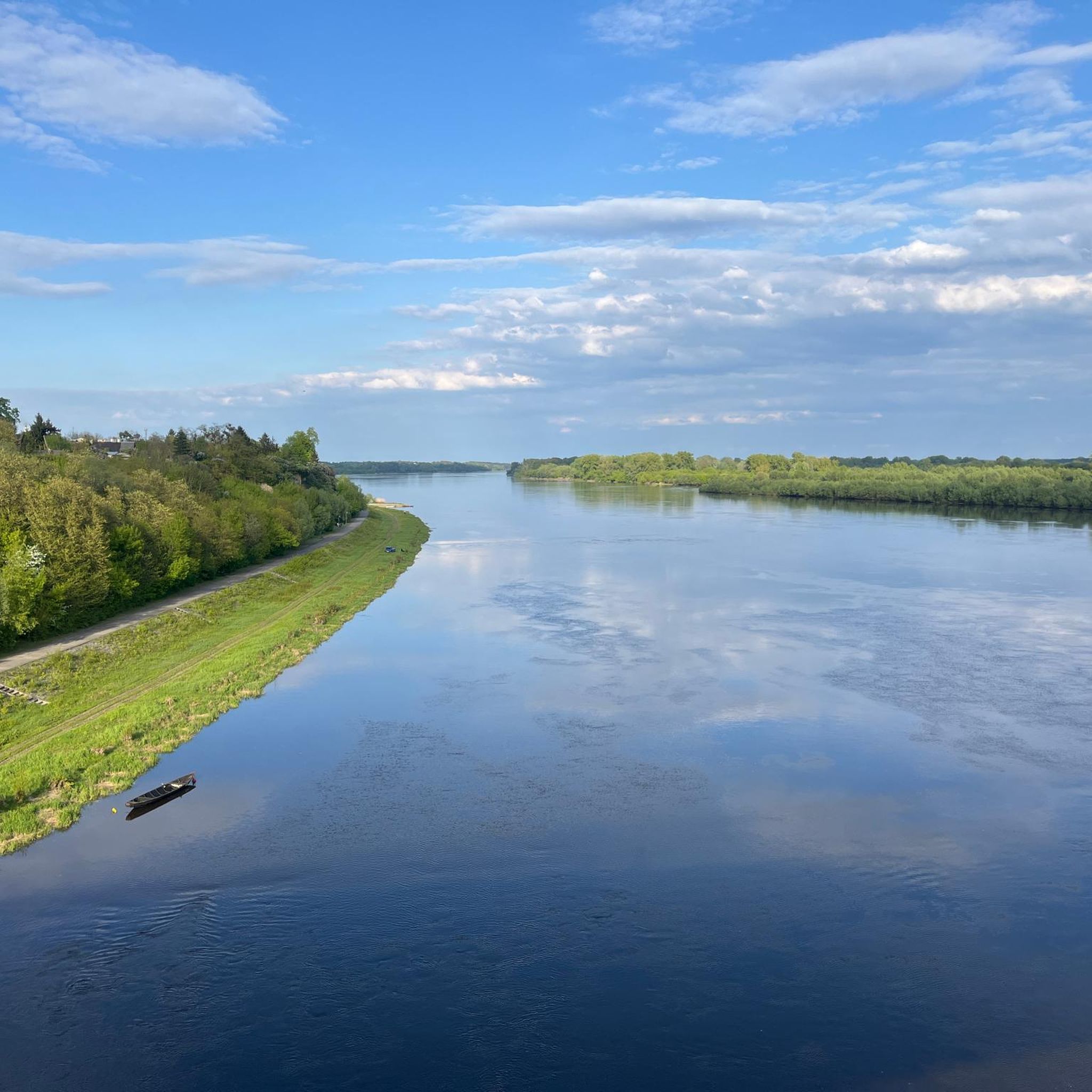
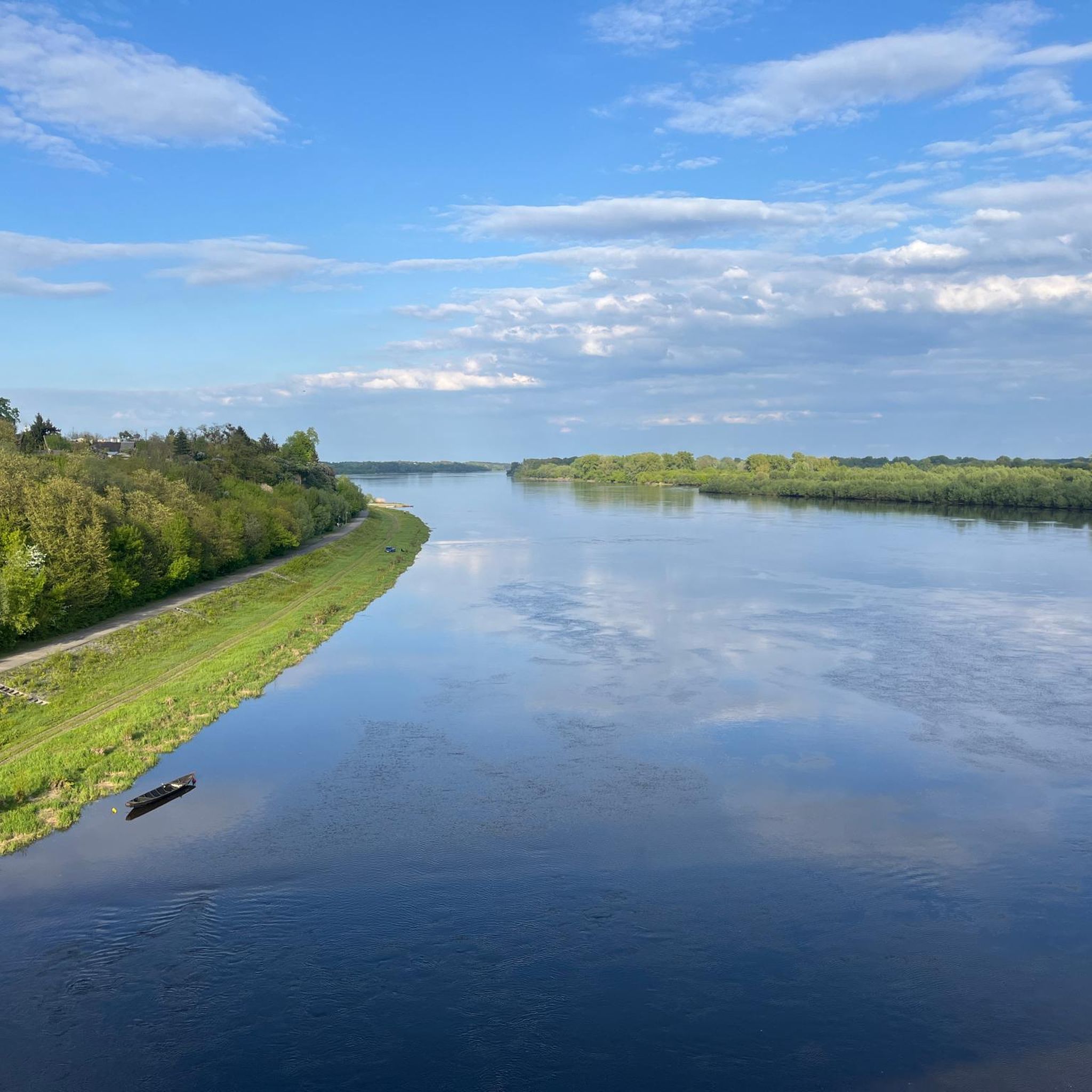
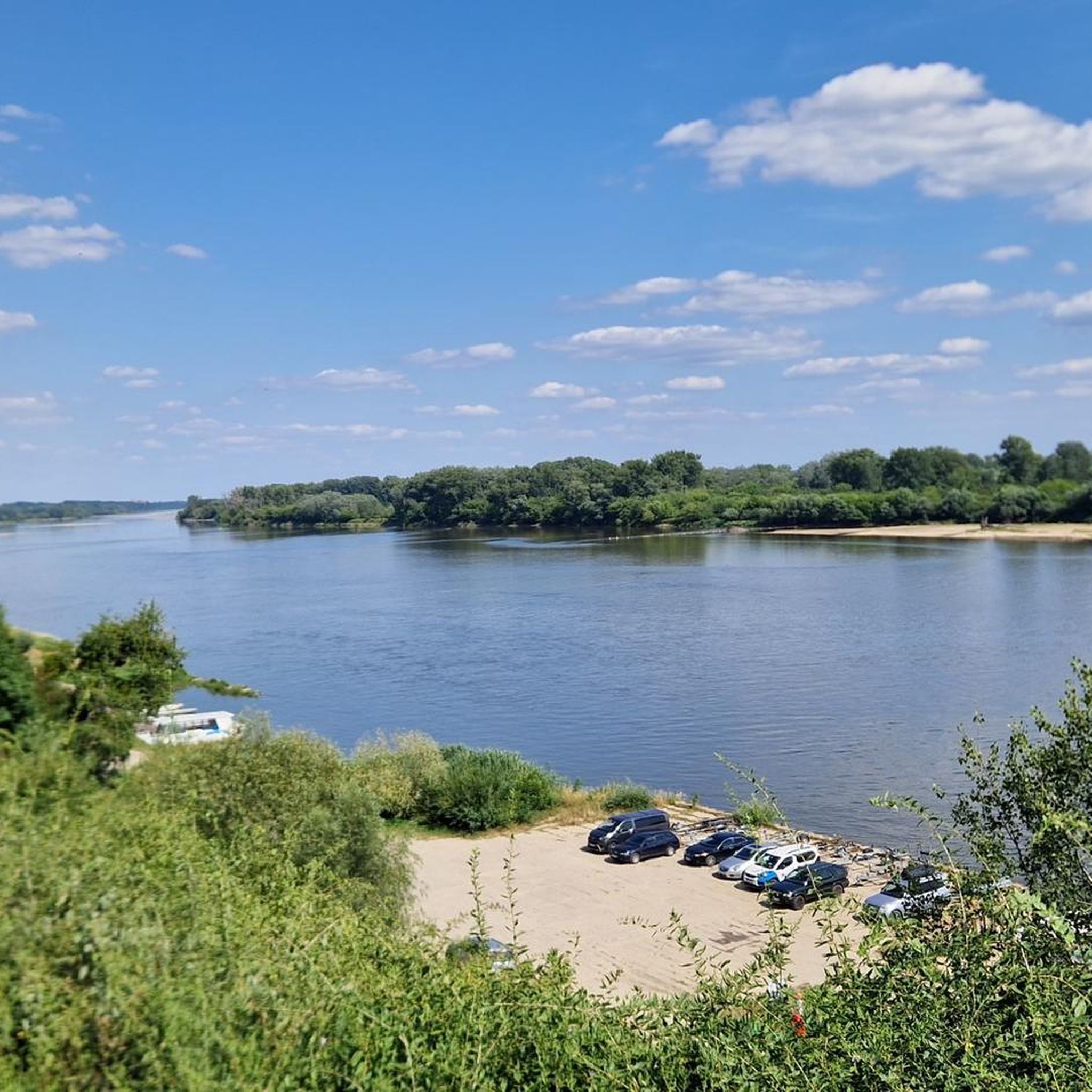
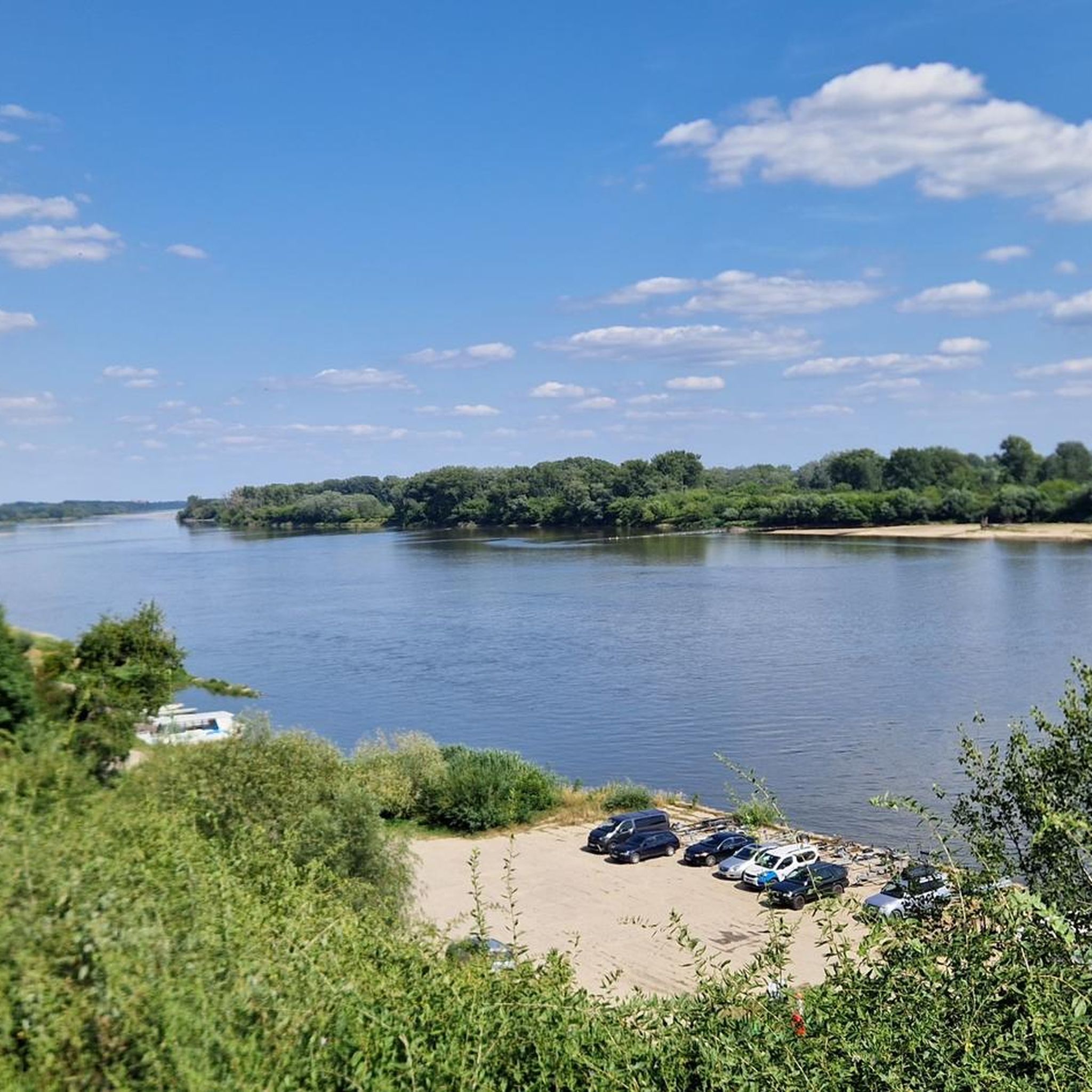
The Vistula River is a central natural feature, offering scenic views and historical significance as an inland port. The area is characterized by agricultural land and forests, providing a pleasant rural landscape. While there are no specific natural highlights listed, the river itself is a key attraction.
Are there family-friendly attractions in Gmina Wyszogród?
Yes, several attractions are suitable for families. The View of the Basilica of St. John the Baptist and St. Roch in Brochow and the St. John the Baptist Basilica in Brochów are both listed as family-friendly. The Sochaczew Narrow-Gauge Railway – Tułowice Station, with its connection to a museum, can also be an engaging visit for families.
What outdoor activities can I do near these attractions?
The area around Gmina Wyszogród offers various outdoor activities, particularly cycling. You can explore road cycling routes like the 'Manor in Tułowice loop from Brochów' or 'Road Along the Vistula – Tour of Flanders loop from Słubice'. For mountain biking, consider routes such as 'Kobendza Oak – Kampinoska Cottage loop from gmina Brochów'. There are also general cycling routes, including an 'easy' route like the 'Battle of Bzura Memorial – Bridge over the Bzura near Witkowice loop from Wilcze Tułowskie'. You can find more details on these routes in the Road Cycling Routes, MTB Trails, and Cycling around gmina Wyszogród guides.
Are there any wheelchair-accessible attractions?
Yes, the Bridge over the Bzura River in Kamion is noted as wheelchair accessible. This bridge has a rich history of being rebuilt and now accommodates vehicles up to 80 tons, making it a robust structure to visit.
What is the significance of the Bridge over the Bzura River in Kamion?
The Bridge over the Bzura River in Kamion has a fascinating history, first built in 1915 and subsequently destroyed and rebuilt multiple times due to floods and wartime events. It's a testament to the region's resilience and engineering, now a modern structure with a high load capacity.
What do visitors enjoy most about the attractions in Gmina Wyszogród?
Visitors particularly appreciate the historical depth and architectural beauty of the religious sites, such as the defensive architecture of the Basilica of St. John the Baptist and St. Roch in Brochow, and its connection to Fryderyk Chopin. The historical significance of structures like the Bridge over the Bzura River in Kamion also captures interest, along with the unique experience of the Sochaczew Narrow-Gauge Railway – Tułowice Station.
Are there any monuments commemorating historical events?
Yes, you can find the Monument to the Heroes of the Battle of Bzura (Pomnik Bohaterów Bitwy nad Bzurą), which commemorates a significant battle that took place nearby during World War II.
What is the best time to visit Gmina Wyszogród attractions?
While specific seasonal recommendations for all attractions are not provided, the region's natural beauty along the Vistula River and its historical sites can be enjoyed throughout the warmer months. Summer offers opportunities for outdoor activities and cultural events like the Summer Chopin Concerts at the St. John the Baptist Basilica in Brochów.
Can I find accommodation or cafes near the attractions?
The Old Town Market in Wyszogród, with its 18th and 19th-century buildings, reflects the town's past as a commercial center, suggesting that local amenities like cafes and possibly accommodation options would be available within the town itself or nearby villages.

Get inspired with the komoot mobile app


Explore more
Still not found the Highlight you’re looking for? See guides of the top attractions in other regions:
