Attractions and Places To See around gmina Jedlińsk - Top 20
Best attractions and places to see around gmina Jedlińsk, located in Masovian Voivodeship, Poland, include a variety of historical sites, cultural events, and natural features. The region is situated on the Radom Plain, part of the South Mazowieckie Hills, offering terrain suitable for outdoor activities. Visitors can explore local landmarks and enjoy the natural landscape. The gmina is accessible, located along the international E-7 route.
Best attractions and places to see around gmina Jedlińsk
- The most popular attractions is Military…
Last updated: October 18, 2026
St. John the Baptist Church, Radom
Highlight • Religious Site
Translated by Google •
Tip by

Outdoor Chess Set at Witold Gombrowicz Museum
Highlight • Structure
Translated by Google •
Tip by

Sign up now to discover places like this
Get recommendations on the best single tracks, peaks, & plenty of other exciting outdoor places.
Military Bicycle Łucznik Type XX – Radom Symbol
Highlight • Monument
Translated by Google •
Tip by

Wooden footbridge over the Paciñka River
Highlight • Bridge
Translated by Google •
Tip by
Stefana Żeromskiego Promenade, Radom
Highlight (Segment) • Monument
Translated by Google •
Tip by
Sign up for free to discover even more attractions around gmina Jedlińsk.
Already have an account?
Start today with a free account
Your next adventure awaits.
Tips from the Community

Jesuit priest Alfred Delp SJ, executed by the unjust National Socialist regime, once preached about John the Baptist, to whom this house of God has been entrusted as patron, as follows: „The figures of John must not be missing for an hour from the image of life. These shaped people, struck by the lightning of mission and calling. Their heart precedes them, and therefore their eye is so clear-sighted and their judgment so incorruptible. They do not call for the sake of calling or for the voice. Or because they envied people the beautiful hours of the earth, since they themselves are excluded from the small, intimate circles of the foreground. They have the great comfort that only he knows who has traversed the innermost and outermost boundaries of existence. They call down blessing and salvation. They call people to their last chance, while they already feel the ground trembling and the timbers creaking and see the firmest mountains inwardly wavering. ... Much depends on these figures for our lives. For how shall we hear if no one calls and truly surpasses the roaring of wild destruction and delusion?"
0
0

Manufacturer: Fabryka Broni in Radom "A bicycle of extremely strong construction adapted to all terrain conditions." Reinforced frame, rifle mounts, luggage rack with leather straps, protective colors black and khaki. Two sprockets at the back - changing gear required manual chain shifting. In 1935 approved by the Office of Technical Research of Armored Weapons and implemented into serial production. Equipped with cycling units in the Polish Army. Location: square in front of the palace of the Sandomierz Voivodeship Commission (currently the City Office), Żeromskiego Street
0
0

More of a bike stop than walking around. A bit small.
0
1

Even though the museum is closed, it is worth visiting because it is a beautiful historic building. Around the Palace park.
1
0
Not too big, but there are ponds, alleys, benches and the museum itself with a chess board.
2
1

Visiting the museum for a voluntary fee. Beautiful park with ponds. A great place to unwind
2
0

The Witold Gombrowicz Museum is housed in a palace residence from 1914, built in the classicist style with Art Nouveau elements by Łódź builders. The author of the project was August Furuhjelm, an architect of Finnish origin. The construction was initiated by Jakub Grobicki, the sole owner of Wsola from 1912. In 1920, the property was bought by Maria Pruszakówna, who made the palace available to her niece Aleksandra after her marriage to Jerzy Gombrowicz - the writer's brother - in 1924. The palace remained in permanent use by the family until 1941, when the property was taken over by the Liegenschaft. After the end of the war, the State Treasury took over the property for the purposes of the agricultural reform. The land was parceled out, and the palace became the seat of numerous state institutions, in particular special care centers and social welfare homes for children and adults. In 2005, the Radom Starosty sold the palace to the Office
2
0
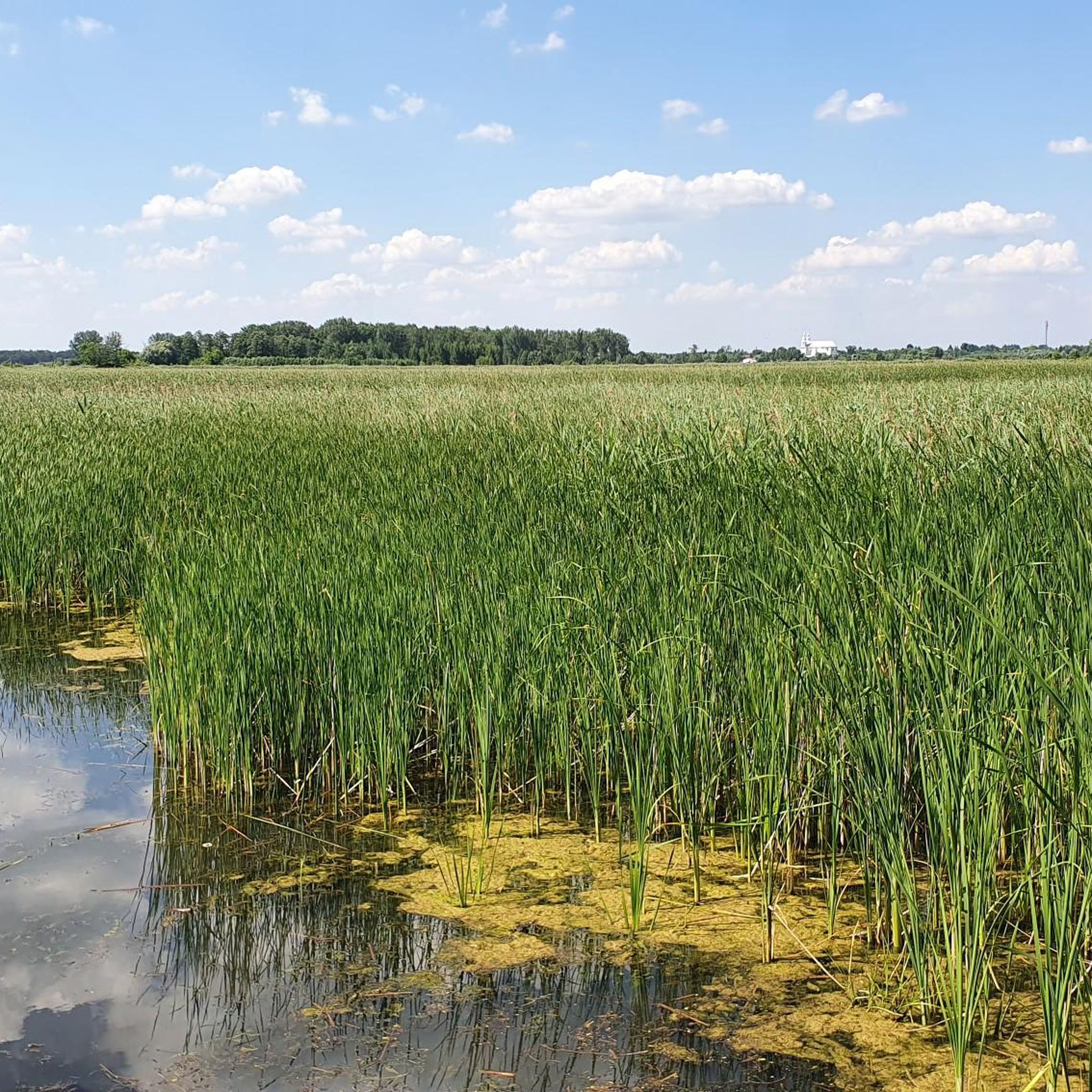
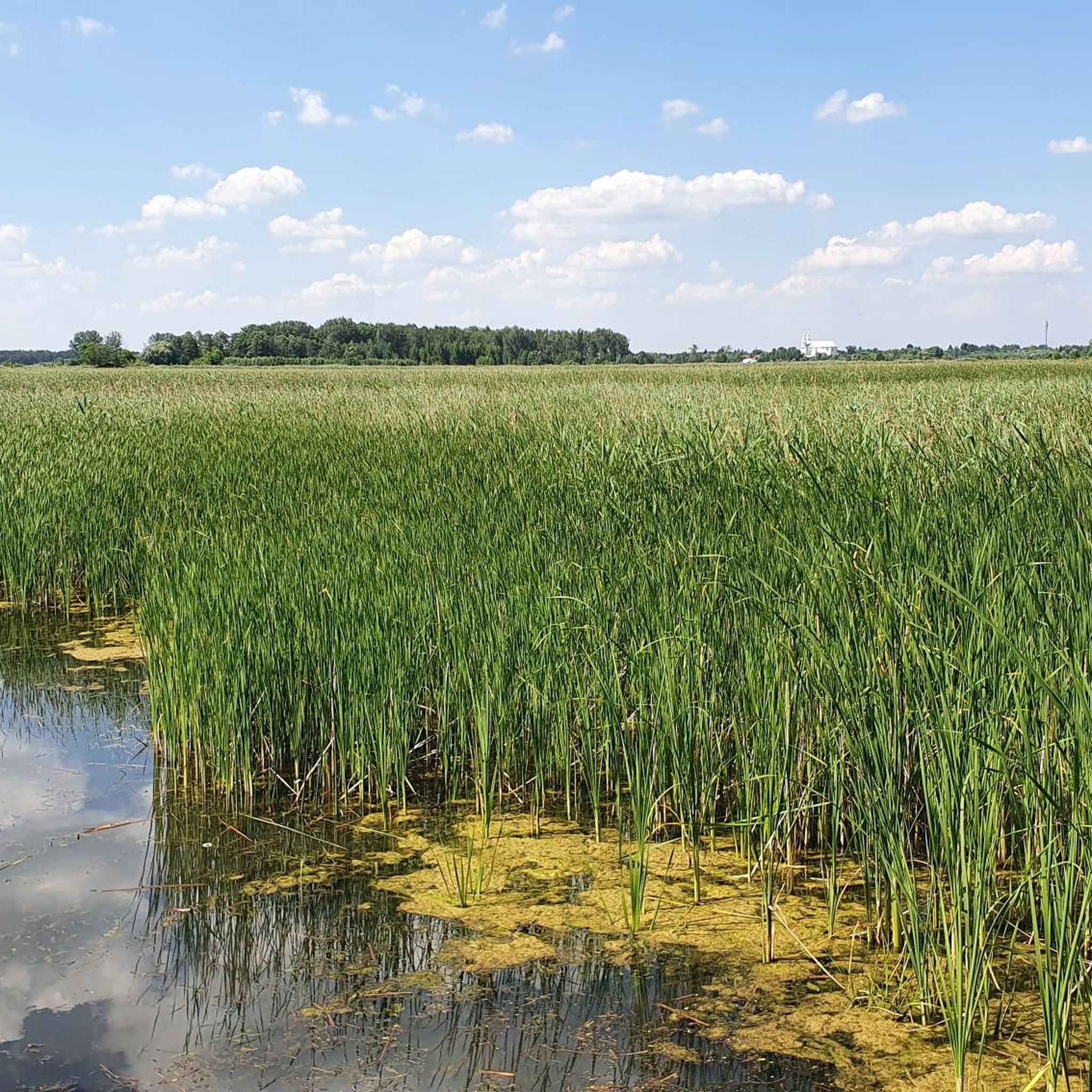
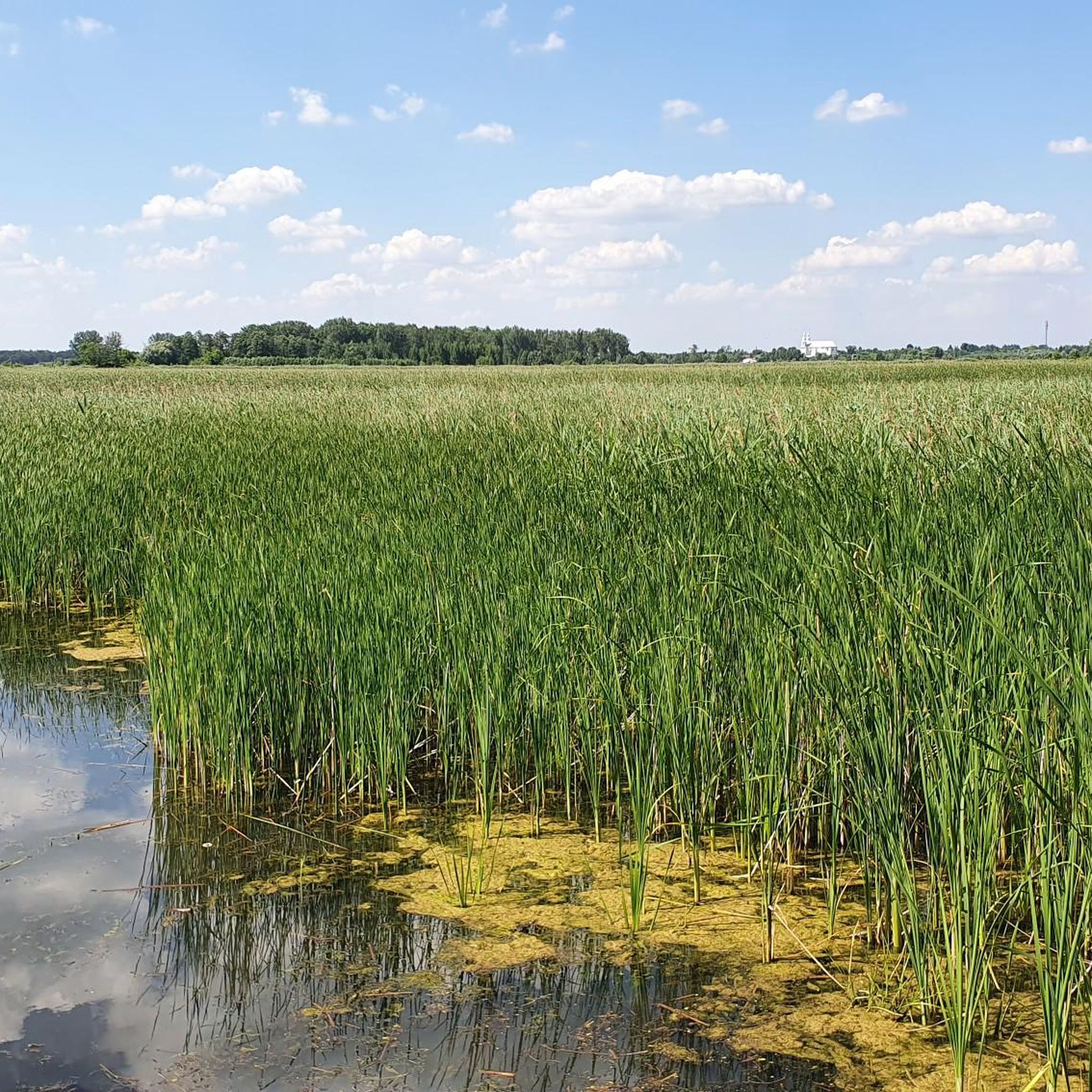
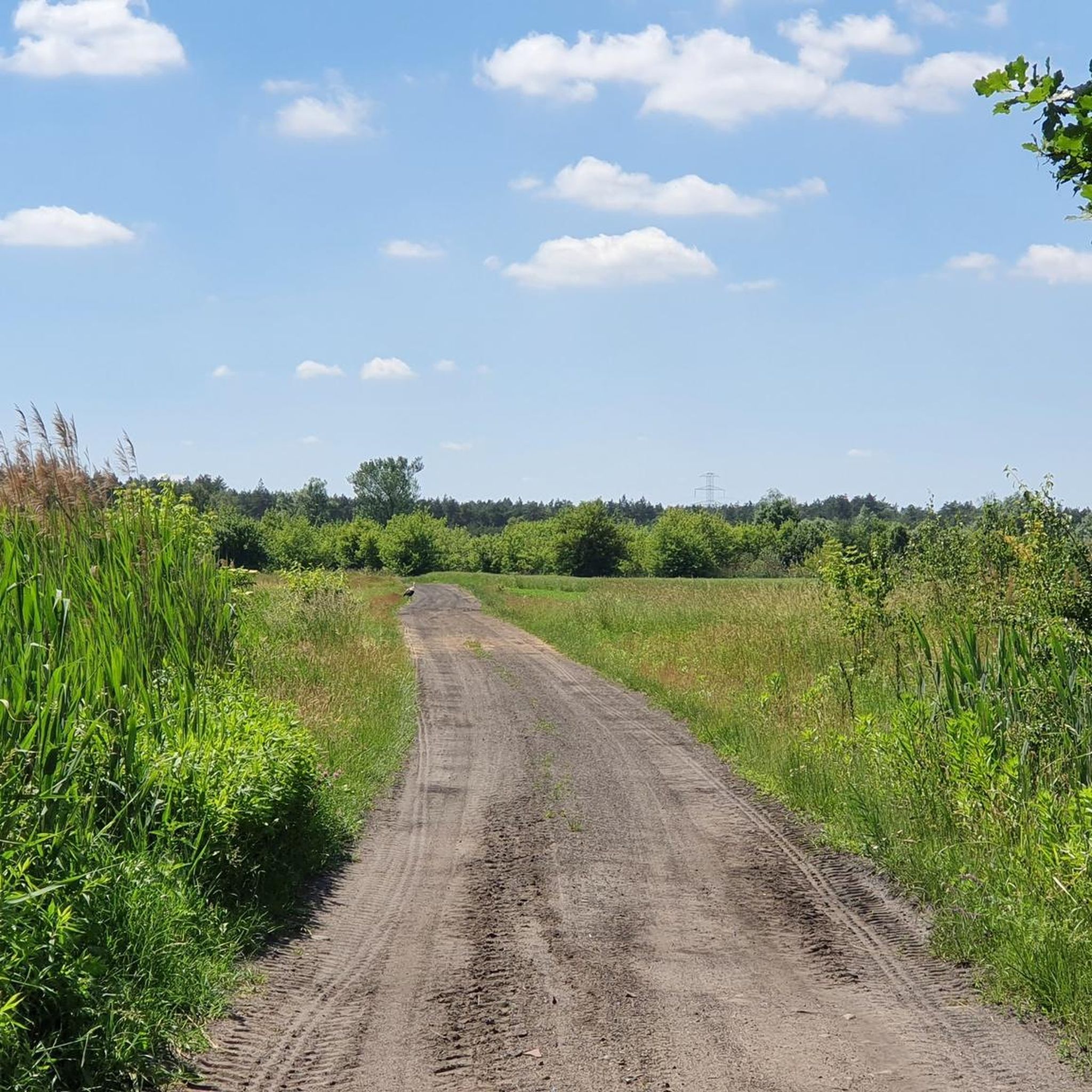
Footbridge over the Pacynka - Trytwa. It allows you to drive through the puppet. Although its condition does not inspire confidence, it is possible to walk through it and carry a bicycle. When it is after heavy rainfall, the water level rises and the footbridge may then be under water. The water automatically covers the area of the footbridge and creates a large pool. However, this is a temporary inconvenience.
1
0
Frequently Asked Questions
What historical and cultural sites can I visit in and around Gmina Jedlińsk?
Gmina Jedlińsk and its vicinity offer several historical and cultural sites. You can explore the Church of St. Bartholomew in Wsola, a notable example of Neo-Romanesque architecture. In nearby Radom, consider visiting the Bernardine Monastery and Church of St. Catherine of Alexandria, dating back to 1468. Another interesting cultural spot is the Outdoor Chess Set at Witold Gombrowicz Museum, located in a beautiful park with ponds.
Are there any unique local events or traditions in Gmina Jedlińsk?
Yes, Gmina Jedlińsk is known for its unique and traditional folk spectacle called 'Śmierć Komedy' (Death of Komeda). This event is performed annually on Shrove Tuesday, featuring costumed characters and a procession, culminating in a festive celebration.
What natural attractions can I find in Gmina Jedlińsk?
For nature lovers, Gmina Jedlińsk features the scenic Godowski Pond, which provides a lovely setting for recreation or scenic views. You can also visit the Wooden footbridge over the Paciñka River, known locally as 'Trytwa', where the river forms picturesque backwaters.
What outdoor activities are available in Gmina Jedlińsk?
Gmina Jedlińsk is well-suited for various outdoor activities. The region features the Nordic Walking Park 'Jedlińsk' with three marked routes of varying lengths (4.7 km green, 10.9 km red, and 15 km black) that traverse sidewalks, asphalt and dirt roads, and forest paths. The area is also excellent for hiking and cycling, with numerous trails to explore across the Radom Plain.
Are there family-friendly attractions in Gmina Jedlińsk?
Yes, several attractions are suitable for families. The Godowski Pond offers a natural setting for family outings. The Outdoor Chess Set at Witold Gombrowicz Museum, with its surrounding park and ponds, is also a great spot for families. Additionally, the Military Bicycle Łucznik Type XX – Radom Symbol is part of a 5 km walking route in Radom that showcases the city's industrial heritage, which can be an engaging activity for older children.
Where can I go for a walk or run near Gmina Jedlińsk?
You can find several walking and running trails in the area. The Nordic Walking Park 'Jedlińsk' offers marked routes for various fitness levels. For more options, explore the Running Trails around gmina Jedlińsk, which include routes like the 'Las Kapturski loop from Klwatka Szlachecka'.
Are there cycling routes around Gmina Jedlińsk?
Absolutely! The region around Gmina Jedlińsk is great for cycling. You can find various routes for different types of cycling. For mountain biking, check out the MTB Trails around gmina Jedlińsk, with options like the 'Ruins of an old mill – Siczki Reservoir loop'. If you prefer road cycling, there are Road Cycling Routes around gmina Jedlińsk, such as the 'New Railway Crossing – Monument to Knight Powala loop'.
What is the terrain like for outdoor activities in Gmina Jedlińsk?
The terrain around Gmina Jedlińsk is characterized by the Radom Plain, which is part of the South Mazowieckie Hills. This offers a mix of flat sections and gentle inclines, making it suitable for various outdoor activities like walking, running, and cycling. The Nordic Walking Park routes, for instance, include sidewalks, asphalt and dirt roads, and forest paths.
Is Gmina Jedlińsk easily accessible?
Yes, Gmina Jedlińsk is strategically located along the international E-7 route, which connects Warsaw and Krakow, making it easily accessible for travelers by car.
What is the 'Military Bicycle Łucznik Type XX – Radom Symbol'?
The Military Bicycle Łucznik Type XX – Radom Symbol is one of 14 bronze sculptures in Radom that depict historical products made in the city. This particular sculpture represents a robust military bicycle produced by Fabryka Broni in Radom, known for its strong construction and use by the Polish Army. A 5 km walking route is marked along these sculptures, highlighting Radom's industrial heritage.
Are there any viewpoints in Gmina Jedlińsk?
While not explicitly designated as viewpoints, the Wooden footbridge over the Paciñka River offers scenic views of the river's backwaters. The natural areas around Godowski Pond also provide pleasant vistas of the local landscape.
Most popular routes around gmina Jedlińsk
Most popular attractions around gmina Jedlińsk

Get inspired with the komoot mobile app


Explore more
Still not found the Highlight you’re looking for? See guides of the top attractions in other regions:
