Attractions and Places To See around Żyrardów - Top 20
Best attractions and places to see around Żyrardów include a unique 19th-century industrial town recognized as a Polish national Historic Monument. Located approximately 45 kilometers west of Warsaw, Żyrardów offers a glimpse into Poland's textile history. The town is known for its well-preserved red-brick architecture and its origins as a planned industrial settlement. Visitors can explore a blend of historical landmarks and natural features.
Best attractions and places to see around Żyrardów
- The most popular attractions is Radziejowice Palace and…
Last updated: October 18, 2026
Radziejowice Palace and Park
Highlight • Historical Site
Tip by

Old Mill
Highlight • Structure
Translated by Google •
Tip by

Sign up now to discover places like this
Get recommendations on the best single tracks, peaks, & plenty of other exciting outdoor places.
Nowa Przędzalnia (Lofty de Girarda)
Highlight • Monument
Translated by Google •
Tip by

Sanctuary of Our Lady of the Holy Family in Miedniewice
Highlight • Religious Site
Tip by

Kampinos Group Home Army War Cemetery
Highlight • Historical Site
Translated by Google •
Tip by

Sign up for free to discover even more attractions around Żyrardów.
Already have an account?
Start today with a free account
Your next adventure awaits.

Tips from the Community

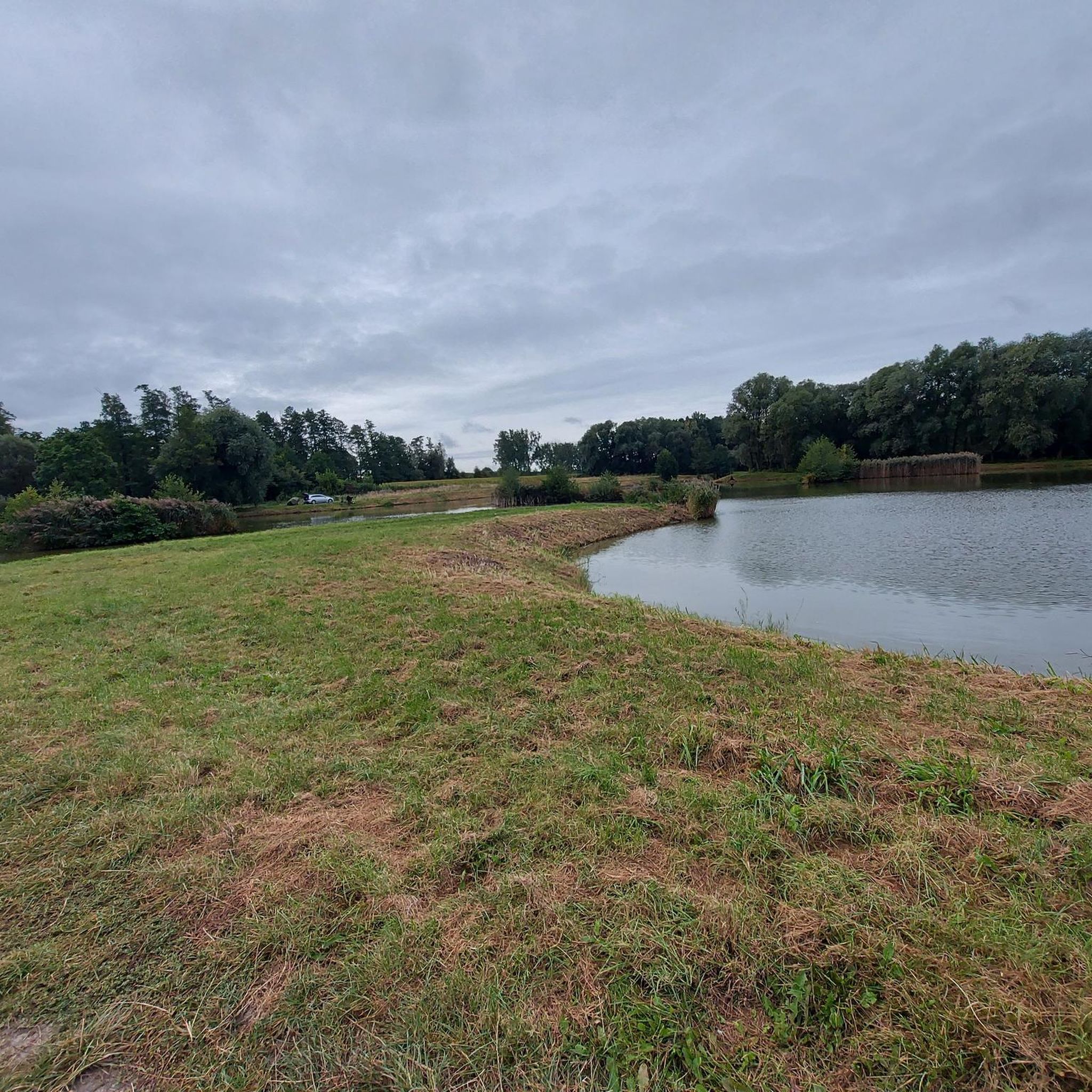
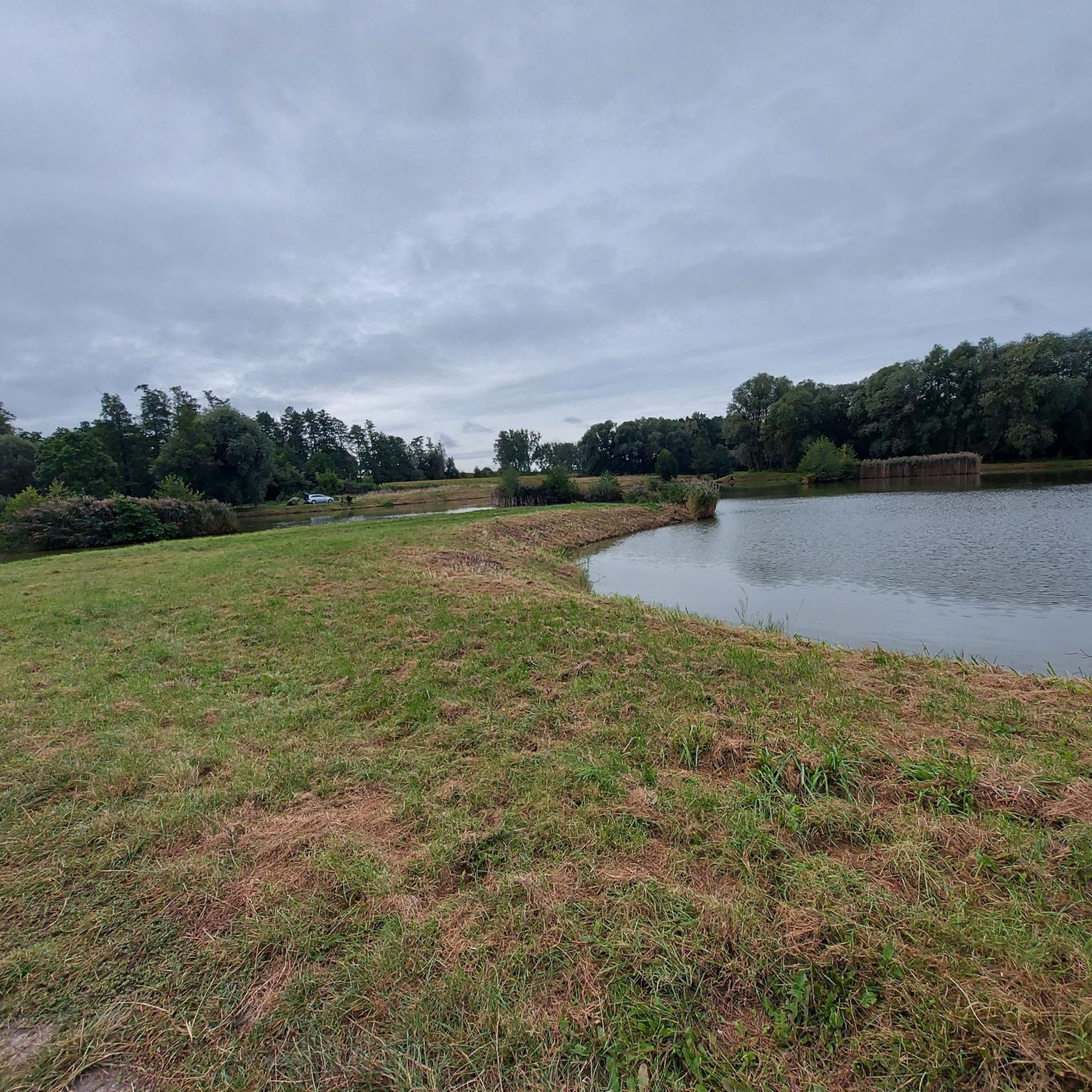
The old water mill in Korytowo is a historic, 19th-century building on the Pisia Gągolina river. Built in the 1870s, it supplied flour for the workers of the developing Żyrardów. Today, it is a picturesque ruin, accessible on local cycling and hiking routes.
0
0

I don't know if it's more beautiful inside or out. I've been there several times, and it always makes me stop and go inside.
1
0

There's a large tree growing by the café behind the palace. I remember it being a rare species, and I think it's a Ginkgo biloba. Such a specimen is unique in Poland. It might be a tulip tree, though. I can't remember exactly, but I think someone might be interested in this tree, especially if they're as interested in plants and trees as she is.
1
0
The residential building, rebuilt from a flax spinning mill, was built in 1913 in Żyrardów. It was one of the most modern buildings of the Linen Plant and one of the first in the world made of reinforced concrete, adapted to the loads resulting from the work of several thousand spindles. In order to evenly distribute the stresses and vibrations of the building, the roof structure was loaded with earth, and then plants were planted. There was a fire tank on the roof of the building. The water, which was drawn from the Górny Staw on Pisia Gągolin, was to flood all the floors of the building in turn in the event of a fire. On the top floor, below the fire tank, there were two other huge water tanks used to store water used for flax processing (so-called wet spinners). The water was drawn from a source located on the factory premises. It was the cleanest and healthiest water in Żyrardów.
0
0

Mill on the Pisi River in Korytów. The history of the 3-storey mill is partly connected with Dittrich and Hielle; the then owners of the Żyrardów Plants. They decided to start their own brick production. This was connected with the dynamic development of Żyrardów and the expansion of the factory, as well as the need to provide housing for an increased number of workers and administrative and technical staff. For this purpose, they leased 20 morgas of land from the Krasińskis, where there were rich deposits of high-quality clay, and in 1870 a brickyard was built. The brick from Radziejowice, apart from its good properties, was characterized by a dark red color. It was exported to Russia. The entire Żyrardów factory was built from it, as well as many public utility buildings. Hielle and Dittrich established social relations with Count Krasiński, who willingly hosted wealthy entrepreneurs from Żyrardów. Both parties liked gambling. After winning at cards with Count Krasiński, Dittrich and Hielle became owners of the mill settlements of Koryty and Hamernia, and consequently of the mills. For the exploitation of the forest and the transport of bricks, Żyrardów entrepreneurs built a narrow-gauge railway line Żyrardów - Radziejowice.
2
0
The current palace was built between the tower and the early Baroque palace (currently non-existent) and received its current form at the turn of the 18th and 19th centuries after a classicist reconstruction carried out by Kazimierz Krasiński, the Crown Campiander, according to the design of Jakub Kubicki. At that time, a columned porch with a terrace in front of the main entrance was also built. The expansion of the palace complex was later continued by Józef Wawrzyniec Krasiński, who created a landscape park around the palace that exists to this day and rebuilt the small castle in the neo-Gothic style, which is the remains of the former Radziejowski tower. Over the following decades, Radziejowice was visited by people of culture, including Juliusz Kossak, Henryk Sienkiewicz, Lucjan Rydel, Jarosław Iwaszkiewicz, Józef Chełmoński, Stanisław Masłowski.
1
0
Cemetery of soldiers from the "Kampinos" Group of the Home Army who died in the Battle of Jaktorów fought on September 29, 1944. After the battle, the bodies of the fallen soldiers from the "Kampinos" Group were buried in the war cemetery in Budy Zosine. In the 1950s, however, the communist authorities decided to liquidate the cemetery and transfer the remains to the Warsaw Insurgents' Cemetery in the capital. These actions were met with strong opposition from the veterans' community. Nearly 1,000 people signed a letter of protest. Veterans and their families also attempted to intervene with various state and party bodies, even at the ministerial level. Ultimately, the authorities agreed to relocate the bodies and rebuild the cemetery[220]. Currently, the remains of 132 soldiers of the "Kampinos" Group who died on September 29, 1944, are buried in the war cemetery in Budy Zosine, located about 3 km from the railway stop in Jaktorów - including the remains of Major Alfons Kotowski, pseudonym "Okoń". Only in 75 cases were the surnames or pseudonyms of those buried
0
0
On September 29, 1944, the last battle of the AK Group "Kampinos" soldiers took place in the village. At the end of the Warsaw Uprising, on September 27, the Kampinos Group marched out of the Kampinos Forest, attempting to reach the Świętokrzyskie Mountains. On September 29, while trying to cross the Warsaw-Żyrardów railway line, it was surrounded by German forces in the village of Budy Zosine and defeated after a heavy battle.
0
0
Frequently Asked Questions
What historical landmarks can I explore in Żyrardów?
Żyrardów is renowned for its unique 19th-century industrial heritage. You can explore the former Linen Factory Complex, a vast area of red-brick industrial buildings, and the entire historic core, which is a preserved example of a planned industrial settlement. Don't miss the beautifully restored Nowa Przędzalnia (Lofty de Girarda), which was once a flax spinning mill and is now repurposed into apartments, offices, and a hotel.
Where can I learn about Żyrardów's textile history?
To delve into Żyrardów's rich textile history, visit the Museum of Linen in Żyrardów. Located in one of the historic factory halls, it showcases machinery, fabrics, and industrial processes related to linen production, providing a detailed look at the technology invented by Philippe de Girard and the lives of the factory workers.
Are there any significant religious sites in the area?
Yes, the area features several notable religious buildings. The grand neo-Gothic Church of Our Lady of Consolation, built for factory workers, is a dominant landmark. Additionally, the Sanctuary of Our Lady of the Holy Family in Miedniewice is a significant religious site with a history dating back to 1674, known for reported miracles and attracting pilgrims for centuries.
What natural attractions are there around Żyrardów?
For nature lovers, Żyrardów offers several green spaces and reserves. You can relax in Dittrich Park, known for its English-style design, or visit the Rokita Nature Reserve, which features a leafy forest, a gorge, and a steel footbridge over a deep ravine. The Oberwanka Beach on the Rawka River provides a picturesque spot for walks, and the St. Anne's Ponds near Mszczonów offer recreation surrounded by forests.
Are there opportunities for hiking or walking near Żyrardów?
Absolutely. The region around Żyrardów offers various walking and hiking opportunities. You can explore trails within Dittrich Park or the Rokita Nature Reserve. For more structured routes, consider the running trails around Żyrardów, which include options like the 'Staw Przy Jazie loop from Podlas' or the 'Running loop from Żyrardów'. You can find more details on these routes in the Running Trails around Żyrardów guide.
Can I go cycling around Żyrardów?
Yes, Żyrardów and its surroundings are great for cycling. There are dedicated guides for different cycling styles. For gravel biking, explore routes like the 'Stawy Świętej Anny – Suntago Bike Path loop from Żyrardów' in the Gravel biking around Żyrardów guide. If you prefer road cycling, check out routes such as the 'Puszcza Mariańska loop from Żyrardów' or the 'Path Along the CMK Tracks – Radziejowice Palace and Park loop from Żyrardów' in the Road Cycling Routes around Żyrardów guide.
What is the best time to visit Żyrardów?
Żyrardów can be visited year-round, but the best time often depends on your interests. Spring and autumn offer pleasant weather for exploring the historic industrial settlement and parks on foot. Summer is ideal for enjoying natural attractions like Oberwanka Beach or the Żyrardów Reservoir. If you're interested in the unique atmosphere of the Rokita Nature Reserve when the ravine fills with water, visiting after snowy winters can be particularly rewarding.
Are there family-friendly attractions around Żyrardów?
Many attractions in and around Żyrardów are suitable for families. The Radziejowice Palace and Park offers expansive grounds for children to explore. The Sanctuary of Our Lady of the Holy Family in Miedniewice and the Museum of Linen in Żyrardów also welcome families, providing educational and cultural experiences. Additionally, parks like Dittrich Park and the St. Anne's Ponds offer recreational opportunities for all ages.
What do visitors enjoy most about Żyrardów?
Visitors particularly appreciate Żyrardów's unique blend of industrial history and natural beauty. The well-preserved 19th-century red-brick architecture of the industrial settlement, including the former Linen Factory Complex, is a major draw. The town's transformation of old factory buildings into modern spaces, like the Nowa Przędzalnia (Lofty de Girarda), also fascinates many. The presence of green spaces like Dittrich Park and nearby nature reserves adds to its appeal.
Is there a historical palace or estate nearby?
Yes, the magnificent Radziejowice Palace and Park is a prominent historical site near Żyrardów. It hosts an exhibition of Józef Chełmoński paintings and functions as a cultural and artistic center. The current palace received its form at the turn of the 18th and 19th centuries after a classicist reconstruction and is surrounded by a beautiful landscape park.
Are there any less crowded nature spots around Żyrardów?
For a quieter natural experience, consider visiting the Rokita Nature Reserve, especially during off-peak times. The Oberwanka Beach on the Rawka River, located on the picturesque edge of the Bolimów Landscape Park, also offers a serene setting for relaxation and walks. The St. Anne's Ponds near Mszczonów, surrounded by forests, provide a peaceful environment away from the main town.
What is the significance of the industrial settlement in Żyrardów?
The industrial settlement in Żyrardów is historically significant as the only fully preserved urban complex of an industrial town from the turn of the 19th and 20th centuries in Europe. It showcases modern urban concepts of its time, with distinct zones for industrial, residential, and service functions, complete with social programs and planned urban greenery. Its well-preserved historic buildings, including workers' houses and villas, contribute to its status as a Polish national Historic Monument.
Most popular routes around Żyrardów
Most popular attractions around Żyrardów

Get inspired with the komoot mobile app


Explore more
Still not found the Highlight you’re looking for? See guides of the top attractions in other regions:
