Attractions and Places To See around Bukowsko - Top 20
Best attractions and places to see around Bukowsko, a village in Poland's Subcarpathian Voivodeship, offer a blend of natural beauty and cultural sites. Situated in the Bukowsko Upland mountains, the area is characterized by the picturesque valley of the Sanoczek river and the nearby Bieszczady mountain range. The region provides opportunities for exploring mountainous terrain, historical landmarks, and cultural heritage. Many notable attractions are found both within the village and its surrounding area.
Best attractions and places to see around…
Last updated: June 18, 2026
Museum of Folk Architecture in Sanok
Highlight • Historical Site
It covers a vast area on the right bank of the San River, limited …
Translated by Google •
Tip by

Velo San Cycle Path: Sanok to Zagórz Section
Highlight • Cycleway
The section Dolina - Zagórz is technically more difficult (stomizna, mud) and less …
Translated by Google •
Tip by
Sign up now to discover places like this
Get recommendations on the best single tracks, peaks, & plenty of other exciting outdoor places.
Sign up for free
Sanok Market Square
Highlight • Settlement
Translated by Google •
Tip by
Old Railway Viaduct over the Osława Rapids
Highlight • Bridge
Translated by Google •
Tip by
Statue of the Good Soldier Švejk in Sanok
Highlight • Monument
Translated by Google •
Tip by

Sign up for free to discover even more attractions around Bukowsko.
Sign up for free
Already have an account?
Start today with a free account
Your next adventure awaits.
Login or Signup
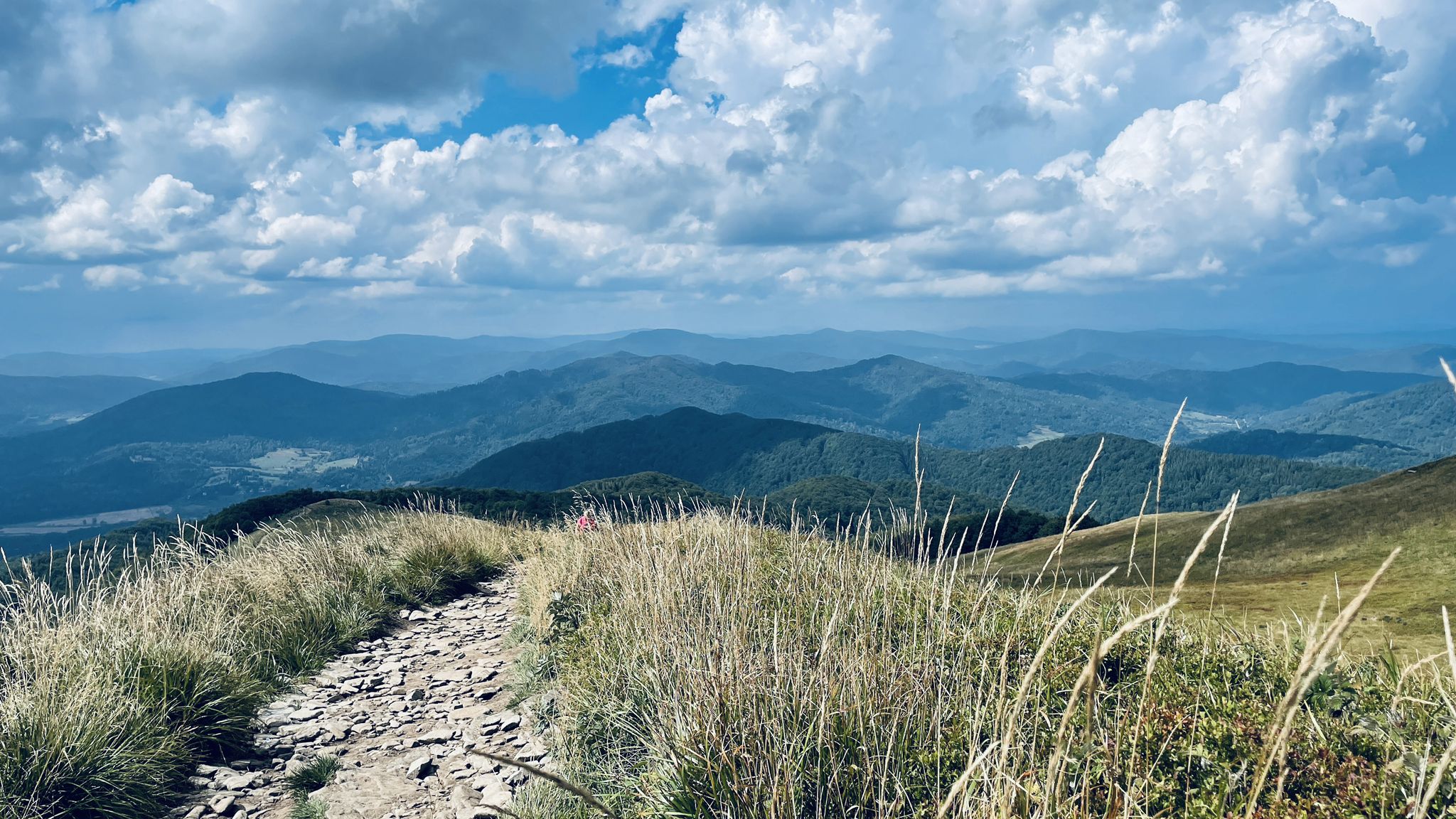
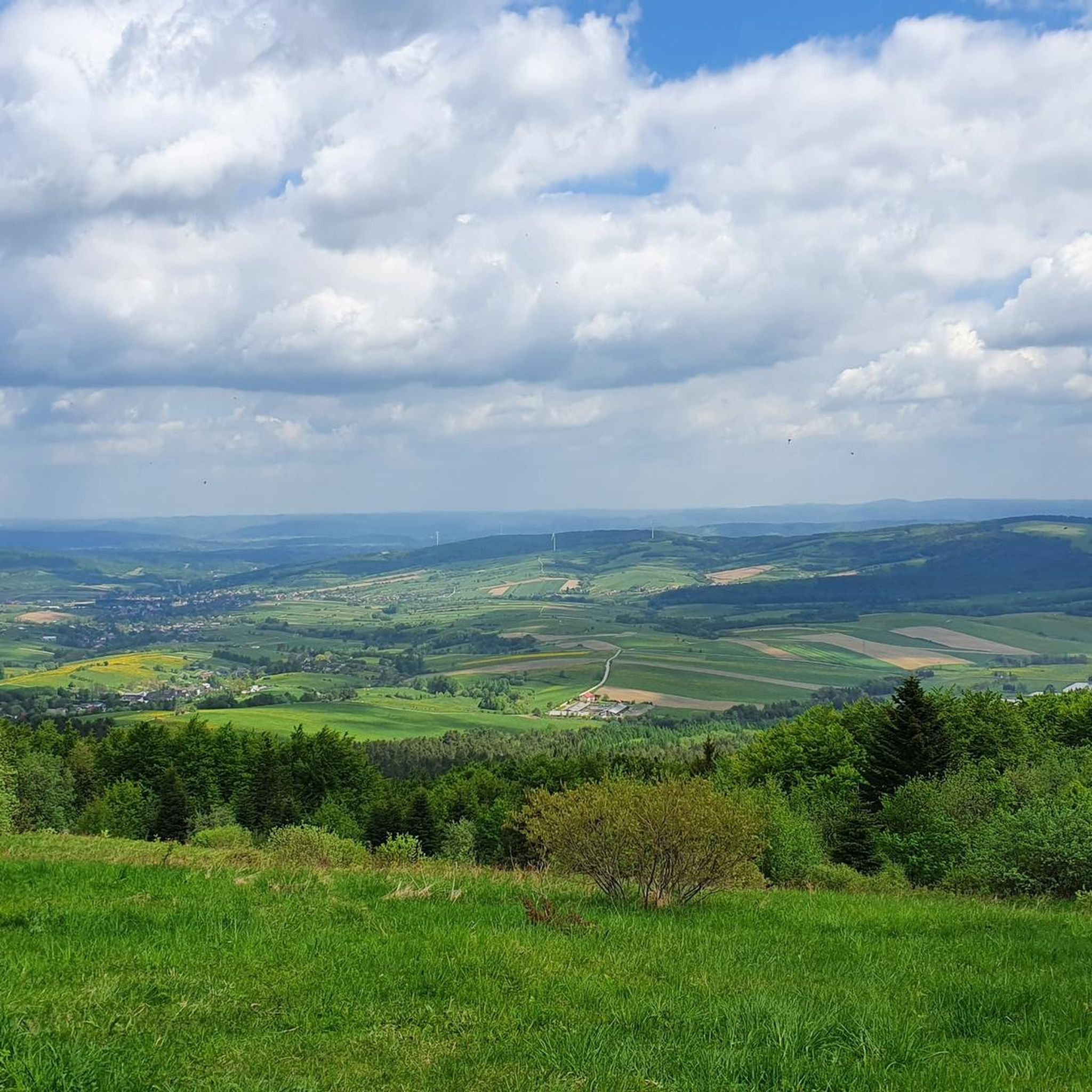
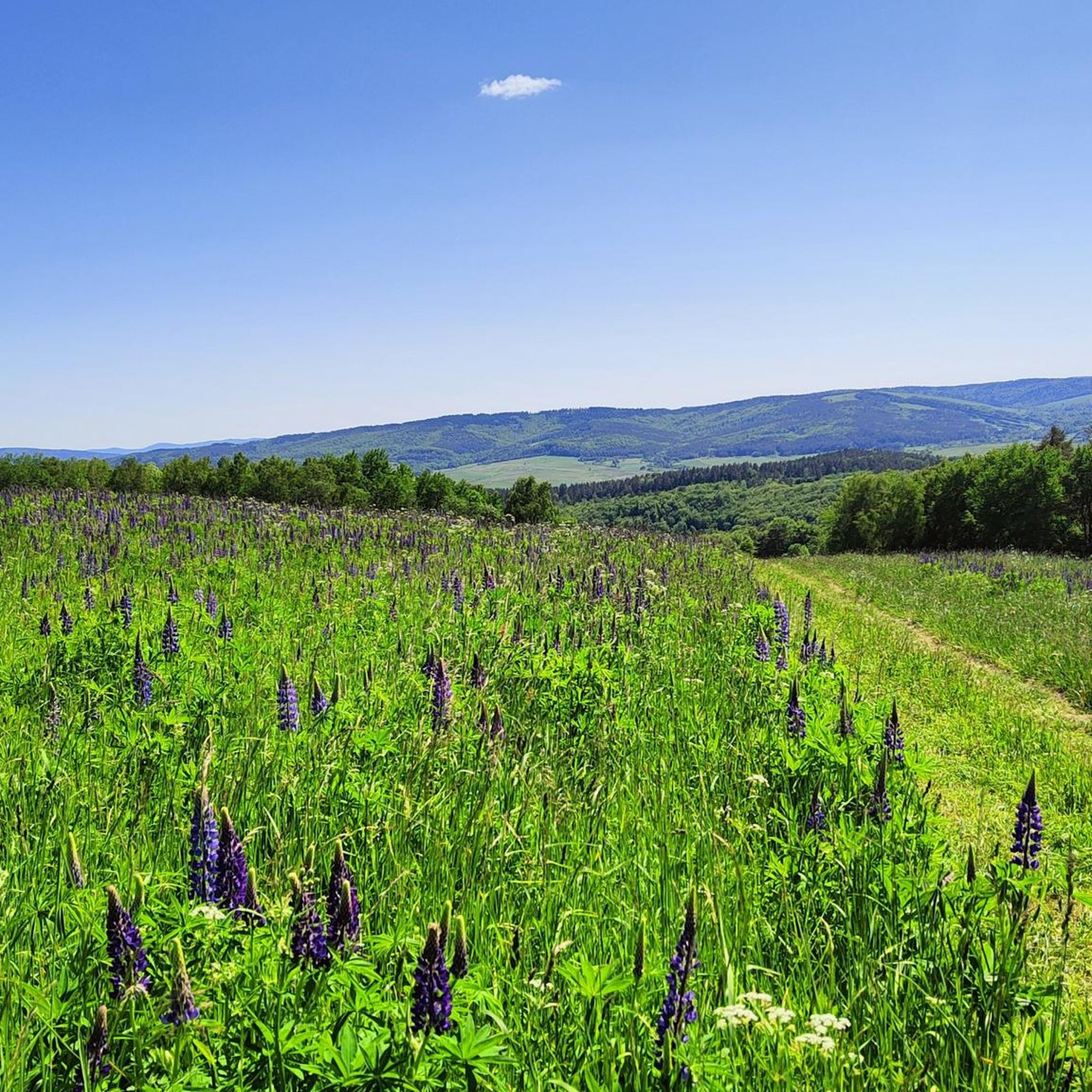
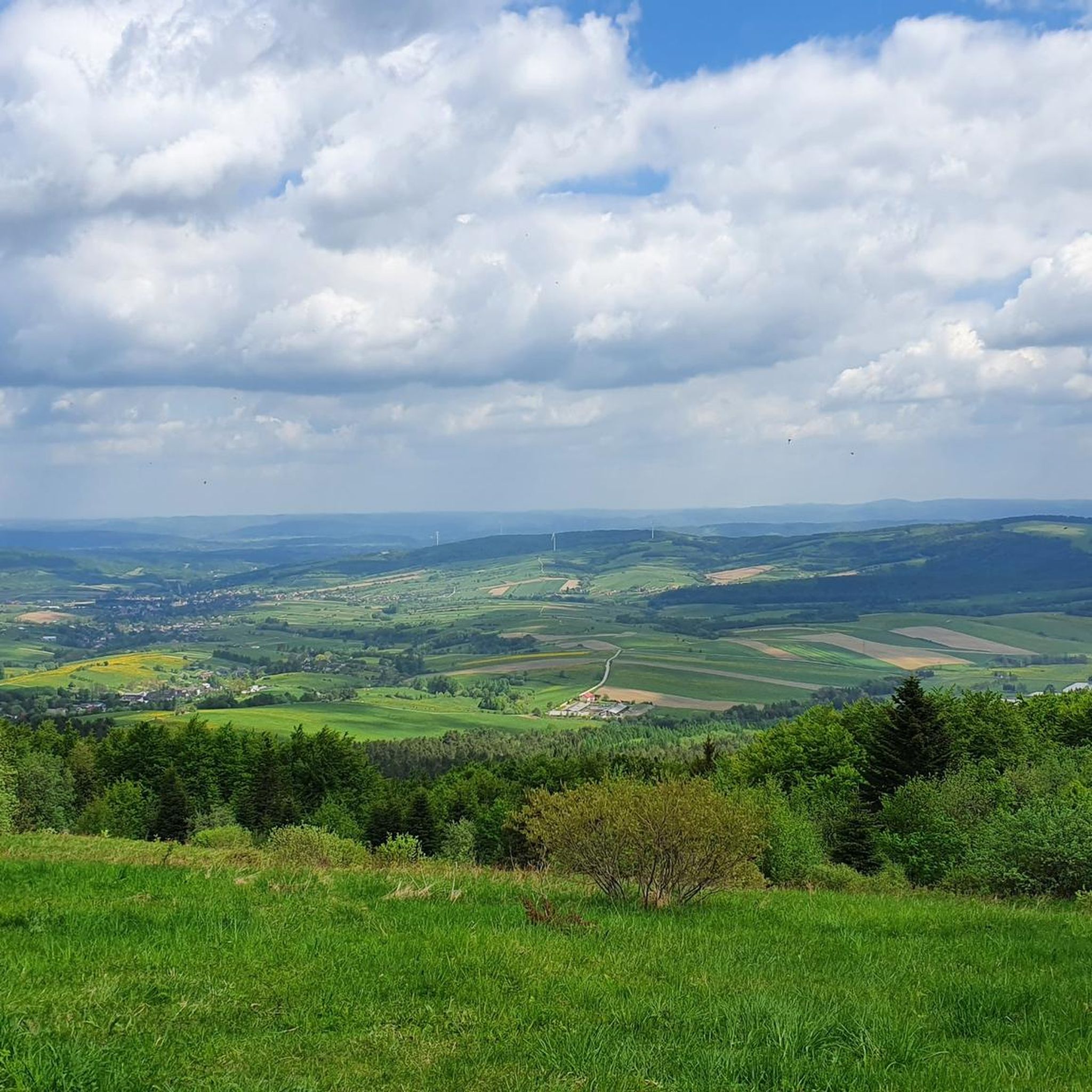
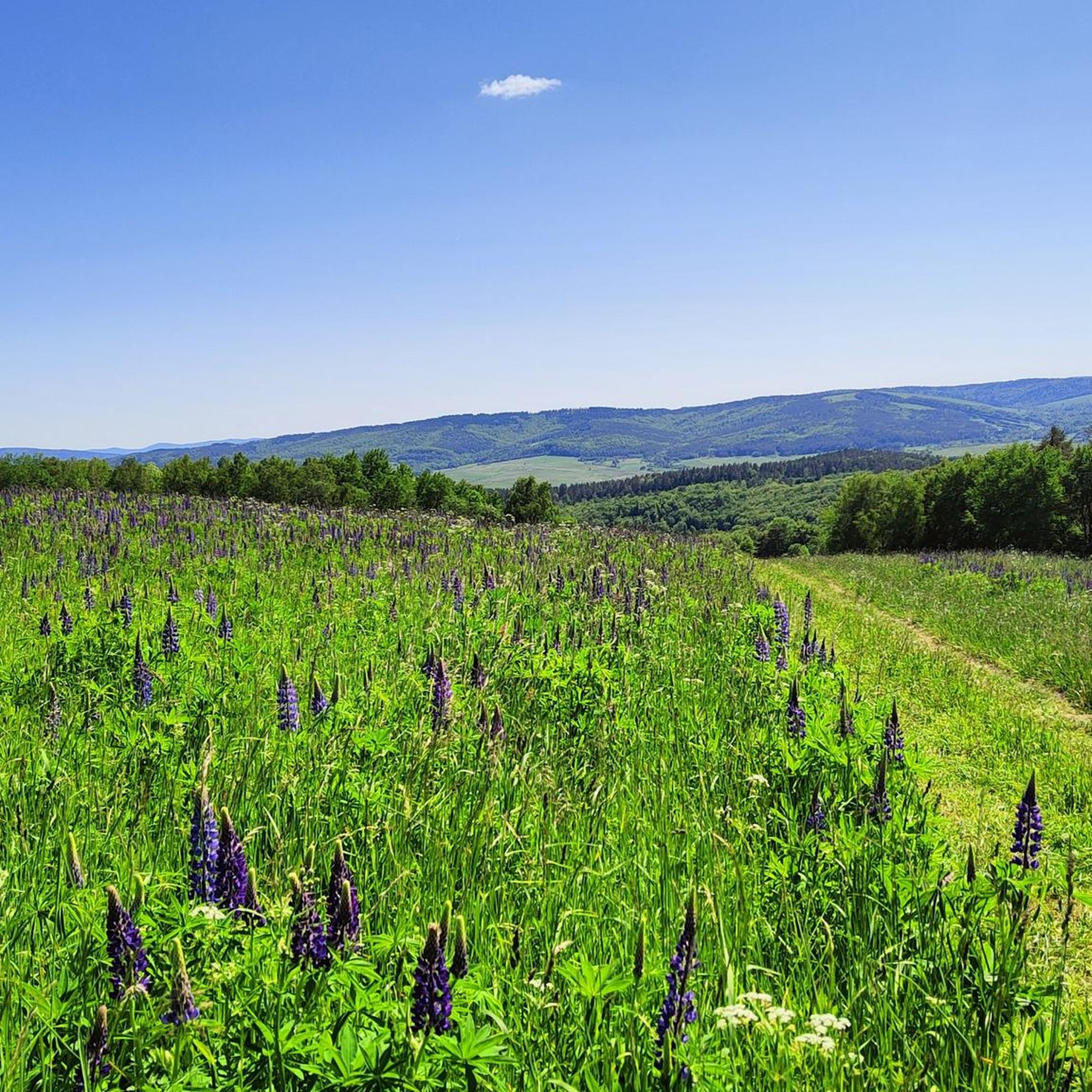
Other adventures around Bukowsko

Tips from the Community

You can't miss it. It's a beautiful piece of history.
0
0

The official name of the open-air museum is the Museum of Folk Architecture in Sanok (MBL). It covers a vast area on the right bank of the San River, limited from the north by a high escarpment, on which the Biała Góra housing estate is located, and from the east by the forested area of the Słonne Mountains. A great attraction is the Galician Market Square, where various occasional events are organized, e.g. before the holidays. The open-air museum lives according to its own calendar and is eagerly visited not only by tourists but also by the residents of Sanok. On the open-air museum area, divided into geographical and cultural sectors, you can visit many wooden buildings and see their equipment. The resourcefulness of the residents of that time, who were able to live and support their families in very modest conditions, without electricity, running water, gas and so many devices that we cannot imagine life without today, is admirable. The oil sector is a separate attraction. To get a better understanding of the range of objects gathered here, it is best to use the services of a guide. WW
1
0
Recently, asphalt was laid on the last missing section (counting from the observation tower through Dolina to the Sewage Treatment Plant in Zagórz) - I mean the short section from the barbecue area on the San River towards the buildings of the village of Dolina. The section where the bicycle route moves away from the San River and has the character of a local street, without the "pedestrian and bicycle path" signs. When driving after dark, be careful of the deep ditch along this street.
1
1
In times long past, the Market Square in Sanok was an oasis of greenery in this part of the city. After the change of regime, the trees were cut down, and the Market Square was paved mostly in red, hence its name, Red Square. On hot days, the center of the square is unbearably hot. You can seek refreshment under the umbrellas where ice cream is sold, or by the fountain located closer to City Hall. Even better, stop by the Franciscan Church for a moment and find not only refreshment but also peace. WW
0
0
The pedestrian and bicycle path on the section from the Valley to the sewage treatment plant in Zagórze is already elegantly asphalted. The width allows cyclists and pedestrians to pass each other freely. The descent from the Valley side has a slope of 12%, and the slope is secured with railings to prevent anyone from slipping towards the river. For those coming from Zagórze, it is recommended to get off the bike and ride uphill. This is the only steep place on this section. In Zagórze, on DK84 and Dolina (at intersections), it would be useful to have graphic markings to make it clear where the path begins, because not everyone uses a map. It is worth avoiding the busy and currently under renovation DK84 road and driving along the San River, seeing beautiful views and listening to birds singing instead of the roar of motor vehicles. WW
1
0
I captured the charm of this place in the video below: https://youtu.be/JqqRCnqr_2g?si=XGBA_DUxGnUnZ6Wn
0
0
This year, road works are carried out on the section from the observation tower over the San (and the passage under the railway line) up the San, i.e. in the direction of the village of Dolina. The trail of the bicycle path was widened and deepened, covering it with a keystone. You have to go sideways, away from the riverbed and on a dirt road through the field, until the road builders make a roadworthy surface. Note: when returning towards Sanok, at the end of the modernized section there is a 90° left turn to a narrow wooden bridge, a dangerous place.
1
0
To visit the cascade on Osława and see the beautiful arched reinforced concrete viaduct up close, you need to cross the barrier by the road and go about 400 m along the tracks of the closed narrow-gauge railway. Most of this section can be covered by bicycle riding on the left side of the track with caution, because it is narrow and the viaduct is in poor technical condition. The barriers are bent, rebars protrude from the structure in places and you have to be careful of your legs and bicycles. I absolutely advise against visiting at night! You can leave your bicycles on the viaduct and go down the steep wooden stairs to the Osława riverbed and walk a bit through the forest. This will allow you to see the structure of the viaduct from the bottom and the river bed, noiselessly overcoming large boulders. In this place, in the summer, some people lie on the beach, spreading blankets on the stones, and in the event of excessive heat, you can shelter from the sun under the trees. The Osława creates a meander around the ridge of the mountain, similarly to the San near Zwierzyń, where the fall of the river was used to build the Myczkowce hydroelectric power plant. Here in Osława there was also such an idea, but the investment did not come to fruition and the place retained its natural charm, which confirms the status of a nature reserve.
1
0
Frequently Asked Questions
What natural attractions can I explore around Bukowsko?
The region around Bukowsko is rich in natural beauty. You can discover the picturesque valley of the Sanoczek river, the broader Bieszczady mountain range, and the Bukowsko Upland itself. The Bukowica Mountain Range offers peaks like Tokarnia and Zrubań. Don't miss the scenic meanders of the Osława River, where you can also find the historic Old Railway Viaduct over the Osława Rapids and a cascade.
Are there any historical or cultural sites to visit near Bukowsko?
Yes, the area boasts several significant historical and cultural sites. In Sanok, you can visit the Museum of Folk Architecture in Sanok, an extensive open-air museum showcasing traditional wooden buildings. The Sanok Market Square features a historic Franciscan church. Other notable sites include the Royal Castle in Sanok, the Zdzislaw Beksinski Gallery, and the Old Railway Viaduct over the Osława Rapids.
What kind of outdoor activities can I do around Bukowsko?
Bukowsko is an excellent base for various outdoor activities. The region is popular for hiking, with trails like the historical-nature path "Buczyna karpacka" leading to ancient yew trees. For cyclists, the Velo San Cycle Path: Sanok to Zagórz Section offers scenic views along the San River. You can also find numerous road cycling routes, MTB trails, and running trails in the surrounding area.
Are there any family-friendly attractions or activities in the Bukowsko area?
Absolutely. The Museum of Folk Architecture in Sanok is a great option for families, offering an engaging look into past inhabitants' resourcefulness with its many wooden buildings and the Galician Market Square. The Sanok Market Square with its fountains can also be a pleasant spot. For active families, some sections of the Velo San Cycle Path are suitable for leisurely rides, though some parts are more challenging.
What is the best time of year to visit Bukowsko for outdoor activities?
The best time to visit Bukowsko for outdoor activities largely depends on your interests. Spring and autumn offer pleasant temperatures for hiking and cycling, with vibrant foliage in autumn. Summer is ideal for exploring the river valleys and enjoying the natural charm of the Osława River. For winter sports enthusiasts, nearby options like Lesko Summer & Ski and KiczeraSki are available during the colder months.
Where can I find unique local culture or art in Bukowsko?
In Bukowsko itself, you can visit the Uniwersytet Ludowy (Folk University), which opened in 2005. This institution houses various artworks and examples of folk handicrafts, providing insight into the region's rich cultural heritage. Additionally, the Museum of Folk Architecture in Sanok offers a broader perspective on traditional life and craftsmanship.
Are there any specific hiking trails recommended in the Bukowica Mountain Range?
Yes, the Bukowica Mountain Range, part of the Low Beskids, features prominent peaks like Tokarnia (778 m), Zrubań (778 m), and Wilcze Budy (759 m). A red hiking trail runs along its main ridge, connecting Puławy to Komańcza, offering a great way to explore this area. The region's forests also contain protected flora, including rare yew trees, which can be reached via a historical-nature path.
What is the significance of the Osława River in the Bukowsko region?
The Osława River is a significant natural feature, known for its scenic meanders and the historic Old Railway Viaduct over the Osława Rapids. The area around the viaduct and the river retains a natural charm, with some spots serving as informal 'beaches' on its banks. It's a place where you can appreciate the untouched beauty of the landscape.
Can I find any unique landmarks or statues in the area?
In Sanok, you can find the quirky Statue of the Good Soldier Švejk. This statue commemorates the fictional character from Jaroslav Hašek's satirical novel, who had adventures in Sanok. It's a fun and unique photo opportunity that adds a touch of literary history to your visit.
What are some lesser-known historical ruins or sites to explore?
Beyond the main attractions, you might be interested in the Ruins of the Discalced Carmelite Monastery in Zagórz. These historical ruins offer a glimpse into the past and are a point of interest for those seeking to explore less-frequented historical sites in the nearby town of Zagórz.
Are there cycling routes suitable for different skill levels?
Yes, the area offers a variety of cycling routes. The Velo San Cycle Path: Sanok to Zagórz Section provides scenic views, though some parts between Dolina and Zagórz are noted as more technically challenging. For more options, you can explore various road cycling routes and MTB trails around Bukowsko, catering to different difficulty levels from moderate to difficult.
What kind of protected flora can be found in the forests around Bukowsko?
The forests surrounding Bukowsko are home to diverse and protected flora. Notably, you can find rare clusters of yew trees, which have been protected since the time of King Władysław Jagiełło in 1423. Other protected plant species in the area include daphne mezereum, prickly shield fern, and various types of orchids, making it a rich environment for nature enthusiasts.
Most popular attractions around Bukowsko

Get inspired with the komoot mobile app


Explore more
Still not found the Highlight you’re looking for? See guides of the top attractions in other regions:
