Attractions and Places To See around Sanok - Top 20
Best attractions and places to see around Sanok include a variety of historical, cultural, and natural sites. Situated in the Subcarpathian region of southeastern Poland, the city is located on the San River. It offers a blend of rich history and cultural heritage, with proximity to the Słonne Mountains and the Bieszczady Mountains.
Best attractions and places to see around Sanok
- The most popular attractions is Sanok Market Square, a settlement that retains a medieval urban layout. It is surrounded by revitalized monumental buildings and features a historic Franciscan church.
- Another must-see spot is Museum of Folk Architecture in Sanok, a historical site. This open-air museum spans 38 hectares and features approximately 150 wooden buildings from the 17th to 20th centuries, showcasing traditional ways of life.
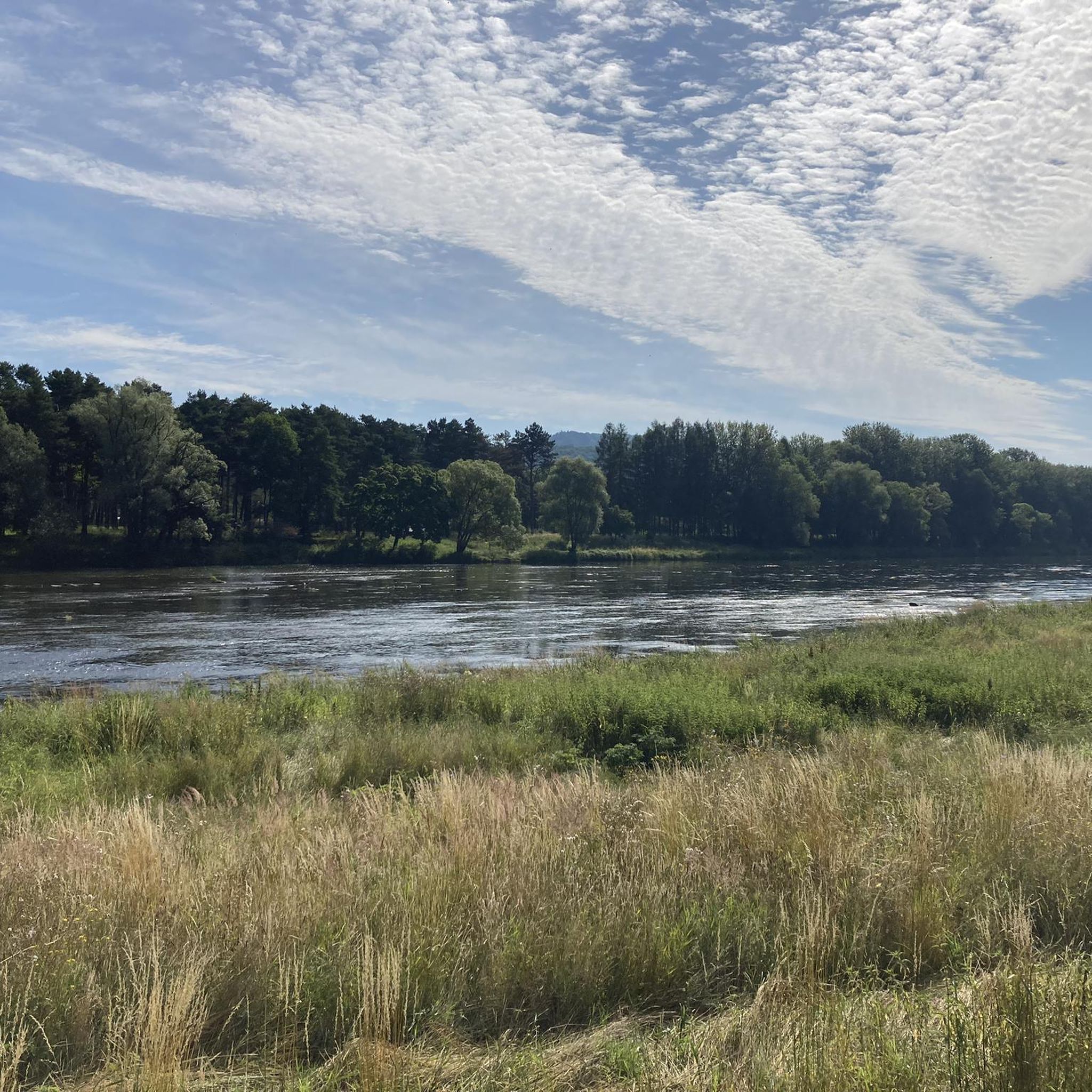
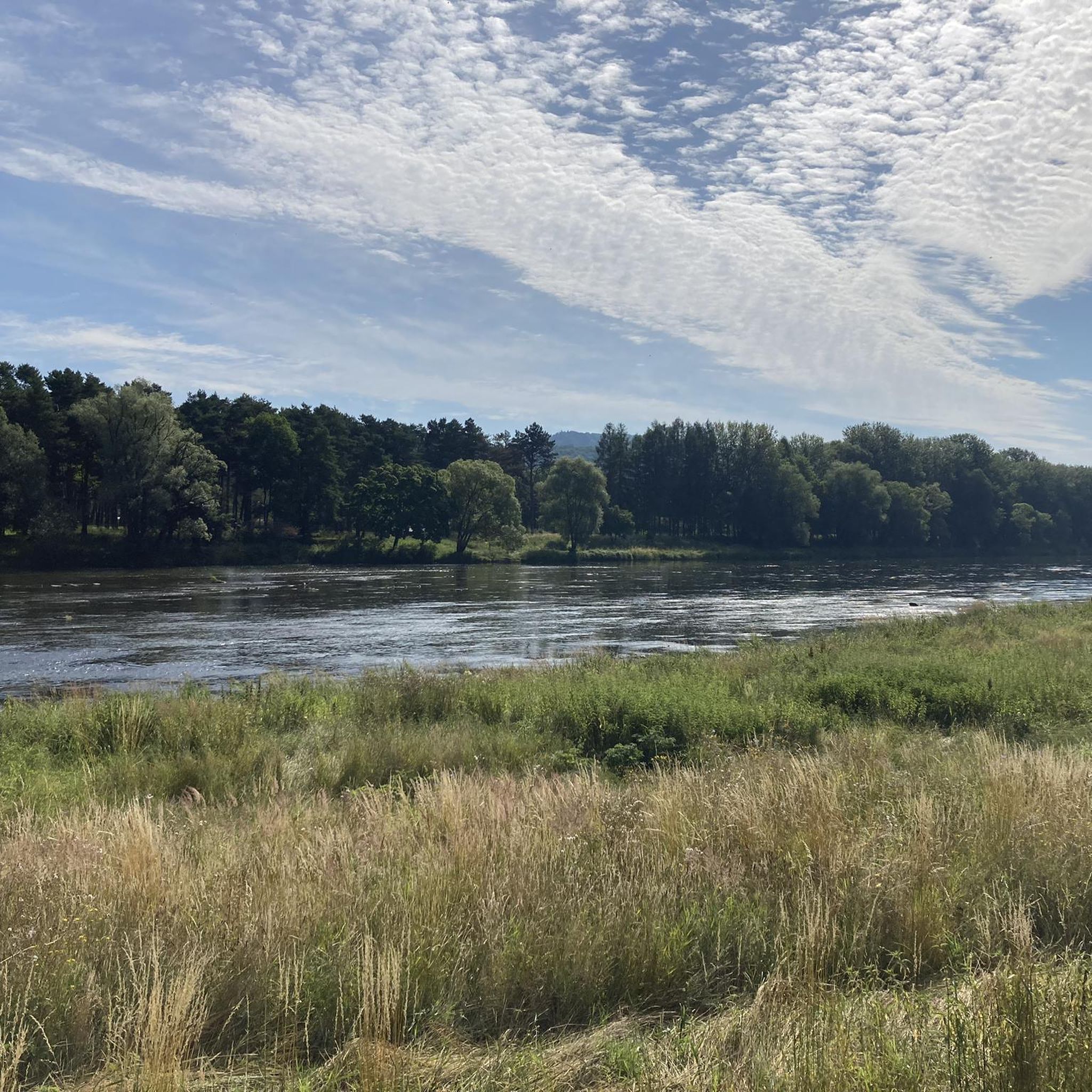
- Visitors also love Velo San Cycle Path: Sanok to Zagórz Section, a cycle way. This path offers scenic views along the San River and provides an alternative to busy roads.
- Sanok is known for its historical sites, cultural institutions, and natural features. Visitors can explore castles, museums, religious buildings, and scenic river paths.
- The attractions around Sanok are appreciated by the komoot community, with 36 upvotes and 106 photos shared across various highlights.
Last updated: October 18, 2026
Museum of Folk Architecture in Sanok
Highlight • Historical Site
It covers a vast area on the right bank of the San River, limited from the north by a high escarpment, on which the Biała Góra housing estate is located, and from the east by the forested area of the Słonne Mountains.
A great attraction is the Galician Market Square, where various occasional events are organized, e.g. before the holidays. The open-air museum lives according to its own calendar and is eagerly visited not only by tourists but also by the residents of Sanok.
On the open-air museum area, divided into geographical and cultural sectors, you can visit many wooden buildings and see their equipment. The resourcefulness of the residents of that time, who were able to live and support their families in very modest conditions, without electricity, running water, gas and so many devices that we cannot imagine life without today, is admirable.
The oil sector is a separate attraction.
To get a better understanding of the range of objects gathered here, it is best to use the services of a guide.
WW
Translated by Google •
Tip by

Velo San Cycle Path: Sanok to Zagórz Section
Highlight • Cycleway
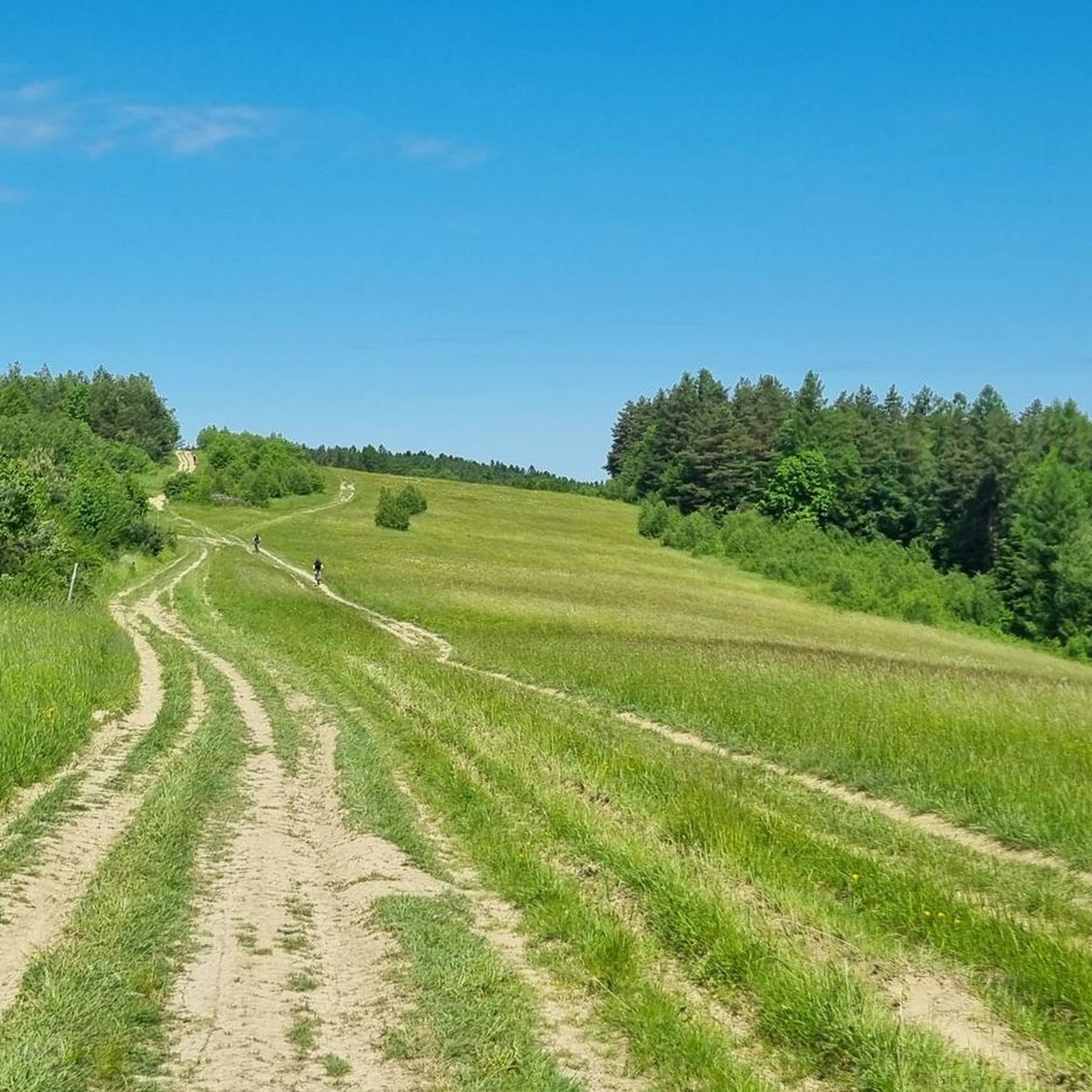
The section Dolina - Zagórz is technically more difficult (stomizna, mud) and less scenic. I do not recommend towing trailers or taking children. There is asphalt only from the Sewage Treatment Plant in Zagórze.
Translated by Google •
Tip by
Sign up now to discover places like this
Get recommendations on the best single tracks, peaks, & plenty of other exciting outdoor places.
Sanok Market Square
Highlight • Settlement
Translated by Google •
Tip by
Sanctuary of St. Andrew Bobola in Strachocina
Highlight • Religious Site
Celebrations every 16th day of the month, most importantly on May 16th.
More:
sanktuaria.maps24.eu/item/sanktuarium-sw-andrzeja-boboli-w-strachocinie
Translated by Google •
Tip by
Church of the Transfiguration (Former Greek Catholic Church, 1820), Manasterzec
Highlight • Religious Site
Construction and equipment. A wooden orthodox church of carcass construction. Oriented. Tripartite, built in the neoclassical style. The presbytery is smaller than the nave, closed rectangular with two side sacristies. Single-ridge roof, covered with sheet metal. The nave with an apparent dome mounted on an octagonal drum with a tin bulbous cupola with a lantern. A small turret above the presbytery. The tower from the front of the post-frame structure. Topped with a tent roof with a spherical cupola with a lantern. Inside, mirror vaults in the women's gallery and presbytery, and an octagonal dome in the nave. music choir. Folk crucifix from the 19th century on a rainbow arch from Haczów. Contemporary figural and ornamental polychrome. Presentation of the Eye of Providence. Original equipment not preserved.
Source:
m.fotopolska.eu/Cerkiew_Przemienienia_Panskiego_Manasterzec
Translated by Google •
Tip by
Sign up for free to discover even more attractions around Sanok.
Already have an account?
Start today with a free account
Your next adventure awaits.
Tips from the Community

The Sanctuary of St. Andrew Bobola in Strachocina is one of the most important pilgrimage sites in Poland, associated with the cult of this exceptional saint. Located in the picturesque village of Strachocina, it attracts both the faithful and tourists interested in history and spirituality. This place is of immense religious significance, with a history dating back to the 17th century, when St. Andrew Bobola was recognized as a martyr and patron saint of Poland.
0
0

The cult of St. Andrew Bobola in Strachocina began on May 16, 1988, when the Saint's relics were solemnly brought into the church and placed in a new altar dedicated to St. Andrew. (...) St. Andrew Bobola appeared in the Jesuit College in Pinsk 45 years after his martyrdom and said: I am your brother Andrew Bobola. And then he pointed to his coffin, which he ordered to be found in the basement and separated from the others. As it turned out, it contained a body preserved from decomposition. In Strachocina, an unknown figure of a priest appeared to parish priests in the 20th century in a similar way. Only after four years did Father Józef Niźnik dare to ask her the question: who are you? and what do you want? - and he heard the answer: I am Saint Andrew Bobola. Start worshipping me in Strachocina. First, he went to the Ordinary with the news he had heard, and then to the Jesuits in Warsaw to verify the "mysterious revelation". When it turned out that St. Andrew was so original in initiating the cult, further preparatory work to start the cult proceeded calmly. The figure that appeared stopped coming. (...)
0
0

You can't miss it. It's a beautiful piece of history.
0
0

The official name of the open-air museum is the Museum of Folk Architecture in Sanok (MBL). It covers a vast area on the right bank of the San River, limited from the north by a high escarpment, on which the Biała Góra housing estate is located, and from the east by the forested area of the Słonne Mountains. A great attraction is the Galician Market Square, where various occasional events are organized, e.g. before the holidays. The open-air museum lives according to its own calendar and is eagerly visited not only by tourists but also by the residents of Sanok. On the open-air museum area, divided into geographical and cultural sectors, you can visit many wooden buildings and see their equipment. The resourcefulness of the residents of that time, who were able to live and support their families in very modest conditions, without electricity, running water, gas and so many devices that we cannot imagine life without today, is admirable. The oil sector is a separate attraction. To get a better understanding of the range of objects gathered here, it is best to use the services of a guide. WW
1
0
Recently, asphalt was laid on the last missing section (counting from the observation tower through Dolina to the Sewage Treatment Plant in Zagórz) - I mean the short section from the barbecue area on the San River towards the buildings of the village of Dolina. The section where the bicycle route moves away from the San River and has the character of a local street, without the "pedestrian and bicycle path" signs. When driving after dark, be careful of the deep ditch along this street.
1
1

Little traffic on the route, good quality asphalt for a road bike.
0
0
In times long past, the Market Square in Sanok was an oasis of greenery in this part of the city. After the change of regime, the trees were cut down, and the Market Square was paved mostly in red, hence its name, Red Square. On hot days, the center of the square is unbearably hot. You can seek refreshment under the umbrellas where ice cream is sold, or by the fountain located closer to City Hall. Even better, stop by the Franciscan Church for a moment and find not only refreshment but also peace. WW
0
0
The pedestrian and bicycle path on the section from the Valley to the sewage treatment plant in Zagórze is already elegantly asphalted. The width allows cyclists and pedestrians to pass each other freely. The descent from the Valley side has a slope of 12%, and the slope is secured with railings to prevent anyone from slipping towards the river. For those coming from Zagórze, it is recommended to get off the bike and ride uphill. This is the only steep place on this section. In Zagórze, on DK84 and Dolina (at intersections), it would be useful to have graphic markings to make it clear where the path begins, because not everyone uses a map. It is worth avoiding the busy and currently under renovation DK84 road and driving along the San River, seeing beautiful views and listening to birds singing instead of the roar of motor vehicles. WW
1
0
Frequently Asked Questions
What historical and cultural sites can I explore in Sanok?
Sanok is rich in history and culture. You can visit the Sanok Castle, which houses the Historical Museum with Poland's most valuable icon collection and the largest collection of works by artist Zdzisław Beksiński. Another significant site is the Museum of Folk Architecture in Sanok, an extensive open-air museum showcasing traditional life and diverse cultures of the region. The city's Market Square also retains a medieval layout and is surrounded by historic buildings, including a Franciscan church.
Are there any family-friendly attractions in Sanok?
Yes, Sanok offers several family-friendly attractions. The Museum of Folk Architecture in Sanok is a great option, with its vast open-air exhibits of historical buildings and the reconstructed Galician Market Square, which often hosts events. The Sanok Market Square is also a pleasant place for families to relax, with fountains and places to eat.
What natural features and outdoor activities are available around Sanok?
Sanok is picturesquely situated on the San River, offering opportunities for outdoor activities like kayaking. The city is also a gateway to the Bieszczady Mountains and is near the Słonne Mountains and Bukowskie Foothills, providing natural beauty and hiking opportunities. For cyclists, the Velo San Cycle Path: Sanok to Zagórz Section offers scenic views along the river.
Where can I find unique points of interest in Sanok?
Beyond the main historical sites, Sanok has some unique spots. In the Old Town, you can find the Statue of the Good Soldier Švejk, a literary character commemorated with a bench. The Museum of Folk Architecture also features a unique oil sector exhibit, highlighting Galicia's role in the 19th-century petroleum industry.
What kind of cycling routes are available near Sanok?
Sanok offers a variety of cycling routes for different skill levels. You can explore easy routes like the 'Mural of a Child Drawing – Sanok Market Square loop' or 'Sosenki Park in Sanok loop'. For more challenging rides, consider the 'San Valley Cycle Path – Sanok Market Square loop' or the 'Sanok - Przemyśl Route on the Trail of the Good Soldier Szwejk'. Many routes offer scenic views along the San River. Find more details on cycling routes at Cycling around Sanok and Road Cycling Routes around Sanok.
Are there hiking trails suitable for beginners around Sanok?
Yes, there are several easy hiking trails around Sanok perfect for beginners. Options include the 'Zip Line Over the San River loop', a general 'Hiking loop from Sanok', or the 'Eagle Rock loop'. These trails typically offer shorter distances and manageable terrain. You can find more information on these and other easy hikes at Easy hikes around Sanok.
What is the significance of the Sanok Castle and its museum?
The Sanok Castle, originally a wooden stronghold, was rebuilt in Renaissance style and stands on a hill overlooking the San River. It houses the Historical Museum, which is renowned for two major collections: Poland's most valuable collection of icons and the largest collection of works by the acclaimed Sanok-born artist, Zdzisław Beksiński. The museum also features religious art, pottery, and military artifacts.
Can I visit historical churches in Sanok?
Yes, Sanok is home to several historical religious buildings. These include the Orthodox Cathedral-Church of the Holy Trinity, built in neo-Classical style, and the parish church of the Transfiguration of Jesus. You can also visit the Franciscan church and monastery, and the Church of the Transfiguration (Former Greek Catholic Church, 1820) in Manasterzec, which has a rich history and unique architecture.
What do visitors enjoy most about the Museum of Folk Architecture in Sanok?
Visitors particularly enjoy the vastness and authenticity of the Museum of Folk Architecture in Sanok. The reconstructed Galician Market Square is a highlight, often hosting events. People appreciate seeing the approximately 150 wooden buildings from the 17th to 20th centuries, which showcase the traditional ways of life of various ethnic groups. The resourcefulness of the past residents and the unique oil sector exhibit are also frequently mentioned.
Is Sanok Market Square accessible for everyone?
The Sanok Market Square is generally considered wheelchair accessible. It features a medieval urban layout with revitalized monumental buildings, fountains, and a historic Franciscan church. While it can get quite warm on hot days due to the paving, there are shaded areas and places to find refreshment.
What is the Velo San Cycle Path and what does it offer?
The Velo San Cycle Path: Sanok to Zagórz Section is a dedicated cycle way that offers scenic views along the San River. It provides an alternative to busy roads, allowing cyclists to enjoy the natural beauty of the area. While some sections may be technically more difficult or undergo road works, parts of the path are elegantly asphalted, making it suitable for both cyclists and pedestrians.
Most popular routes around Sanok
Most popular attractions around Sanok

Get inspired with the komoot mobile app


Explore more
Still not found the Highlight you’re looking for? See guides of the top attractions in other regions:
