Attractions and Places To See around gmina Pruszcz Gdański - Top 20
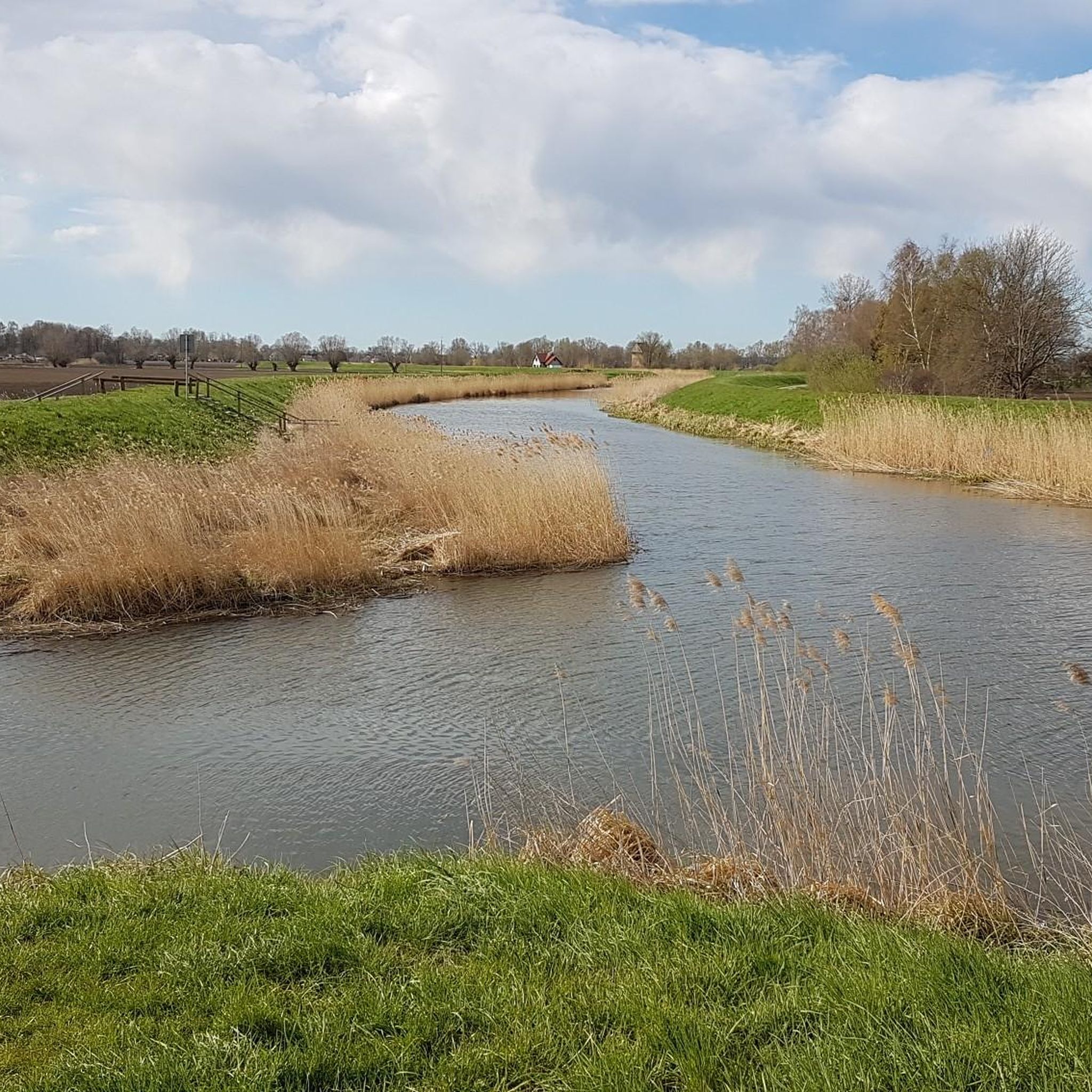
Best attractions and places to see around gmina Pruszcz Gdański include a diverse range of historical sites, cultural landmarks, and natural areas. Located near Gdańsk, the region features ancient trade routes, historical monuments, and serene parks. Visitors can explore the historical significance of the Amber Route and enjoy varied landscapes where the Radunia River meets Żuławy Wiślane and Kaszuby Lakeland. The area offers a blend of rich heritage and picturesque outdoor spaces.
Best attractions and places to see around gmina…
Last updated: August 25, 2026
Neptune Fountain (Fontanna Neptuna), Gdańsk
Highlight • Monument
Translated by Google •
Tip by

Gdańsk Crane (Żuraw)
Highlight • Monument
Translated by Google •
Tip by
Sign up now to discover places like this
Get recommendations on the best single tracks, peaks, & plenty of other exciting outdoor places.
Sign up for free
Green Gate (Zielona Brama)
Highlight • Monument
Translated by Google •
Tip by

Mariacka Street (Frauengasse — Women's Lane), Gdańsk
Highlight • Historical Site
Translated by Google •
Tip by
The Golden Gate (Złota Brama), Gdańsk
Highlight • Monument
It was created …
Tip by

Sign up for free to discover even more attractions around gmina Pruszcz Gdański.
Sign up for free
Already have an account?
Start today with a free account
Your next adventure awaits.
Login or Signup

Tips from the Community


The street begins at St. Mary's Church and leads eastward to the Motlawa River, the medieval Mariacka Gate, and the adjacent House of the Natural History Society. Away from the through traffic of Long Street, the alleys around St. Mary's Church, and especially in Mariacka Street, often offered a quiet atmosphere reminiscent of the "tranquility of old Gdańsk days." With its narrow, richly decorated town houses and the "beischläge" (raised terraces located in front of the actual front door, often reached via ornate staircases), it is an example of Gdańsk's former street architecture. In 1945, Mariacka Street was completely destroyed and rebuilt in the 1950s and 1960s. One architectural critic has stated that today's Mariacka Street "contains the design quintessence of the entire city." Mariacka Street has served as the backdrop for several film productions. For example, in Buddenbrocks, where she portrayed "the beautiful world of Lübeck's patricians." "Yet, one has never seen additions of such grandeur and decorative opulence on the Trave." Several well-known personalities lived or worked in Frauengasse at various times: Frauengasse No. 2 During the Weimar Republic, the Protestant pastor and writer Artur Brausewetter (1864–1946) lived here. He was a deacon from 1893 and archdeacon from 1908 at St. Mary's Church in Gdansk, and wrote around 50 novels. House No. 2 in Frauengasse, a 17th-century building, served as the rectory of St. Mary's Church and, from the church's perspective, was the second house on the right side of the street. Frauengasse No. 3 From around 1934, the Karl Formell printing and publishing house was located here, run by Karl Formell, a trade union official and senator in Gdansk (Central City). The publishing house primarily published Catholic publications. Frauengasse No. 11 Between 1807 and 1814, this was the residence of Dagobert von Vegesack, a Prussian major who also served as resident and police chief in Danzig. Frauengasse No. 52 From 1909, the Protestant pastor Hermann Daniel lived here. Daniel, who was a deacon at St. Mary's Church in Danzig at the same time as Archdeacon Artur Brausewetter, who lived at Frauengasse No. 2. Source: Wikipedia
4
0

Beautiful building in the city center
2
0

Gdańsk has many attractions to offer visitors. One of such places is Bursztynowa Street.
5
0

The Golden Gate (Polish: Złota Brama, German: Langgasser Tor) is a historic Renaissance city gate in Gdańsk, Poland. It is located within the Royal Route, the most prominent part of the historic city center and is one of its most notable tourist attractions. It was created in 1612–14 in place of a 13th-century gothic gate, the Brama Długouliczna (Long Street Gate). It is located at one end of Ulica Długa (Long Lane), where, together with Brama Wyżynna (Highland Gate) and Wieża Więzienna (Prison Tower), it forms a part of the old city fortifications.
6
1

The Green Gate divides the beautiful old town with the part of the city on the waterfront of the Motlawa.
7
0

One of the most famous streets/alleys in Gdansk.
4
0
This alley is very fascinating. The beautiful houses with the cellar shops that offer everything possible made of amber.
5
0
Frequently Asked Questions
What historical sites can I explore in Gmina Pruszcz Gdański?
Gmina Pruszcz Gdański is rich in history. You can visit the reconstructed ancient amber settlement, "Faktoria", which showcases the region's role on the Amber Route. Other significant sites include the Gothic brick Church of the Exaltation of the Holy Cross, dating back to the mid-14th century, and the historic Radunia Canal, crucial for powering facilities in Gdańsk since the 13th century.
Are there any unique cultural attractions in the area?
Beyond historical sites, Gmina Pruszcz Gdański offers cultural experiences. The Culture and Sport Centre actively promotes local arts and sports. The Municipal and Provincial Public Library hosts author meetings, exhibitions, and concerts. Additionally, the International Baltic Culture Park, with its amphitheater and gardens, is a hub for events and performances.
Where can I find natural areas for walks and relaxation?
The region boasts several beautiful natural spaces. The Post-Manorial Parks, such as those in Rotmanka, Arciszewo, and Rekcin, offer peaceful environments with centuries-old trees, ponds, and diverse birdlife. The Forest Park in Rotmanka, for example, features 150-year-old maples and beeches with educational nature paths.
What water-based activities are available in Gmina Pruszcz Gdański?
You can enjoy canoeing along the Motława River, which is particularly recommended for families. There are five marinas along the route, and you can even reach Gdańsk by canoe. For sailing enthusiasts, the Wiślinka Yachting Marina is located on the Martwa Wisła (Dead Vistula) and is part of the Żuławy Loop tourist trail.
Are there family-friendly attractions in Gmina Pruszcz Gdański?
Yes, several attractions cater to families. Canoeing on the Motława River is a popular choice. The International Baltic Culture Park features a playground and a skate park, making it a great spot for children. Many of the revitalized Post-Manorial Parks also offer outdoor gyms and playgrounds, like the one in Rekcin.
What kind of hiking trails can I find near these attractions?
For those looking to hike, there are several easy trails available. You can explore routes like the Sobieszewo Forest Rest Area – Ptasi Raj Nature Reserve loop or the Sobieszewo Forest Rest Area – Piesza Rada Rest Area loop. More options for easy hikes can be found in the guide: Easy hikes around gmina Pruszcz Gdański.
Can I go cycling in the Gmina Pruszcz Gdański area?
Absolutely! The region offers various cycling routes. You can try the Żuławka–Straszyn Bike Path – Mill in Pruszcz Gdański loop or the Ferber Park – St. Adalbert's Church loop. For more cycling adventures, check out the guide: Cycling around gmina Pruszcz Gdański.
Are there mountain biking trails in Gmina Pruszcz Gdański?
Yes, mountain biking enthusiasts will find trails to explore. Options include the Świbno–Mikoszewo Ferry – Przegalina Lock loop or the Prędzieszyn hydroelectric power plant – Bieszkowickie Lake loop. Discover more MTB trails in the dedicated guide: MTB Trails around gmina Pruszcz Gdański.
What are some notable historical buildings within Pruszcz Gdański town?
Within Pruszcz Gdański itself, you can see the Former Pastor's House, which dates back to 1755 and is the oldest preserved residential building in the town, now housing the public library. Another interesting structure is Wiedemann's House, a half-timbered building from the turn of the 18th and 19th centuries, known for its distinctive arcade.
What industrial heritage sites can be found in the region?
An important monument to industrial heritage is the Pruszcz I Hydro Plant, which dates from 1921. This site offers a glimpse into the region's industrial past and its use of the Radunia River's power.
What do visitors enjoy most about the attractions around Gmina Pruszcz Gdański?
Visitors frequently appreciate the blend of historical significance and natural beauty. The historical sites, like the reconstructed amber settlement, offer a unique insight into ancient trade. The serene parks and waterways provide excellent opportunities for relaxation and outdoor activities. The community has shared over 700 photos and nearly 800 upvotes, highlighting the diverse appeal of the area.
Most popular routes around gmina Pruszcz Gdański
Most popular attractions around gmina Pruszcz Gdański

Get inspired with the komoot mobile app


Explore more
Still not found the Highlight you’re looking for? See guides of the top attractions in other regions:
