Attractions and Places To See around Malbork - Top 20
Attractions and places to see around Malbork include historical sites and natural features along the Nogat River in the Vistula Delta. The city is primarily known for its UNESCO World Heritage site, the Malbork Castle, which is the largest brick castle globally. Beyond the castle, visitors can explore other historical landmarks, cultural sites, and scenic riverside paths. The region offers a variety of experiences for those interested in history and outdoor exploration.
Best attractions and places to see around Malbork
…Last updated: August 25, 2026
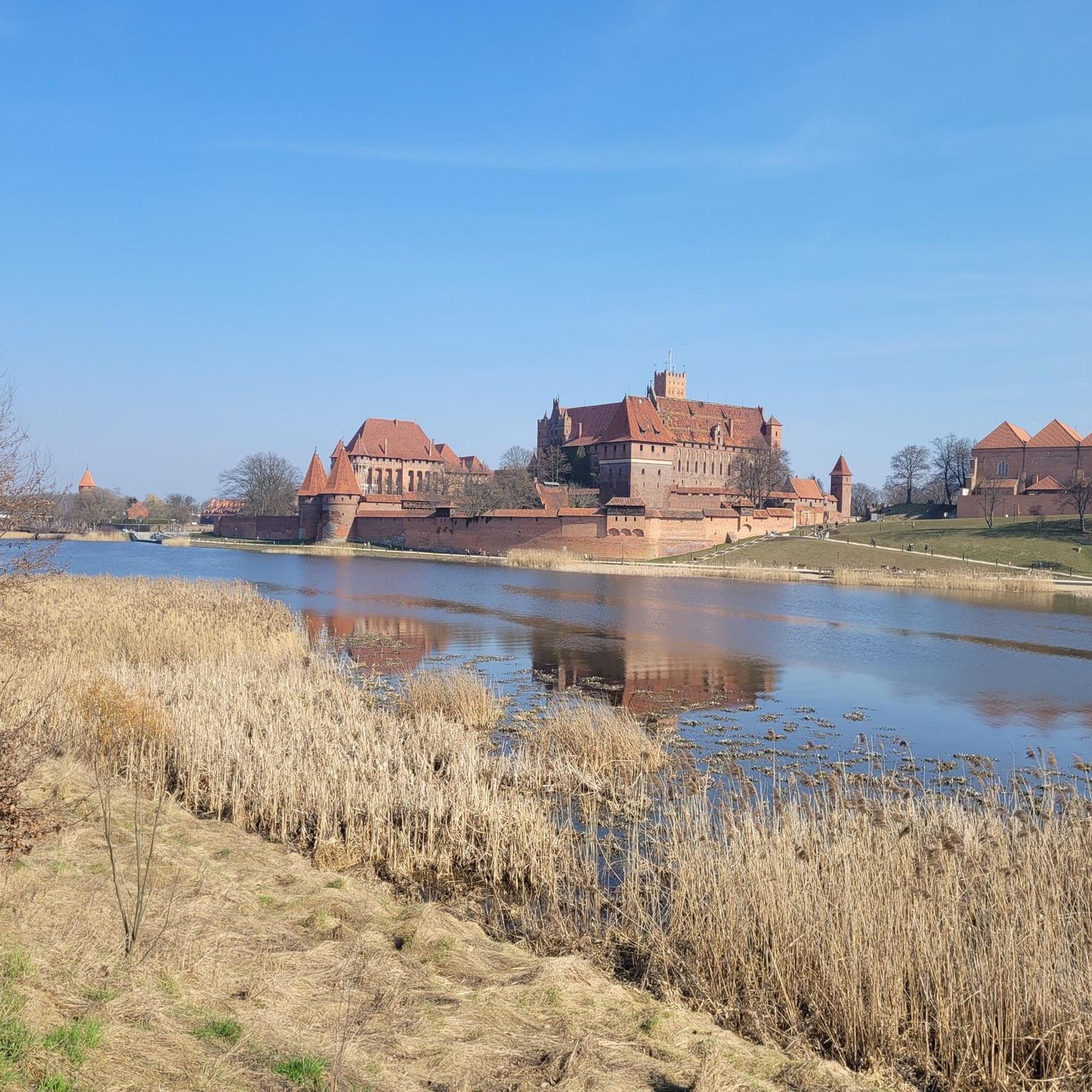
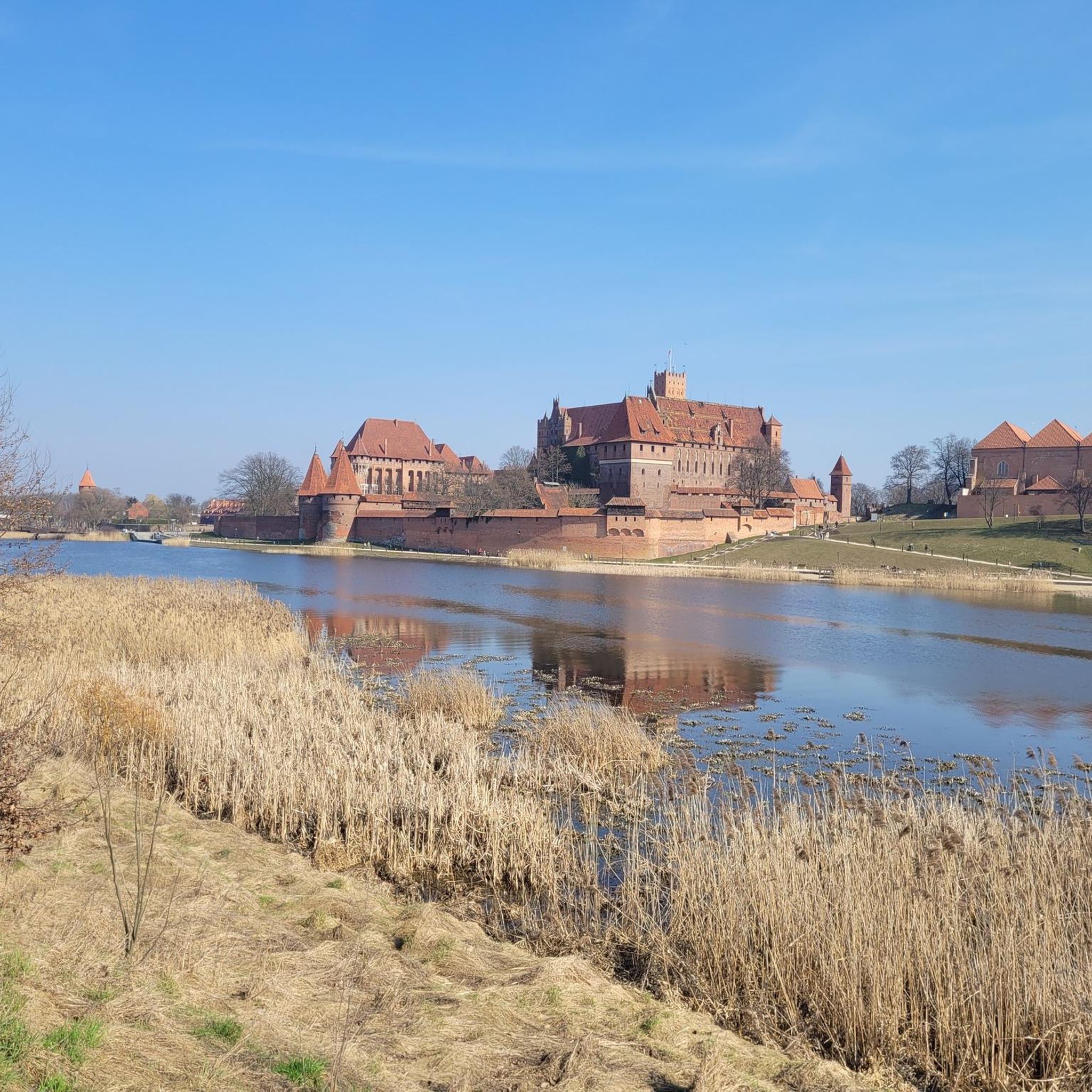
Malbork Castle
Highlight • Castle
Showing Translation
Tip by

Malbork Castle (Castle in Malbork)
Highlight • Castle
Translated by Google •
Tip by

Sign up now to discover places like this
Get recommendations on the best single tracks, peaks, & plenty of other exciting outdoor places.
Sign up for free
Wooden Footbridge to Malbork Castle
Highlight (Segment) • Bridge
Translated by Google •
Tip by
Malbork Market Square and Fountain
Highlight • Settlement
Translated by Google •
Tip by

Monument of King Casimir IV Jagiellon
Highlight • Monument
Tip by

Sign up for free to discover even more attractions around Malbork.
Sign up for free
Already have an account?
Start today with a free account
Your next adventure awaits.
Login or Signup
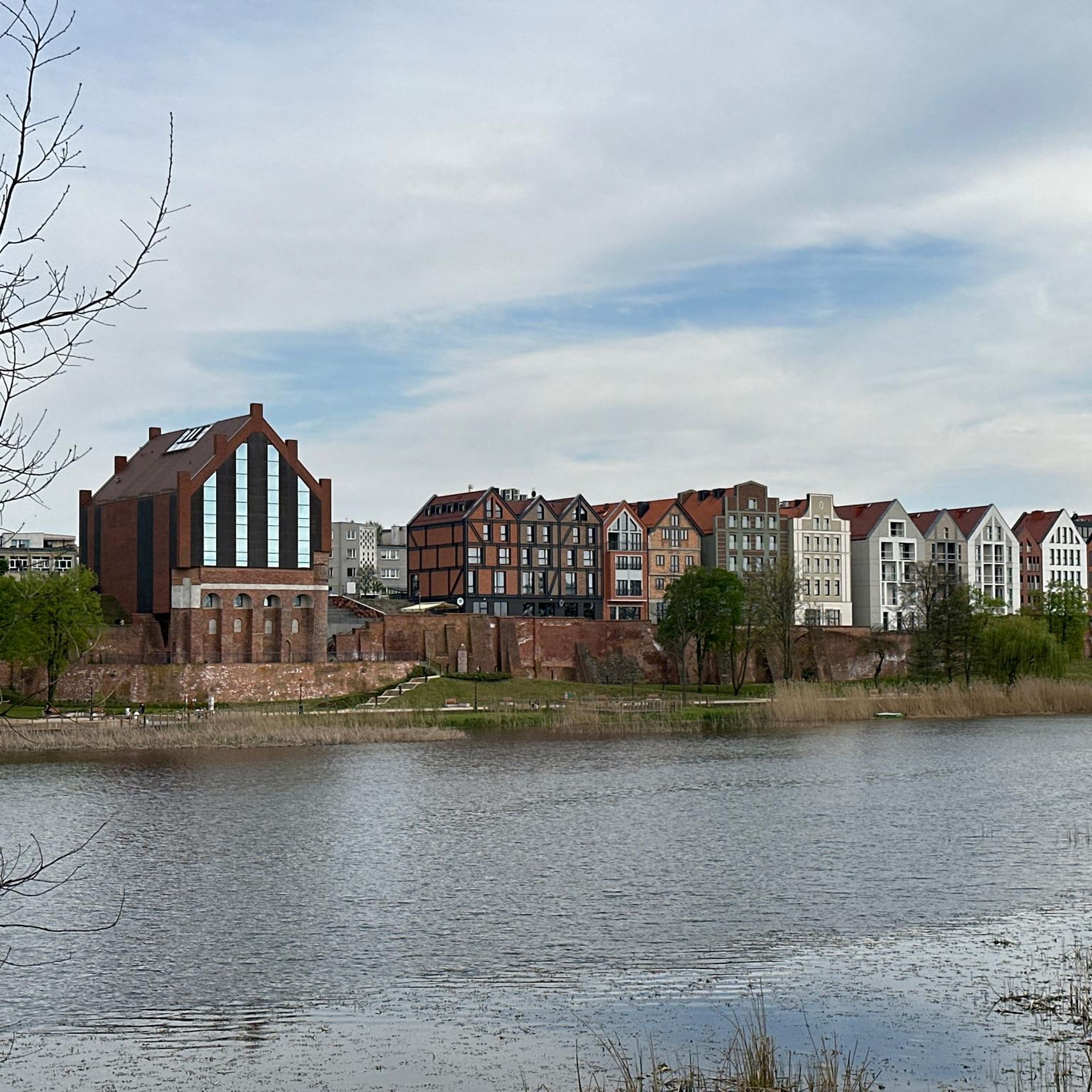
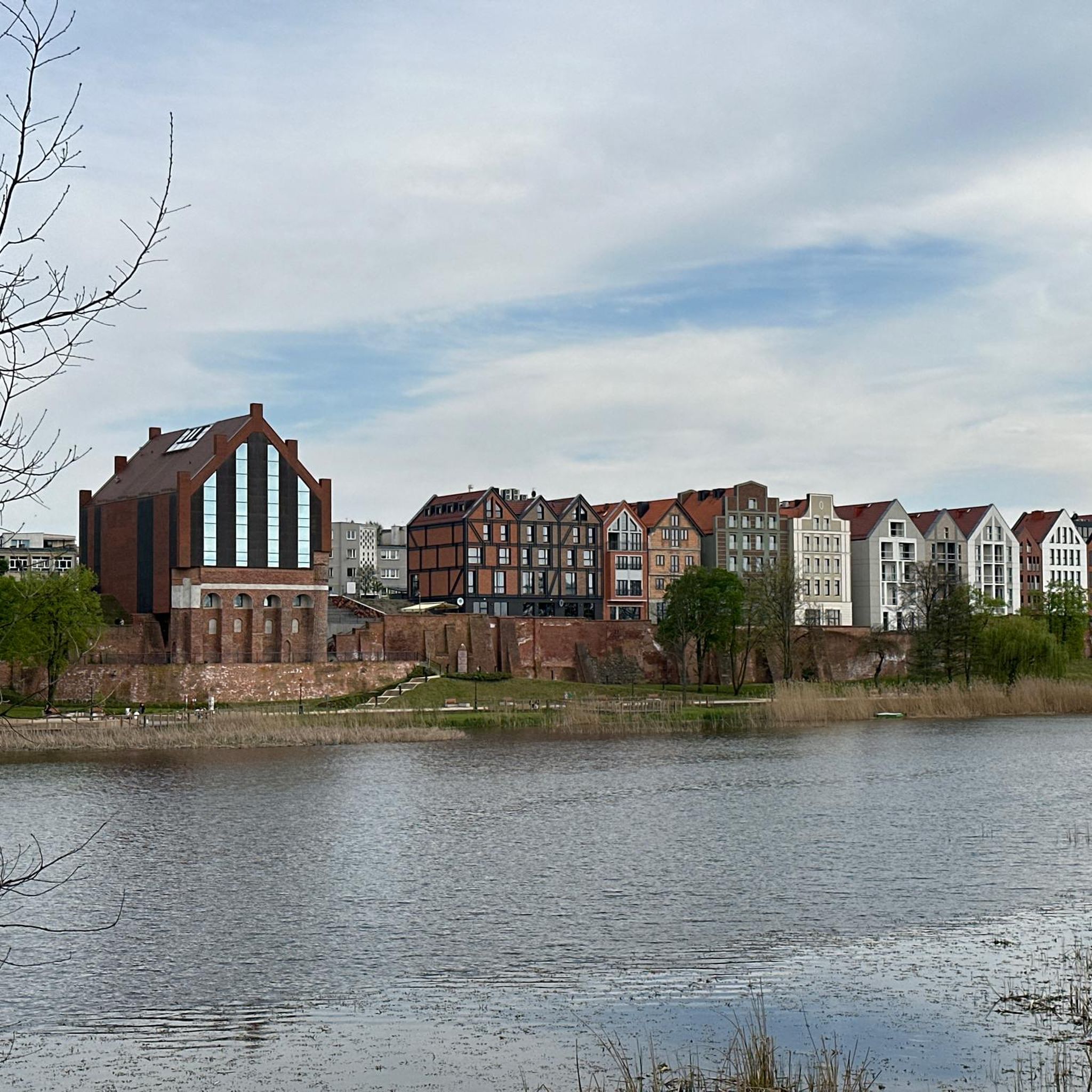
Other adventures around Malbork

Tips from the Community

A place of numerous meetings, shows, concerts, and street performances for the delight of tourists. A town square with a fountain in the shape of a knight's shield with swords, referring to medieval history. The main attraction of this place is the fountain. Water flows from almost 50 jets and "dances" to the rhythm of selected sounds. The colorful water jets provide a unique show, especially after dark. In summer, every Friday and Saturday, the historical shows of the fountain can be heard. This interesting, half-hour performance presents the history of Malbork. https://de.visitmalbork.pl/1156,Tanzender-bunter-Springbrunnen.html
2
0
The monument was erected in the pedestrian zone in 2010 and depicts the figure of King Casimir IV. Andreas with a scepter in his hand. The sculpture, with a height of 348 cm, was cast entirely from bronze. This is a monument to the Polish king who, in June 1457, with his triumphant entry into Malbork, initiated the so-called Polish times, which lasted for 315 years. The monument of King Casimir IV. Andreas was intended to commemorate the Polish history of the city.
3
0
The St. Adalbert Bridge (Most im. św. Wojciecha) spans the Nogat River and leads you with the very best panoramic views of Marienburg Castle to the largest brick castle in the world. It connects the modern promenade (Bulwar im. Macieja Kilarskiego) on the city side directly with the castle grounds.
2
0

Super great castle
3
0

On June 8, 1457, the Polish King Casimir IV Jagiellonczyk rode into Malbork Castle after Poland had seized it from Teutonic mercenaries and received homage from the town's citizens. This event marked the beginning of the "Polish Era" in the town. The reign would last for over three hundred years until the first partition of Poland by Prussia and Russia in 1772. The reign of King Casimir (Casimir in English) is considered the beginning of the Polish Golden Age, during which the Jagiellonian dynasty became one of the greatest Polish dynasties. Kazimierz was the second son of Wladyslaw II Jagiello, Grand Duke of Lithuania, who took Christian baptism and married the Polish Queen Jadwiga, thus uniting the two nations in an alliance that would lead to the first of a series of ultimately fatal cases. www.germnews.de/archive/dn/1995/02/15.html
0
0

Stop to enjoy the view. Then nice snacks and drinks are provided at a small market after the bridge.
1
0
Frequently Asked Questions
What historical landmarks can I explore in Malbork besides the main castle complex?
Beyond the main castle, Malbork offers several historical landmarks. You can see the fragments of the city's 14th-century defense system, including the Pottery Gate and St. Mary's Gate. The Old Town Hall is another splendid building in the Old Town. Don't miss the Monument of King Casimir IV Jagiellon, which commemorates a significant moment in the city's Polish history. Additionally, the Church of Holy Mother of Eternal Help and the Church of St. John the Baptist are notable historical churches.
Are there any natural features or scenic spots to enjoy in Malbork?
Yes, the picturesque Nogat River flows through Malbork, offering scenic views, especially of the castle. You can enjoy riverside paths, such as the Maciej Kilarski Boulevard, which is perfect for strolling. Small boat tours on the Nogat provide unique perspectives of the castle's architecture from the water. Green spaces like Skwer Esperanto and Park Miejski also offer pleasant natural surroundings.
What family-friendly attractions are available in Malbork?
Malbork has several options for families. While the Malbork Castle itself is family-friendly, a unique attraction is DinoPark, featuring moving dinosaurs and dragons, a cavemen's village, a jungle safari, a fossil museum, a 5D cinema, and a rope park. The Malbork Market Square and Fountain area also provides a central point for exploring with children, with a promenade along the Nogat River.
What outdoor activities can I do near Malbork?
The area around Malbork is great for outdoor activities. You can find various routes for hiking, running, and road cycling. For hiking, consider easy loops like the 'Little Knight loop from Malbork Kałdowo' or the 'Marina – Knight's Trail with Legends loop from Malbork'. Runners might enjoy the 'Nogat Riverside Park loop from Malbork'. Cyclists have options like the 'Malbork Castle – View of Malbork Castle loop from Wielbark'. You can find more details on these and other routes in the Hiking around Malbork, Running Trails around Malbork, and Road Cycling Routes around Malbork guides.
Are there any wheelchair-accessible attractions in Malbork?
Yes, some attractions in Malbork offer wheelchair accessibility. The Monument of King Casimir IV Jagiellon is noted as wheelchair accessible. While the extensive Malbork Castle complex has varying levels of accessibility, efforts are made to accommodate visitors. It's always advisable to check with specific venues for the most up-to-date accessibility information.
What is the best time of year to visit Malbork?
Malbork is generally pleasant to visit from spring through early autumn (April to October) when the weather is mild and conducive to exploring the castle and riverside paths. Summer months offer longer daylight hours and more events, but can also be busier. The castle is open year-round, so even winter visits are possible, offering a different, often quieter, experience.
Where can I find local food and shops in Malbork?
The Malbork Town Center, away from the castle, features cozy streets with local bakeries, restaurants serving traditional Polish staples, and shops. You can find souvenirs like amber jewelry and wooden crafts. The Malbork Market Square and Fountain area also has a promenade with numerous cafes and restaurants, perfect for a break.
Are there any lesser-known cultural sites or 'hidden gems' in Malbork?
Beyond the main castle, Malbork has some interesting cultural sites. The Old Jerusalem Hospital, a beautifully restored building, now houses the Nova Galeria (New Gallery) with changing exhibitions. The Malbork Culture and Education Center, in a reconstructed building, includes an Open-Air Museum of Old Crafts, a Mediateka, and an astronomical observatory. Keep an eye out for the bronze Marian Knight Figurines (Rycerz Marianek), the city's mascot, found in various spots around town.
What is the Mennonite cemetery in Stogi, and why is it notable?
The Mennonite cemetery in Stogi is one of the largest and most beautiful Mennonite cemeteries in Poland. It spans approximately 2.6 hectares and features around 260 borders of graves, including single, double, and children's graves. You can observe 78 steles characteristic of Mennonite culture, as well as other forms like crosses, plaques, and tombs. It offers a unique glimpse into the history and culture of the Mennonite community in the Żuławy region.
What do visitors particularly enjoy about the attractions around Malbork?
Visitors frequently praise the sheer scale and historical significance of the Malbork Castle, often noting its impressive brick architecture and the detailed insights into the Teutonic Knights' history. The scenic views of the castle from the Nogat River and the pleasant atmosphere of the Malbork Market Square are also highly appreciated. The community has shared over 400 photos and given more than 180 upvotes to the attractions in the area, highlighting their visual appeal and overall positive experience.
Can I find information about the history of amber in Malbork?
Yes, the Malbork Castle Museum, located within the Middle Castle section, houses an extensive Amber Collection. This collection is dedicated to the history of amber in Poland, showcasing its significance and beauty. The museum also features rotating exhibitions and cultural events that delve into Malbork's medieval heritage.
Most popular routes around Malbork
Most popular attractions around Malbork

Get inspired with the komoot mobile app


Explore more
Still not found the Highlight you’re looking for? See guides of the top attractions in other regions:
