The best cycling routes around Kozy
4.6
(34)
313
riders
43
rides
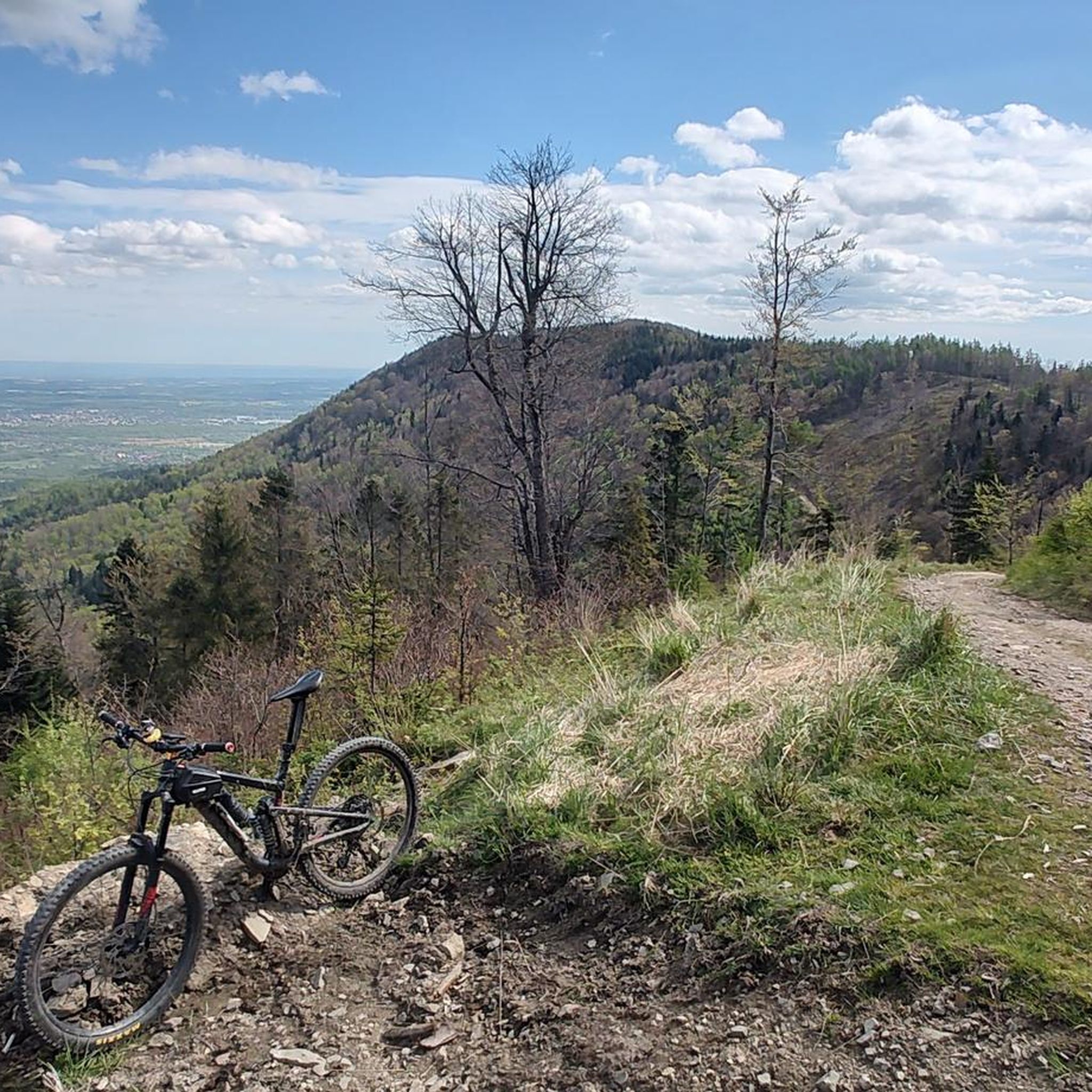
Touring cycling routes around Kozy are situated within Poland's Bielsko County, offering access to the Beskid Mały mountain range. The region features a blend of forested and mountainous terrain, providing diverse routes with varying elevation gains. Many trails include wide forest roads, though some sections may require pushing bikes. This area is characterized by its natural landscapes and less crowded trails, suitable for active exploration.
Best touring cycling routes around Kozy
- The most popular touring cycling route is Illuminated Bridge…
Last updated: October 13, 2026
4.7
(3)
54
riders
37.2km
02:34
630m
630m
Hard bike ride. Very good fitness required. Mostly paved surfaces. Suitable for all skill levels.
4.1
(8)
42
riders
44.1km
02:40
260m
260m
Moderate bike ride. Good fitness required. Mostly paved surfaces. Suitable for all skill levels.

4.0
(1)
24
riders
60.7km
04:36
1,090m
1,090m
Hard bike ride. Very good fitness required. Mostly paved surfaces. Suitable for all skill levels.
14
riders
24.2km
02:02
580m
580m
Hard bike ride. Very good fitness required. You may need to push your bike for some segments of this route.
15
riders
36.2km
02:40
810m
810m
Hard bike ride. Very good fitness required. Mostly paved surfaces. Suitable for all skill levels.
Get access to more routes and recommendations from other explorers.
Already have an account?
Our route recommendations are based on thousands of hikes, rides, and runs completed by other people on komoot.
Start today with a free account
Your next adventure awaits.

Tips from the Community

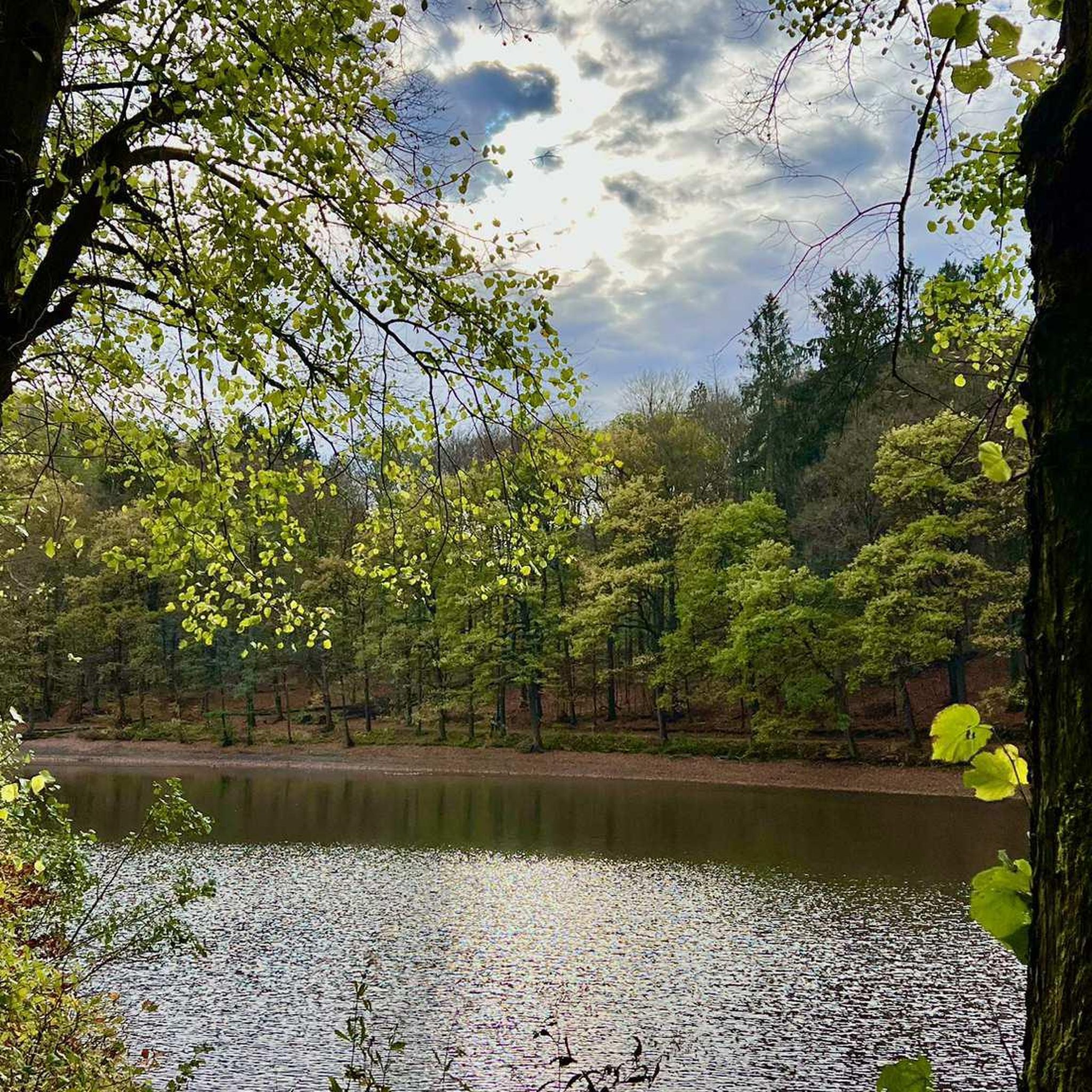
Worth visiting, beautiful view of the lake.
0
0

Zapora Porąbka (Międzybrodzie Bialskie) Object type: Dam and hydroelectric power plant. Height: 37.3 meters. Length: 260 meters River: Soła. Completion: 1936 (project by prof. Gabriel Narutowicz). Attractions: Viewpoint over Beskid Mały and Lake Międzybrodzkie. For cyclists/hikers: An asphalt road with a sidewalk runs across the dam's crest, allowing for safe passage and enjoyment of the panorama. It serves as an excellent landmark and a connecting point for routes around the lakes of the Soła cascade.
0
0

Quite high when you stand in front of it. There are free parking spaces directly in front ✌🏻
0
0
Right by the ski jump there is a free parking lot 😉
0
0
Entering Wilamowice, you step into one of the most fascinating cultural enclaves in Europe! The town's name (in the local language: Wymysoü) comes directly from the name Wilhelm (William) – a legendary Flemish or Frisian nobleman. In the 13th century, Wilhelm brought a group of settlers from Western Europe (present-day Belgium, the Netherlands, and even Scotland) who were fleeing great floods to this region. For centuries, the community, living in isolation, created its own unique Wilamowice language (wymysiöeryś), which has survived to this day and is the smallest living language in Poland. What is worth seeing here? Museum of Wilamowice Culture – a modern place where you can learn about the history of Wilhelm's migrants. Unique costumes and traditions – if you are lucky, you will see local women in colorful, traditional costumes with Frisian motifs. The Market Square in Wilamowice – the intimate center of the town, perfect for a short break on your cycling route.
0
0
Wilamowice and Stara Wieś The first settlers from the West did not found one village, but two twin settlements located right next to each other. This is confirmed by the oldest church documents (lists of tithes) from 1326: Stara Wieś – recorded in the documents as Antiquo Willamowicz (Old Wilamowice). Wilamowice – recorded as Novovillamowicz (New Wilamowice). Interestingly, the fates of the inhabitants of both villages took completely different paths: The inhabitants of Stara Wieś were very quickly assimilated with the surrounding Polish population. They adopted their language and customs, thereby erasing their Western roots. In turn, the inhabitants of (New) Wilamowice abandoned farming in favor of crafts and trade, lived in isolation, and thanks to this, preserved their unique language (wymysiöeryś), costumes, and cultural distinctiveness for centuries. Hypothesis about settlers from Scotland.. Mention of Scots appear regularly in the Wilamowice tradition alongside Flemings and Frisians. Local tradition in the Municipality of Wilamowice still officially upholds the version that the founding core consisted of fugitives from Western Europe, among whom, alongside the dominant Flemings and Frisians, there was also a group of Scots. Influence on language: Some researchers and the Wilamowians themselves have pointed out that in the Wilamowice language, one can find isolated sounds or archaic words that phonetically show a surprising similarity not only to Dutch, but also to Celtic languages or Old Scots (Scots) and Anglo-Saxon. Traces in surnames: Part of the family names and nicknames in Wilamowice has, over the years, been attempted to be etymologically linked to origins from the British Isles.
0
0
Wilamowice is a town near Bielsko-Biała, called "Polish Flanders". It is famous for its unique community: Wilamowian language: A distinct Germanic language that survived despite persecution after 1945. It is currently undergoing intense revitalization, and young scientists are conducting research on it. Traditions: Residents still cultivate colorful local customs today, cherishing the memory of 13th-century settlers from Western Europe. Wilamowian costume: The group also uses its own very characteristic and richly decorated traditional folk costume.
0
0

Current Condition and Accessibility Ownership: For a long time, the manor house was owned by the Porąbka Commune and housed the Village Cultural Center. However, a court recently ruled in favor of the heirs of the former owners, sparking a dispute over the future of the property. Technical Condition: Unfortunately, the building is currently neglected and requires extensive renovation, although it has great potential. Tours: The manor house is located within the manor complex, but access to its interior may be limited due to its technical condition and legal status. It is worth contacting the Porąbka Commune Cultural Center for up-to-date information on potential cultural events and tours. (tel. (33) 810 84 03)
1
0
Frequently Asked Questions
What kind of terrain can I expect when touring cycling around Kozy?
The area around Kozy is characterized by its forested and mountainous terrain, offering diverse routes within the Beskid Mały mountain range. You'll find many trails feature wide and comfortable forest roads, though some sections may require pushing your bike, especially after rain, due to the natural rhythm of the landscape.
How many touring cycling routes are available in the Kozy area?
There are over 45 touring cycling routes around Kozy, catering to various skill levels. This includes 13 easy routes, 21 moderate routes, and 12 difficult routes, ensuring options for every cyclist.
Are there any family-friendly touring cycling routes near Kozy?
Yes, Kozy offers several routes suitable for families. For an easier ride, consider one of the 13 easy routes available. While specific family-friendly routes aren't detailed, the region's less crowded trails and diverse terrain provide opportunities for enjoyable outings with varying difficulty levels.
What are some scenic viewpoints or natural features I can see on a touring cycling route?
The Beskid Mały mountain range offers stunning natural beauty. You might encounter expansive views from peaks like Hrobacza Łąka, which stands at 828 meters and features a distinctive metal cross. Another significant landmark is Czupel, the highest peak in the Beskid Mały at 933 meters. The Illuminated Bridge in Porąbka – Porąbka Dam loop from Kozy offers scenic views around the Porąbka Dam itself.
Are there any circular touring cycling routes around Kozy?
Many of the touring cycling routes around Kozy are designed as loops, allowing you to start and finish in the same location. Examples include the popular Illuminated Bridge in Porąbka – Porąbka Dam loop from Kozy and the Illuminated Bridge in Porąbka – View of Przełęcz Targanicka loop from Kozy Zagroda.
What kind of historical or cultural attractions can I explore near the cycling routes?
Beyond the natural landscapes, you can explore several historical sites. The Czeczów Palace in Kozy is a neoclassical palace with preserved manor buildings and a public park. Other nearby attractions include Łodygowice Palace, Sulkowski Castle, and the Bielsko-Biała Town Hall.
What do other touring cyclists enjoy most about cycling in Kozy?
The touring cycling routes around Kozy are highly rated by the komoot community, with an average score of 4.7 stars from over 30 reviews. Cyclists often praise the region for its natural beauty, the freedom to choose their pace, and the immersive experience offered by the less crowded trails of the Beskid Mały mountain range.
Are there any challenging routes for experienced touring cyclists?
Yes, Kozy offers several challenging routes for experienced touring cyclists. For instance, the Bielsko-Biała Town Hall – Karkoszczonka Pass loop from Krzemionki is a difficult 62.3 km path with a significant elevation gain of over 1000 meters. Another demanding option is the Porąbka Dam – Illuminated Bridge in Porąbka loop from Kozy, featuring over 580 meters of ascent.
What is the best time of year for touring cycling in Kozy?
The Beskid Mały region is generally enjoyable for cycling from spring through autumn. The natural landscapes are particularly vibrant during these seasons, offering pleasant temperatures for exploration. While specific seasonal considerations are not detailed, the less crowded nature of the trails makes it a good option for a peaceful ride outside of peak tourist times.
Are there any places to rest or get refreshments along the routes?
While specific cafes or pubs directly on every route are not listed, the region's popular peaks often feature tourist shelters. For example, Hrobacza Łąka has a tourist shelter where you can rest and get refreshments after your climb. For more options, you'll find amenities in Kozy itself and nearby towns.
What is the longest touring cycling route available from Kozy?
One of the longest and most challenging routes is the Bielsko-Biała Town Hall – Karkoszczonka Pass loop from Krzemionki, which spans 62.3 km and involves a substantial elevation gain, making it suitable for a longer, more demanding day out.
Can I find routes that offer views of the Porąbka Dam?
Yes, several routes incorporate views of the Porąbka Dam. The Illuminated Bridge in Porąbka – Porąbka Dam loop from Kozy is a moderate route specifically designed to showcase the dam and its surroundings, offering scenic views throughout.
Most popular routes around Kozy
Most popular attractions around Kozy

Get inspired with the komoot mobile app


Explore more
Browse the best Cycling routes in other regions.
