The best MTB trails around Masłów
4.7
(243)
1,584
riders
172
rides
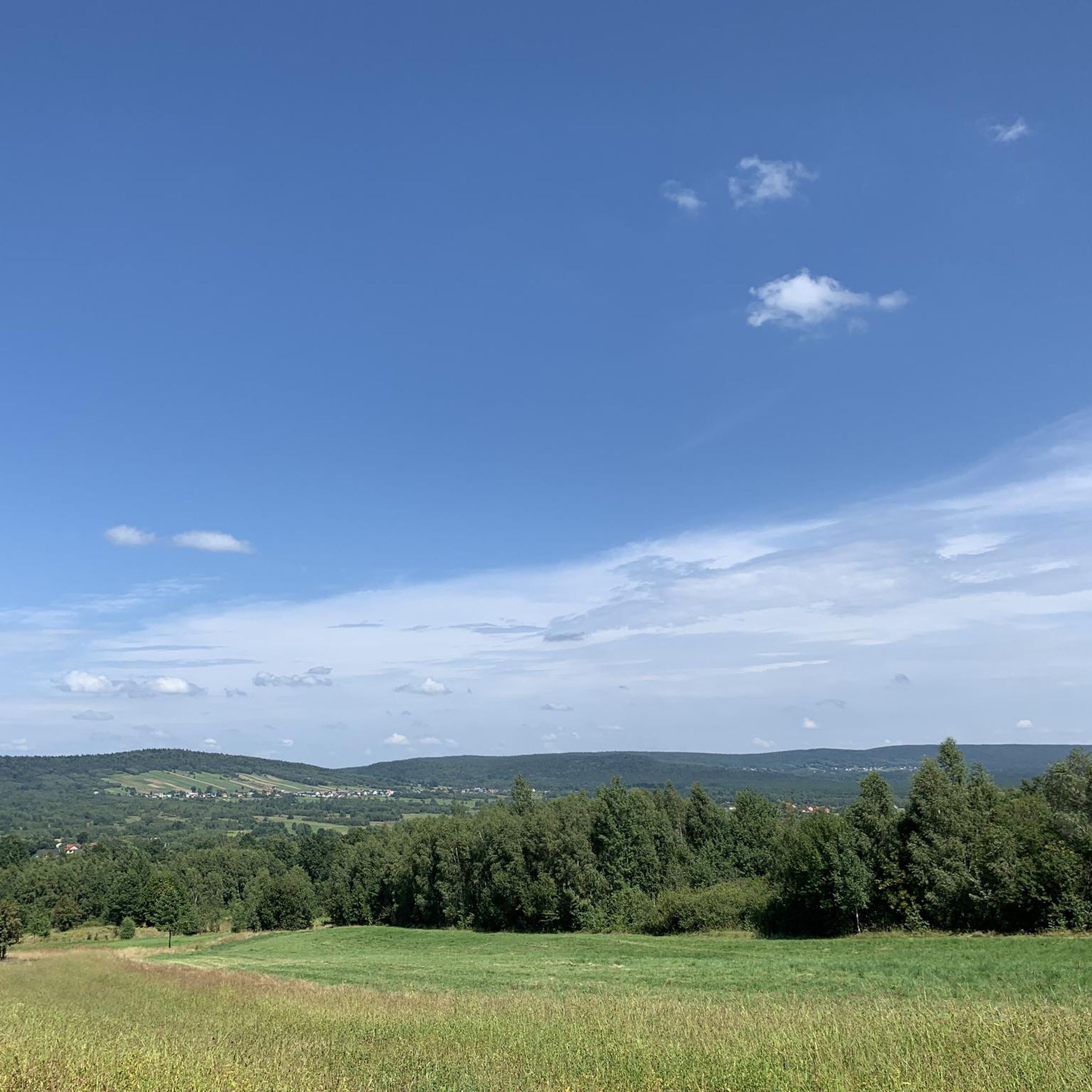
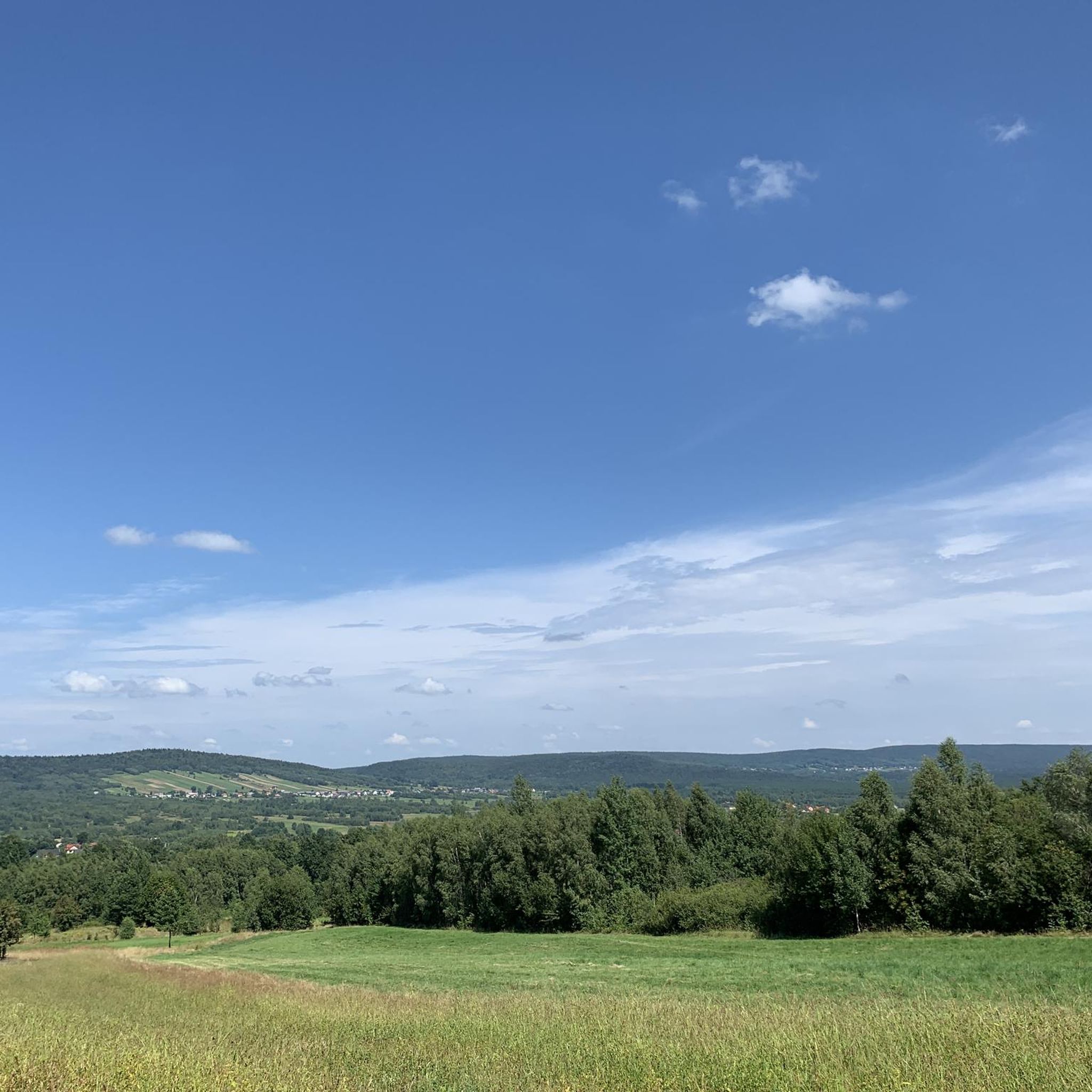
Mountain biking around Masłów is characterized by the diverse landscapes of the Świętokrzyskie Mountains, Poland's oldest mountain range. The region features rolling hills, dense forests, and deep valleys, offering varied terrain for cyclists. Specific ranges like the Masłów Range, including Klonówka and Dąbrówka Hills, provide challenging mountain biking trails with significant elevation changes. The area also includes natural features such as the St. Francis' Spring and is close to the Świętokrzyski National Park.
Best mountain bike trails around Masłów
- The…
Last updated: October 8, 2026
4.5
(8)
39
riders
27.5km
02:33
540m
540m
Moderate mountain bike ride. Good fitness required. Advanced riding skills necessary.
4.9
(9)
56
riders
44.4km
03:30
570m
570m
Moderate mountain bike ride. Good fitness required. Advanced riding skills necessary.

4.5
(6)
27
riders
Moderate mountain bike ride. Great for any fitness level. Advanced riding skills necessary.
5.0
(3)
14
riders
23.8km
01:22
110m
110m
Easy mountain bike ride. Great for any fitness level. Suitable for all skill levels.
11
riders
47.4km
03:13
400m
400m
Moderate mountain bike ride. Good fitness required. Advanced riding skills necessary.
Get access to more routes and recommendations from other explorers.
Already have an account?
Our route recommendations are based on thousands of hikes, rides, and runs completed by other people on komoot.
Start today with a free account
Your next adventure awaits.


Tips from the Community

Beach, toilets, restaurants> Excellent refreshment stop, beautiful beach. Crowded on warm days.
0
0

The symbolic grave of Scout Wojtek Szczepaniak is located in the forest at Kielce's Forest Stadium. It is best reached from the intersection of Kusocińskiego and Na Stadion Streets. A blue signpost marks the spot. Seventeen-year-old Wojtek Szczepaniak, a Scout named "Zawiszak" from the Grey Ranks Battalion, was captured by the Germans in August 1944 while carrying a report to Daleszyce on his bicycle. Tortured by the Gestapo in Kielce, he remained steadfast after several weeks of interrogation. He was shot on September 21, 1944, in the forest on the slope of Pierścienica Mountain, where his symbolic grave stands today. His grave is located at the Partisan Cemetery.
0
0

An interesting reserve. There is still a quarry here (Tumlin sandstone is extracted here), and in the reserve you can see the remains of pagan circles from the 8th and 9th centuries. The most important and most obvious attraction here is the chapel of the Transfiguration of the Lord from 1850, which replaced the earlier, wooden one. The first one was supposedly built to celebrate the repulse of the Swedish army, but this may be just a legend.
3
0
Exposed fragment of the wall of a former quarry created as a result of extraction of Ordovician quartz sandstones. These rocks were already exploited in the interwar period and after World War II, primarily for the production of paving stones, which were used to pave, among others, a part of Wojska Polskiego Street and Plac Defilad in Warsaw.
0
0

At the Artists' Square in Kielce there is a monument to the wild boar "Kiełek", which refers to the legend of the founding of Kielce. Around the monument, there are plaques with bas-reliefs that refer to this legend. These boards sort of "tell" it.
1
0

The former quarry and the surrounding forest area have been protected since 1981 as the "Biesak-Białogon" nature reserve. The sandstones quarried here were used to produce paving stones that decorated many streets in Kielce. Thanks to mining works, a profile of rocks of marine origin was uncovered, representing two periods in the history of the Earth: Cambrian and Ordovician. Fossilized deposits of the Cambrian sea, over 500 million years old, are the oldest rocks visible in the reserve. Ordovician sandstones are younger than them and are approximately 480 million years old. They include inserts of greenish, soft rocks called bentonites - fossilized marine sediment mixed with volcanic ash. In the northern wall of the quarry there is also a fragment of the profile in which older (Cambrian) rocks lie on younger (Ordovician) rocks. This, in turn, is a record of ancient orogenic movements that led to the shift and inversion of the arrangement of rock layers. The landscape value of the reserve is emphasized by a small lake filling the excavation of a former quarry.
0
0
"Jeziorko Kamionka" - a former quarry flooded with water, towering spruce and pine trees reflecting on the surface, creating an extraordinary, somewhat mysterious atmosphere. "Kamionka" is hidden among the forests growing on the low slopes of the Posłowice Range of the Świętokrzyskie Mountains. Just above the water surface, also in the northern wall, there is a thin layer of bentonite - a rock formed in the sea from volcanic sediments. This is evidence that about 480 million years ago, there were active volcanoes in the area of the sea basin where the sandstones visible today were formed. And here's an interesting fact not only for "wine drinkers" - Bentonite has strong adsorption properties, it is an effective agent for clarifying wine.
1
0
Frequently Asked Questions
How many mountain bike trails are there to explore in Masłów?
Masłów offers a wide selection of mountain bike trails, with over 160 routes available. These range from easy forest paths to more challenging singletracks, catering to various skill levels.
Are there mountain bike trails suitable for beginners or families in Masłów?
Yes, Masłów has options for less experienced riders and families. While many routes are moderate, there are 13 easy trails. For example, the Cedzyna Dam loop from Leszczyny is an easy route that offers pleasant riding without significant technical challenges.
What kind of terrain can I expect on mountain bike trails in Masłów?
The terrain in Masłów is diverse, characterized by the Świętokrzyskie Mountains. You'll encounter rolling hills, dense forests, and deep valleys. Specific ranges like the Masłów Range, including Klonówka and Dąbrówka Hills, provide challenging sections with significant elevation changes, while other areas offer smoother forest paths and singletrack.
Are there any particularly challenging mountain bike routes in Masłów?
For experienced riders seeking a challenge, the region offers difficult trails. The "Around the Masłów Range" Yellow Cycle Trail, though not listed in the guide's specific routes, is known for its hardly passable, muddy, and rocky roads with steep climbs and descents, making it suitable only for mountain bikes and experienced cyclists.
What are some notable natural attractions or viewpoints along the mountain bike trails?
Many trails offer scenic views and pass by interesting natural features. You might encounter the St. Francis' Spring, a natural monument believed to have healing properties, or the Kadzielnia Nature Reserve. The Cross on Radostowa Peak – Viewpoint on Klonówka Peak loop from Ciekoty specifically highlights a viewpoint on Klonówka Peak.
Are there any circular mountain bike routes in Masłów?
Yes, many of the popular mountain bike trails in Masłów are designed as loops, allowing you to start and finish at the same point. Examples include the Piekło Stone (399 m) – Kręgi Kamienne Nature Reserve loop from Kostomłoty and the Kiełek Wild Boar Monument – Singletrack Kieł loop from Dąbrowa.
Where can I find parking or access public transport for the trails?
Many routes start from towns or villages like Ciekoty, Dąbrowa, or Kostomłoty, where parking is generally available. Ciekoty, for instance, serves as a local hub for various bike trails, often with facilities like the "Glass House" Education Centre nearby, which can be a good starting point. Specific public transport options would depend on your exact starting location.
What do other mountain bikers say about the trails in Masłów?
The mountain bike trails in Masłów are highly regarded by the komoot community, with an average rating of 4.6 stars from over 180 reviews. Riders often praise the varied terrain, the challenging climbs and descents, and the scenic beauty of the Świętokrzyskie Mountains.
Are there any historical or cultural points of interest near the trails?
Yes, the region has several points of interest. In Ciekoty, you can visit the "Glass House" Education Centre, which commemorates writer Stefan Żeromski. While not directly on a trail, the ruins of the Tarło Palace in Podzamcze Piekoszowskie offer an interesting historical stop if you're exploring the broader area.
Are there any lakes or reservoirs accessible by mountain bike in Masłów?
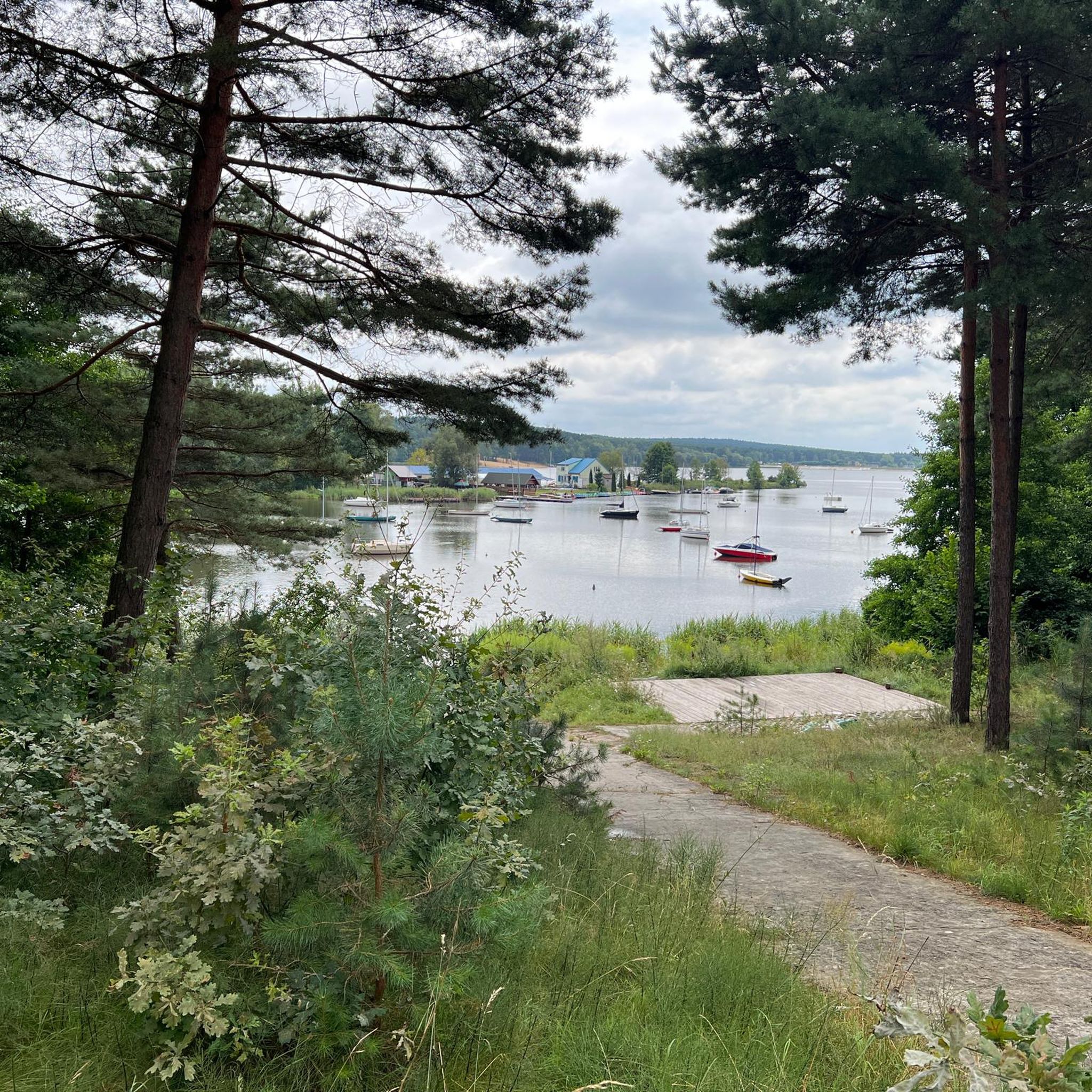
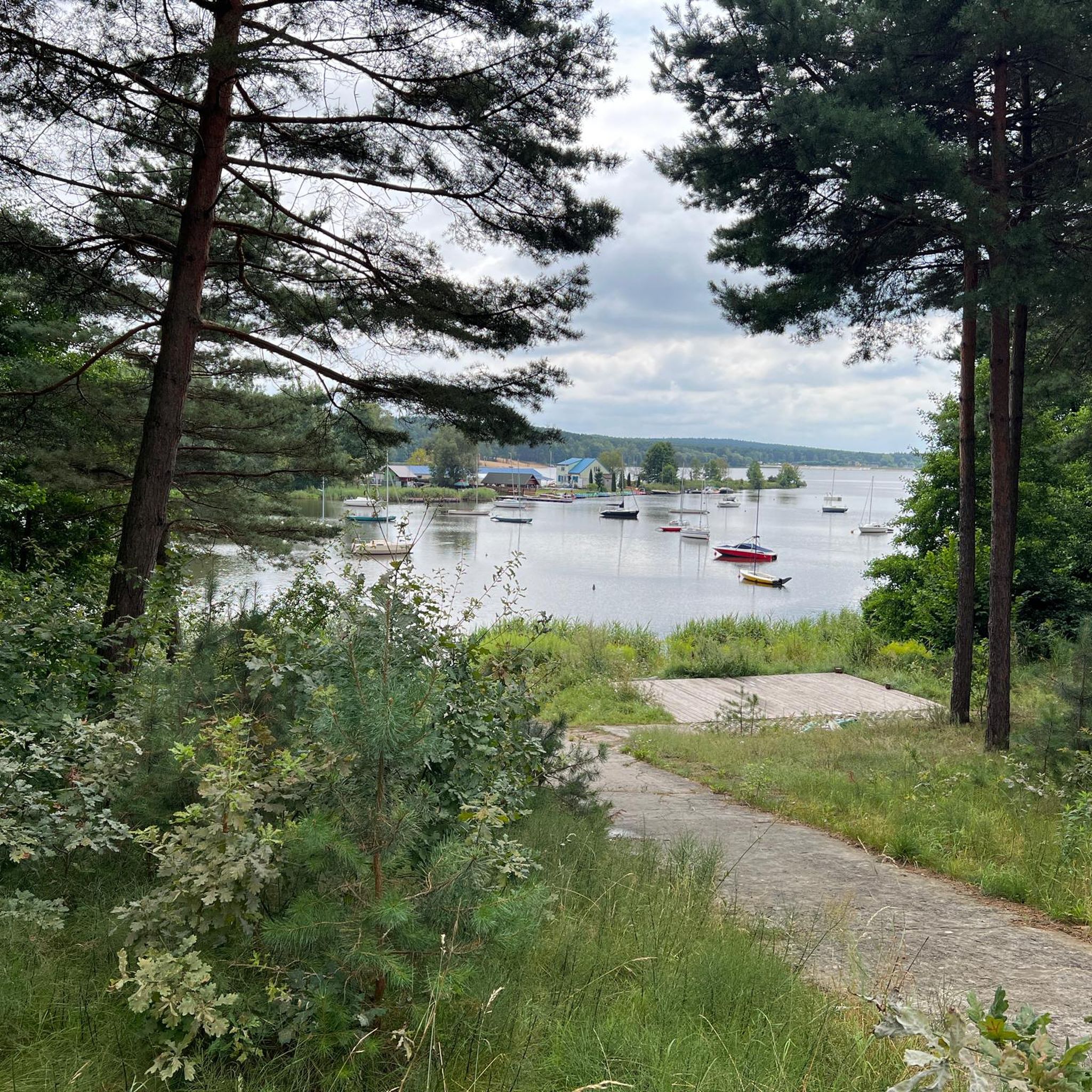
Yes, some routes lead to or pass by local water bodies. The Cedzyna Dam loop from Leszczyny is an easy trail that takes you around the Cedzyna artificial lake. Other nearby lakes include Kamionka Lake and the Biesak-Białogon Nature Reserve Pond.
What is the best time of year for mountain biking in Masłów?
The best time for mountain biking in Masłów is typically from spring through autumn (April to October) when the weather is most favorable. During these months, the trails are generally dry, and the natural scenery of the Świętokrzyskie Mountains is at its most vibrant. Winter riding can be challenging due to snow and ice, especially on the more difficult routes.
Most popular routes around Masłów
Most popular attractions around Masłów

Get inspired with the komoot mobile app


Explore more
Browse the best MTB trails in other regions.
