Top 11 Castles around Werneck
Castles around Werneck offer a glimpse into the region's rich history and architectural heritage. Werneck is home to Werneck Palace, a significant baroque complex designed by Balthasar Neumann. The surrounding area features a landscape characterized by the Main river valley, vineyards, and historical settlements. Visitors can explore the grounds of these historical sites, many of which are set within scenic parks. The region provides a blend of cultural landmarks and natural beauty for exploration.
Best castles around Werneck
- The most…
Last updated: October 11, 2026
View of the Volkacher Mainschleife and vineyards
Highlight • Viewpoint
Translated by Google •
Tip by

Werneck Palace
Highlight • Castle
Translated by Google •
Tip by

Sign up now to discover places like this
Get recommendations on the best single tracks, peaks, & plenty of other exciting outdoor places.
Schwebheim Castle
Highlight • Castle
Translated by Google •
Tip by

Village square, St. James' Church and the former Vasbühl Castle
Highlight • Historical Site
Translated by Google •
Tip by

Büchold Castle
Highlight • Castle
Know more (as always) Wikipedia:
de.wikipedia.org/wiki/Schloss_B%C3%BCchold_
Translated by Google •
Tip by

Sign up for free to discover even more castles around Werneck.
Already have an account?
Start today with a free account
Your next adventure awaits.

Tips from the Community

It is not entirely in vain that Schloss Werneck is also referred to as "Franconian Versailles". This generous, magnificent complex with the park, also designed in Baroque style at the time, was one of the two summer residences of the Prince-Bishops of Würzburg (alongside Veitshöchheim) until 1802.
5
0

Link to Schloßcafe: https://www.google.com/url?sa=t&source=web&rct=j&opi=89978449&url=https://www.ghas.de/hirschkopf&ved=2ahUKEwjDwe7Bi7OTAxW3BtsEHUItJL8QFnoECEsQAQ&usg=AOvVaw01IeiniHH-3jUvj6Eb5wd1
0
0

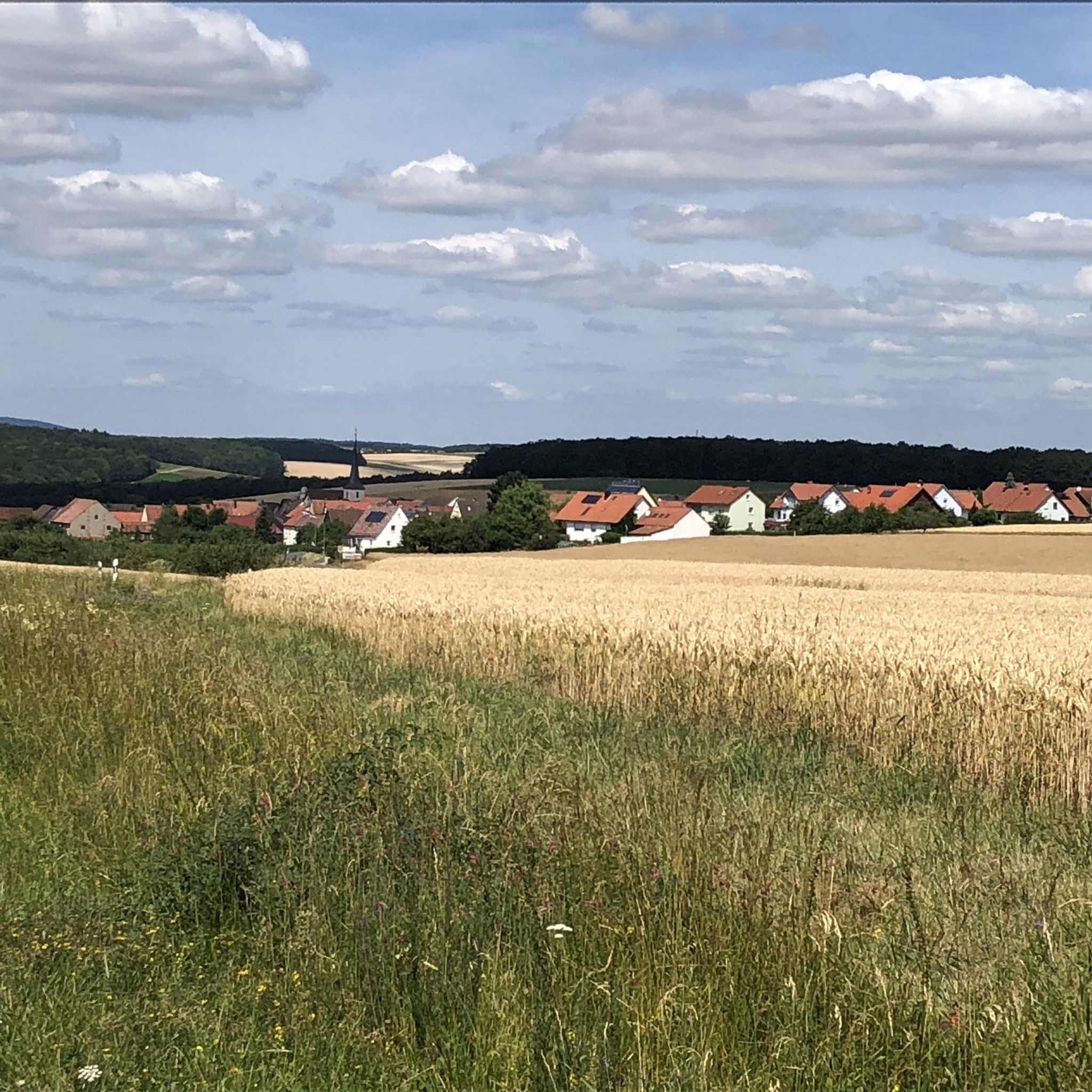
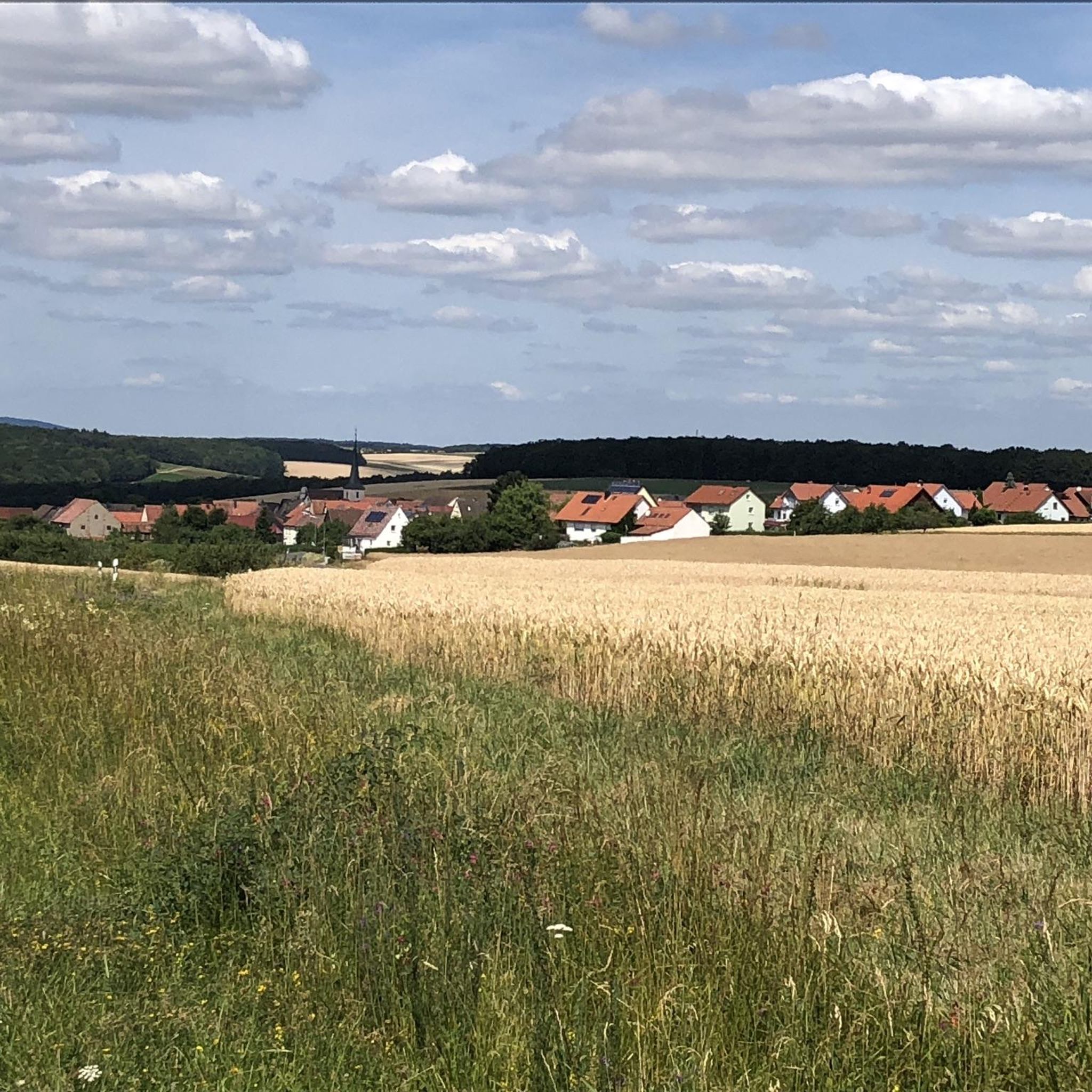
The Barons of Münster owned the estate in Vasbühl until 1740. Gustav Erhard von Münster built the castle in Vasbühl, which still stands today, in 1677. Above the castle portal, the Münster-Rotenhan coat of arms commemorates the builder. The gable end of the Baroque building is almost identical to the tithe barn on the Roßmarkt in Schweinfurt (now the Kreissparkasse). The castle is already heavily dilapidated and is still used as an agricultural property. Church of St. James the Elder During demolition work in 1930, a stone bearing the date 1411 was found in the high altar. This suggests that a type of cemetery chapel already stood on the site of the present church around 1400. The construction of the Julius Tower with its pointed spire and the three eastern bays of the nave of the Vasbühl church is dated 1580. The tower is one of many Echter towers built in Franconia by the Würzburg Prince-Bishop, Julius Echter von Mespelbrunn. In 1686, the church was expanded under Prince-Bishop Johann Gottfried von Guttenberg, and the pointed-arch portals were reused. Since Schleerieth, Vasbühl, Eckartshausen, and Egenhausen belonged to the Schleerieth chaplaincy, there was dissatisfaction with the church service times. The offer to summon a monastic chaplain to Vasbühl was rejected, as the nearest monastery was five to six hours away. The people of Vasbühl knew how to cope and took in two priests exiled from France. The "French gentlemen," as the people of Vasbühl called their temporary priests, lived in Vasbühl and were supported by the locals through alms and food. In return, they held services, including sermons and Christian teachings on Sundays, as best they could. With true French vigor, they are said to have pounded on the pulpit to emphasize their words when their dear pastors sometimes couldn't or didn't want to understand them. The two deceased French priests were buried on the north side of the church tower, where embedded stone gravestones are located. In 1808, a Rococo high altar was purchased, after which the cross vault near the choir was removed and a new choir arch was built. The life-size figures on the high altar, St. Agnes and St. Barbara, are attributed to the workshop of Peter Wagner.
1
0


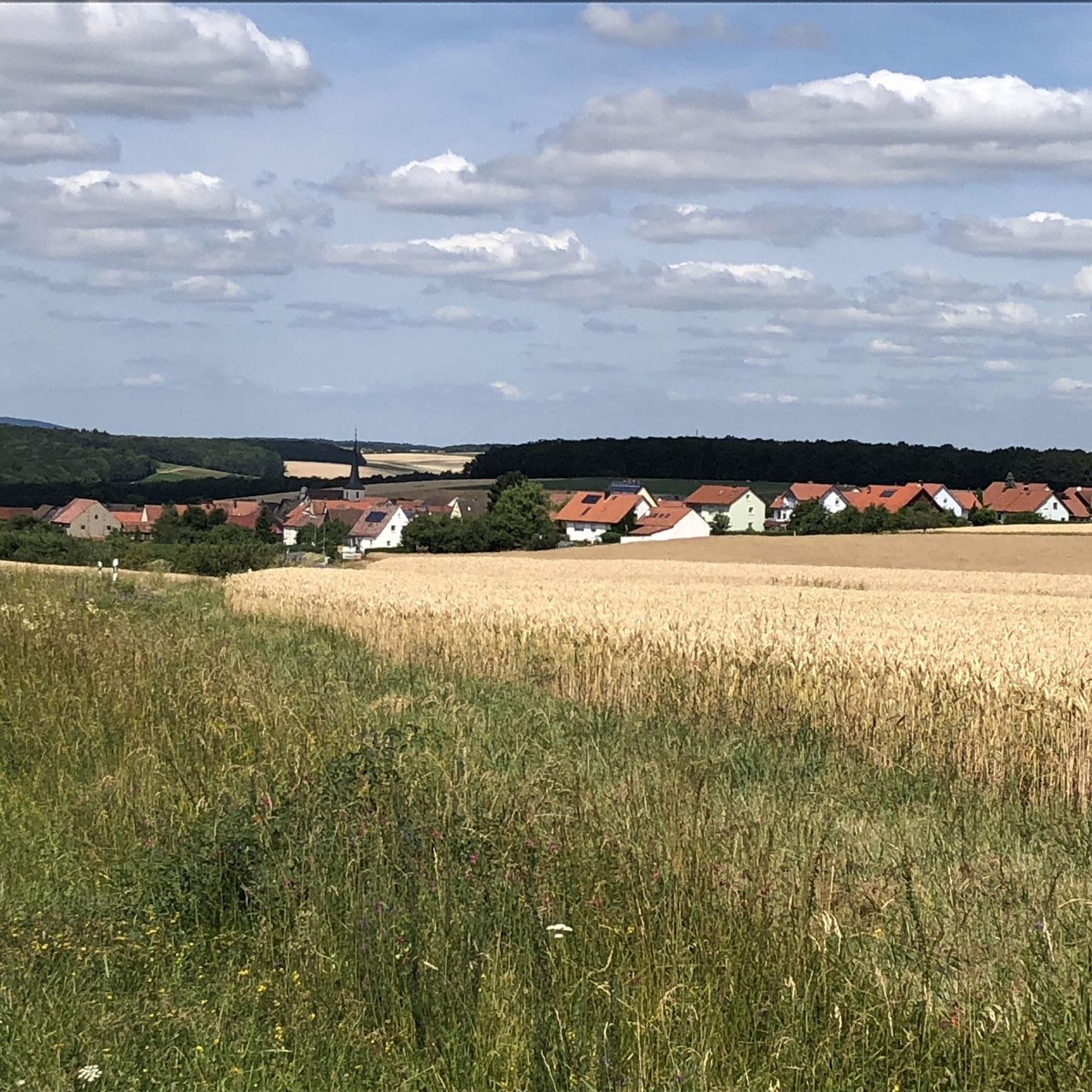
In addition to the numerous shrines, the Catholic church of St. James and the former castle, built in 1677, are worth seeing.
3
0

Work has been going on in, on and around the castle for months. The inner castle grounds are being renovated, and the old walls are to be made accessible to many guests. It is to be a living monument that invites people to linger and celebrate. That is the intention of Marcel Neubert, the last descendant of the von Bibra family, who have lived there since the 16th century, and who is managing the extensive undertaking. (Info: MainPost)
0
0

Actually a beautiful old building, but unfortunately not "developed for tourism".
0
0

A wonderful experience to hike through the vineyards and enjoy the views
7
0
Frequently Asked Questions
What is the most historically significant castle in Werneck?
The most historically significant castle is Werneck Palace. This magnificent baroque complex was built between 1731 and 1747 by Prince-Bishop Friedrich Karl von Schönborn and designed by the renowned architect Balthasar Neumann. It is considered a jewel among South German castles and a key example of Neumann's secular work.
Can I visit Werneck Palace, and what can I see there?
While Werneck Palace houses an orthopedic clinic, visitors can view the impressive baroque building from the outside. The extensive English landscape park, originally a French baroque garden, is publicly accessible and features a pond. You can also visit the publicly accessible Schlosskirche (Palace Church) and relax at Café Balthasar on the premises.
Are there other notable castles to visit near Werneck?
Yes, the surrounding region offers other castles. Schwebheim Castle, originally a moated castle from 1440, was rebuilt after the Peasants' War. Ebenhausen Castle, built in the 14th century, is currently undergoing extensive restoration. The former Vasbühl Castle, built in 1677, is also a historical site worth seeing.
What kind of outdoor activities can I do near the castles around Werneck?
The area around Werneck's castles offers various outdoor activities. You can find numerous running trails, such as the 'Werneck Palace loop from Werneck', and hiking routes like the 'Werneck Palace – Werneck Palace Park loop from Werneck'. For cyclists, there are road cycling routes including the 'Bergkirche Gardstadt – Werneck Palace loop from Werneck'. You can explore more options on the Running Trails around Werneck, Hiking around Werneck, and Road Cycling Routes around Werneck guides.
Are there family-friendly options when visiting castles in the Werneck region?
Yes, the parks and grounds of castles like Werneck Palace are suitable for family outings. The extensive English landscape park provides space for walks. Additionally, many nearby hiking and walking routes are rated as easy or moderate, making them suitable for families. The View of the Volkacher Mainschleife and vineyards is also categorized as family-friendly.
What is the best time of year to visit the castles around Werneck?
The castles and their surrounding parks are enjoyable throughout the year. Spring and summer are ideal for exploring the extensive gardens and parks, especially when cultural events like the 'Wernecker Kulturfrühling' take place. Autumn offers beautiful foliage, and even winter can provide picturesque walks, though some facilities might have reduced hours. Check local event schedules for specific cultural happenings.
Are there any viewpoints near the castles that offer scenic views?
Yes, the region offers scenic viewpoints. The View of the Volkacher Mainschleife and vineyards provides a first-class view of the Main river loop, Nordheim am Main, Escherndorf, and the surrounding vineyards. It's an idyllic spot to take a break and enjoy the landscape.
Where can I find cafes or restaurants near the castles?
Near Werneck Palace, you can find Café Balthasar on the premises, offering a convenient spot for refreshments. The surrounding towns and villages also provide various dining options. For specific recommendations, it's best to check local listings in Werneck or nearby communities.
What is the historical significance of Ebenhausen Castle?
Ebenhausen Castle, built in the 14th century, has a rich history marked by destruction and rebuilding. It was destroyed during the Peasants' War in 1525 and again during the Thirty Years' War. It later became property of Julius Echter von Mespelbrunn and was used for agriculture after the 19th century. It is currently undergoing extensive restoration.
Are there any castles that are less well-known but still worth visiting?
While Werneck Palace is prominent, Schwebheim Castle offers a unique historical experience with its original moated castle structure from 1440. Though parts were destroyed in WWII, the Nordkemenate has been restored, and other parts converted into apartments, giving it a distinct charm. Gaibach Castle, while not directly in Werneck, has also undergone significant transformations over centuries and now houses a boarding school.
What are the parking options for visiting castles around Werneck?
For Werneck Palace, parking is generally available for visitors accessing the park, chapel, and café. For other castles like Schwebheim Castle or Ebenhausen Castle, parking availability may vary. It is advisable to check local signage or specific castle websites for visitor parking information.
Can I reach the castles around Werneck using public transport?
Public transport options to reach the castles around Werneck exist, primarily through local bus services connecting Werneck with surrounding villages. However, direct access to all castle sites might require some walking from the nearest bus stops. For detailed schedules and routes, it's recommended to consult local public transport providers or plan your journey using online mapping services.
Most popular routes around Werneck
Most popular attractions around Werneck

Get inspired with the komoot mobile app


Explore more
Looking for the best castles somewhere else? Discover other guides around Werneck:
