Attractions and Places To See around Postfeld - Top 20
Best attractions and places to see around Postfeld include historical sites and natural landscapes within the Holstein Switzerland region. This area features rolling hills, forests, and lakes, offering scenic views. Postfeld is home to nature reserves and historical landmarks that reflect the region's heritage and natural beauty. The municipality provides opportunities to explore well-preserved estates and significant natural areas.
Best attractions and places to see around Postfeld
- The most popular attractions is Kührener Teich Nature Reserve, an other natural…
Last updated: June 22, 2026
Sieversdorf Bridge
Highlight • Bridge
Translated by Google •
Tip by

Wahlstorf Manor
Highlight • Historical Site
“The Wahlstorf estate is a unique oasis where the Orient and the Occident meet in magical nature.”
The Wahlstorf estate, located in the beautiful Holstein Switzerland, …
Translated by Google •
Tip by

Sign up now to discover places like this
Get recommendations on the best single tracks, peaks, & plenty of other exciting outdoor places.
Sign up for free
Langenrade Windmill Sventana
Highlight • Monument
Further information:
de.wikipedia.org/wiki/Wikipedia:Wiki_Loves_Earth_2020/Germany
m.kn-online.de/Lokales/Ploen/Ascheberg-Windmuehle-Sventana-awarded by UNESCO as a World Heritage Site
Translated by Google •
Tip by

Kührener Teich Nature Reserve
Highlight • Natural
Translated by Google •
Tip by

Schwentine Oxbow Nature Reserve Trail
Highlight (Segment) • Trail
Translated by Google •
Tip by

Sign up for free to discover even more attractions around Postfeld.
Sign up for free
Already have an account?
Start today with a free account
Your next adventure awaits.
Login or Signup


Tips from the Community

The Langenrade windmill (also known as the "Sventana" windmill) is an impressive historical monument in the municipality of Ascheberg, very close to Plön.
2
1
The only fully functional of the three windmills within the Holstein Switzerland Nature Park is located in Ascheberg-Langenrade. The windmill, named "Sventana," was built in 1860 in Kleinmühlen near Plön. It has stood in Ascheberg only since 1890, replacing a predecessor that burned down. In 1982, three couples with a passion for windmills decided to restore it to working order. After considerable financial investment and many hours of labor, the single-story smock mill has been operational and flying again since 1990. The restoration of the mill's sails was financially supported, among other things, by state funds for nature parks.
3
1
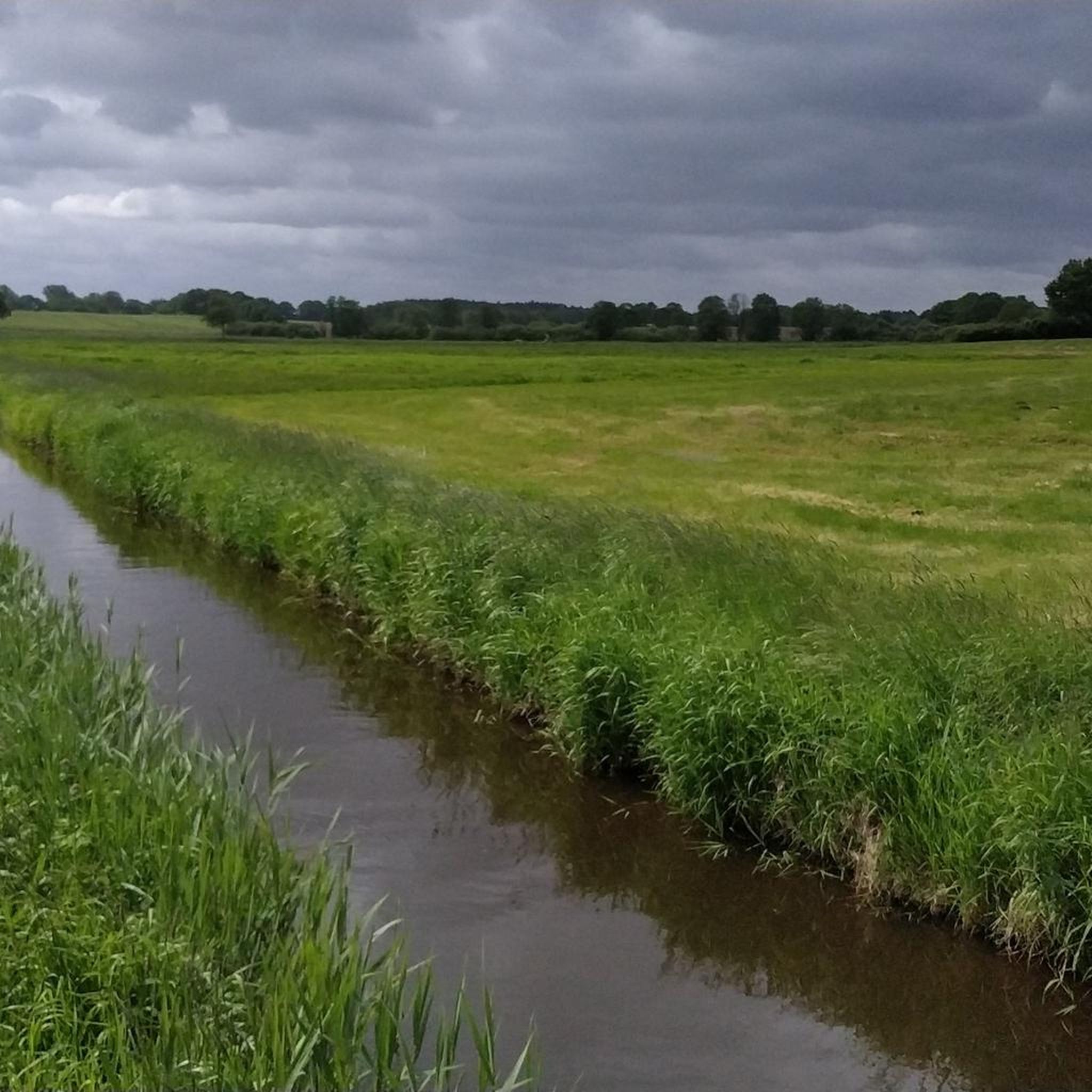
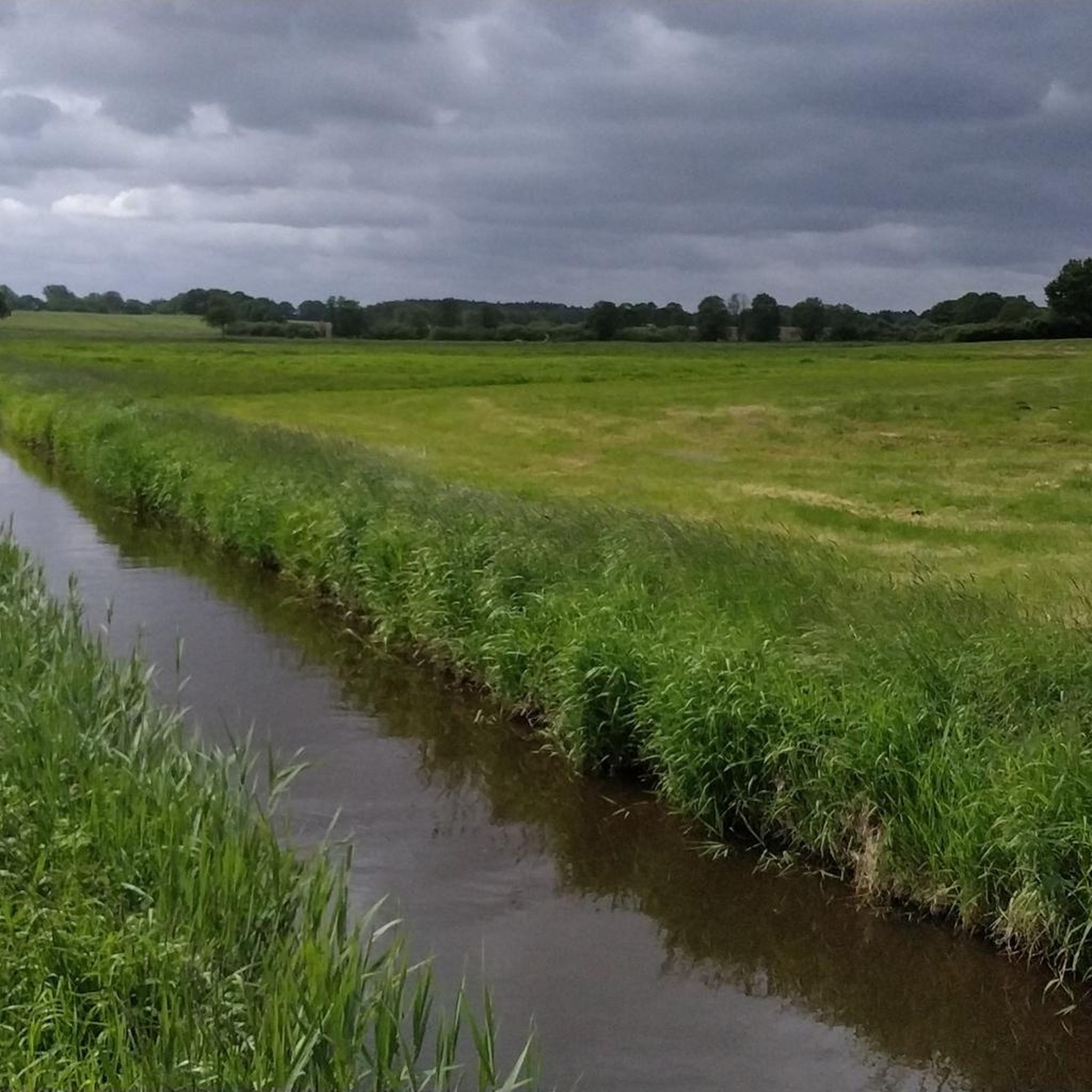
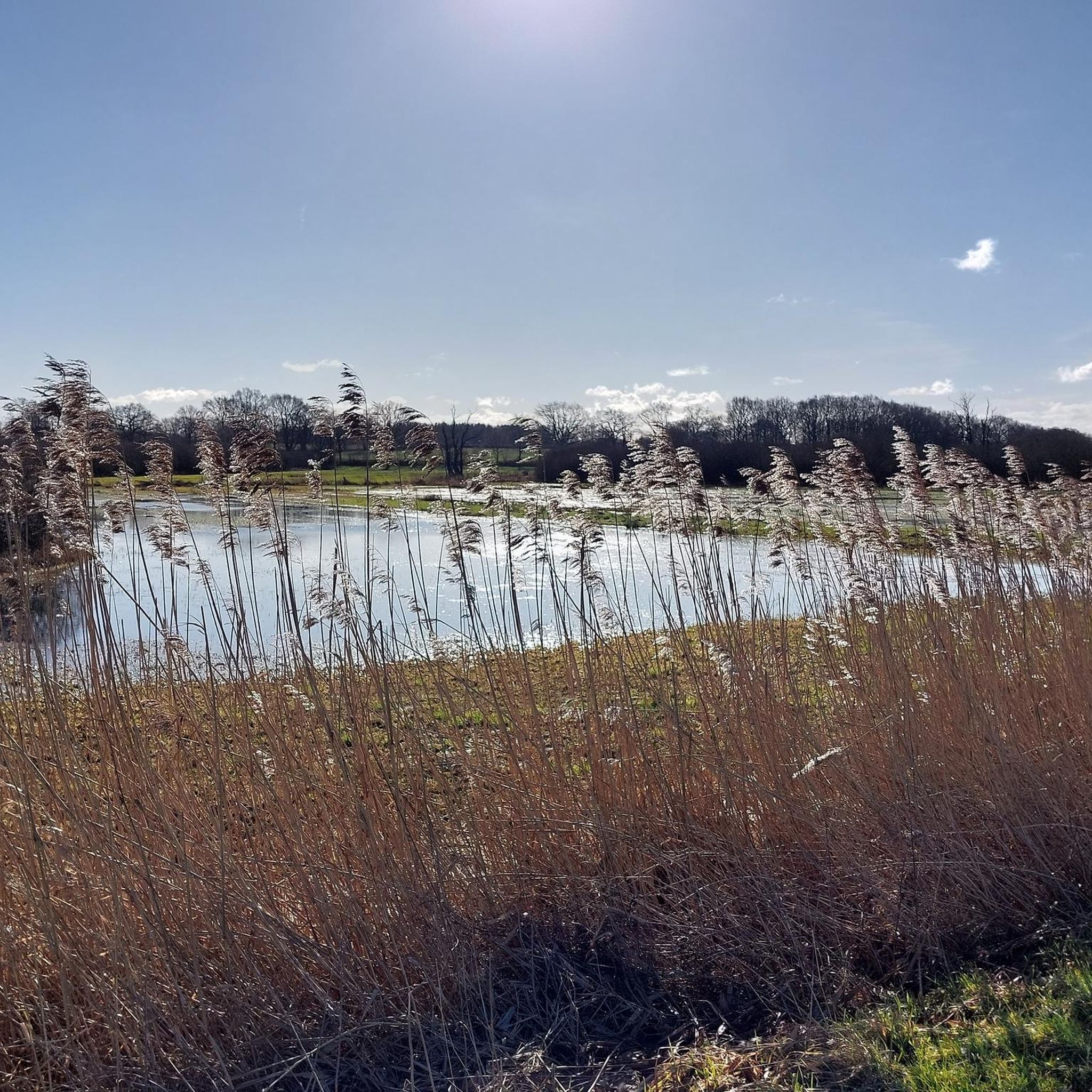
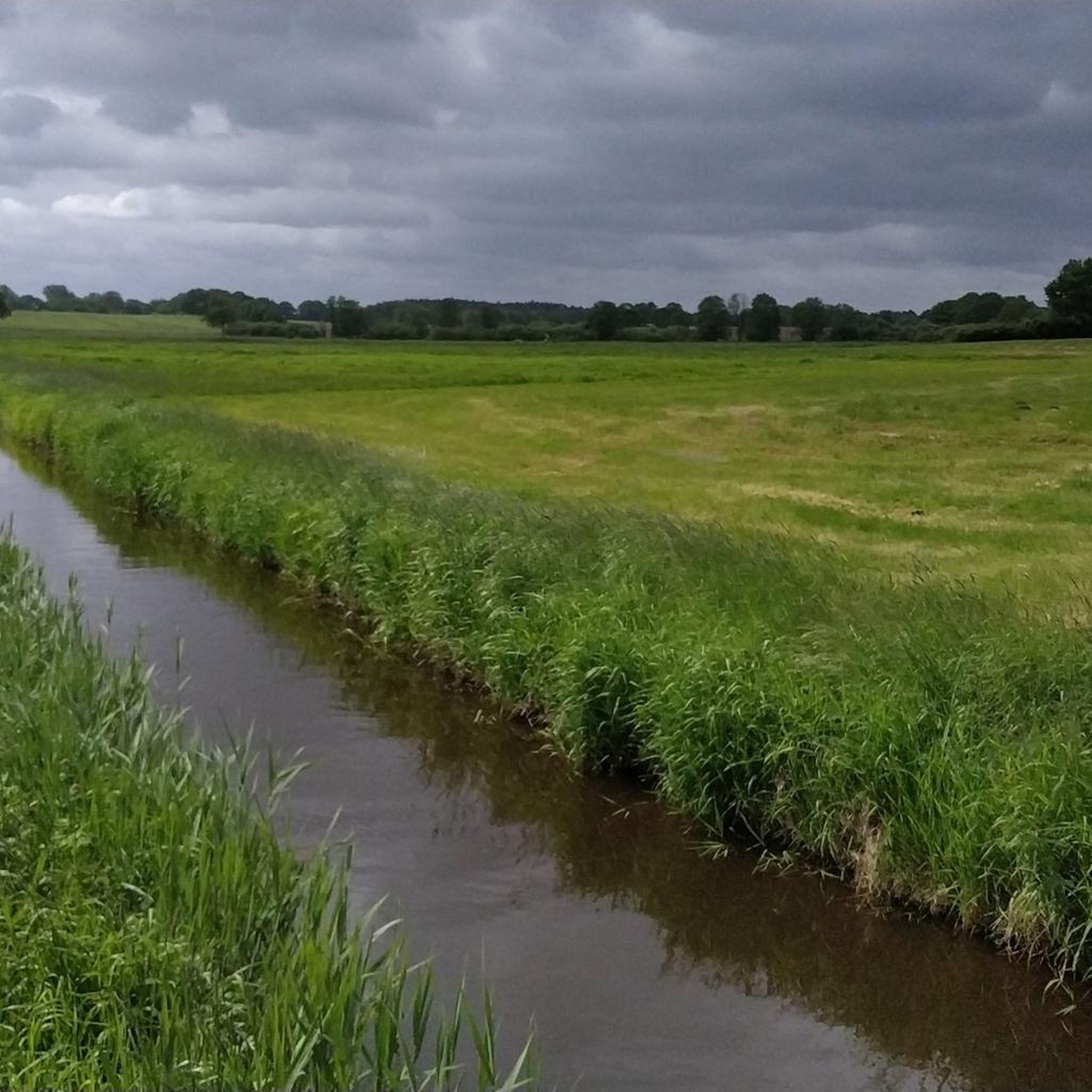
The 79-hectare "Kührener Teich and Surroundings" nature reserve, designated in 1994, lies directly south of the 207-hectare "Peninsulas and Bays in Lake Lanker" nature reserve, separated by the railway embankment. This protection safeguards two nationally important breeding, resting, and feeding areas for endangered and rare bird species, as well as for the rare fire-bellied toad. The core of the nature reserve is the 40-hectare fish pond, which is on average only half a meter deep and drains into Lake Lanker via a dam on the northern edge. North of the path, which runs along a narrow ridge, a species-rich, wet lowland area extends to the railway embankment. The natural water balance has been restored through damming. Large bodies of water occasionally extend here. The area is part of the European ecological network "Natura 2000" (protected habitat area and bird sanctuary). Pond management
8
2
Schleswig-Holstein's Oldest Estate "Wahlstorf Estate is a unique oasis where East and West meet in magical nature." Located in the beautiful Holstein Switzerland region, Wahlstorf Estate is one of the oldest estates in Schleswig-Holstein and a rare, well-preserved example of a 16th-century estate. With its late medieval architectural style, it is of architectural significance. The listed estate now includes the manor house, three historic barns, and a horse stable. This is where explorer, ornithologist, zoologist, film producer, painter, and writer Victor Baron von Plessen (1900-1980) lived. He embarked on numerous expeditions to the Malay Archipelago from 1924 to 1938. Wahlstorf Estate, its inventory, and the East Asian collection of Victor Baron von Plessen are now owned by the Plessen Foundation Wahlstorf. The agricultural holding of approximately 900 hectares is managed by the Gut Wahlstorf Foundation.
14
0
The municipality's name comes from the Wahlstorf estate, first documented in 1224. The manor house was built by Detlev von Thienen and served as the ancestral seat of the ancient noble Thienen family for over 300 years until they emigrated to Austria, where they still live today.
14
0

The Kirchbarkau - Preetz - Lütjenburg (KPL) narrow-gauge railway, founded in 1908, connected rural towns in the region from 1910 onwards over a distance of 41.1 kilometres with 23 stops and was used primarily for freight transport, for example for agricultural products. Despite good infrastructure and regular transport, it was not economically viable, so passenger transport was initially discontinued and then all operations were discontinued in 1938. The line was dismantled, but relics such as the Schwentine Bridge remind us of this short but significant era in regional transport history.
5
0
Oldest estate in Schleswig-Holstein “The Wahlstorf estate is a unique oasis where the Orient and the Occident meet in magical nature.” The Wahlstorf estate, located in the beautiful Holstein Switzerland, is one of the oldest in Schleswig-Holstein and a rare, well-preserved example of an estate from the 16th century. With its late medieval architectural style, it is of architectural significance. The listed estate now includes the manor house, three historic barns and a horse stable. The explorer, ornithologist, zoologist, film producer, painter and writer Victor Baron von Plessen (1900-1980) lived here, who set off on numerous expeditions to the Malay Archipelago from 1924 to 1938. The Wahlstorf estate, the inventory and the East Asian collection of Victor Baron von Plessen are now owned by the Plessen Foundation Wahlstorf. The agricultural operation of approximately 900 hectares is managed by the Foundation
17
0

Go into the NABU house, close the door and watch the birds 😉.
2
0
Frequently Asked Questions
What natural features and nature reserves can I explore around Postfeld?
Postfeld is nestled within the picturesque Holstein Switzerland region, known for its rolling hills, forests, and lakes. You can visit the Kührener Teich Nature Reserve, a 79-hectare area vital for endangered bird species and the fire-bellied toad. Adjacent to it is the larger Peninsulas and Bays in Lake Lanker Nature Reserve. Another significant natural area is the Schwentine Oxbow Nature Reserve Trail, preserving the Schwentine Valley's unique flora and fauna.
Are there historical sites or landmarks to visit near Postfeld?
Yes, Postfeld offers several historical points of interest. The Wahlstorf Manor is one of Schleswig-Holstein's oldest estates, showcasing well-preserved 16th-century architecture. You can also see the Sieversdorf Bridge, a historical relic from a narrow-gauge railway line that operated until the 1930s. Further afield, the Langenrade Windmill Sventana stands as a prominent landmark visible from a distance.
What kind of outdoor activities can I do near Postfeld's attractions?
The region around Postfeld is excellent for various outdoor activities. You can find numerous routes for running, road cycling, and mountain biking. For instance, there are running trails like the 'Sieversdorfer Bridge loop' and 'Fischteich loop'. Cyclists can enjoy routes such as the 'Langenrade Windmill Sventana loop' or the 'Eidermühle Brügge – Smooth asphalt road loop'. Mountain bikers have options like the 'Old Arm of the Schwentine – Oppendorf Mill loop'. You can find more details on these activities and routes on the respective guide pages for Running Trails around Postfeld, Road Cycling Routes around Postfeld, and MTB Trails around Postfeld.
Are there family-friendly attractions or activities in the Postfeld area?
Yes, several attractions are suitable for families. The Kührener Teich Nature Reserve offers easy paths for exploring nature. The Sieversdorf Bridge provides a glimpse into local history, and the Langenrade Windmill Sventana is an impressive sight for all ages. The natural landscapes of Holstein Switzerland also provide ample opportunities for family walks and outdoor exploration.
What do visitors enjoy most about the attractions around Postfeld?
Visitors particularly appreciate the blend of historical significance and natural beauty. The Kührener Teich Nature Reserve is praised as a 'cozy place to relax' with 'beautiful paths'. The Schwentine Oxbow Nature Reserve Trail is noted for its 'idyllic' narrow forest paths along the river. The historical sites like Wahlstorf Manor and Sieversdorf Bridge offer insights into the region's heritage.
Can I find hiking or walking trails near these attractions?
Absolutely. The region is ideal for hiking and walking. The Kührener Teich Nature Reserve has a beautiful path leading through it. The Schwentine Oxbow Nature Reserve Trail offers a scenic forest path directly along the Schwentine river. Many routes around Postfeld incorporate these natural areas, providing diverse walking experiences.
Is Postfeld a good destination for nature photography or birdwatching?
Yes, Postfeld is an excellent destination for nature photography and birdwatching, especially within its nature reserves. The Kührener Teich Nature Reserve is a nationally important breeding, resting, and feeding area for endangered and rare bird species. The Schwentine Valley, home to the Schwentine Oxbow Nature Reserve Trail, is known in ornithological circles for species like dippers, gray wagtails, and kingfishers.
Are there any cultural events or community centers in Postfeld?
While specific permanent cultural sites are limited, Postfeld does have the Dörphus Postfeld, a community center that hosts local events and activities, contributing to the village's cultural and social life. The municipality's website indicates that cultural activities and events are held throughout the year, suggesting a vibrant local cultural scene.
What is the significance of the Sieversdorf Bridge?
The Sieversdorf Bridge is a significant historical landmark. It is a well-preserved relic of the former narrow-gauge railway line (Kirchbarkau-Preetz-Lütjenburg) that operated until the 1930s. This railway played a crucial role in connecting rural towns and transporting agricultural products in the region, making the bridge a reminder of this short but important era in regional transport history.
Can I visit the Wahlstorf Manor?
The Wahlstorf Manor is a historically significant estate, recognized as one of the oldest in Schleswig-Holstein and a protected monument. It is a rare, well-preserved example of 16th-century estate architecture. The estate, including the manor house, barns, and horse stable, is now owned by the Plessen Foundation Wahlstorf. While the agricultural operations are managed by the foundation, specific visitor access details for the manor house itself would need to be checked with local information sources.
Are there any viewpoints or scenic spots around Postfeld?
Yes, the region offers several scenic spots. The Kührener Teich Nature Reserve provides beautiful lake views, and the surrounding Holstein Switzerland region is known for its picturesque landscapes of rolling hills and forests. The Langenrade Windmill Sventana, situated on a hill, offers expansive views of the area.
What is the best time of year to visit Postfeld for outdoor activities?
The best time to visit Postfeld for outdoor activities generally aligns with the warmer months, from spring to early autumn (April to October). During this period, the weather is most favorable for hiking, cycling, and exploring the nature reserves. The lush greenery of Holstein Switzerland and the active wildlife in the nature reserves are particularly enjoyable during these seasons.
Most popular routes around Postfeld
Most popular attractions around Postfeld

Get inspired with the komoot mobile app


Explore more
Still not found the Highlight you’re looking for? See guides of the top attractions in other regions:
