Attractions and Places To See around Powidz - Top 20
Best attractions and places to see around Powidz include a blend of natural beauty, historical landmarks, and cultural insights, primarily centered around its lakes and the Powidz Landscape Park. This region in west-central Poland's Greater Poland Voivodeship is known for its numerous deep lakes, including Lake Powidzkie, one of Poland's cleanest. The area also features historical sites reflecting its past as a border region and ancient settlements. Visitors can explore protected natural areas and cultural sites that showcase the region's heritage.
Best attractions and places to see around Powidz
- The most popular attractions is Former Prussian-Russian Border Crossing at Anastazewo, a historical site that marked the border between Prussia and Russia after the Second Partition of Poland. A Prussian customs office and a Russian watchtower defined this significant border point.
- Another must-see spot is Witkowo Historic Windmill, a man-made monument dating back to the second half of the 19th century. This meticulously renovated windmill can still grind flour, offering educational insight into traditional construction and operation.
- Visitors also love Wooden Church, a religious building founded in 1749. This St. Martin's Church in Linówiec features log construction, a mansard roof, and an octagonal bell tower with an onion-shaped dome.
- Powidz is known for its historical sites, natural landscapes, and cultural landmarks. Visitors can explore ancient settlements, historic buildings, and protected natural areas.
- The attractions around Powidz are appreciated by the komoot community, with 9 highlights, 38 photos, and 58 upvotes.
Last updated: October 4, 2026
Former Prussian-Russian Border Crossing at Anastazewo
Highlight • Historical Site
After Napoleon's fall, the border between Prussia and Russia was finally moved and ran between the lakes: Kownackie, Suszewskie, Budzisławskie and Powidzkie. The areas east of the border fell under the rule of Tsarist Russia, and the western area was incorporated into the Kingdom of Prussia. The shifting of the border resulted in restrictions on free movement between the partitions. To cross the border, you had to obtain a special pass, the so-called ticket.
A very important border point was Anastazewo. The Prussian-Russian border was located here, and for this reason a border crossing with a customs office was established here.
In connection with the functioning of the border crossing between the partitions, it was necessary to organize a customs post. The Prussian one was located in a tall building built of red brick in a characteristic Prussian style, and it was located right by the road. Another interesting building is of course the Russian watchtower, which is a few dozen meters away in the tiny village of Salamonowo. It was the road between these two watchtowers that marked the borders between the partitions.
/pojezierze24.pl/
Translated by Google •
Tip by

Wooden Church
Highlight • Religious Site
🪵 History and Construction
- The church was founded in 1749 by the village owner, Sebastian Cząstkowski.
- Built using log construction on a stone foundation, it is timbered and oriented – in keeping with tradition, the chancel faces east.
- The church has a hall-like layout, without a separate chancel, and is enclosed on three sides.
- The mansard roof, covered with sheet metal, is topped by an octagonal bell tower with an onion-shaped dome and a lantern.
🎨 Interior and Furnishings
- The interior is covered with a flat ceiling with a coving, and the choir loft, supported by two columns, houses the organ case. - The main altar comes from the Reformed Friars Minor monastery in Pakość – Baroque, from the first quarter of the 18th century, with sculptures of adoring angels and a painting of the Marriage of the Blessed Virgin Mary to Joseph – a rare motif in church iconography.
- At the top of the altar is an oval painting of St. Martin.
- The side altar and pulpit represent the Baroque-folk style, from the turn of the 18th and 19th centuries.
- Remnants of polychrome paintings have survived, as well as a granite stoup and a processional cross with the date "1756."
Translated by Google •
Tip by

Sign up now to discover places like this
Get recommendations on the best single tracks, peaks, & plenty of other exciting outdoor places.
Moran Hotel, Spa & Marina
Highlight • Rest Area
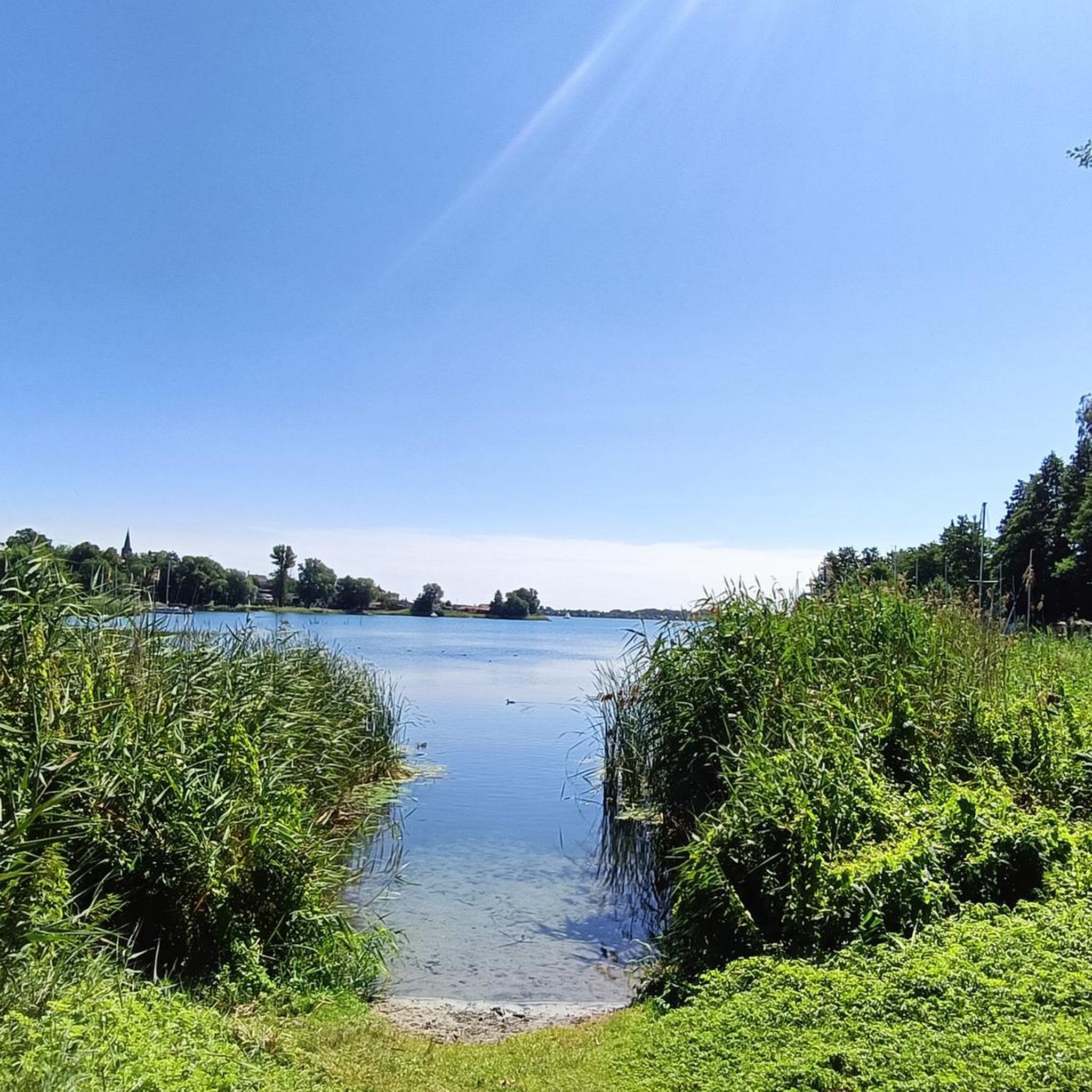
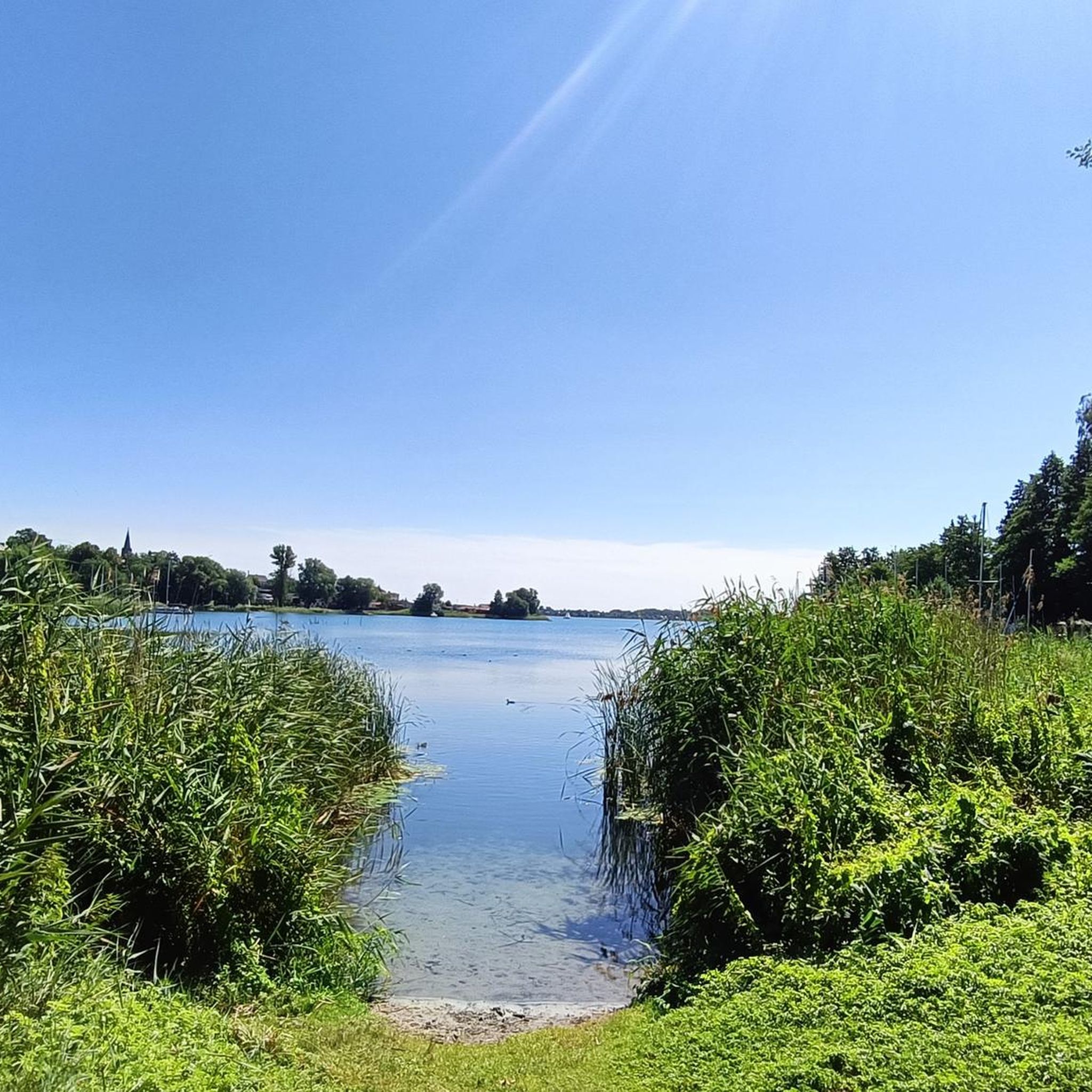
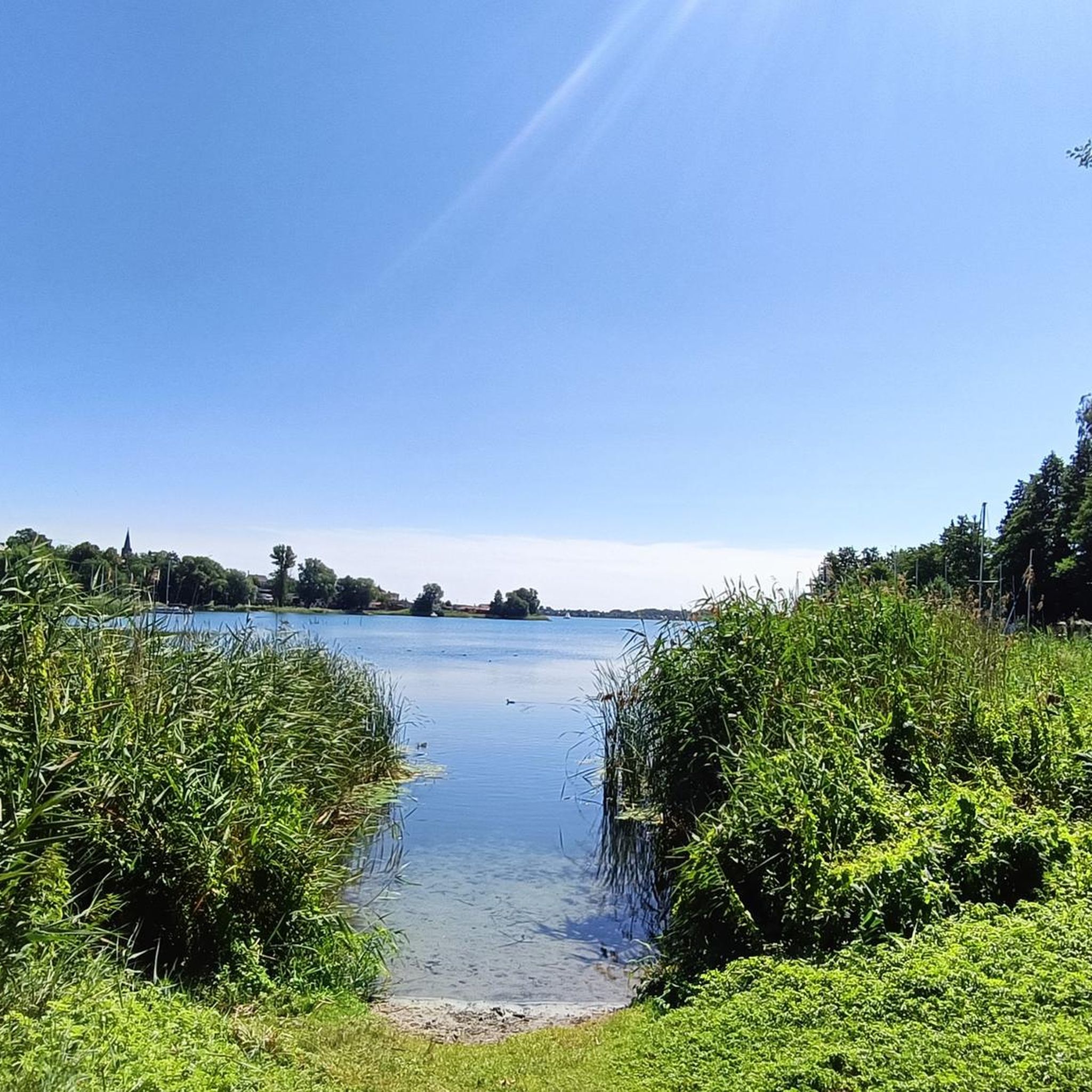
Moran Cycling Club – the official page of Moran Hotel & SPA hotelmoran.pl/moran-cycling-club?utm_source=chatgpt.com. Interestingly, it was precisely this point that I had previously consciously removed from my trip plan – it seemed unappealing to me, as what could be interesting for a cyclist in visiting a hotel complex? As it turned out – one can be very wrong sometimes. A cyclist entering the hotel grounds can spend two hours for free on the beautiful, sandy beach, and if you have the Strava app installed – receive a free coffee. A small, but truly friendly gesture towards cyclists.
And perhaps it is precisely such surprises that are the best part of trips. A chance encounter on the route with a person who showed me this place and led me there, gave this excursion a completely different dimension. A place that I had crossed off my plan myself, ultimately became one of the most pleasant surprises on the route.
Directions:
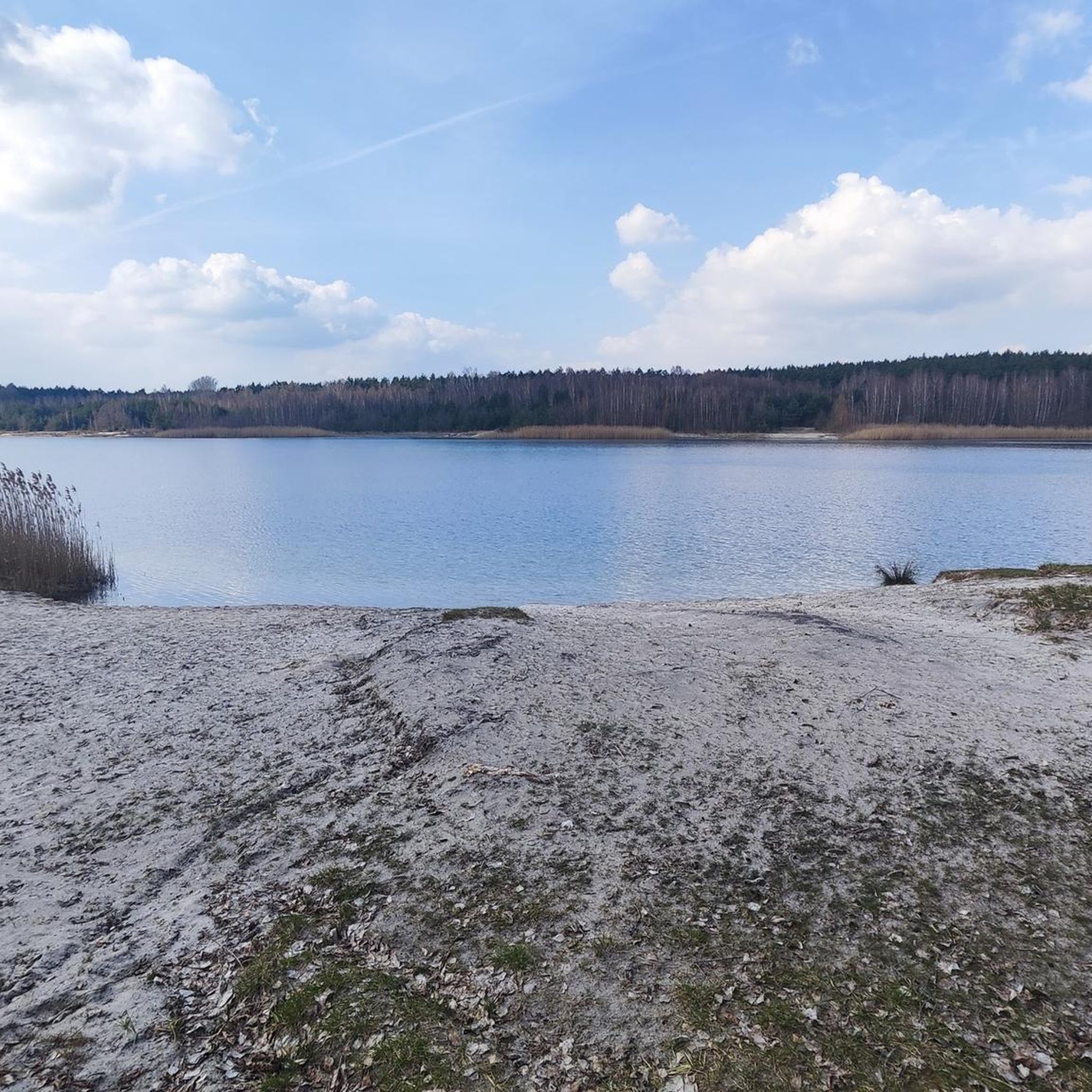
From Ostrów, about 2.3 km of forest road leads to the Moran Hotel. Access by bike is hassle-free – it's worth heading directly to the Moran Hotel, even though the facility is located slightly off the main route. Don't be discouraged by the forest access – at the end, a beautiful location directly on Lake Powidzkie and the beach awaits.
Showing Translation
Tip by

Statue of Isis in Małachowo Złe Miejsca
Highlight • Monument
A small bronze figurine of Isis was found in the surrounding fields, while a mound of potatoes was being poured. The find is all the more extraordinary because the goddess Isis originates from Egypt and has little in common with European civilization - the cult of the goddess Isis precedes the intensive, permanent settlement of our areas by several millennia. In Egyptian mythology, Isis was the ruler of heaven and earth, one of the incarnations of the Great Mother. Her figure was depicted as a seated woman breastfeeding a child or a mother holding a child on her lap - hence the tendency to see Isis as a model of the Christian cult of Mary. Shortly after its discovery, the figurine of Isis was taken to the Archaeological Museum in Poznań, from where it disappeared under unexplained circumstances.
(tupowstalapolska.pl)
Translated by Google •
Tip by
Witkowo Historic Windmill
Highlight • Monument
Translated by Google •
Tip by

Sign up for free to discover even more attractions around Powidz.
Already have an account?
Start today with a free account
Your next adventure awaits.

Tips from the Community

The hotel is indeed run by the Moran Cycling Club and their official "Coffee for Cyclist" initiative: you arrive by bike, and a QR code leads you to their Strava community. They even have their own gravel routes shared directly in Komoot. Moran Cycling Club – the official page of Moran Hotel & SPA https://hotelmoran.pl/moran-cycling-club?utm_source=chatgpt.com. Interestingly, it was precisely this point that I had previously consciously removed from my trip plan – it seemed unappealing to me, as what could be interesting for a cyclist in visiting a hotel complex? As it turned out – one can be very wrong sometimes. A cyclist entering the hotel grounds can spend two hours for free on the beautiful, sandy beach, and if you have the Strava app installed – receive a free coffee. A small, but truly friendly gesture towards cyclists. And perhaps it is precisely such surprises that are the best part of trips. A chance encounter on the route with a person who showed me this place and led me there, gave this excursion a completely different dimension. A place that I had crossed off my plan myself, ultimately became one of the most pleasant surprises on the route. Directions: From Ostrów, about 2.3 km of forest road leads to the Moran Hotel. Access by bike is hassle-free – it's worth heading directly to the Moran Hotel, even though the facility is located slightly off the main route. Don't be discouraged by the forest access – at the end, a beautiful location directly on Lake Powidzkie and the beach awaits.
1
0

St. Martin's Church in Linówiec – a wooden branch church dedicated to St. Martin. 🪵 History and Construction - The church was founded in 1749 by the village owner, Sebastian Cząstkowski. - Built using log construction on a stone foundation, it is timbered and oriented – in keeping with tradition, the chancel faces east. - The church has a hall-like layout, without a separate chancel, and is enclosed on three sides. - The mansard roof, covered with sheet metal, is topped by an octagonal bell tower with an onion-shaped dome and a lantern. 🎨 Interior and Furnishings - The interior is covered with a flat ceiling with a coving, and the choir loft, supported by two columns, houses the organ case. - The main altar comes from the Reformed Friars Minor monastery in Pakość – Baroque, from the first quarter of the 18th century, with sculptures of adoring angels and a painting of the Marriage of the Blessed Virgin Mary to Joseph – a rare motif in church iconography. - At the top of the altar is an oval painting of St. Martin. - The side altar and pulpit represent the Baroque-folk style, from the turn of the 18th and 19th centuries. - Remnants of polychrome paintings have survived, as well as a granite stoup and a processional cross with the date "1756."
0
0

Historic place.
0
0

The sculpture of Isis commemorates an extraordinary find, discovered in the years 1860-1861 in a completely accidental manner. A small bronze figurine of Isis was found in the surrounding fields, while a mound of potatoes was being poured. The find is all the more extraordinary because the goddess Isis originates from Egypt and has little in common with European civilization - the cult of the goddess Isis precedes the intensive, permanent settlement of our areas by several millennia. In Egyptian mythology, Isis was the ruler of heaven and earth, one of the incarnations of the Great Mother. Her figure was depicted as a seated woman breastfeeding a child or a mother holding a child on her lap - hence the tendency to see Isis as a model of the Christian cult of Mary. Shortly after its discovery, the figurine of Isis was taken to the Archaeological Museum in Poznań, from where it disappeared under unexplained circumstances. (tupowstalapolska.pl)
1
0
After the Second Partition of Poland, the surrounding areas were incorporated into Prussia, but not for long. After Napoleon's fall, the border between Prussia and Russia was finally moved and ran between the lakes: Kownackie, Suszewskie, Budzisławskie and Powidzkie. The areas east of the border fell under the rule of Tsarist Russia, and the western area was incorporated into the Kingdom of Prussia. The shifting of the border resulted in restrictions on free movement between the partitions. To cross the border, you had to obtain a special pass, the so-called ticket. A very important border point was Anastazewo. The Prussian-Russian border was located here, and for this reason a border crossing with a customs office was established here. In connection with the functioning of the border crossing between the partitions, it was necessary to organize a customs post. The Prussian one was located in a tall building built of red brick in a characteristic Prussian style, and it was located right by the road. Another interesting building is of course the Russian watchtower, which is a few dozen meters away in the tiny village of Salamonowo. It was the road between these two watchtowers that marked the borders between the partitions. /pojezierze24.pl/
2
0

There is a restaurant and a beach bar on site. Expensive but nice.
0
0


The local government authorities of the Witkowo Commune, taking care of the historical and cultural values and traditions of the commune, decided to thoroughly renovate the mill, dating back to the second half of the 19th century. For young people, it is also of educational value, because it is a perfect place to conduct live lessons in the field of construction, operation and use of this type of objects. The windmill has been so carefully refurbished that it can even grind flour if needed.
1
0
Frequently Asked Questions
What natural attractions can I explore around Powidz?
The Powidz area is rich in natural beauty, primarily centered around the Powidz Landscape Park. This protected area features numerous deep lakes, including Lake Powidzkie, known as one of Poland's cleanest. You can also find extensive forests, particularly pine, and valuable thermophilus oak woods. The lakes themselves are home to unique underwater charetea meadows.
Where can I enjoy water sports or swimming in Powidz?
Lake Powidzkie is ideal for water sports like sailing, windsurfing, rafting, and stand-up paddling due to its exceptional clarity. The region also offers numerous wild and public beaches for swimming and relaxation, including those in Powidz, Giewartów, Kosewo, and Anastazewo. The Holiday Resort Skorzęcin is another popular leisure center with water sports opportunities.
What historical sites can I visit in the Powidz area?
You can delve into history at several sites. The Former Prussian-Russian Border Crossing at Anastazewo marks a significant historical boundary. The Archaeological Open-Air Museum in Kownaty-Mrówki offers a glimpse into early medieval life with reconstructed strongholds and cottages. Don't miss the Witkowo Historic Windmill, a meticulously renovated 19th-century structure that can still grind flour.
Are there any unique cultural landmarks to see?
Yes, the Wooden Church (St. Martin's Church in Linówiec), founded in 1749, is a beautiful example of traditional log construction with a distinctive onion-shaped dome. Another extraordinary cultural find is commemorated by the Statue of Isis in Małachowo Złe Miejsca, marking the discovery of an ancient Egyptian figurine in the area.
Are there family-friendly attractions or activities in Powidz?
Absolutely! The Archaeological Open-Air Museum in Kownaty-Mrówki is an engaging educational experience for all ages. The Witkowo Historic Windmill also offers educational value. Beyond historical sites, families can enjoy the various public beaches, the Forest Paradise Rope Park, and horse stables in Mieczownica.
What outdoor activities are available near Powidz's attractions?
The Powidz area is excellent for outdoor enthusiasts. You can find numerous routes for mountain biking, running, and hiking. For detailed trails, explore the MTB Trails around Powidz, Running Trails around Powidz, and Hiking around Powidz guides.
Are there good hiking trails around Powidz?
Yes, there are several hiking trails suitable for various skill levels. You can find easy routes like the 'Skorzęcin Beach - Piłka - Skorzęcin Beach Trail' (6.9 km) or moderate options such as the 'Dzika Plaża loop from Przybrodzin' (8.6 km). For more options, check out the Hiking around Powidz guide.
Can I go cycling around Powidz?
The region offers over 200 kilometers of designated cycle paths with information boards and resting areas, making it perfect for cycling. You can explore routes like the 'Przybrodzin Beach loop from Budzisław Kościelny' (44.7 km, moderate) or the 'Piłka Lake – Skorzęcin Pier loop from Piłka' (28.9 km, easy). Discover more routes in the MTB Trails around Powidz guide.
What is the best time of year to visit Powidz?
Powidz is particularly appealing during the warmer months, from late spring to early autumn (May to September), when the lakes are perfect for swimming and water sports, and the cycle paths and hiking trails are most enjoyable. The natural beauty of the Powidz Landscape Park is vibrant during this period.
Are there any less crowded alternatives to Lake Powidzkie for relaxation?
While Lake Powidzkie is popular, the Powidz Landscape Park encompasses several other significant lakes that might offer a quieter experience. Consider visiting Niedzięgiel, Ostrowite, Budzisławskie, Kownackie, or Suszewskie lakes, which also feature diverse and picturesque shorelines and are excellent for enjoying nature away from larger crowds.
What do visitors enjoy the most about Powidz?
Visitors highly appreciate Powidz for its blend of unspoiled natural environment and rich historical depth. The pristine lakes, especially Lake Powidzkie, are a major draw for water activities and relaxation. The historical sites, like the former border crossing and the archaeological museum, offer fascinating insights into the region's past. The community also enjoys the extensive network of cycling and hiking paths.
Most popular routes around Powidz
Most popular attractions around Powidz

Get inspired with the komoot mobile app


Explore more
Still not found the Highlight you’re looking for? See guides of the top attractions in other regions:
