Attractions and Places To See around Dominowo - Top 20
Attractions and places to see around Dominowo, a village in west-central Poland, primarily serve as an administrative center. The surrounding Gmina Dominowo features significant cultural sites, including the historical Piast Stronghold in Giecz. This area offers a blend of historical landmarks and outdoor routes, providing opportunities for exploration.
Best attractions and places to see around Dominowo
- The most popular attractions is Bike Path Around Lake Średzkie, a cycle way that offers a route around Lake Średzkie. This path includes…
Last updated: October 18, 2026
Holy Cross Church in Września
Highlight • Religious Site
Translated by Google •
Tip by

Miłosław Palace
Highlight • Monument
Translated by Google •
Tip by

Sign up now to discover places like this
Get recommendations on the best single tracks, peaks, & plenty of other exciting outdoor places.
St. Catherine's Church in Opatówek
Highlight • Religious Site
Translated by Google •
Tip by
Church of the Assumption of the Blessed Virgin Mary and St. Nicholas in Giecz
Highlight • Religious Site
Translated by Google •
Tip by

Bike Path Around Lake Średzkie
Highlight (Segment) • Cycleway
Translated by Google •
Tip by

Sign up for free to discover even more attractions around Dominowo.
Already have an account?
Start today with a free account
Your next adventure awaits.

Tips from the Community

The palace was built in the early 19th century at the request of Józef Mielżyński, according to a design by K.F. Schinkel, as a (then relatively modest) villa-palace. In the mid-19th century, it was expanded to include the wings of the southern façade, the western wing, and a tower in the Neo-Renaissance style. The reconstruction was designed by Count Seweryn Mielżyński himself. He intended to designate the eastern wing of the façade as a picture gallery. The next reconstruction took place at the end of the 19th century. It was carried out by the next owner of Miłosław, Józef Kościelski, to whom the palace owes its regular façade wings, the Grand Order portico, the balustrade-like finial, and the additional tower story, among other things. Thanks to these efforts, the palace acquired the classic appearance of a Neo-Renaissance residence. The façade, with its central projection and Grand Order portico, is particularly impressive. Four Ionic columns support the architrave, which supports the triangular pediment. The avant-corps is connected to the side wings, which protrude significantly from the facade, and feature charming galleries decorated with vases. A quadrangular tower, topped by a belvedere surrounded by a balustrade, dominates the entire structure. The garden façade is enhanced by a perpendicularly added wing. The palace stands in a beautiful landscaped park. (naprzekordniom.wordpress.com) Currently (October 2025), the building is undergoing facade renovations.
0
0

Miłosław Palace is a 19th-century Classicist residence located in the southern part of the city. Built as a Neo-Renaissance villa designed by Karl Friedrich Schinkel, it was subsequently expanded several times, including by Seweryn Mielżyński. In its heyday, it served as an "open house," hosting distinguished writers, musicians, and painters, and housed a museum housing a valuable art collection. Burnt down in 1945, it was rebuilt in the 1960s, preserving its original appearance. Today, it houses a school, and the building is surrounded by a picturesque park, worth visiting on a bicycle tour of the area.
3
0

a nice palace converted into a school
0
1
a beautiful palace which was turned into a school
0
0
It is a Romanesque building from the 12th century. The wall is 110 centimetres thick and is faced with granite cubes, with sandstone cubes at the corners. There are traces of sharpening and numerous cuts with a hard, sharp tool on the facing. During the restoration of the church in 1951 and in the following years, traces of a temple from pre-Romanesque times were discovered, destroyed by the Czech invasion in 1039, and a Romanesque altar mensa measuring 150x116x130 cm, built of seven layers of stone ashlars. Inside the church there is a late Gothic stoup made of sandstone in the form of a liturgical chalice and a late Gothic wooden figure of the Madonna and Child. (Wikipedia)
0
0
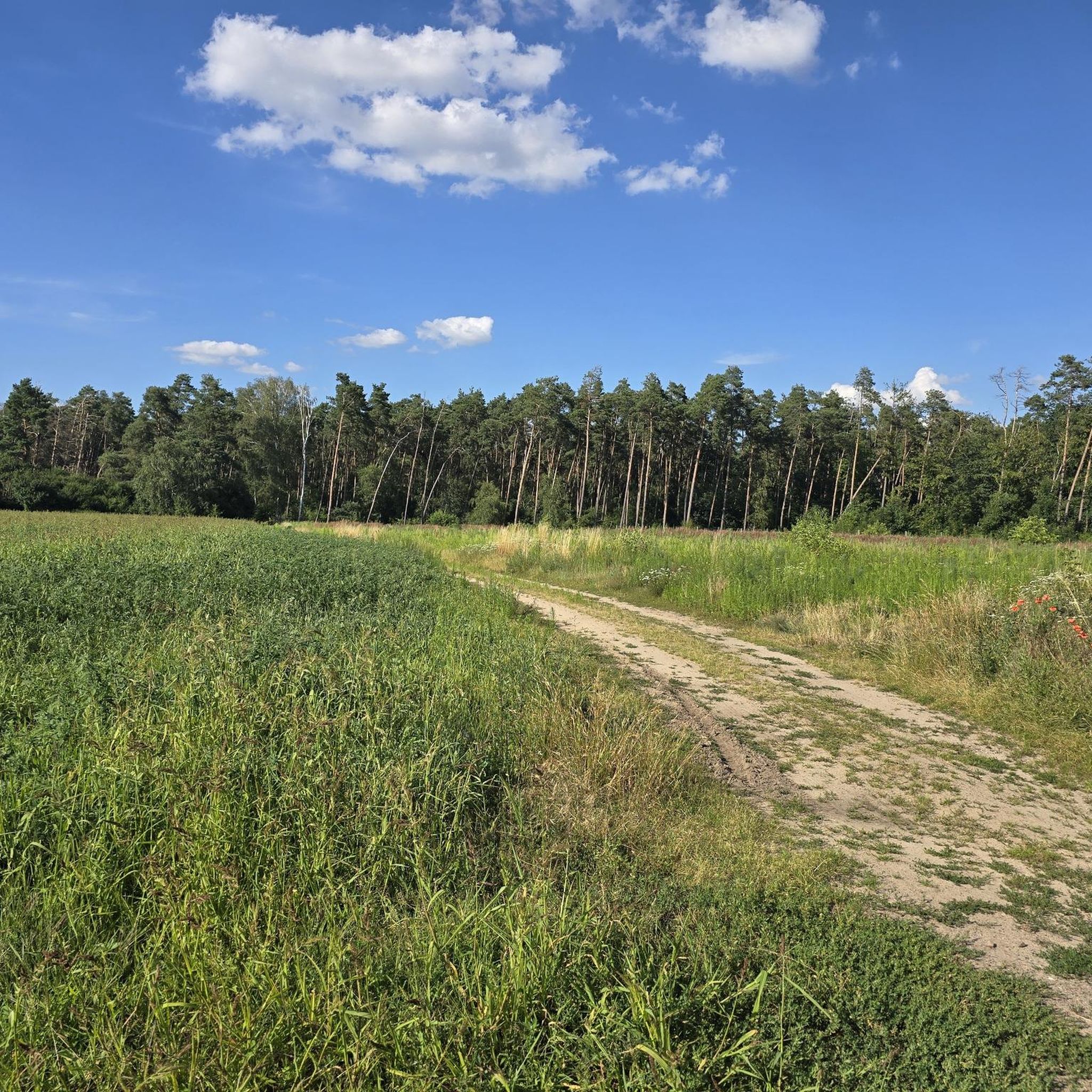
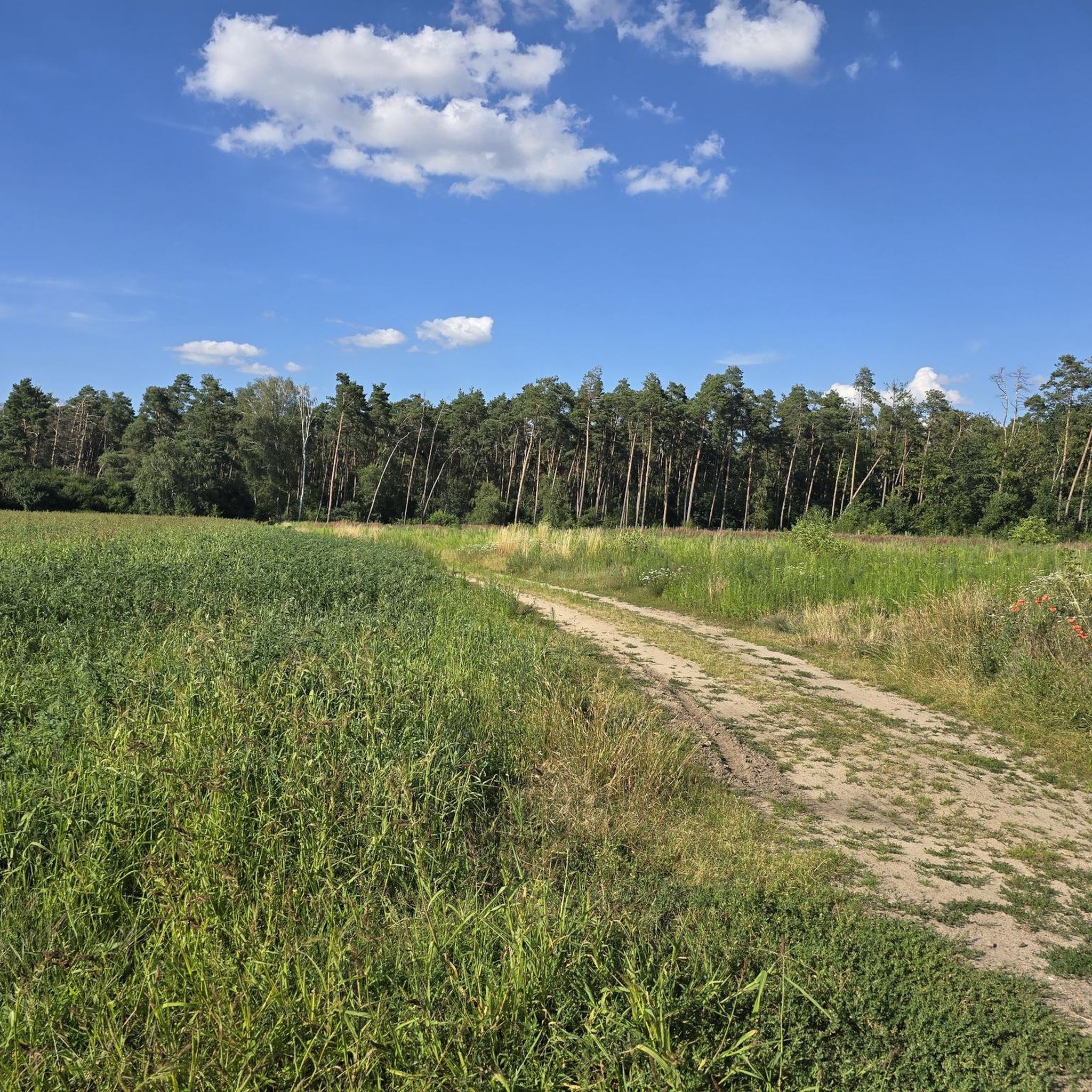
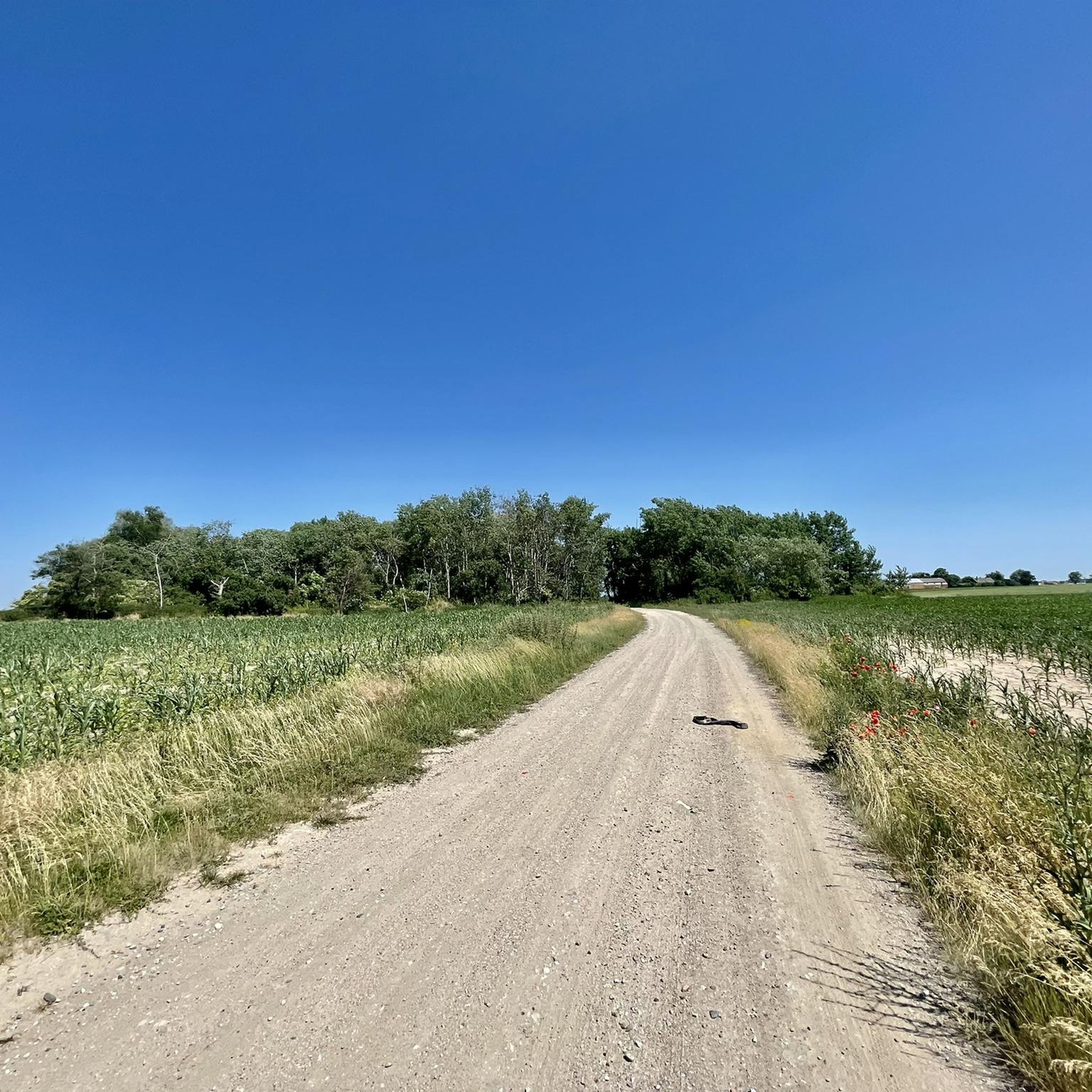
a nice fast bike path around the Środa lake
1
0

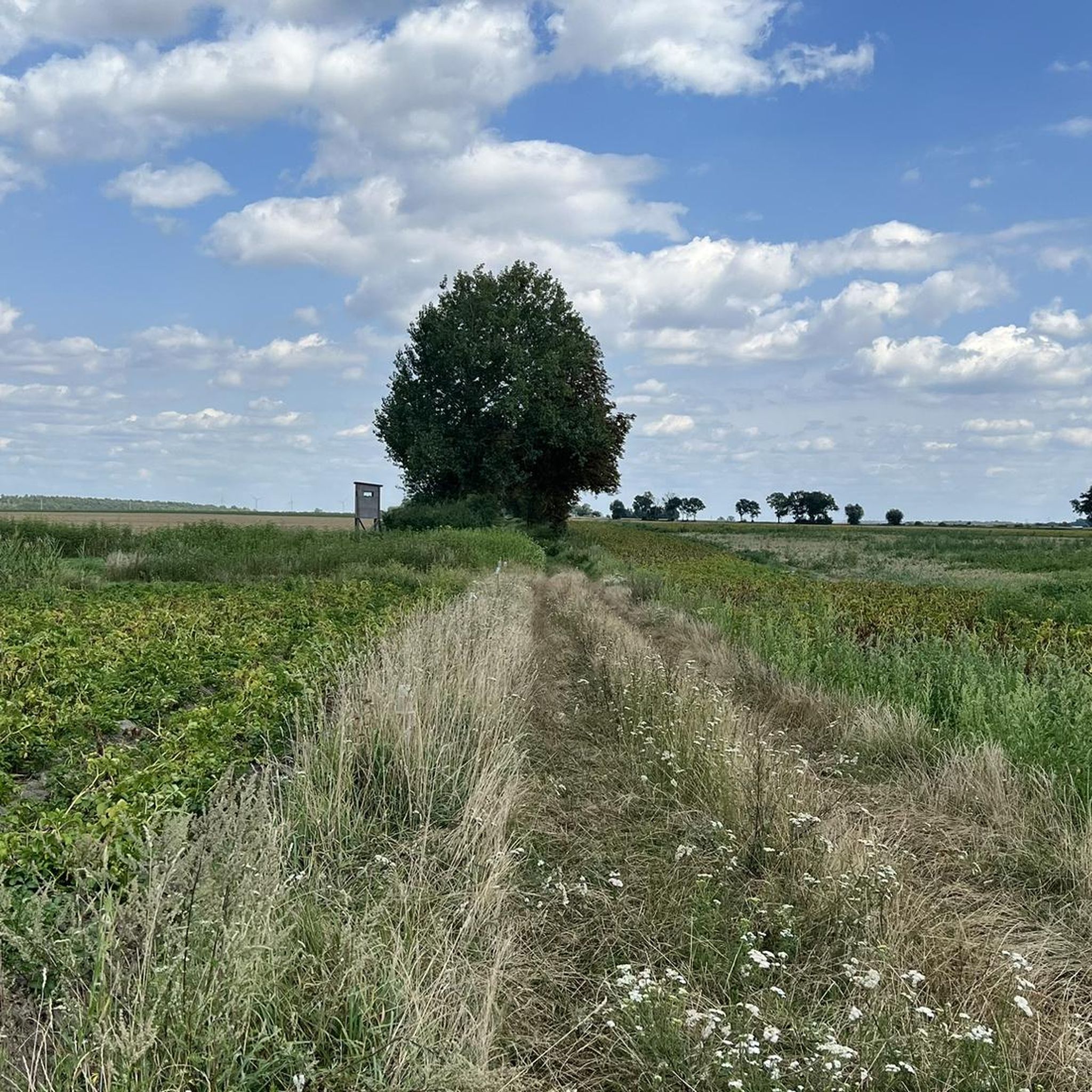
There is a lot of traffic during the season - cyclists, walkers, runners. But most of the anglers ;)
2
0

Currently a team of schools. Cycling is prohibited
1
0
Frequently Asked Questions
What historical sites can I visit around Dominowo?
The most significant historical site is the Archaeological Reserve – Piast Stronghold in Giecz. This 9th-century stronghold was a key center of the early Piast monarchy, featuring well-preserved medieval ramparts and the foundations of a palatium and rotunda chapel. You can also explore the Miłosław Palace, a 19th-century Classicist residence surrounded by a picturesque park, and several historic churches.
Are there any notable religious buildings in the Dominowo area?
Yes, the region features several historic religious buildings. These include St. Catherine's Church in Opatówek, a wooden church from the 18th century known for its rococo altars, and the Church of the Assumption of the Blessed Virgin Mary and St. Nicholas in Giecz, a valuable Romanesque building from the 12th century. Additionally, the Holy Cross Church in Września is a historic wooden church dating back to 1664.
What outdoor activities are available near Dominowo?
The area around Dominowo is excellent for cycling. You can enjoy the Bike Path Around Lake Średzkie, which offers a scenic route with resting spots. For more extensive cycling, explore the various routes available in the region, including general cycling tours, road cycling routes, and MTB trails.
Are there family-friendly attractions around Dominowo?
Many attractions in the area are suitable for families. The Bike Path Around Lake Średzkie is a great option for a family outing, offering easy cycling and places to rest. Historical sites like the Miłosław Palace and the churches in Giecz and Września also welcome visitors of all ages, providing educational and engaging experiences.
What is the Piast Stronghold in Giecz and why is it important?
The Piast Stronghold in Giecz is an archaeological reserve and a highly significant historical site within Gmina Dominowo. Dating back to the 9th century, it was one of the principal strongholds of the early Piast monarchy, playing a crucial role in the political, military, administrative, economic, and religious life of the early Middle Ages. Visitors can see well-preserved medieval ramparts and the stone foundations of a palatium and a rotunda-shaped chapel.
Where can I find cycling routes near Dominowo?
The area offers a variety of cycling routes. You can find numerous options for general cycling, road cycling, and mountain biking. A popular choice is the Bike Path Around Lake Średzkie, which is suitable for a leisurely ride.
What is the best time to visit the attractions around Dominowo?
The best time to visit Dominowo and its surrounding attractions, especially for outdoor activities like cycling, is typically during the spring (April-June) and autumn (September-October) months. The weather is generally mild and pleasant, making it ideal for exploring historical sites and enjoying the scenic routes. Summer can also be enjoyable, though it may be warmer.
Are there any lakes or natural features to visit?
Yes, the Bike Path Around Lake Średzkie provides access to the natural beauty of Lake Średzkie. While the village of Dominowo itself is more of an administrative center, the wider Gmina Dominowo offers opportunities to enjoy the natural landscape, particularly along the cycling routes that traverse the area.
What do visitors enjoy most about the attractions near Dominowo?
Visitors appreciate the blend of historical significance and outdoor recreation. The well-preserved history of sites like the Piast Stronghold in Giecz offers a deep dive into Poland's past, while the scenic cycling paths, such as the Bike Path Around Lake Średzkie, are popular for their natural beauty and opportunities for active exploration.
Is there an official website for the Piast Stronghold in Giecz?
Yes, for more detailed information about the Archaeological Reserve – Piast Stronghold in Giecz, including potential visiting hours or specific exhibits, you can refer to resources like visiton.pl.
Can I find easy cycling routes suitable for beginners or families?
Absolutely. Many of the cycling routes around Dominowo are rated as easy, making them perfect for beginners or families. For instance, the Bike Path Around Lake Średzkie is a gentle cycle way. You can explore various easy options within the cycling guide for Dominowo.
Most popular attractions around Dominowo

Get inspired with the komoot mobile app


Explore more
Still not found the Highlight you’re looking for? See guides of the top attractions in other regions:
