The best MTB trails around gmina gmina Września
4.8
(55)
167
riders
26
rides
Mountain biking around gmina gmina Września offers routes through a landscape characterized by lakes and gently rolling terrain. The area features paths that often lead around bodies of water, such as Jezioro Baba, providing a mix of open views and natural surroundings. Elevations are generally low, with routes featuring moderate climbs and descents. The region's trails are suitable for mountain bikers seeking accessible and enjoyable rides.
Best mountain bike trails around gmina gmina Września
- The most popular mountain bike trail is Footbridge at Jezioro Baba – Baba Lake loop from Nekla, a 16.1 miles (25.9 km) trail that takes 1 hour 45 minutes to complete. This moderate route offers views of Jezioro Baba.
- Another top favourite among local mountain bikers is Footbridge at Jezioro Baba – Baba Lake loop from Września, a moderate 26.3 miles (42.4 km) path. This route also explores the area around Jezioro Baba, providing a longer ride through similar scenery.
- Local mountain bikers also love the Long White Bench loop from Września, a 23.2 miles (37.4 km) trail leading through varied terrain, often completed in about 2 hours 10 minutes.
- Mountain biking around gmina gmina Września is defined by lakeside paths and gently rolling terrain. The network offers options for different ability levels, primarily focusing on moderate routes.
- The routes in gmina gmina Września are highly rated by the komoot community with an average score of 4.9 stars from over 30 reviews. More than 160 mountain bikers have used komoot to explore gmina gmina Września's varied terrain.
Last updated: July 4, 2026
4.7
(31)
49
riders
Moderate mountain bike ride. Good fitness required. Advanced riding skills necessary.
5.0
(2)
11
riders
45.2km
02:54
140m
140m
Moderate mountain bike ride. Good fitness required. Suitable for all skill levels.

Sign up for free
5.0
(3)
7
riders
37.8km
02:16
100m
100m
Moderate mountain bike ride. Good fitness required. Suitable for all skill levels.
5.0
(1)
2
riders
47.7km
02:59
110m
110m
Moderate mountain bike ride. Good fitness required. Suitable for all skill levels.
5.0
(1)
5
riders
45.6km
03:13
200m
200m
Moderate mountain bike ride. Good fitness required. Advanced riding skills necessary.
Get access to more routes and recommendations from other explorers.
Sign up for free
Already have an account?
Our route recommendations are based on thousands of hikes, rides, and runs completed by other people on komoot.
Start today with a free account
Your next adventure awaits.
Login or Signup

Tips from the Community

The palace was built in the early 19th century at the request of Józef Mielżyński, according to a design by K.F. Schinkel, as a (then relatively modest) villa-palace. In the mid-19th century, it was expanded to include the wings of the southern façade, the western wing, and a tower in the Neo-Renaissance style. The reconstruction was designed by Count Seweryn Mielżyński himself. He intended to designate the eastern wing of the façade as a picture gallery. The next reconstruction took place at the end of the 19th century. It was carried out by the next owner of Miłosław, Józef Kościelski, to whom the palace owes its regular façade wings, the Grand Order portico, the balustrade-like finial, and the additional tower story, among other things. Thanks to these efforts, the palace acquired the classic appearance of a Neo-Renaissance residence. The façade, with its central projection and Grand Order portico, is particularly impressive. Four Ionic columns support the architrave, which supports the triangular pediment. The avant-corps is connected to the side wings, which protrude significantly from the facade, and feature charming galleries decorated with vases. A quadrangular tower, topped by a belvedere surrounded by a balustrade, dominates the entire structure. The garden façade is enhanced by a perpendicularly added wing. The palace stands in a beautiful landscaped park. (naprzekordniom.wordpress.com) Currently (October 2025), the building is undergoing facade renovations.
0
0
This neo-Gothic hunting lodge, built in the form of a medieval defensive complex, was built in 1854, likely according to the design of Seweryn Mielżyński. The Hunting Lodge, also known as the "Pheasantry" (until 1945, a pheasant farm was located here), was built on a small hill surrounded by forests. The building is constructed of stone and brick and is single-story. It features an octagonal tower on the western side. It is partially surrounded by a defensive wall with battlements, embrasures, and a tower. A wooden lookout tower was placed in a corner of the wall. It was partially destroyed after the war and rebuilt in 1974. Currently, the renovated complex houses the "Darz Bór" restaurant and hotel. (darzbor.eu)
1
0

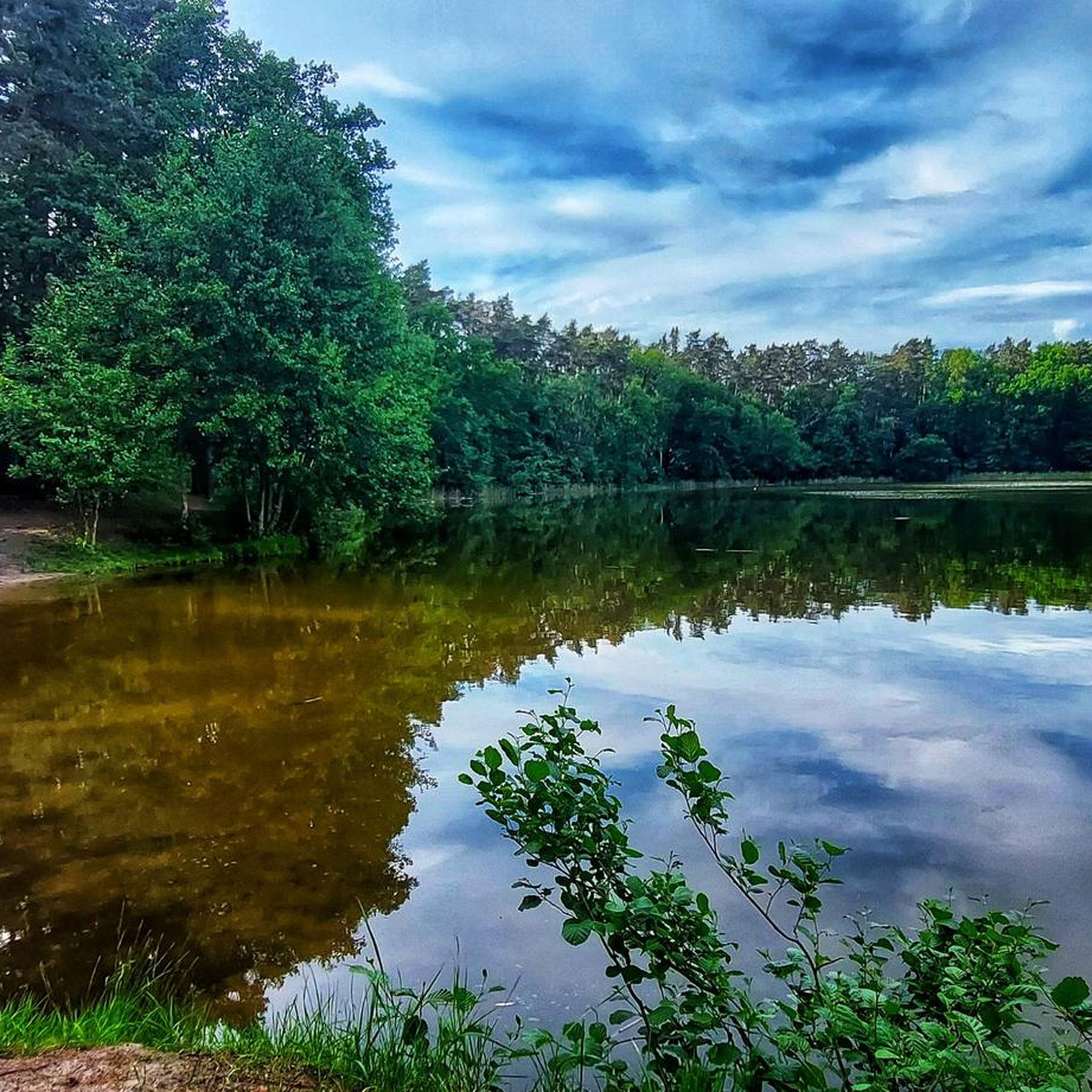
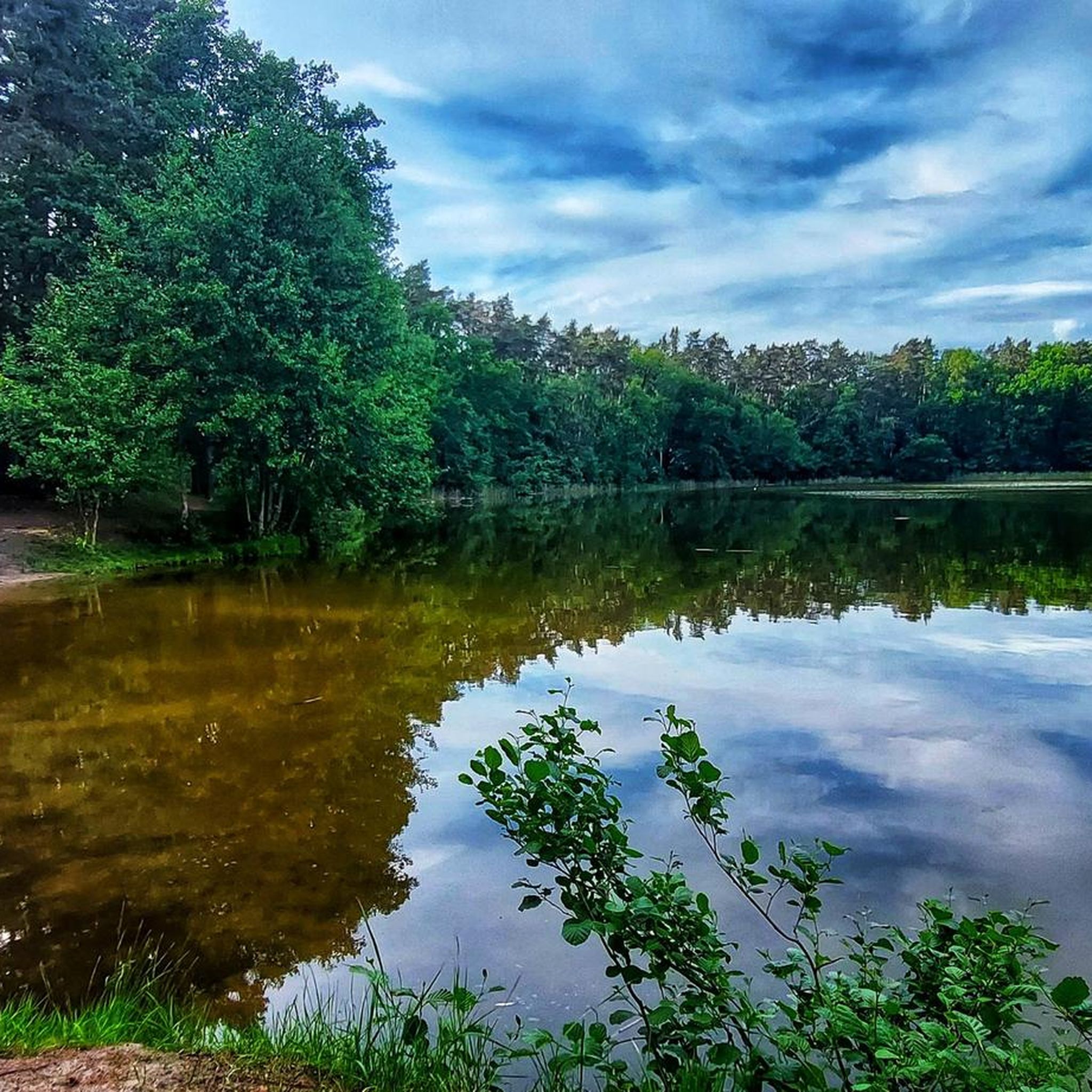
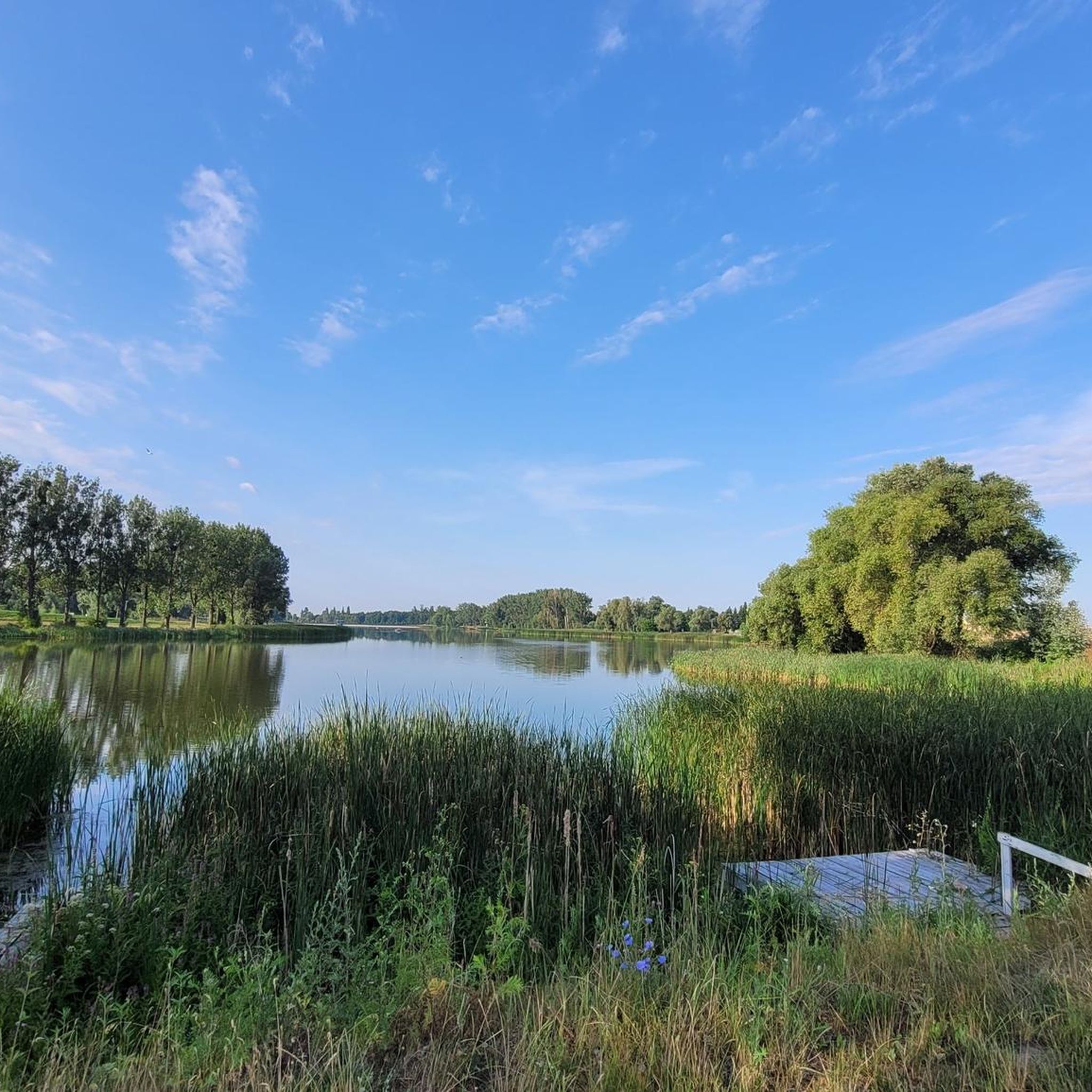
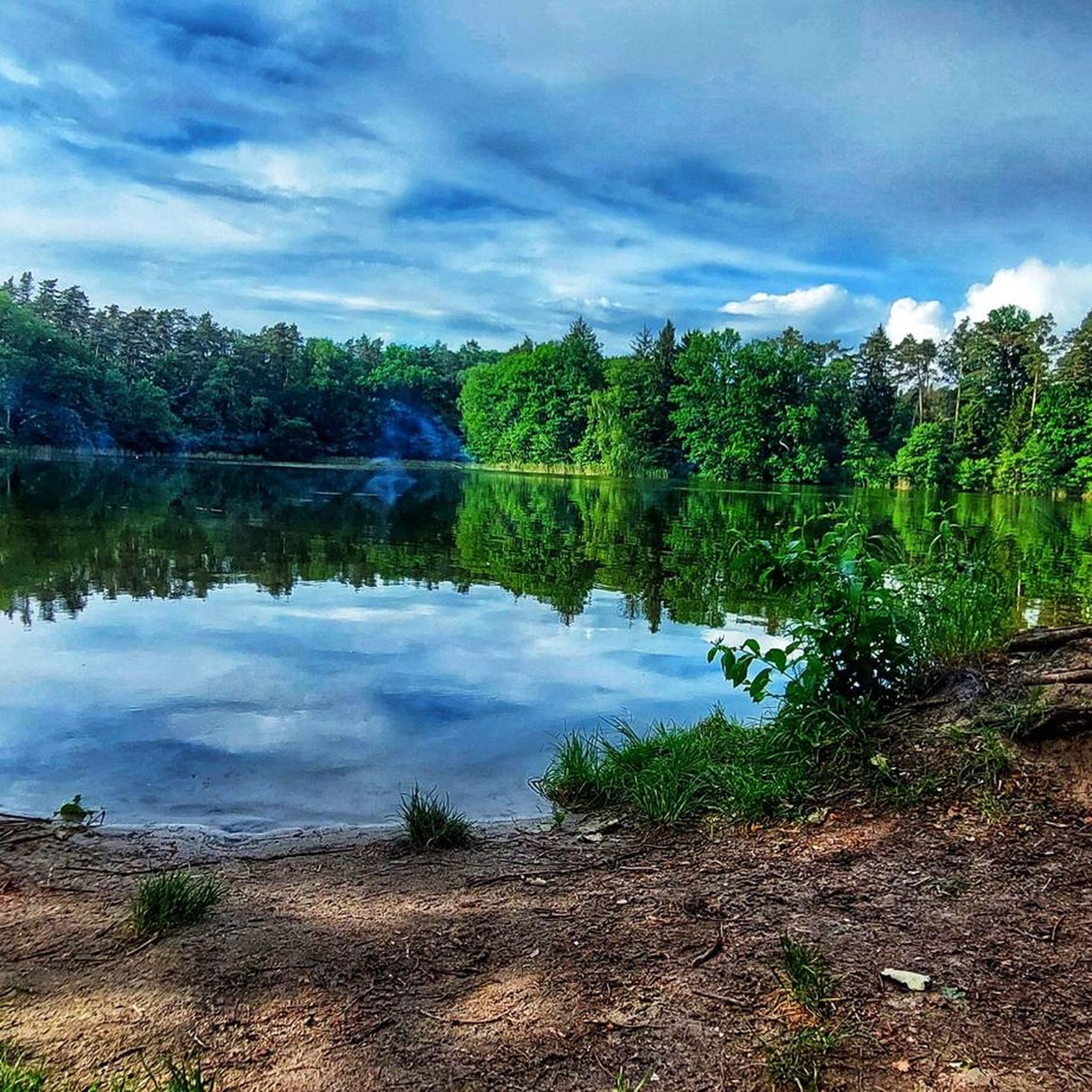
A small lake surrounded by forest. A few meters of beach.
0
0

Admission to the palace is subject to a fee.
0
0

Miłosław Palace is a 19th-century Classicist residence located in the southern part of the city. Built as a Neo-Renaissance villa designed by Karl Friedrich Schinkel, it was subsequently expanded several times, including by Seweryn Mielżyński. In its heyday, it served as an "open house," hosting distinguished writers, musicians, and painters, and housed a museum housing a valuable art collection. Burnt down in 1945, it was rebuilt in the 1960s, preserving its original appearance. Today, it houses a school, and the building is surrounded by a picturesque park, worth visiting on a bicycle tour of the area.
3
0
General Dąbrowski's Palace in Winna Góra is an important place on the historical map of Wielkopolska, closely associated with the figure of Jan Henryk Dąbrowski, a national hero and founder of the legions. The current building from the early 20th century refers in its form to a classic Polish manor house and today houses a modern cultural institution. Visitors can learn about the history of the general, the idea of organic work and see memorabilia related to the Napoleonic era. Around the palace there is a historic park with ponds, and the entire area is conveniently accessible by bike - the road or gravel route from nearby Środa Wielkopolska is the best.
3
0

The area is well-kept but there is little left of the graves
0
0
Narrow singletrack close to the shoreline. Several portages through fallen trees. You have to watch out for the remains of stumps from the cut down small trees.
2
0
Frequently Asked Questions
What is the typical terrain like for mountain biking in gmina gmina Września?
The region is characterized by gently rolling terrain and paths that often lead around bodies of water, such as Jezioro Baba. Elevations are generally low, offering a mix of open views and natural surroundings with moderate climbs and descents.
How many mountain bike trails are available in gmina gmina Września?
There are over 20 mountain bike trails in gmina gmina Września. The majority of these, 18 routes, are rated as moderate, with 4 routes suitable for easy rides.
Are there any family-friendly mountain bike trails in gmina gmina Września?
Yes, the region offers several easy mountain bike routes that are suitable for families. These trails typically feature gentle gradients and scenic paths, often around lakes, making them enjoyable for riders of varying skill levels.
What is the best time of year for mountain biking in gmina gmina Września?
Mountain biking in gmina gmina Września is generally pleasant from spring through autumn. The trails are well-suited for these seasons, offering comfortable temperatures and lush scenery. While winter riding is possible, conditions may vary, so checking local weather and trail status is advisable.
Are there any circular mountain bike routes in the area?
Many of the mountain bike trails in gmina gmina Września are designed as circular routes, allowing you to start and finish at the same point. For example, consider the Footbridge at Jezioro Baba – Baba Lake loop from Nekla or the Long White Bench loop from Września.
What kind of difficulty can I expect on the mountain bike trails?
The mountain bike trails in gmina gmina Września are predominantly moderate, making them accessible to a wide range of riders. There are also easier options for beginners, and while there are no trails rated as difficult, the moderate routes provide engaging rides with some elevation changes.
What do other mountain bikers say about the trails in gmina gmina Września?
The mountain bike trails in gmina gmina Września are highly rated by the komoot community, with an average score of 4.9 stars from over 30 reviews. Riders often praise the scenic lakeside paths and the enjoyable, gently rolling terrain.
Are there any interesting landmarks or attractions to see along the mountain bike trails?
Yes, the region offers several points of interest. You might encounter historical sites like the Holy Cross Church in Września or the Miłosław Palace. Many routes also feature beautiful natural spots such as Baba Lake or the Swimming Area at Lake Baba.
Are there any longer mountain bike routes for experienced riders?
For those seeking a longer ride, the Footbridge at Jezioro Baba – Baba Lake loop from Gutowo Wielkopolskie covers approximately 57 km. Another option is the Long White Bench loop from Chwalibogowo, which is about 49 km long.
Where can I find trailheads for mountain biking in gmina gmina Września?
Many routes start directly from towns like Września or Nekla, offering convenient access. For instance, the Footbridge at Jezioro Baba – Baba Lake loop from Września begins in Września, while the Footbridge at Jezioro Baba – Baba Lake loop from Nekla starts from Nekla.
Are there any viewpoints along the mountain bike trails in gmina gmina Września?
While the region is characterized by gently rolling terrain rather than dramatic mountain vistas, many trails offer scenic views, particularly around the numerous lakes. Routes like those around Jezioro Baba provide open views across the water and natural surroundings.
Most popular routes around gmina gmina Września
Most popular attractions around gmina gmina Września

Get inspired with the komoot mobile app


Explore more
Browse the best MTB trails in other regions.
