The best road cycling routes around Valongo Do Vouga
4.4
(17)
1,085
riders
113
rides
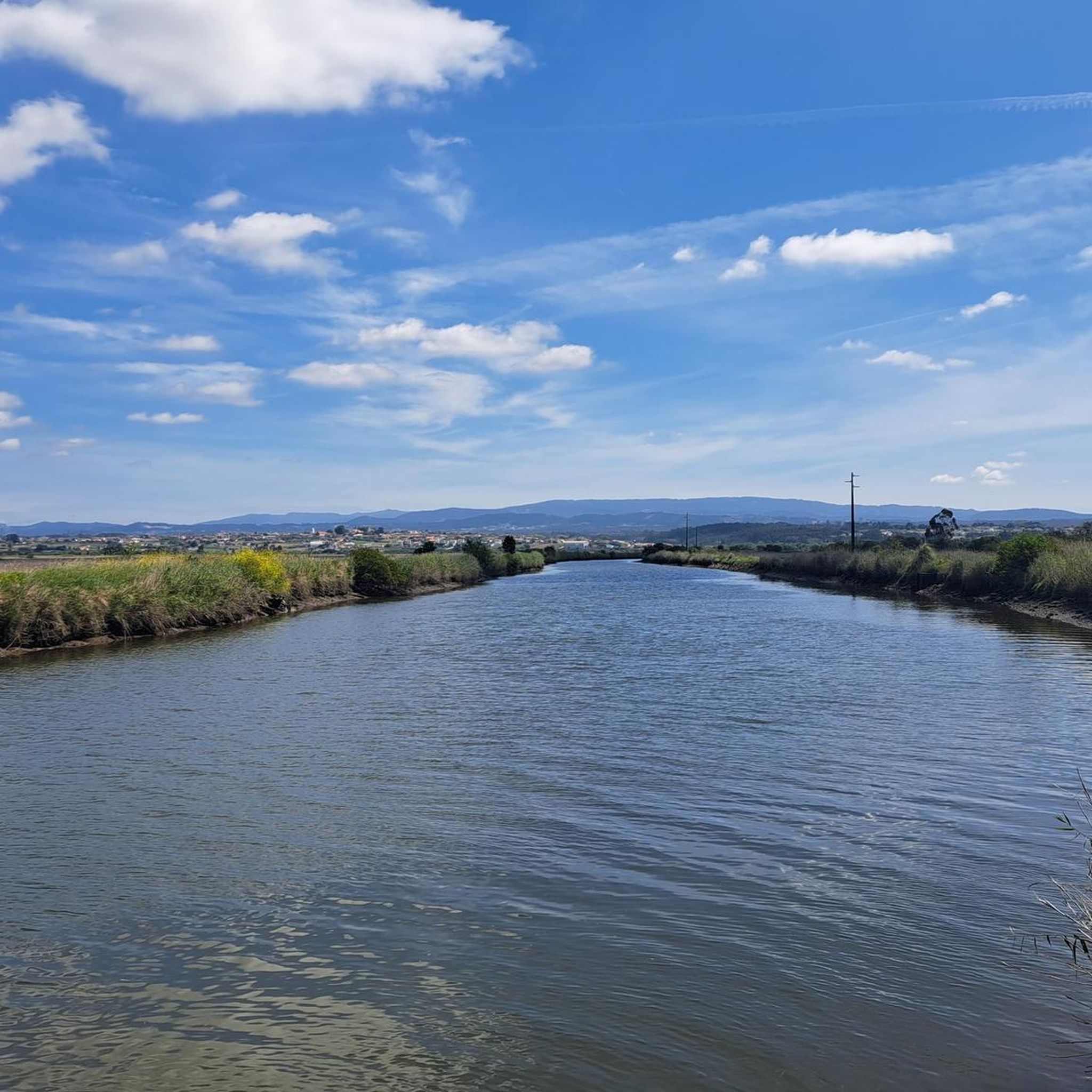
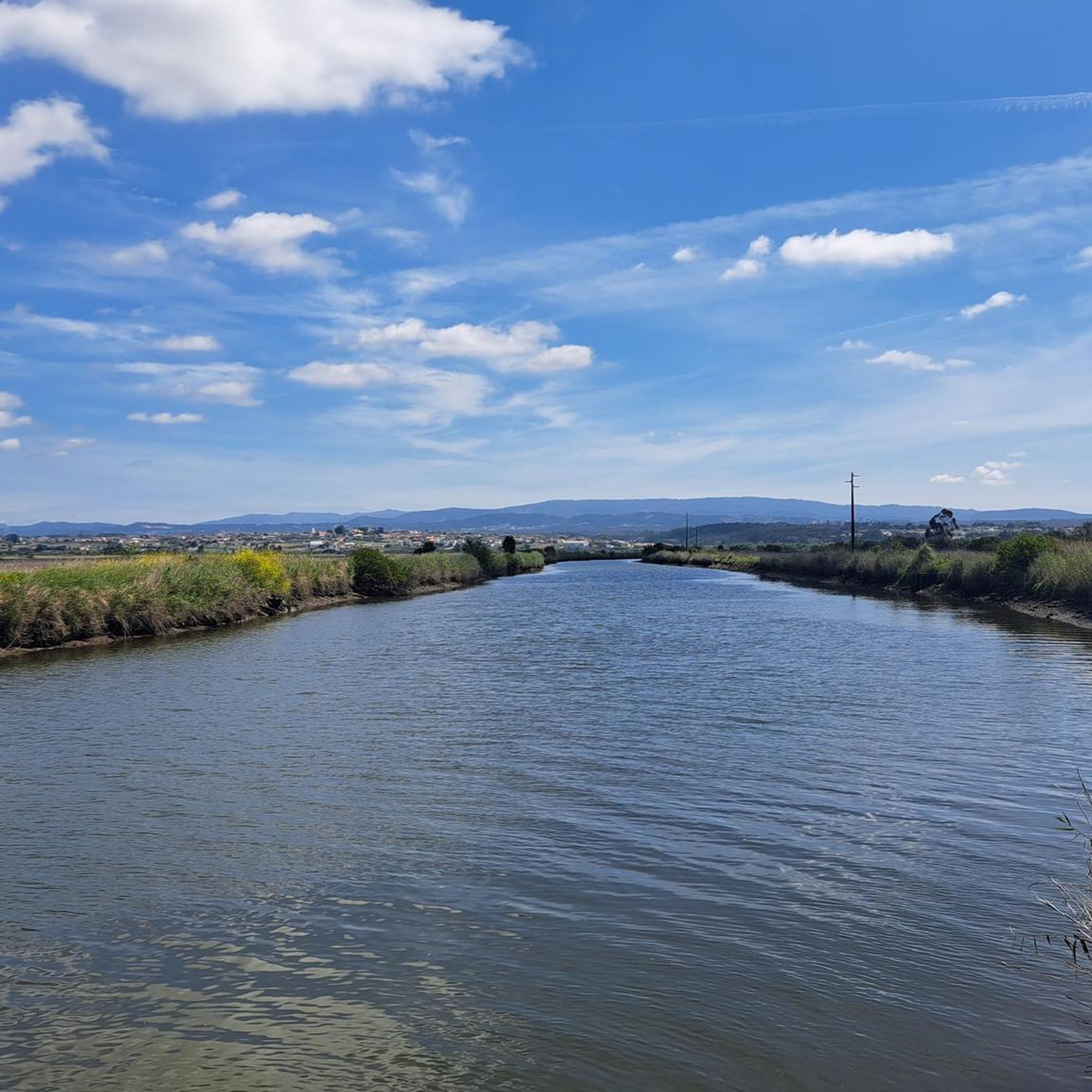
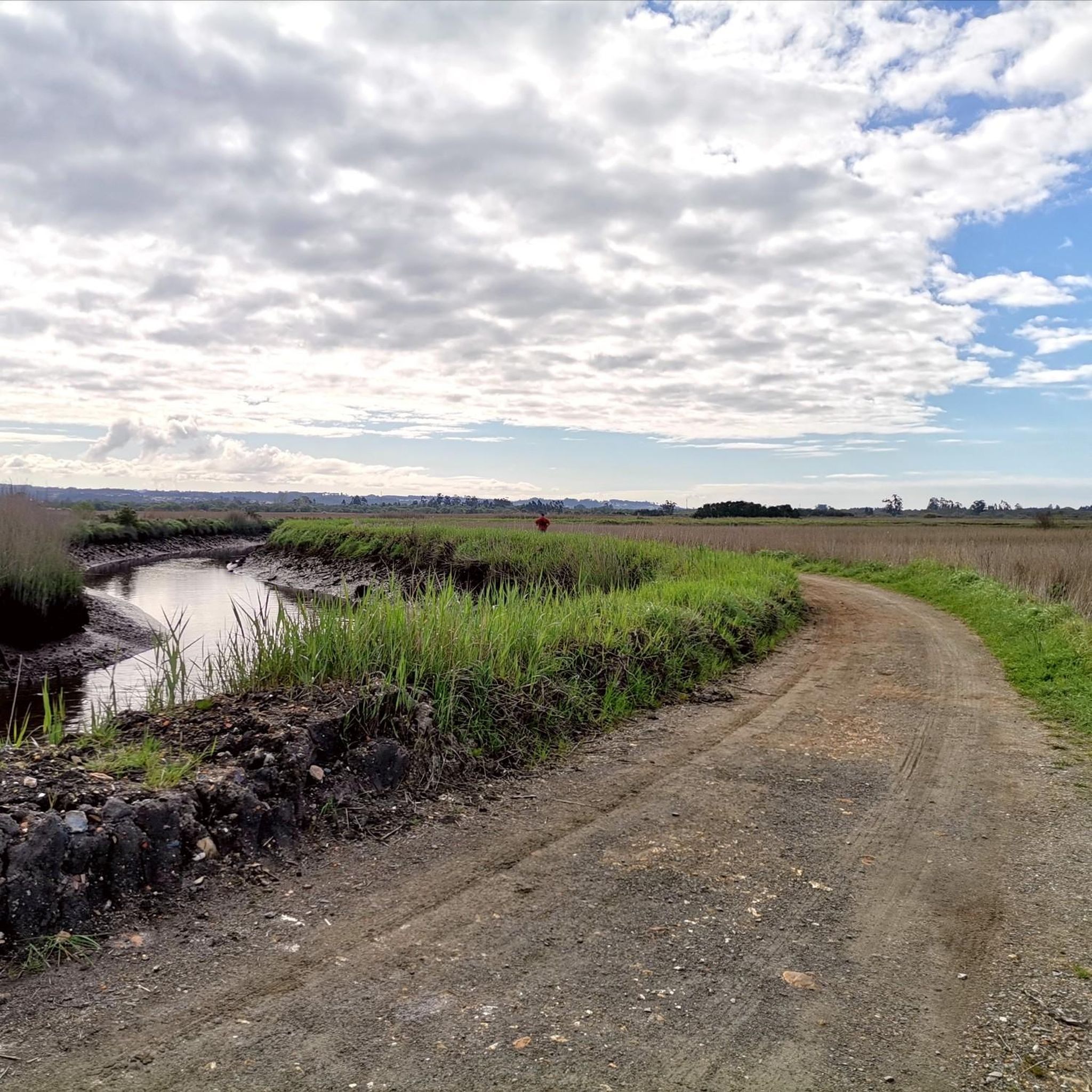
Road cycling around Valongo Do Vouga offers diverse landscapes, historical attractions, and natural features within the municipality of Águeda, Portugal. The region is characterized by the Vouga valley, which provides a varied terrain for road cyclists. Routes often follow river corridors, including the Vouga, Mau, and Marnel rivers, and incorporate historical railway lines. The area features a mix of flat sections, rolling hills, and some challenging climbs, making it suitable for different skill levels.
Best road cycling routes around Valongo…
Last updated: August 21, 2026
31
riders
88.1km
03:48
390m
390m
Moderate road ride. Good fitness required. Some segments of this route may be unpaved and difficult to ride.
21
riders
Moderate road ride. Good fitness required. Mostly well-paved surfaces and easy to ride.

Sign up for free
19
riders
52.8km
02:13
350m
350m
Moderate road ride. Good fitness required. Mostly well-paved surfaces and easy to ride.
17
riders
103km
05:02
1,400m
1,400m
Hard road ride. Very good fitness required. Mostly well-paved surfaces and easy to ride.
18
riders
62.6km
02:42
450m
450m
Moderate road ride. Good fitness required. Mostly well-paved surfaces and easy to ride.
Get access to more routes and recommendations from other explorers.
Sign up for free
Already have an account?
Our route recommendations are based on thousands of hikes, rides, and runs completed by other people on komoot.
Start today with a free account
Your next adventure awaits.
Login or Signup

Tips from the Community

The Cross of São Domingos (also known as Cruzeiro de São Domingos or Cruzeiro de Nossa Senhora da Glória) is an ornate, late Gothic stone cross from the late 15th century. It is located protected in the vestibule (Galilé) of the Cathedral of Aveiro (Sé Catedral de Aveiro / Igreja de São Domingos).Interesting facts about the cross:Origin: It comes from a workshop in Coimbra.
3
0


In the past, this bridge was used to be used to ask for the hand of the beloved (engagement bridge).
4
0

Aveiro boasts a unique natural and urban landscape, dominated by the Ria de Aveiro and the streams that penetrate the urban space and have permanently marked the local history, heritage, culture, and identity. Aboard one of the typical boats, including the Moliceiro boat, take the opportunity to explore the city through the canals, which, at sunset, turn from silver to gold with the reflection of the sun's rays. There are other types of tourist transport available that can take you on a longer tour to explore the rest of the city and its main tourist attractions, such as the typical fishing and seafaring neighborhood, the Beira-Mar neighborhood, the old, walled, upscale area of the city, the Alboi neighborhood, the Cais da Fonte Nova, or the University of Aveiro, a true open-air museum of contemporary Portuguese architecture. (Source: www.turismodocentro.pt)
9
0
Salt mining in the Aveiro region dates back to a time before the Ria de Aveiro itself existed, with the first written document about Aveiro salt production dating back to before the founding of the nation. Over the centuries, the instability of the inlet (isolation from the sea) was a decisive factor in the variation in the number and production of salt pans. This resulted in periods of decline interspersed with periods of great favorability for production. This occurred in 1572, when, given the favorable condition of the inlet and the high and progressive commercial and maritime index, Aveiro became one of the best ports in Portugal, with a significant increase in salt trade and cod fishing. In 1808, the new inlet (an artificial system that allows seawater to enter) was finally opened, a fact of exceptional importance for the future of Aveiro and the entire region. (Source: Wikipedia) (Source: Wikipedia)⁶
13
0
The Palheiros da Costa Nova, or the colorful little houses of Costa Nova, are the old fishermen's warehouses. In other words, these are where they stored their nets, boats, and fishing gear at the end of the day. But what makes the palheiros da Costa Nova so special, and why everyone wants to see them, is their picturesque and colorful appearance. The striped facades leave no one indifferent. And the fact that they are located in a seaside setting attracts even more visitors. Besides the palheiros, Costa Nova offers other must-see attractions for visitors. We're talking about extensive golden sand beaches, ideal for sunbathing or enjoying water sports like surfing and windsurfing. (Source: loveitportugal.com)
13
0
Located on the São Roque canal, the Carcavelos Bridge was built in 1953 to replace the original bridge, which collapsed 11 years earlier. It was a mandatory crossing point for workers on the Sal River. It is one of the oldest and most emblematic bridges in Aveiro. It was built over the São Roque canal. Yellow, adorned with balusters and the city's coat of arms (the eagle represents the symbol of Aveiro), the Carcavelos Bridge can be visited during a stroll through the typical Beira-Mar neighborhood or on one of the many boat tours along the estuary. (www.turismo.portugal.com)
10
0

The most beautiful of the bridges.
2
0
Frequently Asked Questions
How many road cycling routes are available around Valongo do Vouga?
Valongo do Vouga offers a wide variety of road cycling routes, with over 120 tours available. These routes cater to different skill levels, including easy, moderate, and difficult options.
What kind of terrain can I expect on road cycling routes in Valongo do Vouga?
The region around Valongo do Vouga features diverse terrain, ranging from flat sections along river corridors to rolling hills and some challenging climbs. You'll find routes that follow the Vouga, Mau, and Marnel rivers, often incorporating historical railway lines for a unique cycling experience.
Are there family-friendly road cycling options in Valongo do Vouga?
Yes, the Ecopista do Vouga is an excellent choice for family-friendly cycling. Built on a former railway line, it offers a linear and accessible path through the Vouga valley, suitable for all ages and skill levels.
Can I bring my dog on road cycling routes in Valongo do Vouga?
While specific rules vary by route, the Ecopista do Vouga is generally dog-friendly, allowing well-behaved dogs on a leash. It's always recommended to check local signage for any specific restrictions on other trails.
What interesting landmarks or natural features can I see while cycling?
Many routes offer scenic views and pass by notable attractions. You might encounter the impressive Poço de S. Tiago Bridge, the revitalized Paradela Station (a support hub for the Ecopista), or the beautiful Cabreia Waterfall. Some routes also lead towards the coastal views and iconic striped houses of Costa Nova.
Is there a route that passes by the Cabreia Waterfall?
Yes, the Cabreia Waterfall, formed by the Mau River, is a significant natural attraction in the area. While not directly on a road cycling route, it's a short detour from several cycling paths and offers a refreshing natural pool for swimming on warm days.
Are there any challenging road cycling routes for experienced riders?
Absolutely. For experienced riders seeking a challenge, routes like the Moinho de Sula – Luso Spring Fountain loop from Valongo - Vouga offer significant elevation gain, with over 1300 meters of climbing over 100 kilometers, providing a demanding and rewarding experience.
What is the best time of year for road cycling in Valongo do Vouga?
The region is inviting for outdoor activities throughout the year. Spring and autumn generally offer the most pleasant cycling conditions with mild temperatures. Summer can be warm, but the natural pools at places like Cabreia Waterfall provide refreshing breaks.
Are there circular road cycling routes available?
Yes, many of the road cycling routes around Valongo do Vouga are designed as loops, allowing you to start and end at the same point. Examples include the Striped Houses of Costa Nova – Barra Lighthouse loop from Mourisca do Vouga and the Olibike – Águeda Train Station loop from Aguieira.
What do other road cyclists enjoy the most about road cycling in Valongo do Vouga?
The area is highly rated by the komoot community, with an average score of 4.4 stars from 17 reviews. Cyclists often praise the diverse landscapes, the blend of historical railway heritage with natural beauty, and the variety of routes suitable for different ability levels.
Are there facilities like cafes or bike rentals along the routes?
Yes, particularly along the Ecopista do Vouga. The revitalized Paradela Station, for instance, now serves as a support hub offering amenities such as bicycle rental and repair services, an environmental interpretation center, and a restaurant.
How can I access the Ecopista do Vouga from Valongo do Vouga?
The Ecopista do Vouga is easily accessible from various points in the region, including near Valongo do Vouga. You can find parking at designated access points along the ecopath, and public transport options may connect to nearby towns with ecopista access.
Most popular routes around Valongo Do Vouga
Most popular attractions around Valongo Do Vouga

Get inspired with the komoot mobile app


Explore more
Browse the best Road cycling routes in other regions.
