Top 20 Lakes around Brodersdorf
Lakes around Brodersdorf are a prominent feature of the region, which is situated in Schleswig-Holstein. This area is known as "Holstein Switzerland" due to its landscape dotted with numerous lakes. Visitors to Brodersdorf can explore several notable lakes in the surrounding area, each offering distinct features and recreational opportunities. The region provides a variety of natural attractions for outdoor enthusiasts.
Best lakes around Brodersdorf
- The most popular lakes is Lake Passade, a lake that features a particularly beautiful and…
Last updated: July 8, 2026
Lake Passade
Highlight • Lake
Translated by Google •
Tip by

Dobersdorfer See Lakeside Recreation Area
Highlight • Lake
Translated by Google •
Tip by

Sign up now to discover places like this
Get recommendations on the best single tracks, peaks, & plenty of other exciting outdoor places.
Sign up for free
Seekamper Seewiesen Boardwalk
Highlight • Bridge
Translated by Google •
Tip by

Falckensteiner Beach Promenade
Highlight (Segment) • Beach
Translated by Google •
Tip by

Lake Dobersdorf
Highlight • Lake
Translated by Google •
Tip by
Sign up for free to discover even more lakes around Brodersdorf.
Sign up for free
Already have an account?
Start today with a free account
Your next adventure awaits.
Login or Signup
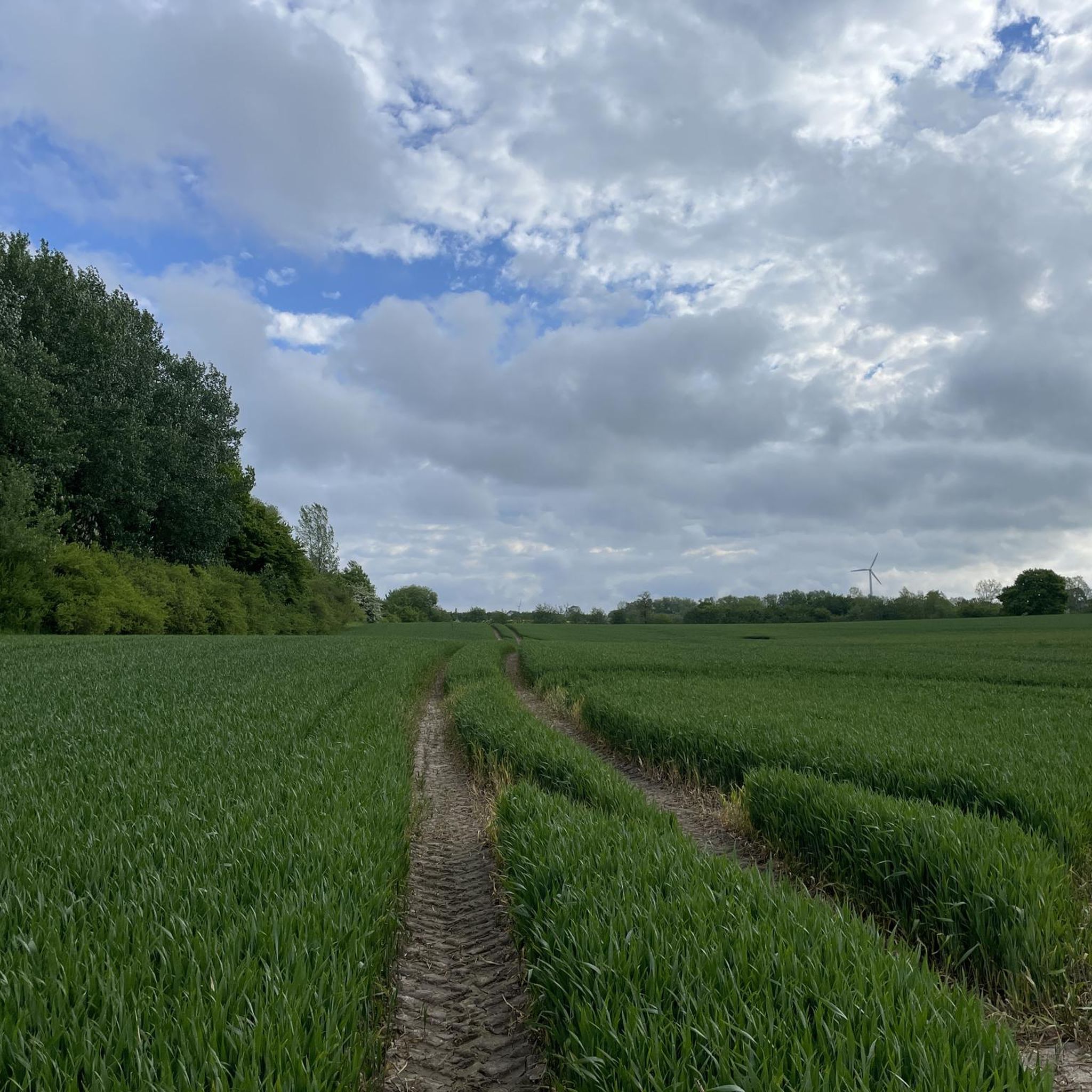
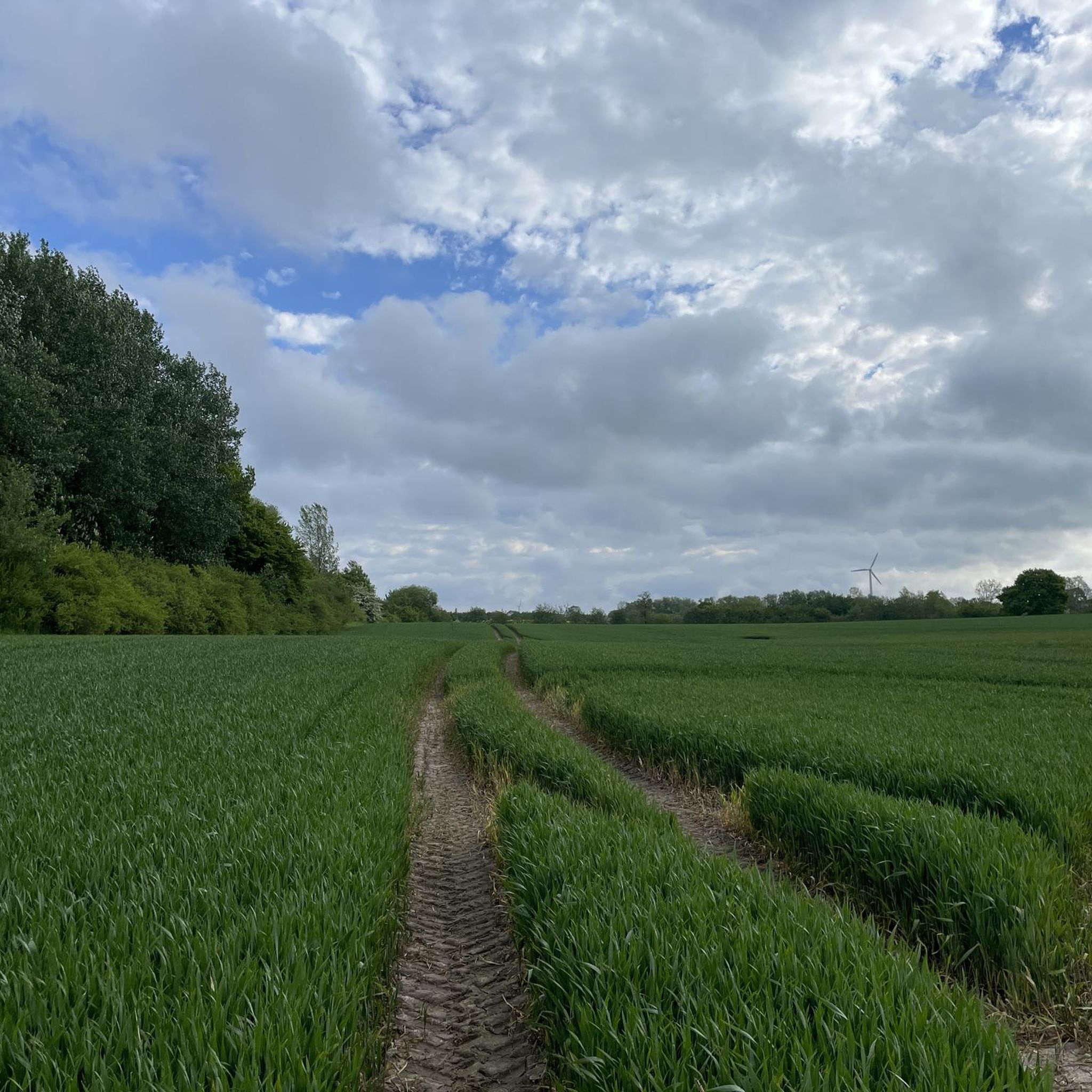
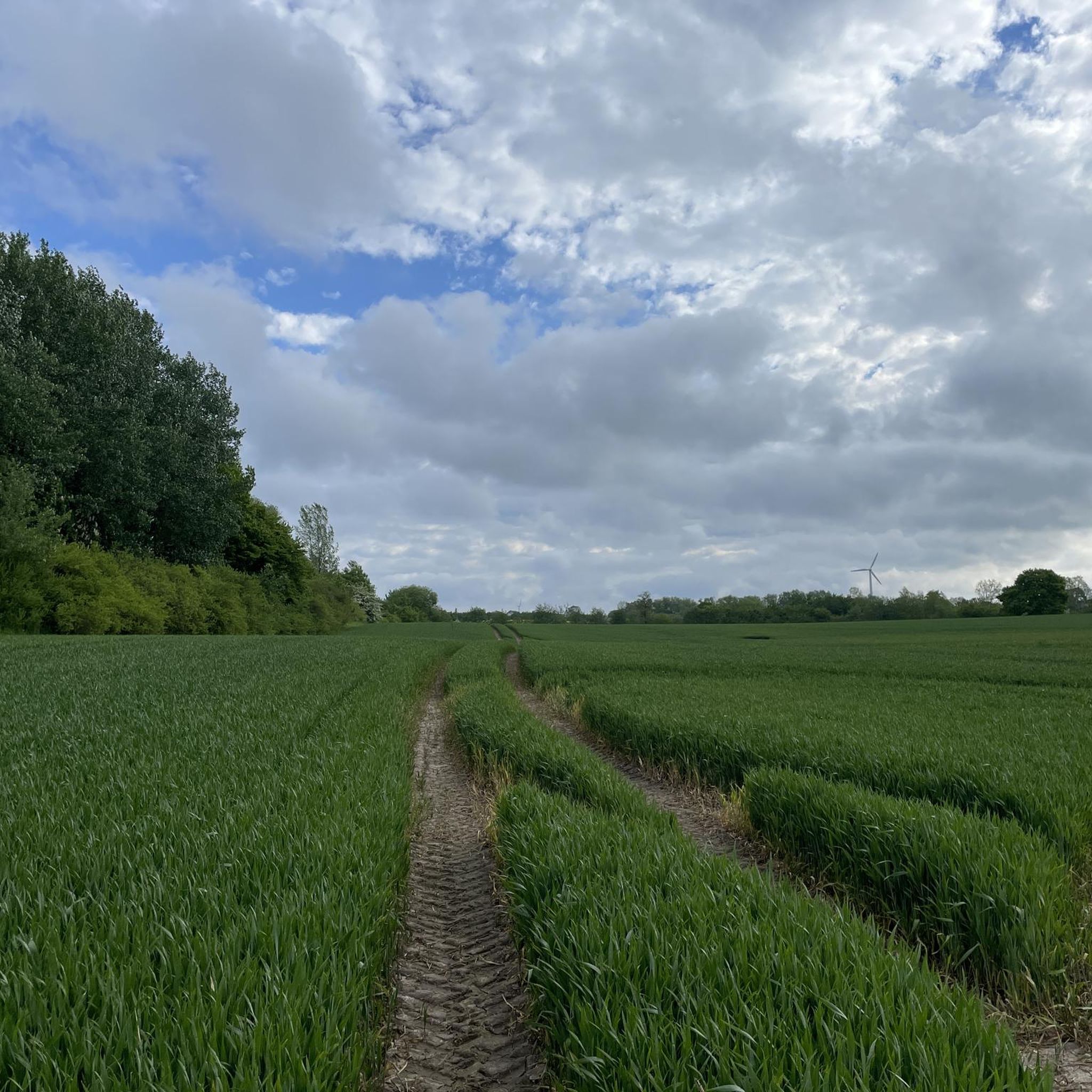
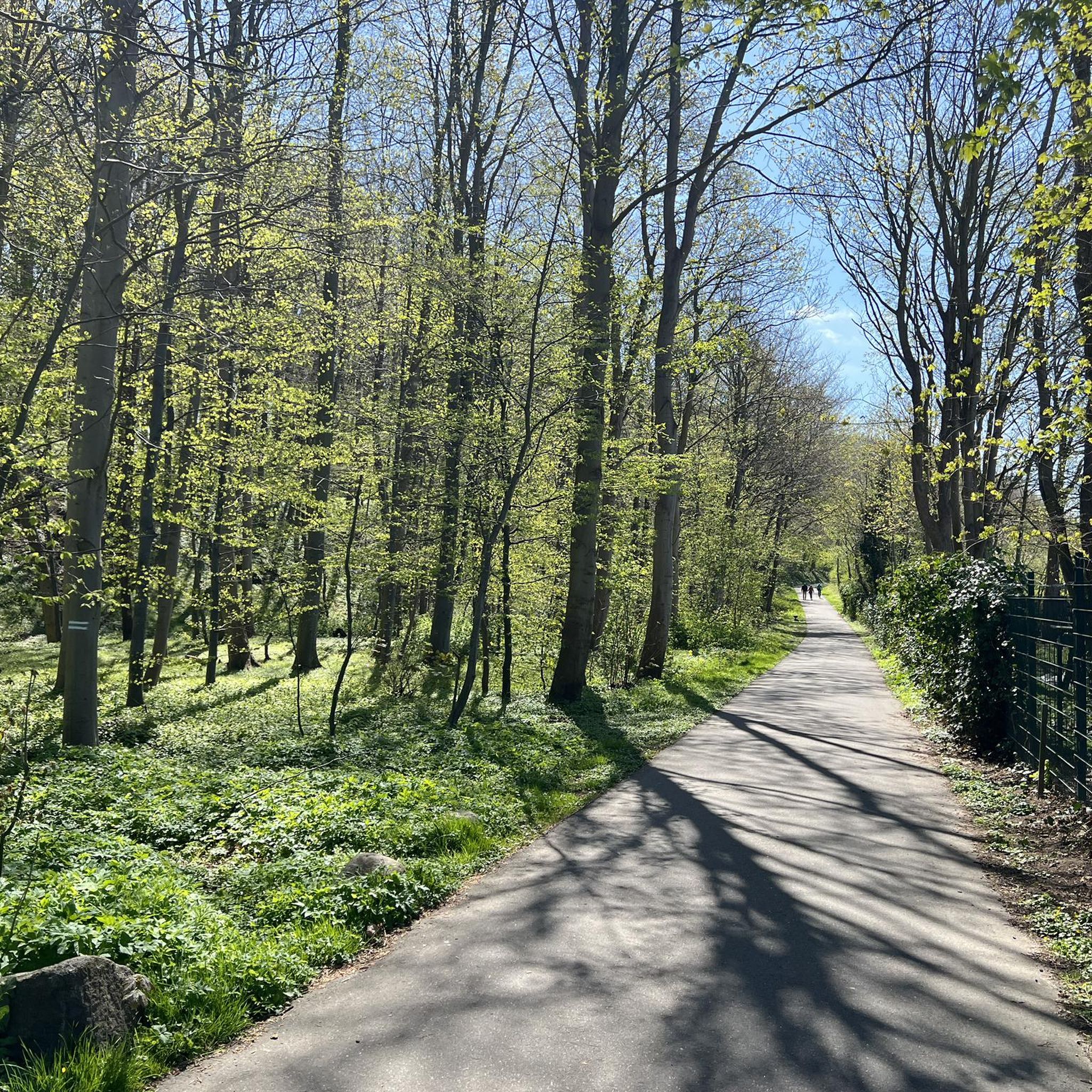

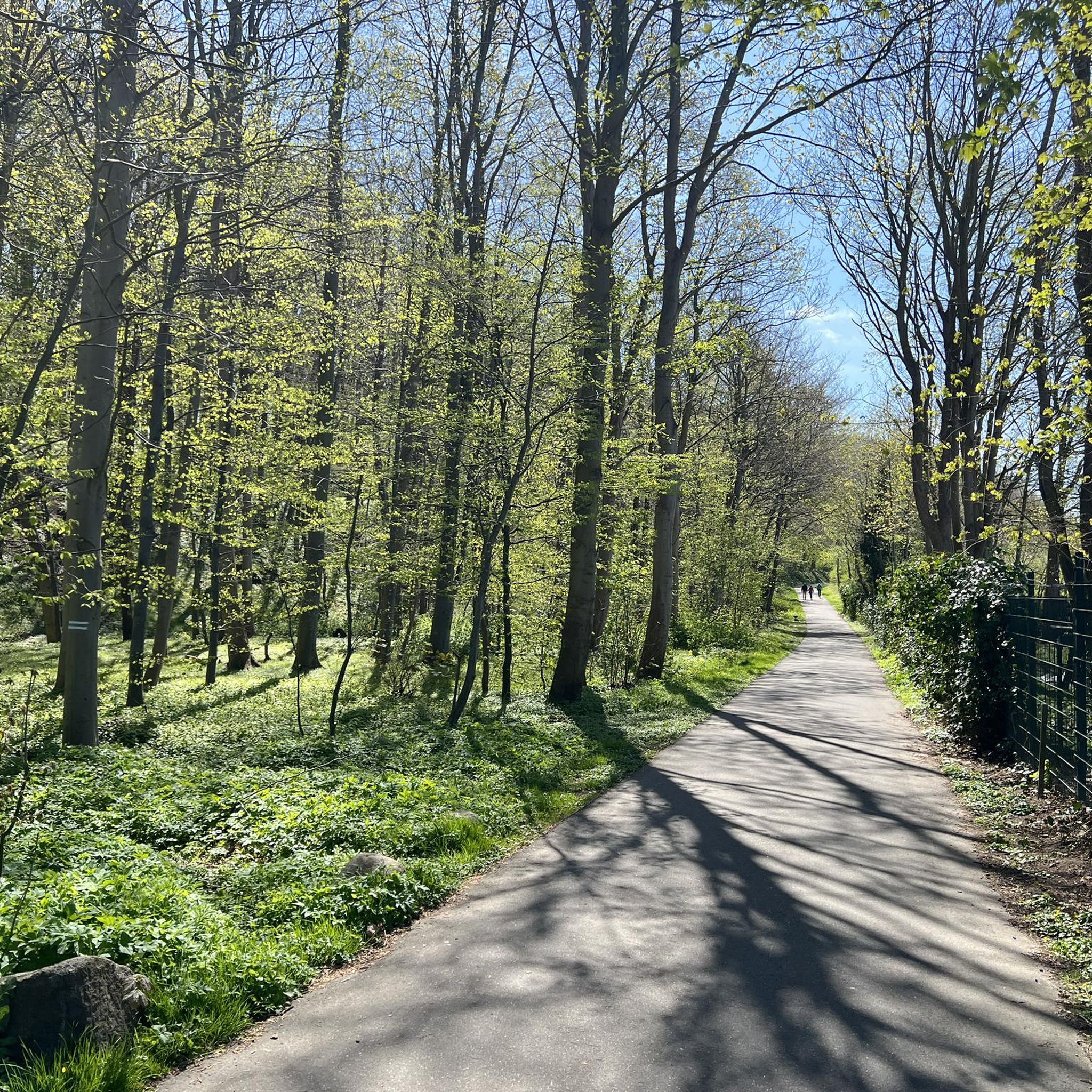
Tips from the Community

The natural area features numerous protected areas in almost all protection categories. Only a small number of areas are designated as true nature reserves, including the Alter und Neuer See bird sanctuary south of Sulzheim-Mönchstockheim. Another larger area is the Dürrfelder and Sulzheimer Wald fauna-flora habitat, which is also one of the largest forest areas within the Steigerwald foothills. The area is also part of the Schweinfurt Basin and Northern Steigerwald Foothills bird sanctuary.
15
1
The lake is leased by the Schleswig-Holstein State Sports Fishing Association. Apart from two small shore fishing spots in Tökendorf, fishing is only permitted from rowing boats.
12
1
There is an official bathing area on the lake in Schlesen and Tökendorf, but problems with blue-green algae and cercariae regularly occur there.
13
1
Water sports Edit The use of the lake for water sports is severely restricted by the owner. Surfing and canoeing are strictly prohibited. Sailing is permitted only by residents with written permission and for a fee, which no one currently uses. Otherwise, the lake may only be used for fishing with rowboats licensed by the State Fishing Association.
12
1
According to fishing results from 1992 and 1993, the lake appears to have only a low fish density. According to the investigation, this is probably due to a lack of food for the young fish, caused by low zooplankton densities. In terms of biomass, the lake has stocks of the following species in descending order of fishery importance: bream, roach, perch, pike-perch, pike, carp and eel. There is also evidence of rudd, silver bream, gudgeon, ruffe, burbot, tench, crucian carp and mudminnow. There is no known recapture of the large whitefish that were introduced as stock a few years ago, which would indicate a possible stock.
12
1
The lake's shores, some of which are protected, are breeding grounds for many bird species. Regular breeding birds include white-tailed eagles, bitterns, marsh harriers, goldeneyes, red-crested pochards, teals, tufted ducks, mallards, coots[3], mute swans, Egyptian geese, greylag goose, Canada goose, great reed warblers, marsh warblers, sedge warblers, reed warblers, great crested grebes, herring gulls, black-headed gulls, and cuckoos. The lake is also an important moulting site for tufted ducks. A natural spectacle regularly observed in autumn is flocks of starlings, sometimes numbering in the tens of thousands, which, after spectacular flight maneuvers, seek roosting grounds in the lake's reed belt. Another natural spectacle, this time in winter, is the incursion of sometimes thousands of cormorants, especially during periods of marginal ice formation on the nearby Baltic coast.
13
1
There is a reed belt in the shore regions. The dominant species there is the common reed. The widest reed beds are on the western side of the lake, while on the southern side there is a silting area dominated by floating-leaf plants of various species. A study in 1991 identified 18 reed species and 14 submerged species. The lake was classified as eutrophic in a scientific study. The water is therefore cloudy and mostly colored by various algae.
15
1
The lake is located in a typical young moraine area in the Probstei. During the Ice Age, tongues of ice advancing from the north deepened the area of today's lake. Its shape was preserved by dead ice after the glaciers retreated. The terminal moraine of the Selenter ice edge can still be found in the south of the lake. The lake is one of the calcareous polymictic lakes, with unstable temperature stratification in large parts. Only in the deep basin does a stable stratification occur in summer.
15
1
Frequently Asked Questions
What are some of the most prominent lakes to explore near Brodersdorf?
The region around Brodersdorf, part of "Holstein Switzerland," is rich in lakes. Notable options include the expansive Großer Plöner See, the largest and deepest in Schleswig-Holstein, offering diverse water sports and nature. You can also visit Lake Passade, known for its beautiful swimming area, and the Dobersdorfer See Lakeside Recreation Area, which features an idyllic setting and protected zones.
Are there family-friendly lakes around Brodersdorf?
Yes, several lakes are well-suited for families. Lake Passade has a large children's playground and seating areas. The Dobersdorfer See Lakeside Recreation Area also offers play equipment for children in an idyllic setting. Additionally, the Falckensteiner Beach Promenade provides facilities and activities for all ages.
What kind of outdoor activities can I do near the lakes around Brodersdorf?
The lakes offer a wide range of activities. You can enjoy swimming, boating, sailing, diving, and fishing in lakes like the Großer Plöner See. For land-based activities, there are numerous hiking and cycling trails. For example, you can find easy hikes like the Ossenstücken Circular Trail or the Heikendorf Beach loop. Mountain biking and gravel biking routes are also available, such as the Passader Lake loop or the Kiellinie – Kiel Fjord loop. Explore more options in the easy hikes, MTB trails, and gravel biking guides.
Are there good spots for hiking or walking around the lakes?
Absolutely. The region is excellent for hiking. The Seekamper Seewiesen Boardwalk offers a wonderful view of a re-wetted wetland and allows for bird observation. The Dobersdorfer See features a picturesque 12.5-kilometer circular hiking trail. You can find more hiking routes in the easy hikes around Brodersdorf guide.
Can I go swimming in the lakes near Brodersdorf?
Yes, swimming is a popular activity. The Großer Plöner See has 15 designated bathing sites. Lake Passade is also known for its particularly beautiful and large swimming area with easy water access. Always check local regulations and water quality before swimming.
What kind of wildlife can I observe around the lakes?
The lakes are rich in wildlife, especially birds. The Großer Plöner See is a vital breeding ground for species like white-tailed eagles, goldeneyes, goosanders, and greylag geese. The Dobersdorfer See is home to sea eagles, great bitterns, marsh harriers, and various duck species. The Seekamper Seewiesen Boardwalk is an excellent spot to observe water birds from close proximity.
What is the best time of year to visit the lakes around Brodersdorf?
The lakes are beautiful year-round, but the best time depends on your preferred activities. Spring and summer (May to September) are ideal for swimming, boating, and enjoying the warm weather. Autumn offers stunning foliage for hiking and cycling, while winter can provide opportunities for peaceful walks and observing wintering birds, though water activities might be limited.
Are there any viewpoints offering scenic vistas of the lakes?
Yes, there are several scenic viewpoints. The Seekamper Seewiesen Boardwalk provides a wonderful view of the re-wetted lowlands. You can also find beautiful perspectives from the shores of Großer Plöner See and Dobersdorfer See, which are known for their picturesque landscapes.
Are there any specific facilities or amenities available at the lake areas?
Some lake areas offer facilities. For instance, Lake Passade's swimming area includes a lawn, a large children's playground, and seating. The Falckensteiner Beach Promenade has amenities like the Strandperle, mini golf, and a climbing garden. The Dobersdorfer See Lakeside Recreation Area is well-maintained and includes play equipment for children.
What makes the lakes around Brodersdorf unique?
The lakes around Brodersdorf are part of the unique "Holstein Switzerland" landscape, characterized by its rolling hills and numerous bodies of water. They range from large recreational lakes like Großer Plöner See to smaller natural areas and re-wetted wetlands like the Seekamper Seewiesen, offering diverse ecosystems and activities. The region's commitment to nature protection also means many areas are significant for birdwatching and preserving biodiversity.
Can I find information about the Großer Plöner See?
The Großer Plöner See is the largest and deepest lake in Schleswig-Holstein, covering about 30 square kilometers. It's known for its islands, including Prinzeninsel, and is a hub for swimming, boating, sailing, and fishing. You can find more detailed information about its features and activities on Wikipedia or Malente Tourismus.
Where can I learn more about the Dobersdorfer See?
The Dobersdorfer See is a significant lake southwest of Brodersdorf, known for its picturesque landscape and protected areas. It's ideal for sailing, paddling, fishing, and has a 12.5-kilometer circular hiking trail. For more details, you can refer to its Wikipedia page.
Most popular routes around Brodersdorf
Most popular attractions around Brodersdorf

Get inspired with the komoot mobile app


Explore more
Still not found your perfect lake around Brodersdorf? Check out the guides of these regions to see even more beautiful places.
