Attractions and Places To See around Quintos - Top 20
Best attractions and places to see around Quintos include a blend of historical sites, cultural landmarks, and natural features. The region, situated on the south bank of the Ebro River, offers a diverse landscape ranging from river valleys to semi-desert steppes. Visitors can explore ancient fortifications, unique museums, and significant natural monuments. The area provides opportunities to discover the rich history and varied geography of the Aragon region.
Best attractions and places to see around Quintos
- The most popular attractions…
Last updated: July 1, 2026
Castle of Beja
Highlight • Castle
Tip by

Pulo do Lobo Waterfall
Highlight • Waterfall
Translated by Google •
Tip by
Sign up now to discover places like this
Get recommendations on the best single tracks, peaks, & plenty of other exciting outdoor places.
Sign up for free
Serpa Castle
Highlight • Castle
Translated by Google •
Tip by
Statue of Queen Dona Leonor
Highlight • Monument
Translated by Google •
Tip by

Church of Mercy of Beja
Highlight • Religious Site
Translated by Google •
Tip by
Sign up for free to discover even more attractions around Quintos.
Sign up for free
Already have an account?
Start today with a free account
Your next adventure awaits.
Login or Signup
Tips from the Community

The Castle of Beja, a central point of Beja
3
0
The iconic gatehouse of Beja Fortress
0
0
The castle walls of the fortress of Beja. The central point of the city
0
0

The castle houses the Municipal Museum of Archaeology. The castle walls are accessible. The elevator was out of service at the end of May 2025.
5
9

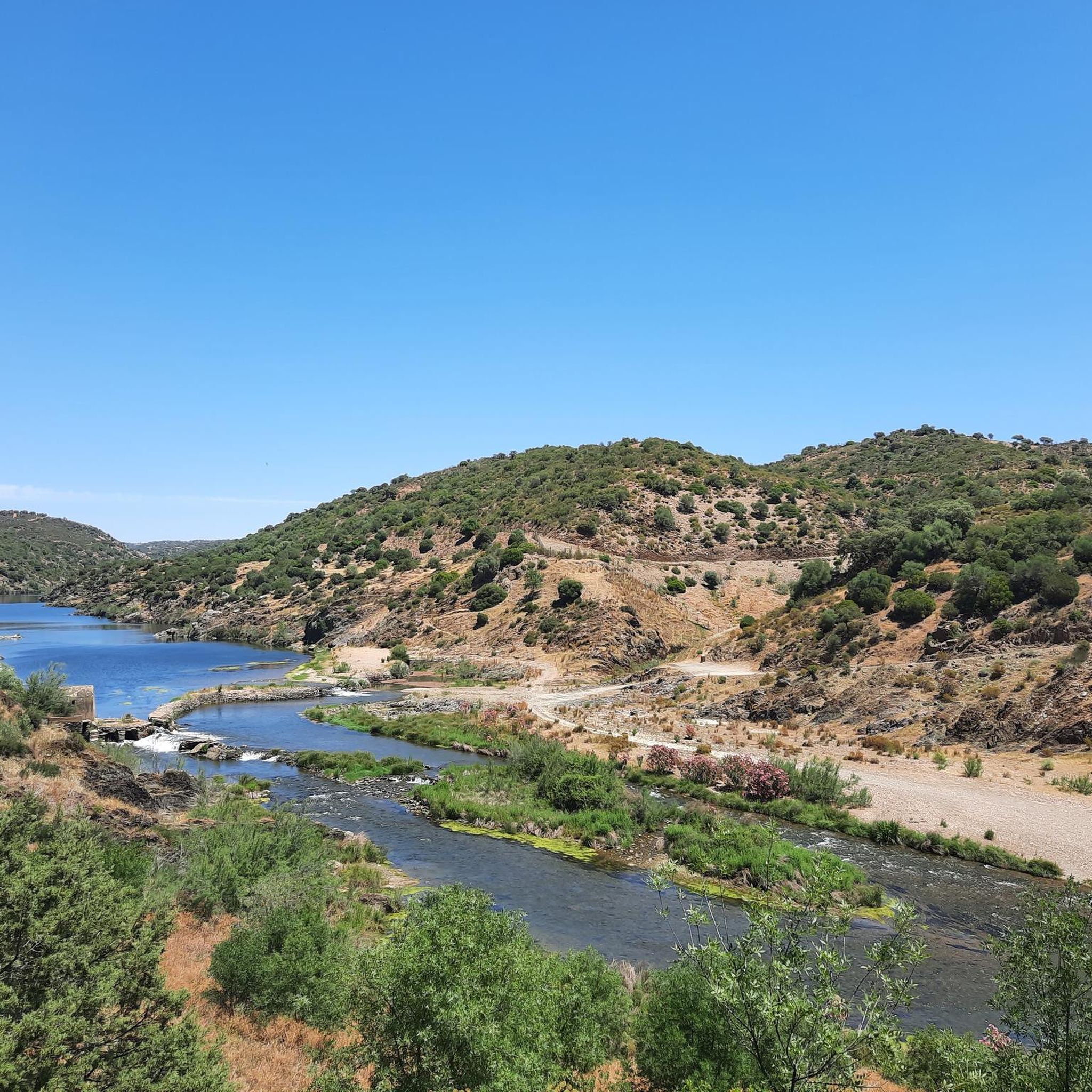
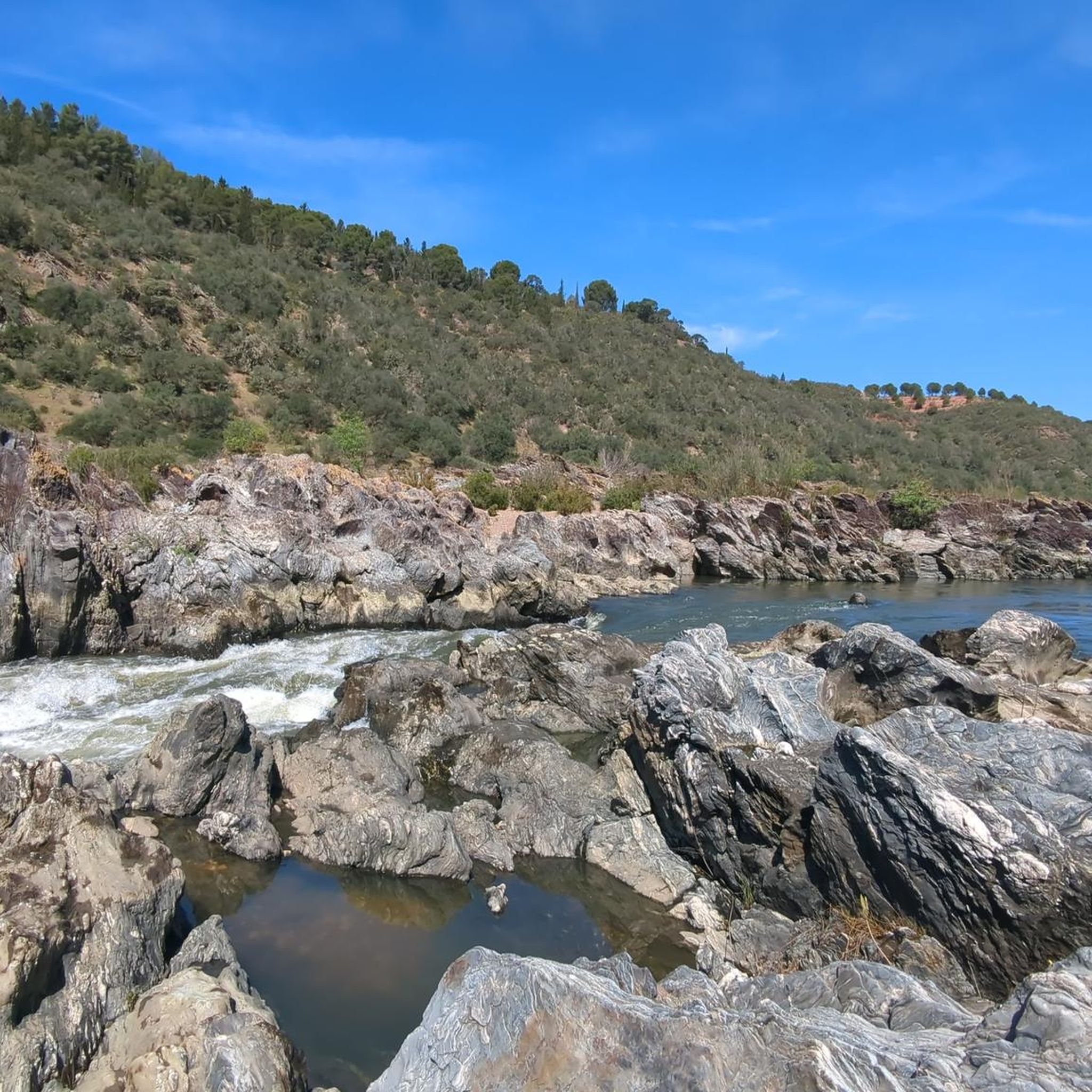
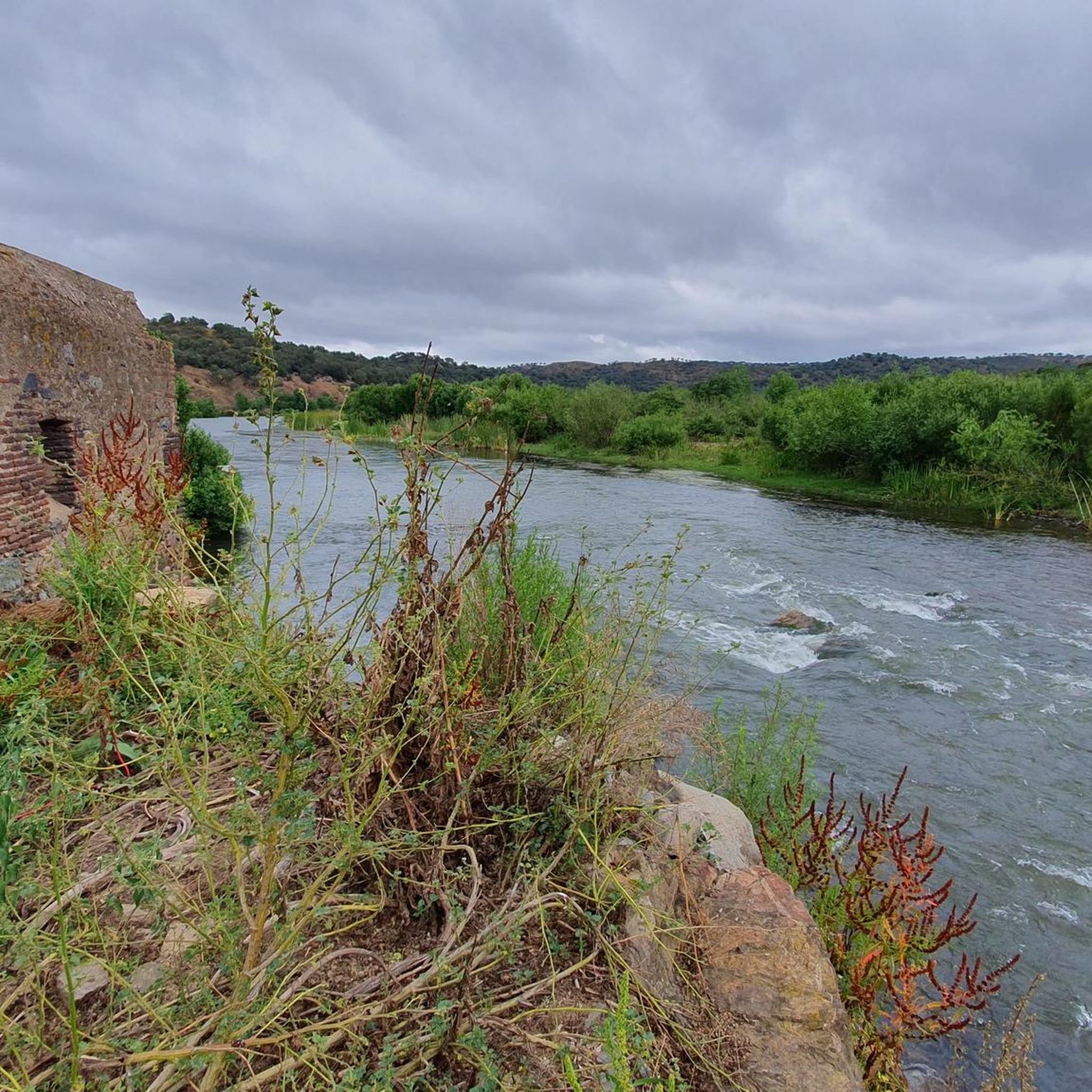
You can access Pulo do Lobo from either side of the river: from Aldeia da Amendoeira, on the Mértola-Beja road (left bank), or from Serpa, in the village of Vale de Poços, where you'll find signs indicating exactly where to turn right (right bank). Both paths are well signposted, and both have several viewpoints. The best view of the waterfall, however, is undoubtedly from the viewpoint on the right bank. Further ahead, you'll see Pego dos Sáveis, the spot where the water suddenly calms down again, forming a tranquil lake.
4
0
As with most castles in Portugal, not only is admission free, but you can even climb the often completely unsecured castle walls via adventurous staircases. Something like that would be unthinkable in Germany for security reasons, but we think it's great.
3
0
There's plenty to see in Beja, including the Sé Catedral de Beja, the castle, and a lovely shopping street with numerous restaurants. However, it's undeniable that the ravages of time have taken their toll on this city; if you like morbid charm, this is the place for you. The town's greatest advantage, however, is its very central location in the heart of the Alentejo.
4
4
Frequently Asked Questions
What historical sites can I explore around Quintos?
The region around Quintos is rich in history. You can visit the impressive Castle of Beja, a medieval fortification with a nearly 40-meter-high Keep Tower offering panoramic views. Another significant historical monument is the Pelourinho de Beja, a 16th-century pillory located in Praça da República. The Church of Mercy of Beja, a unique 16th-century building originally intended as a butcher's shop, is also a National Monument.
Are there any natural attractions or viewpoints near Quintos?
Absolutely. The most prominent natural attraction is the Pulo do Lobo Waterfall on the Guadiana River, where waters fall over 20 meters into a rocky gorge. For stunning views, the Keep Tower of the Castle of Beja provides spectacular vistas of the Alentejo landscape. The Pulo do Lobo Waterfall also has viewpoints, with the one on the right bank offering the best perspective.
What outdoor activities can I do around Quintos?
The area around Quintos offers various outdoor activities, especially hiking and cycling. For hiking, you can explore routes like the 'View of the Guadiana Valley – Pulo do Lobo Waterfall loop' or the 'Guadiana River – Pulo do Lobo Waterfall loop'. Cycling enthusiasts can enjoy routes such as 'Serpa MTB Trail P2' or 'Circular Route 1 Serpa'. You can find more details on these and other routes in the hiking guide and cycling guide for Quintos.
Are there family-friendly attractions in the Quintos area?
Yes, several attractions are suitable for families. The Pelourinho de Beja and the Church of Mercy of Beja are considered family-friendly historical sites. Exploring the grounds of the Castle of Beja can also be an engaging experience for all ages, offering a glimpse into medieval history and impressive views.
What is the difficulty level of hiking trails near Quintos?
Hiking trails around Quintos vary in difficulty. For example, the 'View of the Guadiana Valley – Pulo do Lobo Waterfall loop' and the 'Guadiana River – Pulo do Lobo Waterfall loop' are rated as easy. More moderate options include the 'Serpa Aqueduct – Ermida de São Pedro de Serpa loop'. Always check the specific route details for elevation and terrain before heading out. You can find more information in the hiking guide.
What do visitors enjoy most about the attractions around Quintos?
Visitors particularly appreciate the historical significance and panoramic views offered by the Castle of Beja. The unique natural beauty of the Pulo do Lobo Waterfall, with its dramatic drop and surrounding landscape, is also highly praised. The blend of ancient history and natural wonders makes the area appealing.
Can I find road cycling routes around Quintos?
Yes, there are several road cycling routes available. Options range from moderate to difficult, such as the 'Castle of Beja – Portas de Aljustrel loop from Beja' (moderate) or the longer 'Castle of Beja – Portas de Aljustrel loop from Cuba' (difficult). These routes allow you to explore the wider region. Detailed information can be found in the road cycling guide.
Is there an attraction dedicated to a historical figure in Quintos?
Yes, you can find the Statue of Queen Dona Leonor. This life-size bronze statue commemorates Queen Leonor, who was born in Beja in 1458. She was a significant figure in Portuguese history, known for her contributions to culture and charity, including founding the Santa Casa da Misericórdia.
What kind of monuments are the Pelourinho de Beja and the Church of Mercy of Beja?
The Pelourinho de Beja is a man-made monument, specifically a pillory dating from the 16th century, rebuilt in 1938. The Church of Mercy of Beja is a religious building and historical site, also a National Monument, built in the 16th century with a unique Italian loggia style.
Are there any accessible attractions around Quintos?
The Statue of Queen Dona Leonor is noted as being wheelchair accessible, offering an inclusive option for visitors to appreciate a significant historical figure.
Where can I find more information about the history of the Castle of Beja?
The Castle of Beja is a National Monument with a rich history dating back to the Moorish period, with its Gothic fortress construction beginning in the 13th century. Its Keep Tower is considered a masterpiece of European Gothic military architecture. You can learn more about its past and significance by visiting the castle itself.
Most popular attractions around Quintos

Get inspired with the komoot mobile app


Explore more
Still not found the Highlight you’re looking for? See guides of the top attractions in other regions:
