Attractions and Places To See around Midões - Top 20
Attractions and places to see around Midões, a historic Portuguese village in the municipality of Tábua, blend historical heritage with natural beauty. Located in the District of Coimbra, the area features ancient landmarks and significant cultural sites. Visitors can explore serene natural features, including rivers and trails, within a diverse landscape. The region offers a variety of points of interest for exploration.
Best attractions and places to see around Midões
- The most popular attractions is Barcelos Rooster statue, a…
Last updated: July 1, 2026
Barcelos Medieval Bridge
Highlight • Viewpoint
Translated by Google •
Tip by

Barcelos city centre
Highlight • Settlement
Translated by Google •
Tip by

Sign up now to discover places like this
Get recommendations on the best single tracks, peaks, & plenty of other exciting outdoor places.
Sign up for free
Barcelos Rooster statue
Highlight • Monument
Translated by Google •
Tip by

Famalicão–Póvoa de Varzim Cycle Path
Highlight (Segment) • Cycleway
Translated by Google •
Tip by

Main Church of Santa Maria de Barcelos
Highlight • Religious Site
Translated by Google •
Tip by

Sign up for free to discover even more attractions around Midões.
Sign up for free
Already have an account?
Start today with a free account
Your next adventure awaits.
Login or Signup


Tips from the Community

The church is open for visitation and prayer most days, with specific times for Masses. Opening Hours: Monday to Sunday: 10:00–12:00 and 15:00–19:30. Mass Times (subject to change, please check the official website): Tuesday: 7:00 PM. Thursday: 7:00 PM. Saturday: 5:30 PM. Sunday: 11:00 AM.
1
0
The church was built in the 14th century in a transitional style between Romanesque and Gothic, on the foundations of an earlier 11th-century church. Main Features: Style: Transitional Gothic and Romanesque, with Renaissance and Baroque additions throughout the centuries. Interior: It has three naves, notably featuring 14 blue and white tile panels that cover much of the walls, dating from the 17th and 18th centuries. Notable Elements: The chancel vault is a Manueline work (early 16th century), and the main façade features a Neo-Gothic rose window, the result of a 20th-century restoration. Heritage: The church houses notable altarpieces and funerary monuments of important families, such as the Pinheiro family. The Parish Church of Santa Maria de Barcelos is a point of historical and architectural interest for tourists and pilgrims traveling the Camino de Santiago.
1
0
The Parish Church of Santa Maria de Barcelos, also known as the Collegiate Church, is the main religious temple in the city of Barcelos and a National Monument of Portugal.
1
0
Highlights and Route Landscape: The route crosses rural areas, small population centers, agricultural fields, and forest areas, offering a calm and pleasant environment. Localities: The ecotrail passes through several localities, including Amorim, Terroso, Laundos, Rates, Balazar, Gondifelos, Louro, and Brufe. Intermodality: A great advantage is the direct connection to the Vila Nova de Famalicão train station and the Porto Metro station in Póvoa de Varzim, facilitating access to the beginning and end of the route. Interconnection: The cycle path connects to the Formiga Ecotrail, allowing the ride to be extended.
1
0
Route Characteristics Length: The route is approximately 28 to 30 kilometers in total, connecting the rural interior (Famalicão) to the Atlantic coast (Póvoa de Varzim). Difficulty: It is a flat route, without major slopes or sharp curves, making it an easy and accessible route for everyone, including families with children. Surface: The surface is a mixture of macadam and, in some sections, asphalt, suitable for walking, running and cycling. Accessibility: The ecotrail is wheelchair accessible and has approximately 12 rest areas along the route.
1
0
The Famalicão–Póvoa de Varzim cycle path is, in fact, the Famalicão branch line cycle path. This route was built using the canal of the old railway branch line that connected Vila Nova de Famalicão and Póvoa de Varzim, and which ceased train service in 1995.
1
0

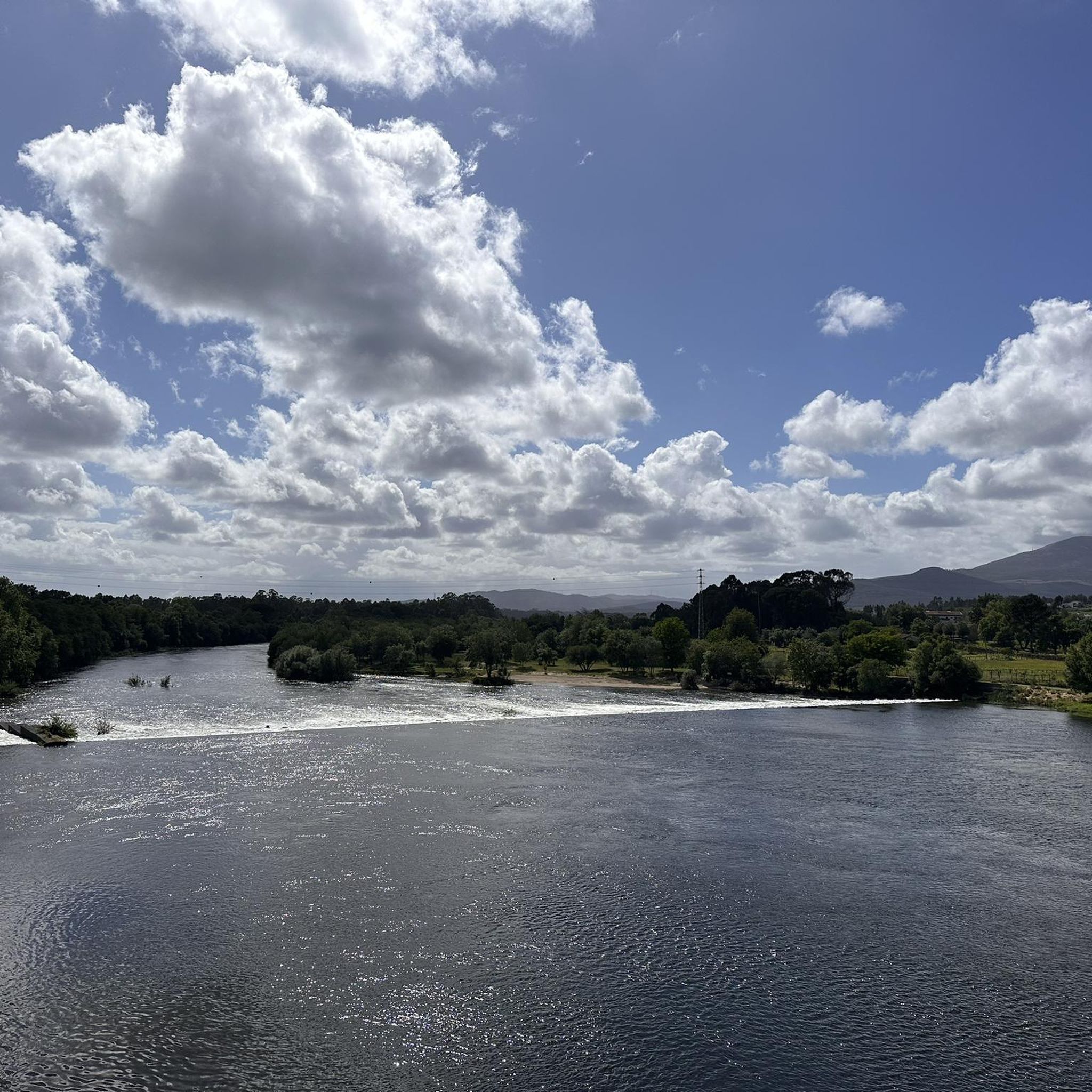
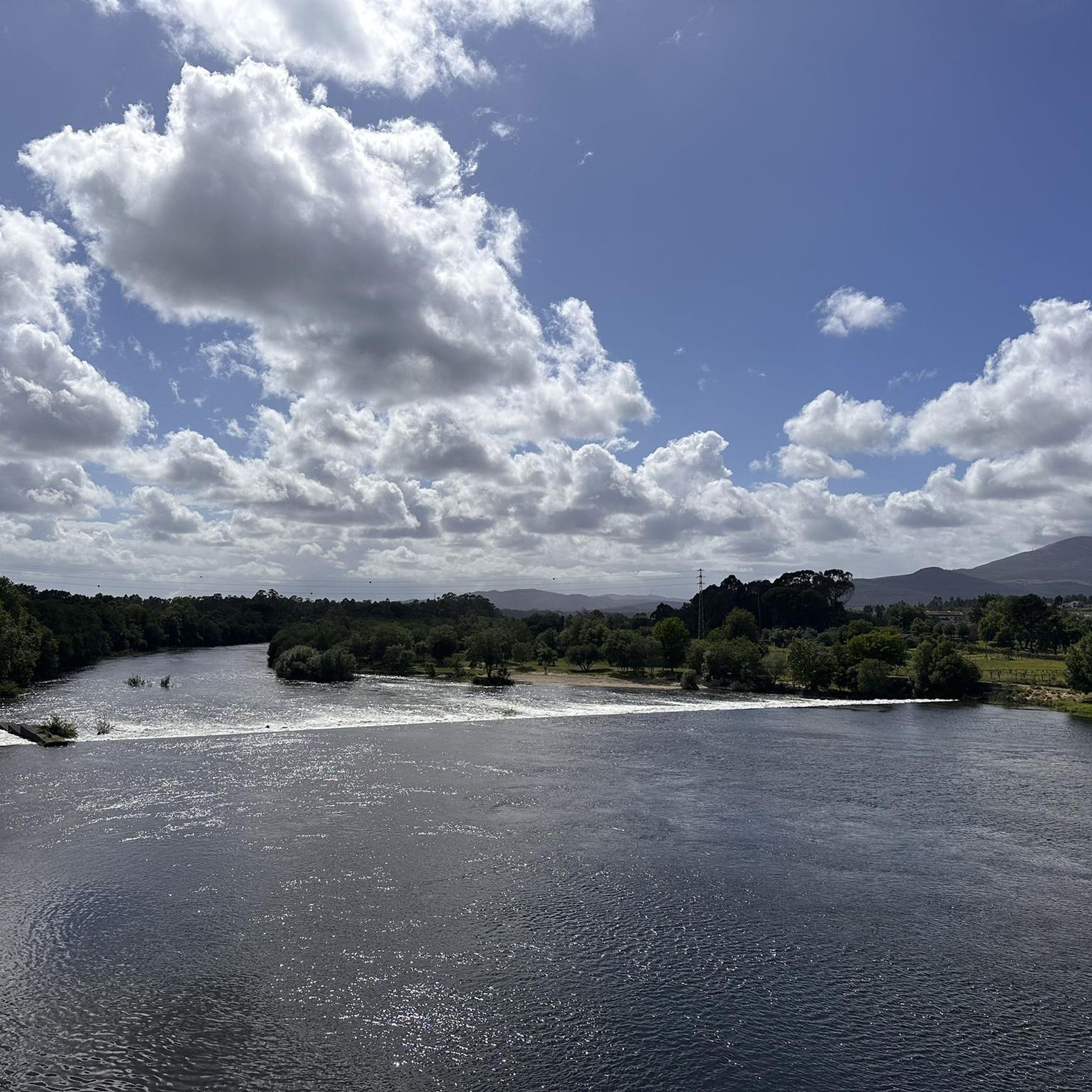
The Barcelos Bridge is more than just an entrance to the city. It's a gateway to its legends, like that of the rooster. Over the Cávado River, this Gothic stone bridge, commissioned by Count Pedro between 1325 and 1330, connects Barcelos to Barcelinhos and has been classified as a National Monument since 1910. And if the heat gets too much, right next door awaits a river beach perfect for a refreshing dip.
3
0

Beautiful view from the ruins of the castle
9
2
Frequently Asked Questions
What historical landmarks can I explore in Midões?
Midões is rich in history. You can visit the 19th-century Palácio de Midões, also known as the 'Palácio das Quatro Estações', which features allegorical sculptures representing the seasons. The village also boasts Roman structures, including the ancient Roman Bridge of Sumes over the Cavalos River and the Roman Viaduct of Midões. Don't miss the impressive Lapa da Orca Dolmen, one of Portugal's largest and best-preserved dolmens.
Are there any significant religious sites in Midões?
Yes, Midões is home to several historic religious buildings. Key sites include the Matriz de Midões, dedicated to Our Lady of the Snows, and the Chapel of St. Sebastian in Coitus, where Roman tombstones can be found. Other notable chapels include Our Lady of Sorrows, Outeiro de S. Miguel, Nossa Senhora do Campo, Santa Ana, Santo Amaro, and Nossa Senhora da Esperança.
What natural attractions are there to see around Midões?
The region around Midões offers beautiful natural features. You can explore the areas around the Cavalos River, the Sea River, and the Mondego River. The Trilho dos Gaios is a scenic trail along the Cavalos River, featuring various waterfalls and lush vegetation. Midões is also recognized as a picturesque shale village, part of the 'Aldeia de Portugal' initiative, with the 'Viver o Douro' pedestrian trail passing through it.
Are there cycling paths or trails near Midões?
Yes, the Ecopista do Dão, considered one of Portugal's most beautiful cycle paths, is accessible nearby. For more cycling options, you can explore various road cycling routes around Midões, which include loops like the 'Barcelos Rooster loop from Midões'.
What kind of hiking opportunities are available in the Midões area?
Midões offers diverse hiking experiences. You can find easy hikes around Midões, such as the 'Barcelos Medieval Bridge – Barcelos Rooster statue loop from Barcelos'. For more challenging options, explore the general hiking routes around Midões, which include moderate trails like the 'Fonte Verde – Detour halfway to Facho loop from Oliveira'.
Can I find examples of traditional Portuguese architecture in Midões?
Absolutely. Beyond the Palácio de Midões, the village features several stately manor houses that reflect its historical significance. These include the Solar do Ribeirinho, the House of João Brandão, Casa do Esporão, Solar dos Sousa Machado, Casa da Obra (also known as 'Valverde'), and Solar dos Soares de Albergaria. You can also find historic Pelourinhos (pillories), such as the Pelourinho de Midões.
What is the significance of the Roman Bridge of Sumes?
The Roman Bridge of Sumes is a testament to Midões' ancient past, standing over the Cavalos River. While its exact construction date is debated, an inscription of '80 AD' nearby suggests its Roman origins. It is classified as a Property of Public Interest and has witnessed centuries of history, with traces of medieval paving still visible in the surrounding area.
What is the 'Palácio das Quatro Estações'?
The 'Palácio das Quatro Estações' is another name for the Palácio de Midões. This 19th-century palace is a prominent historical landmark, notable for the four allegorical sculptures above its main entrance, each representing a season: spring, summer, autumn, and winter.
Are there any ancient megalithic sites in Midões?
Yes, Midões is home to the Lapa da Orca Dolmen. This significant historical site is recognized as one of the largest and best-preserved dolmens in Portugal, offering a glimpse into prehistoric times.
What makes Midões a 'Village of Portugal'?
Midões is classified as an 'Aldeia de Portugal' (Village of Portugal) due to its picturesque charm as a shale village located on the bank of the Douro River. This classification highlights its cultural and natural beauty, and it is also crossed by the 'Viver o Douro' pedestrian trail.
What do visitors appreciate most about the Midões region?
Visitors frequently appreciate the blend of historical heritage and natural beauty in Midões. The region's ancient landmarks, significant cultural sites, and serene natural features, including rivers and trails, are highly valued. The komoot community has contributed over 190 photos and nearly 200 upvotes for the area's points of interest, indicating a strong positive reception for its diverse attractions.

Get inspired with the komoot mobile app


Explore more
Still not found the Highlight you’re looking for? See guides of the top attractions in other regions:
