The best walks and hikes around Arentim
4.4
(52)
326
hikers
6
hikes
Hiking around Arentim, a civil parish within the municipality of Braga, offers varied topography including mountains, forests, and river valleys. The region features elevations such as the Serra dos Picos and Serra dos Carvalhos, providing opportunities for panoramic views. River valleys, shaped by the Cávado and Este rivers, contribute to lush landscapes and gentler routes. Wooded areas and rolling green vistas characterize much of the terrain, suitable for diverse hiking experiences.
Best hiking trails around Arentim
- The most popular hiking…
Last updated: June 26, 2026
4.7
(26)
136
hikers
11.5km
03:20
280m
280m
Moderate hike. Good fitness required. Easily-accessible paths. Suitable for all skill levels.
5.0
(2)
52
hikers
4.63km
01:15
60m
60m
Easy hike. Great for any fitness level. Easily-accessible paths. Suitable for all skill levels.

Sign up for free
3.9
(9)
38
hikers
18.2km
05:20
470m
470m
Hard hike. Very good fitness required. Mostly accessible paths. Sure-footedness required.
2.5
(2)
4
hikers
8.73km
02:24
140m
140m
Moderate hike. Good fitness required. Easily-accessible paths. Suitable for all skill levels.
5.0
(2)
6
hikers
15.1km
04:06
220m
220m
Moderate hike. Good fitness required. Easily-accessible paths. Suitable for all skill levels.
Our route recommendations are based on thousands of hikes, rides, and runs completed by other people on komoot.
Start today with a free account
Your next adventure awaits.
Login or Signup
Tips from the Community

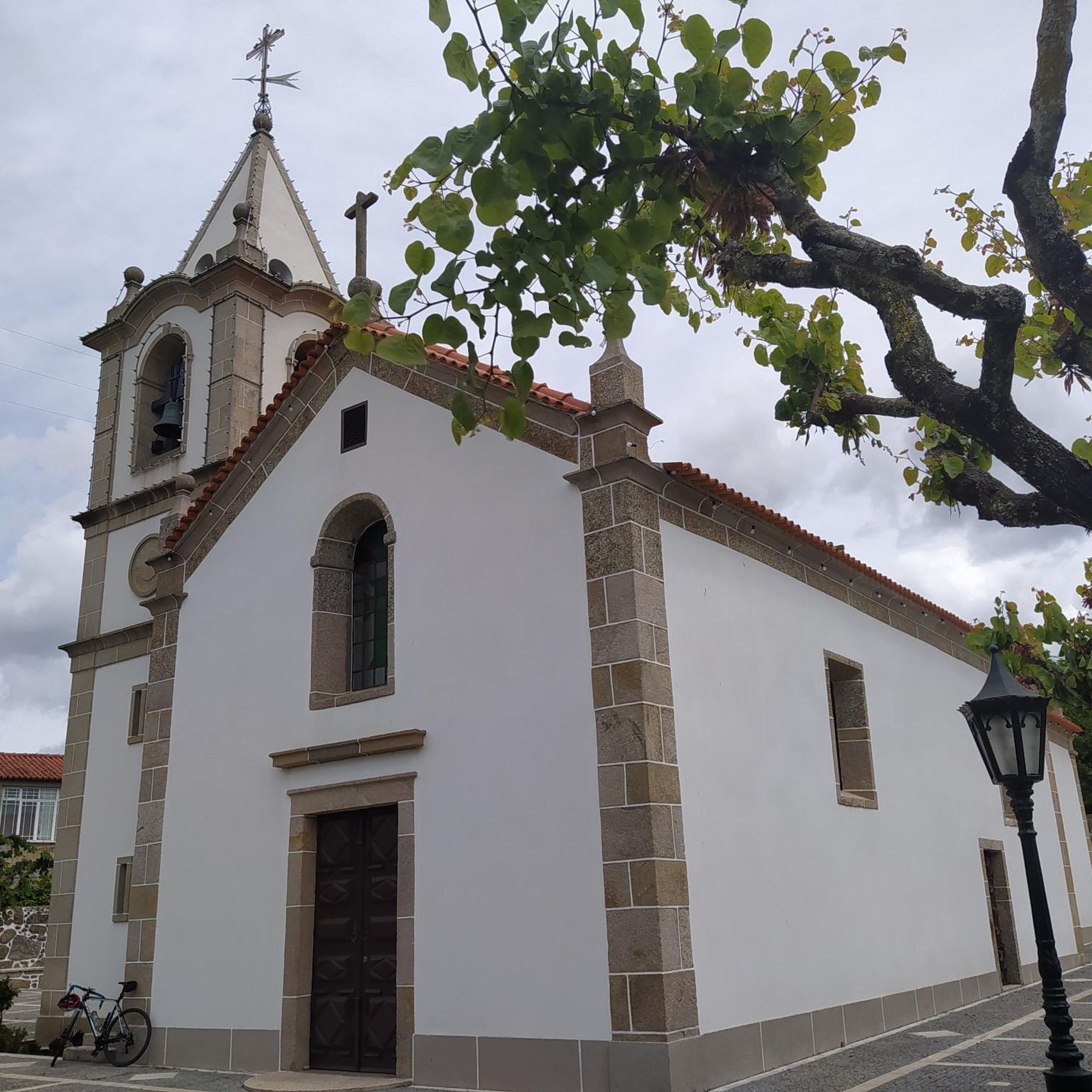
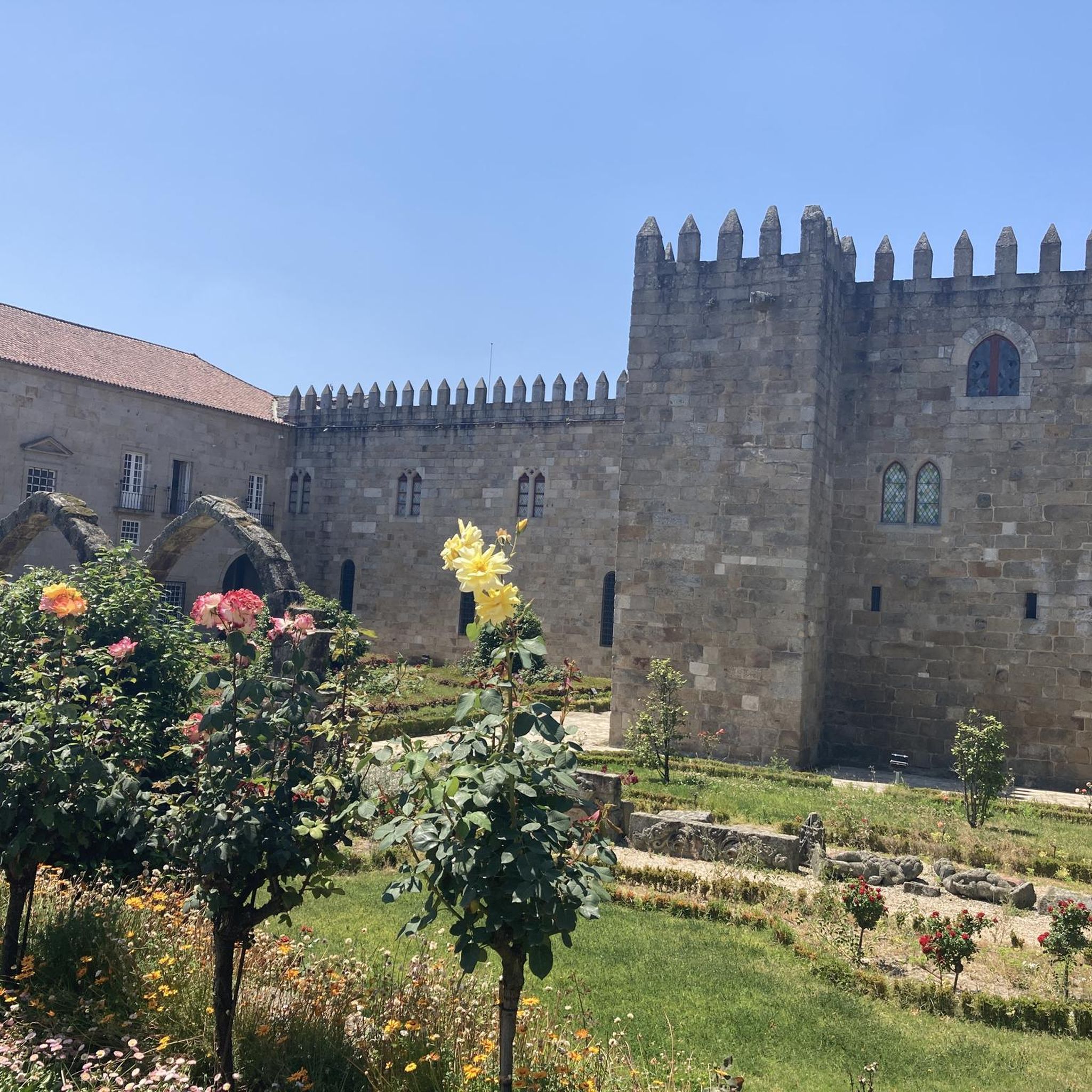
The church was originally part of the College of São Paulo, founded in 1531 by Archbishop D. Diogo de Sousa and later given to the Society of Jesus in 1560. After the expulsion of the Jesuits, the building was integrated into the Conciliar Seminary of Braga, maintaining a central role as a liturgical space. For more historical details, you can consult the São Paulo Church page on Wikipedia or the Monumentos.p portal.
0
0

The church is open for visitation and prayer most days, with specific times for Masses. Opening Hours: Monday to Sunday: 10:00–12:00 and 15:00–19:30. Mass Times (subject to change, please check the official website): Tuesday: 7:00 PM. Thursday: 7:00 PM. Saturday: 5:30 PM. Sunday: 11:00 AM.
1
0
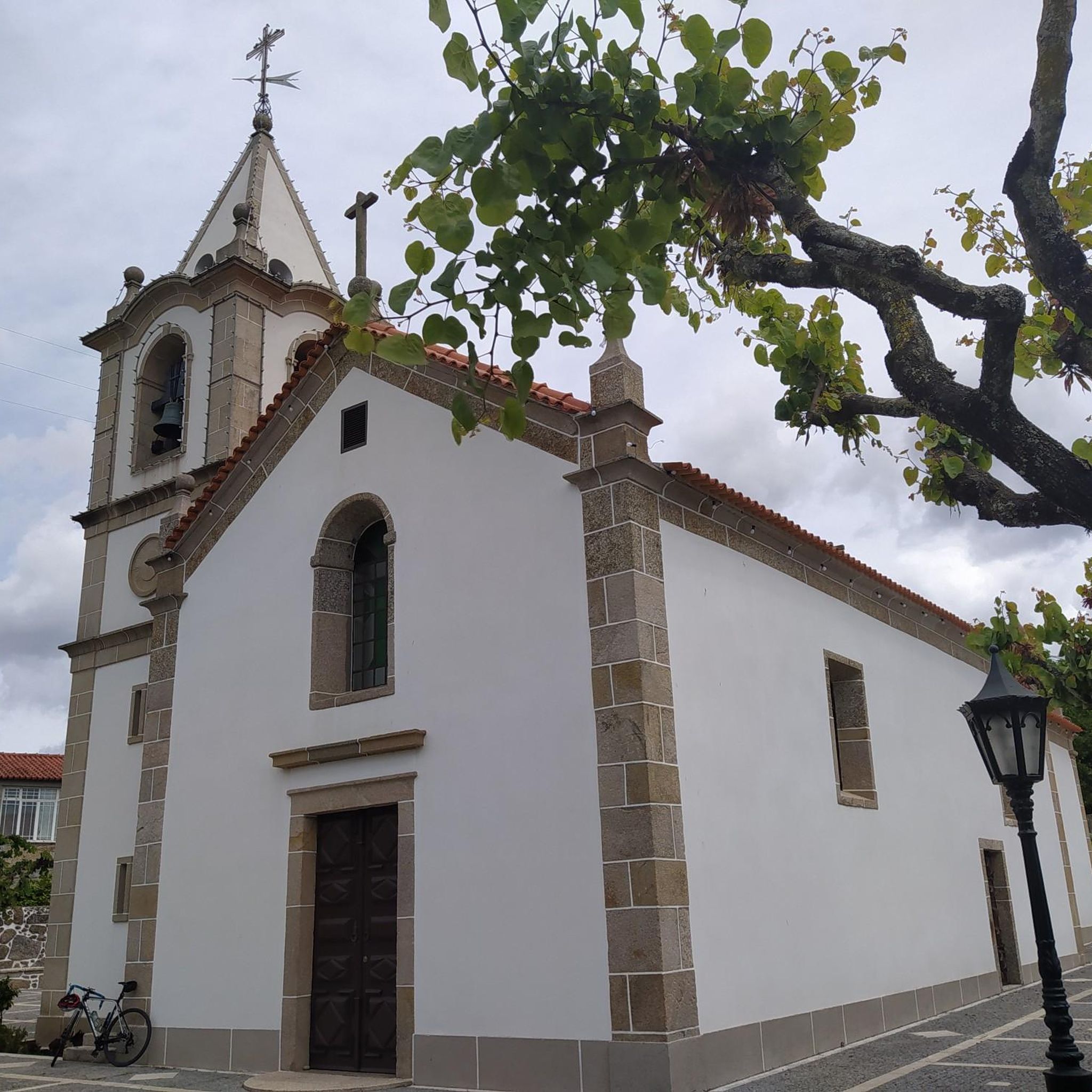
The church was built in the 14th century in a transitional style between Romanesque and Gothic, on the foundations of an earlier 11th-century church. Main Features: Style: Transitional Gothic and Romanesque, with Renaissance and Baroque additions throughout the centuries. Interior: It has three naves, notably featuring 14 blue and white tile panels that cover much of the walls, dating from the 17th and 18th centuries. Notable Elements: The chancel vault is a Manueline work (early 16th century), and the main façade features a Neo-Gothic rose window, the result of a 20th-century restoration. Heritage: The church houses notable altarpieces and funerary monuments of important families, such as the Pinheiro family. The Parish Church of Santa Maria de Barcelos is a point of historical and architectural interest for tourists and pilgrims traveling the Camino de Santiago.
1
0
The Parish Church of Santa Maria de Barcelos, also known as the Collegiate Church, is the main religious temple in the city of Barcelos and a National Monument of Portugal.
1
0

The artificial grotto was designed by the Swiss-Portuguese architect Ernesto Korrodi at the beginning of the 20th century and features stone walls, trickling water, stalactite-like dripstones, and a small waterfall. The complex is a photo opportunity par excellence. It is located on a hill next to the church, surrounded by numerous beautiful, well-tended flowerbeds. At the top, an octagonal wooden pavilion awaits, offering a magnificent view of the entire area. Like the railings of the winding access paths, the beautiful little hut is constructed of woven wooden branches.
2
0

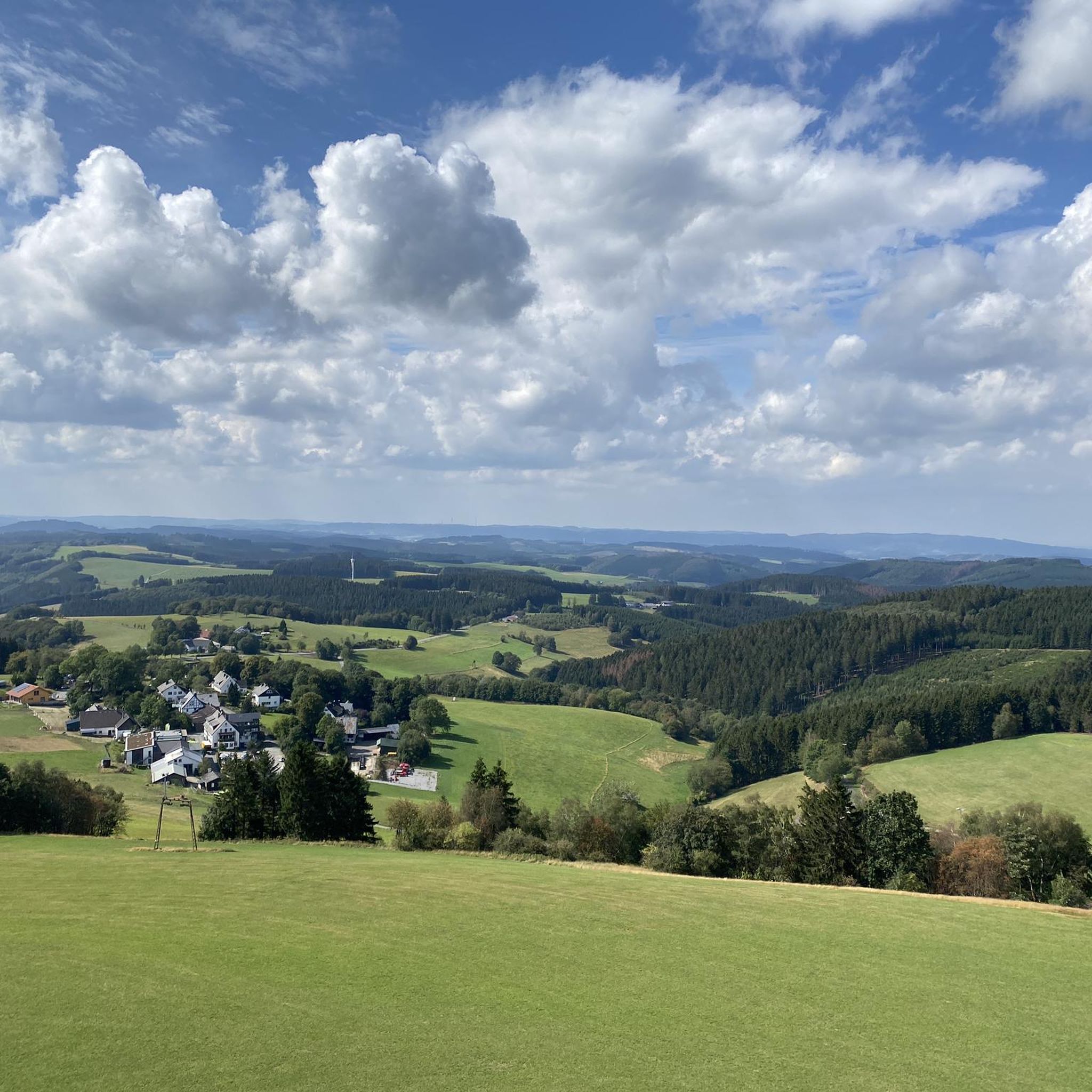
Locals choose this spot to exercise, picnic, relax, and watch the sunset. Especially because the Sameiro Sanctuary offers the best panoramic view of the city of Braga!
1
0

The Barcelos Bridge is more than just an entrance to the city. It's a gateway to its legends, like that of the rooster. Over the Cávado River, this Gothic stone bridge, commissioned by Count Pedro between 1325 and 1330, connects Barcelos to Barcelinhos and has been classified as a National Monument since 1910. And if the heat gets too much, right next door awaits a river beach perfect for a refreshing dip.
3
0

Incredibly elaborate stepped structures. A view from the bottom up is highly recommended.
0
1
Frequently Asked Questions
How many hiking trails are available around Arentim?
While Arentim itself offers 6 dedicated hiking routes, it is part of the broader Braga county which boasts an extensive 280 km network of trails. This network provides a mix of difficulties and terrains, ensuring options for various hiking preferences.
Are there easy hiking options suitable for beginners in Arentim?
Yes, Arentim offers 3 easy hiking routes perfect for beginners or those seeking a relaxed walk. An example is the Ponte de Coura loop from Lemenhe, which is just under 5 km long and features minimal elevation gain.
What kind of landscapes can I expect to see while hiking near Arentim?
The region around Arentim offers a diverse topography, including rolling green vistas, wooded mountains, and serene natural areas. You'll find trails traversing forests, river valleys shaped by the Cávado and Este rivers, and open landscapes, often leading to panoramic viewpoints.
Are there any circular walks available in the Arentim area?
Yes, many of the trails around Arentim are designed as circular routes, offering convenient starting and ending points. For instance, the Barcelos Medieval Bridge – Barcelos city centre loop from Várzea is a moderate 9 km circular trail that explores historical and urban landscapes.
Are there any challenging hikes with good views near Arentim?
While Arentim's immediate vicinity features moderate trails, the broader Braga municipality includes mountainous areas like the Serra dos Picos and Monte do Sameiro. These higher elevations provide opportunities for more challenging hikes and offer panoramic vistas over the surrounding countryside. The region's varied topography ensures that even moderate routes can offer rewarding views.
What do other hikers enjoy most about hiking in Arentim?
The area is highly rated by the komoot community, with an average score of 4.5 stars from over 50 reviews. Hikers often praise the diverse landscapes, from river valleys to wooded areas, and the variety of routes suitable for different ability levels.
Are there any historical or cultural attractions to see along the hiking trails?
Yes, hiking in the Braga region often blends natural beauty with historical points of interest. You can explore sites like the Barcelos Medieval Bridge, or visit religious sanctuaries such as the Braga Cathedral (Sé de Braga), which offers views of the city. The Arnoso Monastery – Castro da Ermida loop from Nine specifically features historical sites.
Are the hiking trails around Arentim suitable for families with children?
Yes, the region offers several easy routes that are suitable for families. Trails with gentler terrain and shorter distances, such as the Forum Braga – Parque da Ponte loop from Tanque da Veiga, are ideal for walks with children, allowing them to enjoy the natural surroundings.
Can I find trails with waterfalls near Arentim?
The region around Arentim, particularly the broader Minho Province and its proximity to Peneda-Gerês National Park, is known for its lush landscapes and numerous tributaries. While specific waterfalls directly within Arentim are not highlighted, the varied topography and river systems suggest that trails in the wider area often feature picturesque water elements, including smaller cascades.
Is it possible to access hiking trailheads near Arentim using public transport?
Given Arentim's location within the municipality of Braga, many trailheads, especially those closer to urban centers like Braga or Barcelos, may be accessible via local bus services. For routes starting further afield, it's advisable to check local transport schedules for connections to the specific starting points.
Are there less crowded hiking trails in the Arentim area?
While popular routes can see more visitors, the extensive 280 km network of trails across Braga county means there are many options for finding quieter paths. Exploring some of the lesser-known local loops or venturing slightly further from the main towns can lead to more secluded hiking experiences.
What is the best time of year to go hiking in Arentim?
The region generally offers pleasant hiking conditions for much of the year. Spring and autumn provide mild temperatures and vibrant scenery, making them ideal. Summers can be warm, so early morning or late afternoon hikes are recommended. Winters are typically mild, allowing for year-round outdoor activity, though some higher elevation trails might be cooler.
Most popular routes around Arentim
Most popular attractions around Arentim

Get inspired with the komoot mobile app


Explore more
Browse the best Hikes in other regions.
